
Garage Floor Resurfacing: When Can You Recoat Concrete Instead of Replacing It?
A garage floor can often be resurfaced instead of replaced—but only when the concrete beneath it is sound enough to support a new repair and coating system. Peeling paint, worn coatings, small pits and stable surface cracks may be repairable. Widespread concrete breakdown, active movement, moisture-related failure or weak concrete needs a different scope before any new finish is applied. Garage floor resurfacing is not simply applying another coating over an old floor. The decision starts with the substrate: what is bonded, what is loose, whether the concrete is sound, and whether cracks or moisture need further investigation.
What can garage floor resurfacing actually fix?
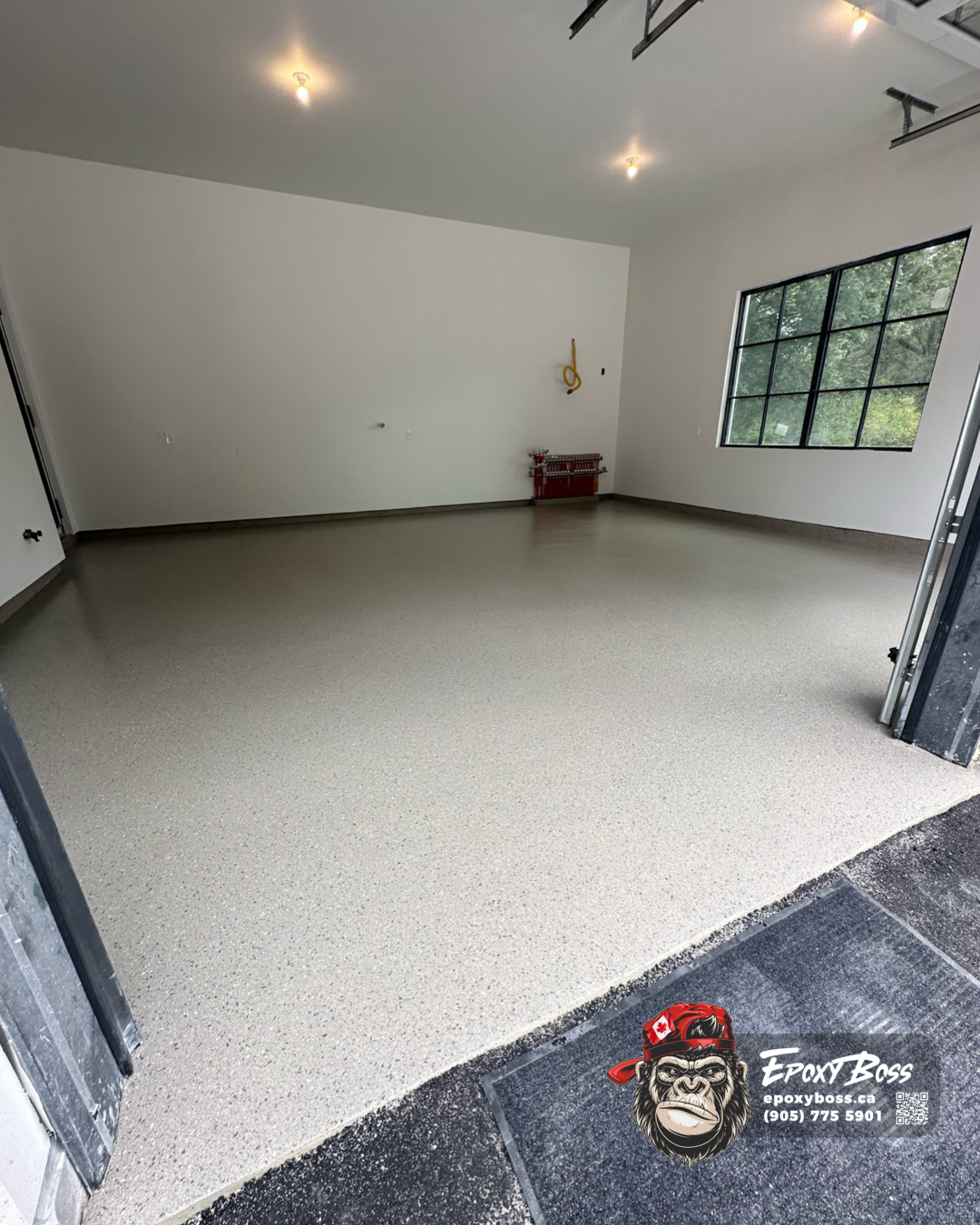
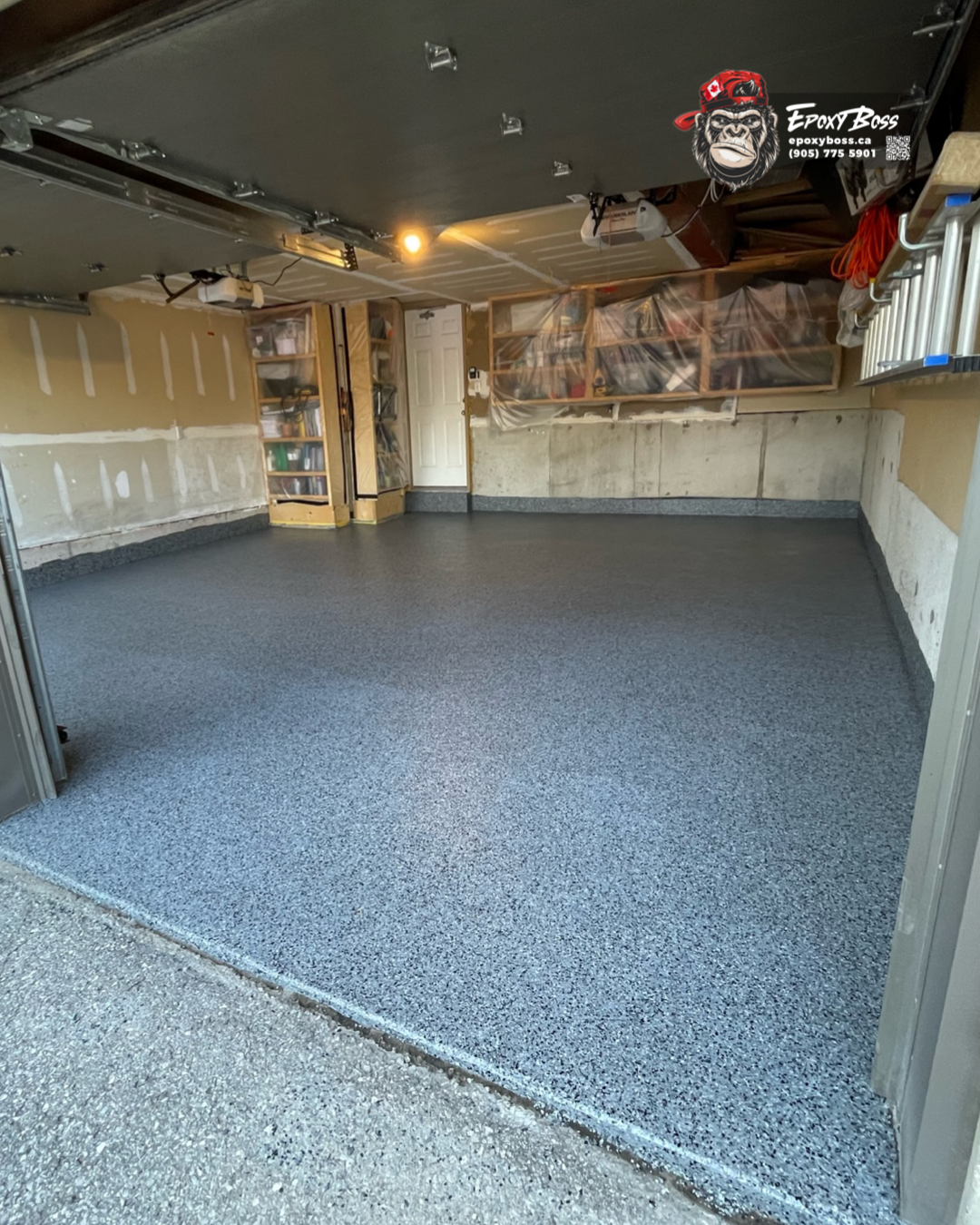
Garage floor resurfacing can correct surface-level wear and prepare a sound slab for a new protective floor system. It may include removal of a failed coating, diamond grinding, cleaning, concrete repairs, crack treatment and installation of a compatible new system. A resurfacing scope is often appropriate when the floor has:
- A worn or scratched existing coating that is still properly bonded in the areas being retained.
- Peeling paint or a failed coating that can be fully removed without exposing weak or deteriorated concrete.
- Small pits, chips or isolated spalls that can be repaired after loose material is removed.
- Stable surface cracks that can be assessed and treated as part of the preparation process.
- Oil, salt residue, tire marks or contamination that can be removed during the specified preparation process.
- An uneven-looking finish caused by a previous coating failure rather than structural movement in the slab.
The finish is only as reliable as the prepared concrete underneath it. A coating does not strengthen unsound concrete, stop slab movement or solve an unconfirmed moisture condition by itself.
When does a garage floor need more than a recoat?
A new coating should not be used to hide a floor that is breaking down or moving. Full removal, concrete repair, moisture evaluation or a broader restoration scope may be necessary when the assessment finds a problem beyond the old finish. Removal and further repair are more likely when there is:
- Loose, hollow-sounding or delaminated concrete beneath the existing coating.
- Widespread scaling, deep spalling or crumbling areas rather than a few isolated defects.
- Cracks that show movement, separation, height difference or repeated opening.
- A coating lifting from many areas with no clear surface-only explanation.
- Dampness, staining or other signs that require moisture-related conditions to be checked before specification.
- Previous patch repairs that are loose, incompatible or deteriorated.
- Structural or drainage concerns that need a qualified assessment outside the coating scope.
In Ontario garages, snow, slush and road-salt residue are part of the condition review. Saturated concrete exposed to freezing and thawing can deteriorate at joints and surface areas, particularly where de-icing salts are present. A floor should be assessed after winter damage is visible, not simply covered over.
The difference between a cosmetic failure and a concrete problem
A coating failure and a concrete failure are not the same thing. The visible symptom may look similar from above, but the repair decision changes completely depending on where the separation occurred. If a previous coating peels away and leaves hard, clean concrete underneath, the issue may be related to insufficient preparation, contamination, an incompatible layer or an application issue. That possibility still requires assessment; it is not a remote diagnosis. If the coating pulls up with weak concrete attached to its underside, or the exposed slab is dusty, soft or breaking away, the substrate itself may need repair before a new system is considered. A common mistake is calling every damaged garage floor “bad epoxy.” The useful question is: Did the failure occur between coating layers, between the coating and concrete, or within the concrete itself? That distinction guides the next step.
How Epoxy Boss assesses a garage floor before resurfacing
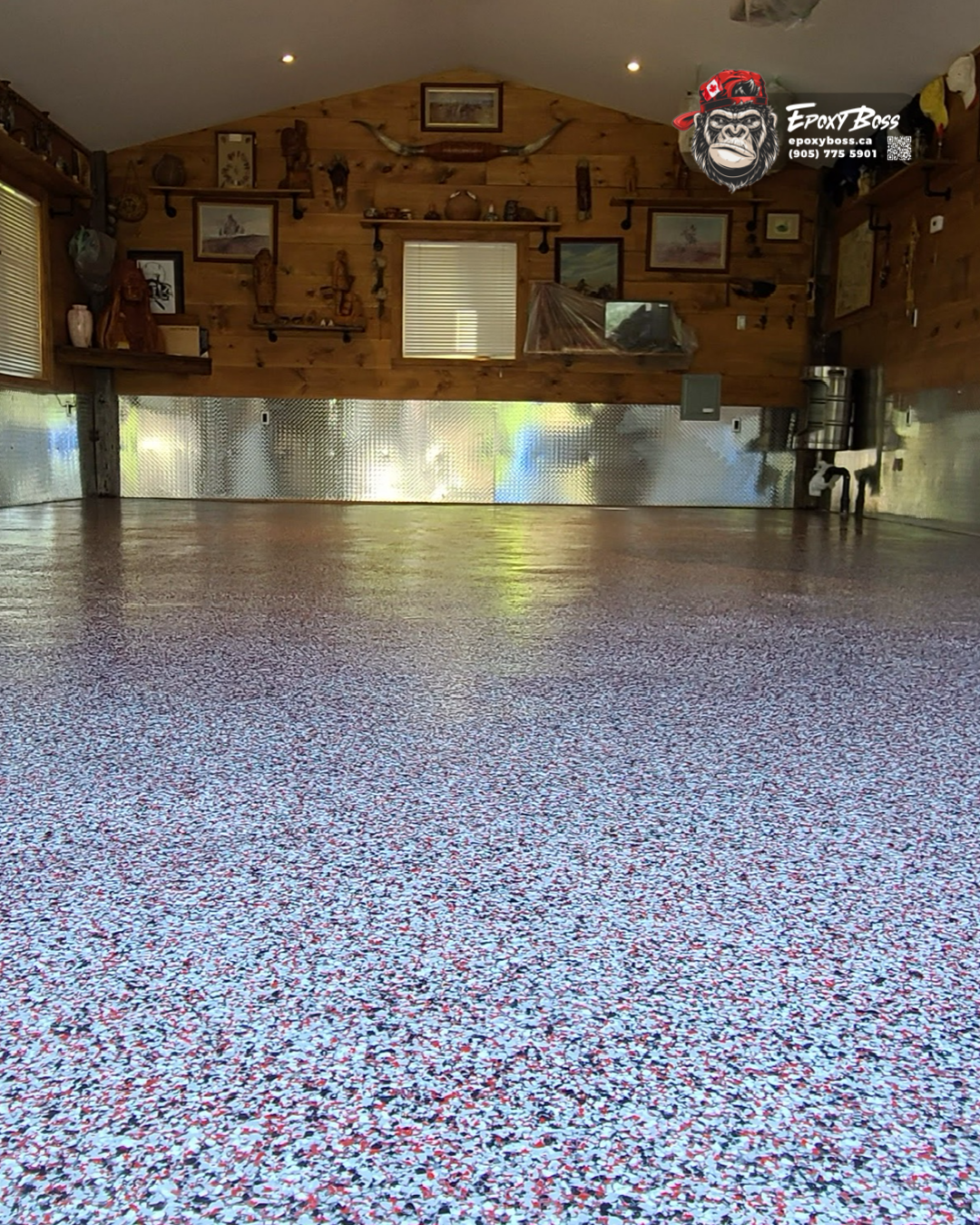
At Epoxy Boss, garage floor resurfacing follows the same core process used for new floor systems: inspect, prepare, repair, install, protect and quality check. First, the visible condition is reviewed. We look for peeling, blistering, cracking, staining, pitting, joint deterioration, old paint, patching and areas of exposed concrete. We also ask how the garage is used and when the damage appeared. Next, the existing coating and concrete need to be prepared to reveal the real condition. Mechanical preparation can remove weak material, old coatings and surface contaminants while creating the surface profile required by the specified repair or coating system. The correct method and profile depend on the condition of the slab and the materials being installed. Cracks and defects are then assessed individually. A stable surface defect is not treated the same way as a moving crack or a deteriorated joint. Repairs are placed only after loose material and unsuitable edges have been removed and the repair area is properly prepared. Only after those steps can a new garage floor system be selected. A full-flake floor, solid-colour coating, moisture-tolerant system or another specification should match the confirmed condition of the concrete—not be chosen first and forced onto the floor afterward.
A simple decision guide: recoat, repair or remove?
A recoat may be possible when the existing surface is sound, contamination can be removed, the previous finish is properly bonded where it remains, and the concrete has no broad deterioration.
Repair and recoat may be possible when the floor has isolated chips, pits, stable cracks or localized coating failure, but the surrounding concrete is sound after preparation.
Full removal and a broader repair scope may be needed when failure is widespread, concrete is weak, cracks are moving, patches are loose, or moisture-related conditions need further evaluation.
Replacement or a separate structural assessment may be needed when the slab has serious movement, major settlement, extensive deterioration or problems beyond a coating contractor’s scope.
No photo alone can confirm which category applies. Photos are useful for an initial conversation, but the final recommendation should follow a site assessment and preparation review.
Why grinding matters before a new garage floor finish
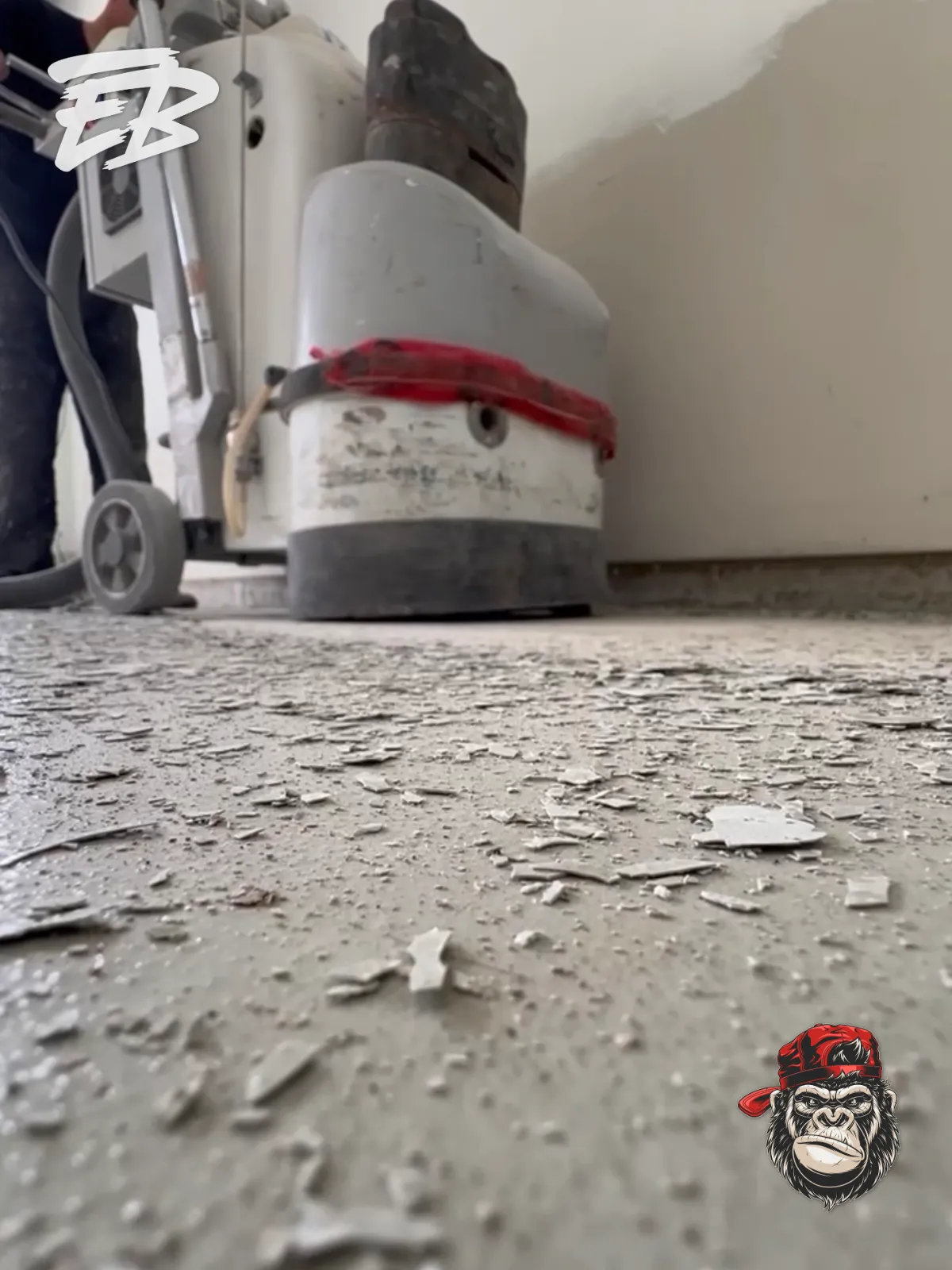
Grinding is not a cosmetic step. Proper mechanical preparation removes weak or contaminated surface material and creates a profile that helps a compatible repair or coating system bond to the concrete. Acid etching, pressure washing or cleaning alone may not remove an old coating, laitance, oils, weak surface paste or previous materials that interfere with adhesion. The correct preparation method depends on what is actually on the slab and on the requirements of the specified system. Industry guidance on concrete surface preparation recognises that coatings, repairs and overlays require preparation methods selected for the material and the condition of the substrate. That is why resurfacing starts with the floor beneath the finish—not a colour chip or topcoat selection.
Can you resurface a garage floor with cracks?
Some garage floor cracks can be incorporated into a resurfacing scope, but not every crack should be treated as a simple cosmetic defect. The key question is whether the crack is stable and limited to the surface, or whether it indicates movement, separation or deterioration that needs a different repair approach. A crack near a control joint, at a step, along an addition, or beside a damaged area deserves closer inspection. If a crack has changed in width, has height difference between sides, or repeatedly reopens, a coating alone should not be presented as a permanent structural solution. The purpose of crack treatment is to prepare and repair the floor appropriately for the selected system. It is not a promise that a moving slab will stop moving.
How to protect a resurfaced garage floor in Ontario
A properly specified garage floor system makes routine cleanup easier, but it still needs sensible maintenance. Sweep abrasive grit regularly, remove road-salt residue and standing slush, and clean spills before they sit for extended periods. Use mats or containment strategies where heavy snow, water and brine regularly collect. Avoid dragging sharp metal items across the floor, and do not use harsh cleaners unless they are suitable for the installed system. Early action matters. A small chip, loose edge or new crack is easier to assess before moisture, salt and traffic have worked further into the damaged area.
Garage floor resurfacing starts with the condition underneath
The right question is not “Can you coat this garage floor?” It is “What must be corrected before a new system can perform as intended?” A professional resurfacing scope may save a sound slab from unnecessary replacement. It may also reveal when a simple recoat would only hide a bigger problem for a short time. Both outcomes are useful because they are based on the condition of the concrete. If you are considering [garage floor coating → /garage-floor-coating] or [concrete repair and restoration → /concrete-repair-restoration], begin with the floor you have—not the finish you hope to see.
Frequently asked questions
Can a peeling garage floor be resurfaced?
A peeling garage floor can sometimes be resurfaced after the failed material is removed and the concrete is assessed. The cause of the peeling matters: surface contamination, poor preparation, an incompatible coating layer, weak concrete or moisture-related conditions can require different corrective work.
Is garage floor resurfacing cheaper than replacing concrete?
Garage floor resurfacing can cost less than replacing a slab when the concrete is sound enough to repair and prepare. It is not automatically the lower-cost option if the slab has extensive deterioration, moving cracks, deep damage or conditions that require a larger restoration scope.
Can you coat over an existing garage floor coating?
Sometimes, but only if the existing coating is confirmed to be clean, sound, compatible and properly bonded. Coating over an unknown or failing layer can transfer the old failure into the new system. In many situations, removal and mechanical preparation are the more reliable approach.
Will resurfacing fix pitting in a garage floor?
Resurfacing can address isolated pitting after weak material is removed and the area is properly repaired. Widespread pitting may point to broader surface deterioration and needs a full assessment before a repair system or coating is selected.
Does road salt damage garage concrete?
Road salt and brine tracked into an Ontario garage can contribute to surface deterioration when moisture and freeze–thaw conditions are present. Salt residue should be cleaned from the floor, especially around joints, tire paths and areas where slush collects.
Can garage floor cracks be covered with epoxy?
Some stable cracks can be prepared and treated within a coating scope, but a coating is not a structural repair for moving concrete. Cracks with movement, separation or height difference need further evaluation before a new floor system is recommended.
How do I know if my garage needs resurfacing or replacement?
Start with an assessment of the concrete, not the visible finish. Loose concrete, widespread spalling, major movement and serious slab damage may require work beyond resurfacing. A sound slab with surface wear, isolated defects or a failed coating may be a candidate for repair and a new protective system.
Request a Floor Assessment
Send three photos of your floor: the whole garage, the worst area, and a close-up of the damage. Tell us how you use the space and when the problem began. Epoxy Boss will explain what is visible, what needs checking on site, and which resurfacing or repair options fit your floor.

.webp)

.png)
.png)