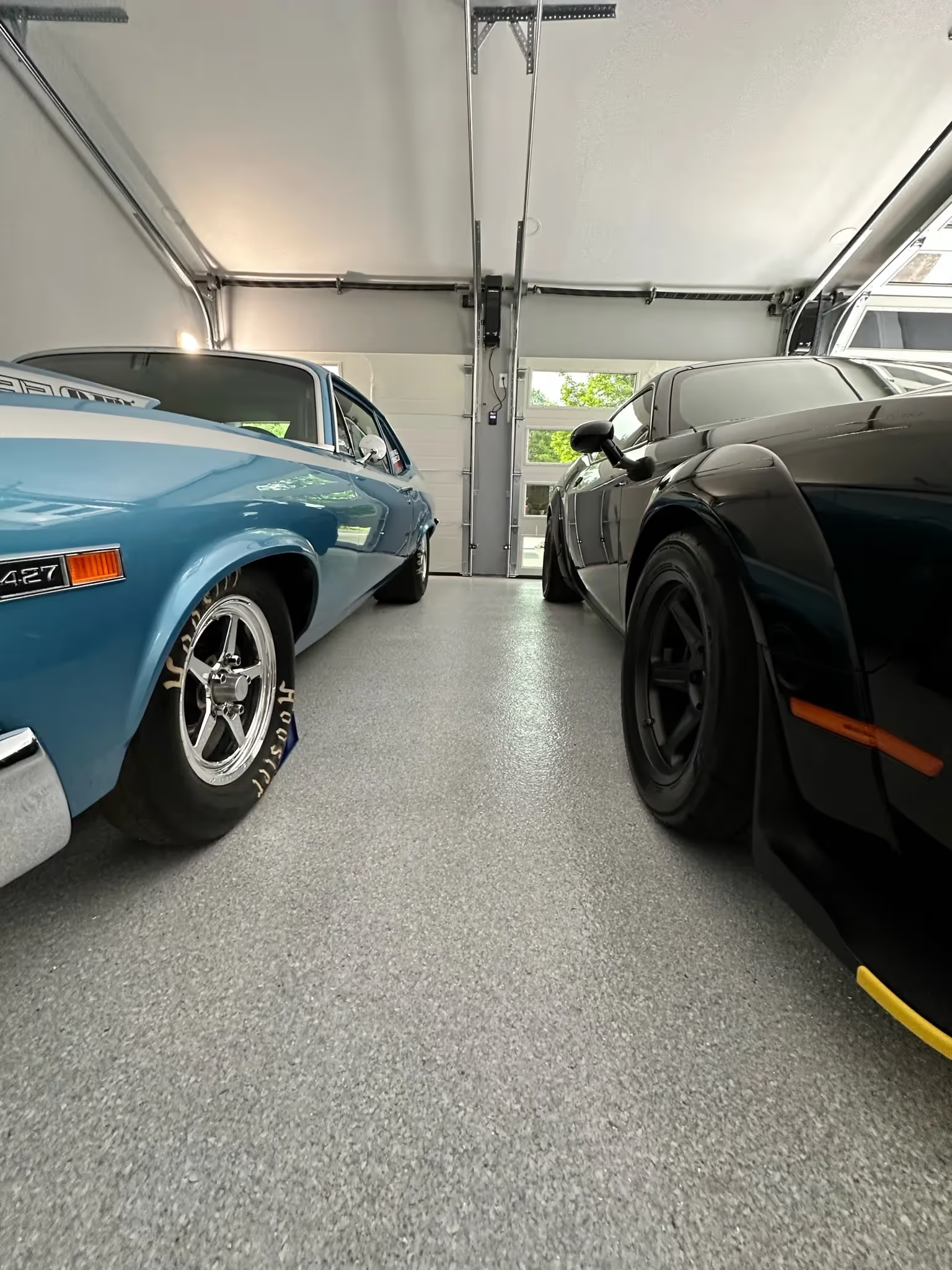
Concrete Coatings & Garage Floors in Innisfil
Garage coating, failed-floor repair, concrete preparation, and commercial flooring for Innisfil and nearby Simcoe County.

Concrete Flooring Built for Innisfil Properties
Epoxy Boss provides concrete flooring services for residential, commercial, industrial, institutional, and public-sector properties across Toronto and the Greater Toronto Area.
Our experience extends beyond residential garages. Epoxy Boss has performed concrete-floor preparation, repair, restoration, coating, and protection work for complex operating environments, including healthcare settings, casino environments, transportation-related facilities, police facilities, restaurants, schools, hospitality spaces, automotive properties, warehouses, showrooms, and commercial buildings.
These projects require more than a decorative finish. They require a clear understanding of substrate condition, surface preparation, traffic, maintenance, safety, scheduling, and the operating requirements of the space. Our team assesses the concrete first, then plans the work around the actual floor and facility needs.
Pick Your Side of the city
FAQ
How do I clean a coated garage floor after winter?
Through winter, salt dries into a white film. In spring, sweep, rinse with water, and wash with a neutral cleaner or one recommended for your coating, then rinse again. Avoid acidic cleaners and abrasive scrubbing pads that can dull the finish. Doing a quick rinse during winter thaws, where practical, stops the build-up. We hand over care instructions with every floor.
Will hot tires lift my garage coating?
Hot tire pickup happens when a warm tire softens and grips a coating, then pulls it away as it cools and the car moves. It's most common on thin coatings over poorly prepared concrete, or on floors driven on before they've fully cured. Mechanical preparation for a proper bond, a coating system with suitable thickness, and waiting for the stated vehicle cure time are the main defences.
How long does a garage floor installation take?
The main variables are how much repair the slab needs, how many layers the system has, and how long each layer takes to cure at the conditions on the day. A garage in good condition with a fast-curing system is quicker than one needing salt-damage repair first. We give you a written schedule with the quote, including when you can walk on it and when you can park on it.
Will a basement floor coating smell?
Odour depends heavily on the chemistry. Some products carry a noticeable smell during application and for a period after; others are formulated to be lower-odour. In an occupied home we look at the product's data for odour and ventilation requirements, plan airflow, and agree timing with you — for example, whether anyone sensitive to odours should be out of the house for part of the day.
Can you coat a heated garage in January?
A garage heated to a steady temperature can meet a product's requirements in the middle of winter. What trips it up is the door: opening it lets cold air across a curing floor and can pull the slab temperature down quickly. We confirm the space can hold temperature before booking, check readings on the day, and agree when the door stays shut. Ventilation still has to be managed during application.
Why test for moisture before coating a basement?
A basement slab sits in contact with the ground, and moisture can move up through it even when the surface looks dry. A coating sealed over that moisture can trap it, and the pressure can push the coating off as blisters or peeling. Testing — commonly by in-situ relative humidity under ASTM F2170, or by the calcium chloride method under ASTM F1869 — tells us whether the slab is within the limit the chosen product allows. If it isn't, a moisture-mitigating primer can be specified where the manufacturer supports it.
Can you coat a basement floor in winter?
Heated basements are often the best winter work there is, because conditions are stable. What matters is holding the slab and air temperature within the product's range and above the dew point through the whole cure, and managing ventilation while people are living upstairs. We check conditions on the day and test the slab for moisture before we start, because basements carry moisture risks that garages don't.
Is a flake floor slippery when wet with snowmelt?
Any smooth, sealed surface becomes more slippery when wet, and an Ontario garage is wet for much of the winter. A full-flake broadcast has more surface texture than a solid colour, and fine aggregate can be incorporated into the topcoat where the product's data supports it to add traction. The trade-off is cleanability: the more texture, the more effort to mop. We usually suggest more texture in the zone just inside the door, where meltwater lands, and less elsewhere.
How much does a garage floor coating cost in Innisfil?
Two garages of the same size can price quite differently. A newer slab in good condition needs grinding and coating; an older one may need salt-damage repair, crack treatment or removal of a previous coating first, and those steps are where most of the variation comes from. The system matters too — a full-flake broadcast with a clear topcoat is a different build from a single solid colour. We assess the slab before quoting, then give a written price in Canadian dollars with HST shown separately and nothing mandatory left out.
When is the last chance to coat a garage floor in Innisfil before winter?
Every coating system has a technical data sheet that sets a minimum surface and air temperature and a required margin above the dew point, during application and through the cure. In an unheated Innisfil garage, those conditions usually stop being reliable as fall nights cool, and a floor applied outside them may not bond or cure properly. We schedule against the readings on the day rather than the calendar. A heated garage that can hold stable conditions before, during and after installation can be done through winter.
OuR services
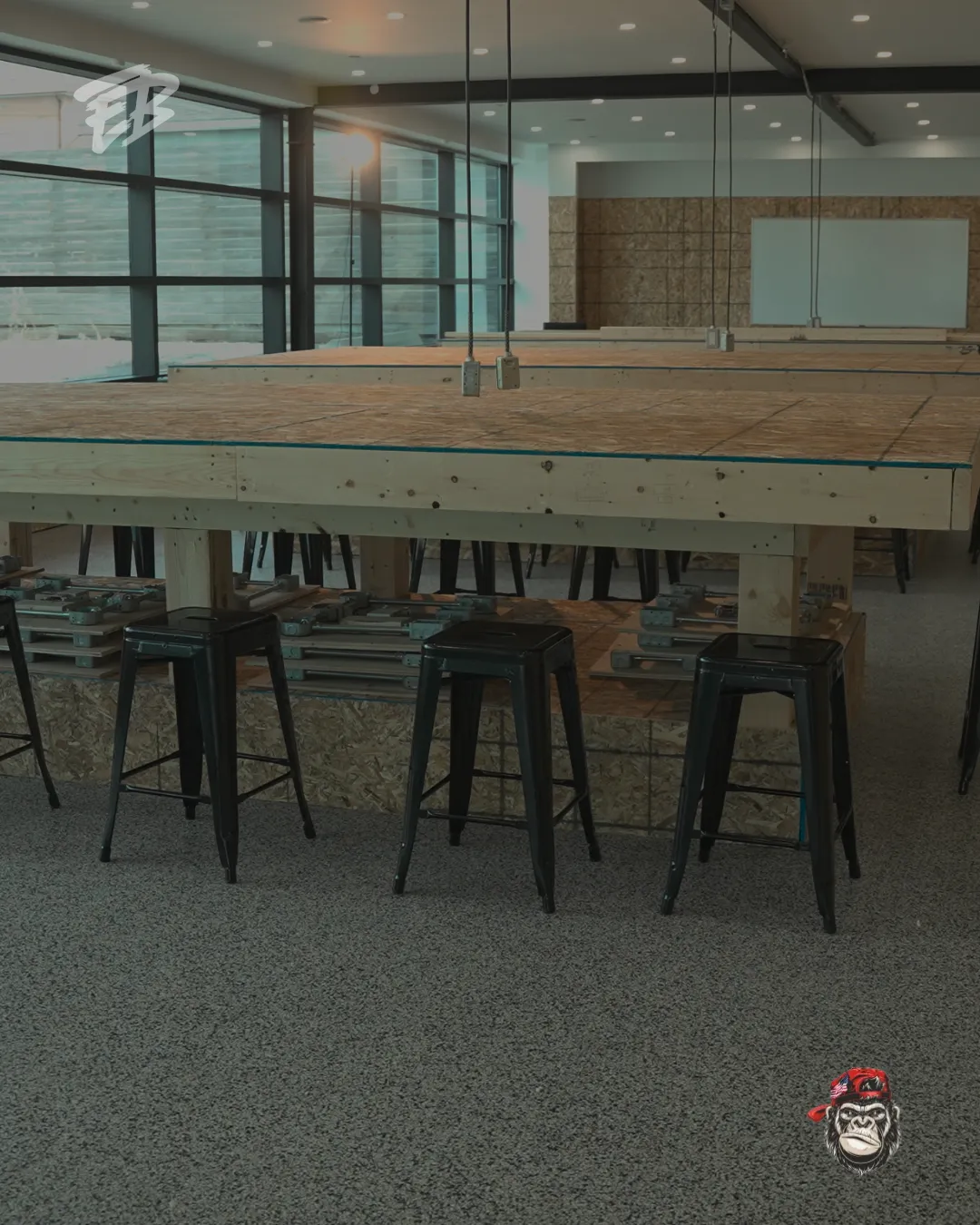
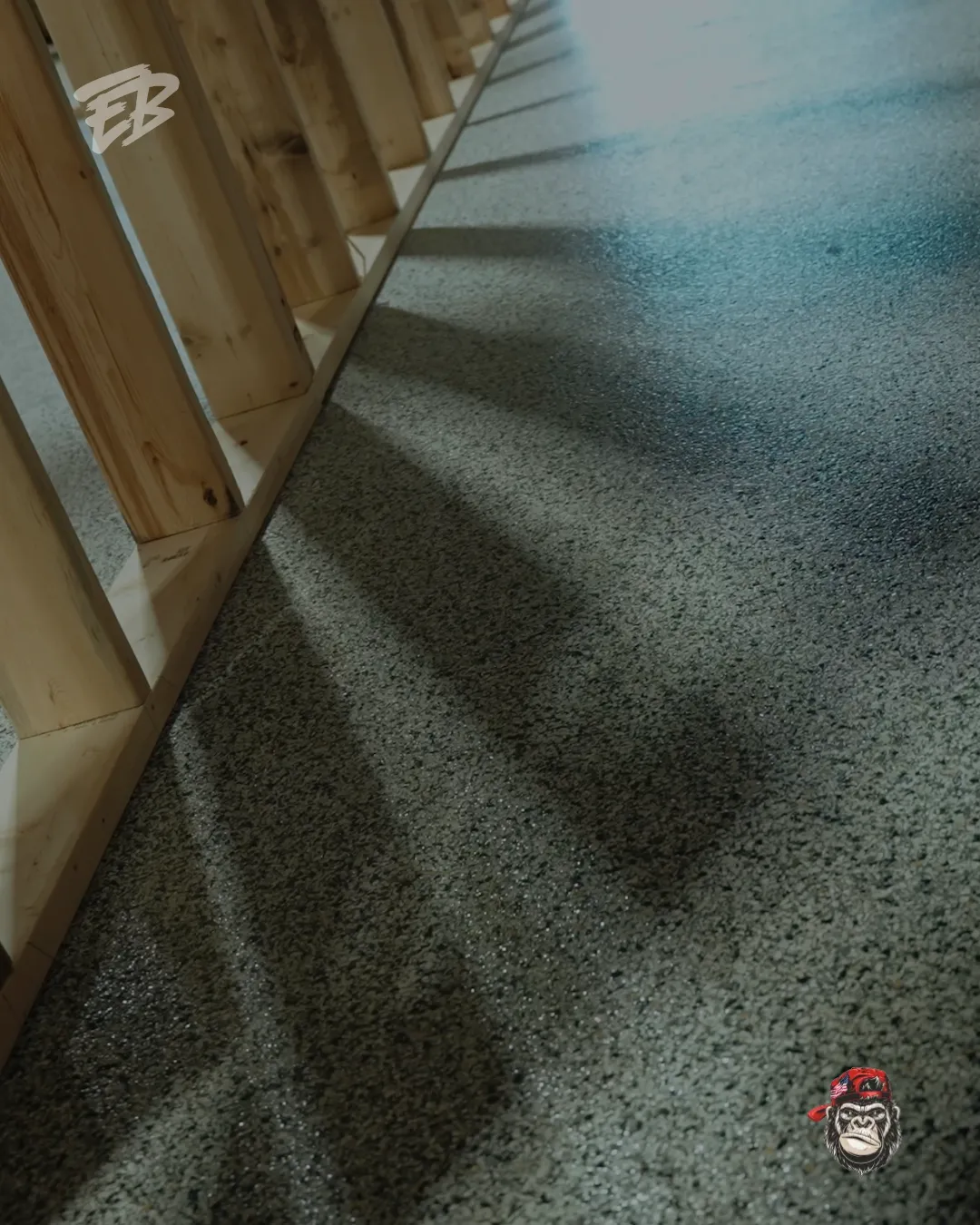
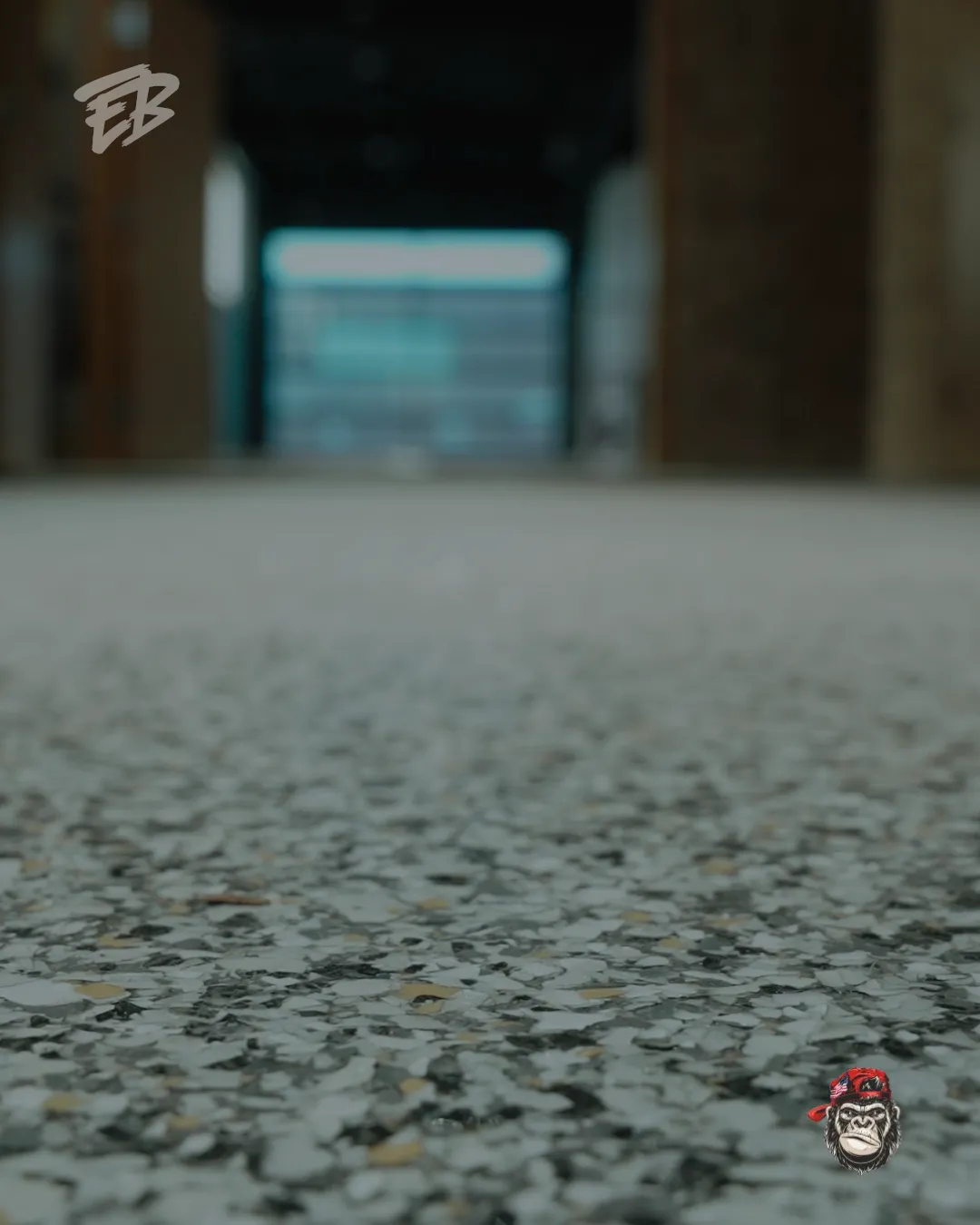
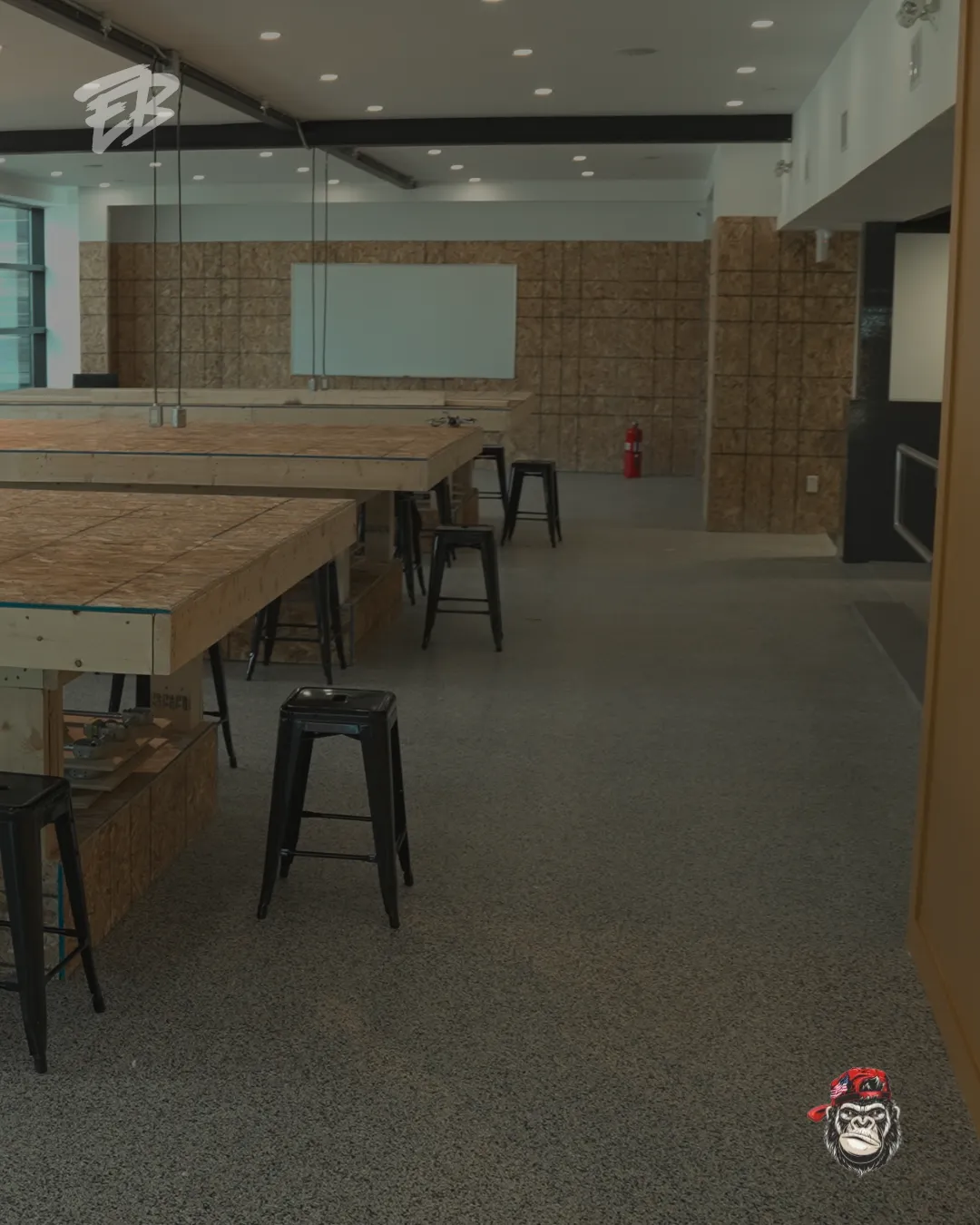
Concrete Coating

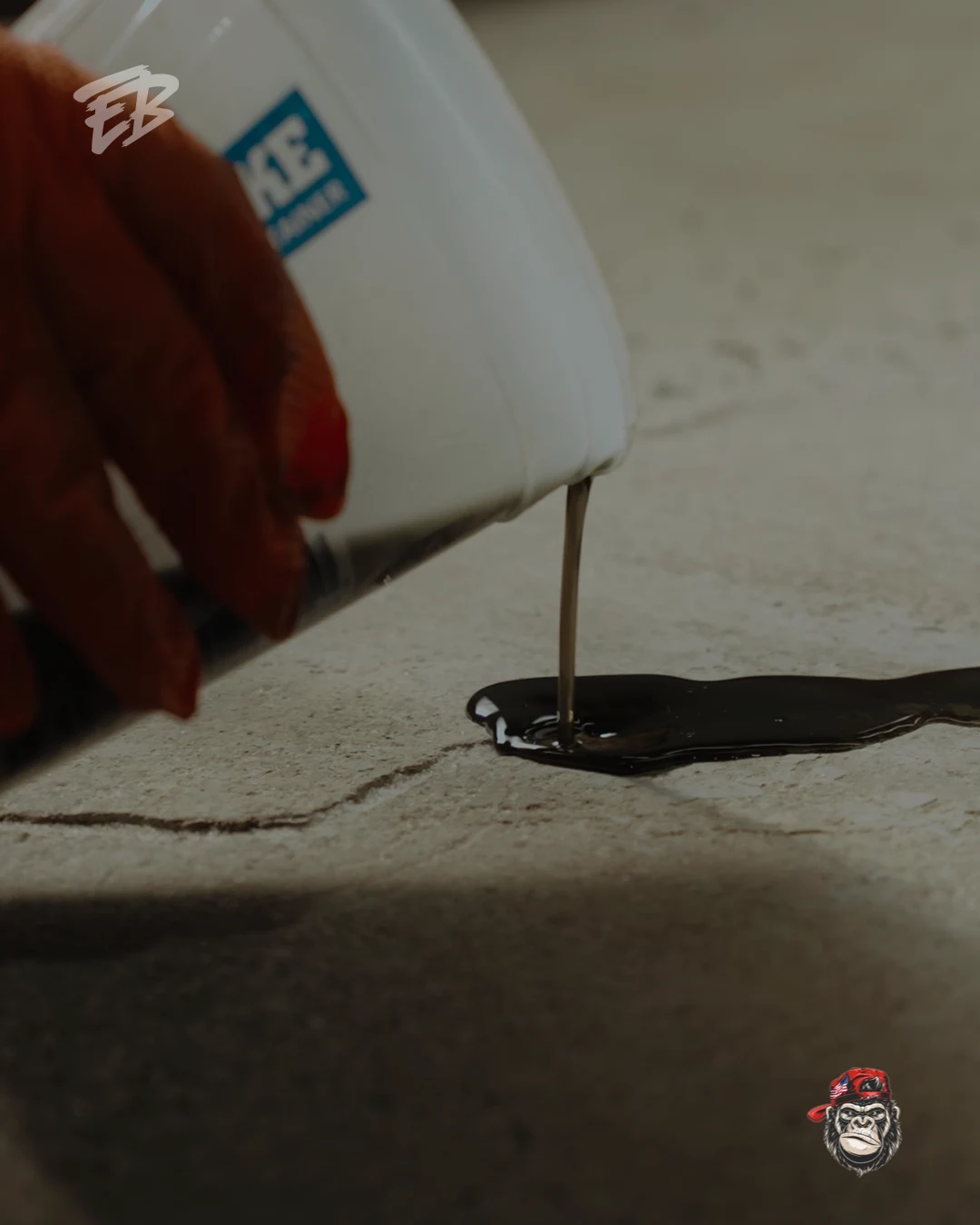
Epoxy, polyaspartic and urethane cement coating systems that seal and protect concrete against road salt, freeze-thaw cycles, chemicals and heavy traffic.
Learn More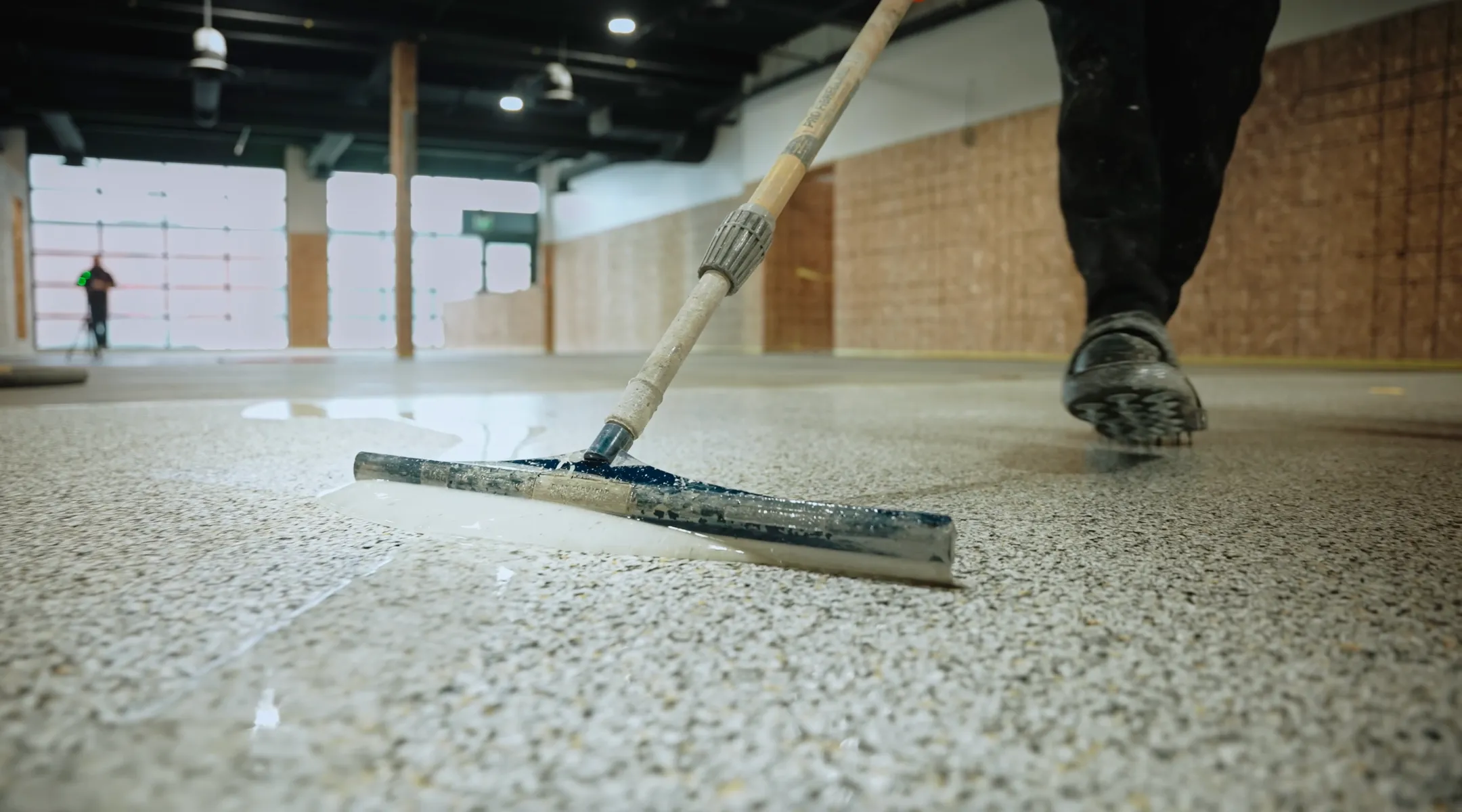
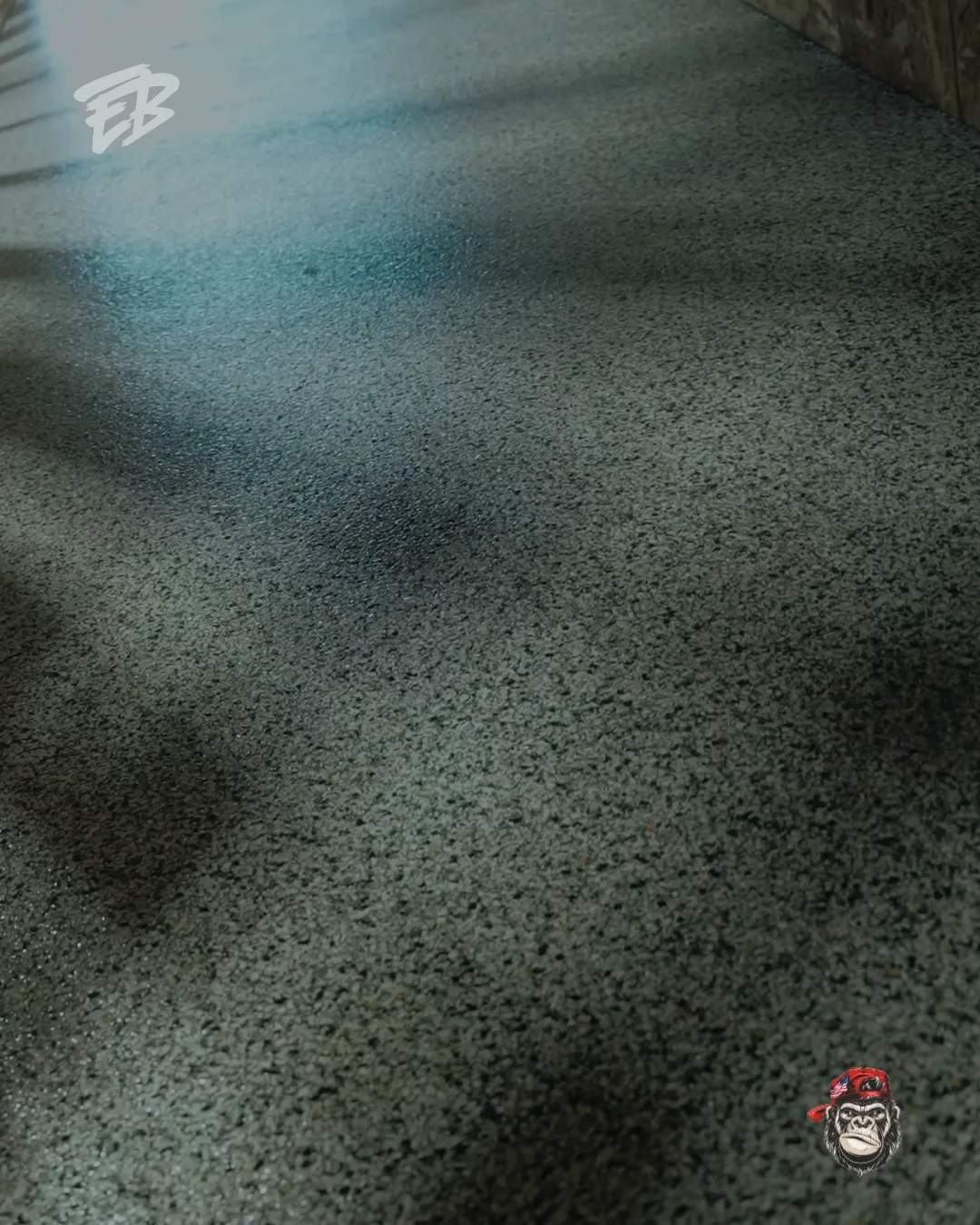
Concrete Repair & Restoration
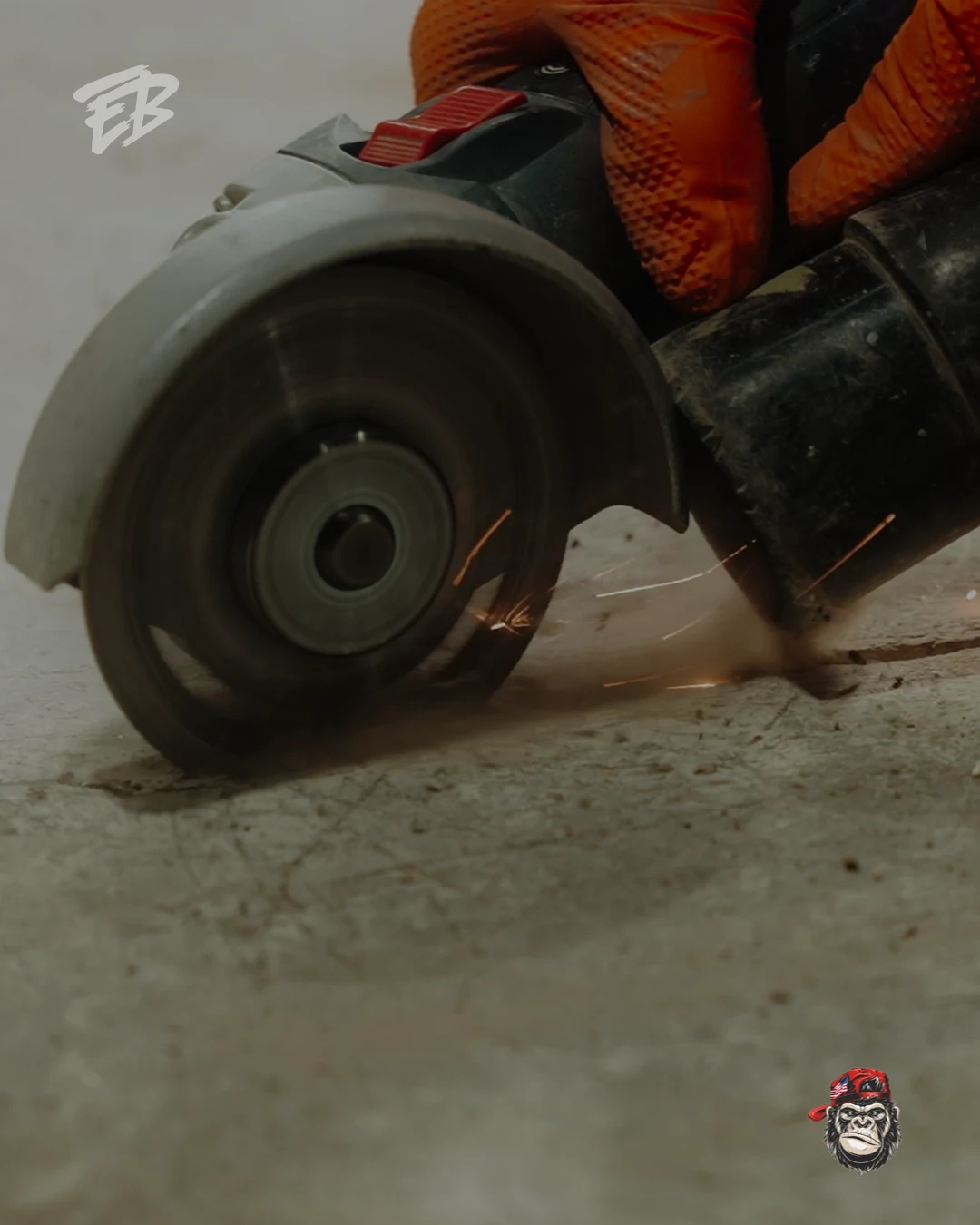
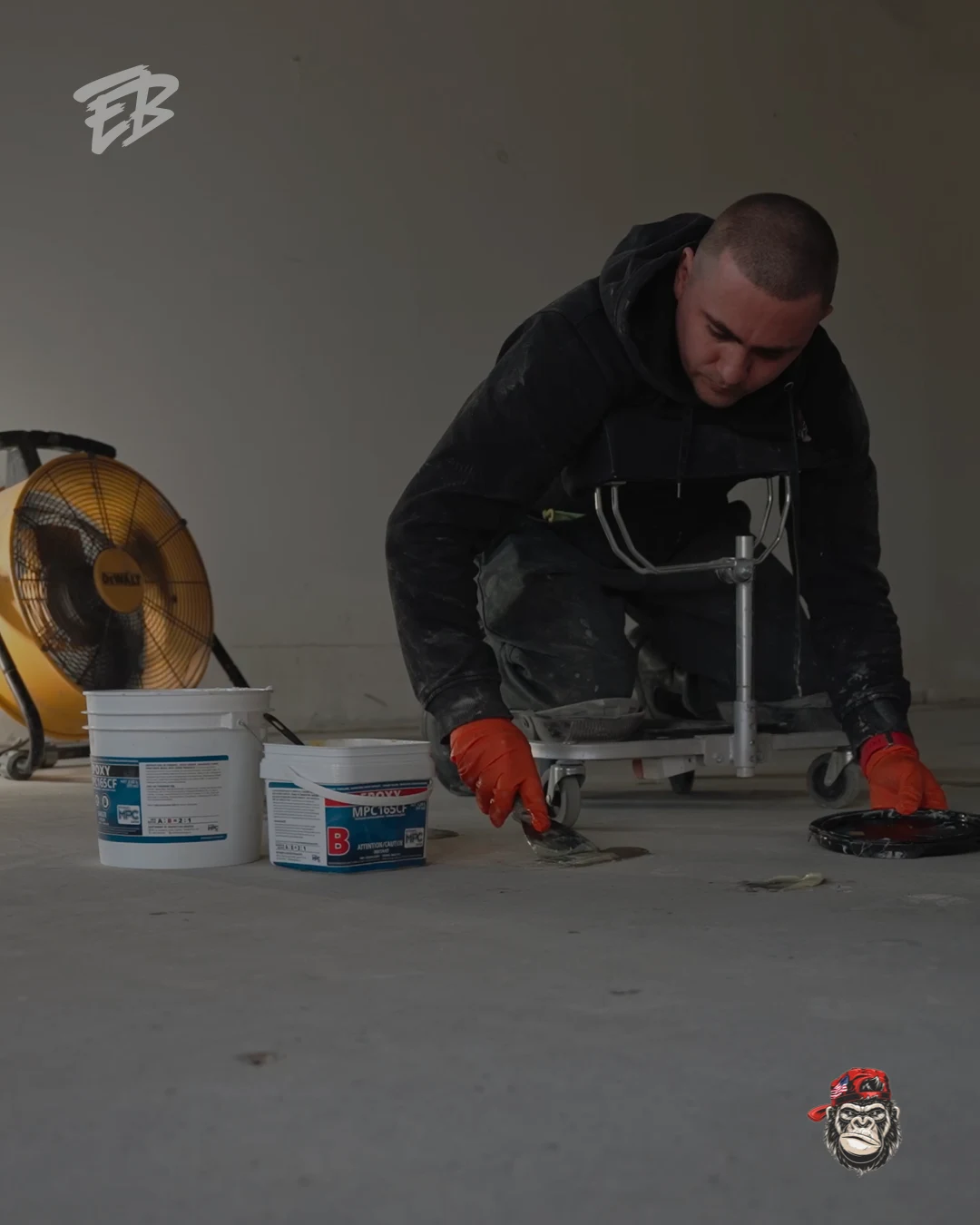
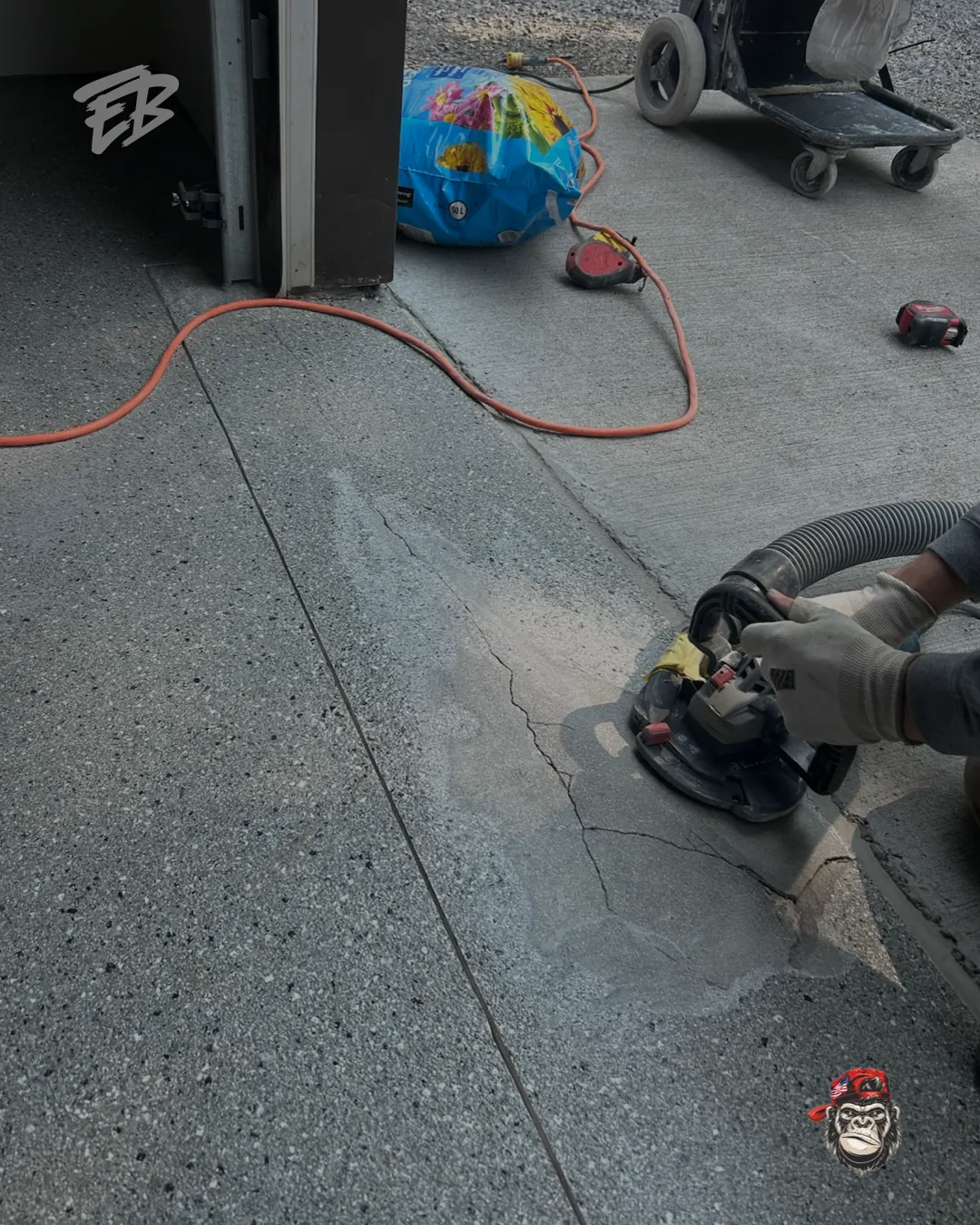
Crack, spall and joint repair for slabs damaged by freeze-thaw cycles, de-icing salt and years of heavy traffic.
Learn More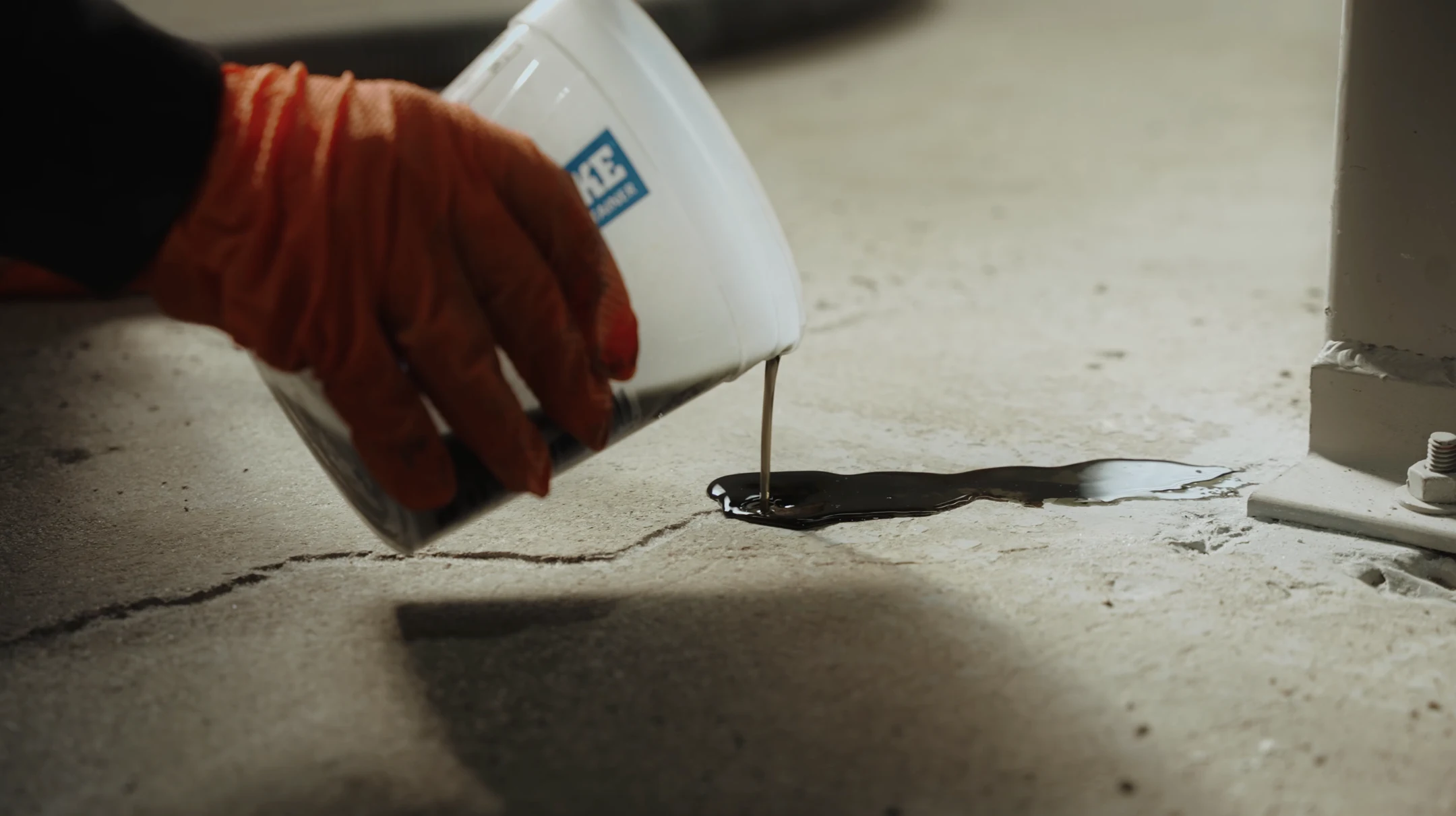
Polished & Decorative Concrete
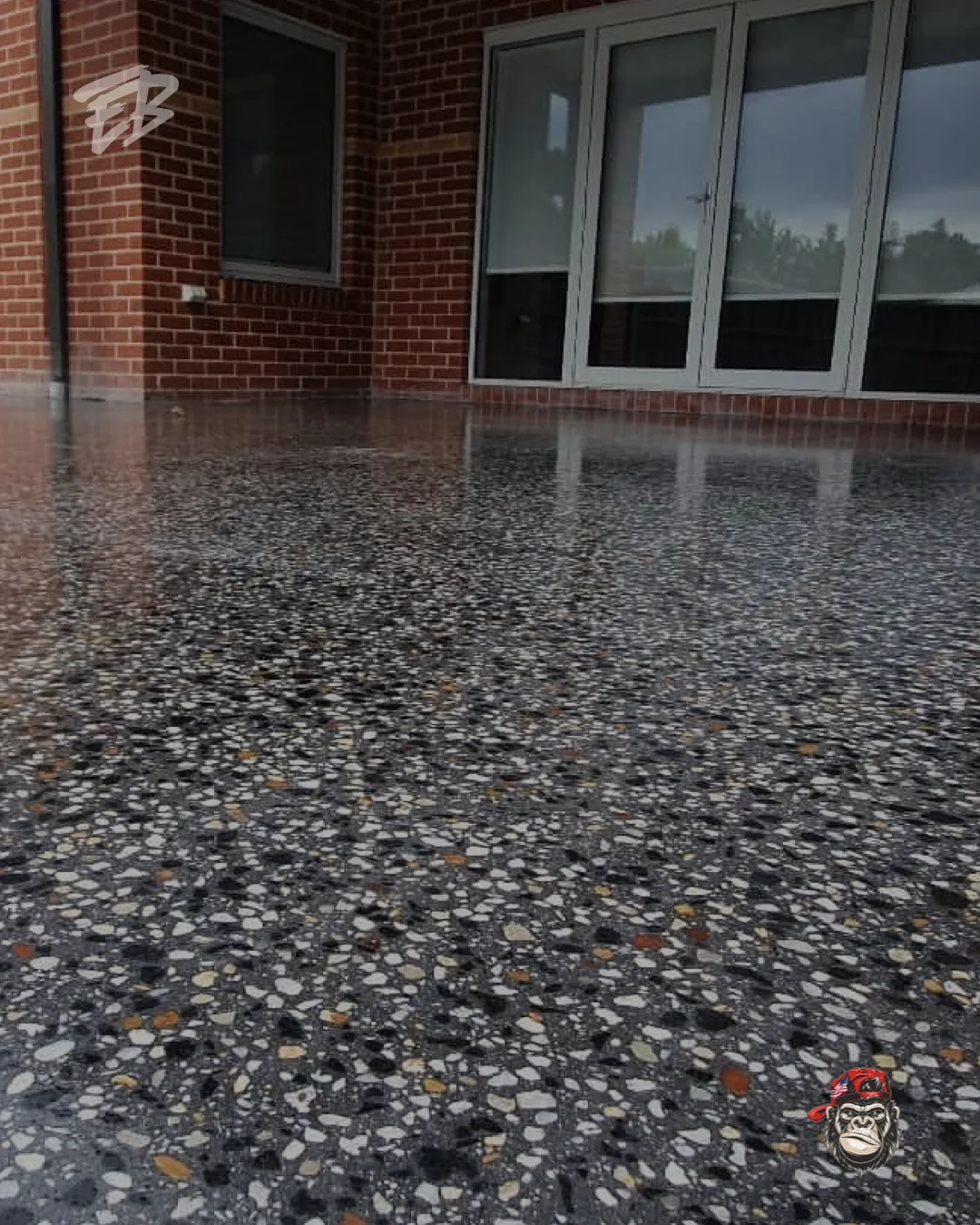
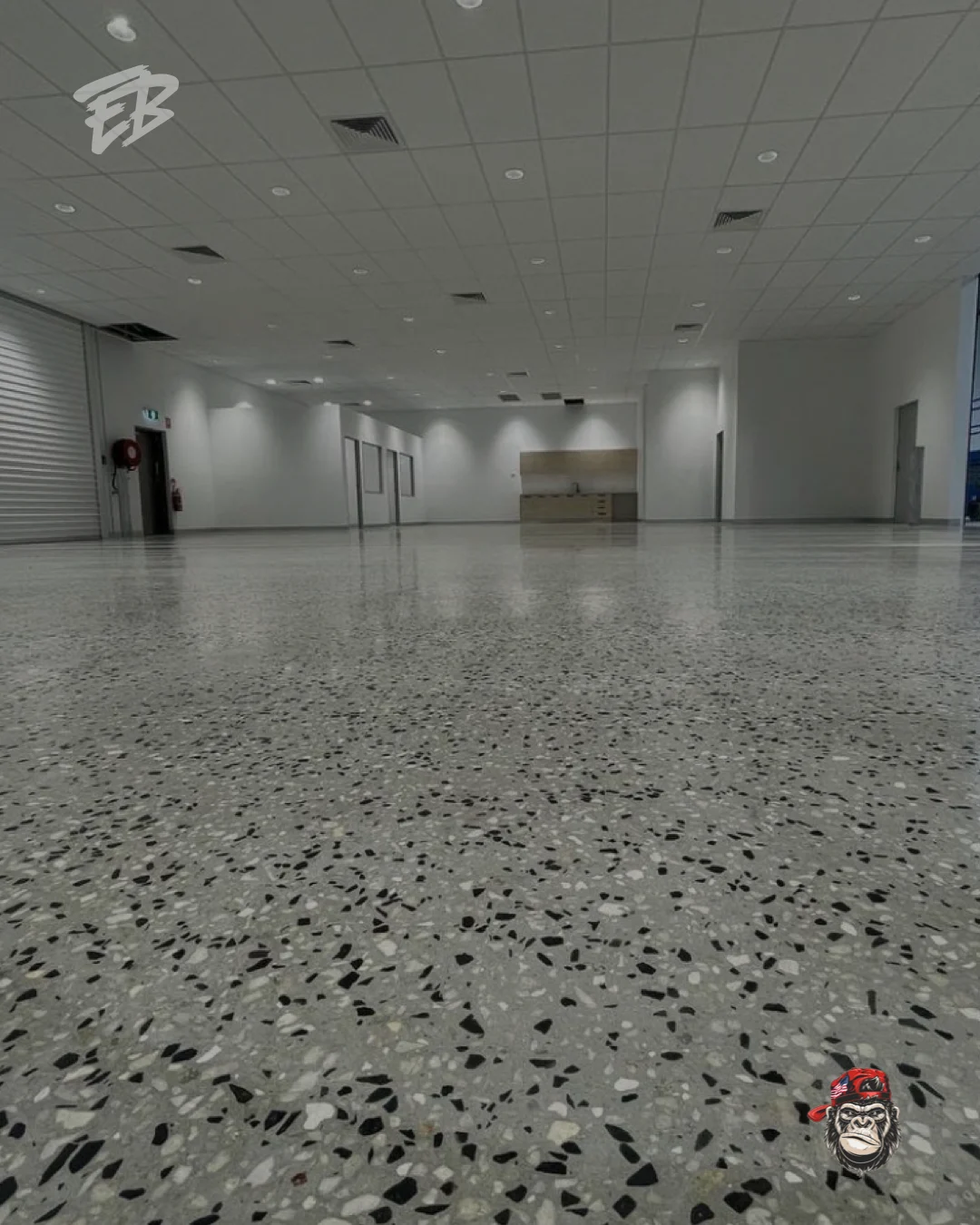
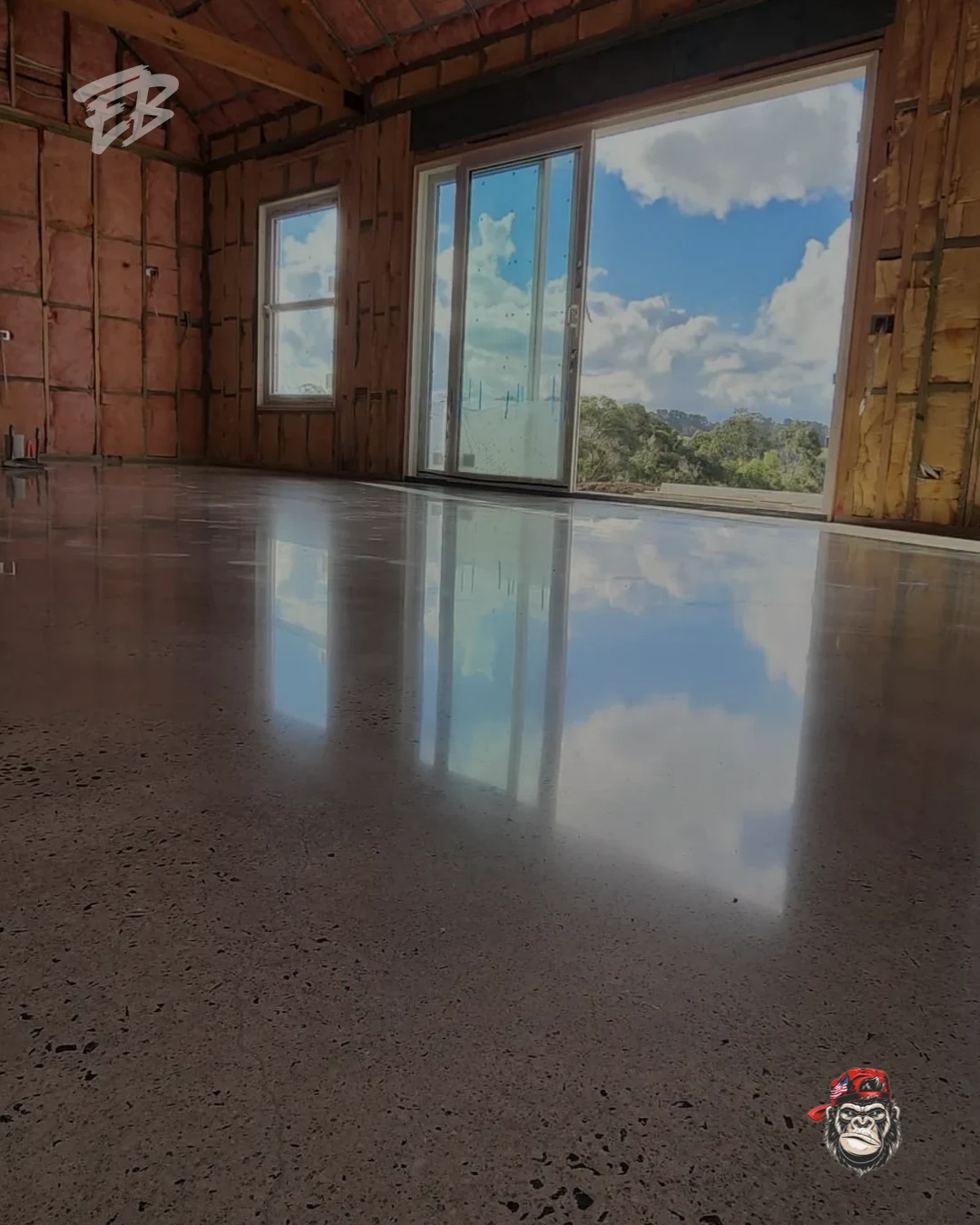
Mechanically polished concrete that delivers a dense, low-maintenance and slip-resistant finish for retail, warehouse and residential spaces.
Learn More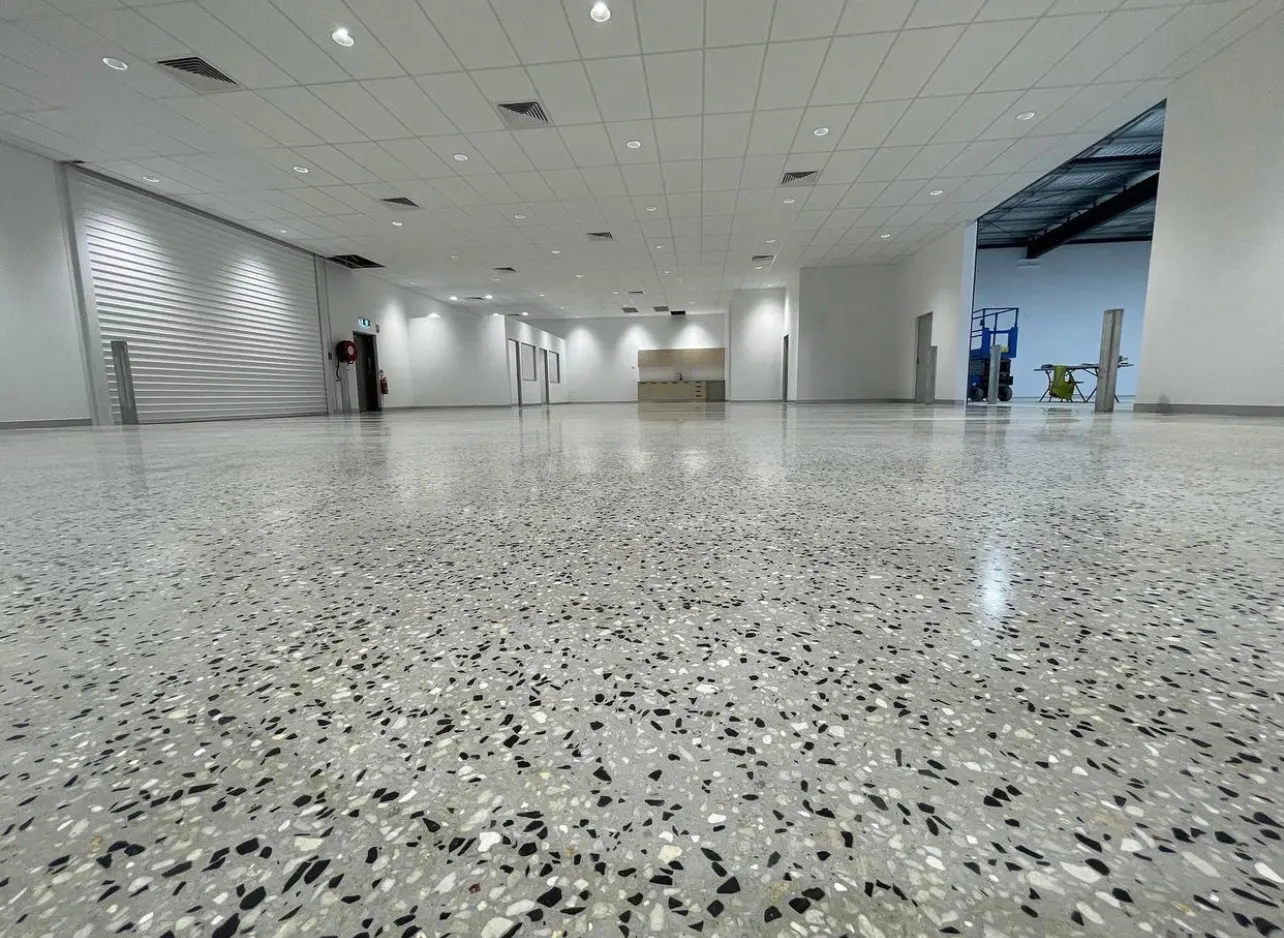
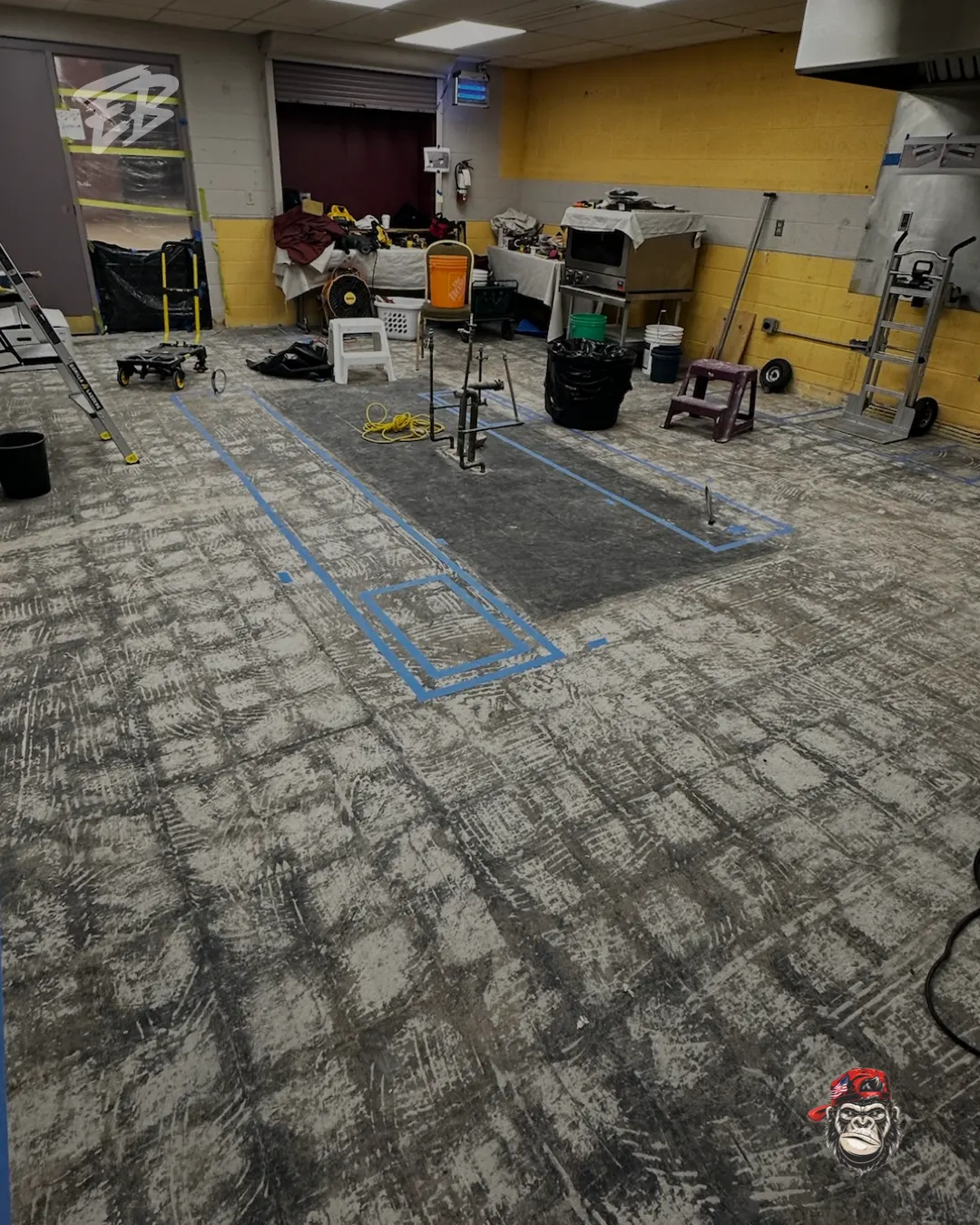
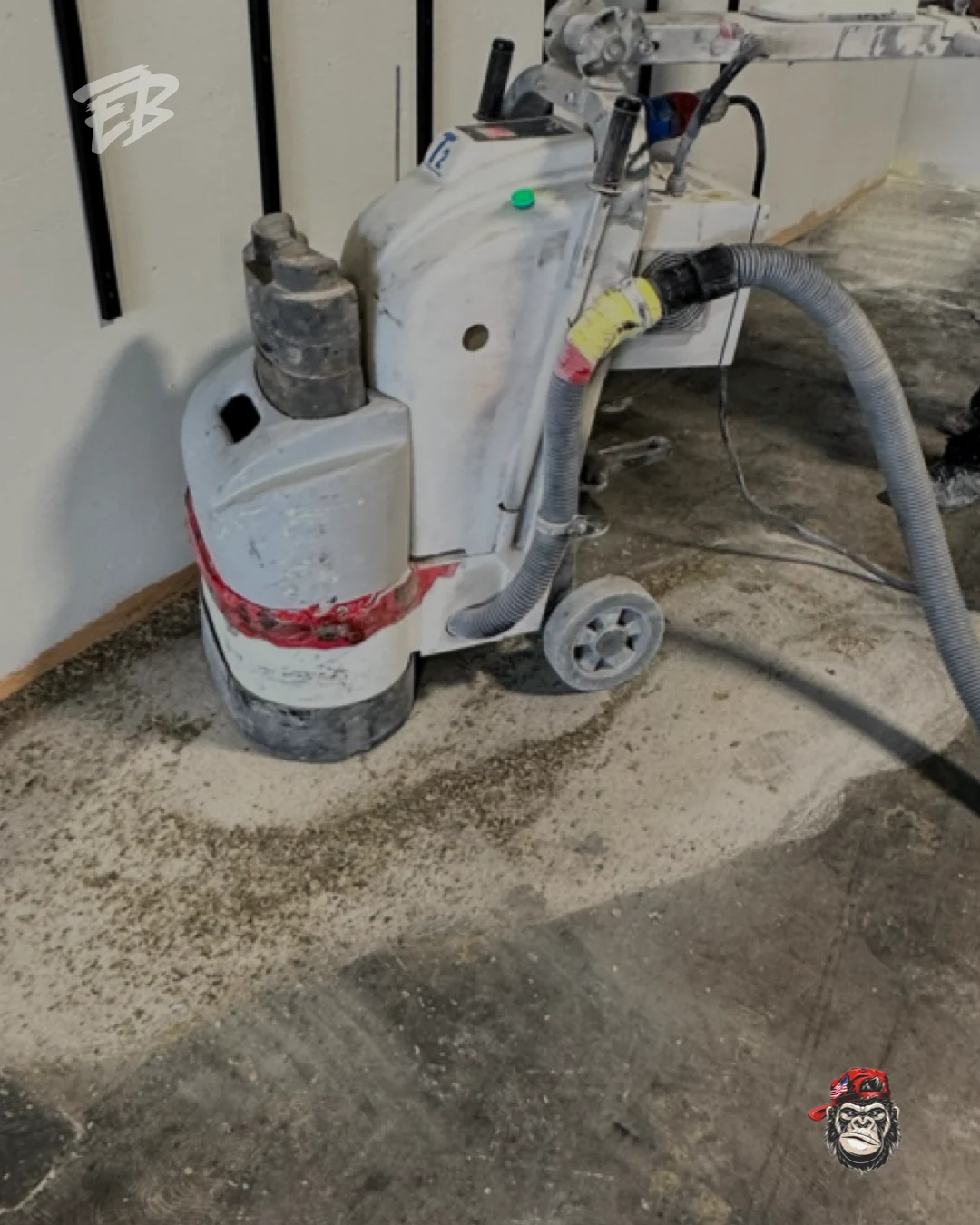
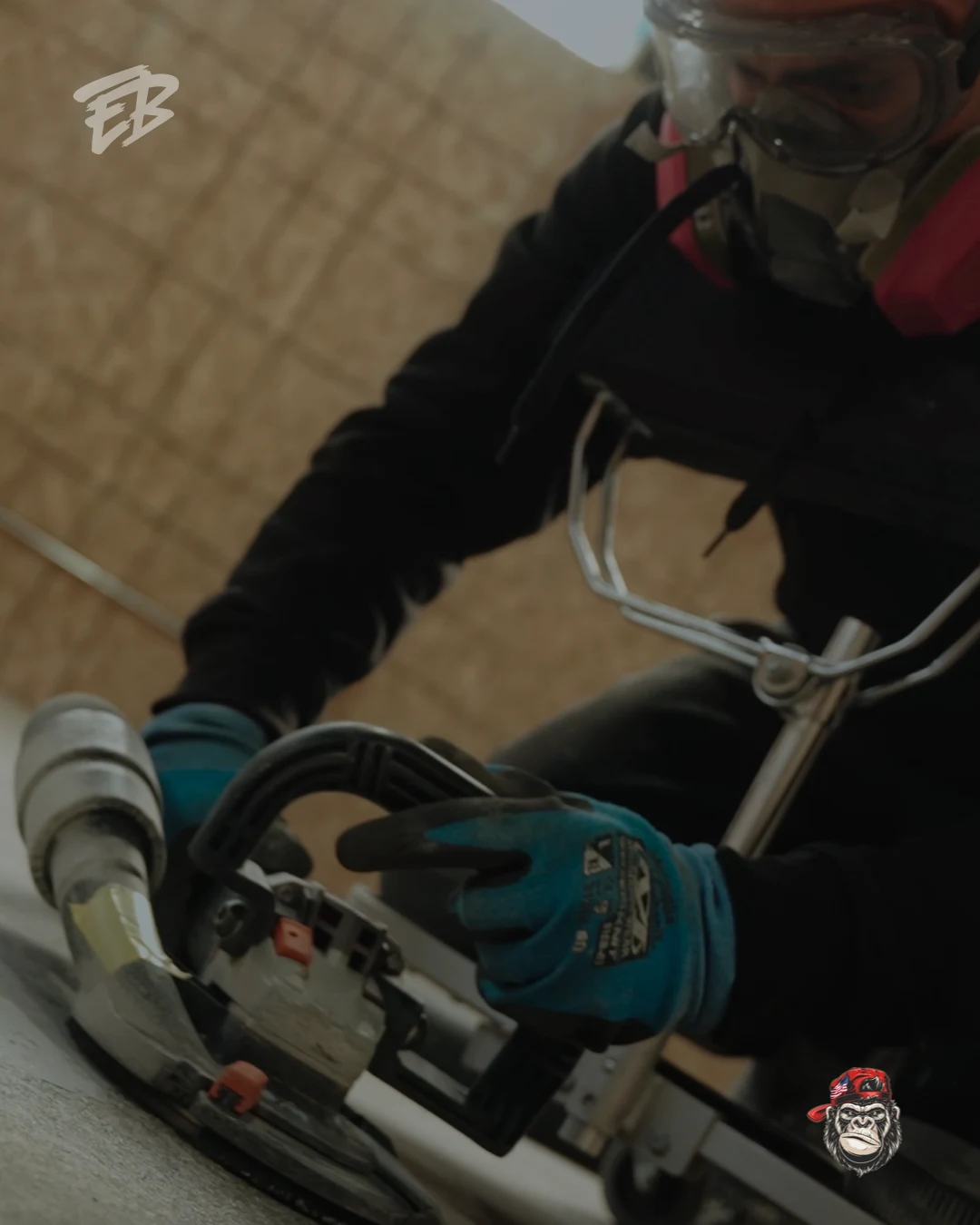
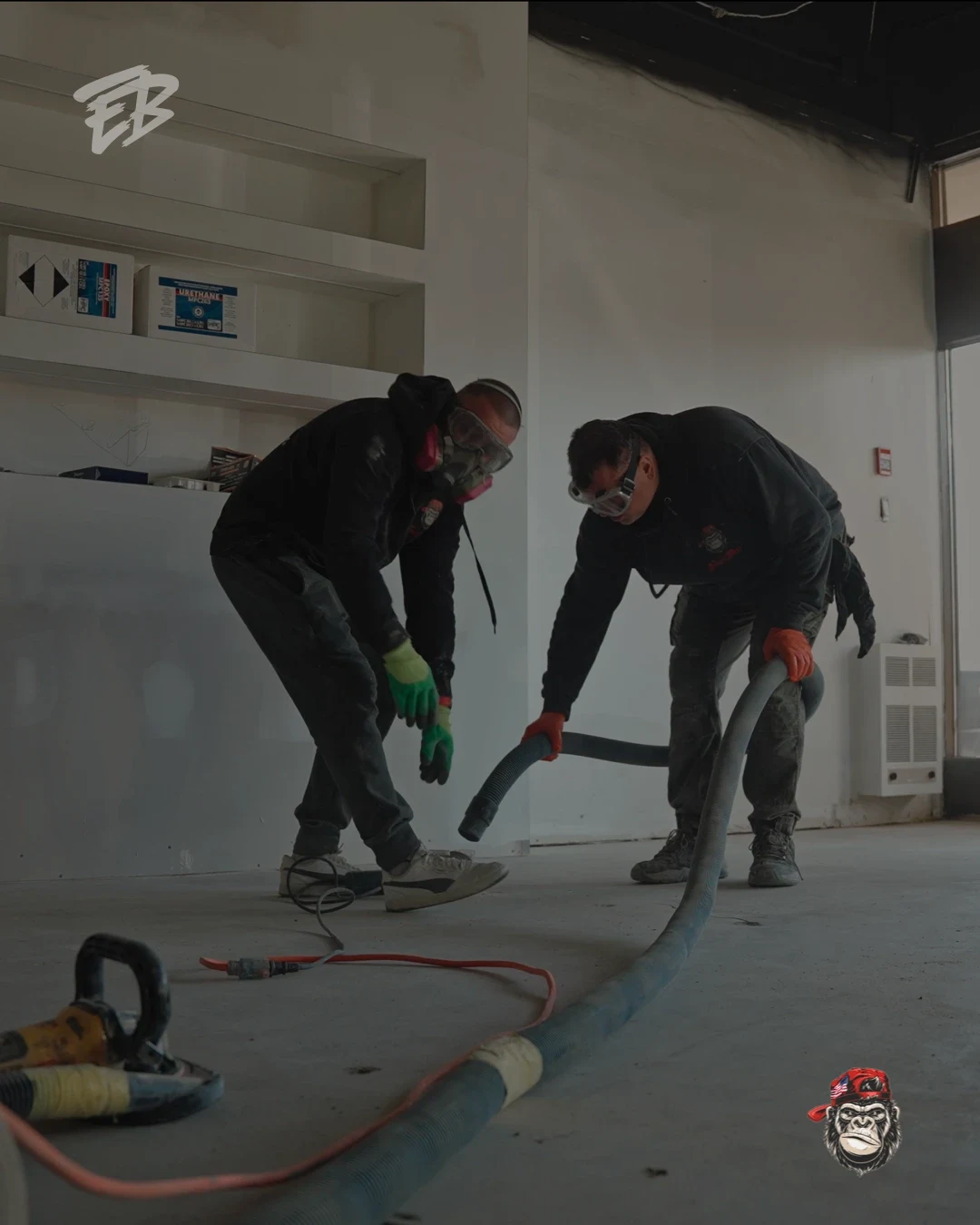
Surface Preparation & Grinding
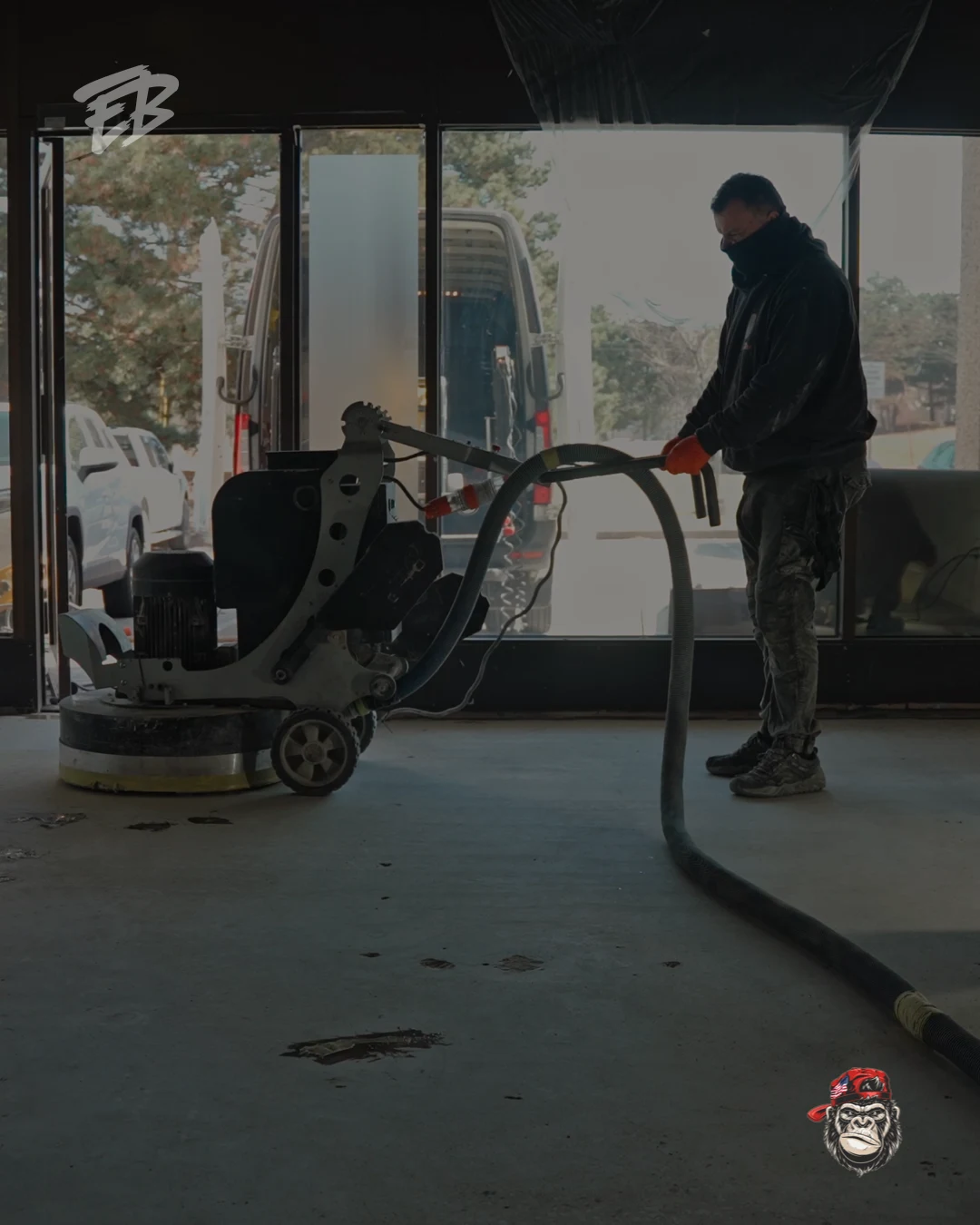
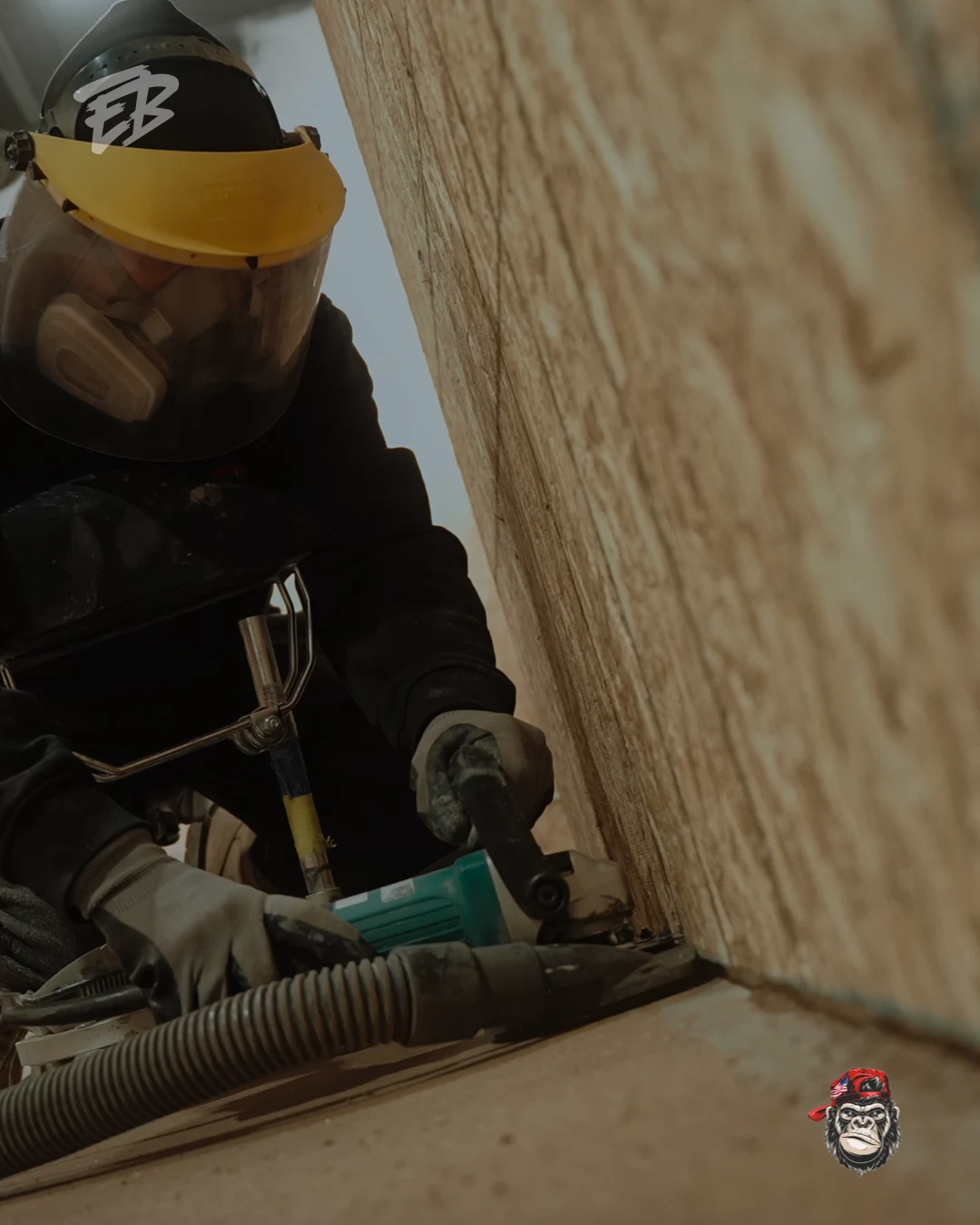
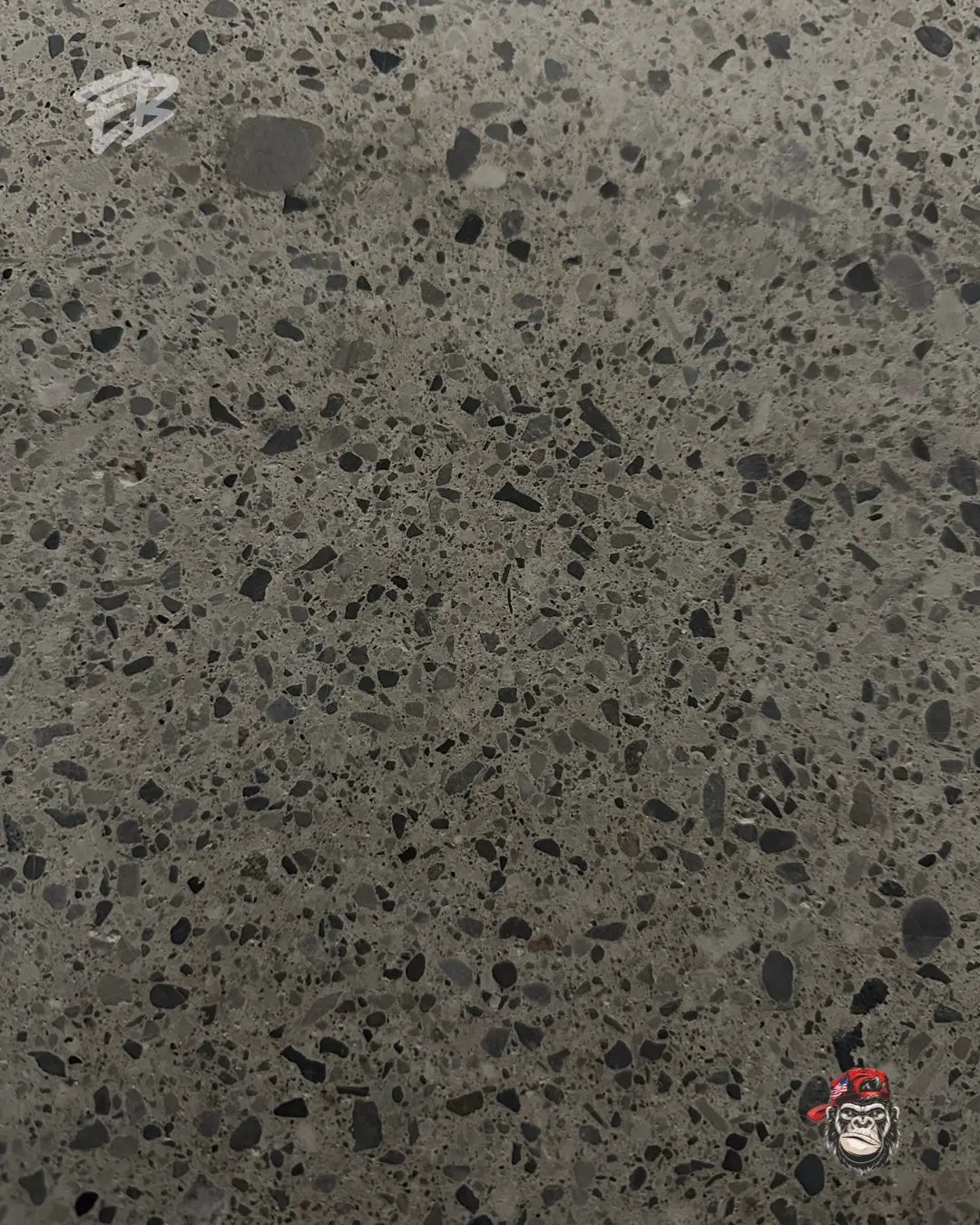
Diamond grinding, shot blasting and moisture testing that prepare every slab to manufacturer specifications before any system is installed.
Learn More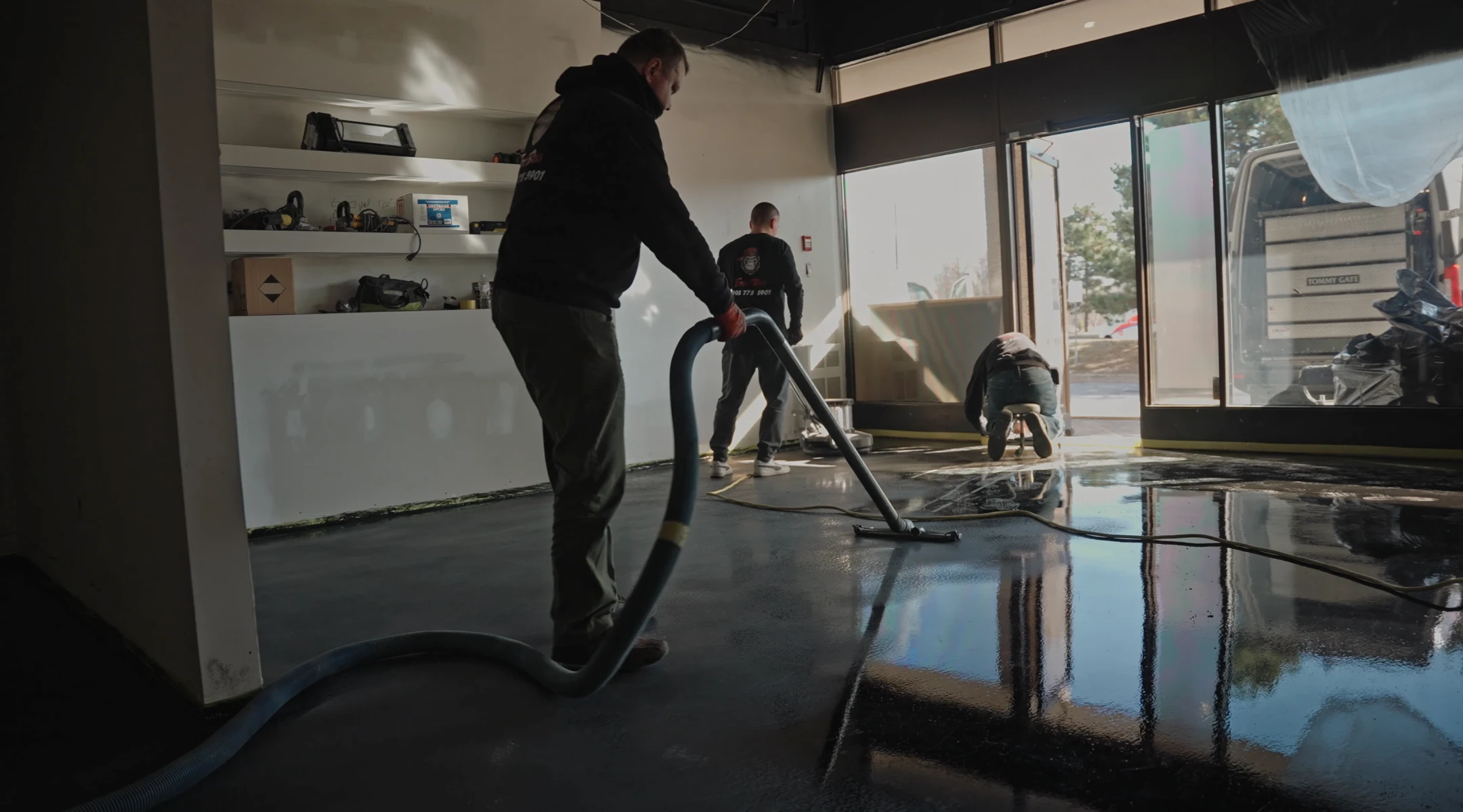
Waterproofing & Traffic Systems
Traffic-bearing membranes for parking structures, balconies and plaza decks, engineered to stop water and chloride intrusion through Ontario winters.
Learn More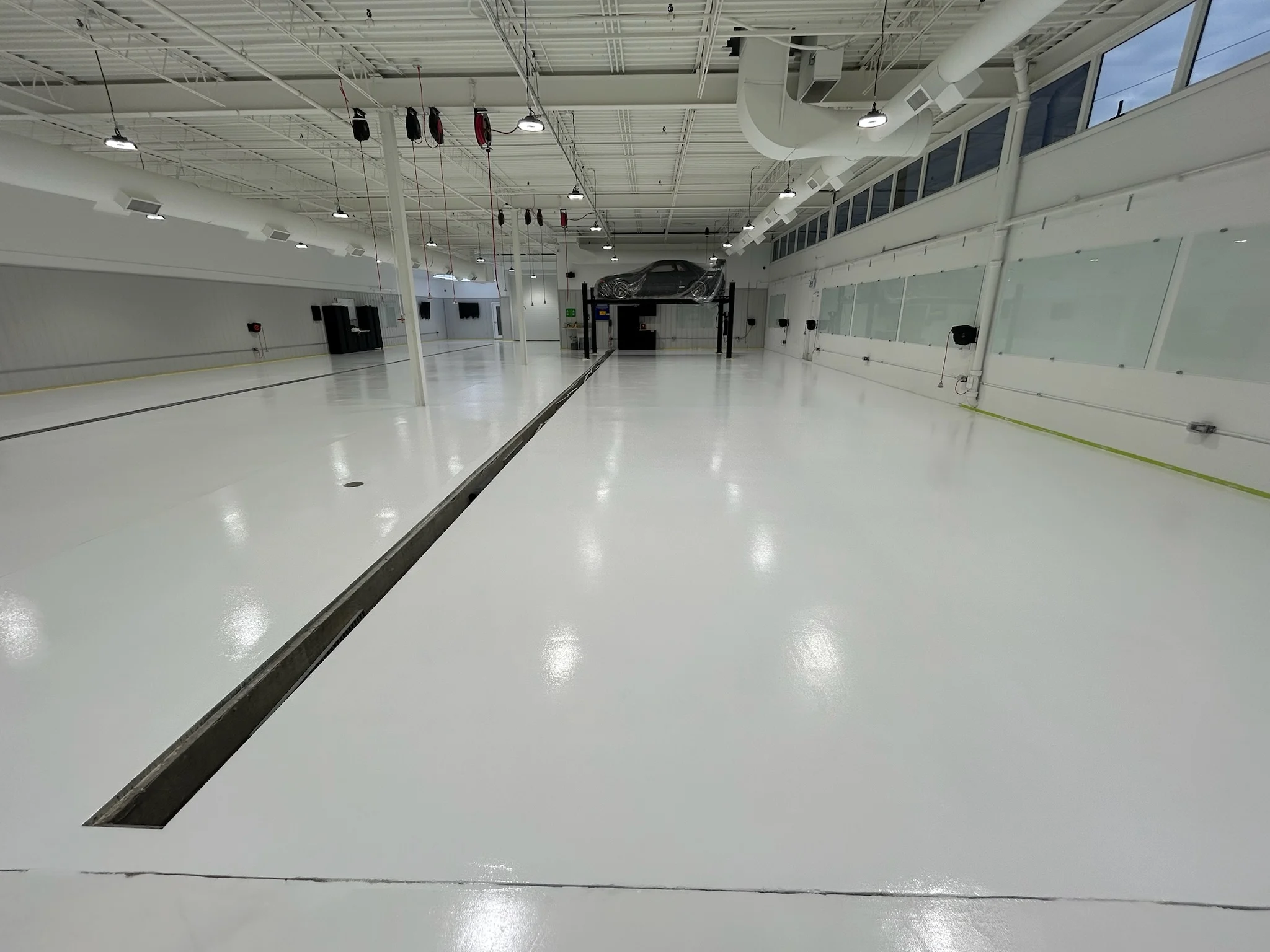
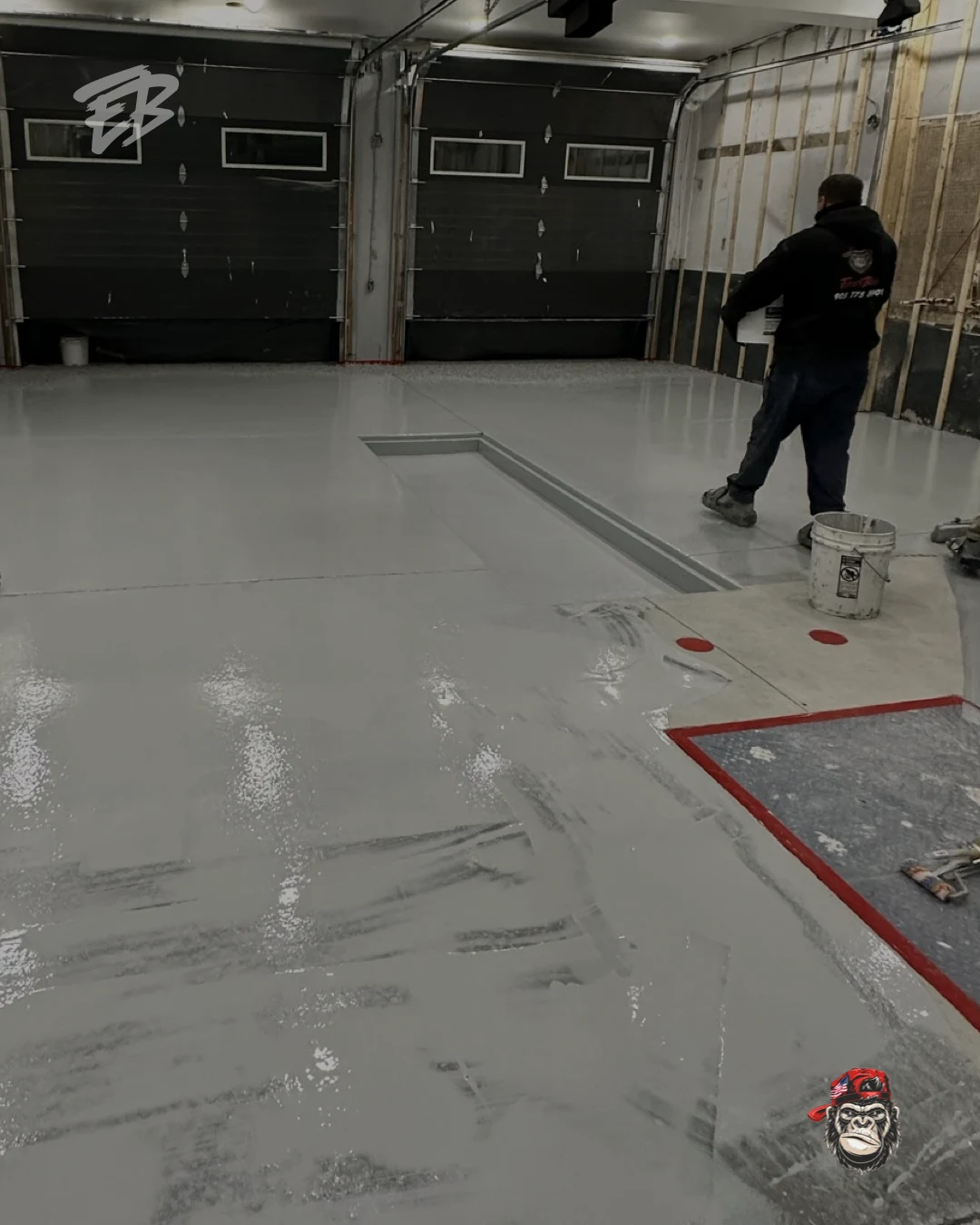
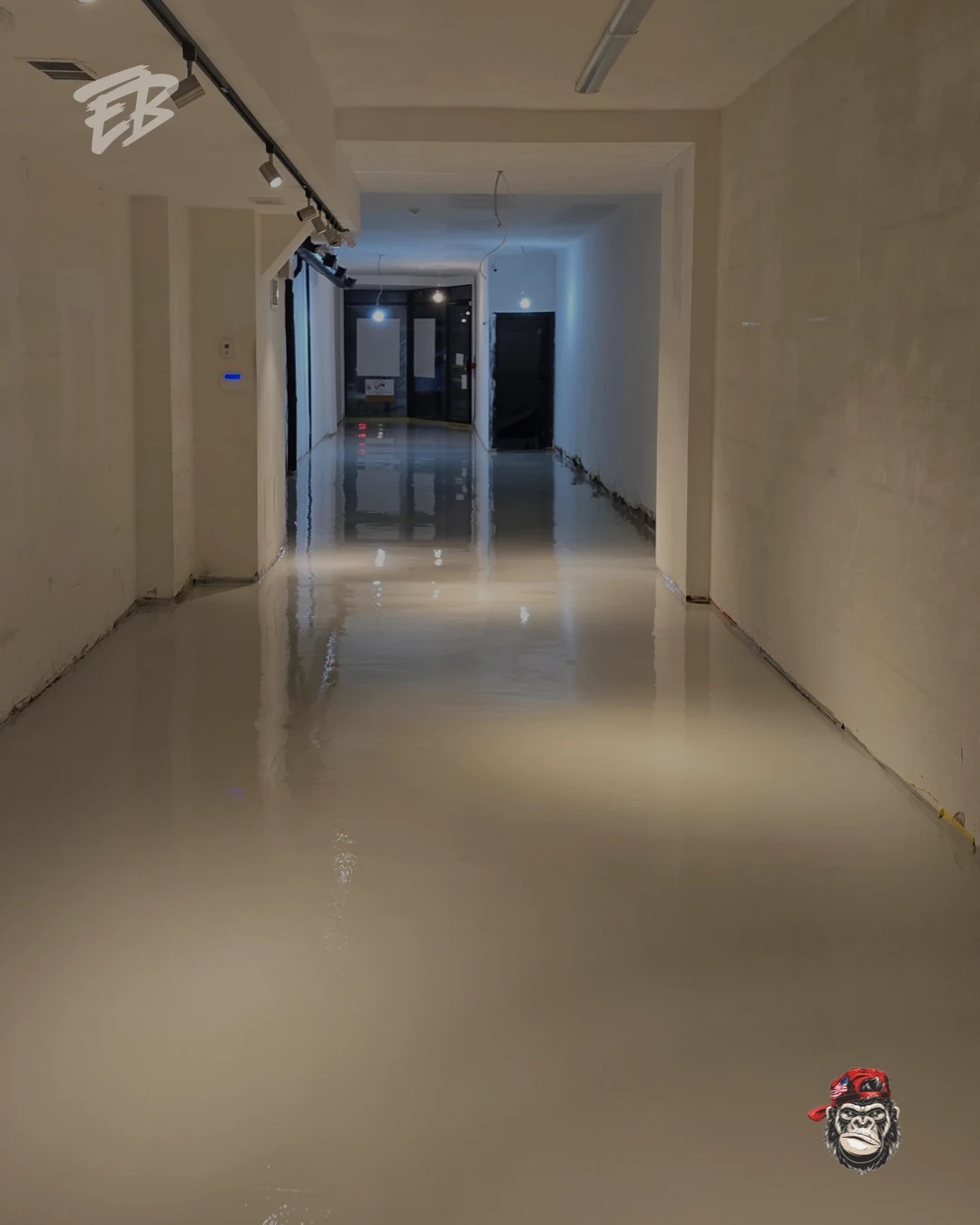
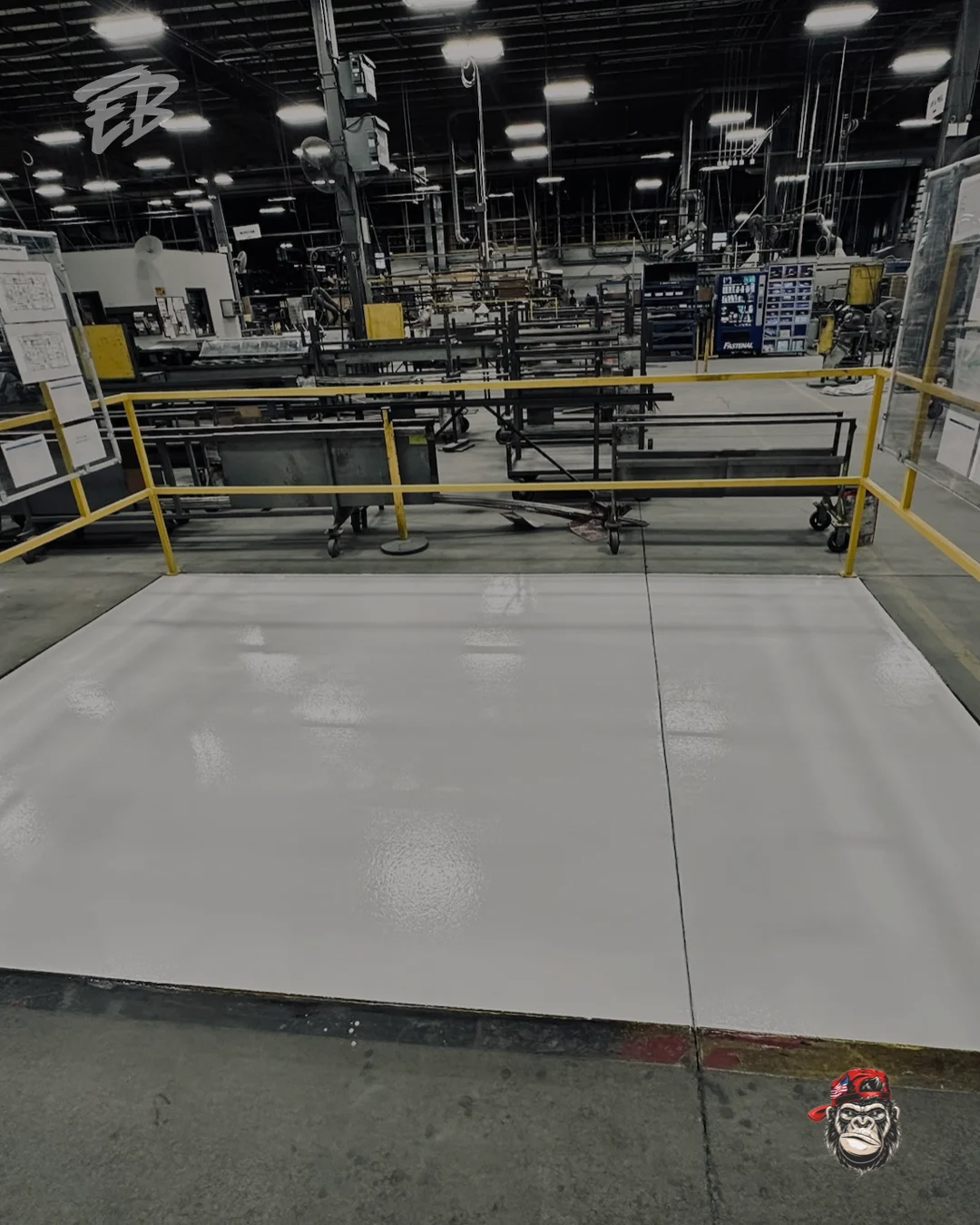
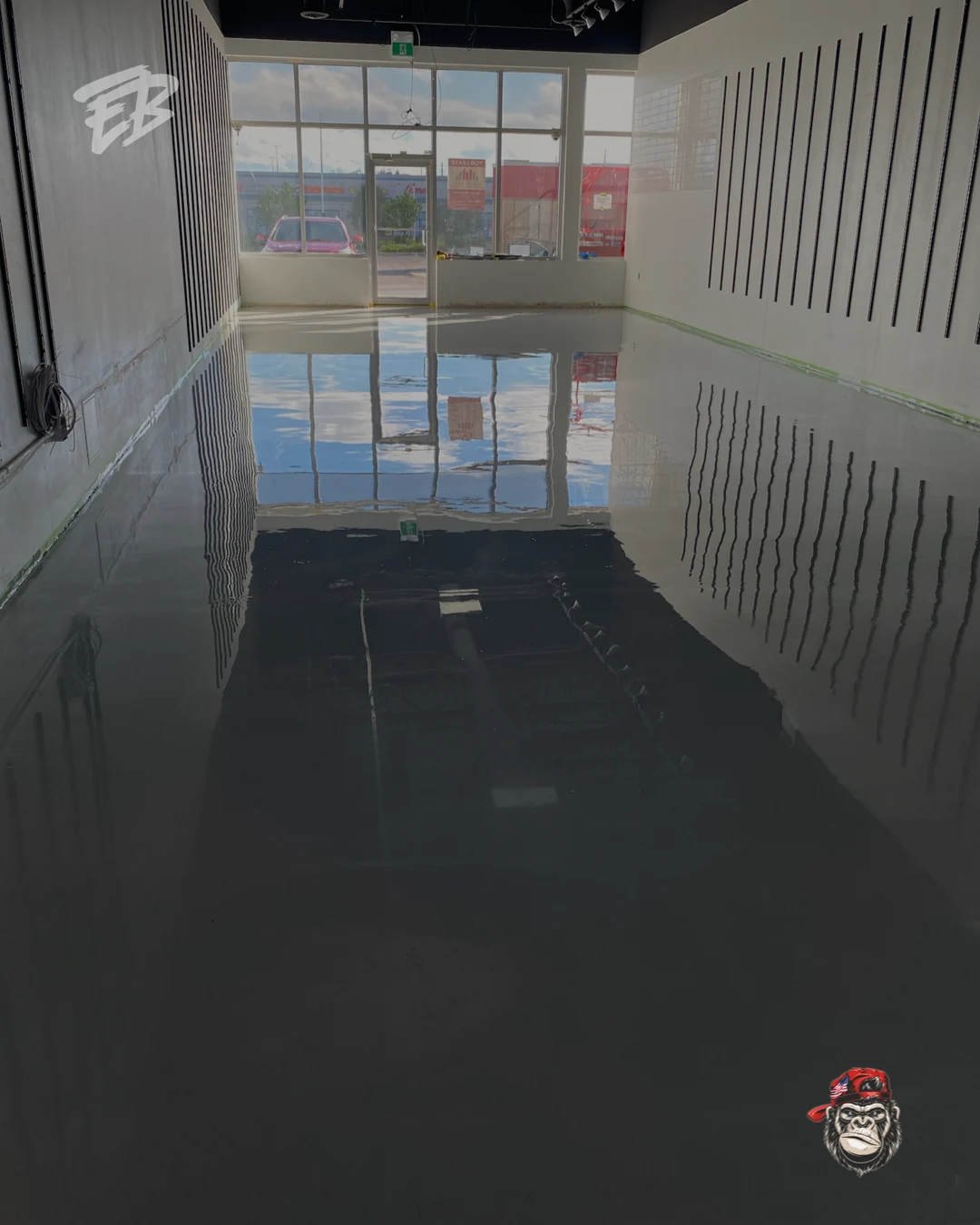
Ready to Upgrade Your Floors?
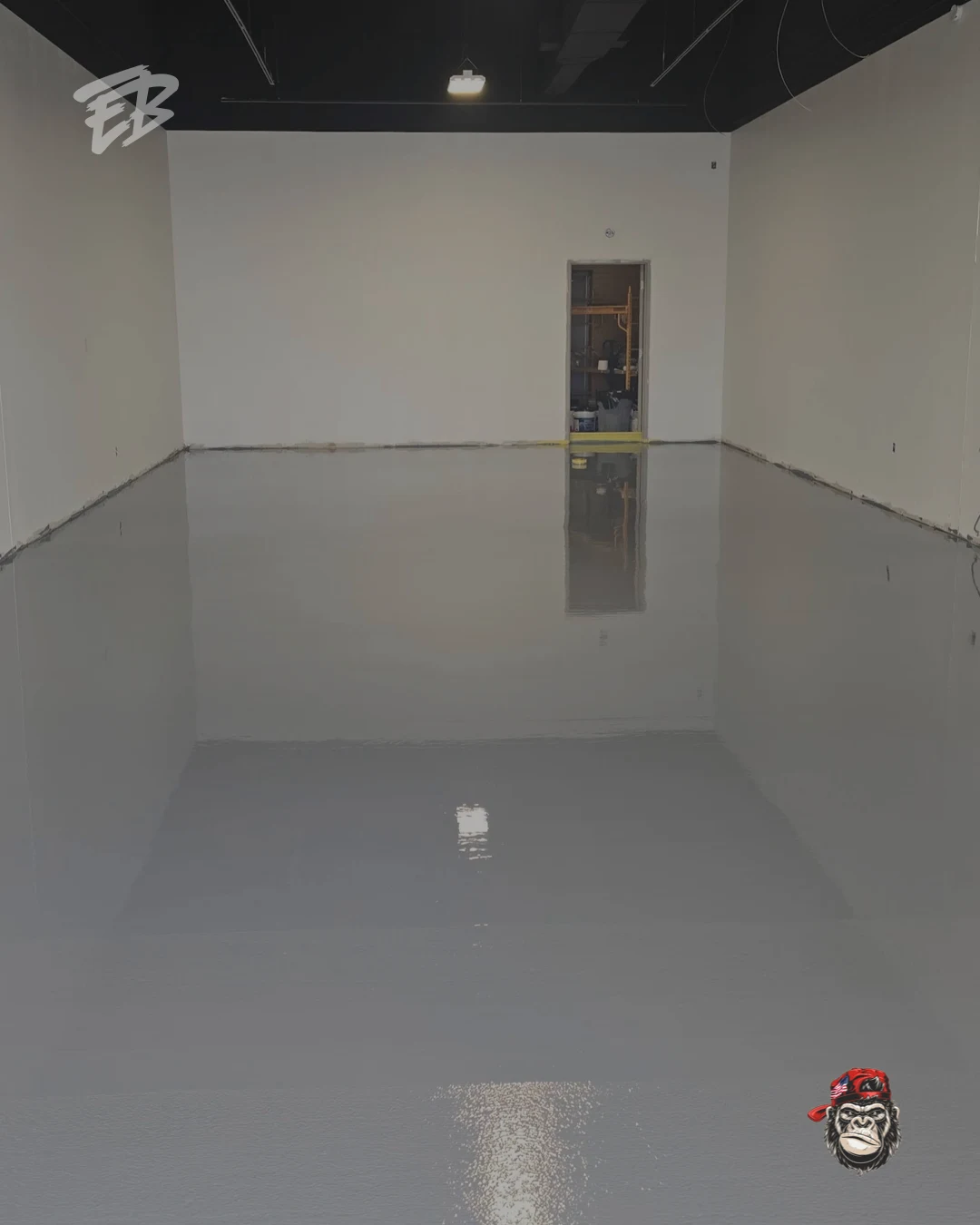
Custom epoxy systems tailored for garages, basements, showrooms, patios, and industrial environments — combining industrial-grade durability with premium aesthetics.

EPOXY BOSS
How we work

01
First Contact
Reach out by phone, email or our online form. We'll ask a few questions about your space, how it's used and the finish you have in mind, and review photos if you have them.
02
Quotation
Get a clear and accurate price using our online calculator for instant estimates, or connect with us directly for a detailed quote. For more complex projects, we can schedule an on-site visit to finalize all details.
03
Decision making
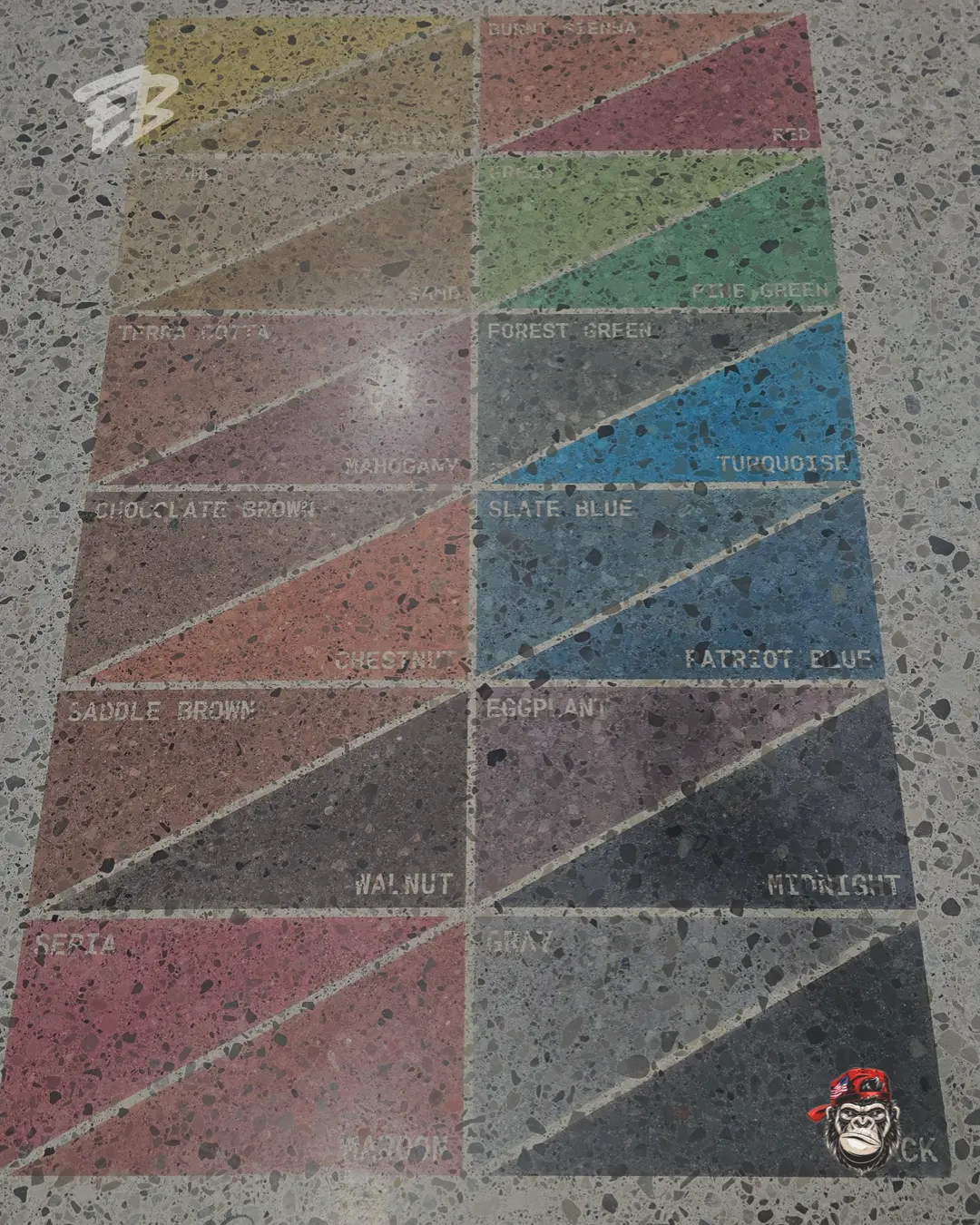
We help you choose the right system, finish, and colours based on your goals. From flake to solid or metallic systems, you will have full clarity and confidence in your selection.
04
Scheduling + 50% Deposit
Once everything is confirmed, we lock in your project date. A 50% deposit secures your spot, allowing us to allocate materials and crew accordingly.
05
Day of the project
Our team completes full surface preparation including grinding and crack repair, followed by precise application of your selected multi-layered system based on manufacturer specifications.
06
Project Review
We walk through the finished space with you to ensure satisfaction. After approval, the remaining 50% balance is collected and the project is officially completed.
EPOXY BOSS