Garage Floor Coating & Epoxy Garage Floors
Thank you! Your submission has been received!
Oops! Something went wrong while submitting the form.

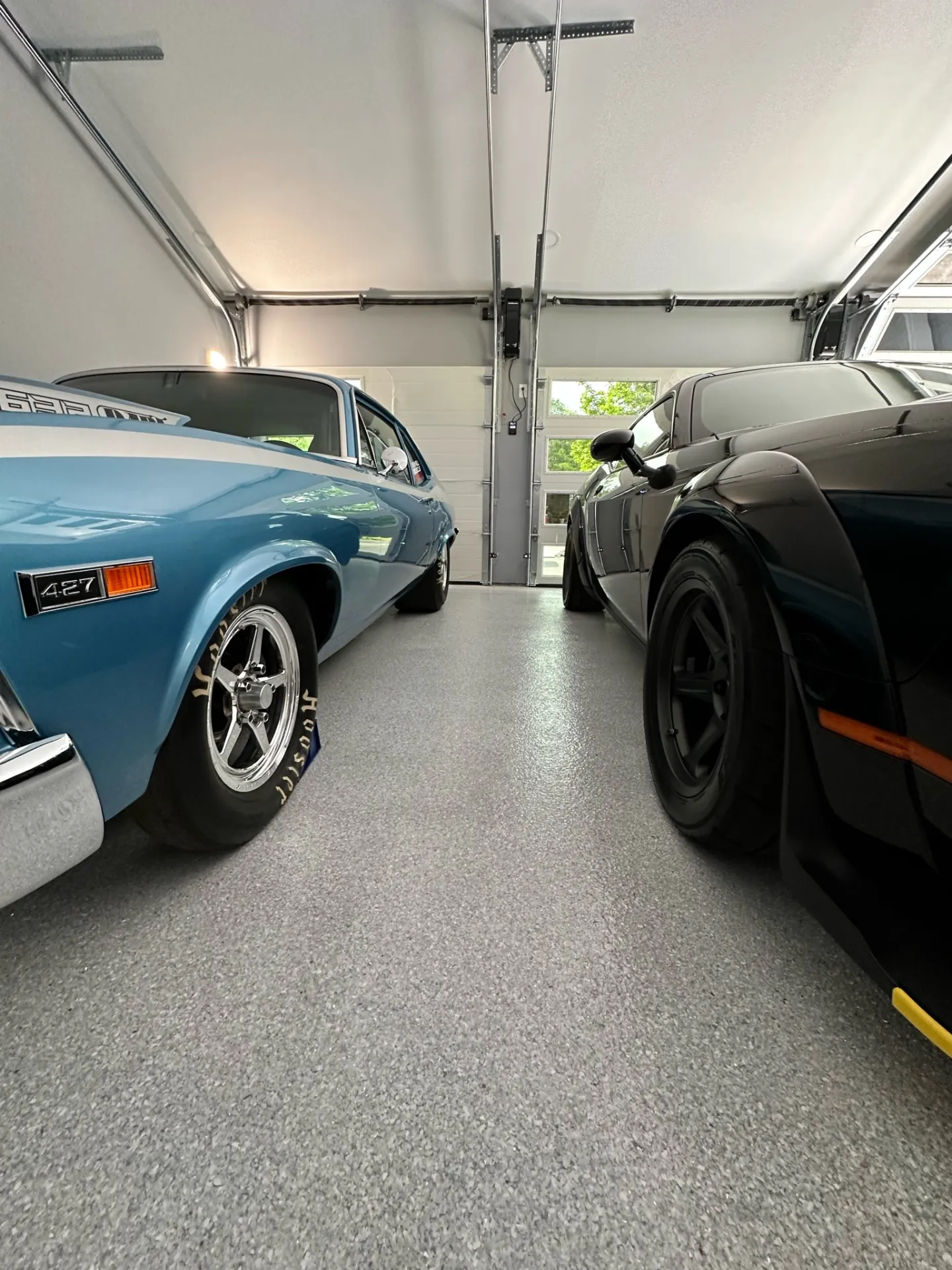
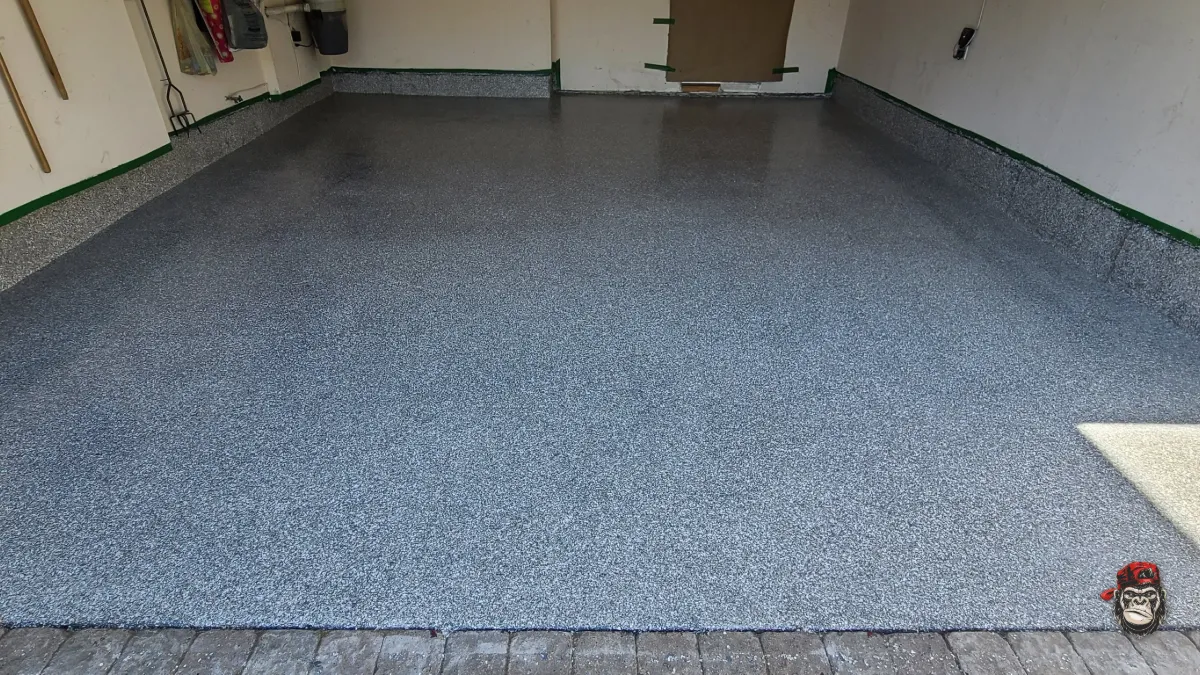
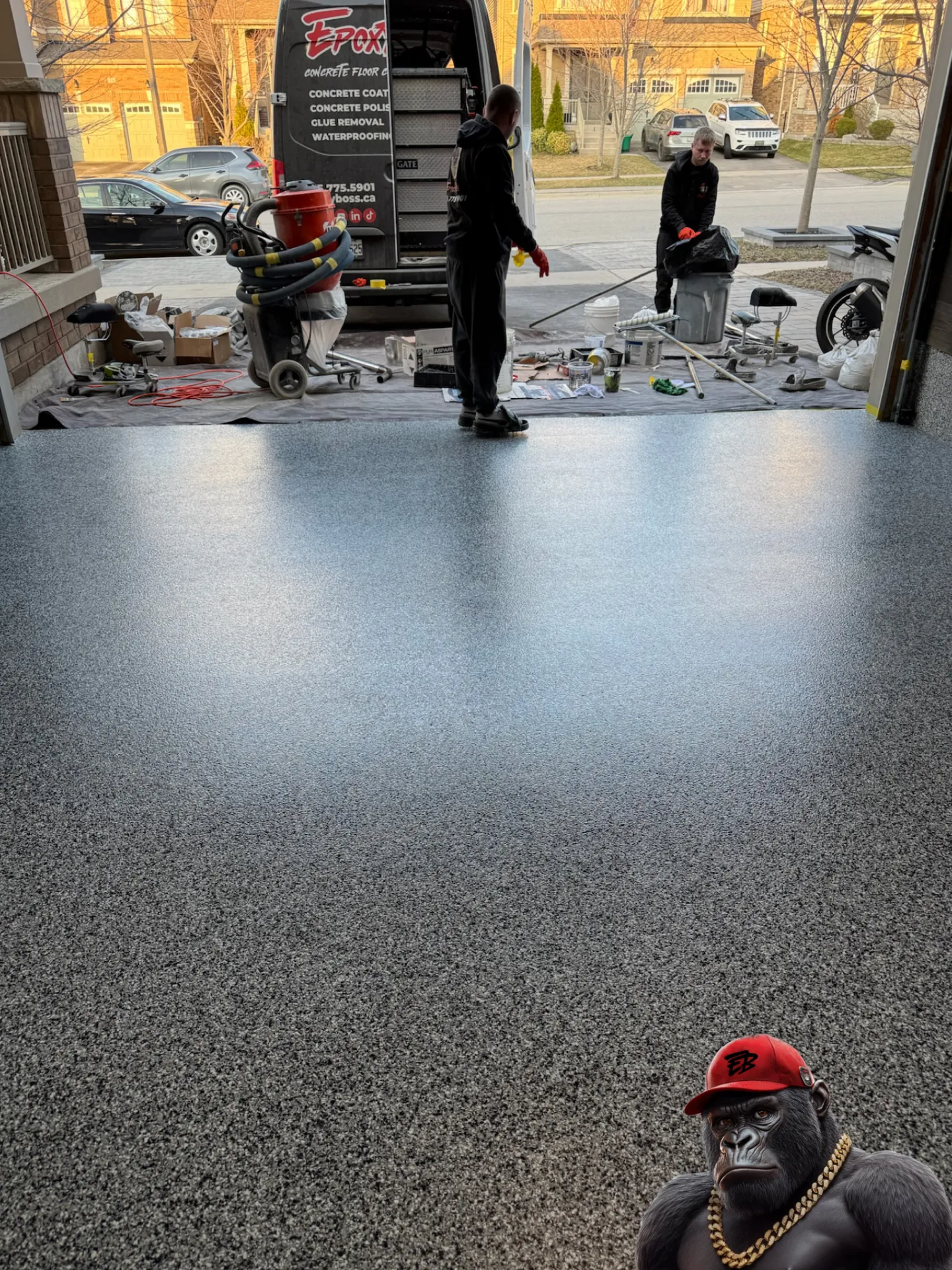
Services commonly specified for garage floors. The final system is confirmed after we assess the concrete on site.
See all residential floor coatings options.

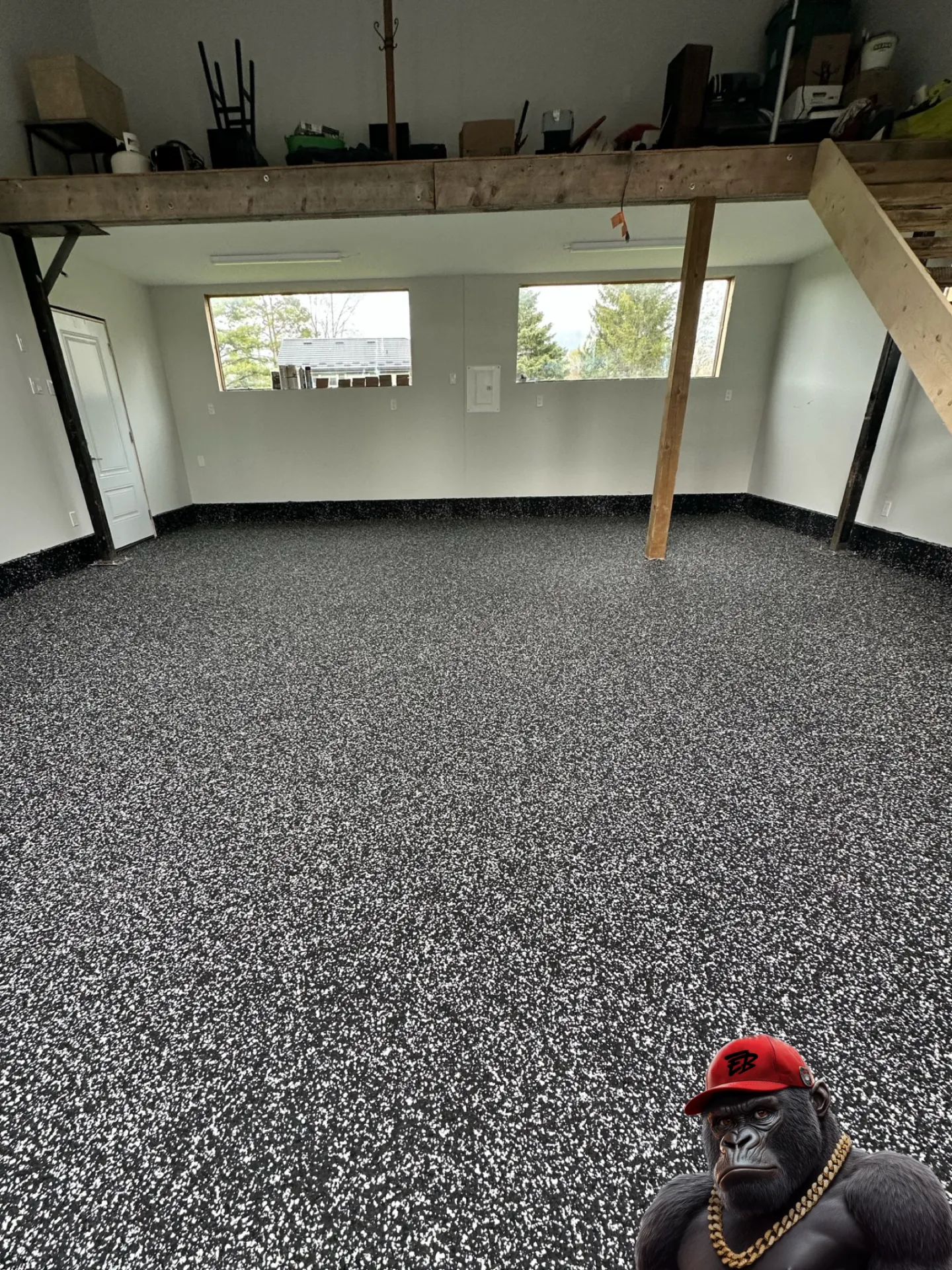
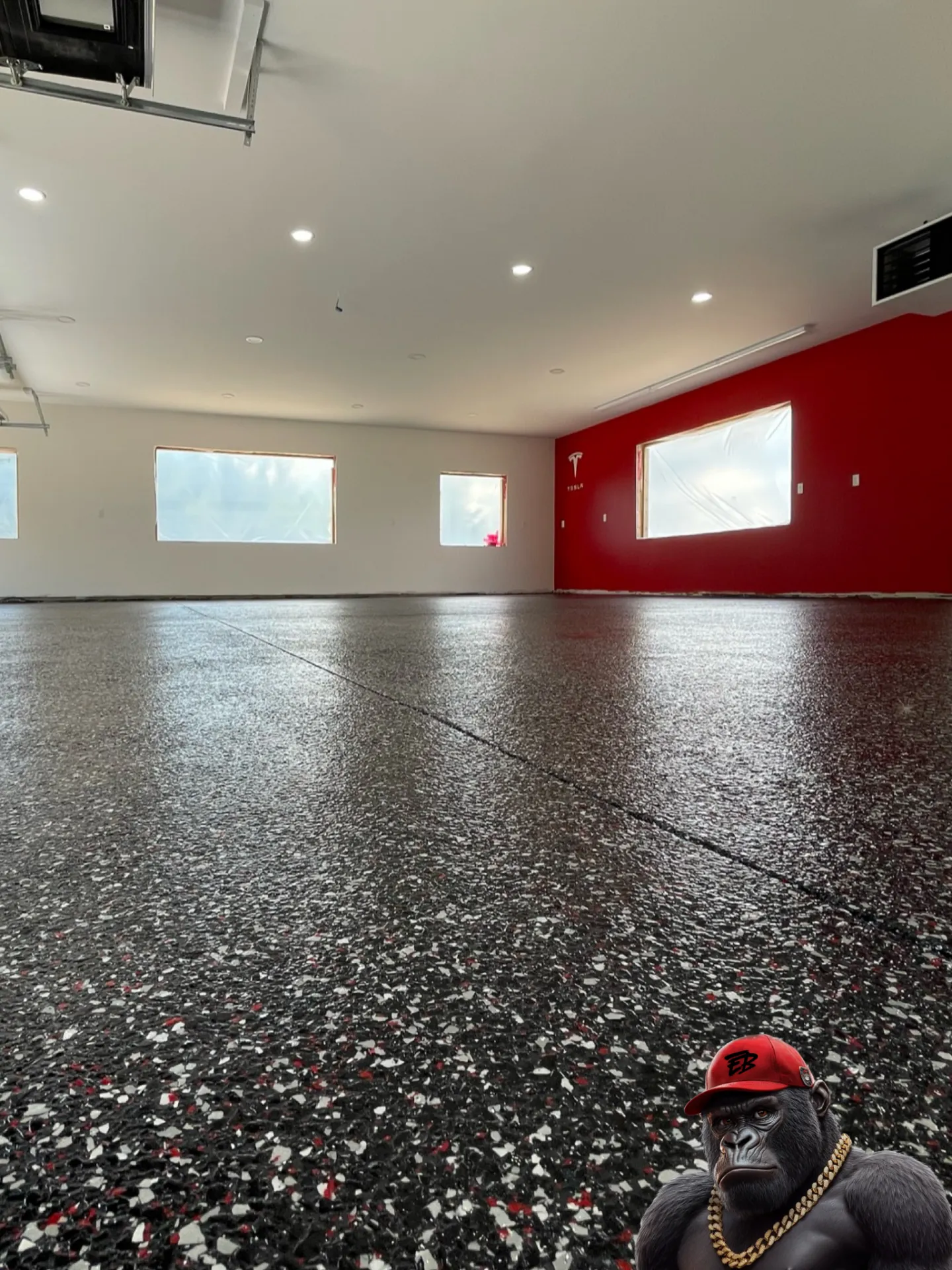
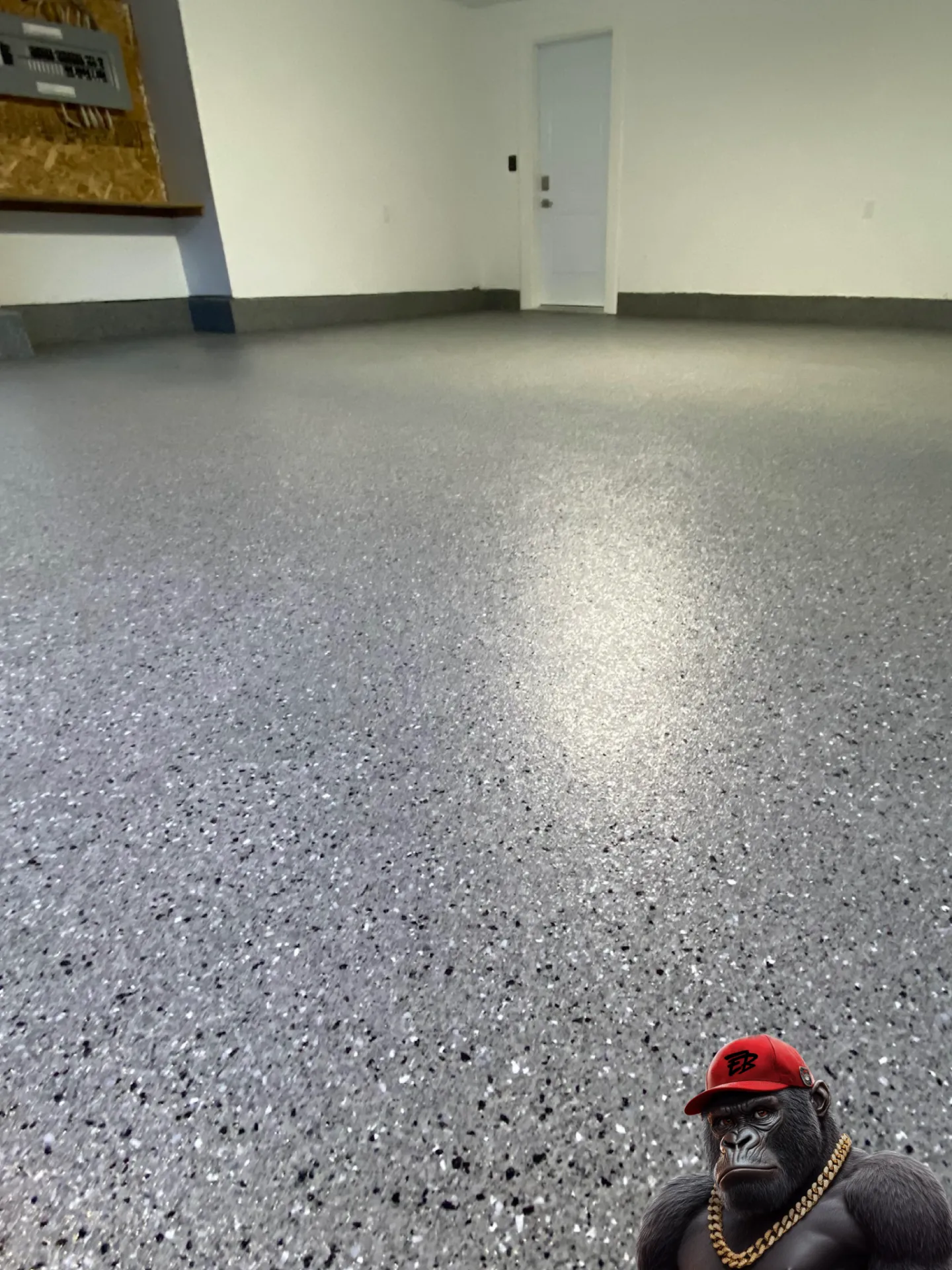
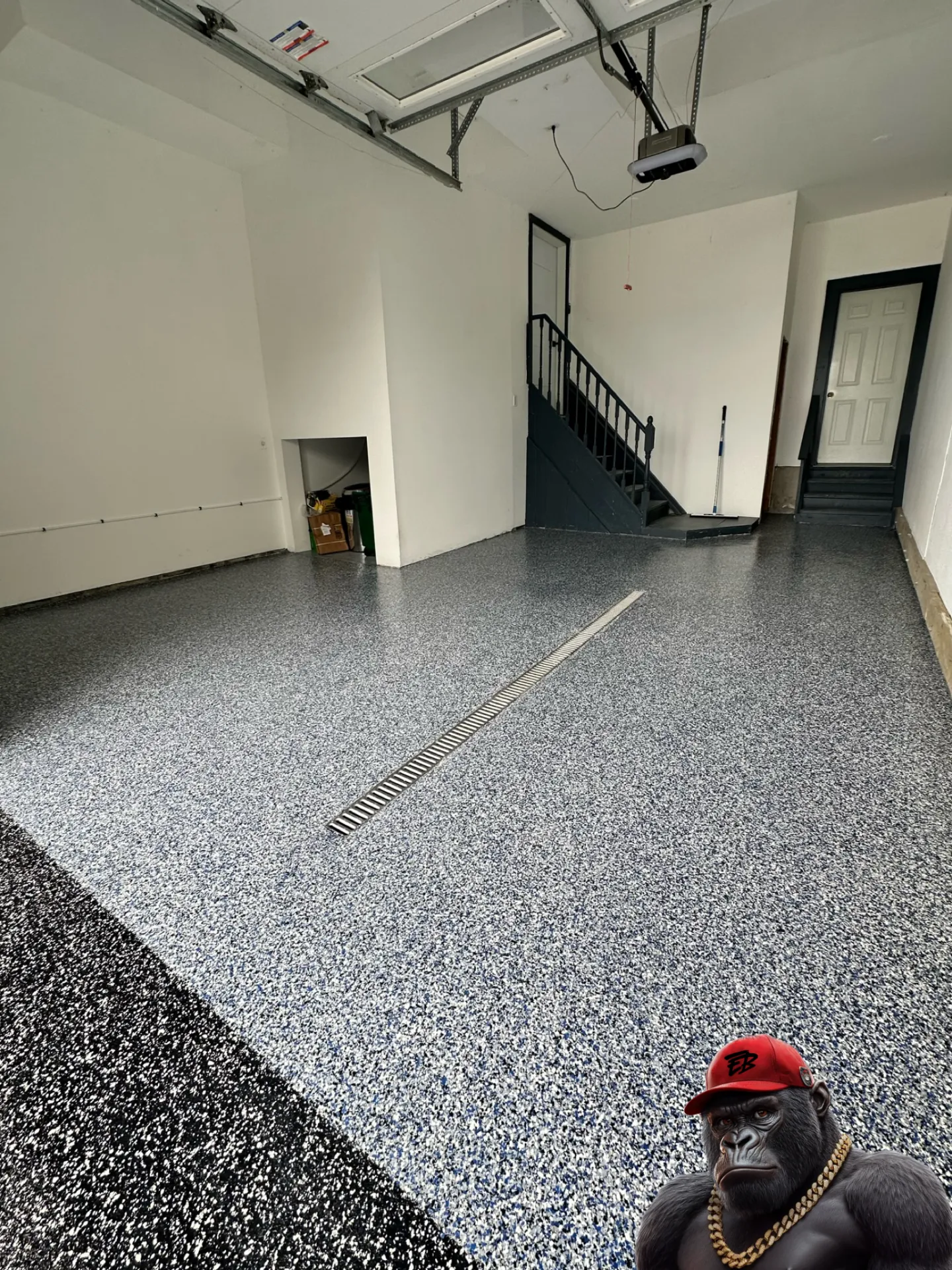
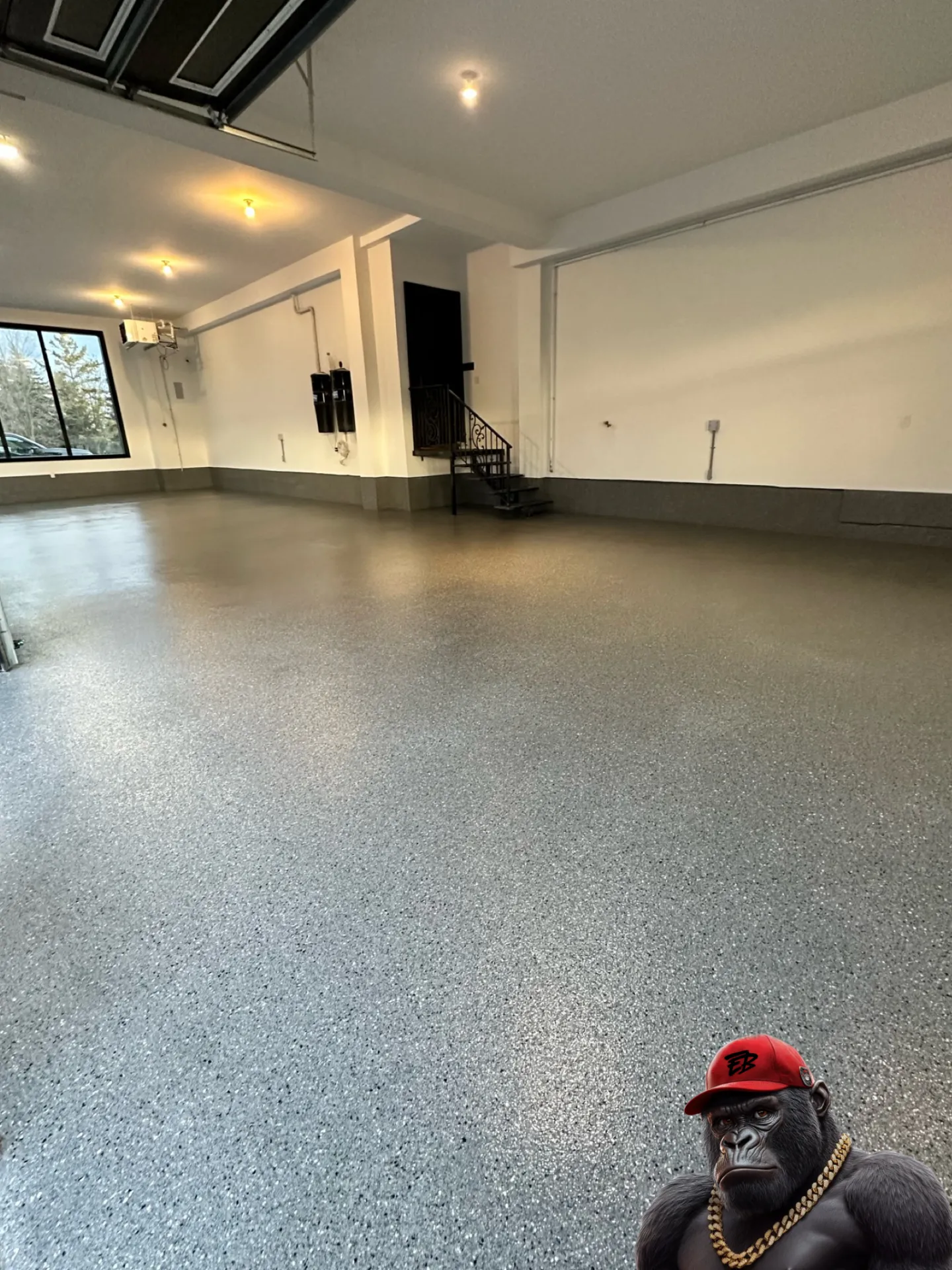

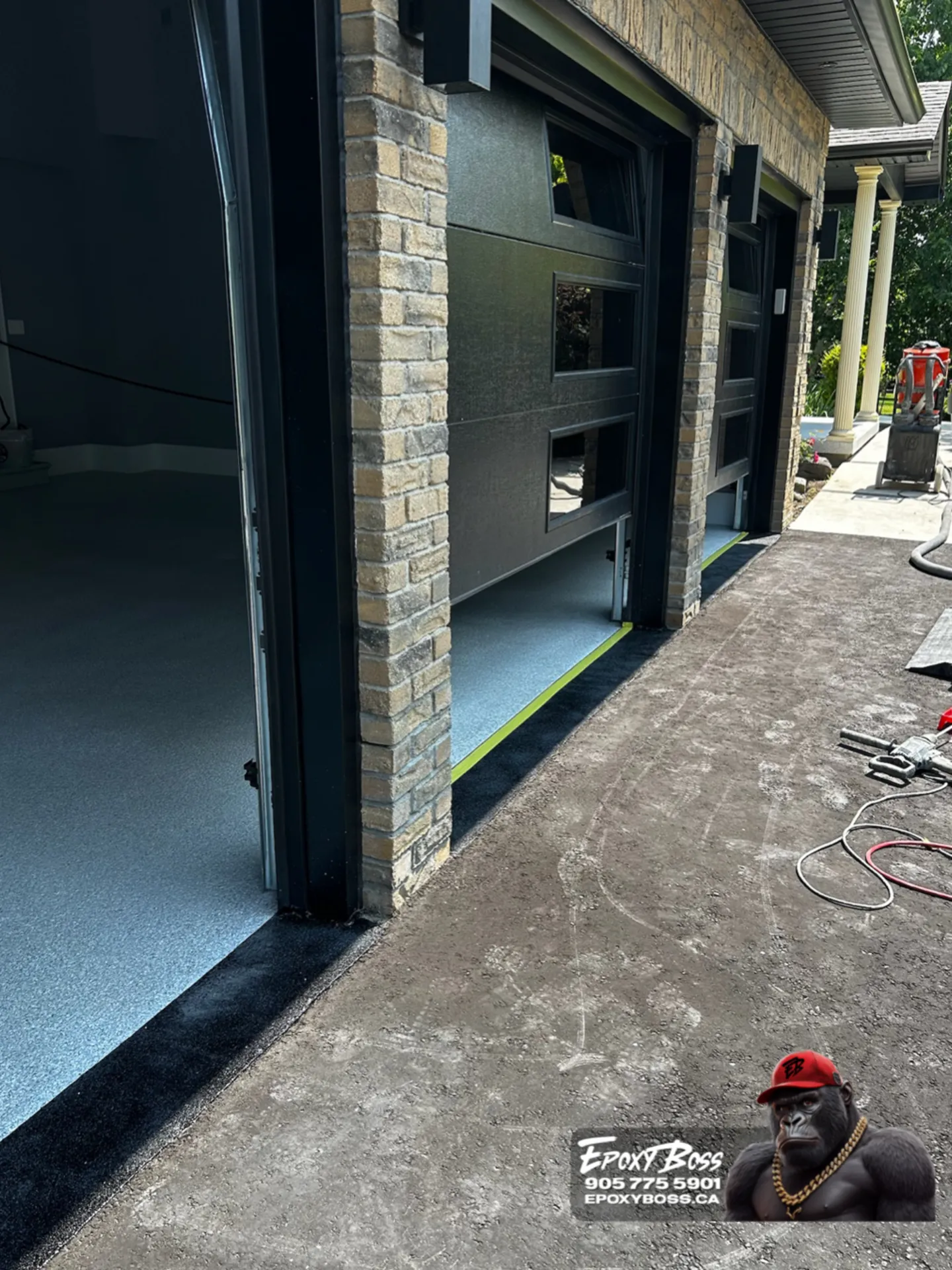
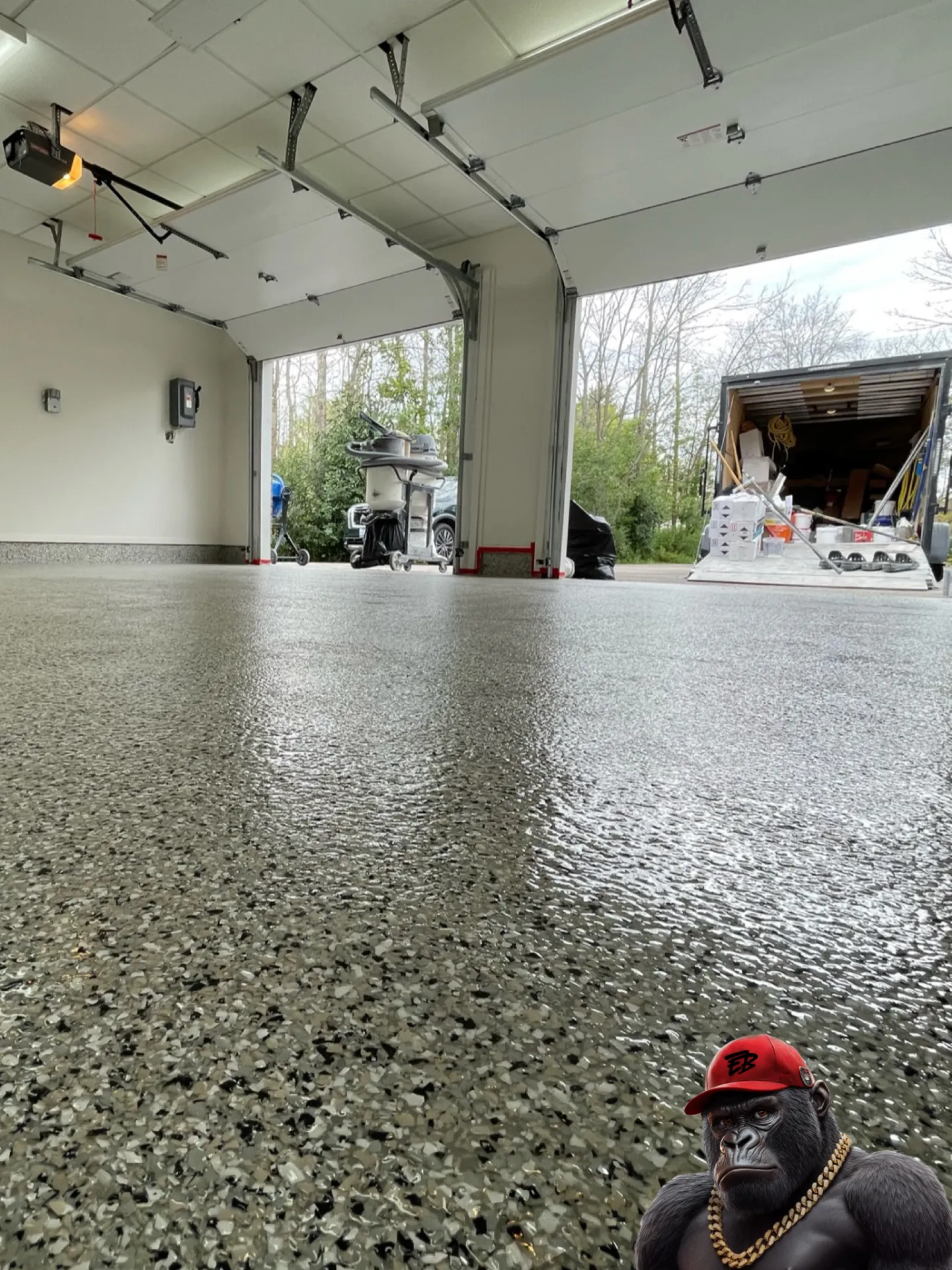


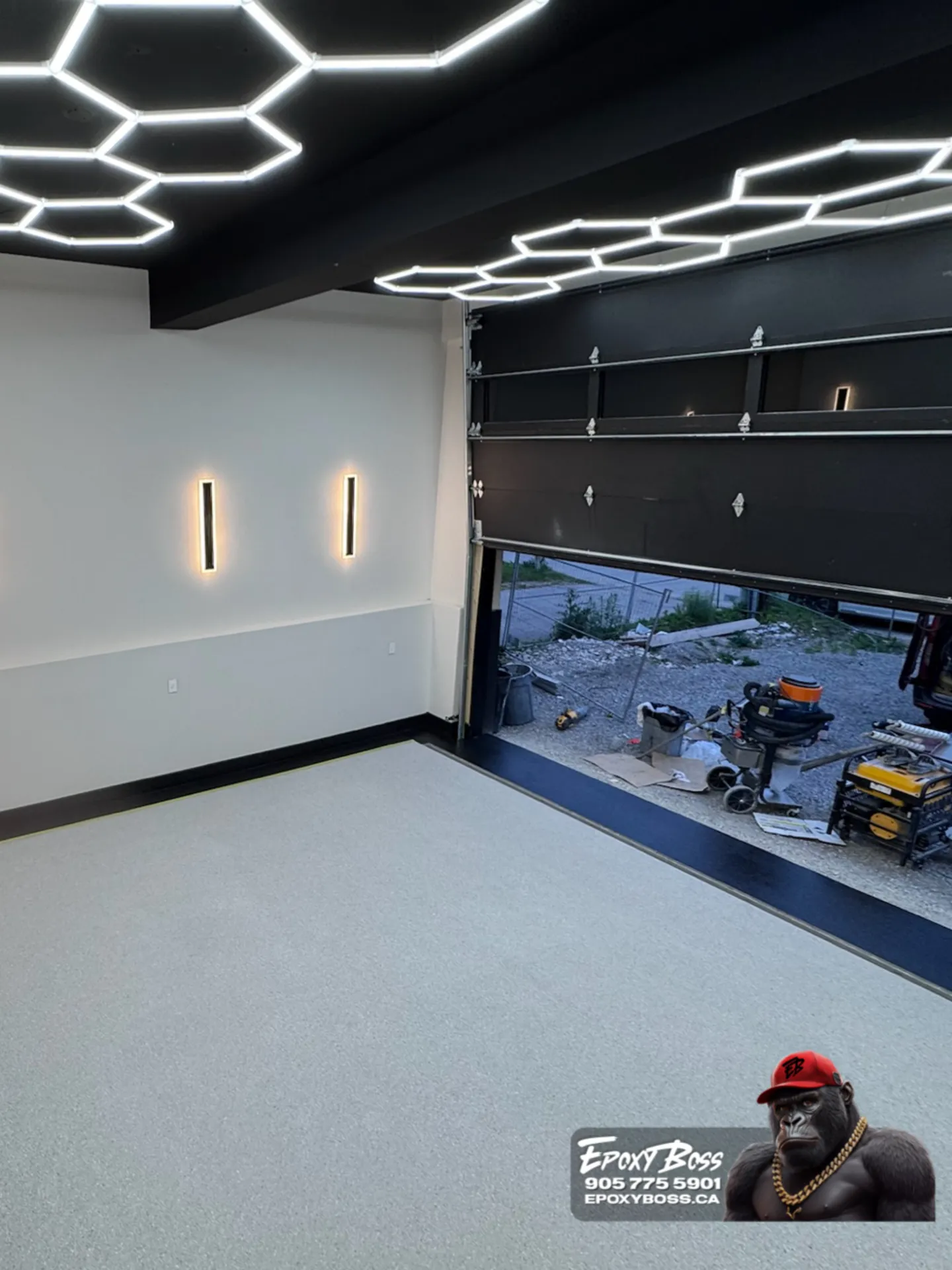

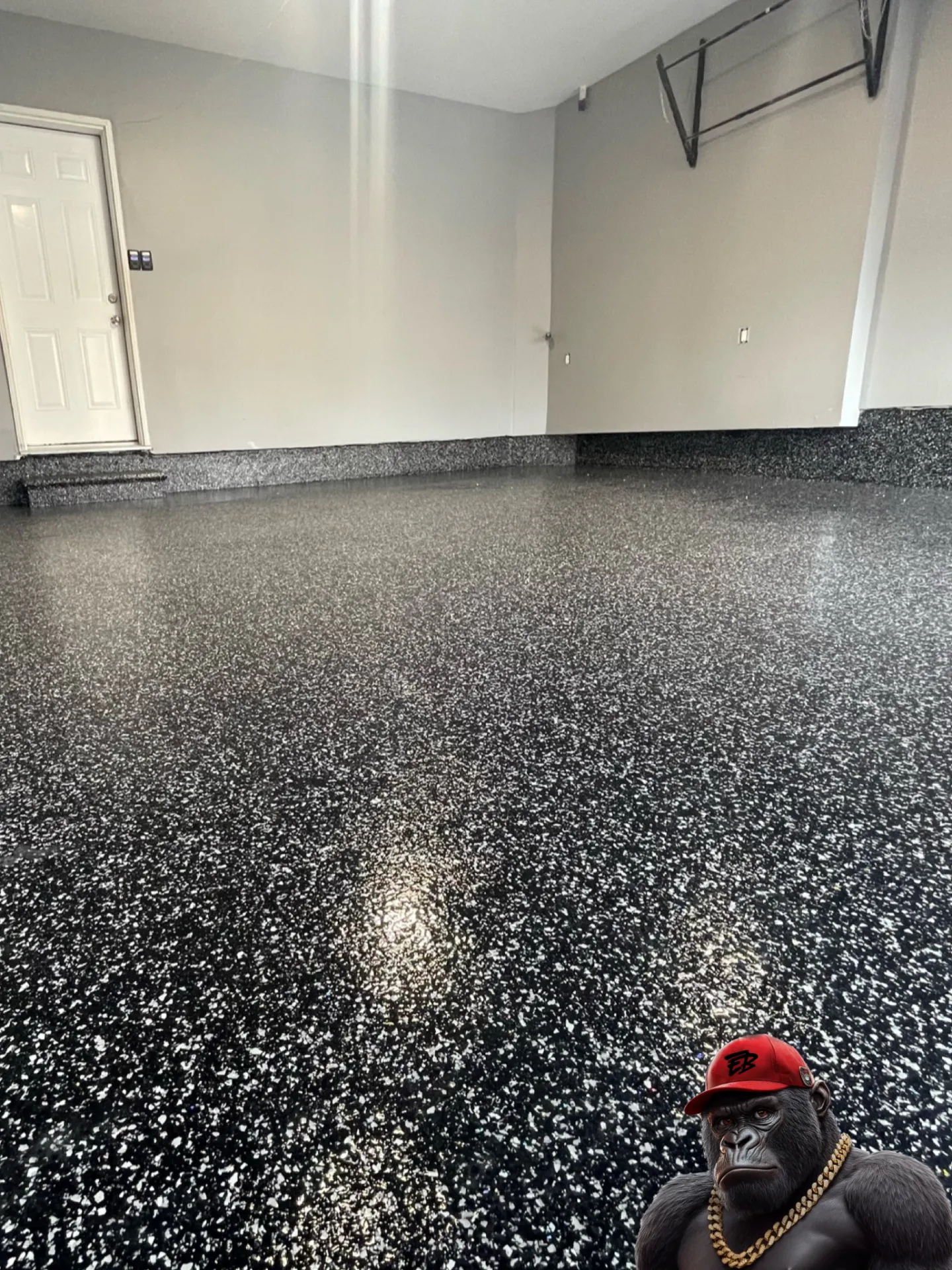
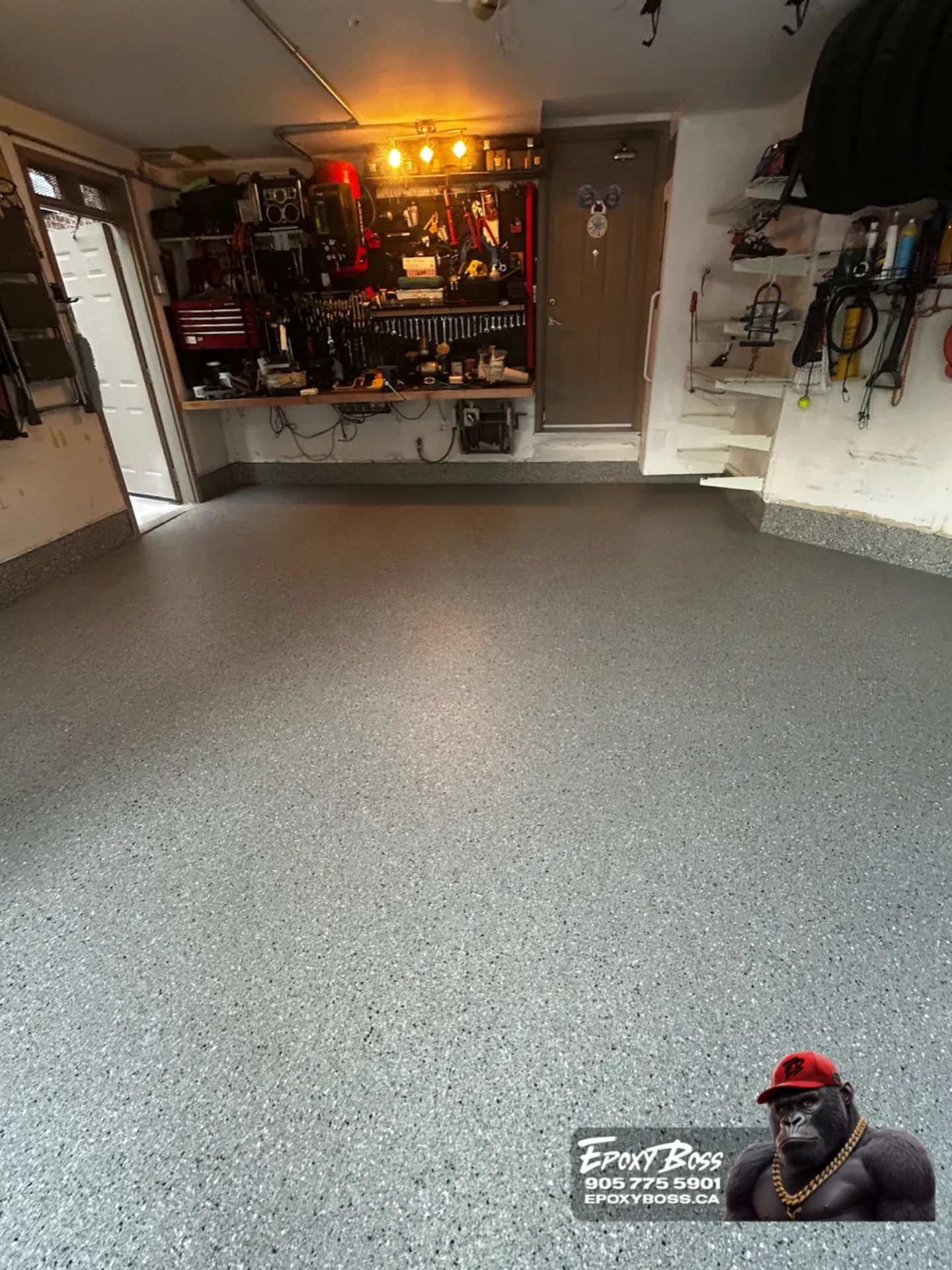
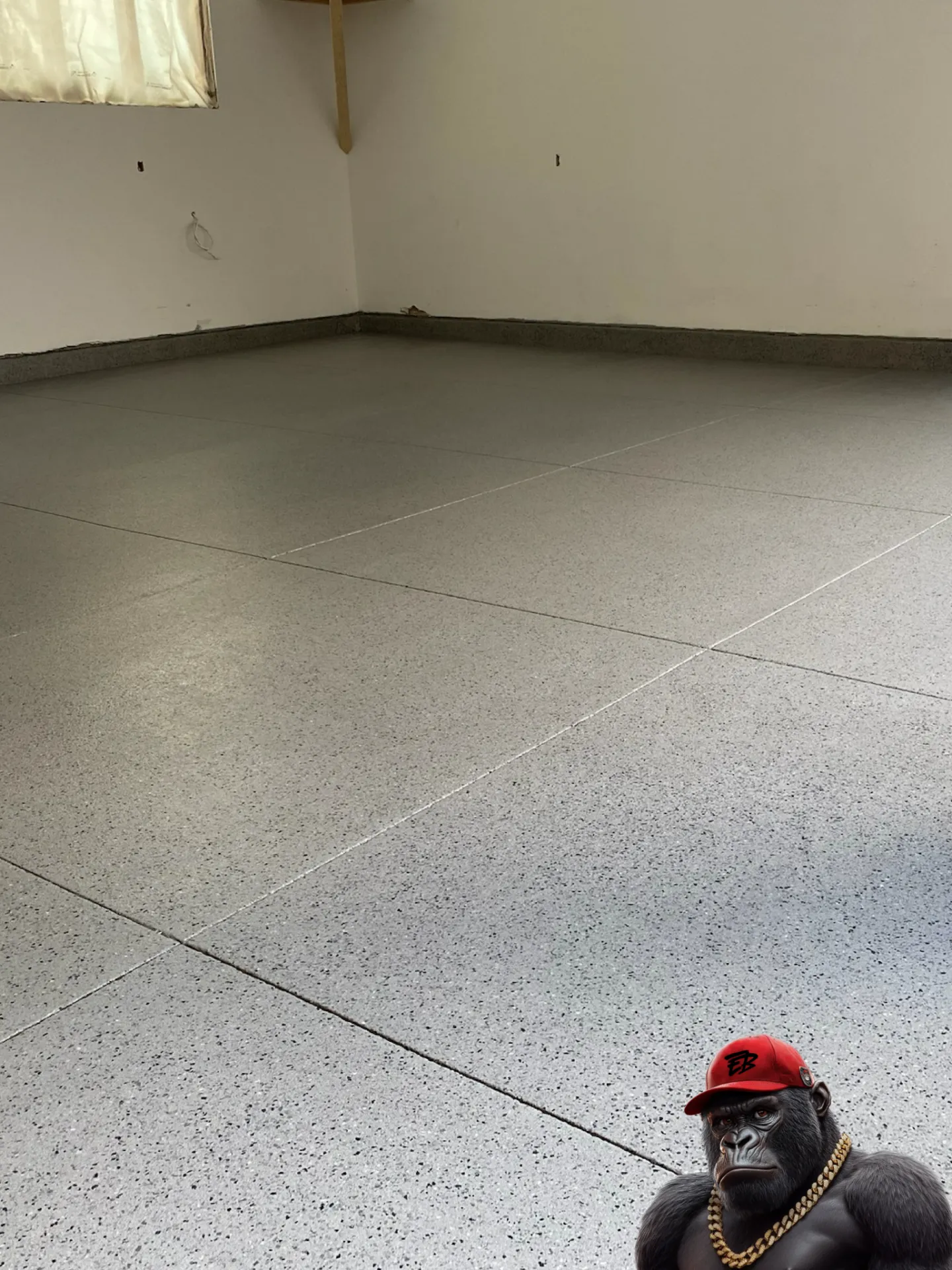


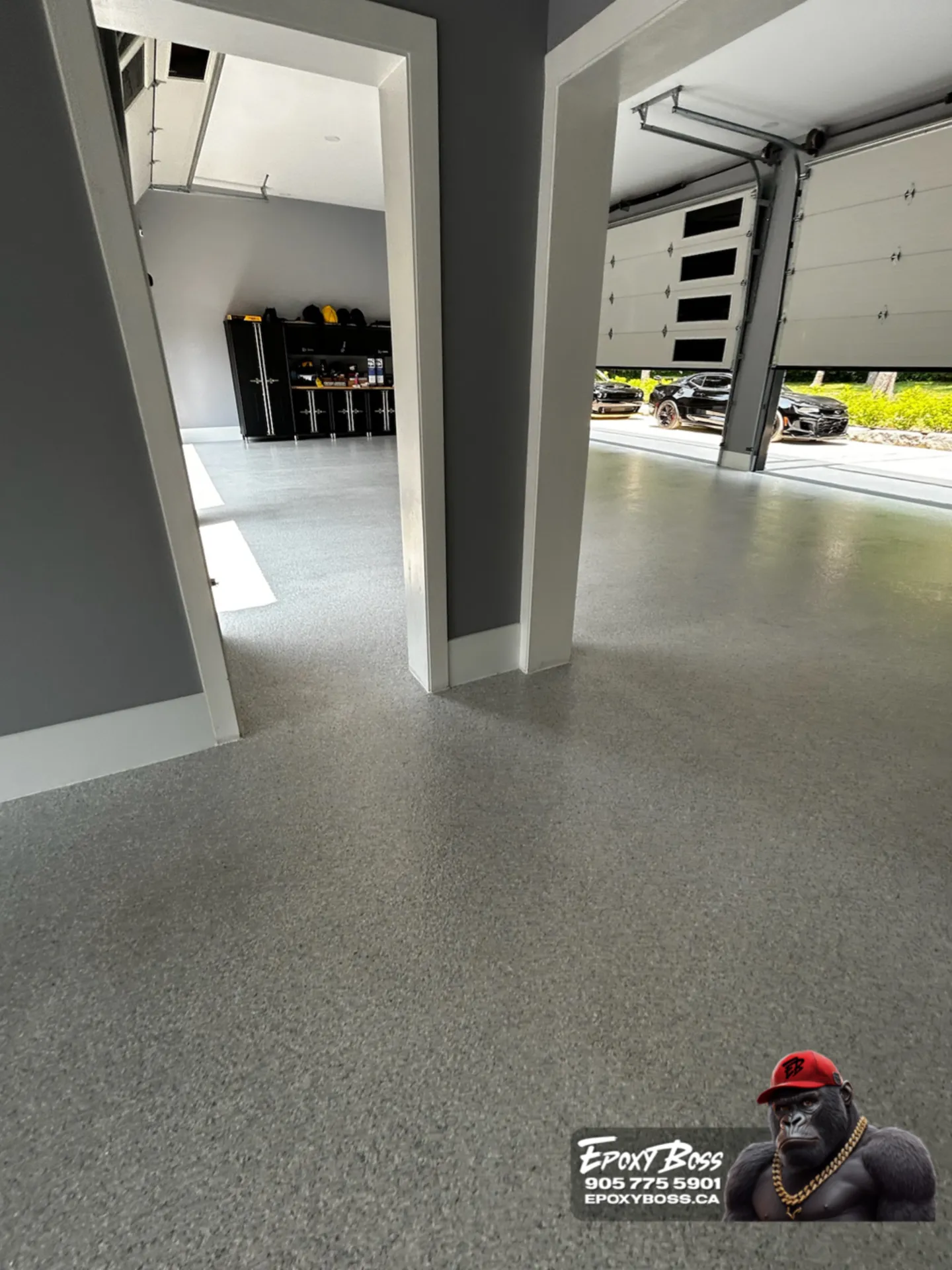
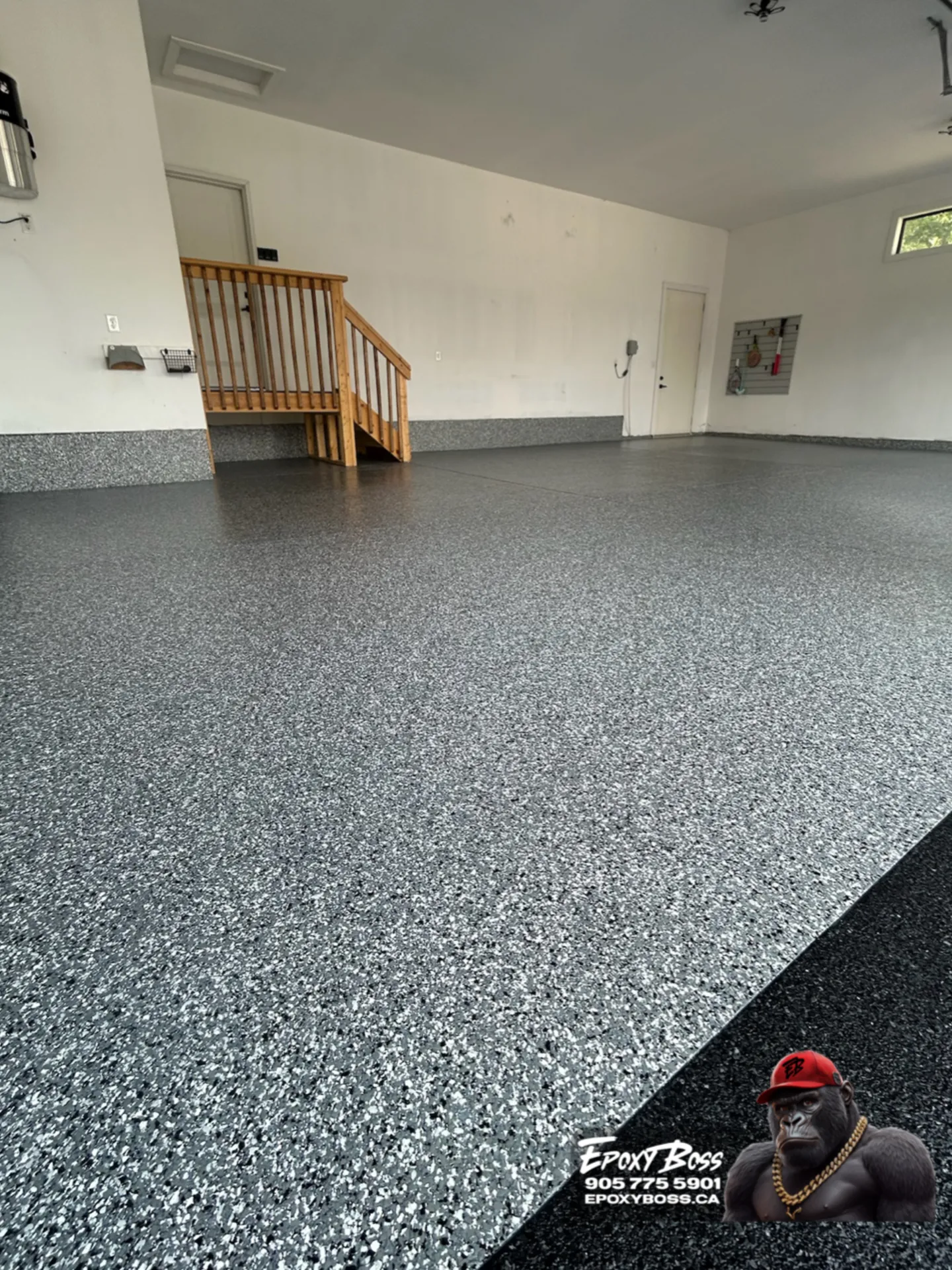
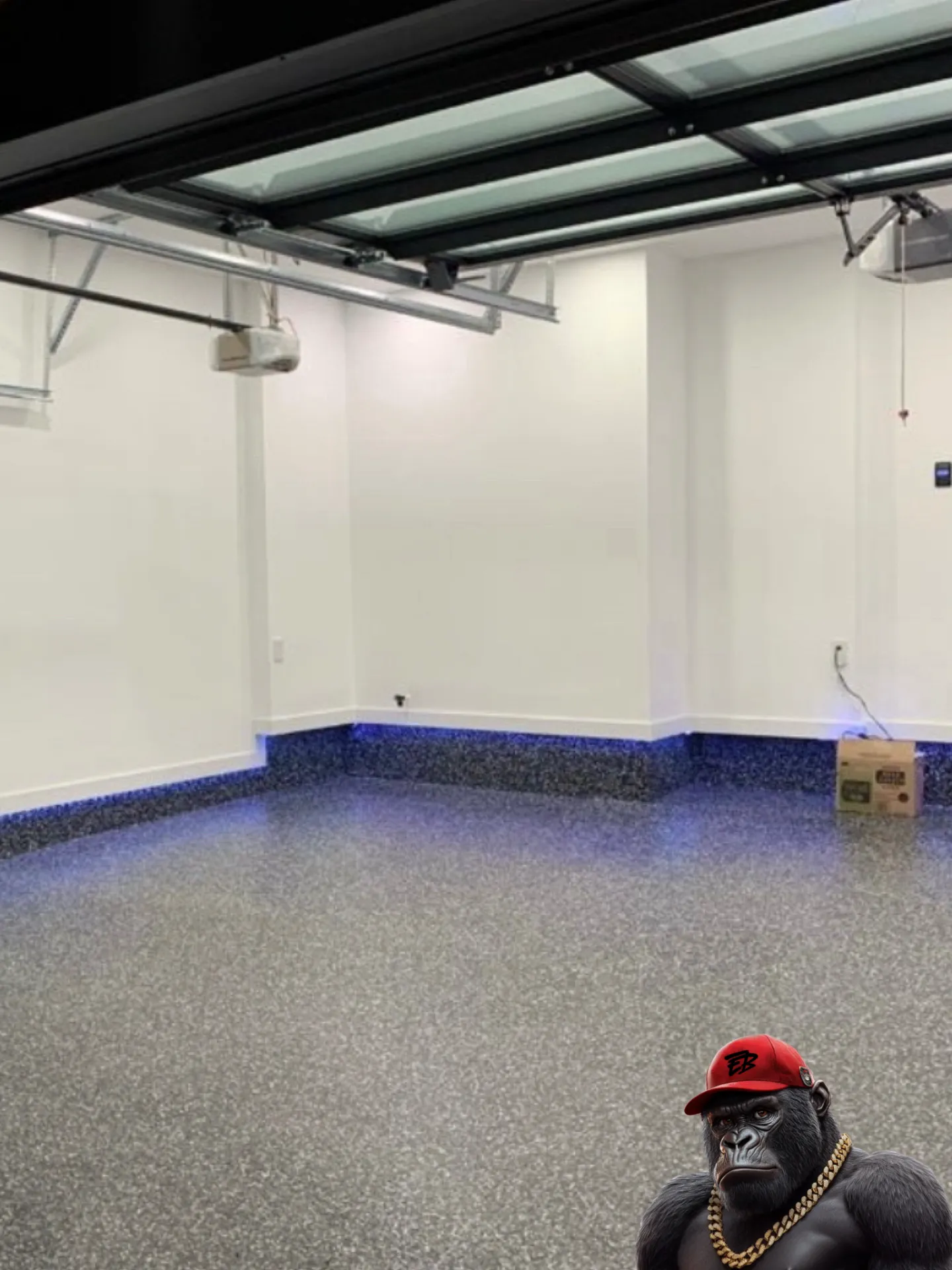
Epoxy bonds well and builds thickness, which makes it a good base layer. Many epoxies can yellow with sunlight exposure, which matters at a garage door. Polyaspartic topcoats are commonly chosen for UV stability and faster return to service, and many can be applied across a wider temperature range. A lot of Ontario garage systems use both. The right combination depends on the product data, your slab and how you use the garage.
Hot tire pickup happens when a warm tire softens and grips a coating, then pulls it away as it cools and the car moves. It's most common on thin coatings over poorly prepared concrete, or on floors driven on before they've fully cured. Mechanical preparation for a proper bond, a coating system with suitable thickness, and waiting for the stated vehicle cure time are the main defences.
Related: polyaspartic garage flooring and epoxy flooring systems.
Every product's technical data sheet gives a cure time for light foot traffic and a longer one for vehicle traffic, and both lengthen as temperature drops. Polyaspartic topcoats generally return to service faster than conventional epoxy systems, which is one reason they're used in Ontario garages. Hot tires on a floor that hasn't fully cured can mark it, so we give you a specific time for your floor on the day, based on the product and conditions, rather than a general number.
Related: fast-cure flooring systems.
Cars carry snow and slush loaded with de-icing salt into the garage, where it melts and pools, often near the door and under the wheels. Bare concrete is porous and absorbs that water. When temperatures swing around freezing, moisture in the surface expands and contracts, and the combination with chlorides is a common cause of scaling — thin layers of the surface flaking away — and pitting. Chlorides that reach reinforcing steel in structural slabs can also contribute to corrosion. A sealed or coated surface limits how much reaches the concrete, which is the main reason Ontario garages are coated at all.
Related: polyaspartic garage flooring and concrete coating services.
Any smooth, sealed surface becomes more slippery when wet, and an Ontario garage is wet for much of the winter. A full-flake broadcast has more surface texture than a solid colour, and fine aggregate can be incorporated into the topcoat where the product's data supports it to add traction. The trade-off is cleanability: the more texture, the more effort to mop. We usually suggest more texture in the zone just inside the door, where meltwater lands, and less elsewhere.
Related: flake epoxy flooring and concrete coating services.
The main variables are how much repair the slab needs, how many layers the system has, and how long each layer takes to cure at the conditions on the day. A garage in good condition with a fast-curing system is quicker than one needing salt-damage repair first. We give you a written schedule with the quote, including when you can walk on it and when you can park on it.
Related: polyaspartic garage flooring and fast-cure flooring systems.