Seamless
Safe
Code Compliant
Designed For Ontario
Customizable
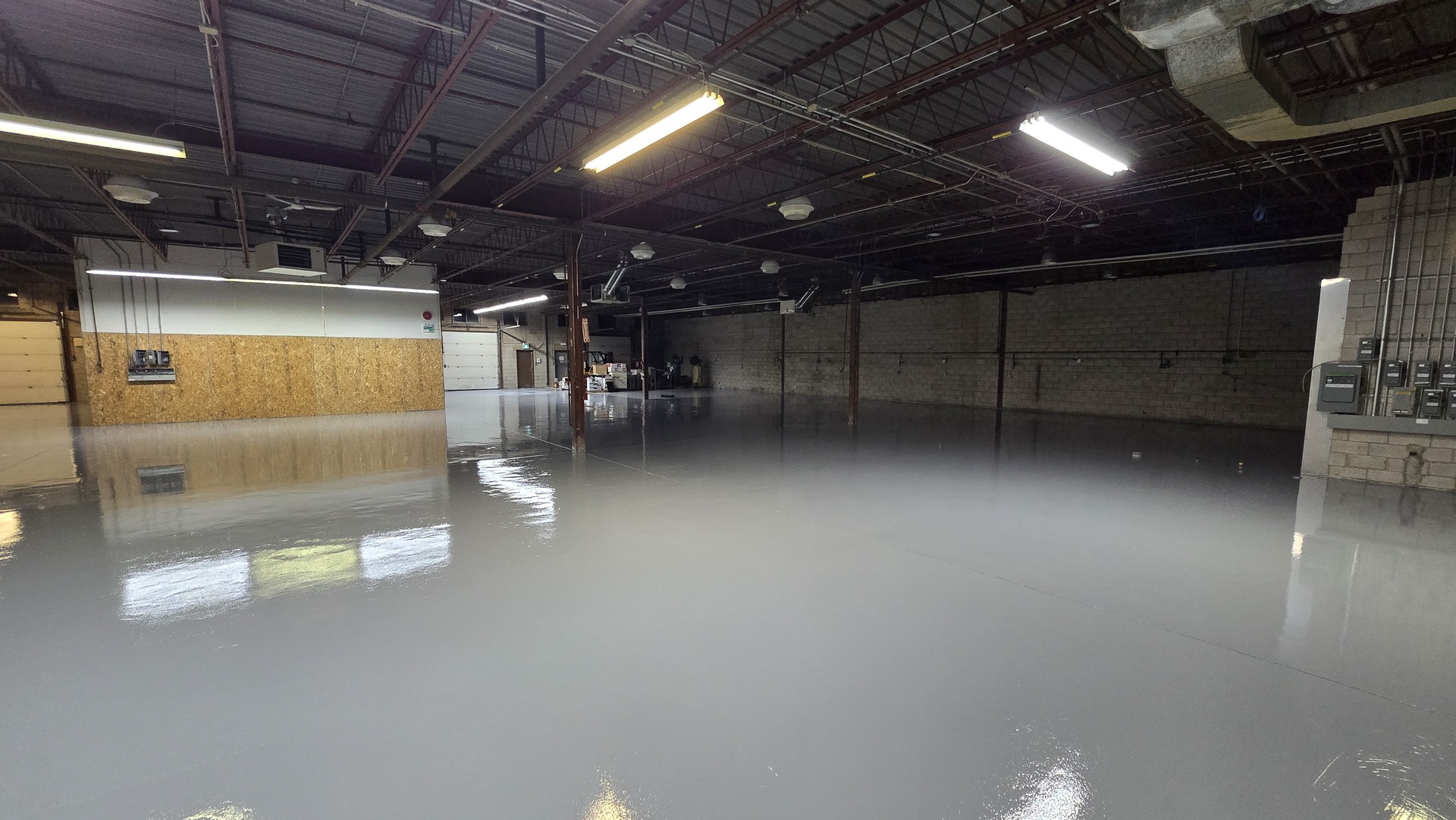
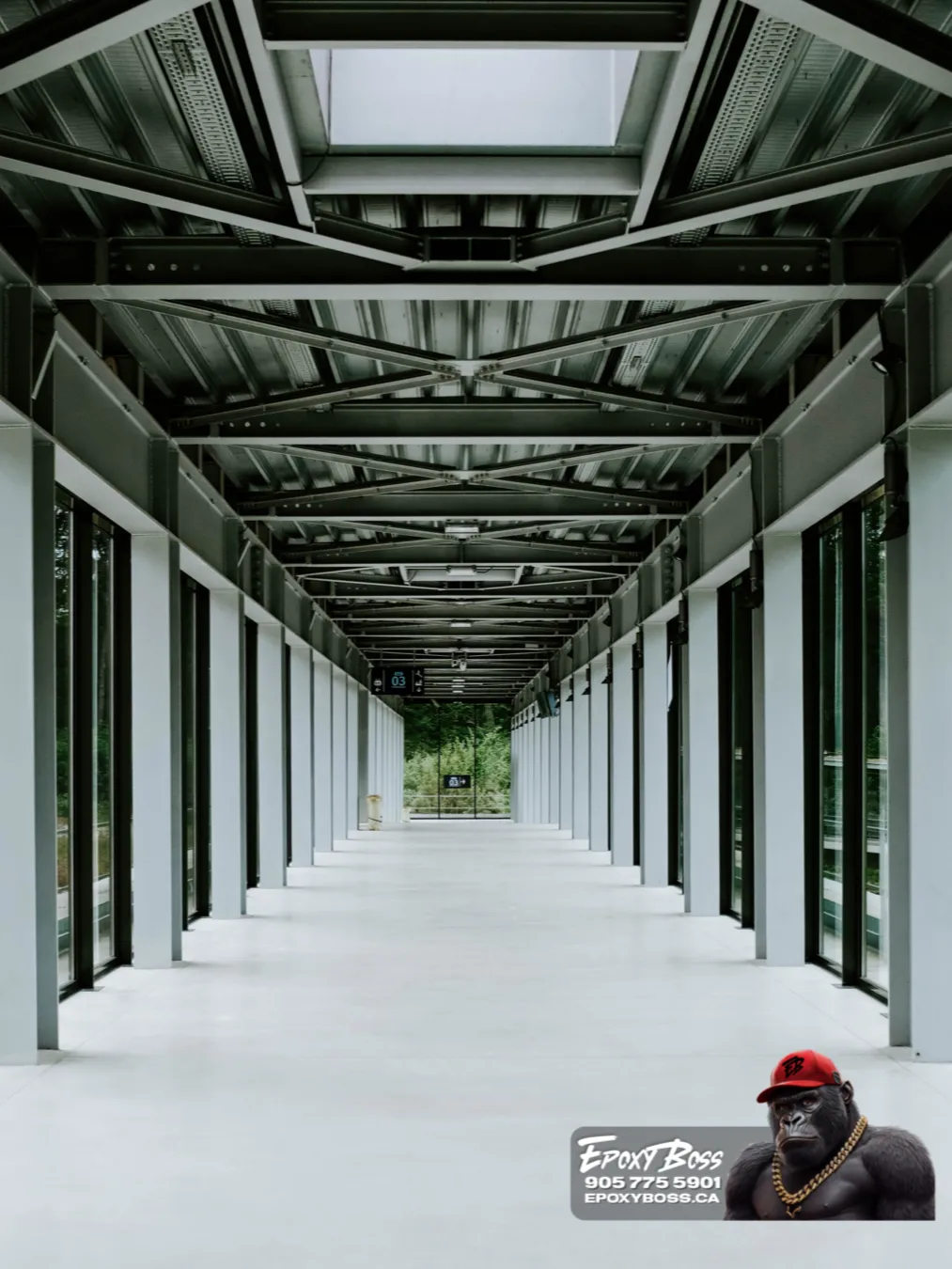
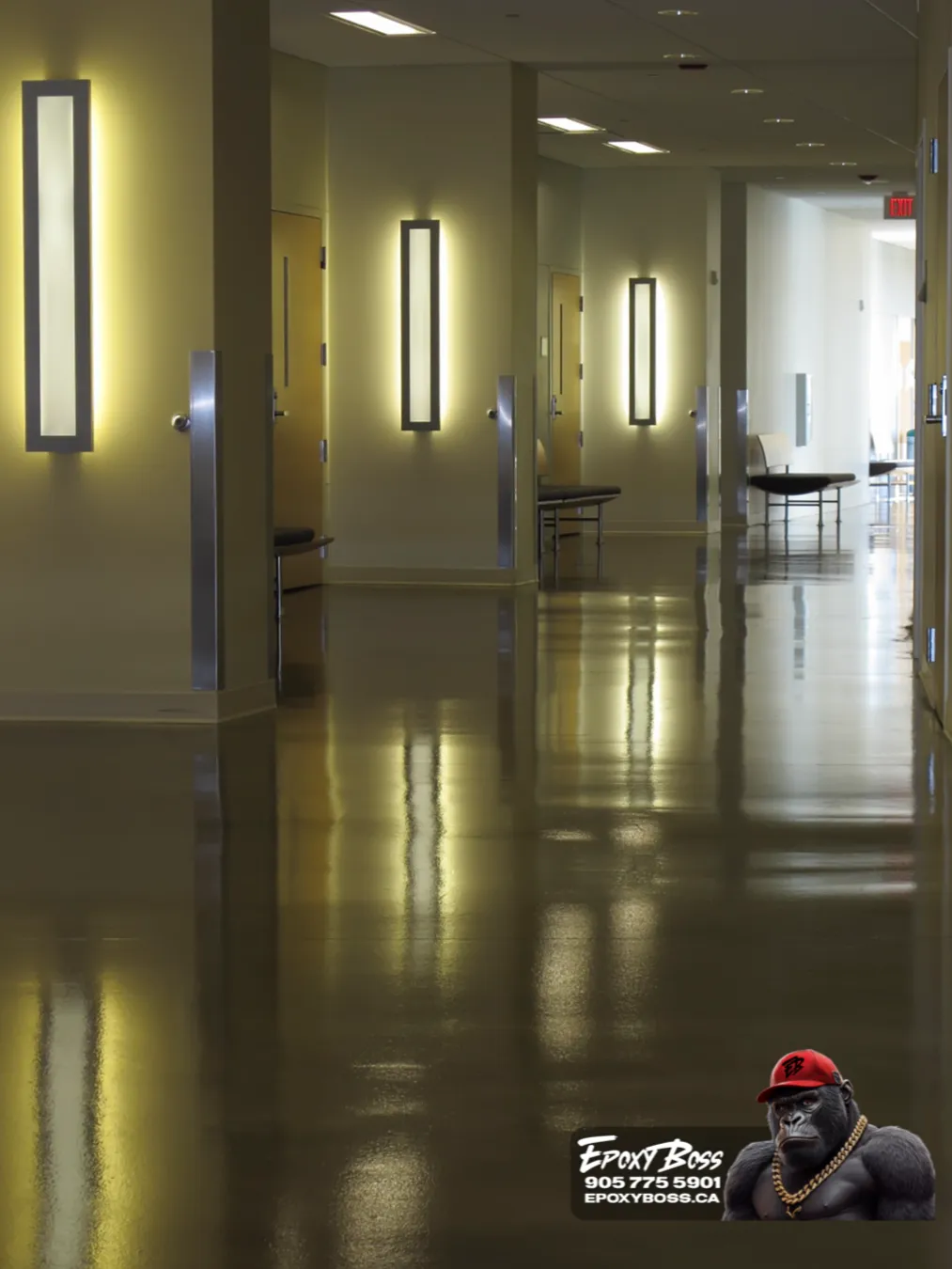
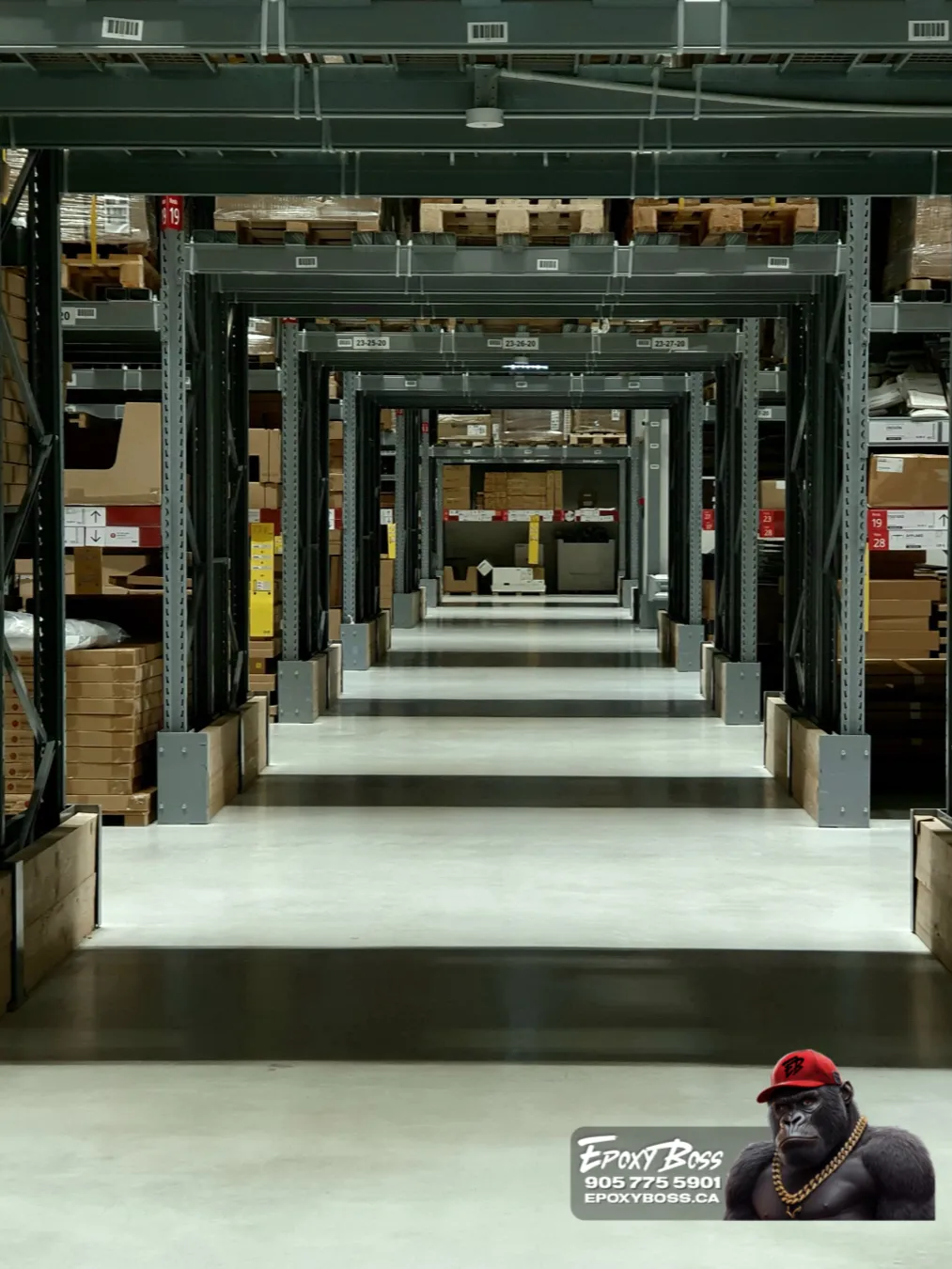
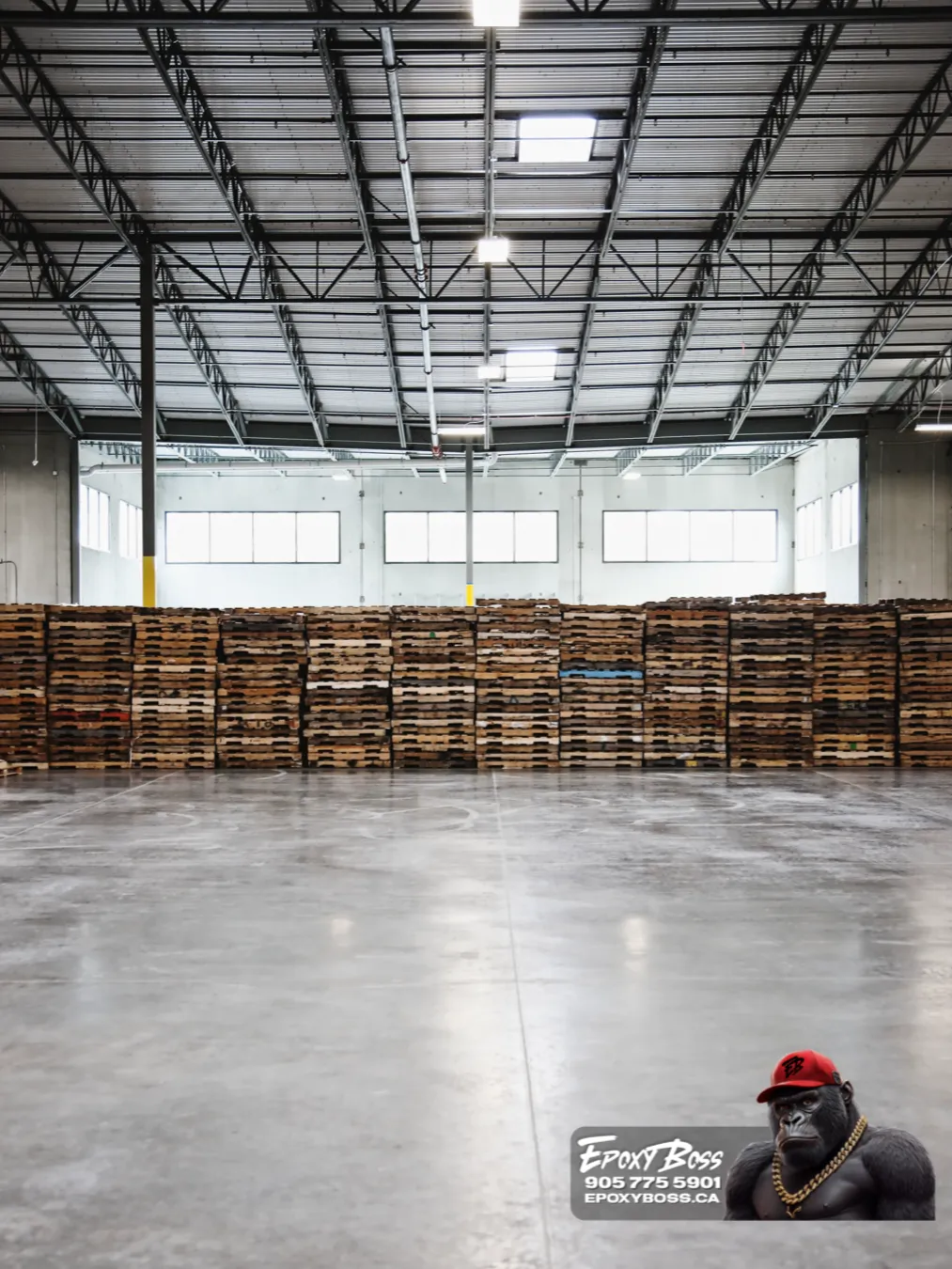
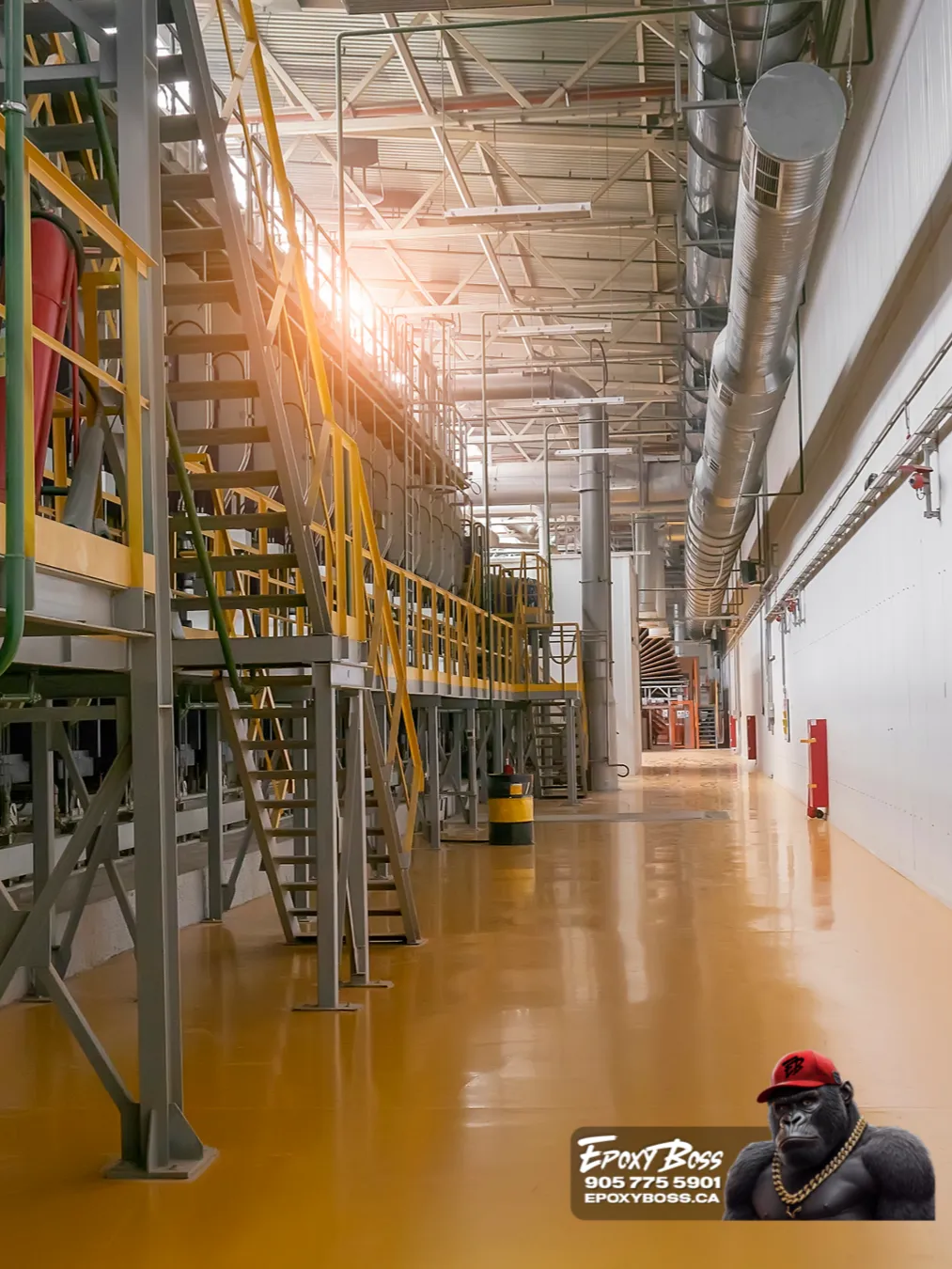
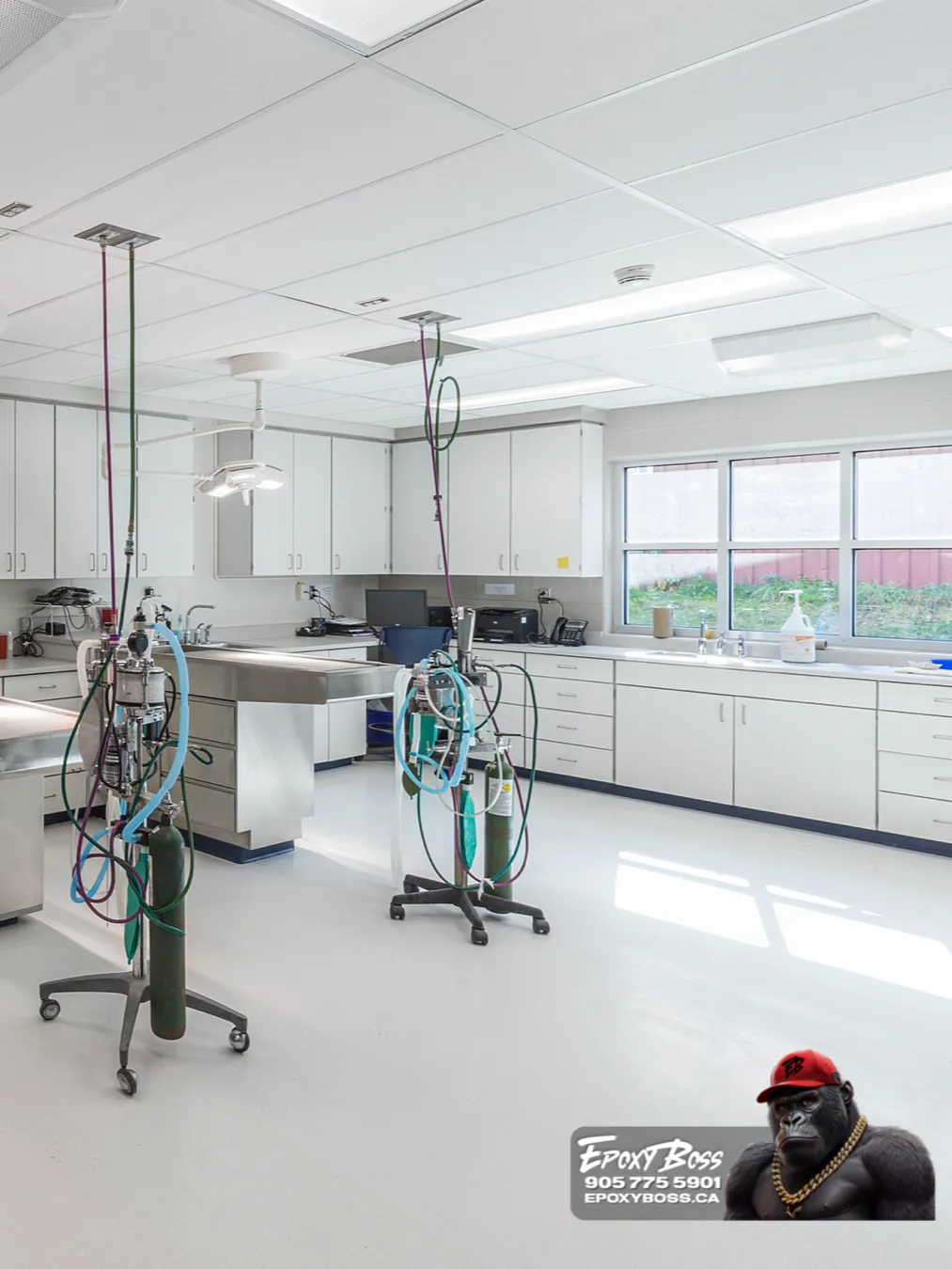
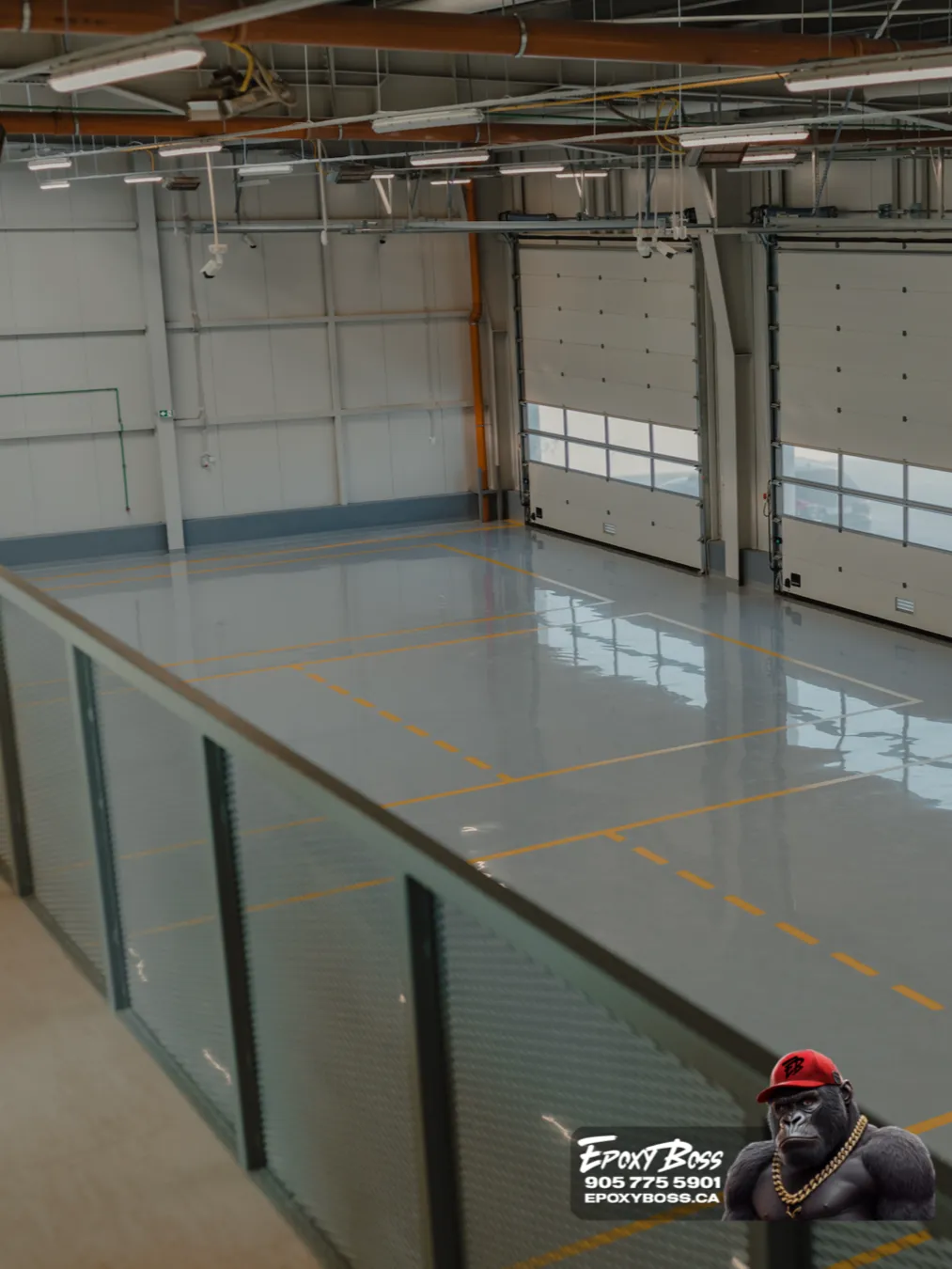
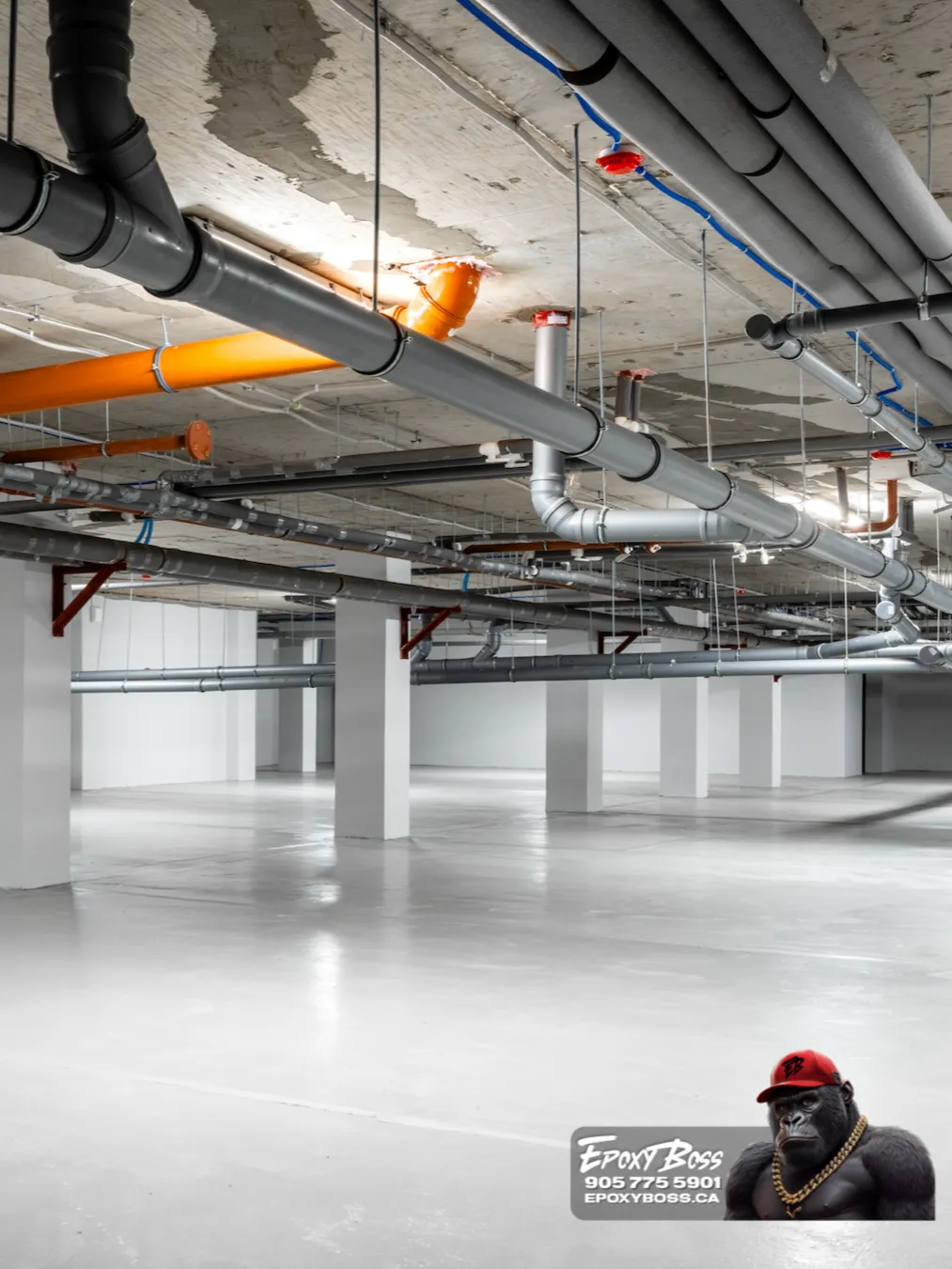
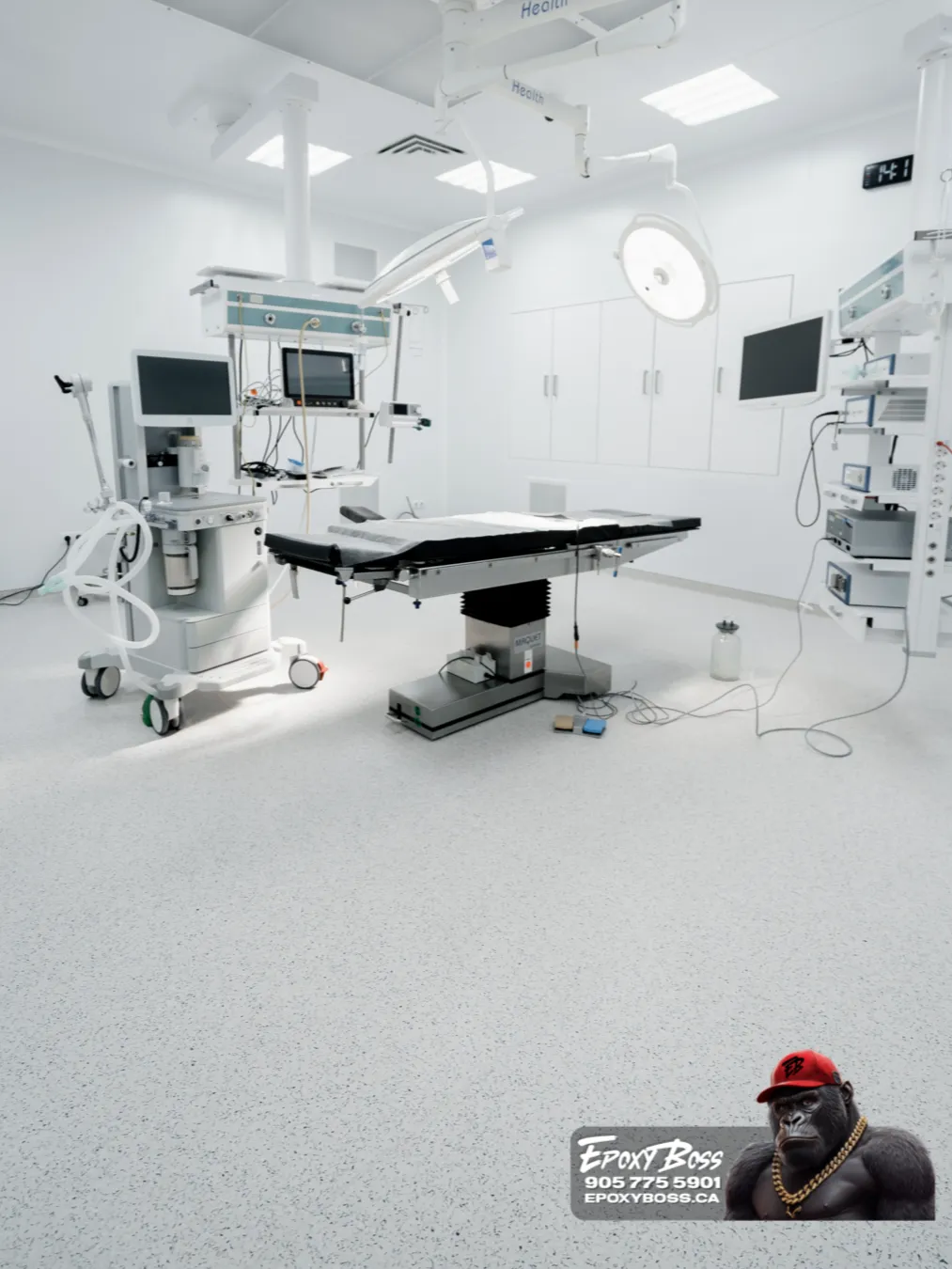
Industrial Resinous Flooring for Demanding Facilities
Epoxy Boss installs industrial resinous flooring systems for facilities where the floor must perform under heavy traffic, abrasion, impact, chemicals, moisture, sanitation requirements, and constant cleaning. We provide concrete repair, surface preparation, epoxy, polyurethane, polyurea, urethane cement, MMA, quartz, flake, and protective coating systems for manufacturing, warehousing, logistics, food production, pharmaceutical, technology, and specialized industrial environments.
Performance Begins Below the Coating
Industrial floors fail when the concrete condition, moisture, preparation profile, loading, temperature, or chemical exposure is ignored. Epoxy Boss evaluates the actual operating environment before recommending a system. We can address damaged concrete, joints, cracks, moisture concerns, slip resistance, sanitary detailing, and high-wear zones—creating a floor designed for the real demands of your facility.
Gallery
FAQ
Can you coat a warehouse floor while we keep operating?
Most Vaughan warehouses can't close, so the installation is planned around the operation. We section the floor into areas that come out of use in turn, agree forklift and foot traffic routes, and schedule the most disruptive stages — grinding and coating — for nights or weekends where needed. Each section is returned once it has reached the cure stated for the traffic it will carry.
Grind-and-seal or a full coating for a warehouse?
A grind-and-seal densifies and seals the existing concrete — good for dust control on a sound slab where appearance and chemical exposure aren't the priority. A full resinous coating builds a film on top, which gives more resistance to spills and abrasion, colour for zoning and line marking, and a surface that's easier to clean. The right answer depends on the slab condition, what's spilled on it, and the traffic it carries.
What happens to floor joints under forklift traffic?
Saw-cut and construction joints take an impact every time a forklift crosses. Once an edge chips, the damage accelerates, and the joint becomes a trip point and a source of shock loading for equipment. We cut back damaged edges, rebuild them, and fill with a semi-rigid filler suited to wheel traffic. Coating over broken joints without repairing them usually means the coating fails along the same lines.
How does winter affect industrial floor installation?
An industrial building heated to a stable temperature can meet coating requirements through winter. The practical problem is loading docks and overhead doors, which let cold air sweep across the floor. We plan which doors stay closed, measure slab temperature and dew point during installation and cure, and phase areas near doors for times when they can be kept shut.
What do food facility floors need to meet in Ontario?
Federally licensed food businesses operate under the Safe Food for Canadians Regulations, and provincially regulated operations under Ontario's rules. Either way, the expectation for floors is a durable surface that can be cleaned effectively, drains properly and doesn't harbour contamination. The specific requirement comes from your inspector and your food safety plan. We build to the specification you're held to, and provide the product data to support it.
Why use a quartz system for wash-down areas?
A quartz broadcast system embeds coloured quartz aggregate into resin layers and seals it, giving a thick, seamless surface. The texture adds slip resistance where floors are routinely wet, and the absence of joints and grout lines removes places for contamination to collect. Coved bases can carry the system up the wall so wash-down water doesn't get under the edge. The texture level is adjustable to balance traction with ease of cleaning.
Can you remove an old coating from a shop floor?
Coating over an existing failed or unknown coating is one of the most common causes of repeat failure. We remove it mechanically by grinding or shot blasting until we reach sound concrete across the whole area, including edges and under fixtures where old material is often left behind. What we find underneath often explains why the previous floor failed, and that shapes the new specification.
Can urethane flooring handle thermal shock?
Yes. Urethane cement systems are specifically engineered to resist thermal shock caused by steam cleaning, hot water washdowns and rapid temperature fluctuation.
OuR Systems
Epoxy Boss offers a range of decorative and functional coating systems, each engineered for a specific environment, level of use, and visual impact.
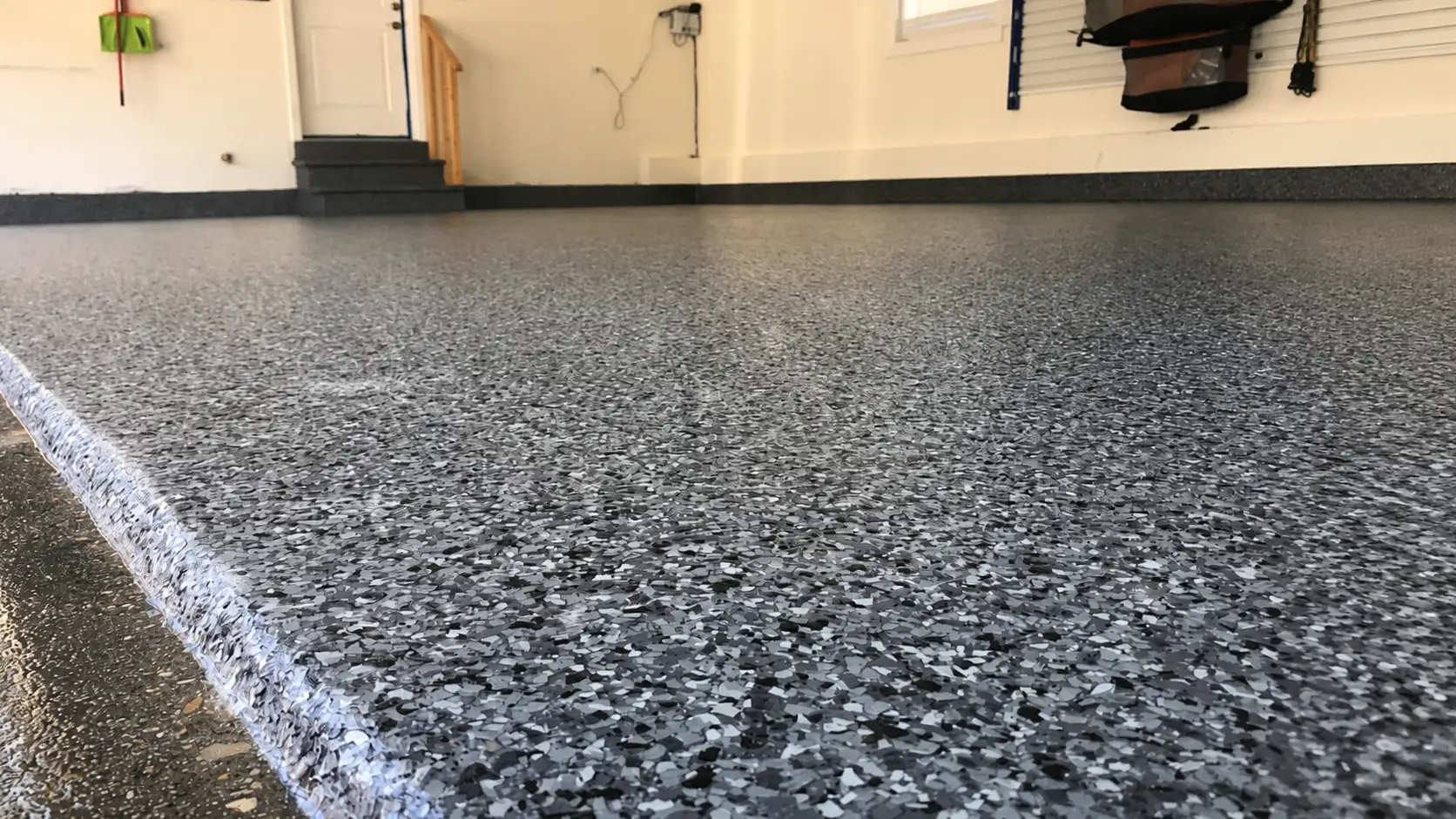
Flakes System
A durable, multi-layer system designed for everyday performance with a textured, slip-resistant finish.
Flake systems combine vinyl chips with resin to create a surface that hides wear, improves traction, and handles high traffic environments with ease.
Built for:
Traction
Durability
Low Maintenance
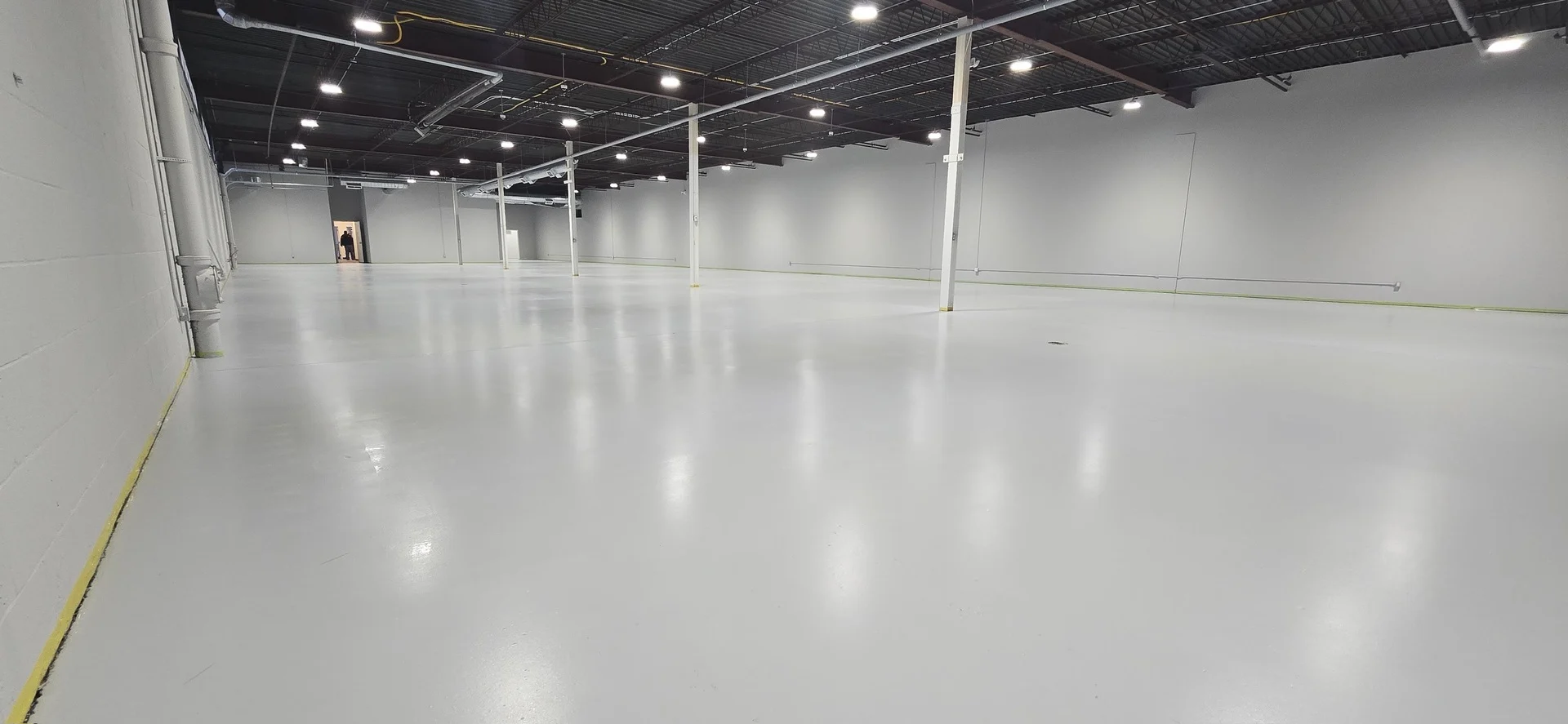
Solid System
A clean, uniform coating system designed for simplicity, strength, and easy maintenance. Solid systems deliver a seamless, modern finish with consistent colour throughout — ideal for spaces that demand a professional and minimal look.
Built for:
Clean Appearance
Easy Maintenance
Durability
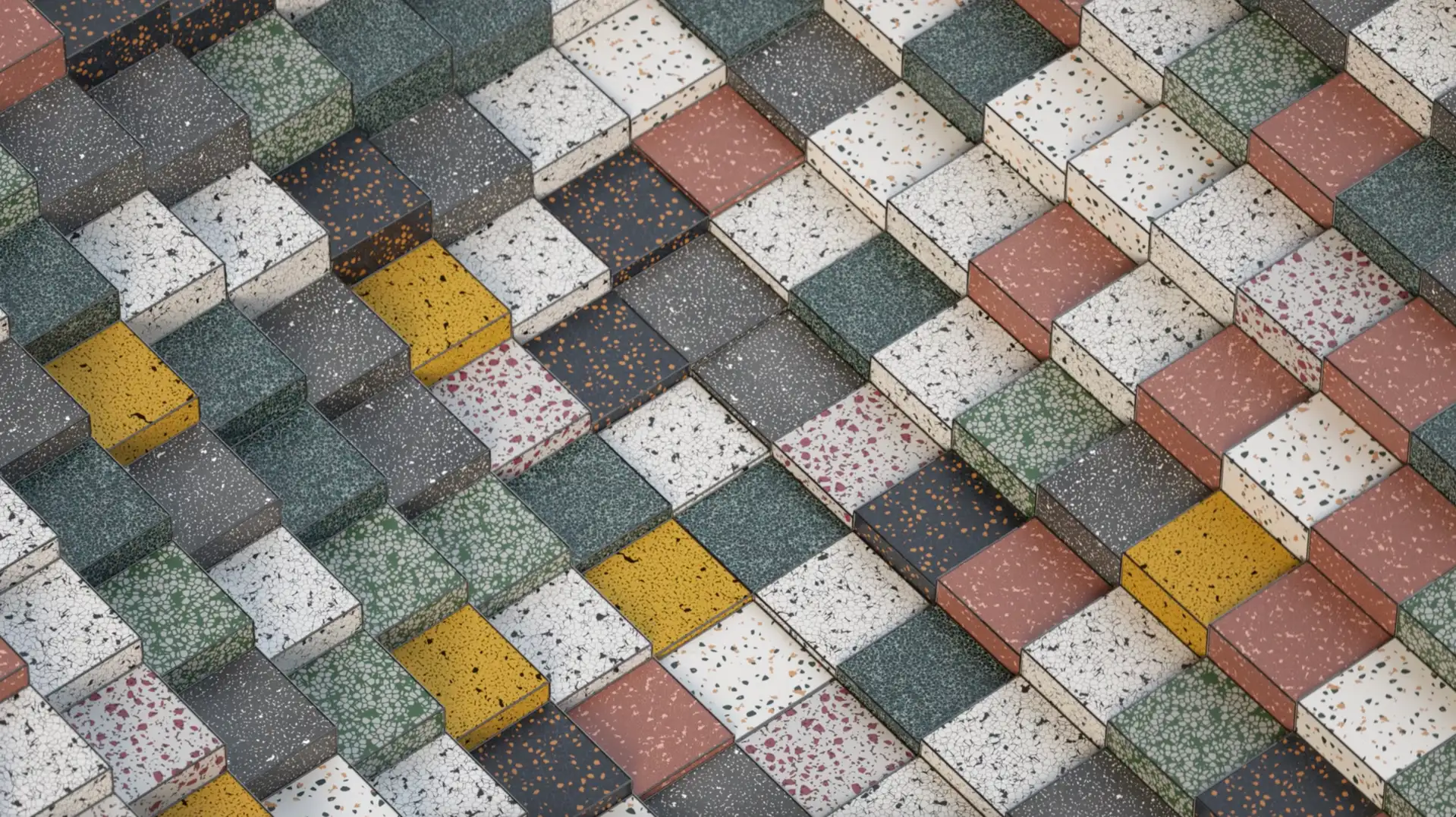
Quartz System
A heavy-duty system built for maximum durability, safety, and performance in demanding environments. Quartz systems combine resin with mineral aggregates to create a dense, textured surface known for strength, slip resistance, and chemical durability.
Built for:
Extreme Durability
Safety
Heavy Traffic
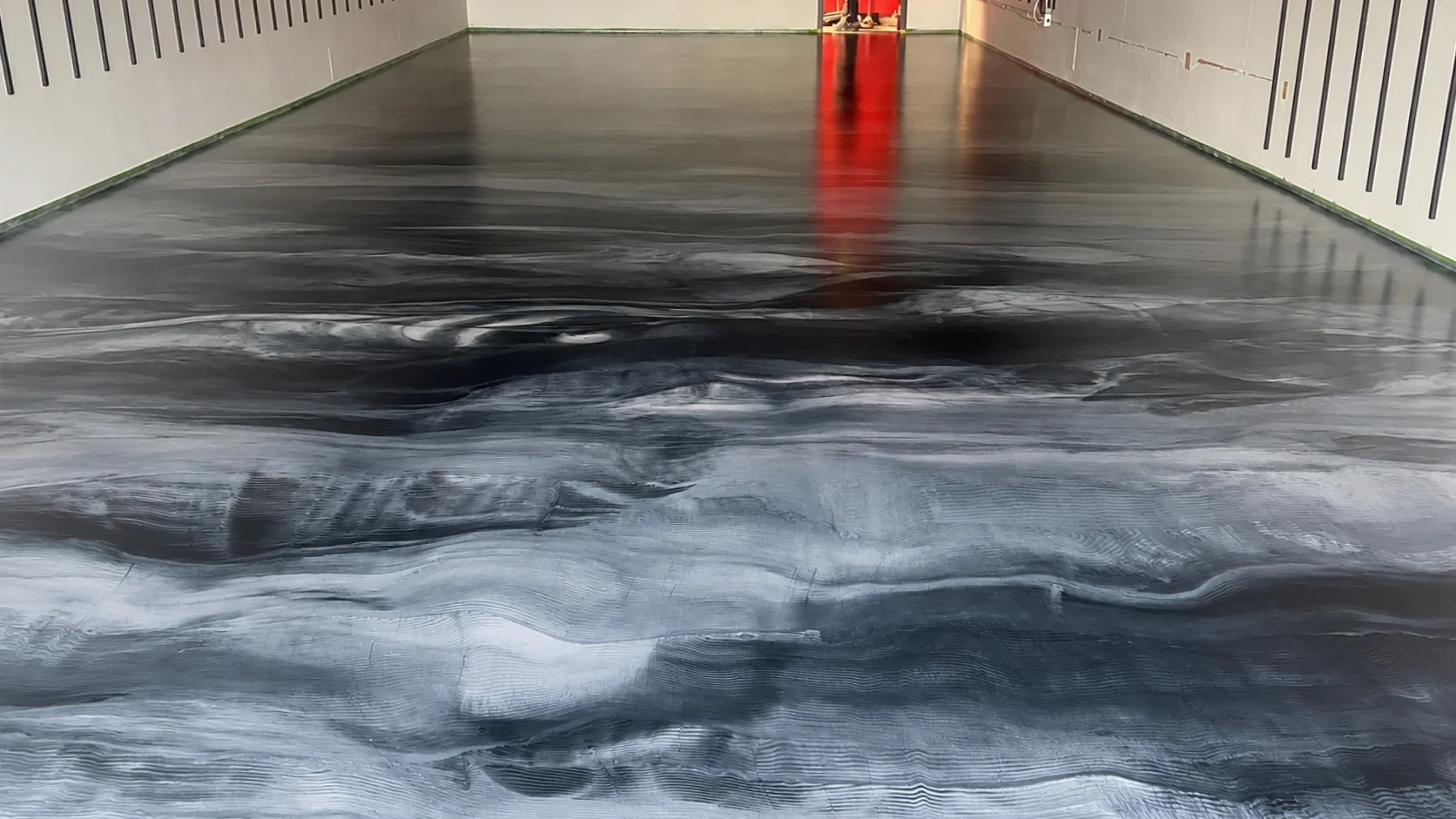
Metallic System
A high-end decorative system designed to create depth, movement, and a one-of-a-kind finish. Metallic epoxy uses pigments to produce a glossy, 3D effect that transforms concrete into a statement surface - no two floors are the same.
Built for:
Visual Impact
High-Gloss Finish
Custom Design
Ready to Upgrade Your Floors?
Custom epoxy systems tailored for garages, basements, showrooms, patios, and industrial environments — combining industrial-grade durability with premium aesthetics.

EPOXY BOSS
How we work

01
First Contact
Reach out by phone, email or our online form. We'll ask a few questions about your space, how it's used and the finish you have in mind, and review photos if you have them.
02
Quotation
Get a clear and accurate price using our online calculator for instant estimates, or connect with us directly for a detailed quote. For more complex projects, we can schedule an on-site visit to finalize all details.
03
Decision making
We help you choose the right system, finish, and colours based on your goals. From flake to solid or metallic systems, you will have full clarity and confidence in your selection.
04
Scheduling + 50% Deposit
Once everything is confirmed, we lock in your project date. A 50% deposit secures your spot, allowing us to allocate materials and crew accordingly.
05
Day of the project
Our team completes full surface preparation including grinding and crack repair, followed by precise application of your selected multi-layered system based on manufacturer specifications.
06
Project Review
We walk through the finished space with you to ensure satisfaction. After approval, the remaining 50% balance is collected and the project is officially completed.
EPOXY BOSS