.avif)
Resinous flooring performs best when the system is matched to the slab condition, traffic pattern, cleaning routine, and appearance requirement. Epoxy Boss Inc. takes a preparation-first approach so the selected system is built on a clean, properly prepared surface rather than a shortcut.
Before installation, we confirm access, substrate condition, repair needs, expected use, and the appropriate system. The final scope is communicated clearly so the installation and long-term maintenance expectations are practical for the property.


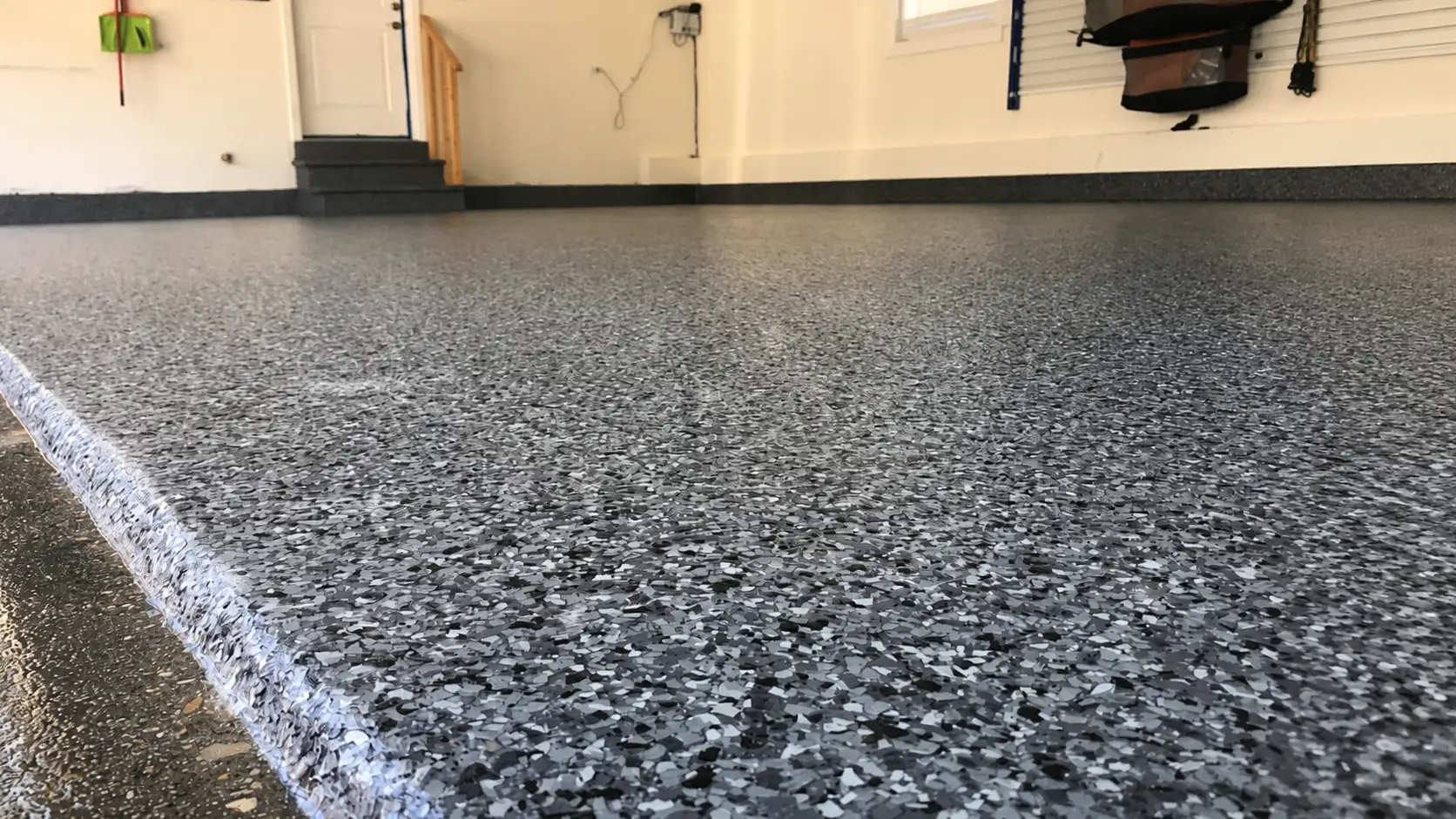
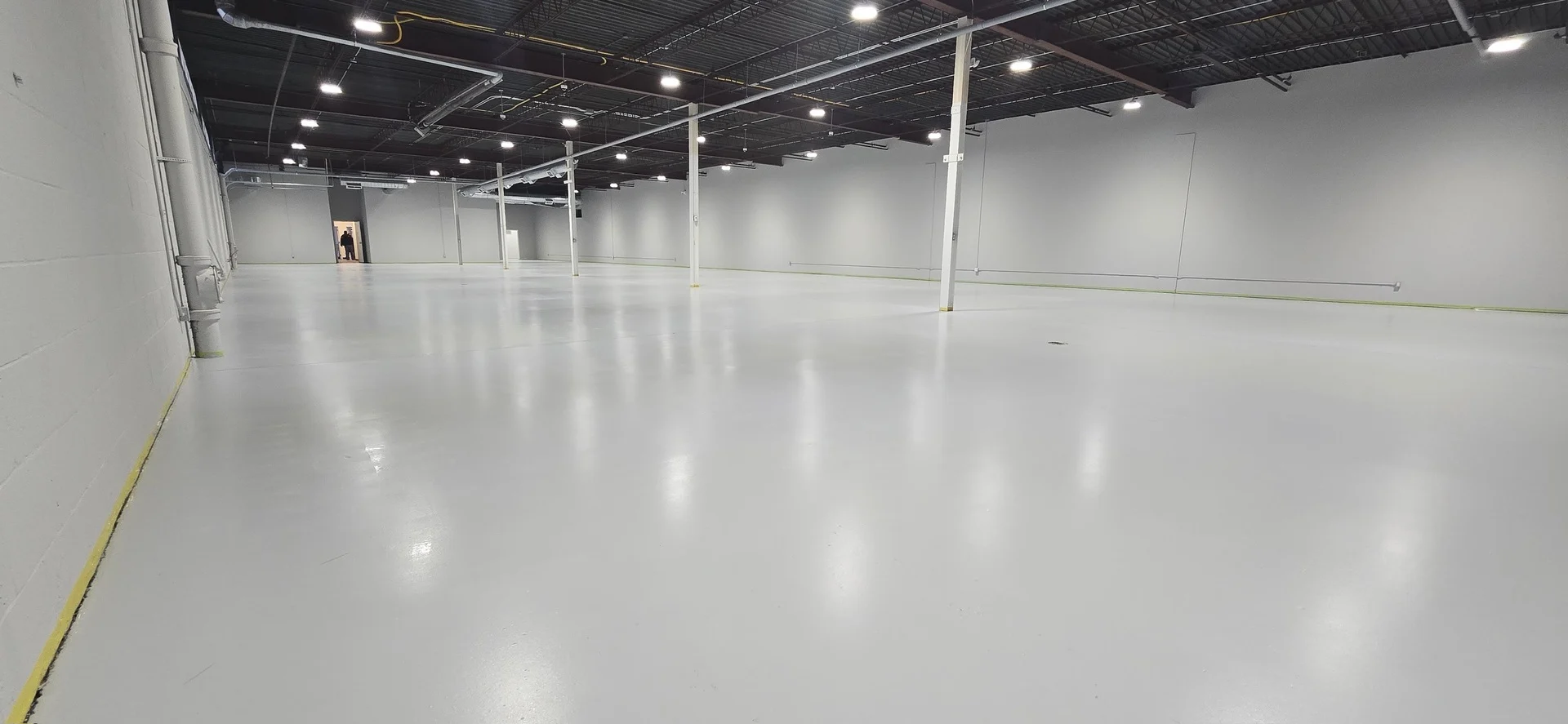
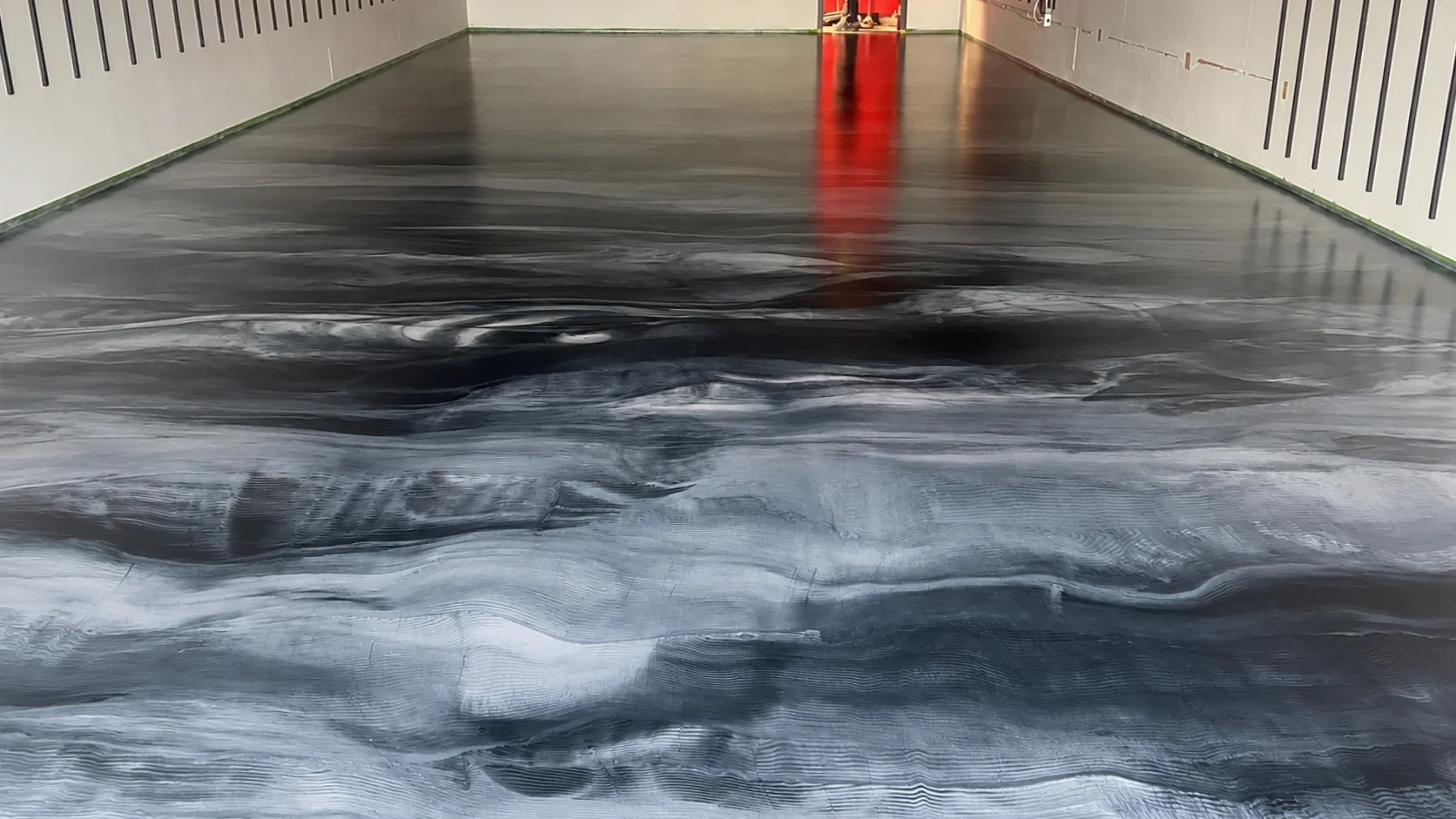
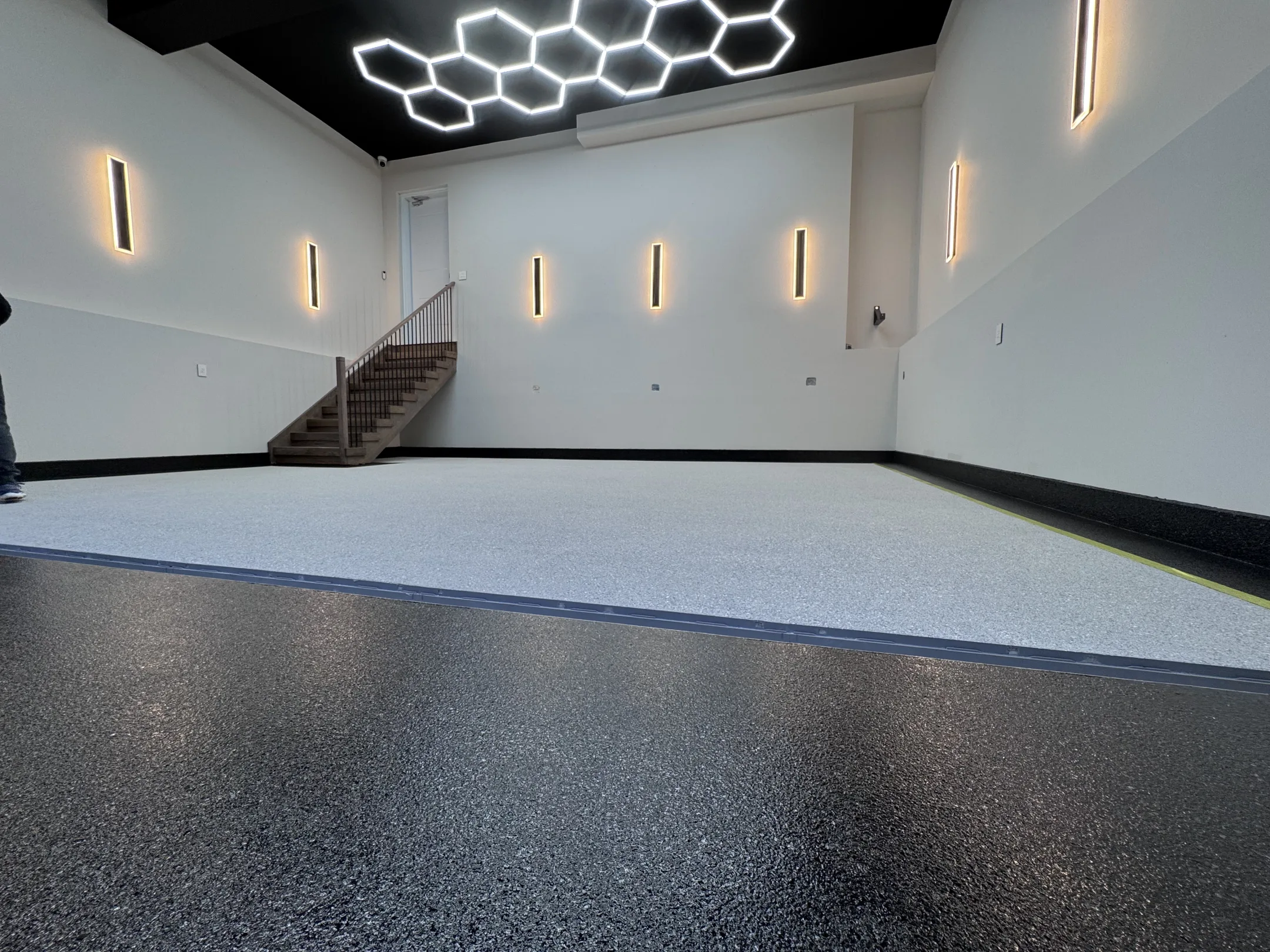
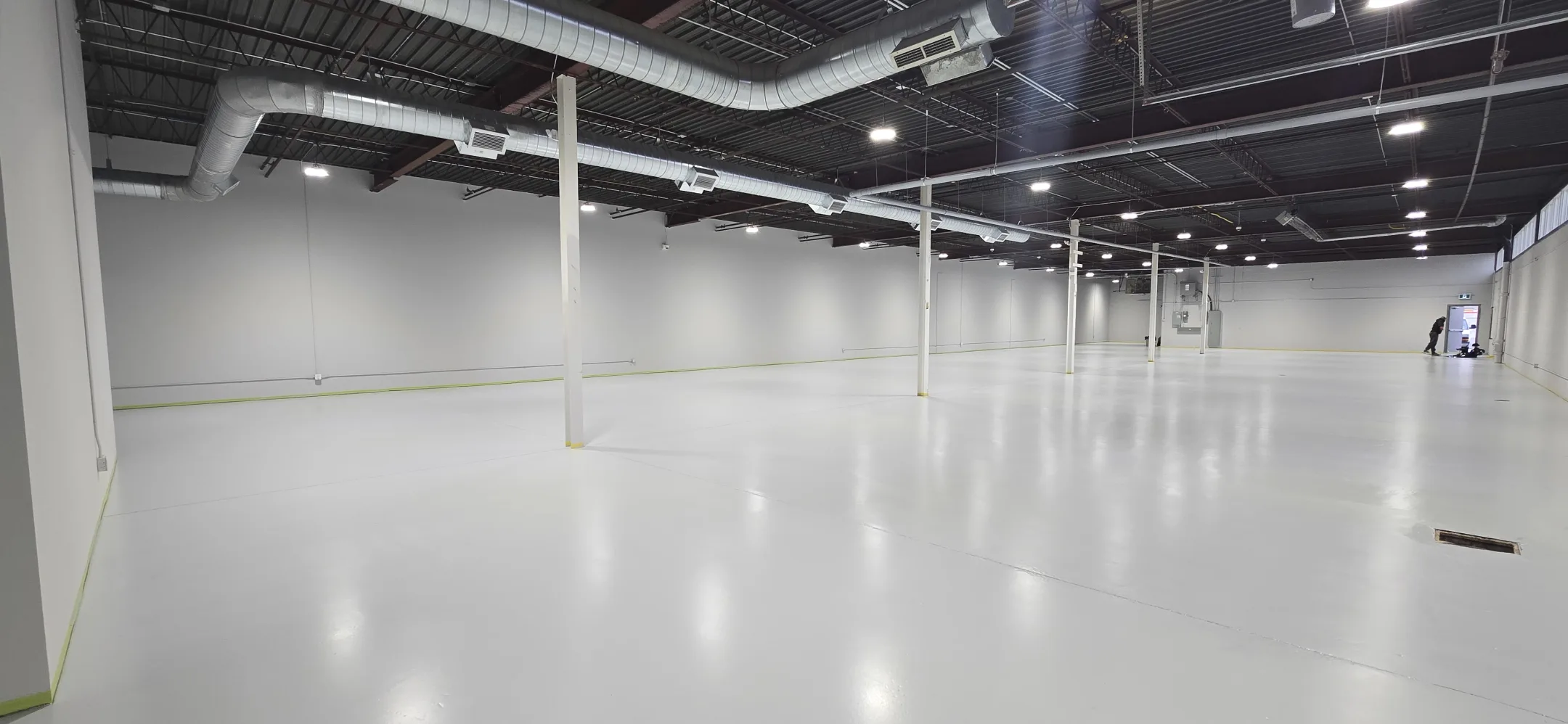
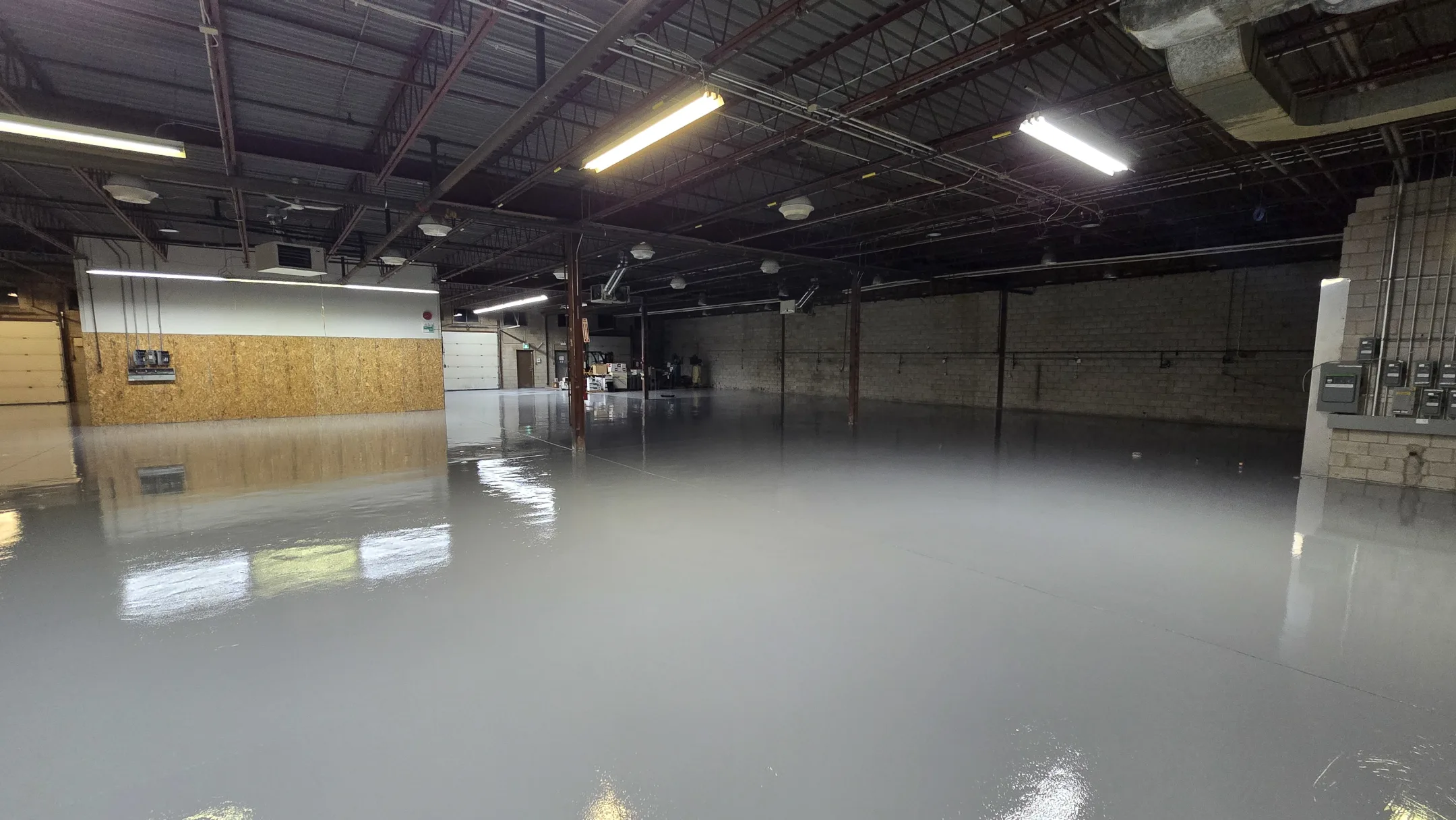
Epoxy Boss has completed projects ranging from residential garage systems to large-volume industrial operations for manufacturing and commercial facilities across multiple sectors.
Because high-performance flooring is not defined byappearance alone. It is defined by how the surface performs under years ofreal operational use.

An unheated barn or shop in February won't meet a coating's minimum temperature, and a floor applied outside those limits may not cure properly. If the building can be temporarily heated and held stable through application and cure, winter work is possible. If not, we plan it for late spring or summer and use the winter to assess, specify and book.
Agricultural floors face acids from manure and silage, frequent wash-down, abrasive grit, and in livestock areas, the need for traction. The system depends on the building's use: some areas suit a textured, chemical-resistant broadcast system; others are better left as sealed concrete. We assess the building and its use before recommending anything, and we'll tell you where a coating isn't the right answer.
A grind-and-seal densifies and seals the existing concrete — good for dust control on a sound slab where appearance and chemical exposure aren't the priority. A full resinous coating builds a film on top, which gives more resistance to spills and abrasion, colour for zoning and line marking, and a surface that's easier to clean. The right answer depends on the slab condition, what's spilled on it, and the traffic it carries.
An industrial building heated to a stable temperature can meet coating requirements through winter. The practical problem is loading docks and overhead doors, which let cold air sweep across the floor. We plan which doors stay closed, measure slab temperature and dew point during installation and cure, and phase areas near doors for times when they can be kept shut.
Most Vaughan warehouses can't close, so the installation is planned around the operation. We section the floor into areas that come out of use in turn, agree forklift and foot traffic routes, and schedule the most disruptive stages — grinding and coating — for nights or weekends where needed. Each section is returned once it has reached the cure stated for the traffic it will carry.
Yes. Properly specified epoxy systems can withstand forklifts, pallet jacks, industrial equipment, vehicle traffic and continuous operational exposure depending on system thickness and design.