Driveway Floor Coatings
Thank you! Your submission has been received!
Oops! Something went wrong while submitting the form.

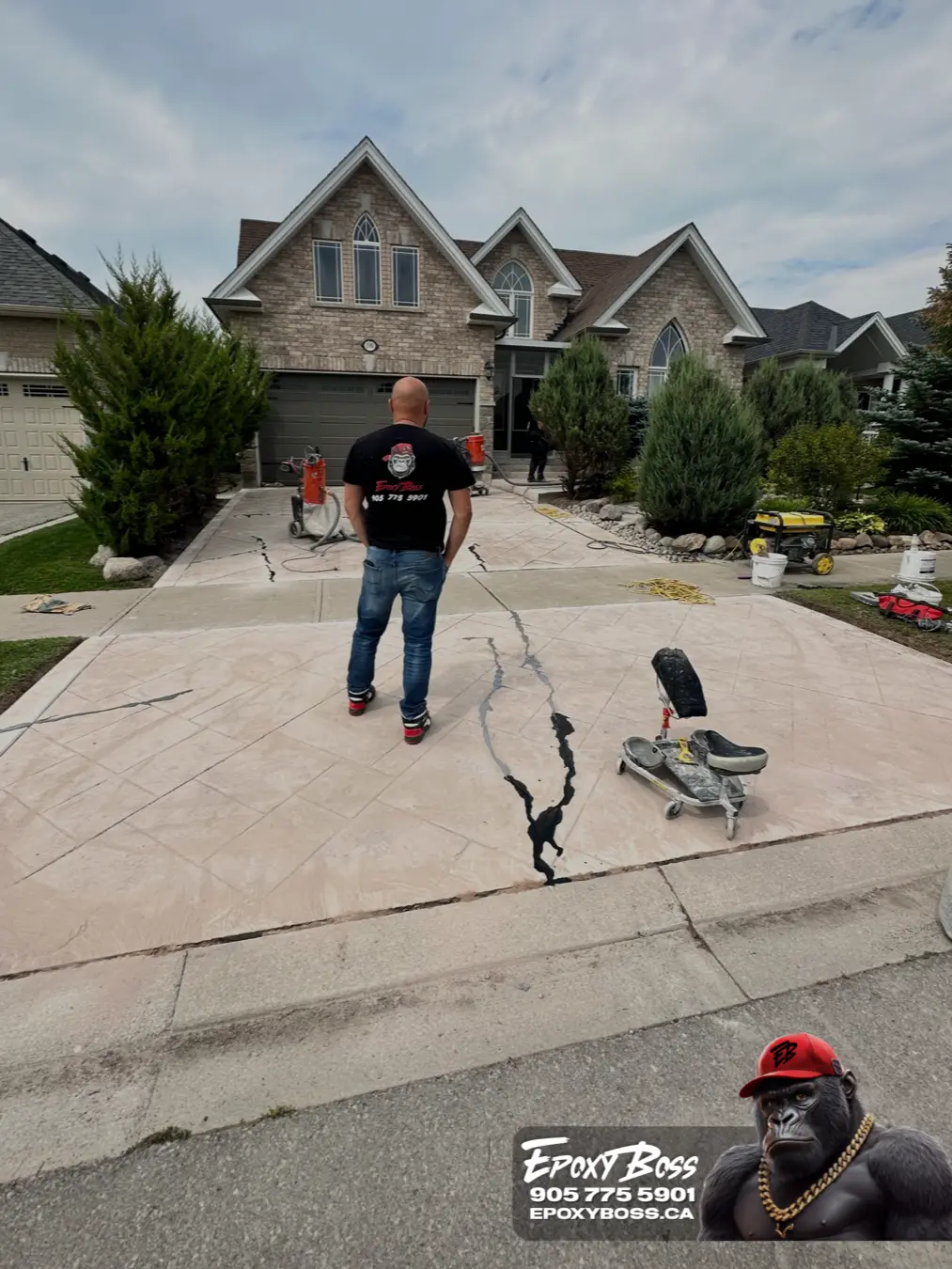
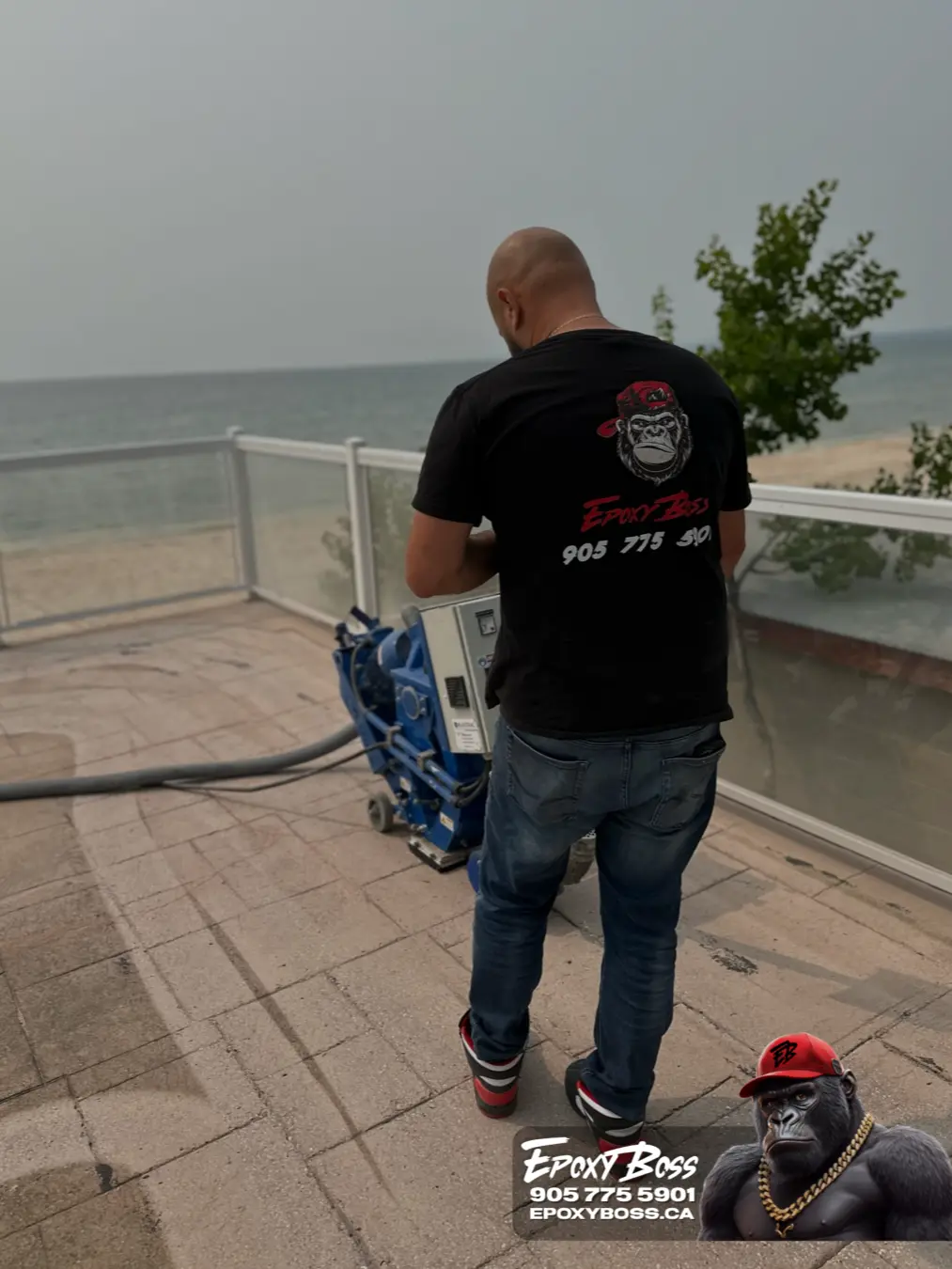
Services commonly specified for driveways. The final system is confirmed after we assess the concrete on site.
See all residential floor coatings options.
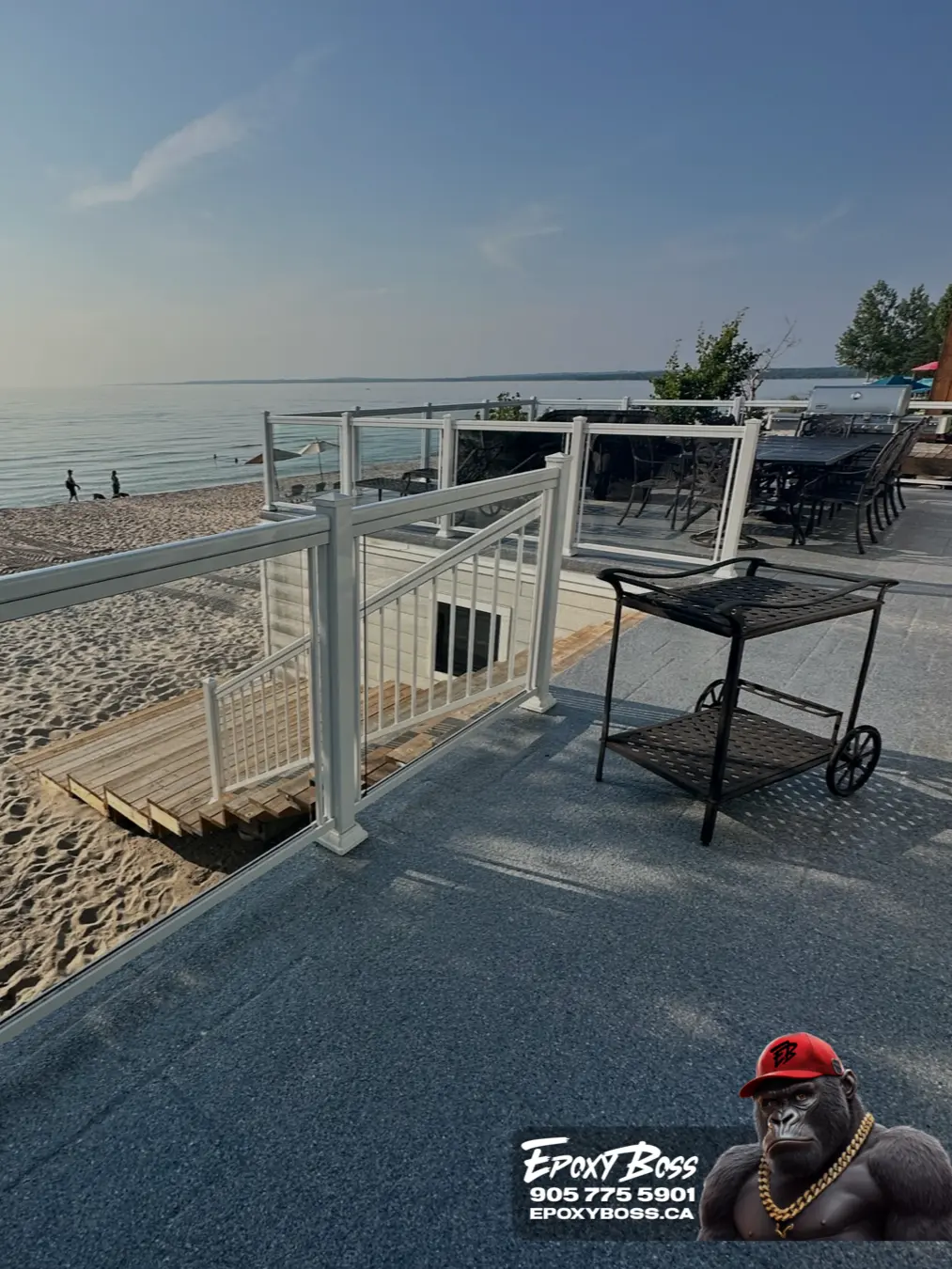
Outdoor surfaces face freeze-thaw, snow clearing, de-icers and UV. Systems designed for exterior use, installed on a properly prepared slab that drains, perform far better than interior coatings applied outside. Snow-clearing methods matter too — metal shovel edges and some de-icers are harder on a surface. We'll tell you what the product is designed to resist, what maintenance it needs, and where the limits are.
Related: exterior polyaspartic coatings and waterproofing systems.
Scaling is loss of the top layer of concrete, usually in patches, and is commonly linked to freeze-thaw exposure with de-icing salts. Cracking is a break through the slab, which can come from shrinkage as the concrete cured, settlement, or movement. Most garage cracks are shrinkage cracks and can be treated before coating. Cracks that are widening, uneven across the break, or accompanied by settlement are a different matter, and a structural engineer should look at those before any coating decision is made.
Related: concrete repair and restoration.
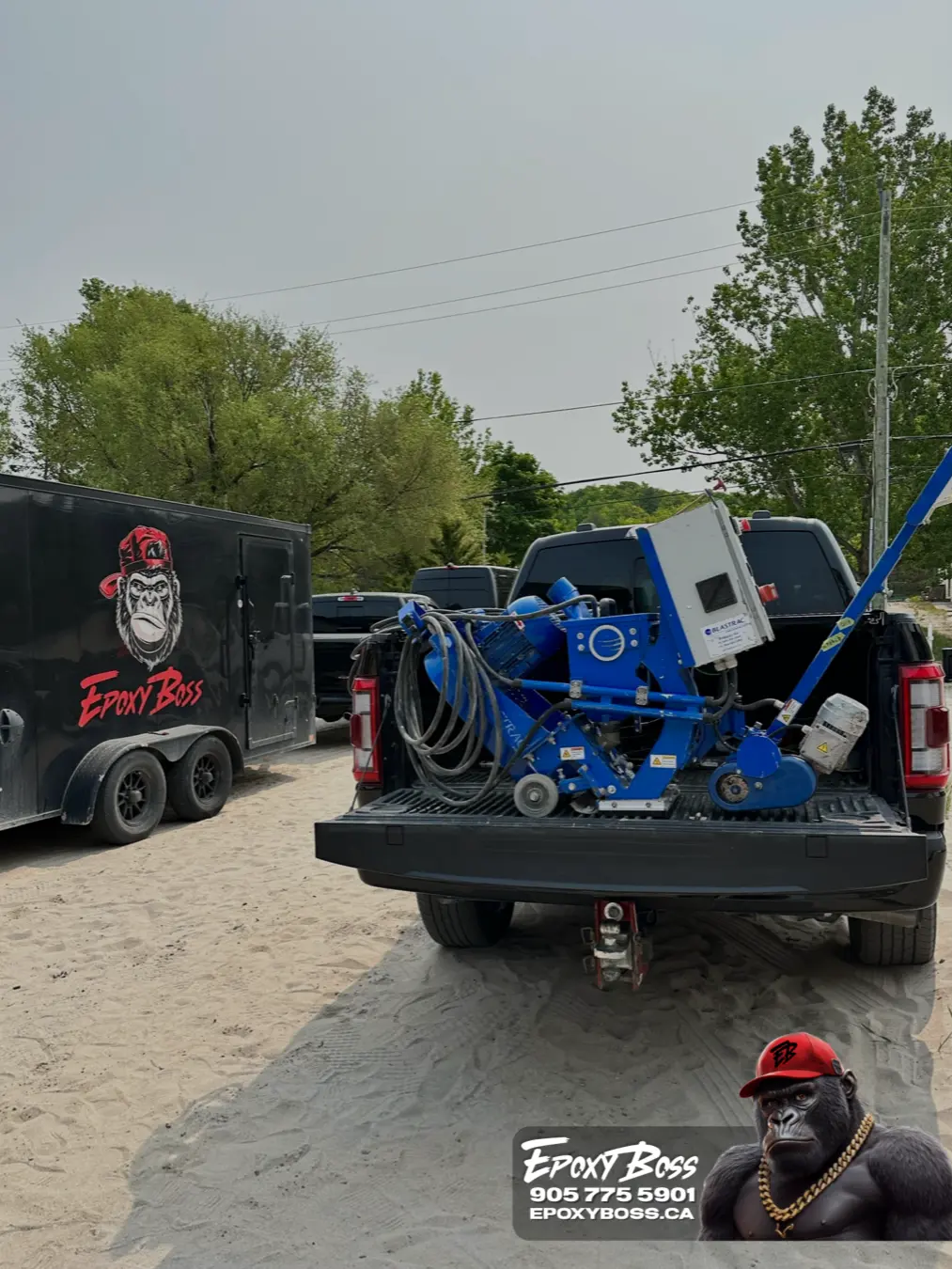
Diamond grinding abrades the surface and is well suited to flattening, removing thin coatings and producing lower profiles. Shot blasting propels steel shot at the surface and can profile large open areas quickly, producing a coarser texture. Some jobs use both — blasting the open floor and grinding edges and tight areas. The choice comes from the profile the product needs, the existing surface, and the building's constraints.
Polyaspartic coatings provide substantially greater UV stability than many traditional epoxy coatings. Properly specified systems are designed to resist yellowing and maintain color consistency under direct sunlight exposure.
Related: UV-stable floor coatings.
Cars carry snow and slush loaded with de-icing salt into the garage, where it melts and pools, often near the door and under the wheels. Bare concrete is porous and absorbs that water. When temperatures swing around freezing, moisture in the surface expands and contracts, and the combination with chlorides is a common cause of scaling — thin layers of the surface flaking away — and pitting. Chlorides that reach reinforcing steel in structural slabs can also contribute to corrosion. A sealed or coated surface limits how much reaches the concrete, which is the main reason Ontario garages are coated at all.
Related: polyaspartic garage flooring and concrete coating services.