Concrete Repair & Restoration
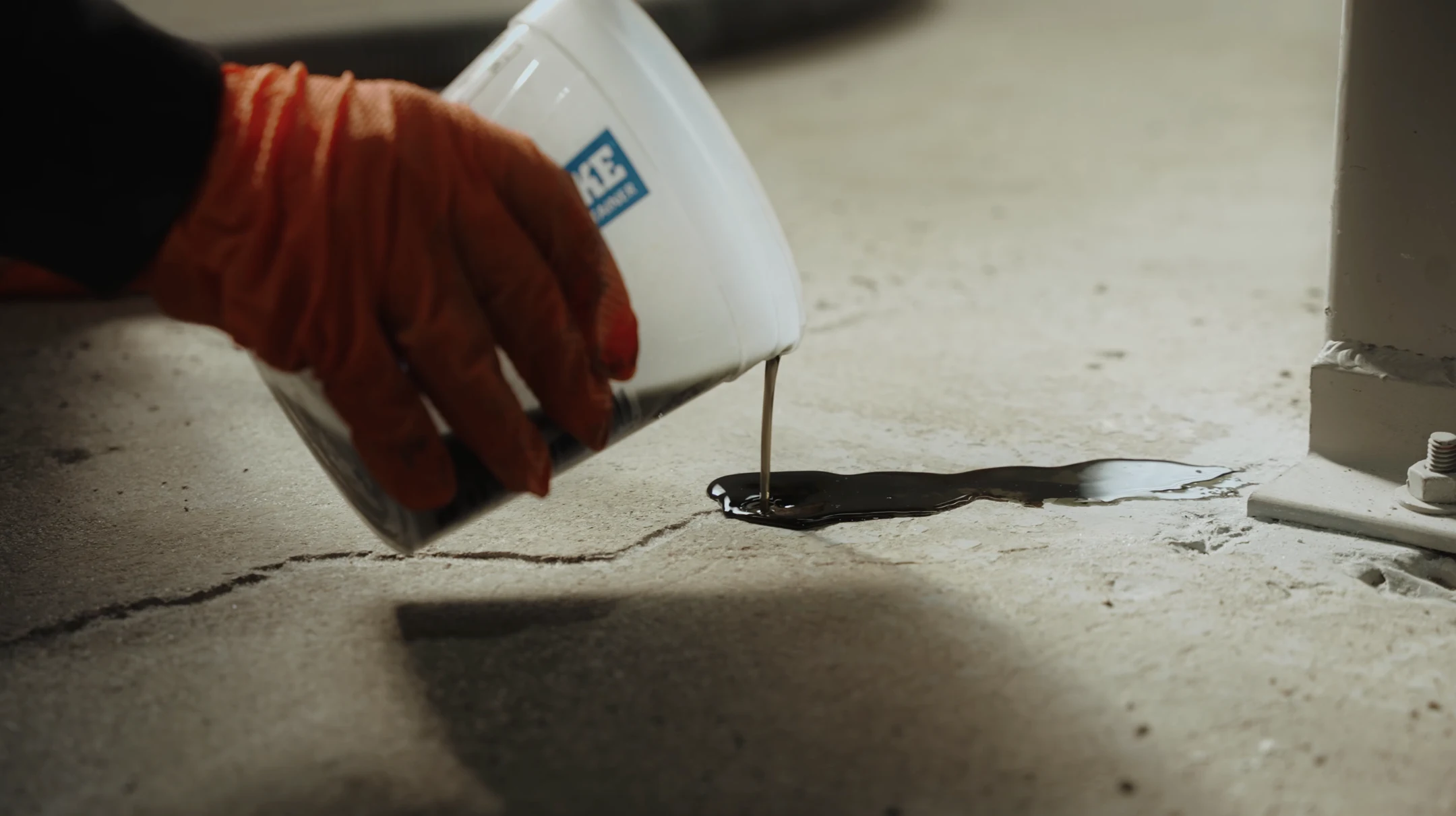
Cracks, spalls, failed joints and worn surfaces are common on Ontario concrete. Freeze-thaw cycles, de-icing salt and years of vehicle and equipment traffic break the surface down over time. Epoxy Boss repairs damaged slabs so they are sound, level and ready for a coating, polish or sealer, or simply safe to use again.

What Concrete Repair Covers
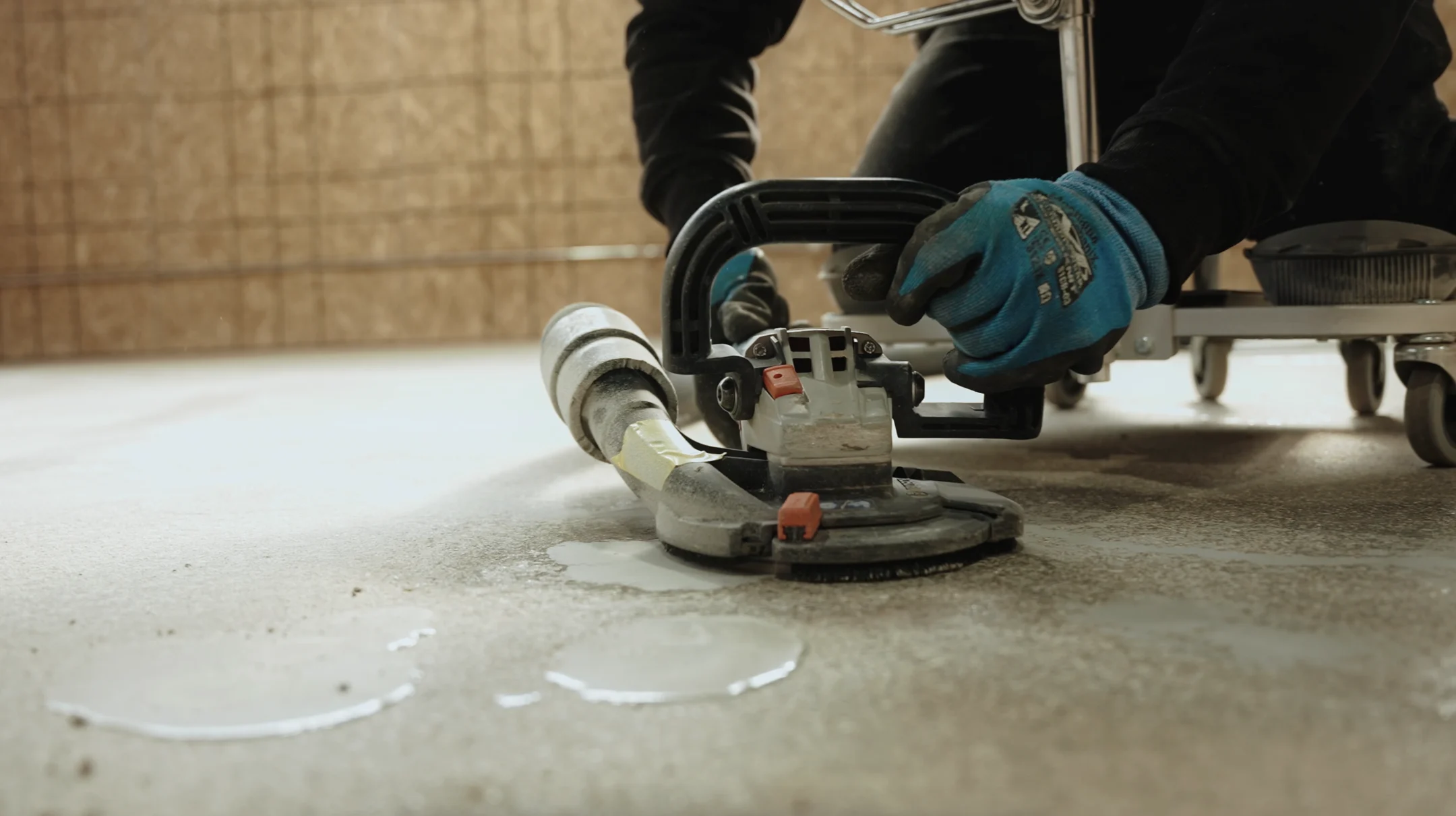
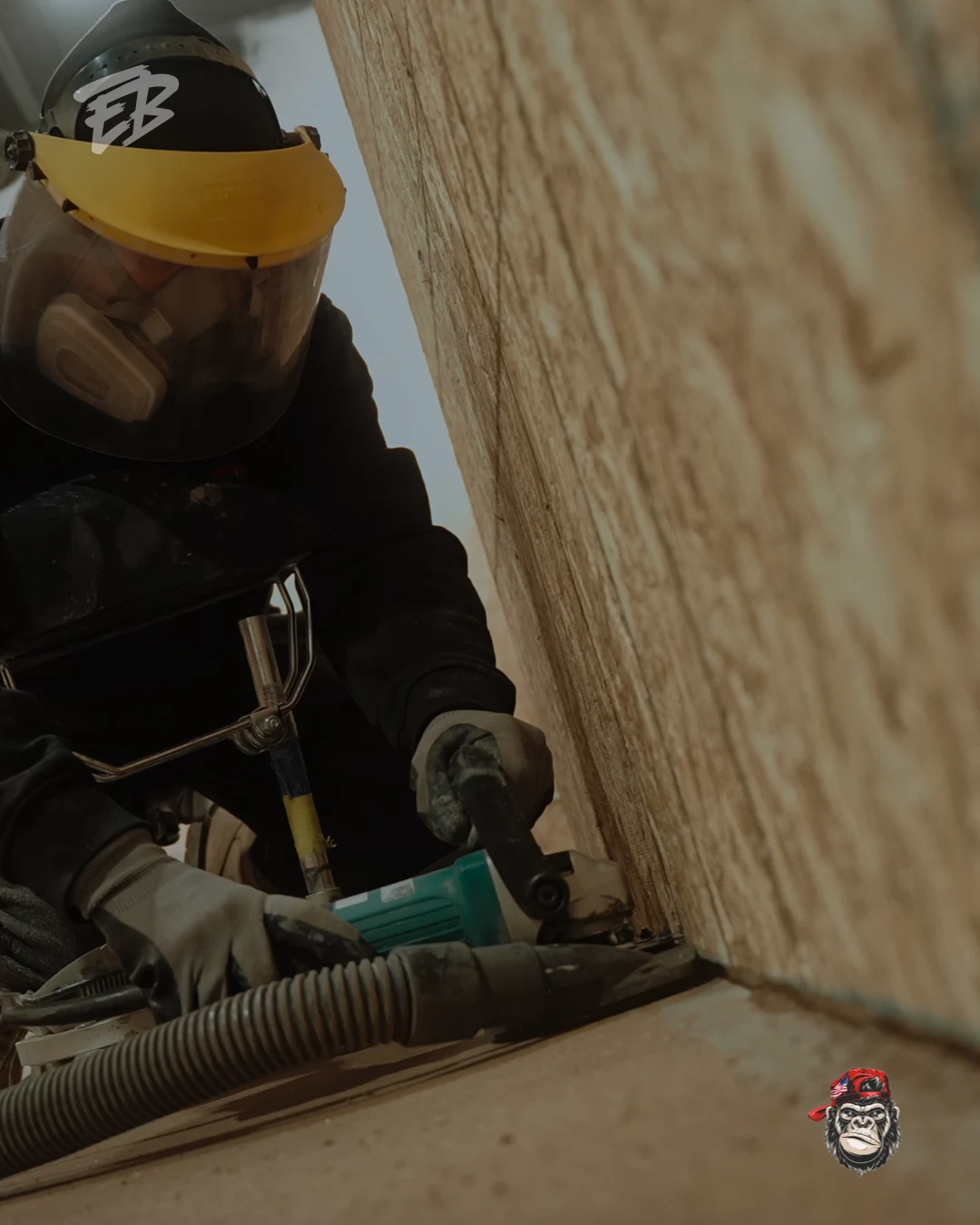
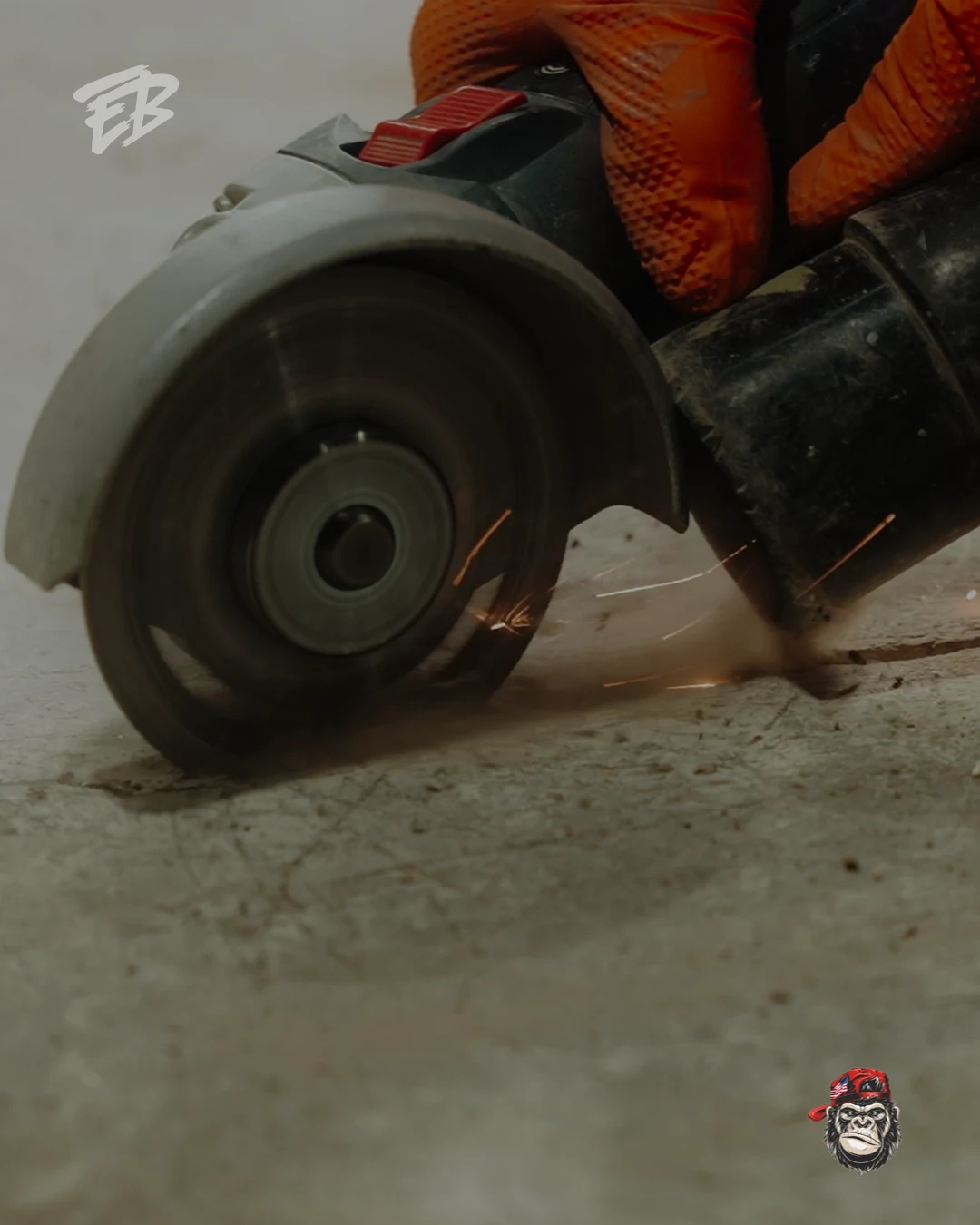
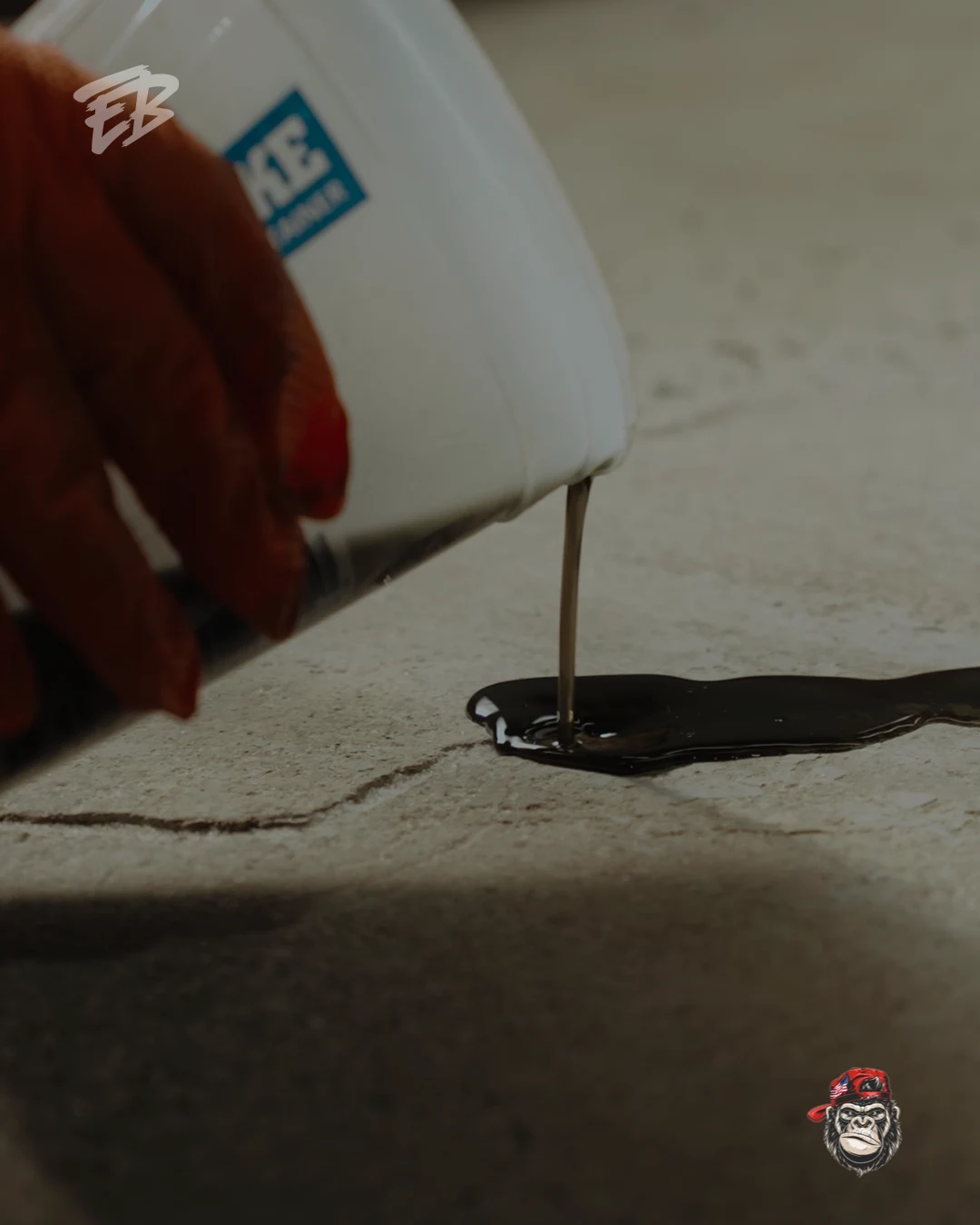
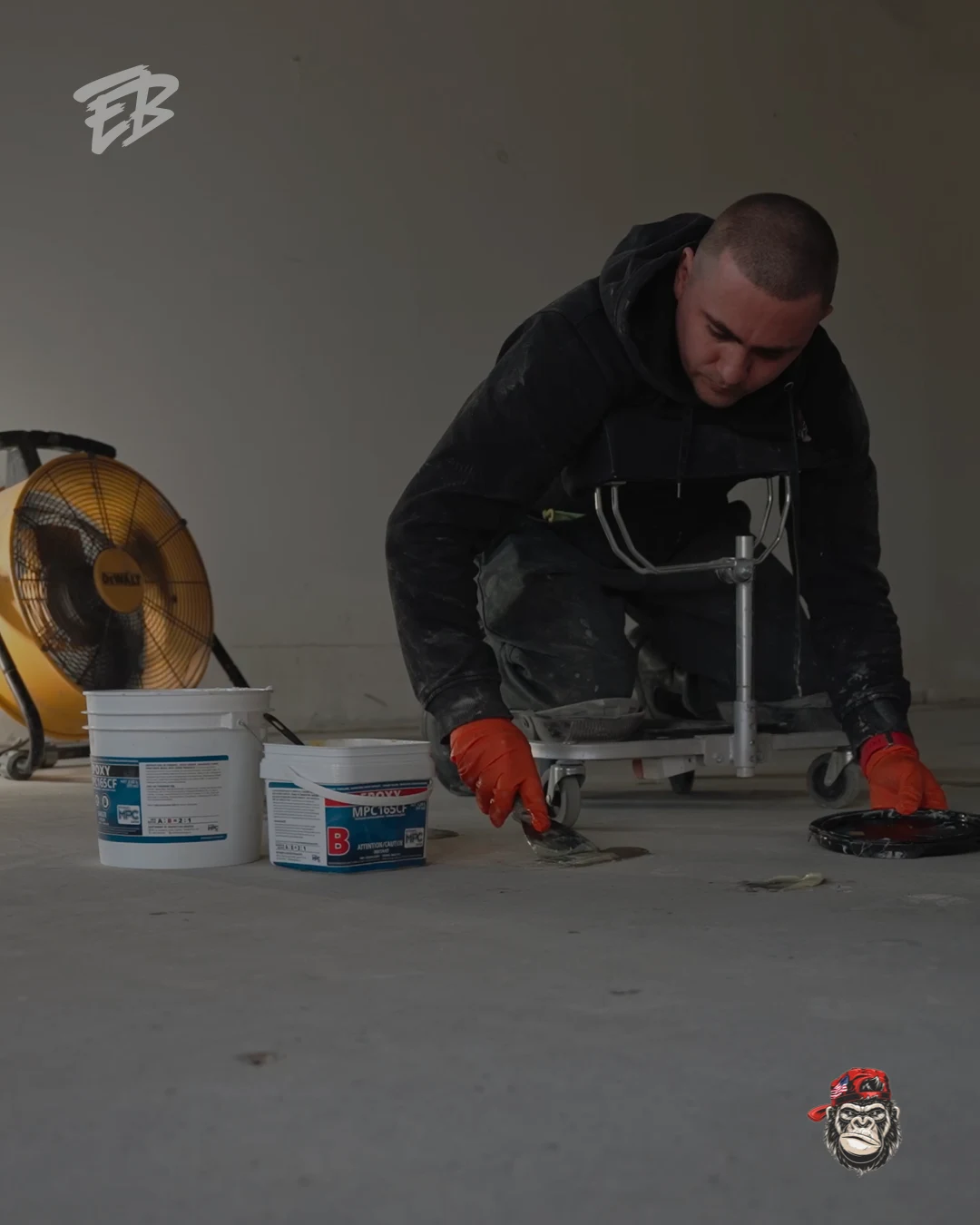
Repair work focuses on the slab itself: crack repair, spall and pit filling, joint repair and filling, cove base at floor-to-wall transitions, and correction of uneven or delaminated areas. Each defect is cleaned out, prepared mechanically and filled with a repair material compatible with the system that will go over it.
How Epoxy Boss Approaches It
We start by assessing why the concrete failed, whether that is moisture, movement, salt exposure or wear, so the repair addresses the cause and not just the surface. Repaired areas are then blended into the surrounding slab so the finished floor performs as one surface.
Service Inclusive
Every concrete repair & restoration project may include:
Evaluation & Surface Prep
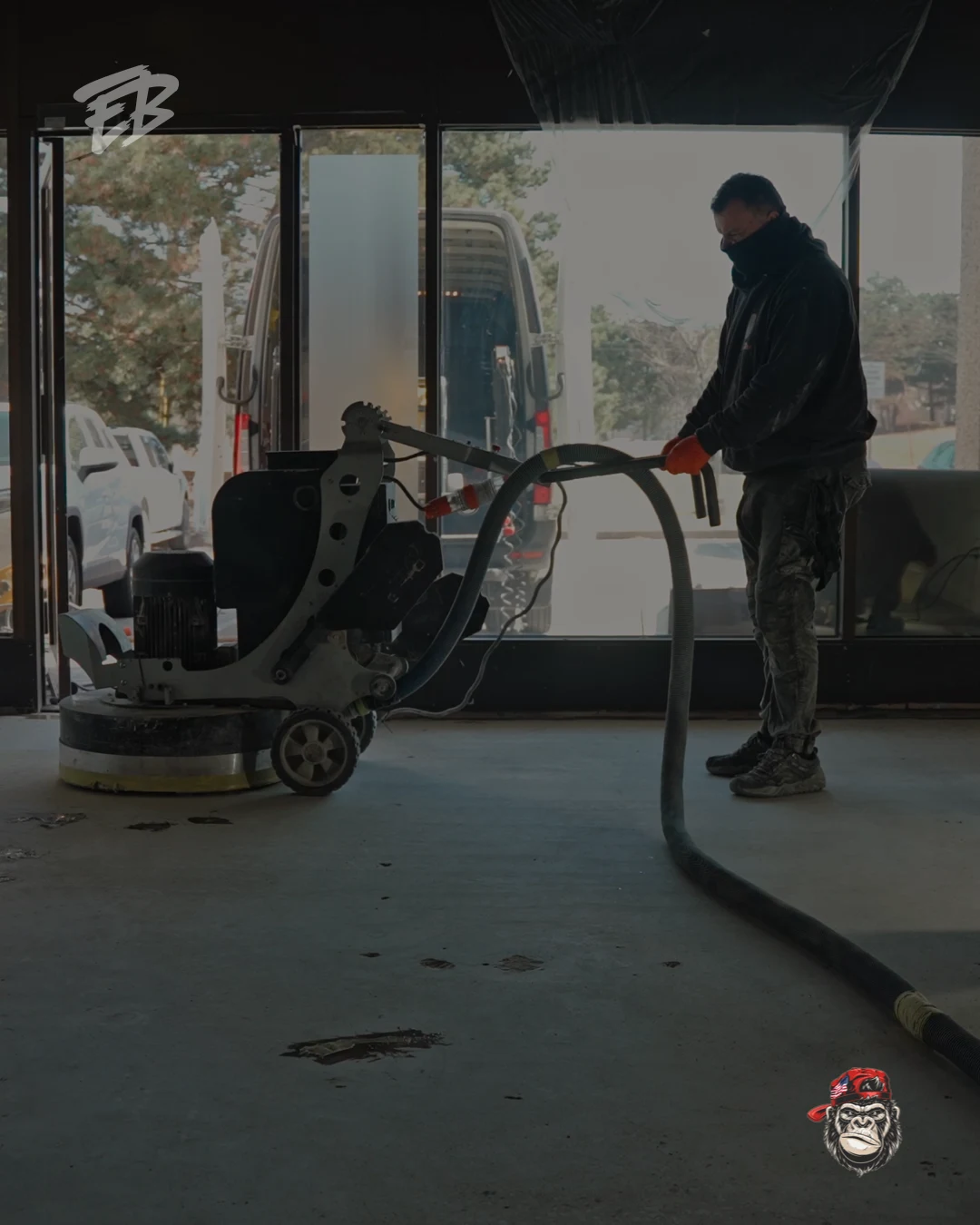
Every project starts with substrate evaluation and mechanical preparation.
- Substrate Evaluation
- Mechanical Surface Preparation
- Industrial Diamond Grinding
01
Removal & Cleaning
Old glue, contamination, and dust are removed to expose clean concrete.
- Glue & Adhesive Removal
- Contamination Removal
- Dust-Controlled Preparation Systems
02
Repair & Detailing
Cracks and joints are remediated and floor-to-wall transitions reinforced.
- Crack & Joint Remediation
- Cove Base Installation
03
Moisture & Waterproofing
Membrane and mitigation systems protect concrete against moisture intrusion.
- Waterproofing Membrane Systems
- Moisture Mitigation Procedures
04
Protective Coating Systems
Vertical, sealing, and industrial coatings extend protection across surfaces.
- Vertical Coating Application
- Protective Sealing Systems
- Industrial Coating Integration
05
Quality Assurance & Guidance
Final inspection, documentation, and guidance for lasting performance.
- Quality-Control Inspections
- Project Documentation
- Maintenance Guidance
06
Surface
System specifications vary depending on:
Substrate Condition
Soundness and integrity of the existing slab.
Environmental Conditions
Temperature, humidity, and UV exposure.
Sanitation Requirements
Cleanliness and hygiene standards to meet.
Coating Compatibility
How layers bond with the existing system.
Structural Protection
Protection the structure needs to last.
Moisture Exposure
Volume and frequency of water contact.
Operational Use
How the space is used day to day.
Traffic Exposure
Foot, vehicle, and equipment load expected.
Maintenance Expectations
Upkeep the system is expected to need.
Long-Term Durability
Expected service life and performance goals.
FAQ
Everything you need to know about moisture protection, support systems, property types, installation, and project expectations.
Do you work with property managers and condo boards?
Multi-unit and commercial properties need more than a good floor: they need notice to residents, phased access, documentation and a single point of contact. We work to the engineer's or manager's specification, provide certificates of insurance and product data, and plan the work so the building keeps functioning.
How do I know if a crack is structural?
Most garage and basement cracks are shrinkage cracks from the concrete curing, and they're routinely treated before coating. We're a flooring contractor, not engineers, so we won't tell you a crack is structurally safe. Signs worth an engineer's opinion include a crack that's growing, one side sitting higher than the other, doors that have started sticking, or visible settlement.
Can you fix a spalled concrete step or porch?
Porches and steps take salt and freeze-thaw directly. Where the damage is at the surface, we remove the weak concrete and rebuild with a repair mortar suited to exterior exposure, then protect it. Where the concrete is deteriorated through its depth or the step has moved, repair may not last, and replacement by a concrete contractor is the honest answer.
What should I check on my garage floor after winter?
After the snow is gone, wash the floor and look closely at the first few feet inside the door and the wheel paths. Flaking and pitting suggest salt and freeze-thaw damage. New or widening cracks are worth noting. White residue is dried salt that should be washed off. If you're considering a coating, photographs of these areas help us give you a better idea of what the repair will involve before we visit.
What happens to floor joints under forklift traffic?
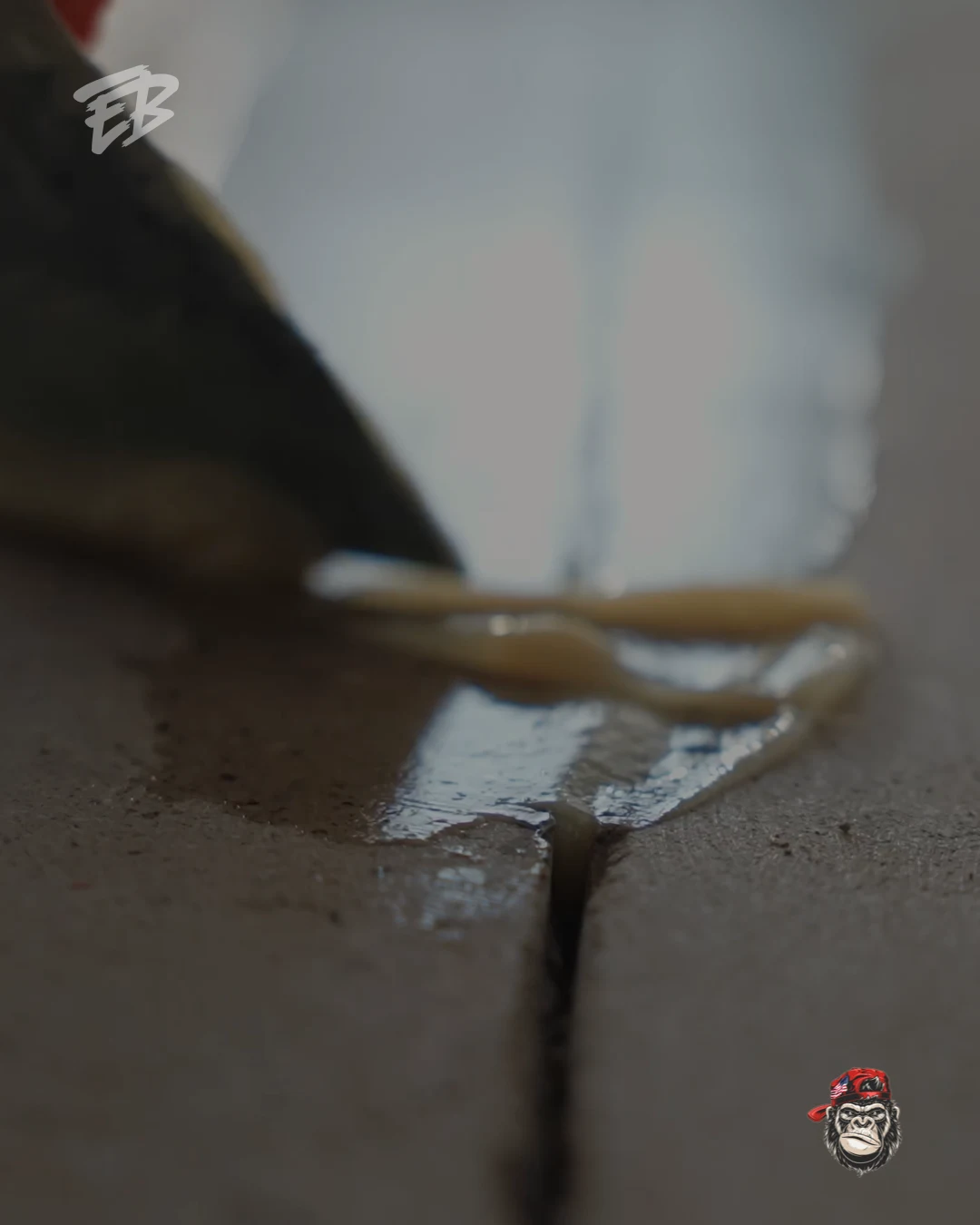
Saw-cut and construction joints take an impact every time a forklift crosses. Once an edge chips, the damage accelerates, and the joint becomes a trip point and a source of shock loading for equipment. We cut back damaged edges, rebuild them, and fill with a semi-rigid filler suited to wheel traffic. Coating over broken joints without repairing them usually means the coating fails along the same lines.
Why test for moisture before coating a basement?
A basement slab sits in contact with the ground, and moisture can move up through it even when the surface looks dry. A coating sealed over that moisture can trap it, and the pressure can push the coating off as blisters or peeling. Testing — commonly by in-situ relative humidity under ASTM F2170, or by the calcium chloride method under ASTM F1869 — tells us whether the slab is within the limit the chosen product allows. If it isn't, a moisture-mitigating primer can be specified where the manufacturer supports it.
What's the difference between scaling and cracking?
Scaling is loss of the top layer of concrete, usually in patches, and is commonly linked to freeze-thaw exposure with de-icing salts. Cracking is a break through the slab, which can come from shrinkage as the concrete cured, settlement, or movement. Most garage cracks are shrinkage cracks and can be treated before coating. Cracks that are widening, uneven across the break, or accompanied by settlement are a different matter, and a structural engineer should look at those before any coating decision is made.
Why does my garage floor flake near the door?
The first few feet inside a garage door take the most punishment in an Ontario winter: snow falls off the car, melts, pools with dissolved salt, and freezes again when the door opens. That zone also has the widest temperature swings. Surface scaling — thin flakes coming away — often starts there, and it can also point to a weaker surface layer from how the slab was originally finished. We assess it before recommending anything, because the fix depends on how deep the damage runs.
Can a salt-damaged garage floor be repaired before coating?
Salt damage typically shows as scaling, pitting and spalled edges, and the first job is to find out how deep it goes. We grind until we reach sound concrete, then rebuild the damaged areas with a compatible repair material and grind them flush before any coating goes down. Coating directly over scaling usually fails, because the coating is only as strong as the layer it's bonded to. If the damage is deep or structural, repair alone may not be the answer, and we'll say so.
Can you install over cracked or pitted concrete?
No. We never install over damaged concrete. Full surface restoration and crack repair are part of our preparation process, because a coating is only as good as the slab beneath it.
What does road salt do to an uncoated garage floor?
Cars carry snow and slush loaded with de-icing salt into the garage, where it melts and pools, often near the door and under the wheels. Bare concrete is porous and absorbs that water. When temperatures swing around freezing, moisture in the surface expands and contracts, and the combination with chlorides is a common cause of scaling — thin layers of the surface flaking away — and pitting. Chlorides that reach reinforcing steel in structural slabs can also contribute to corrosion. A sealed or coated surface limits how much reaches the concrete, which is the main reason Ontario garages are coated at all.
My house is older. Can you still coat the garage?
Usually yes. Age by itself is not the problem — moisture coming up through the slab is, and a lot of older houses here were built without a barrier underneath.
We check the slab before quoting. If the reading is high we put a barrier down first; if it is clean, nothing extra is needed.
Do you fix cracks and chipped edges first?
Yes. Cracks, chipped edges and failed patches are repaired as part of the preparation, not treated as an extra afterwards.
A coating does not bridge a moving crack on its own, so the repair has to happen first if the finish is going to stay flat.
Can damaged concrete be repaired before installation?
Yes. Crack remediation, joint stabilization, moisture mitigation and substrate correction are commonly performed before flooring installation.
Can epoxy flooring be installed over damaged concrete?
Damaged concrete often requires crack remediation, surface correction, resurfacing or substrate stabilization before flooring installation. Surface condition directly affects long-term system performance.
Can cracks be waterproofed?
Yes. Waterproof crack injection and crack remediation procedures may be integrated into waterproofing systems to help prevent moisture infiltration through damaged concrete areas.
Can coatings be installed over damaged concrete?
Damaged concrete often requires grinding, crack remediation, resurfacing or substrate correction before coating installation. Surface condition directly affects long-term system performance.
OuR Systems
Epoxy Boss offers a range of decorative and functional coating systems, each engineered for a specific environment, level of use, and visual impact.
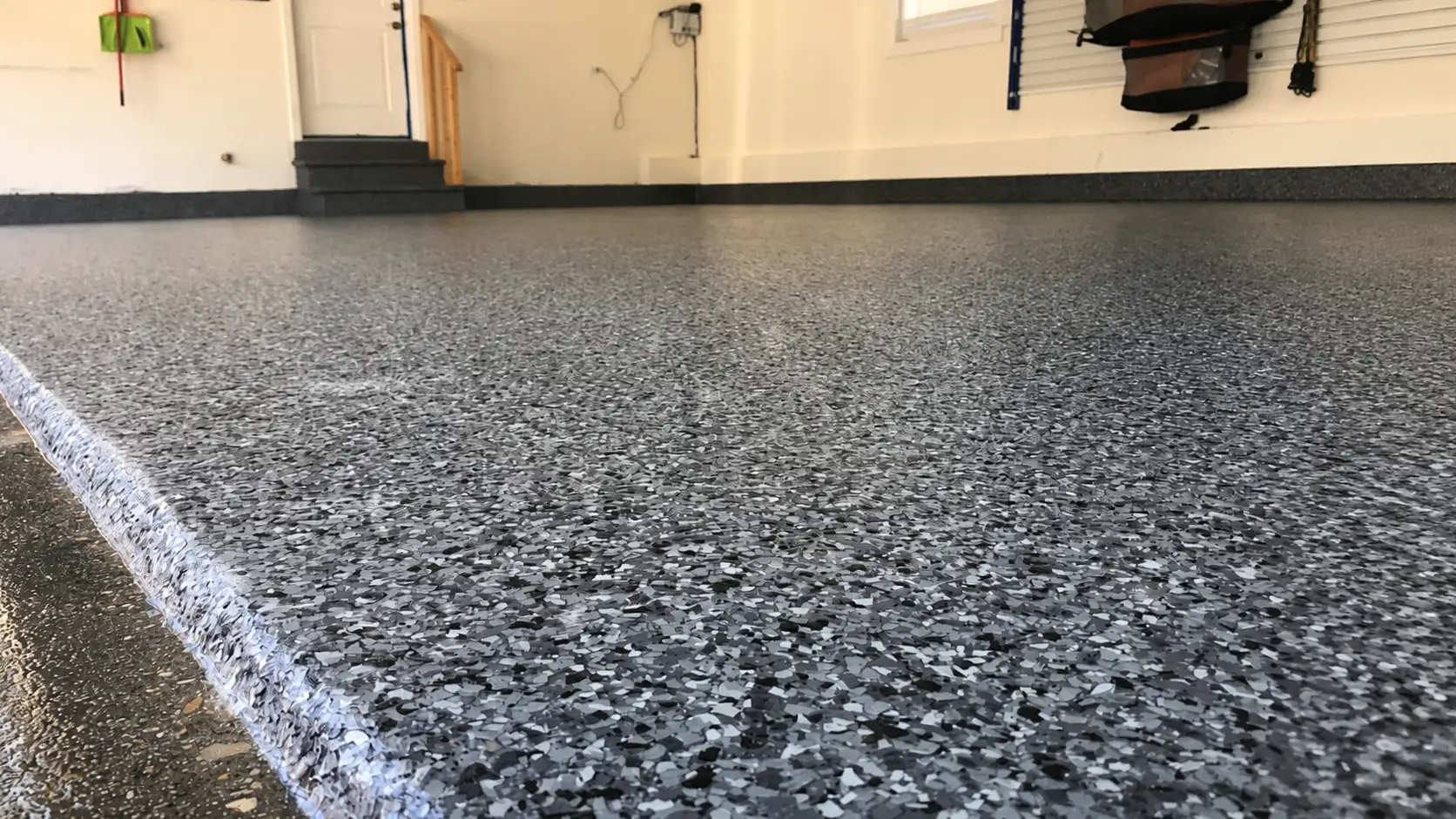
Flakes System
A durable, multi-layer system designed for everyday performance with a textured, slip-resistant finish.
Flake systems combine vinyl chips with resin to create a surface that hides wear, improves traction, and handles high traffic environments with ease.
Built for:
Traction
Durability
Low Maintenance
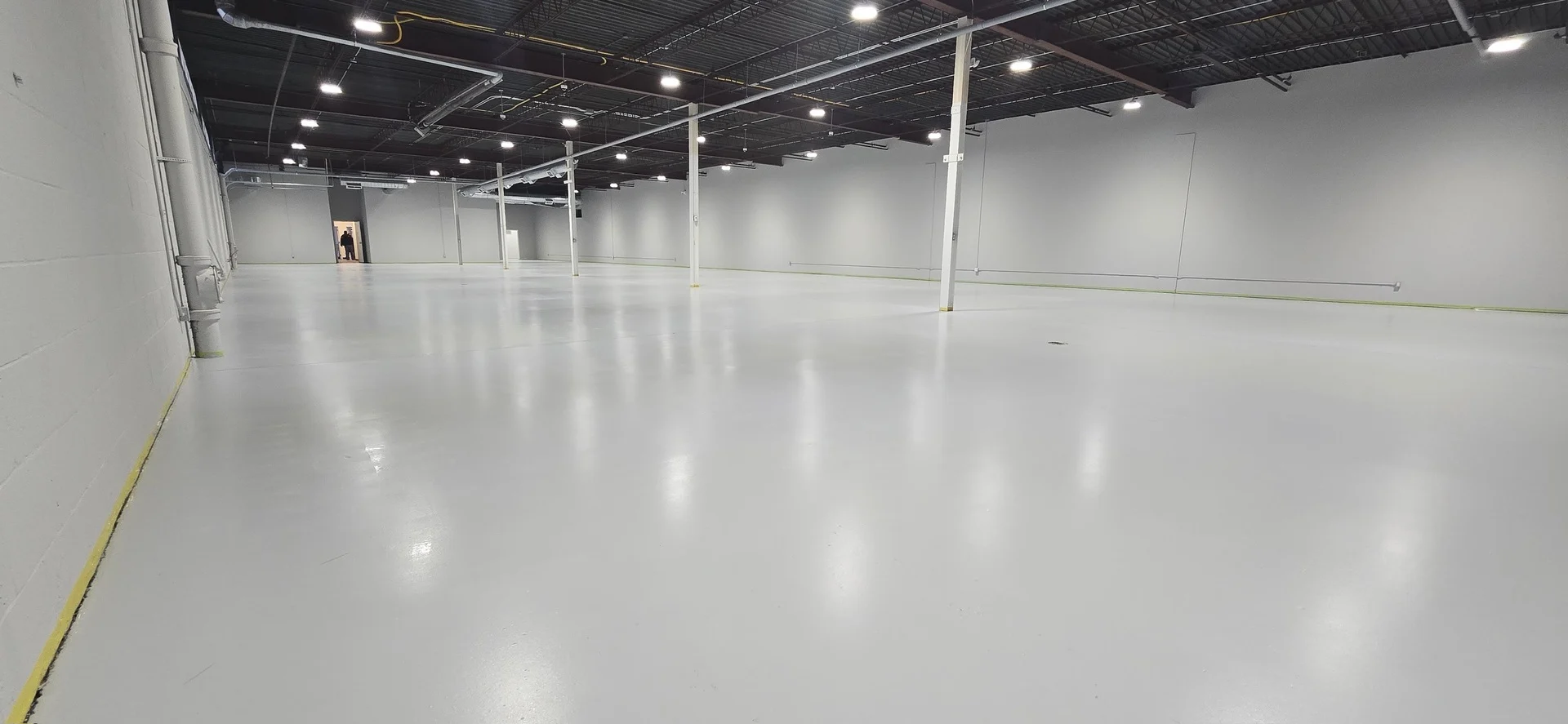
Solid System
A clean, uniform coating system designed for simplicity, strength, and easy maintenance. Solid systems deliver a seamless, modern finish with consistent colour throughout — ideal for spaces that demand a professional and minimal look.
Built for:
Clean Appearance
Easy Maintenance
Durability
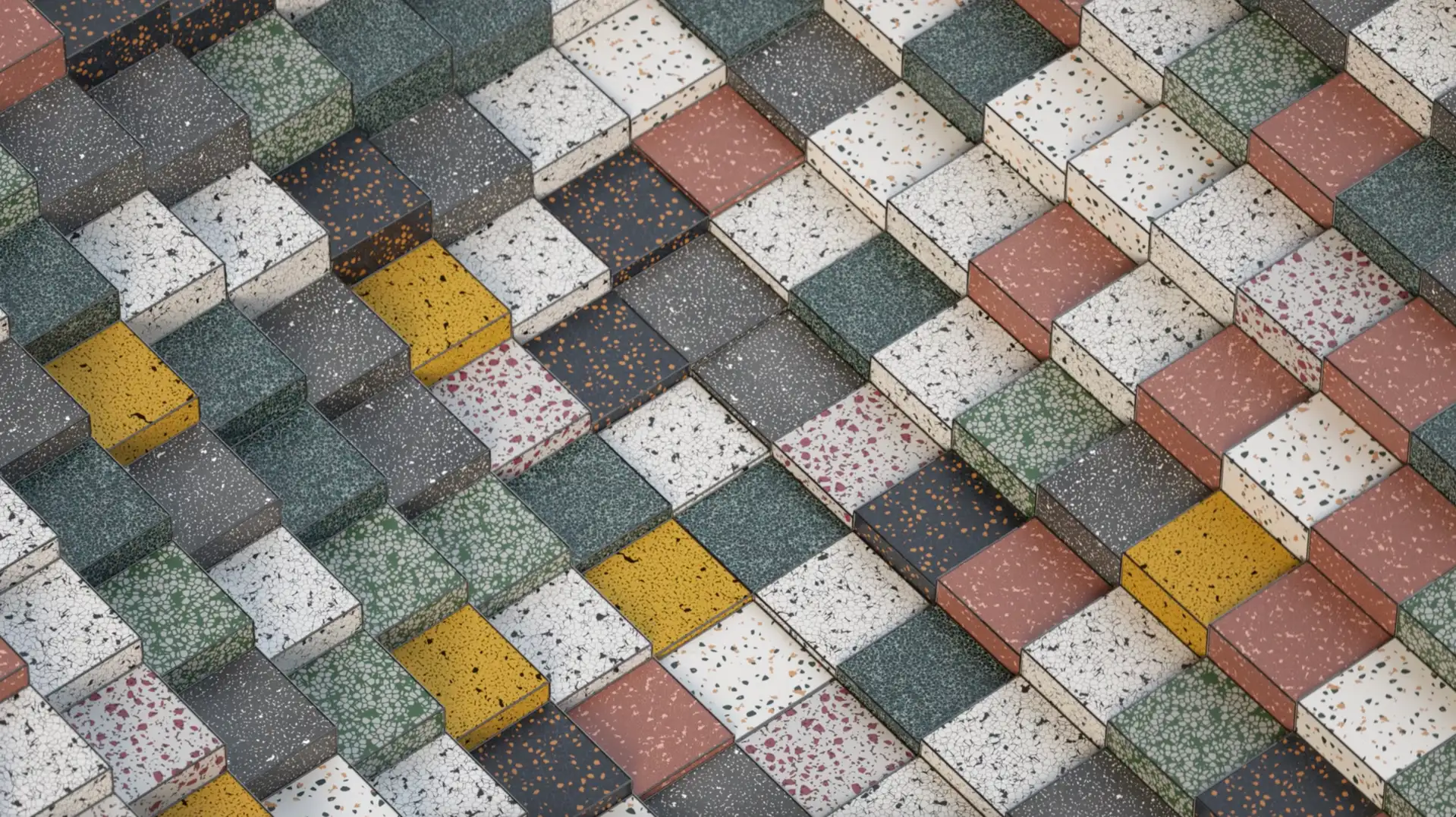
Quartz System
A heavy-duty system built for maximum durability, safety, and performance in demanding environments. Quartz systems combine resin with mineral aggregates to create a dense, textured surface known for strength, slip resistance, and chemical durability.
Built for:
Extreme Durability
Safety
Heavy Traffic
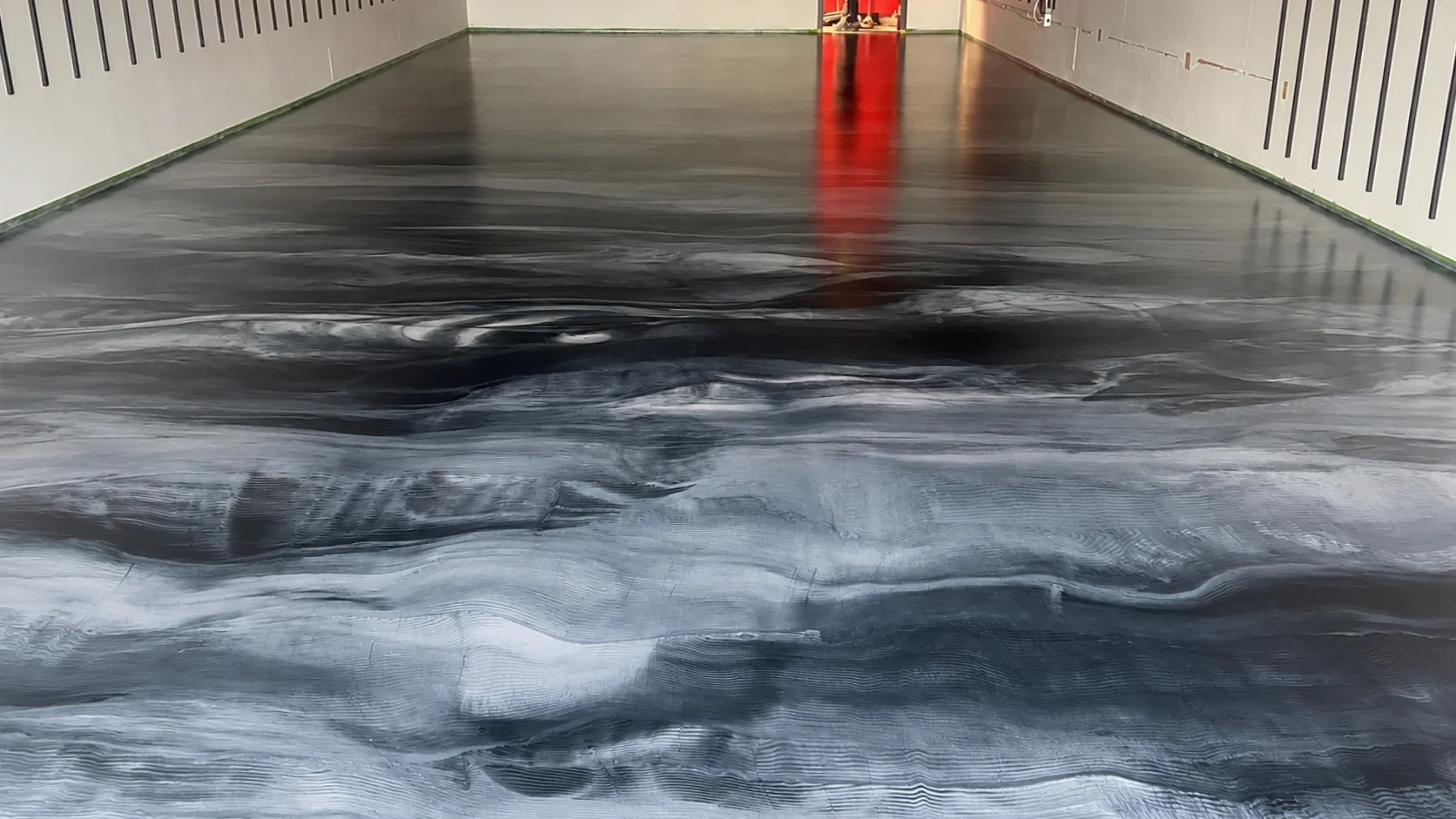
Metallic System
A high-end decorative system designed to create depth, movement, and a one-of-a-kind finish. Metallic epoxy uses pigments to produce a glossy, 3D effect that transforms concrete into a statement surface - no two floors are the same.
Built for:
Visual Impact
High-Gloss Finish
Custom Design
OuR Applications
Epoxy Boss delivers concrete coating and epoxy flooring systems across residential, commercial, and industrial environments — each designed for the way the space is actually used, not just how it looks.
Residential Spaces
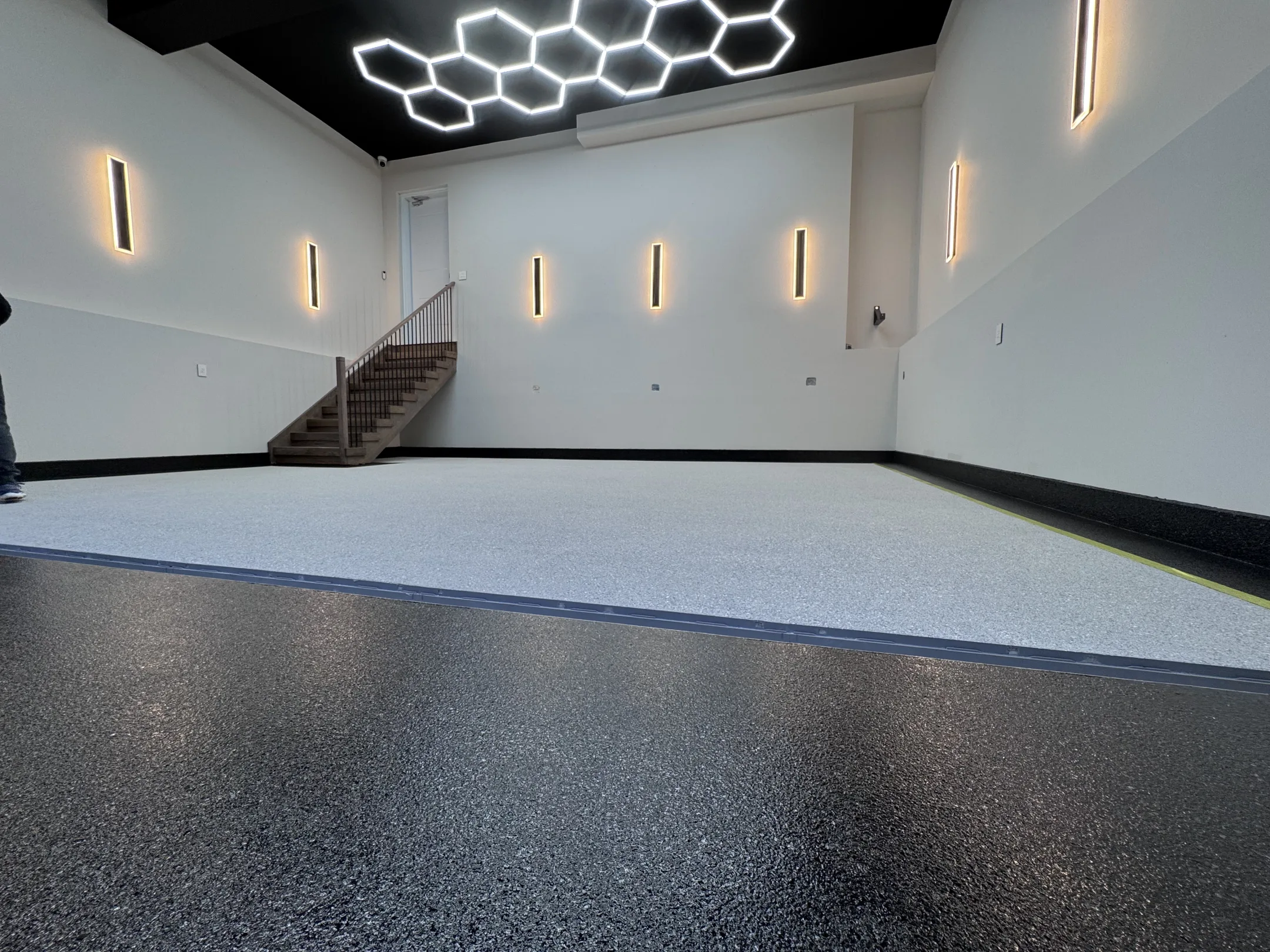
Garages, basements, porches, driveways and pool landings — coated for daily use and seasonal Ontario conditions.
Built to handle:
Hot Tires
Road Salt
Moisture
Freeze-Thaw
Commercial Spaces
Professional flooring for retail, restaurants, hotels, dealerships and healthcare — installed around your operating hours.
Engineered for:
Appearance
Slip Resistance
Foot Traffic
Low Maintenance
Industrial & High-Demand Facilities
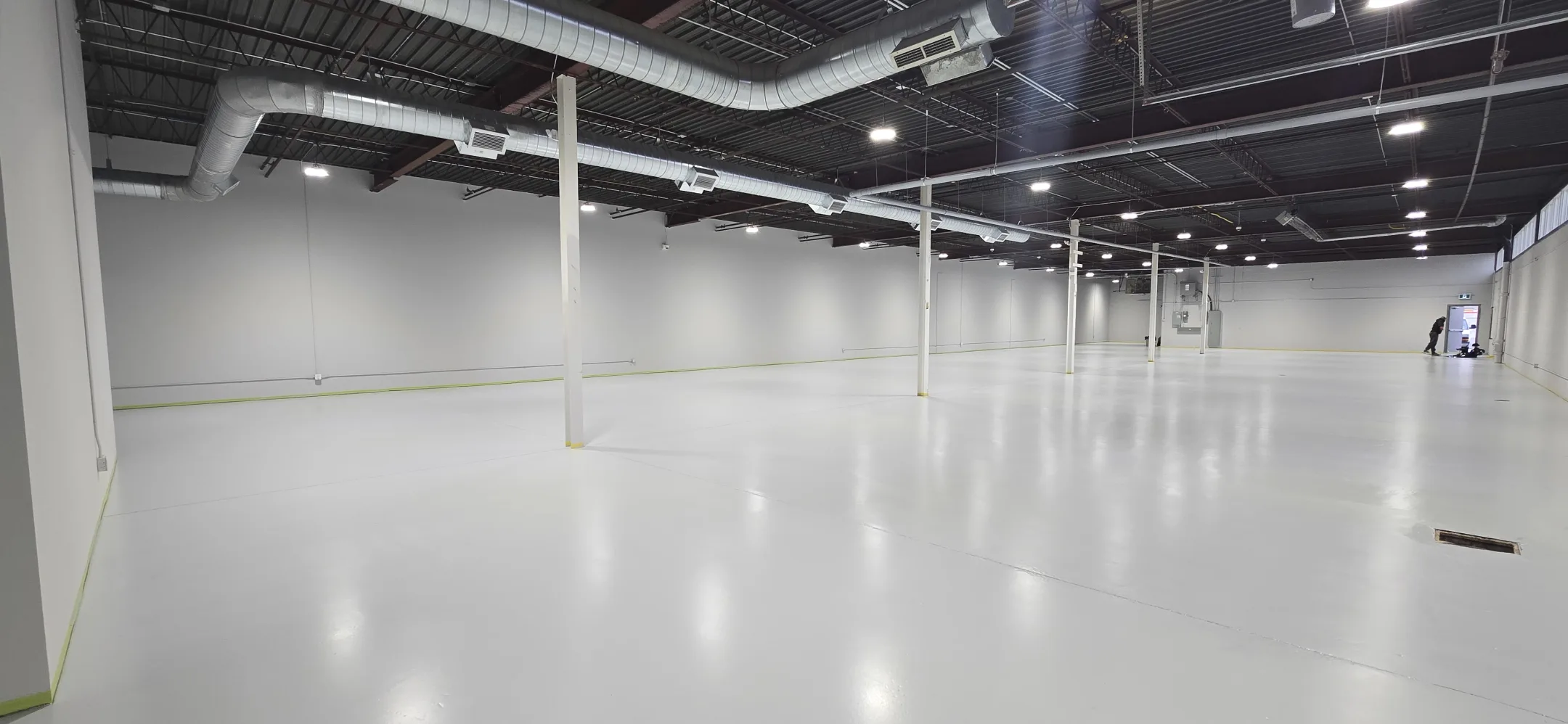
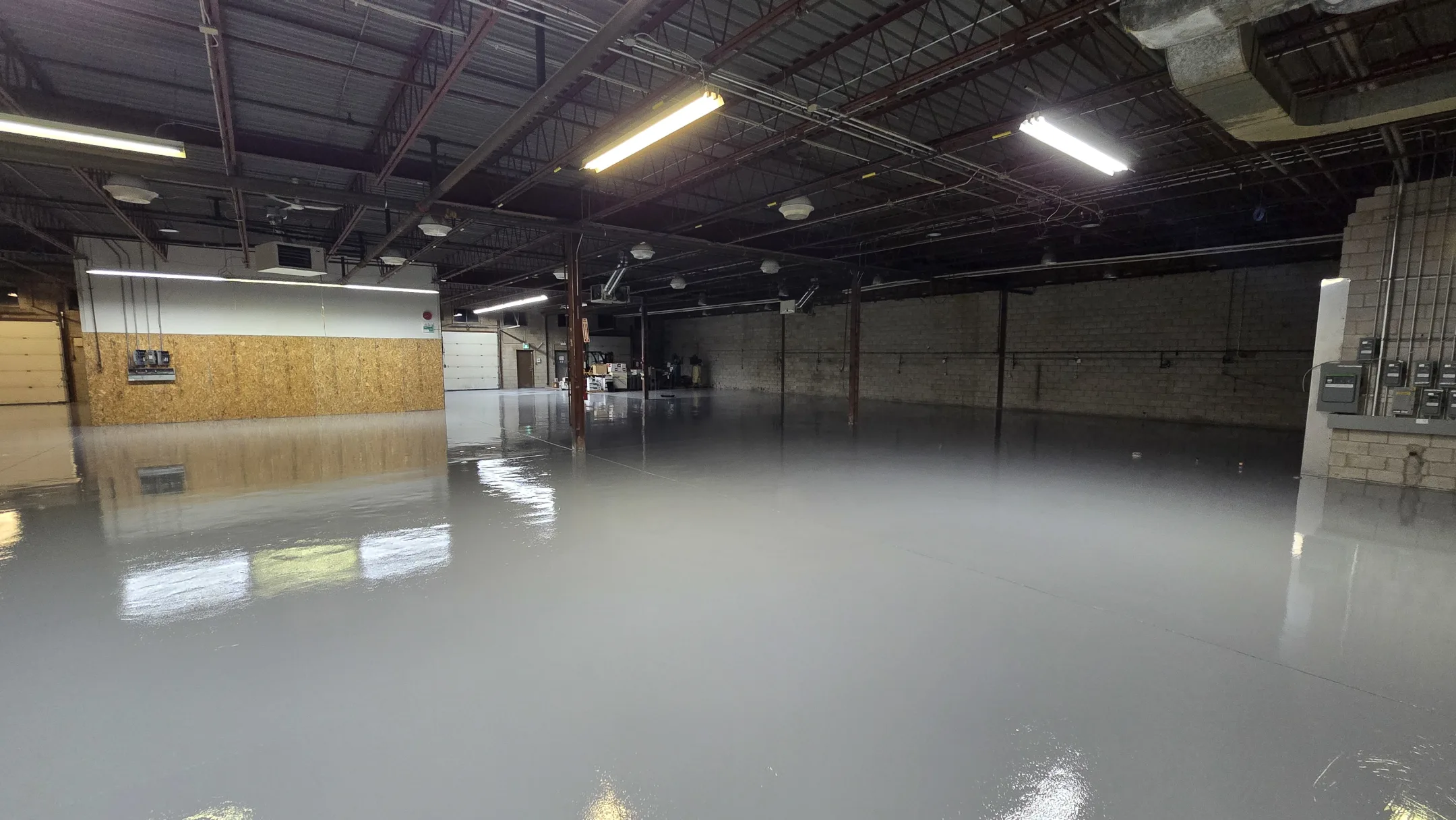
Resinous flooring for manufacturing, warehousing, food and pharmaceutical facilities where the floor must perform under constant load.
Built to withstand:
Heavy Loads
Chemicals
Constant Cleaning
Why Epoxy Boss
Epoxy Boss operates as a concrete surface preparation and protection company specializing in technical flooring systems across Ontario.
Our operational structure includes:
- specialized installation crews
- industrial-grade preparation equipment
- project management systems
- field supervision
- structured quality-control procedures
- commercial-scale operational capability
Projects are approached through:
- substrate analysis
- preparation-first installation
- environment-specific system selection
- moisture management
- operational workflow planning
- long-term durability objectives
The company maintains:
Epoxy Boss has completed projects ranging from residential garage systems to large-volume industrial operations for manufacturing and commercial facilities across multiple sectors.
- WSIB coverage
- structured operational workflows
- safety compliance standards
- commercial project coordination systems
- large-scale production capability
Because high-performance flooring is not defined by appearance alone. It is defined by how the surface performs under years of real operational use.

Ready to Upgrade Your Floors?
Custom epoxy systems tailored for garages, basements, showrooms, patios, and industrial environments — combining industrial-grade durability with premium aesthetics.

EPOXY BOSS
How we work
01
First Contact
Reach out by phone, email or our online form. We'll ask a few questions about your space, how it's used and the finish you have in mind, and review photos if you have them.
02
Quotation
Get a clear and accurate price using our online calculator for instant estimates, or connect with us directly for a detailed quote. For more complex projects, we can schedule an on-site visit to finalize all details.
03
Decision making
We help you choose the right system, finish, and colours based on your goals. From flake to solid or metallic systems, you will have full clarity and confidence in your selection.
04
Scheduling + 50% Deposit
Once everything is confirmed, we lock in your project date. A 50% deposit secures your spot, allowing us to allocate materials and crew accordingly.
05
Day of the project
Our team completes full surface preparation including grinding and crack repair, followed by precise application of your selected multi-layered system based on manufacturer specifications.
06
Project Review
We walk through the finished space with you to ensure satisfaction. After approval, the remaining 50% balance is collected and the project is officially completed.
EPOXY BOSS