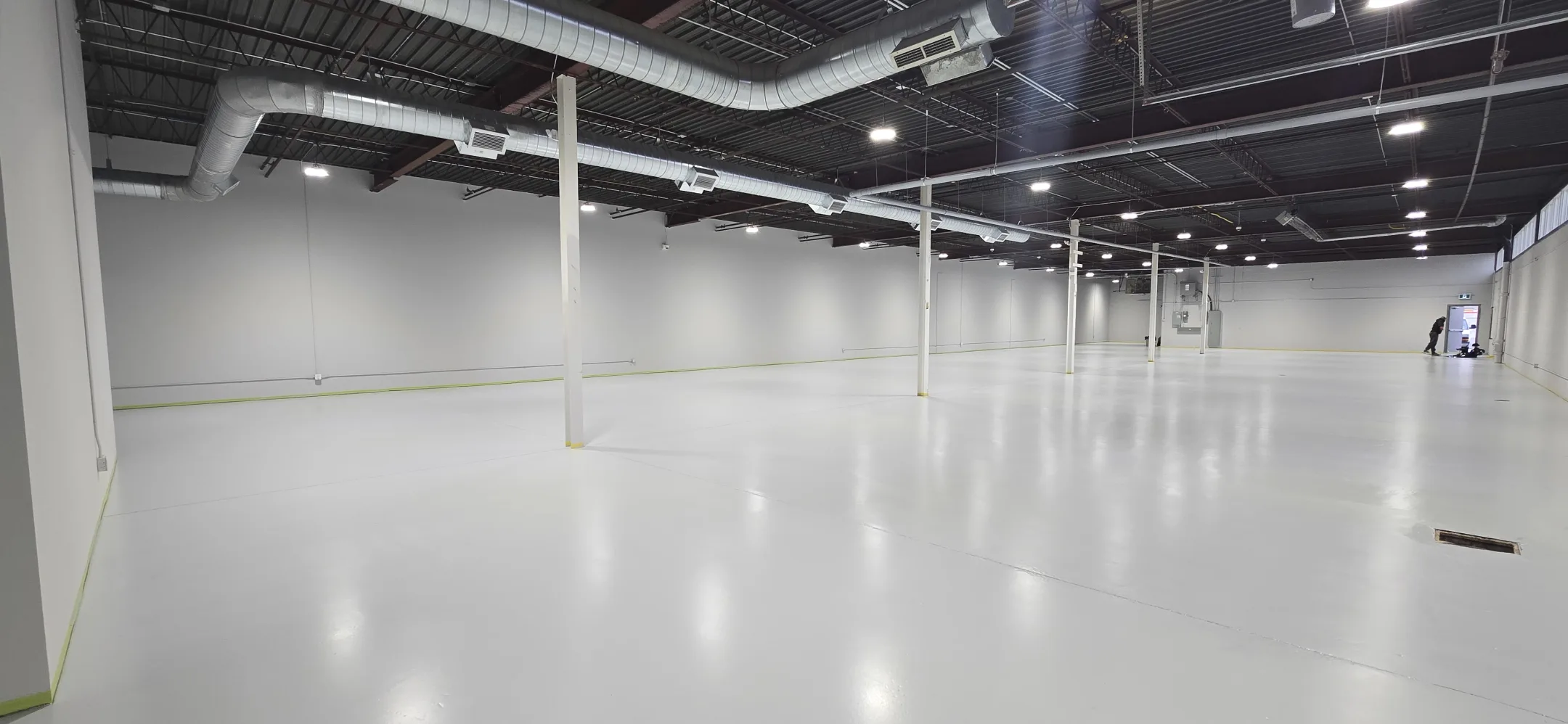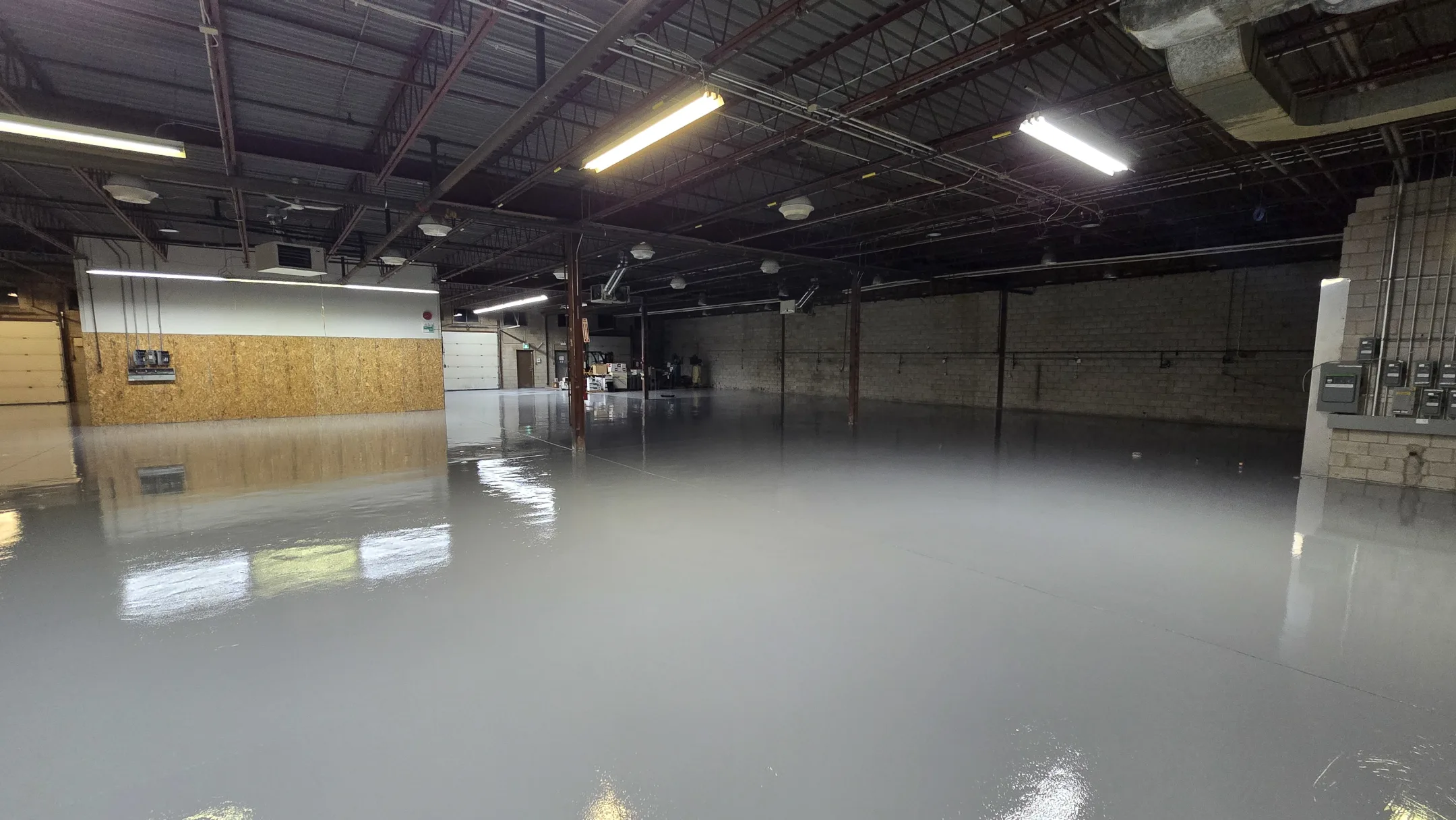

Surface Preparation and Grinding

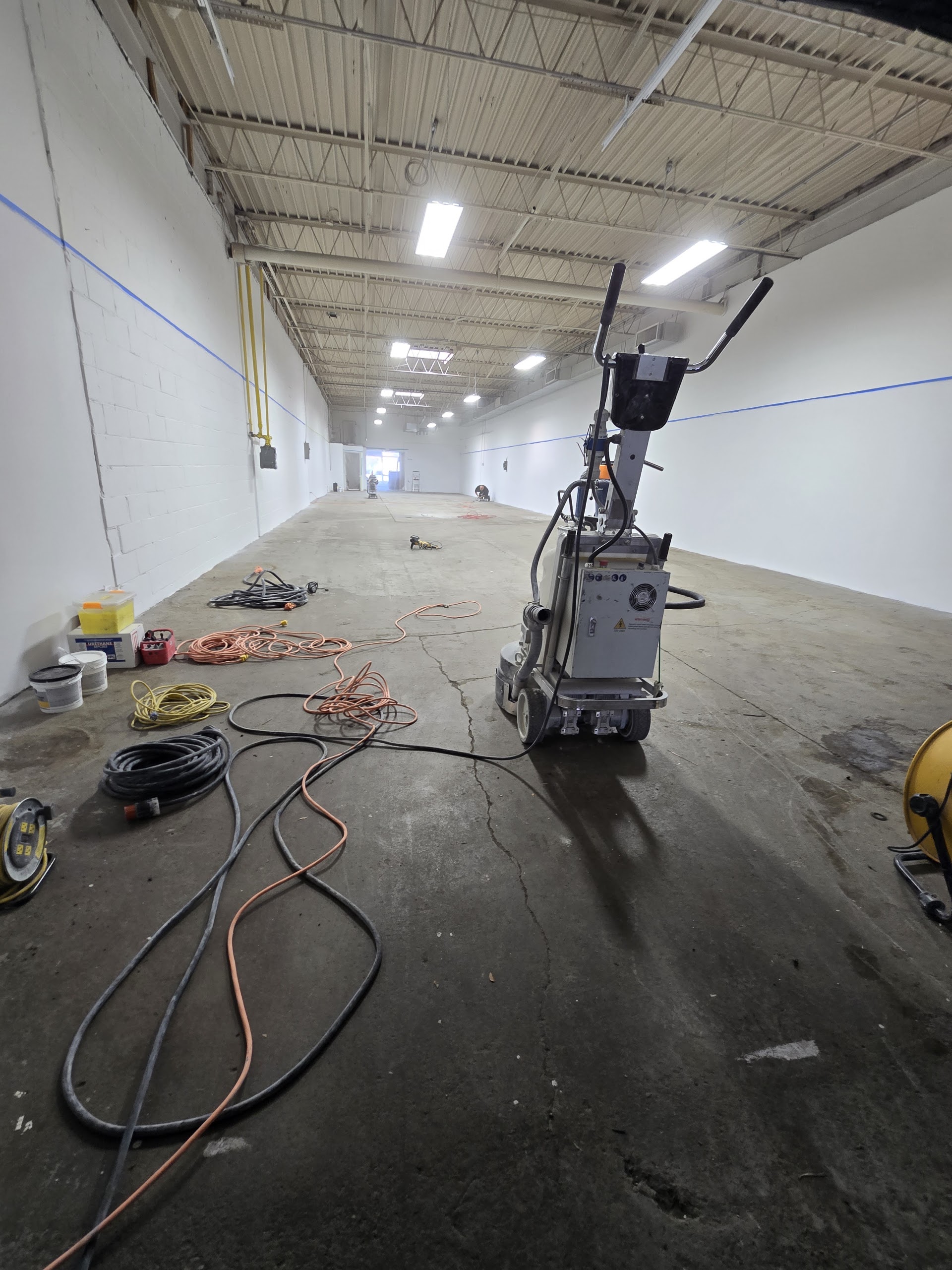
Why Surface Preparation Matters
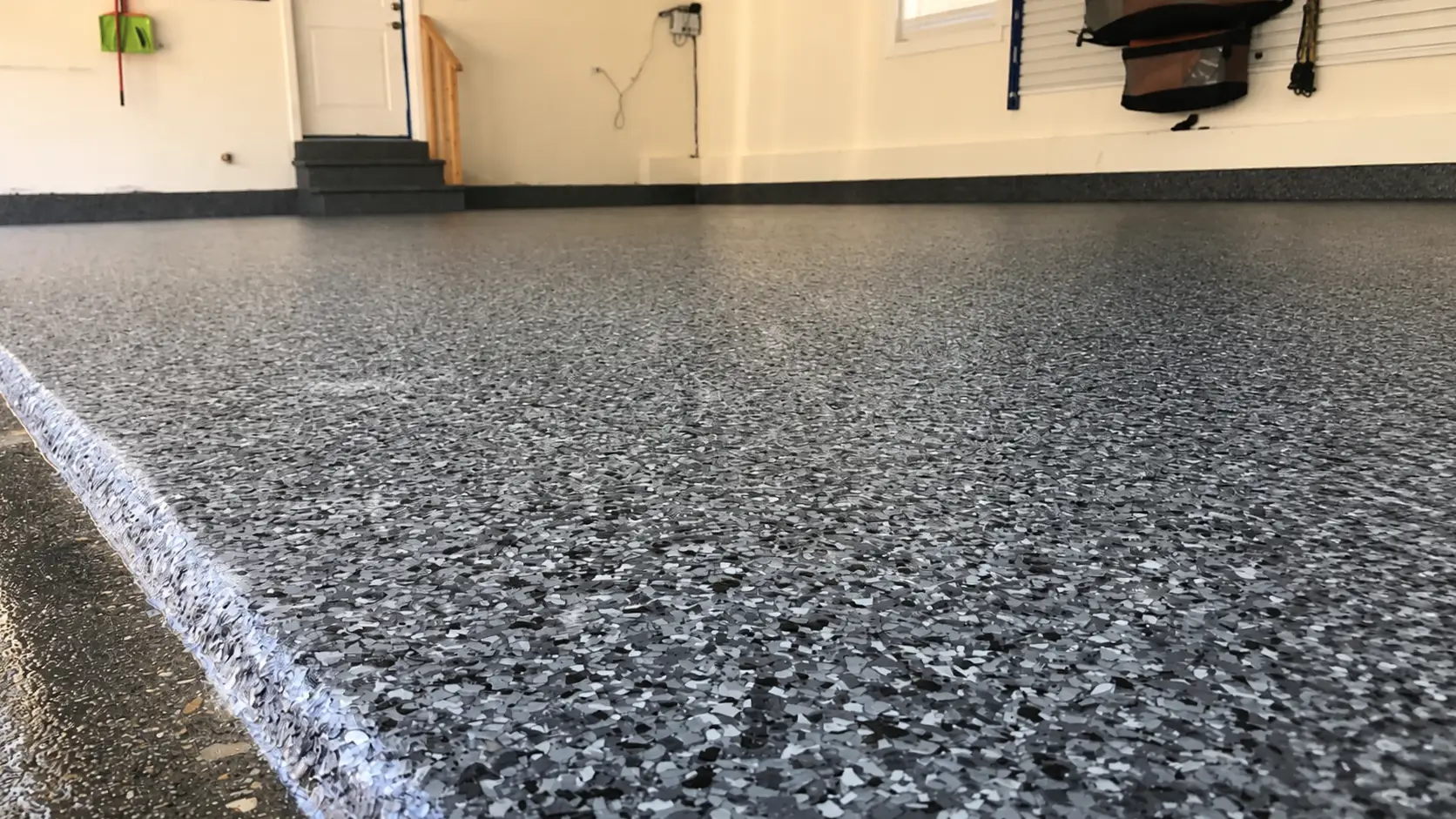
Surface preparation is not an optional step in flooring installation. It is the foundation behind every high-performance concrete system. Concrete surfaces naturally accumulate contamination, uneven areas, old coatings, adhesive residue, weak surface layers and structural imperfections over time. Without proper preparation, flooring systems may fail prematurely due to: weak adhesion; coating delamination; bubbling; peeling; uneven finishes; moisture-related breakdown; surface instability; premature wear.
How Epoxy Boss Approaches It
At Epoxy Boss, surface preparation begins with substrate evaluation and mechanical analysis before any flooring system is installed. Surface hardness, contamination levels, slab condition, moisture exposure and operational requirements all influence the preparation procedures required for long-term performance.
Preparation methods we use
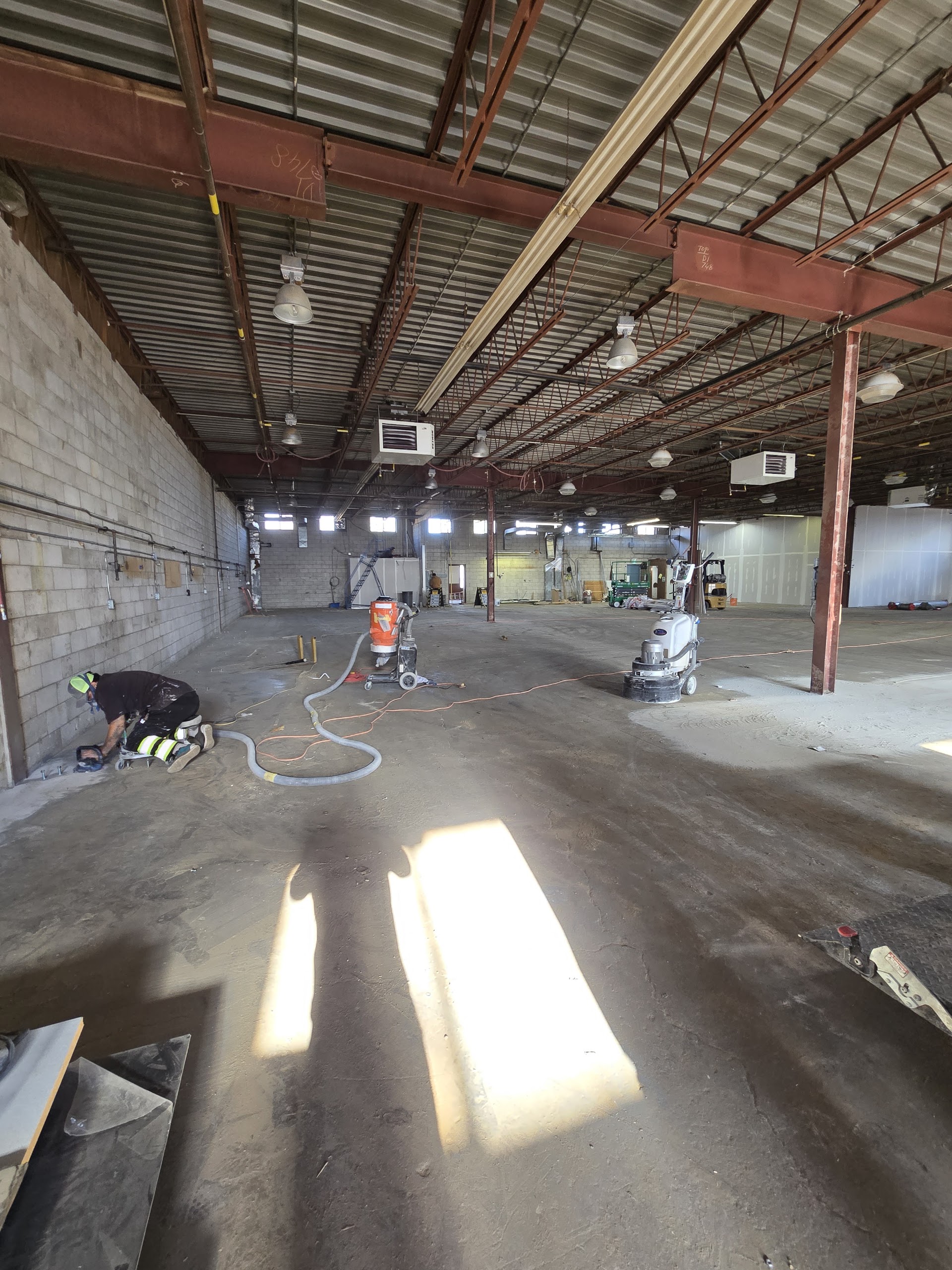
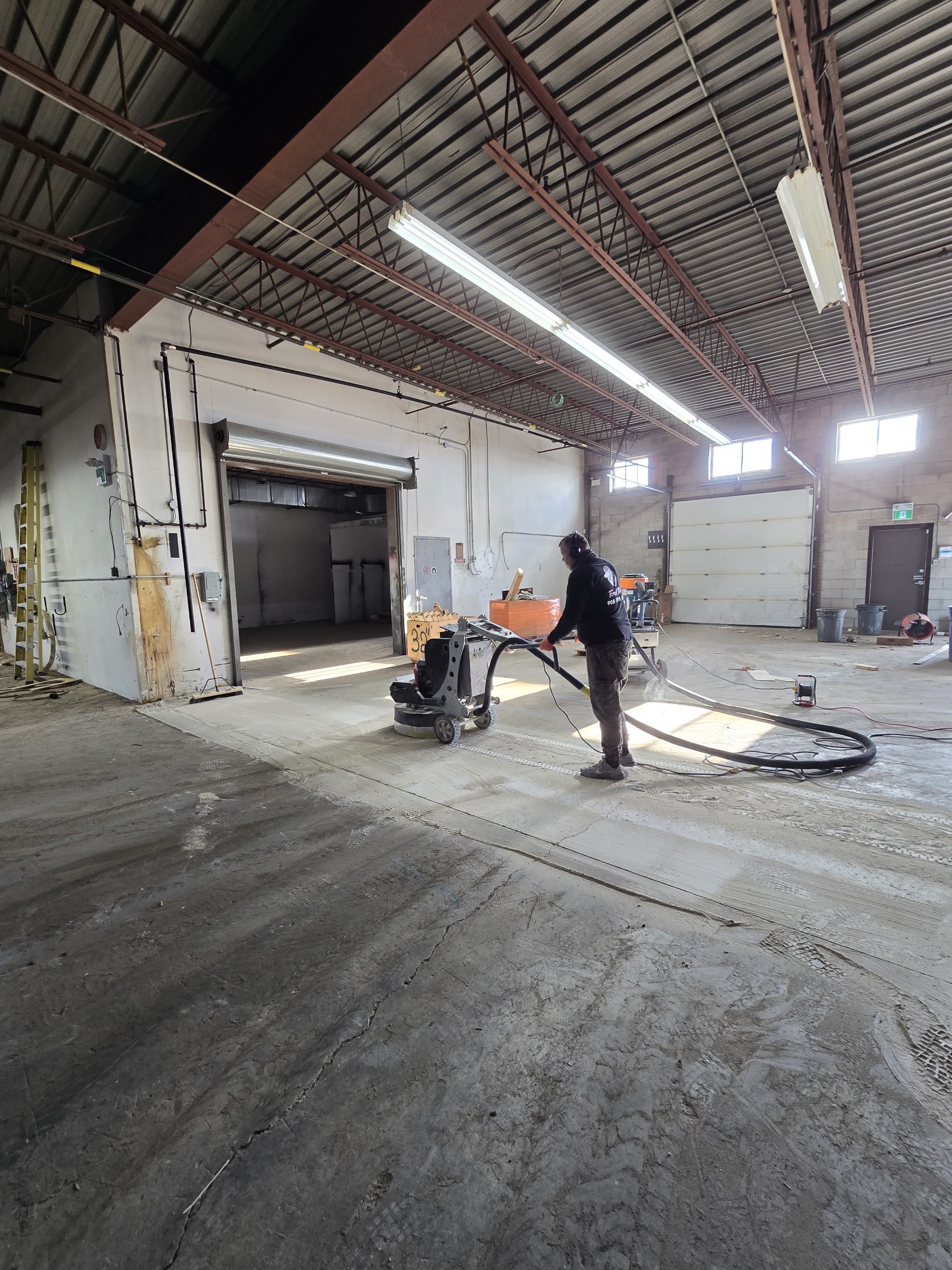
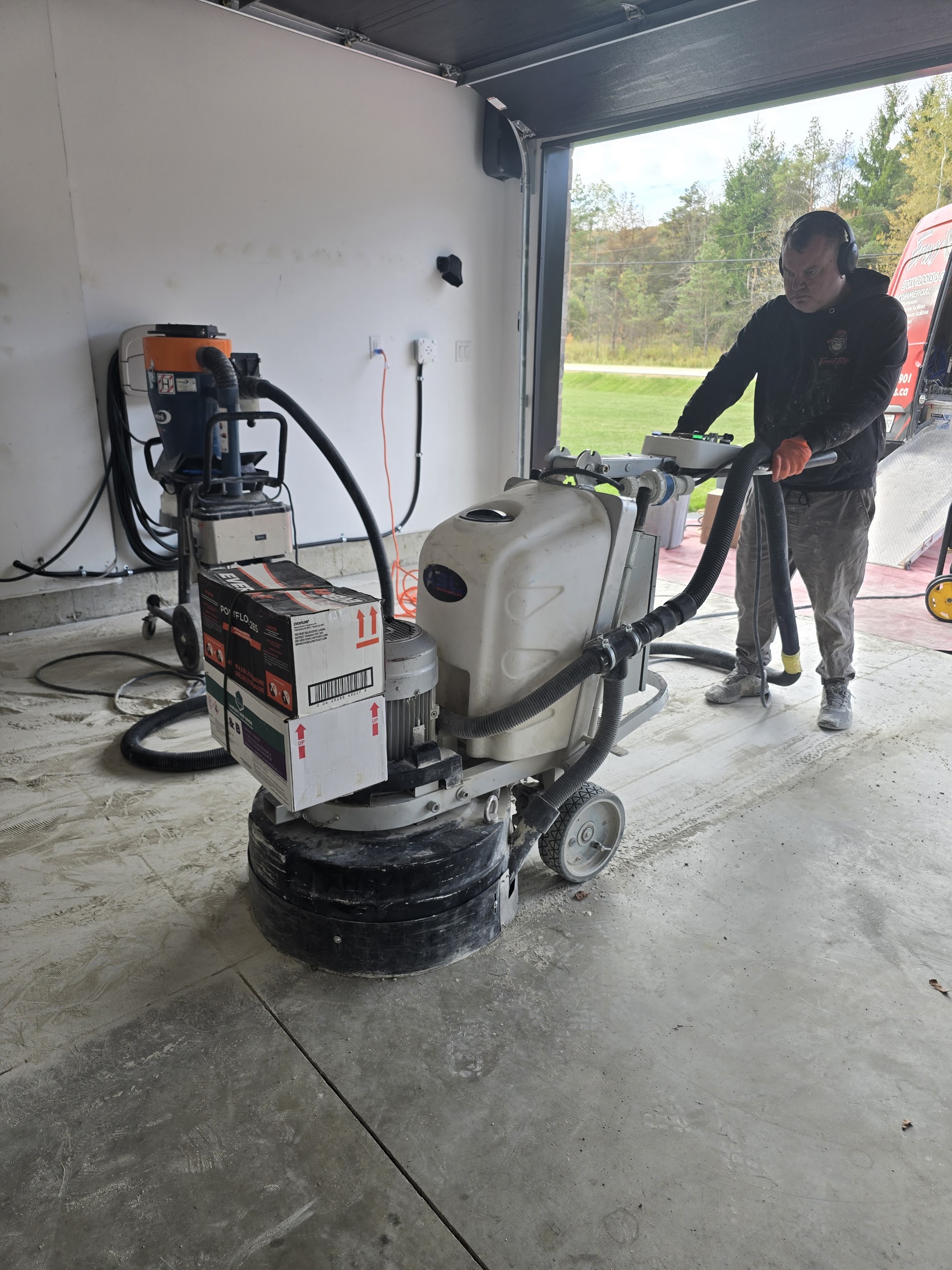
- Diamond grinding and concrete grinding for most interior floors, coating removal and flattening.
- Shot blasting for large open areas and heavier profiles.
- Coating and adhesive removal for paint, epoxy, mastic and carpet or tile glue.
- Surface flattening and floor levelling where high spots, lips or uneven areas affect the finish.
- Dust-controlled grinding with HEPA vacuums for occupied and indoor spaces.
Common questions
What is CSP?
Concrete Surface Profile is the ICRI scale, from CSP 1 to CSP 10, used by manufacturers to specify the texture a product needs. See CSP surface profiling.
Why not acid etch?
Etching does not remove sealers, coatings or weak surface layers and gives an inconsistent profile. Mechanical preparation is the standard for resinous floors.