Concrete Coating

More Than a Coating
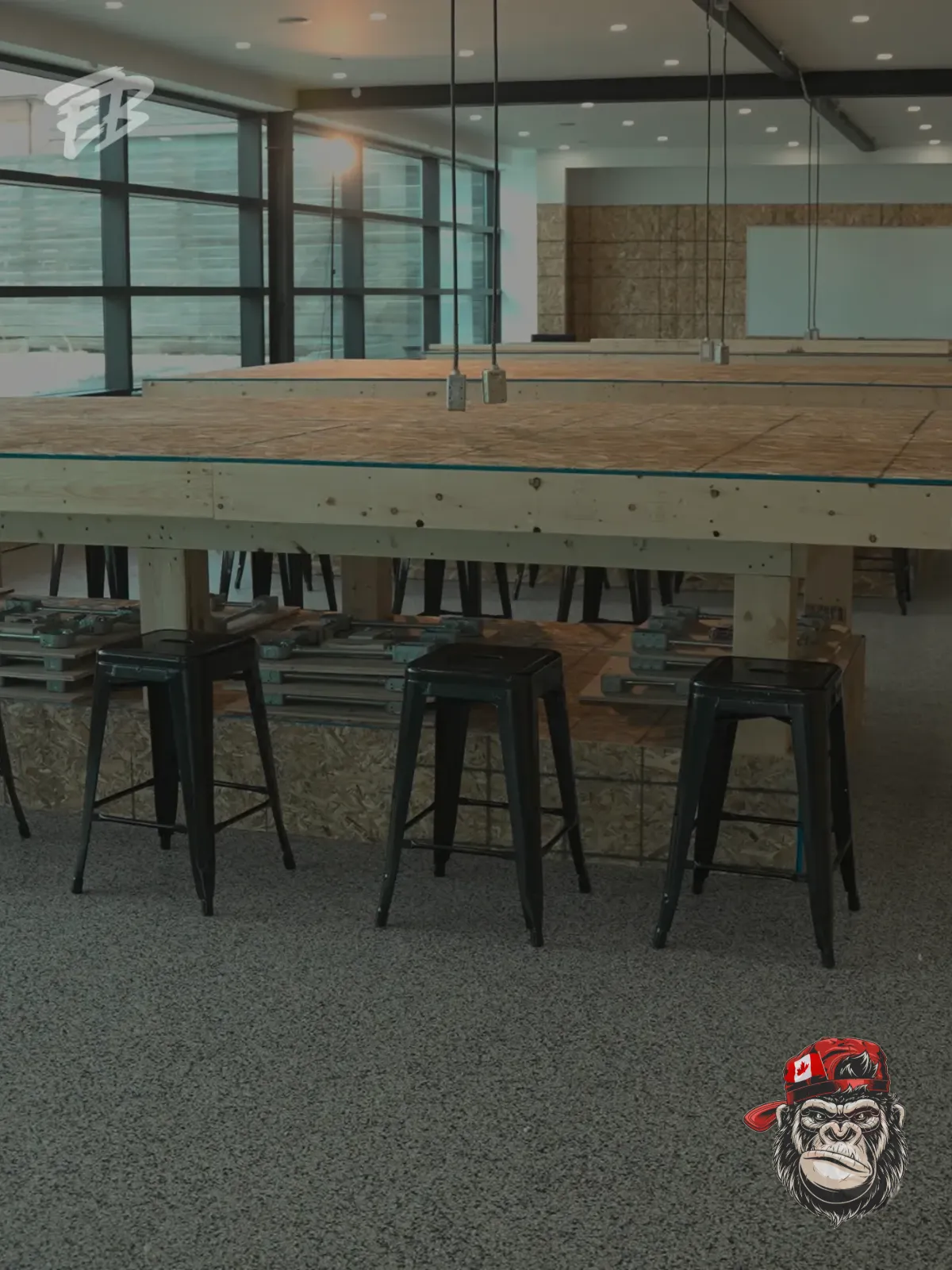
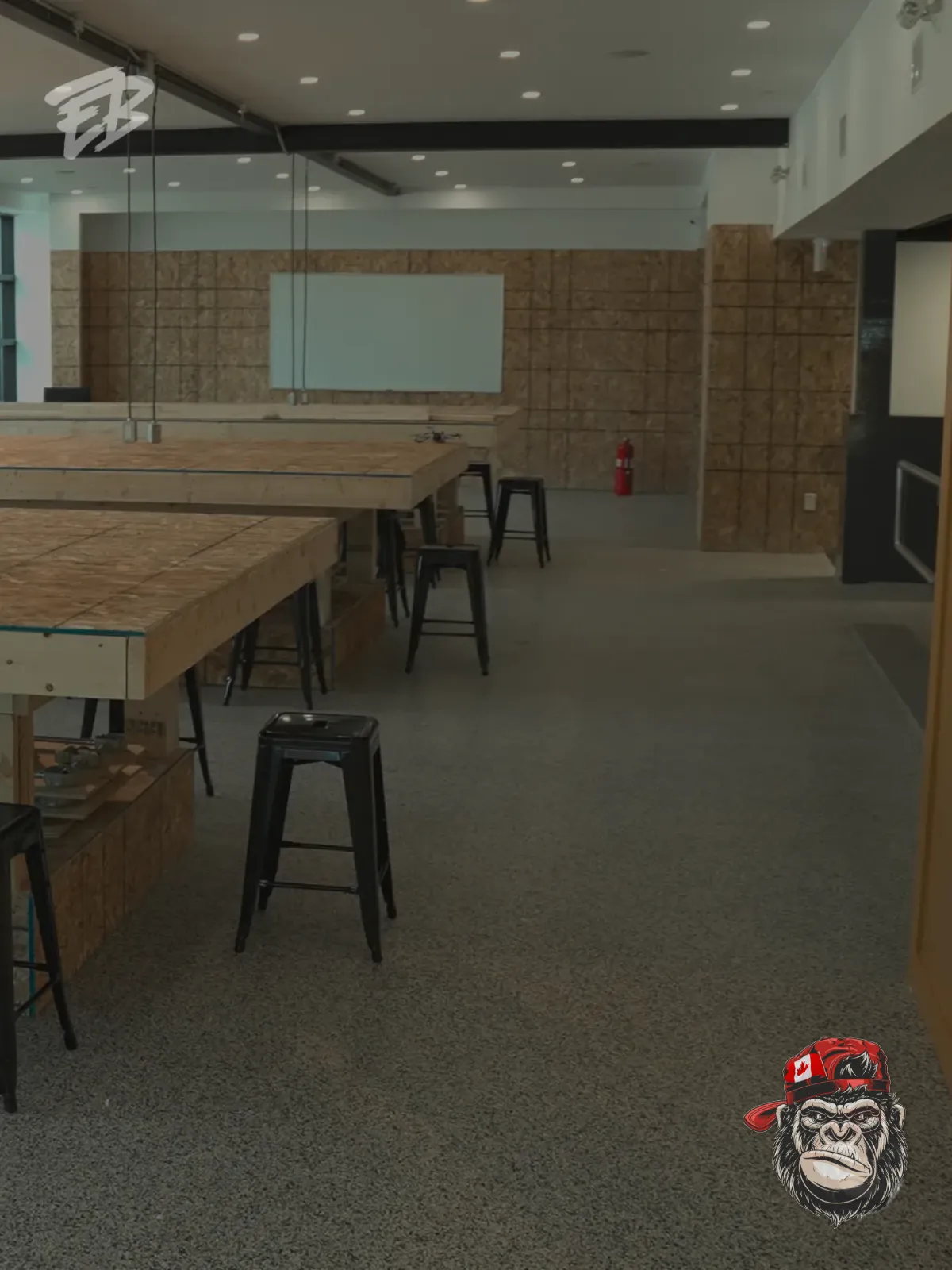
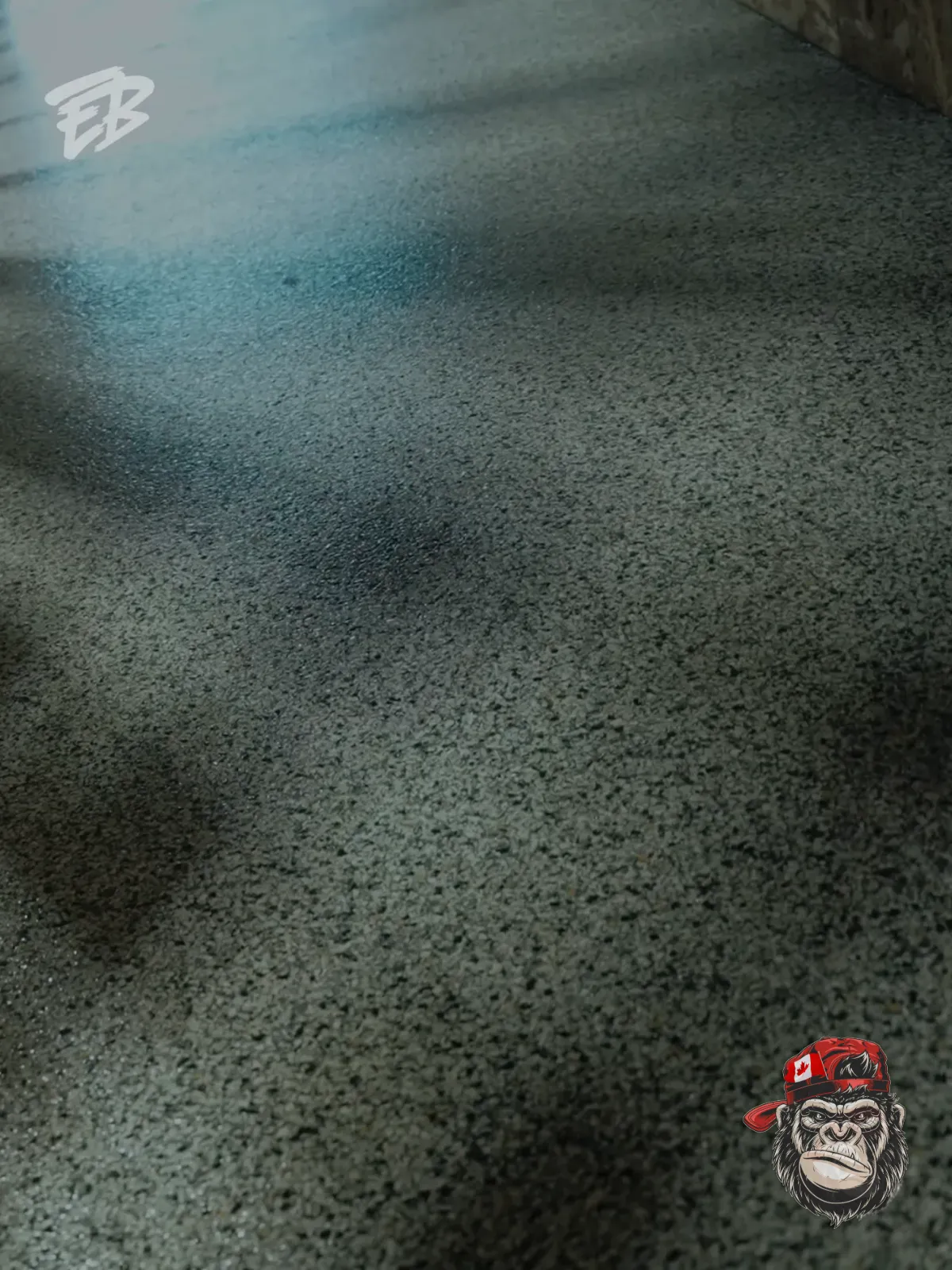
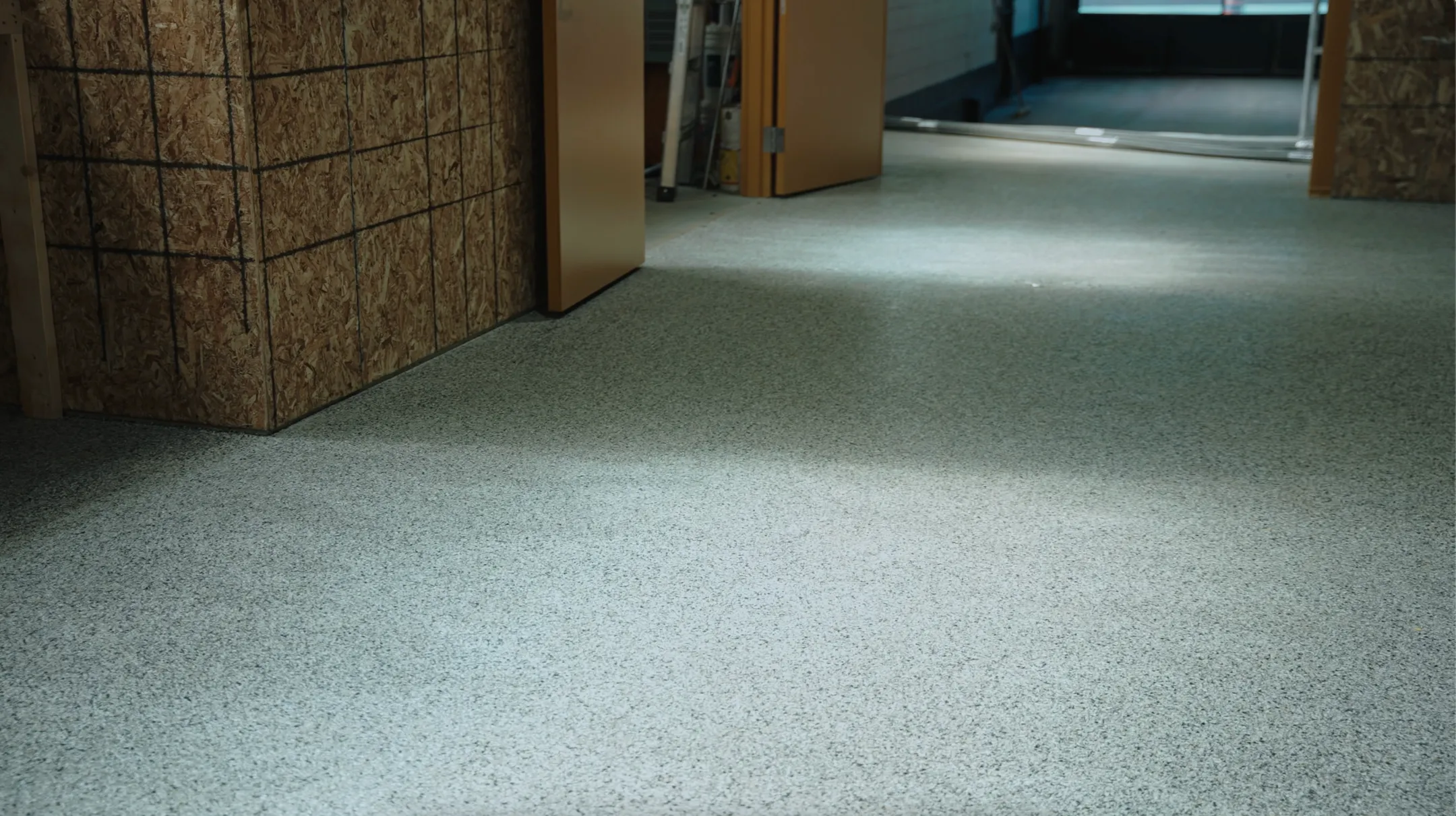
Concrete coating is not simply the process of applying material over a slab. A properly developed coating system functions as a protective assembly engineered around the condition, behavior and operational demands of the concrete itself. Concrete continuously reacts to environmental conditions including moisture movement, thermal expansion, traffic stress, chemical exposure and surface contamination. Without proper protection, concrete surfaces gradually deteriorate through abrasion, dusting, impact wear, salt penetration, freeze-thaw cycling and chemical breakdown.
How Epoxy Boss Approaches It
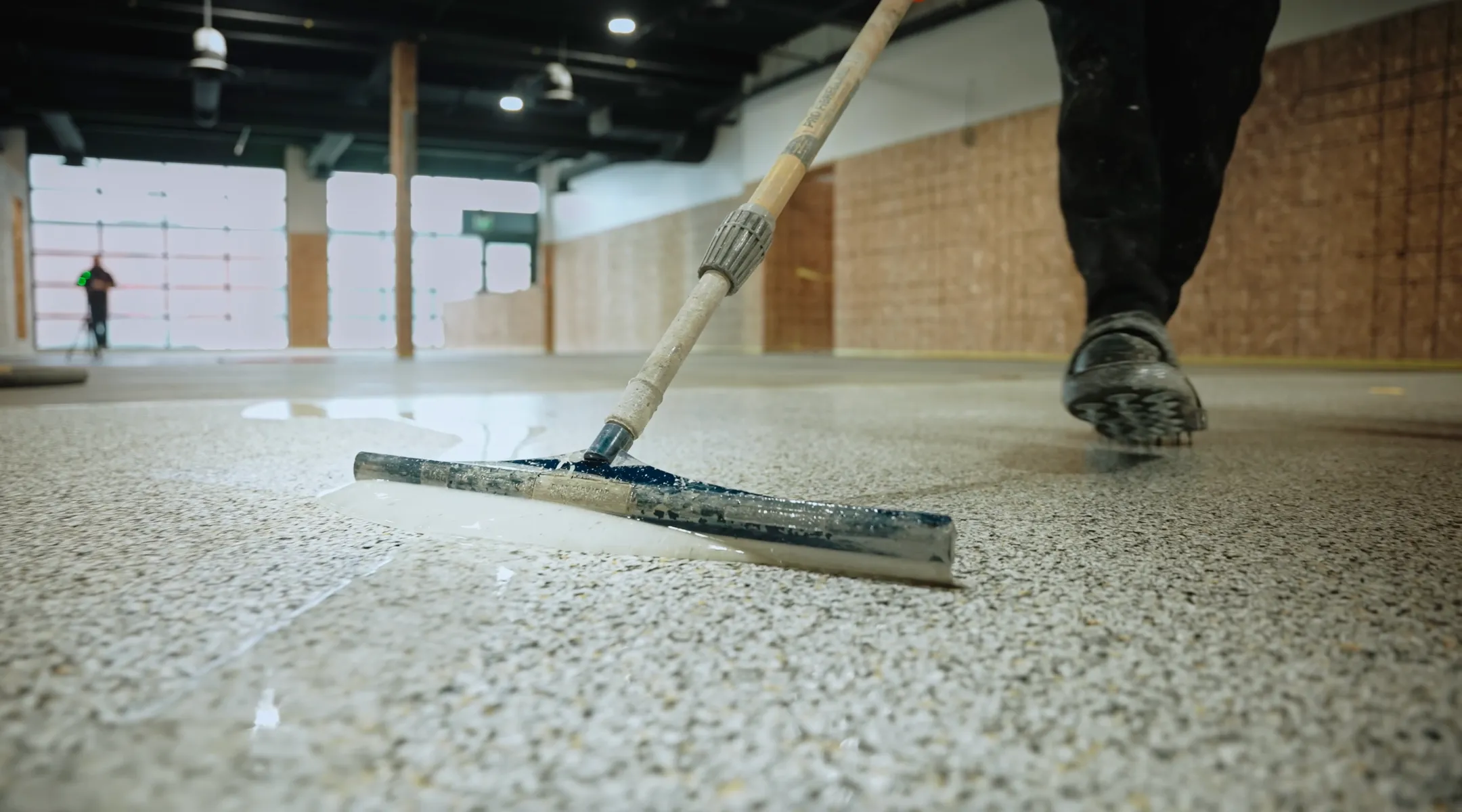
At Epoxy Boss, every concrete coating project begins with substrate evaluation, mechanical preparation and environmental analysis before any material is installed. Surface condition, slab integrity, moisture behavior and operational exposure are evaluated to determine the correct preparation methods, coating technologies and long-term protection strategy required for the environment. Preparation remains the foundation of every coating system. Improperly prepared concrete may lead to coating delamination, adhesion failure, moisture-related breakdown and premature surface deterioration regardless of the material being installed.
Choosing a coating system
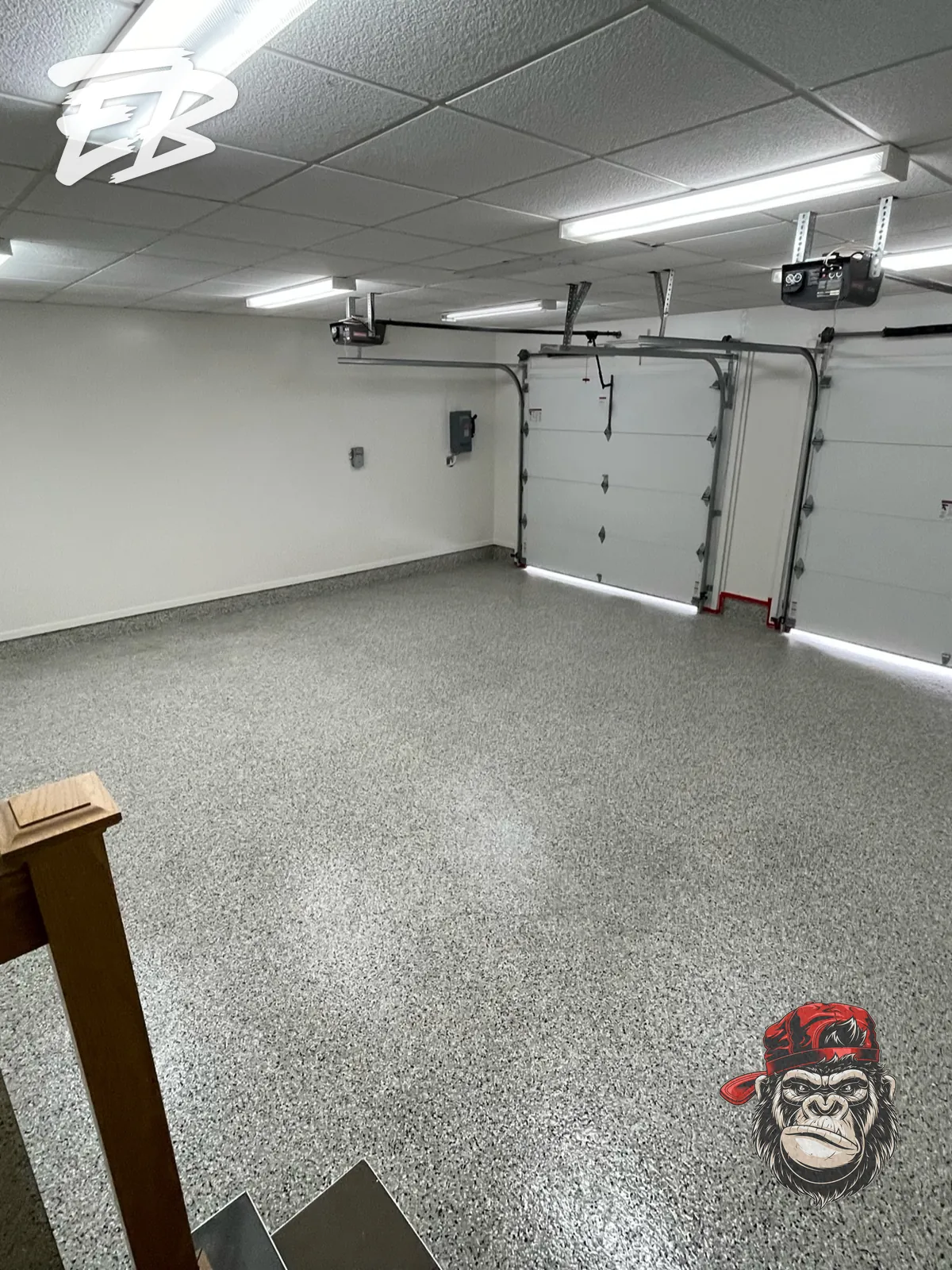
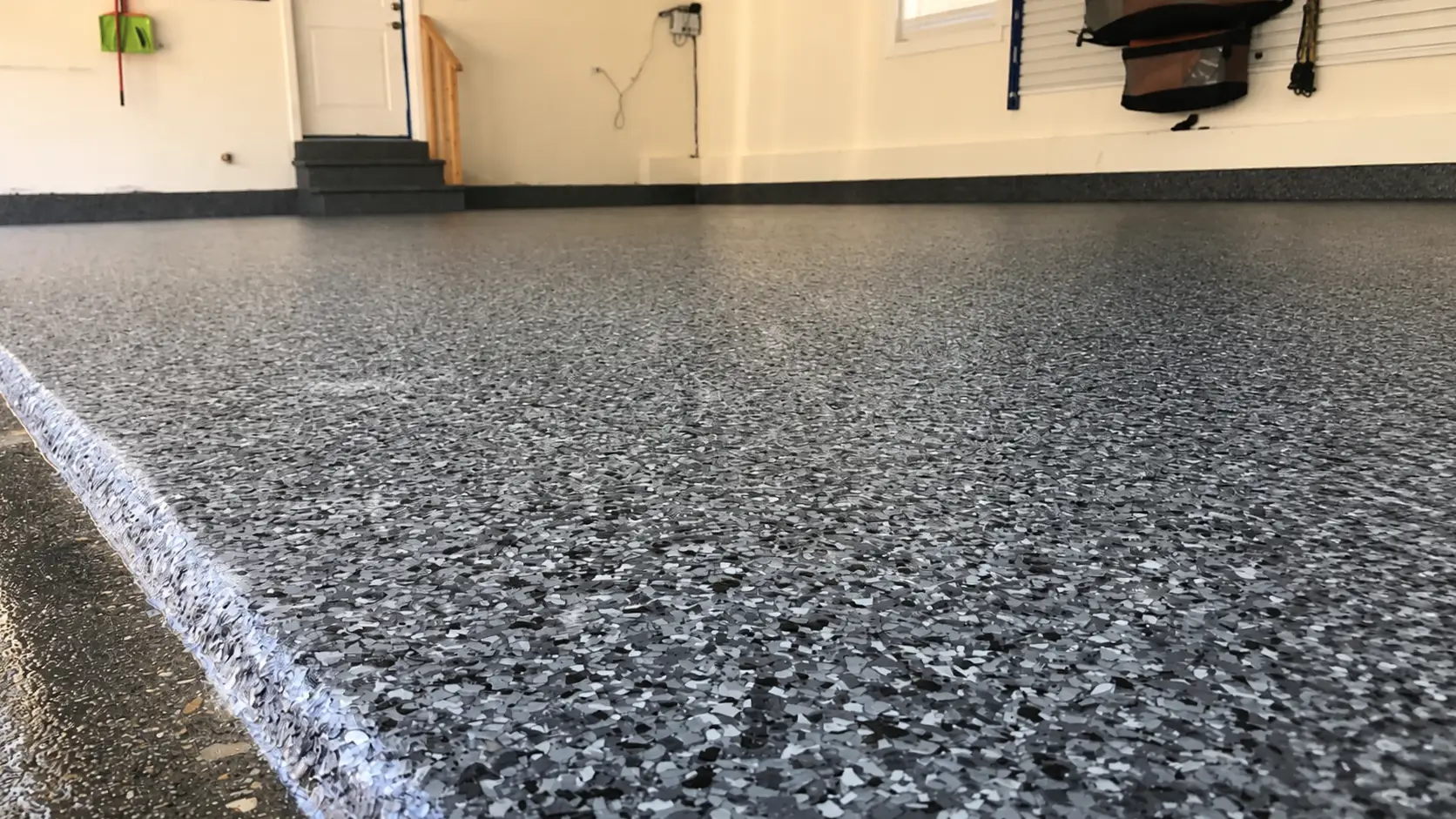
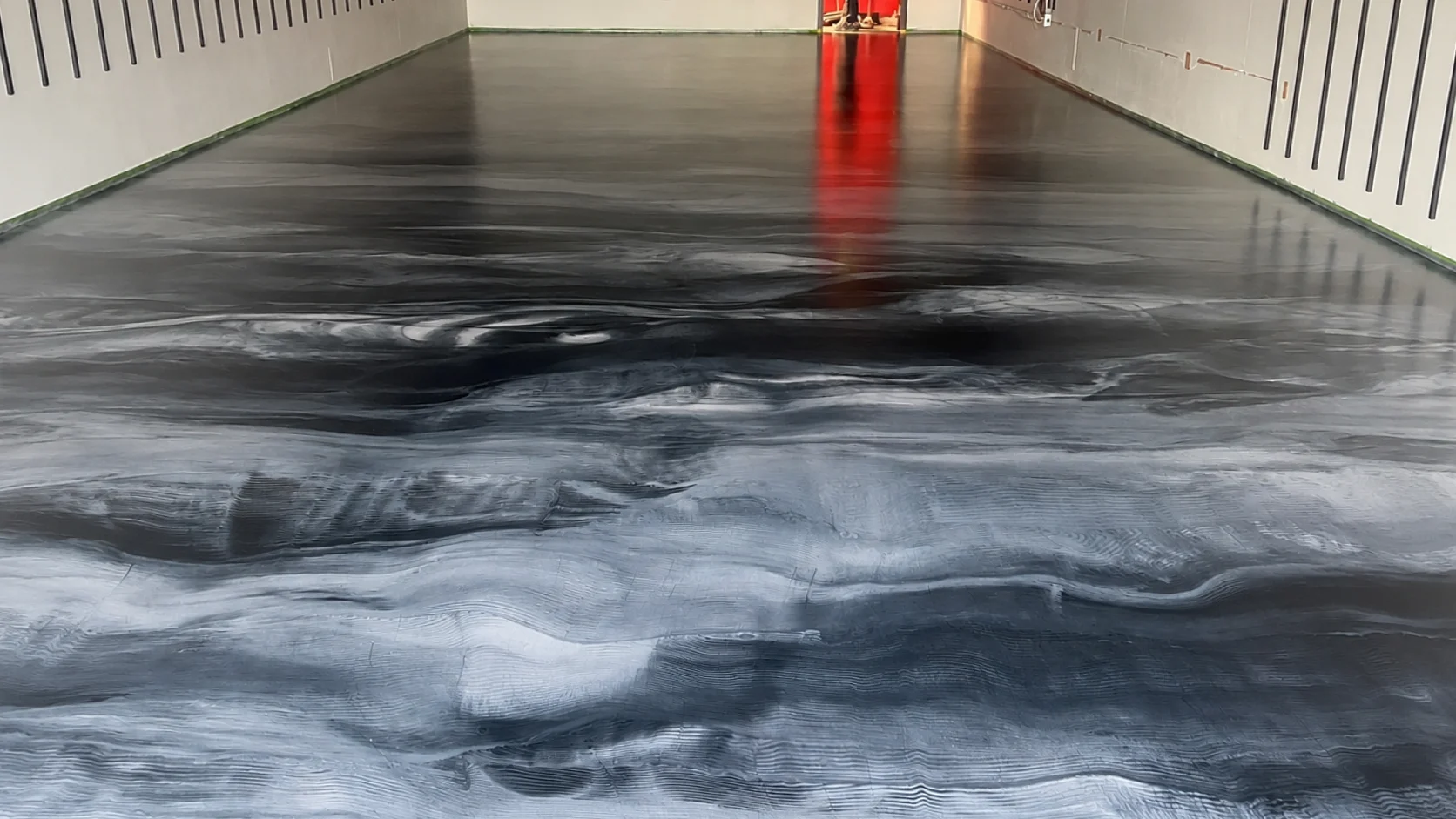
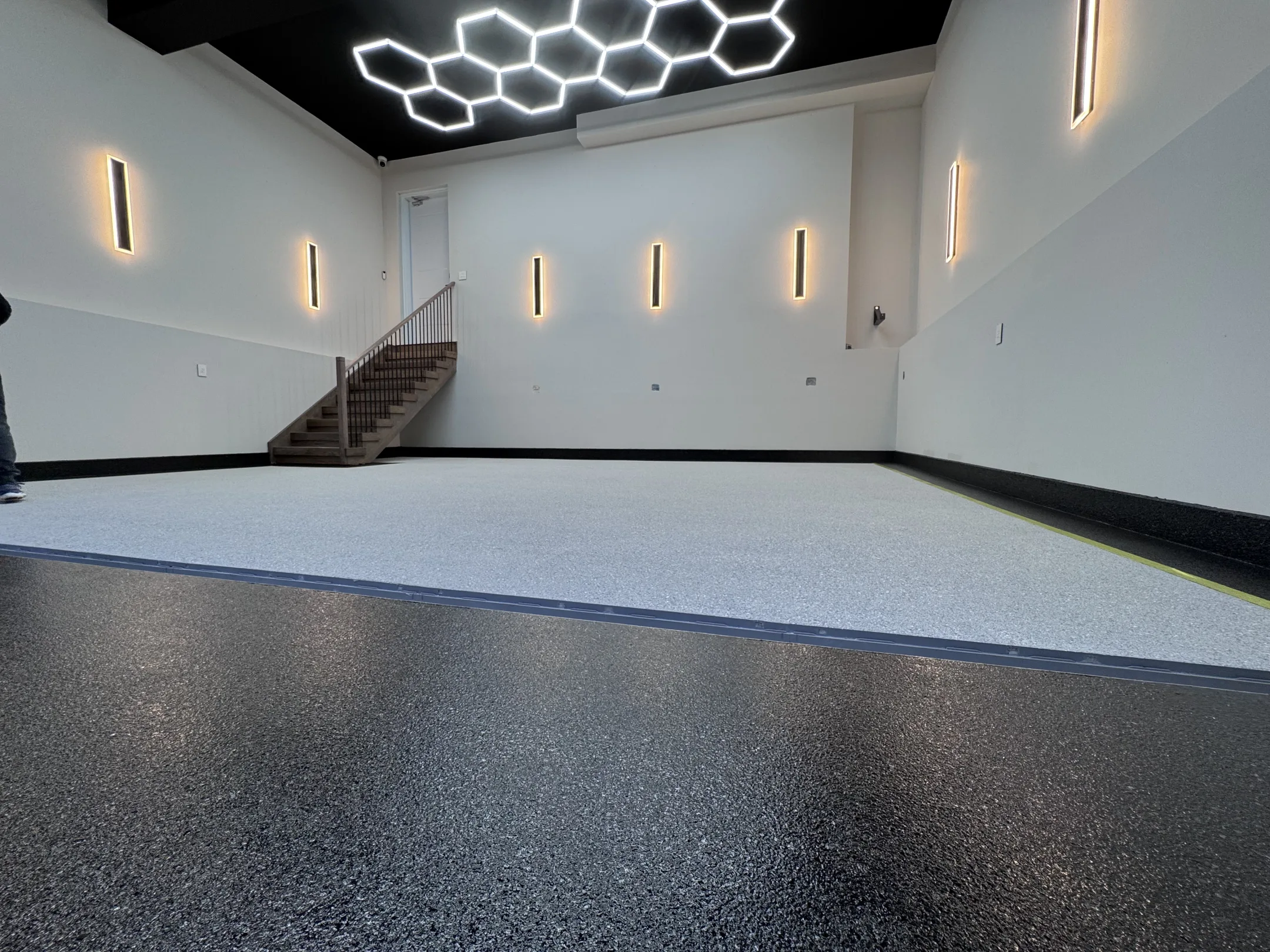
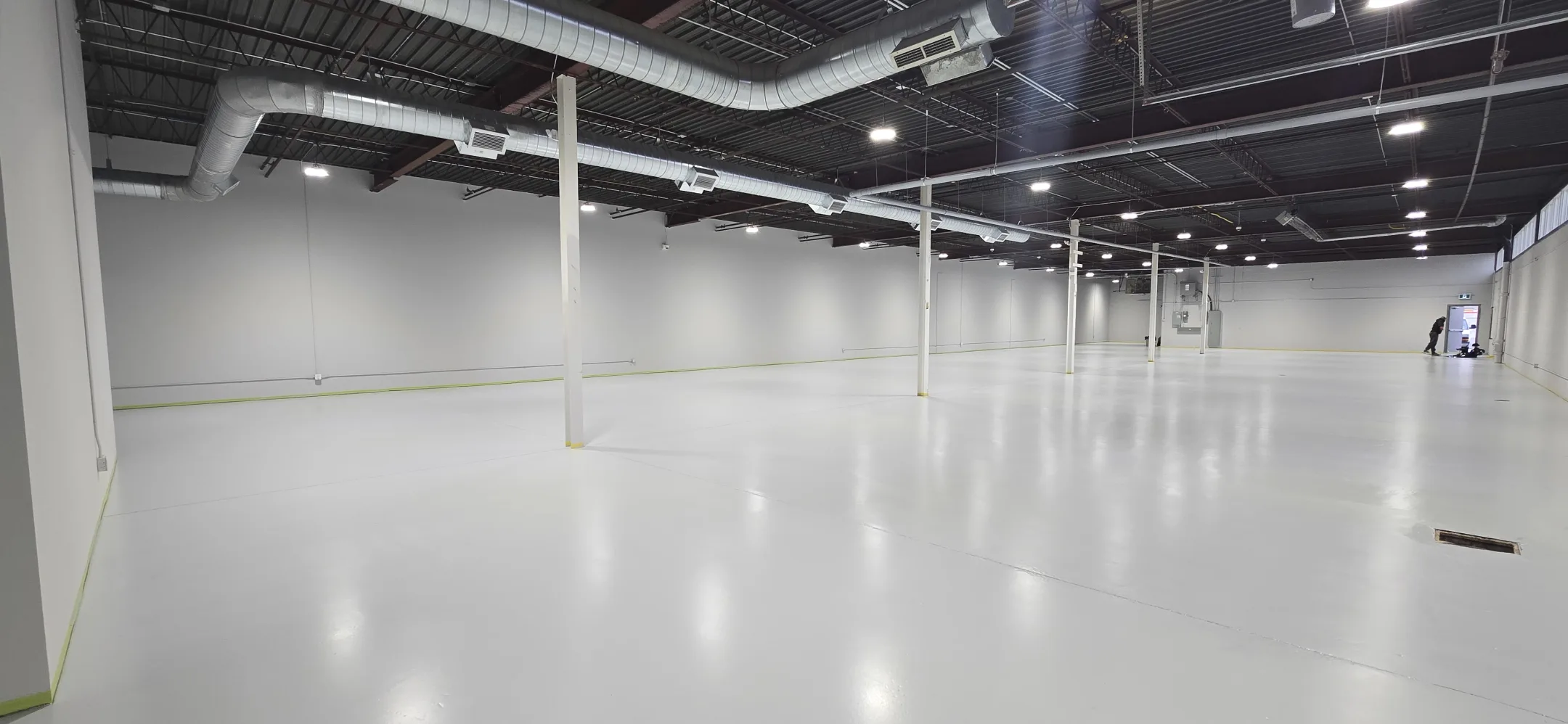
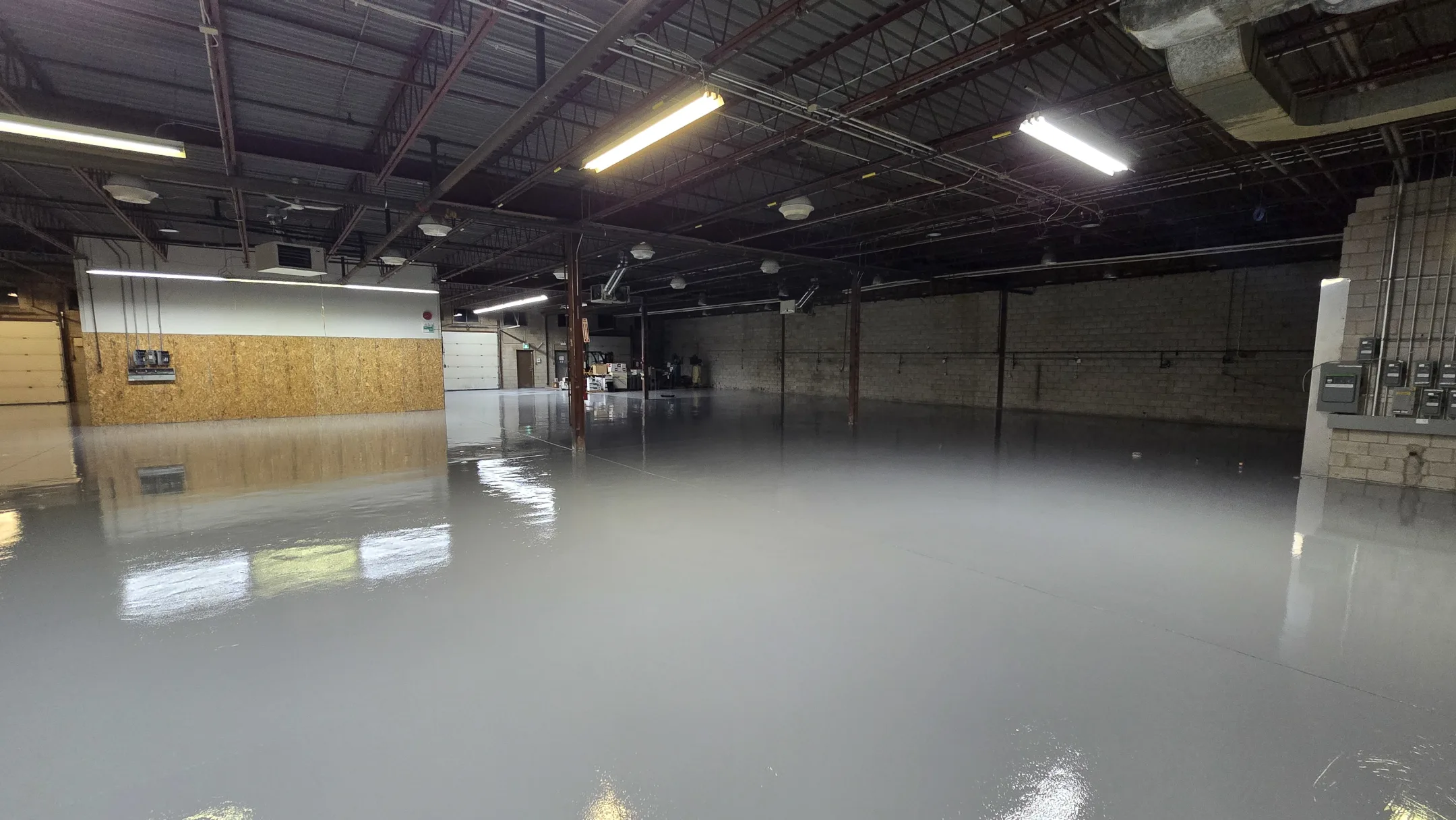
The right coating depends on the exposure, not the room name. Garages and exterior slabs need resistance to road salt, freeze-thaw and UV, which is where polyaspartic garage flooring and UV-stable coatings come in. Retail, offices and showrooms usually use flake, metallic or quartz systems over an epoxy base. Warehouses and plants are specified by wheel traffic and chemicals: industrial epoxy, heavy-duty builds and chemical-resistant epoxy, with warehouse safety striping for forklift lanes, walkways and hazard zones. Food plants, freezers and hot washdown areas usually need urethane cement.
Common questions
What is the difference between epoxy and polyaspartic?
Epoxy builds thickness and bonds strongly but is not UV-stable. Polyaspartic is UV-stable and cures quickly. Many systems combine both. See epoxy flooring systems and polyaspartic flooring systems.
How long does a coating last?
Lifespan depends far more on preparation, traffic and maintenance than on the label. A well-prepared floor with the right topcoat can be renewed with a new topcoat rather than replaced when it shows wear.