Polyaspartic Flooring Systems
Polyaspartic systems are selected as part of a complete coating build-up. The primer, decorative layer and finish must be compatible with one another and with the prepared concrete.
What polyaspartic is
Polyaspartic is an aliphatic polyurea coating. Aliphatic materials are UV-stable, so they resist the yellowing that standard epoxies show in sunlight. Polyaspartics also cure much faster than most epoxies, which shortens installation and return-to-service times, and they can be installed across a wider temperature range.
How a polyaspartic floor is built
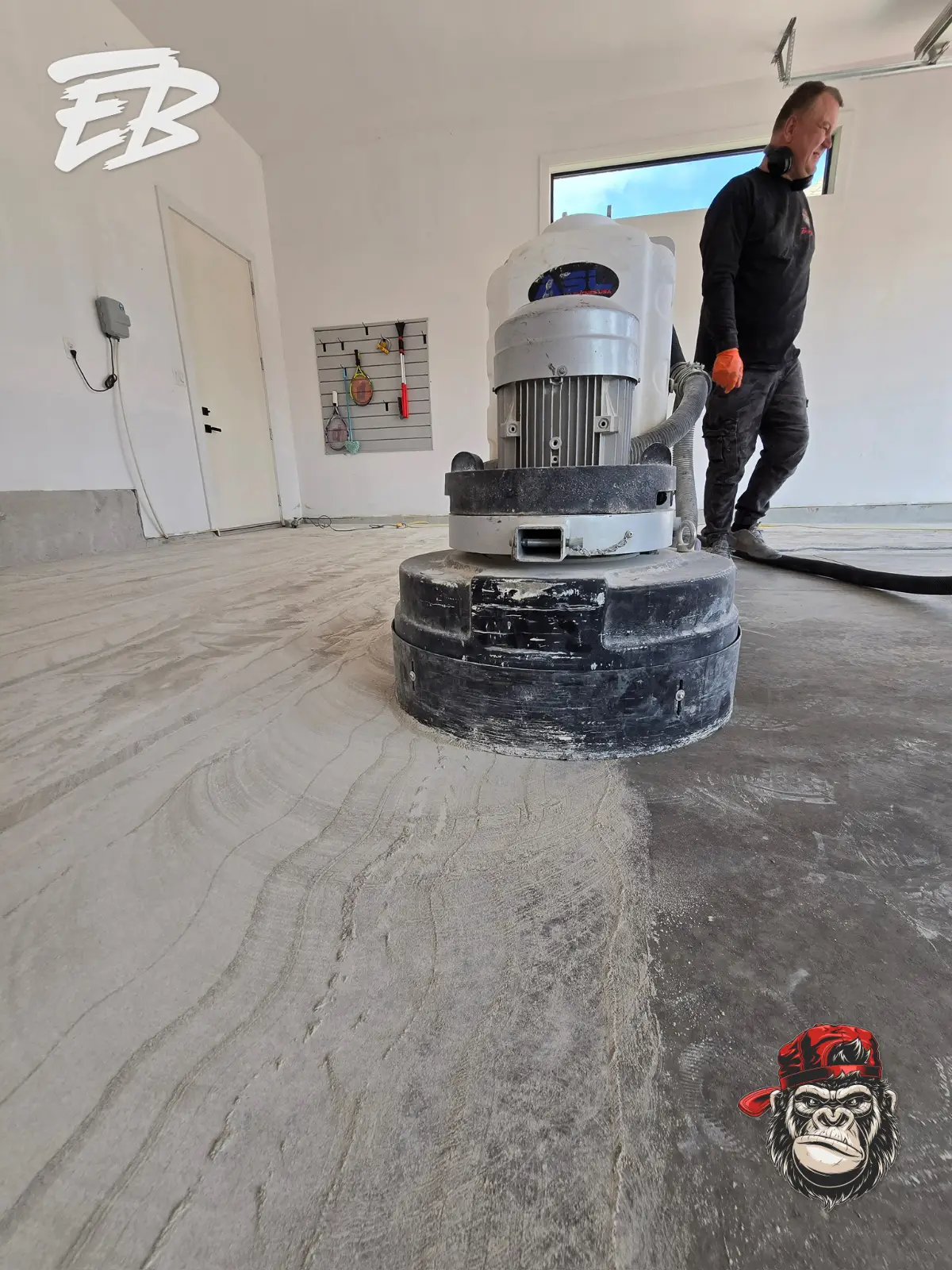
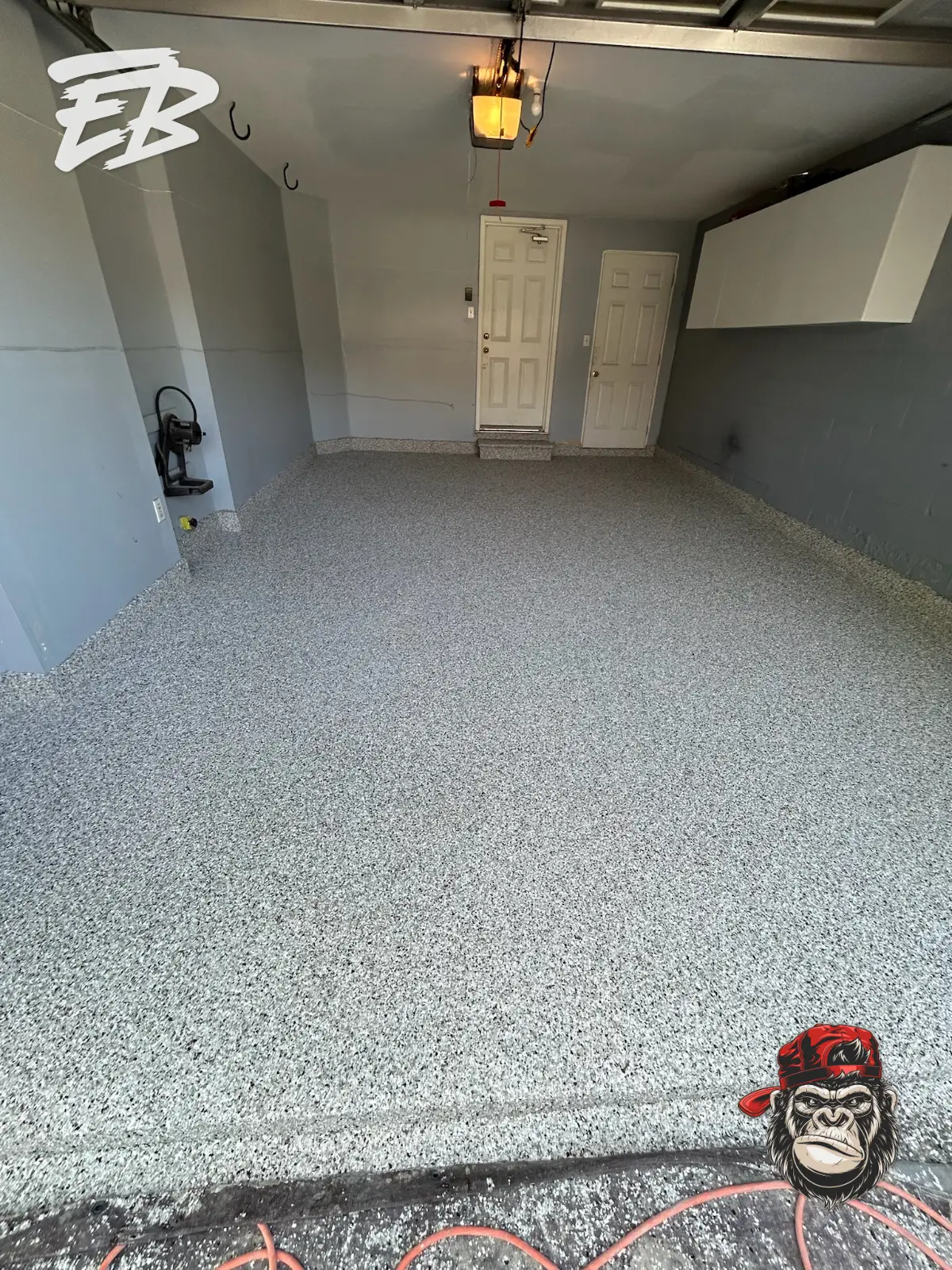
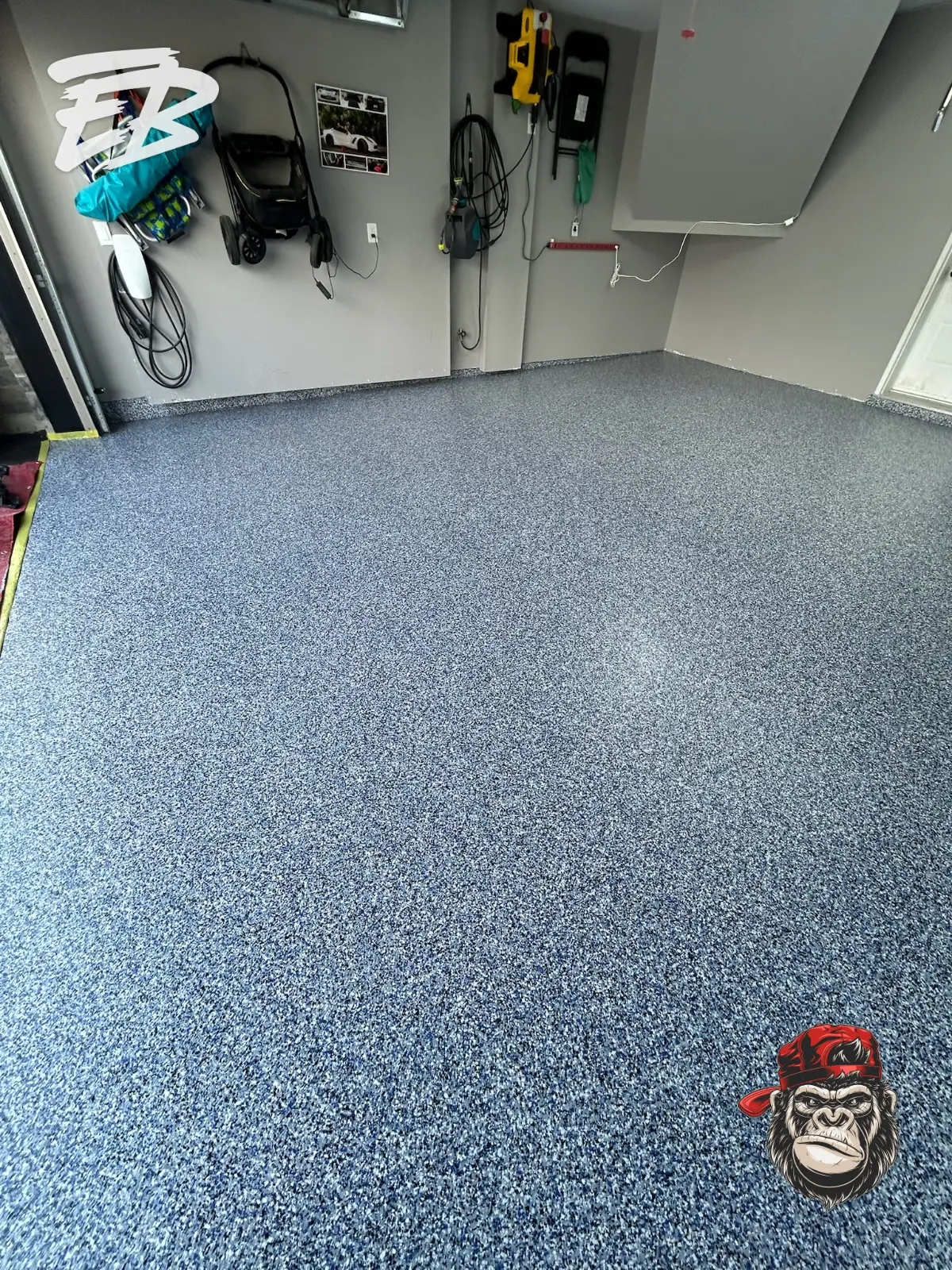
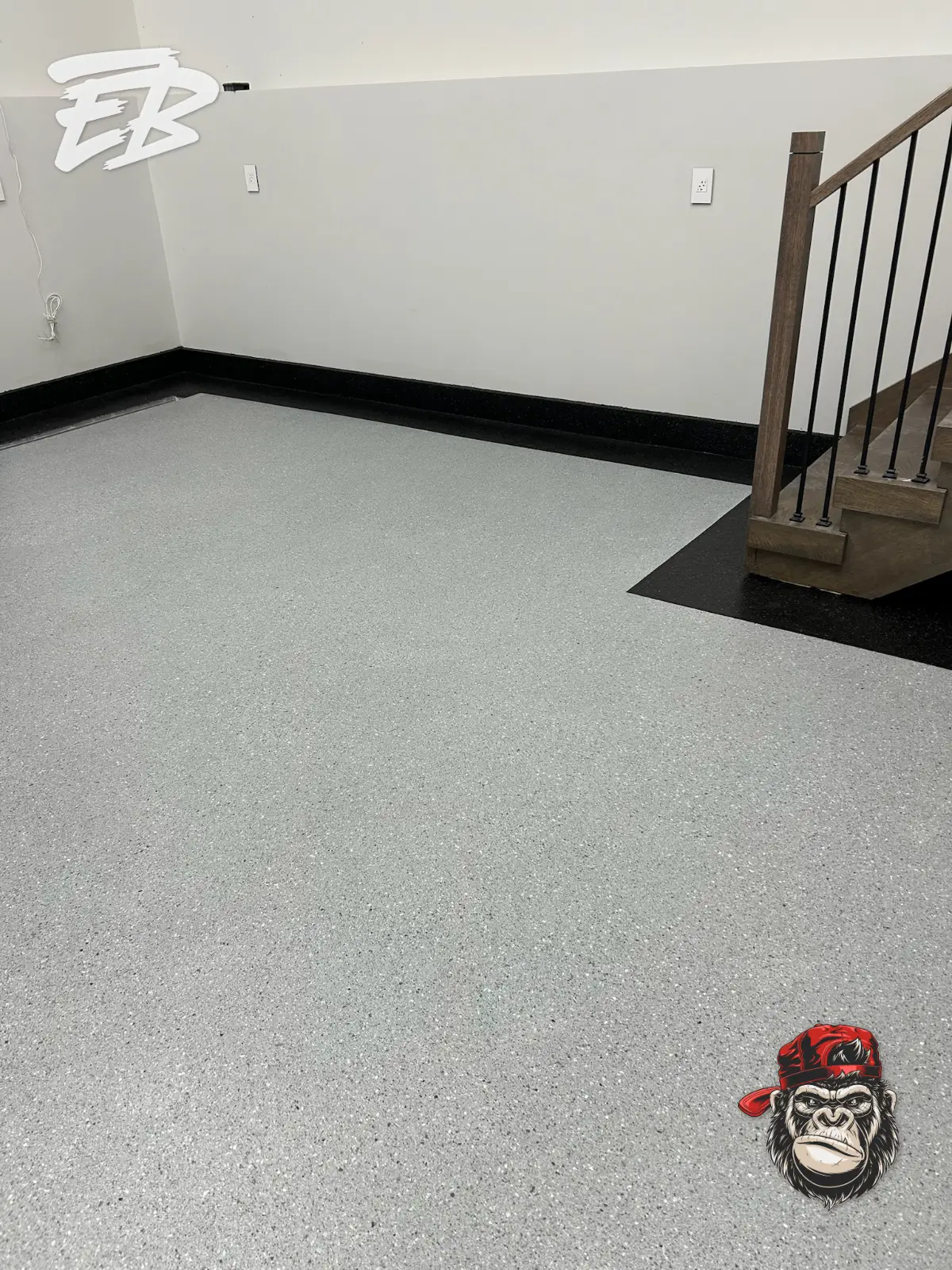
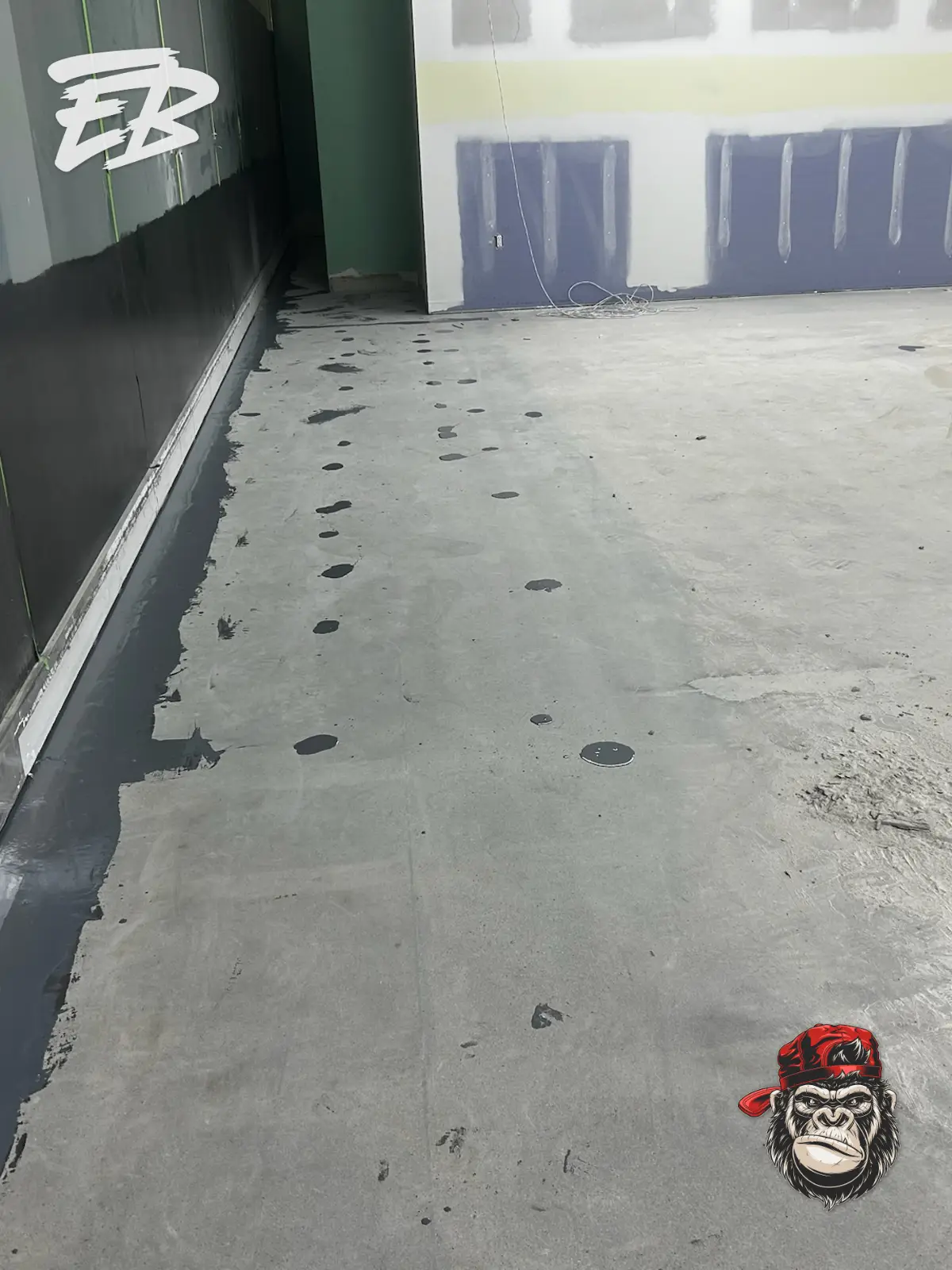
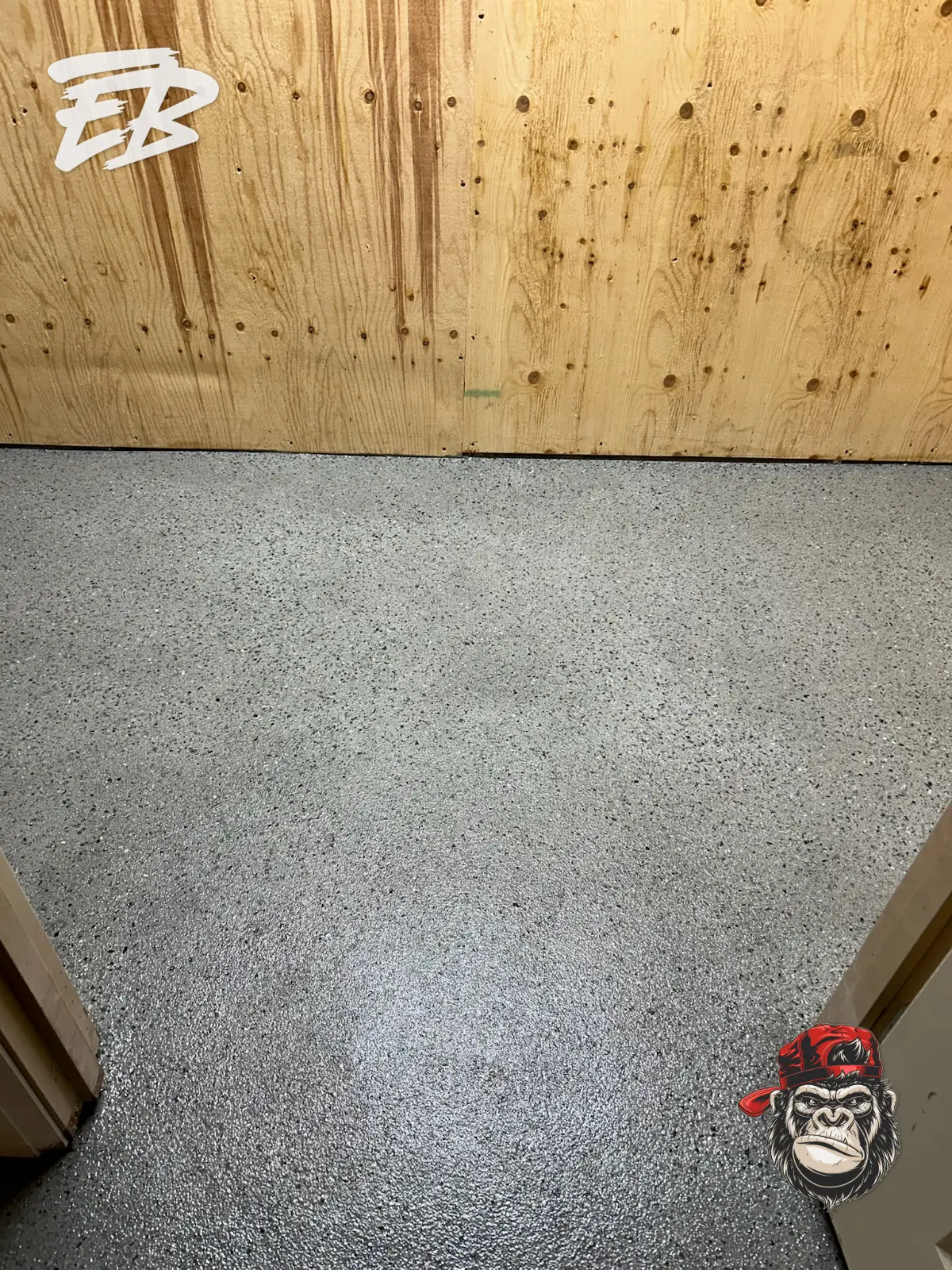
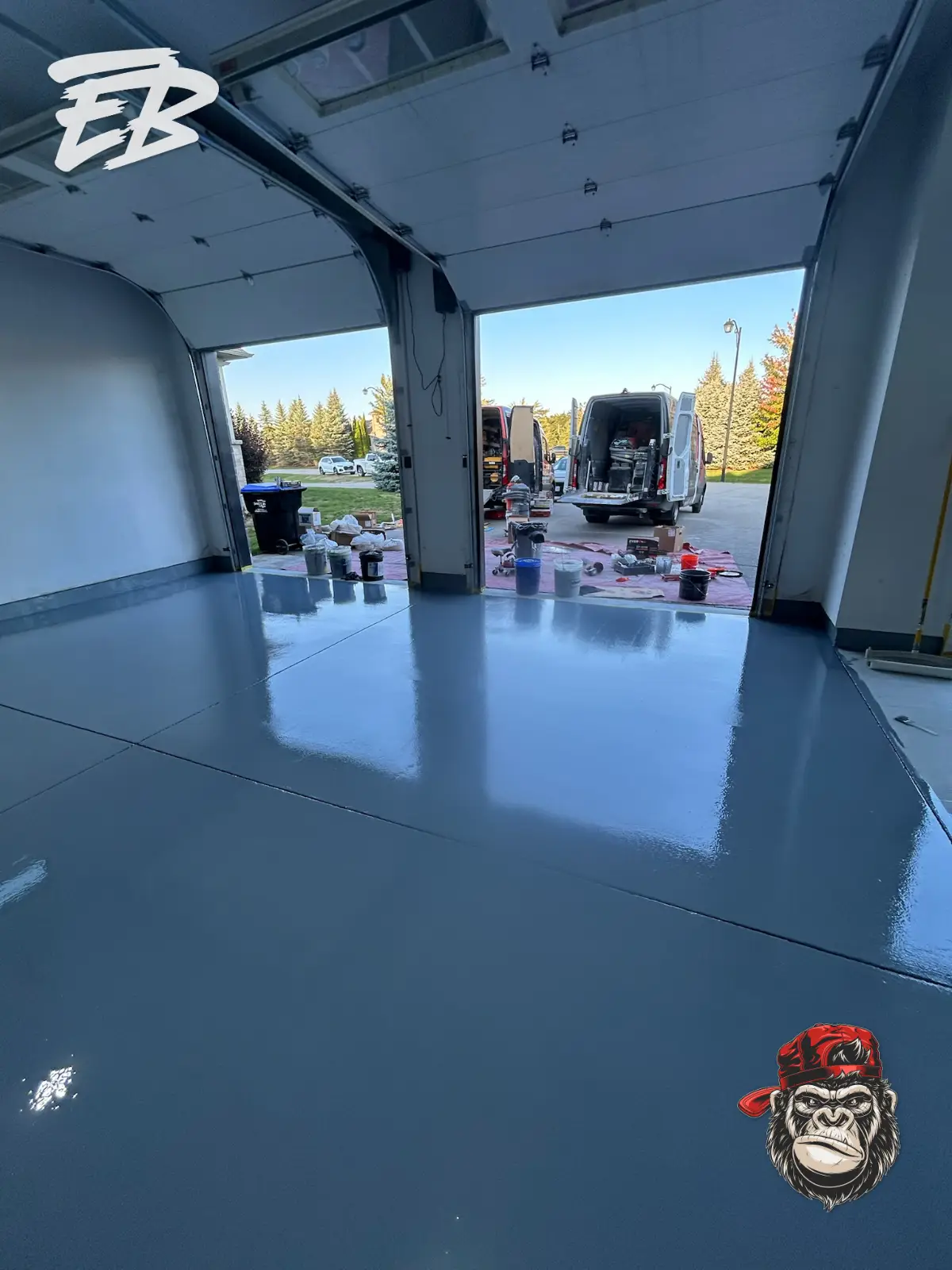
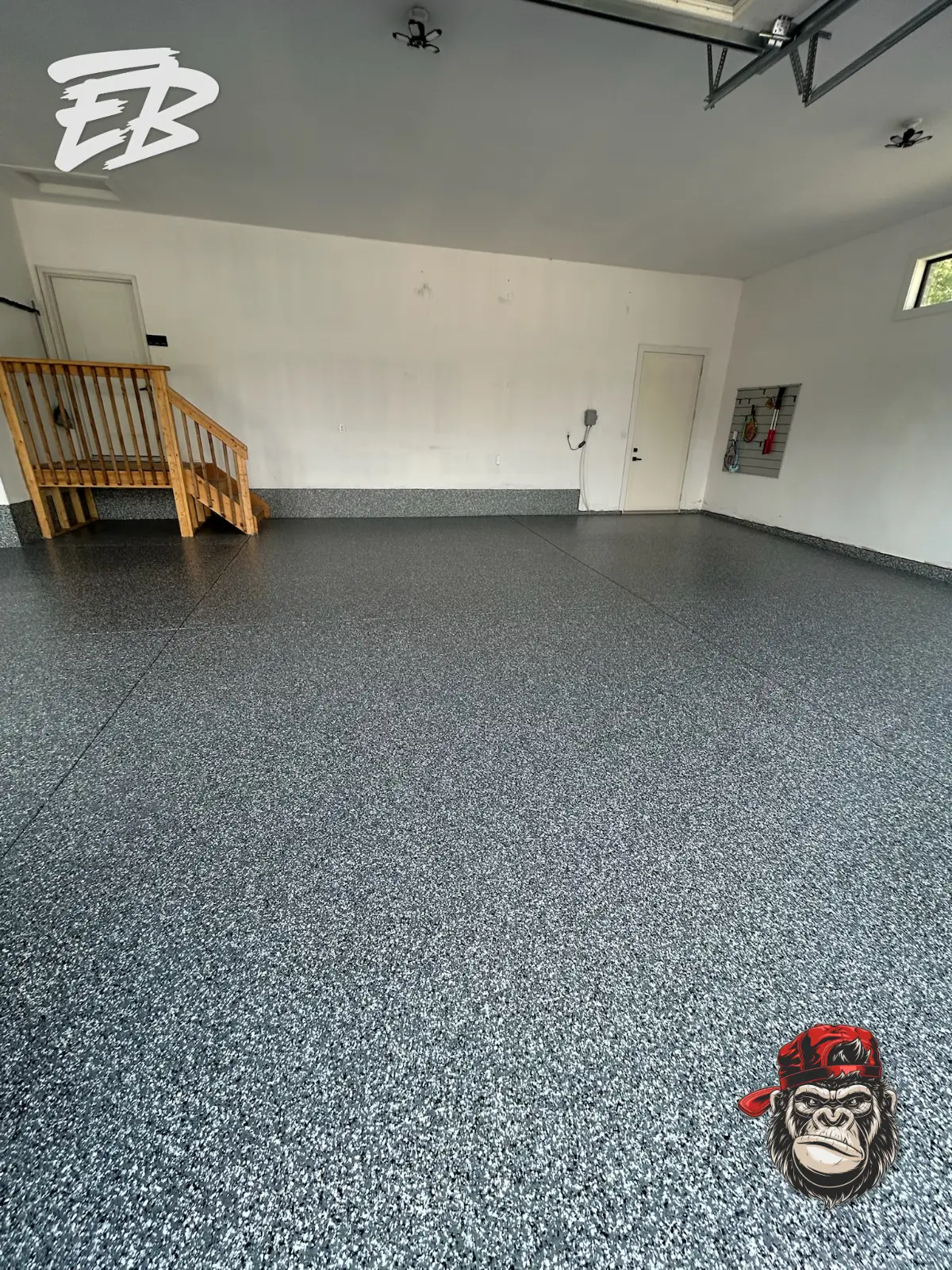
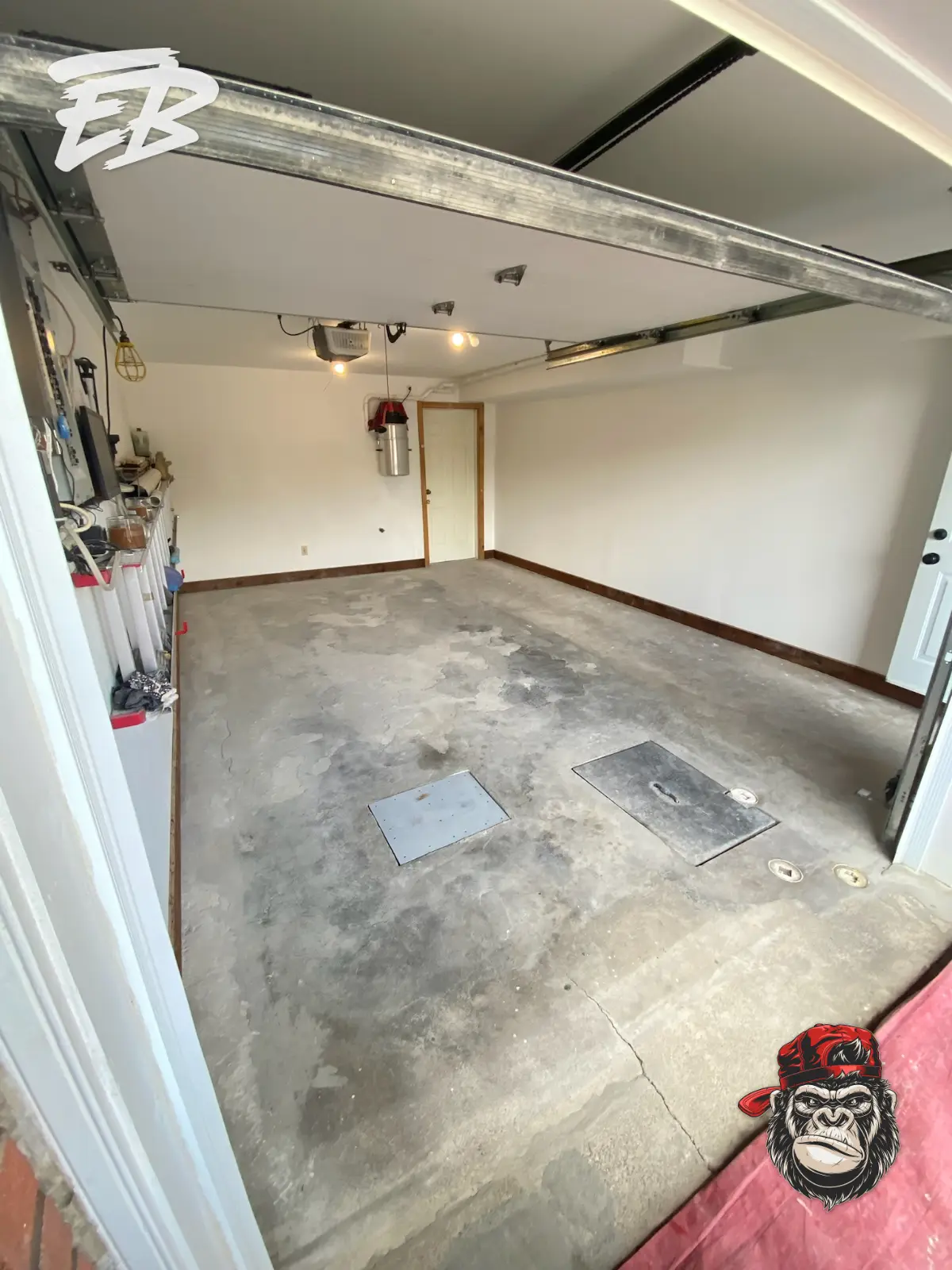
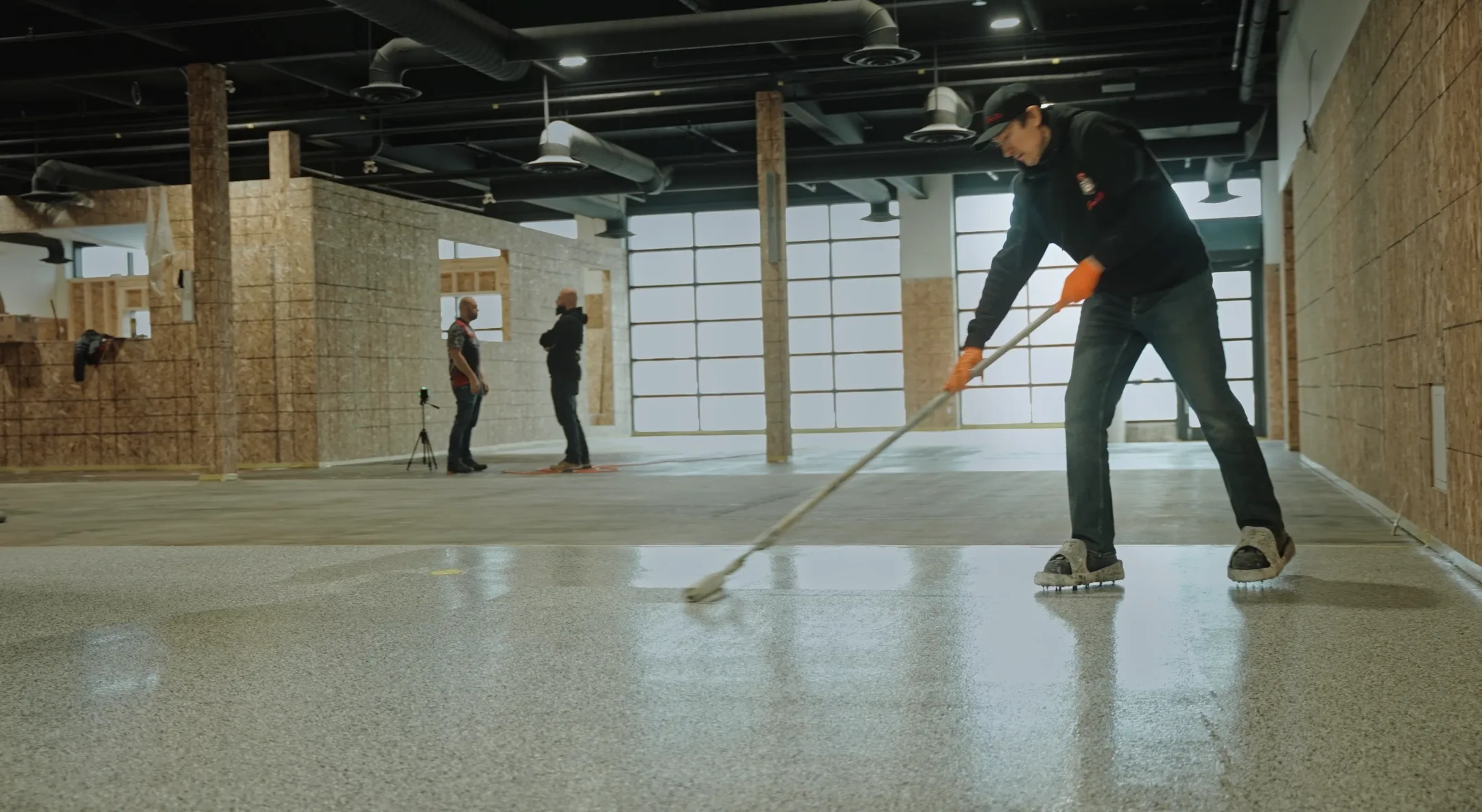
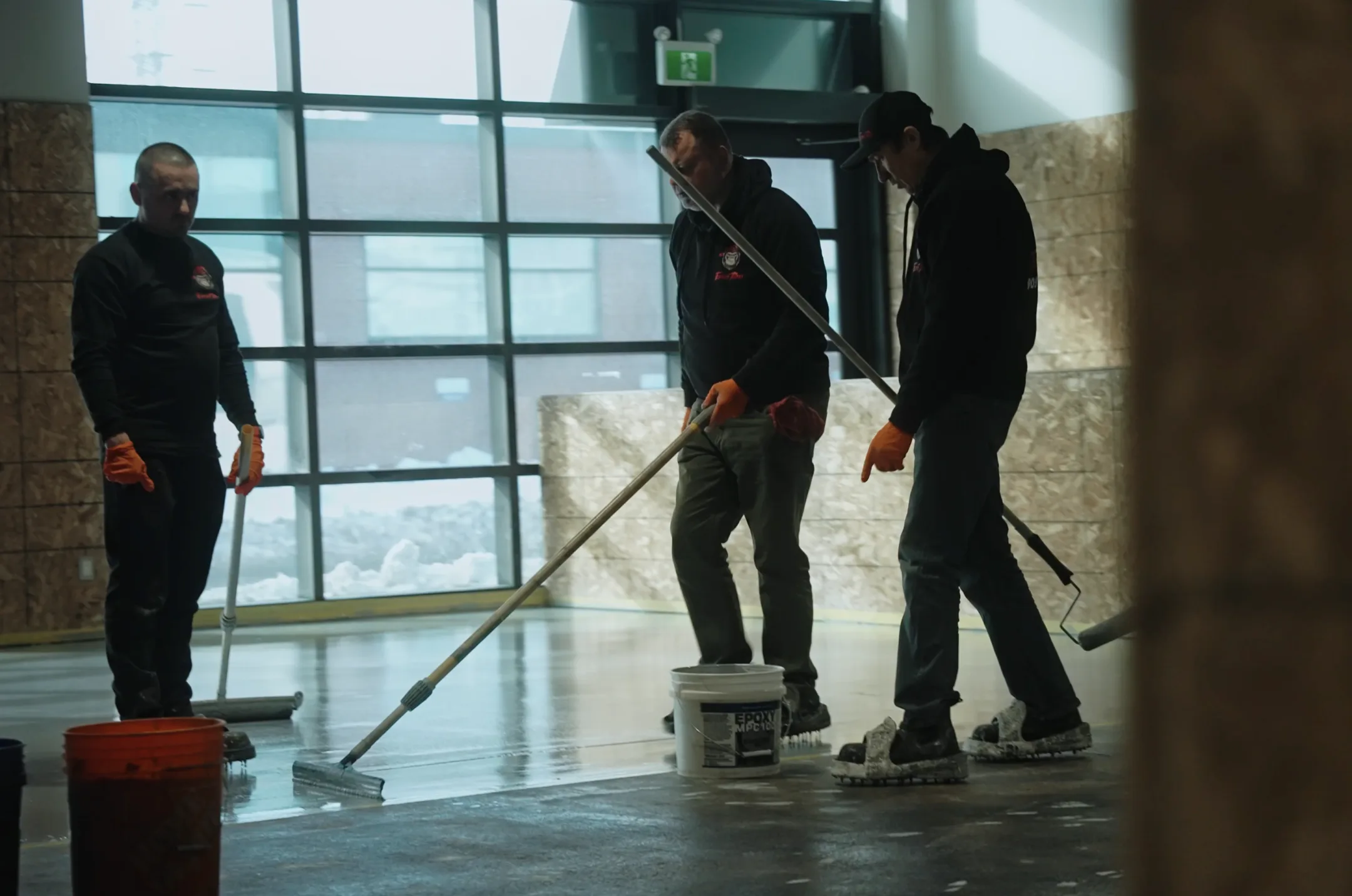
A typical system starts with mechanical preparation and repairs, then a base coat (polyaspartic, polyurea or epoxy), a full broadcast of decorative flake or quartz, scraping and cleaning, and one or more clear polyaspartic topcoats. Where traction matters, an anti-slip aggregate can be added to the topcoat. Fast cure means the installers must work quickly and the slab must be well prepared, because there is less time for the material to wet into the concrete.
Where it fits
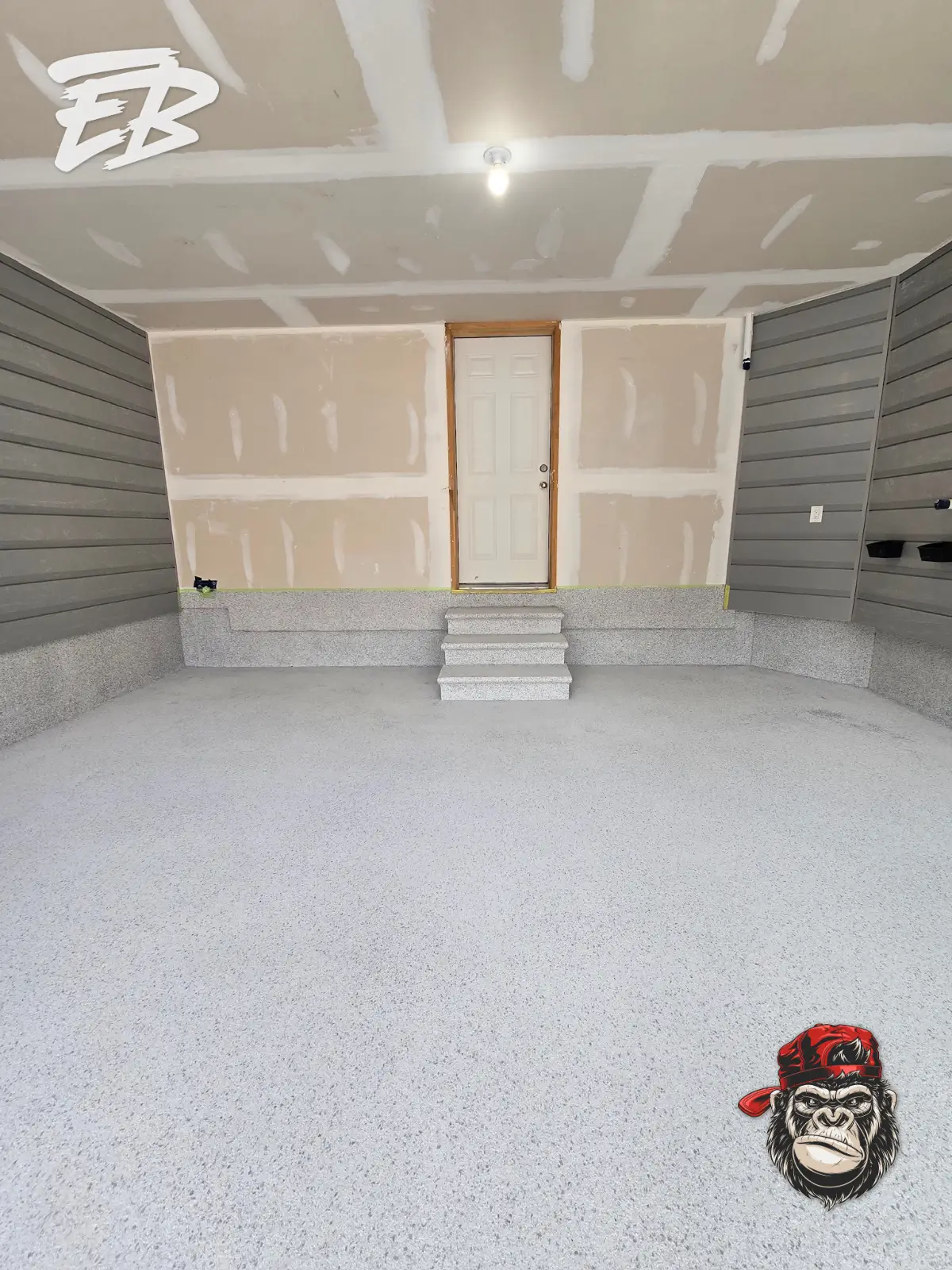
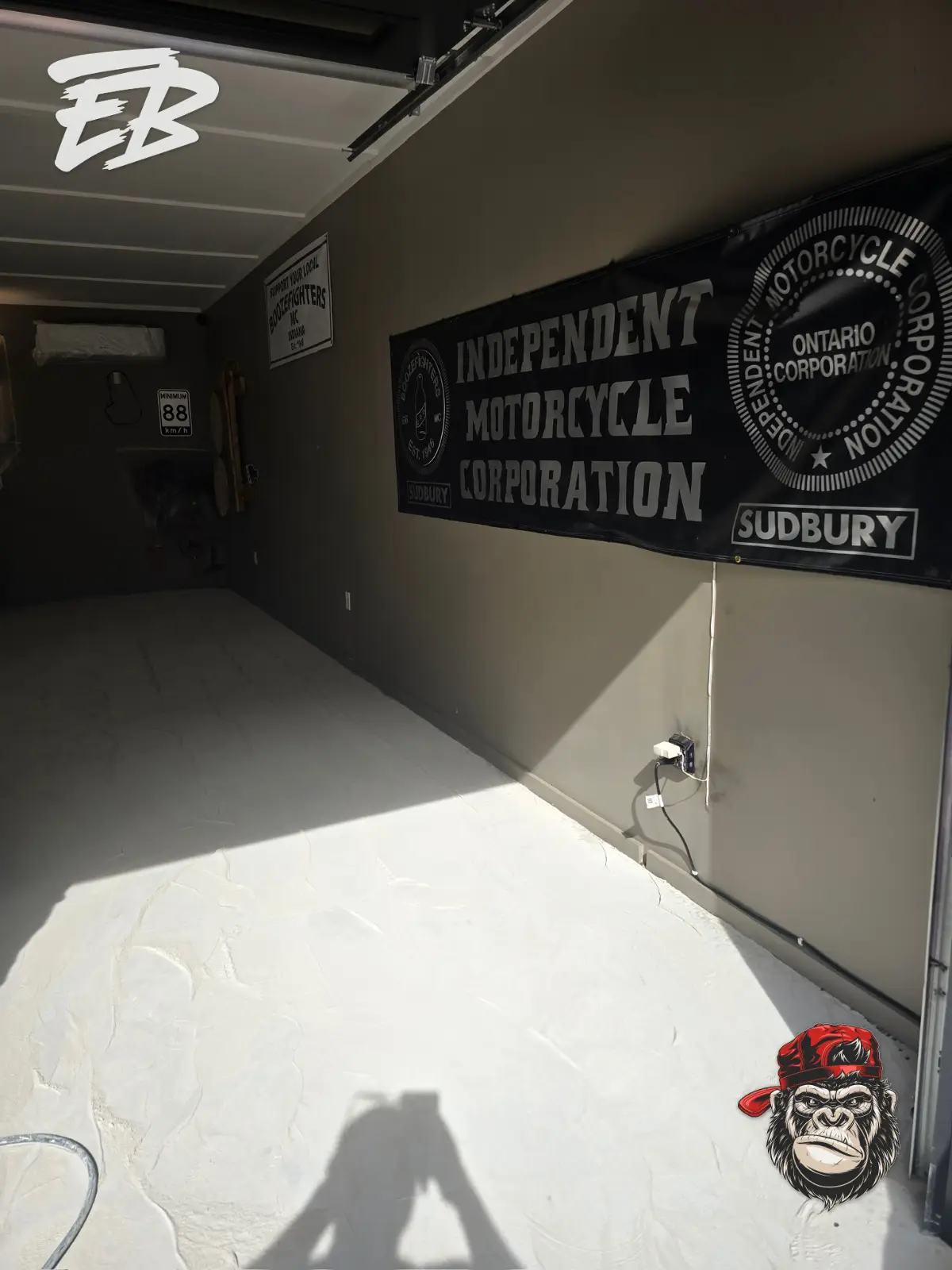
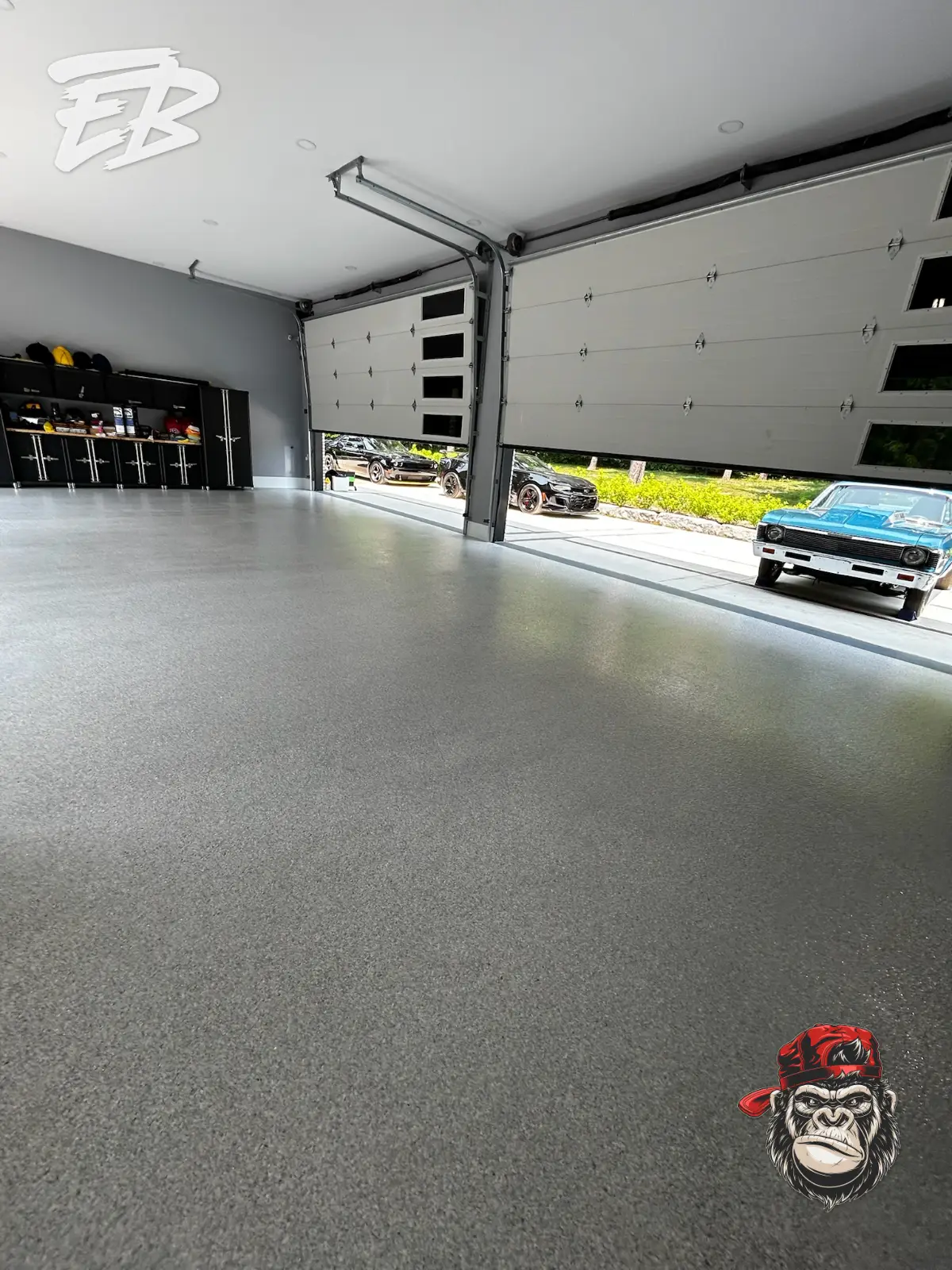
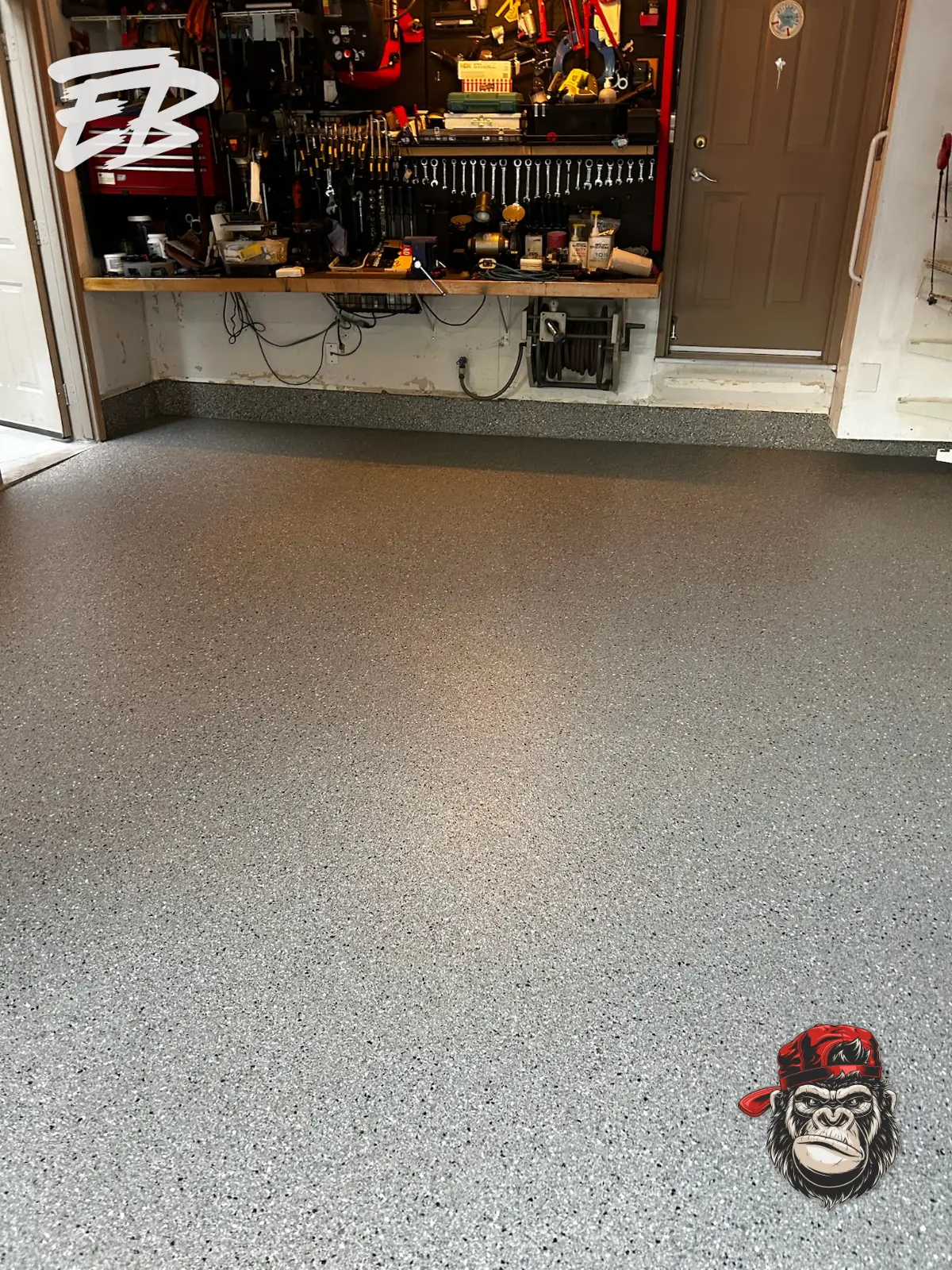
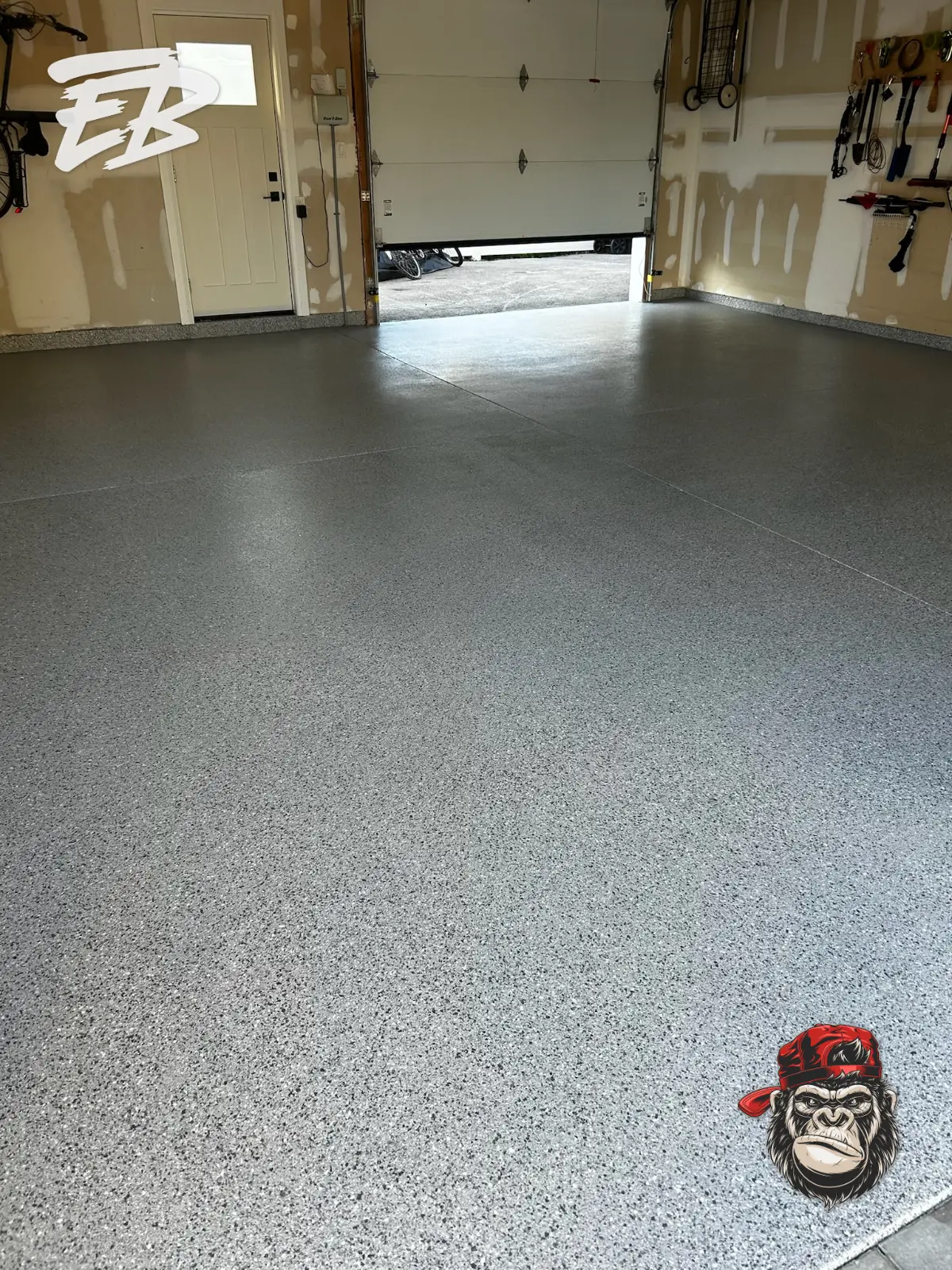
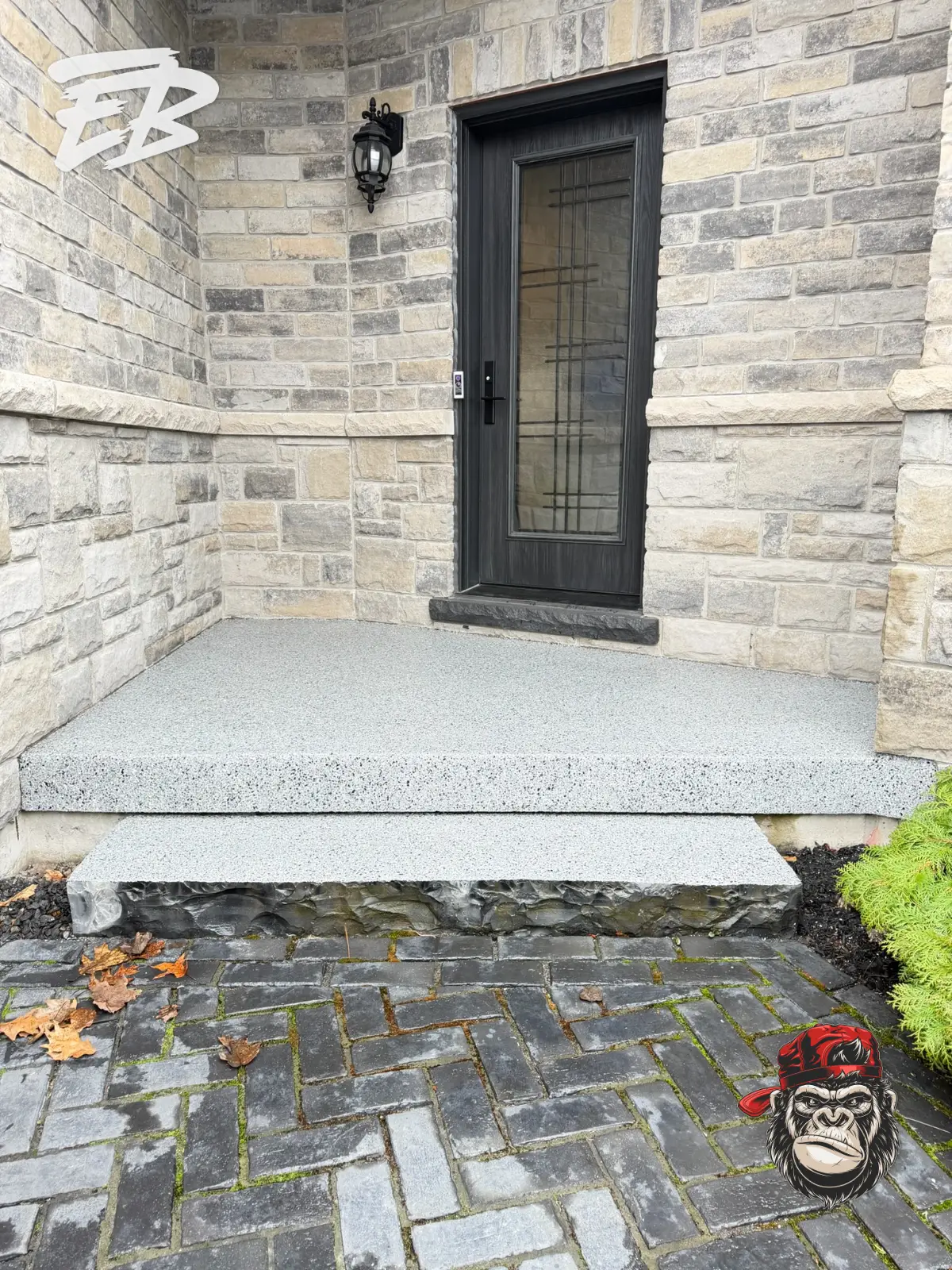
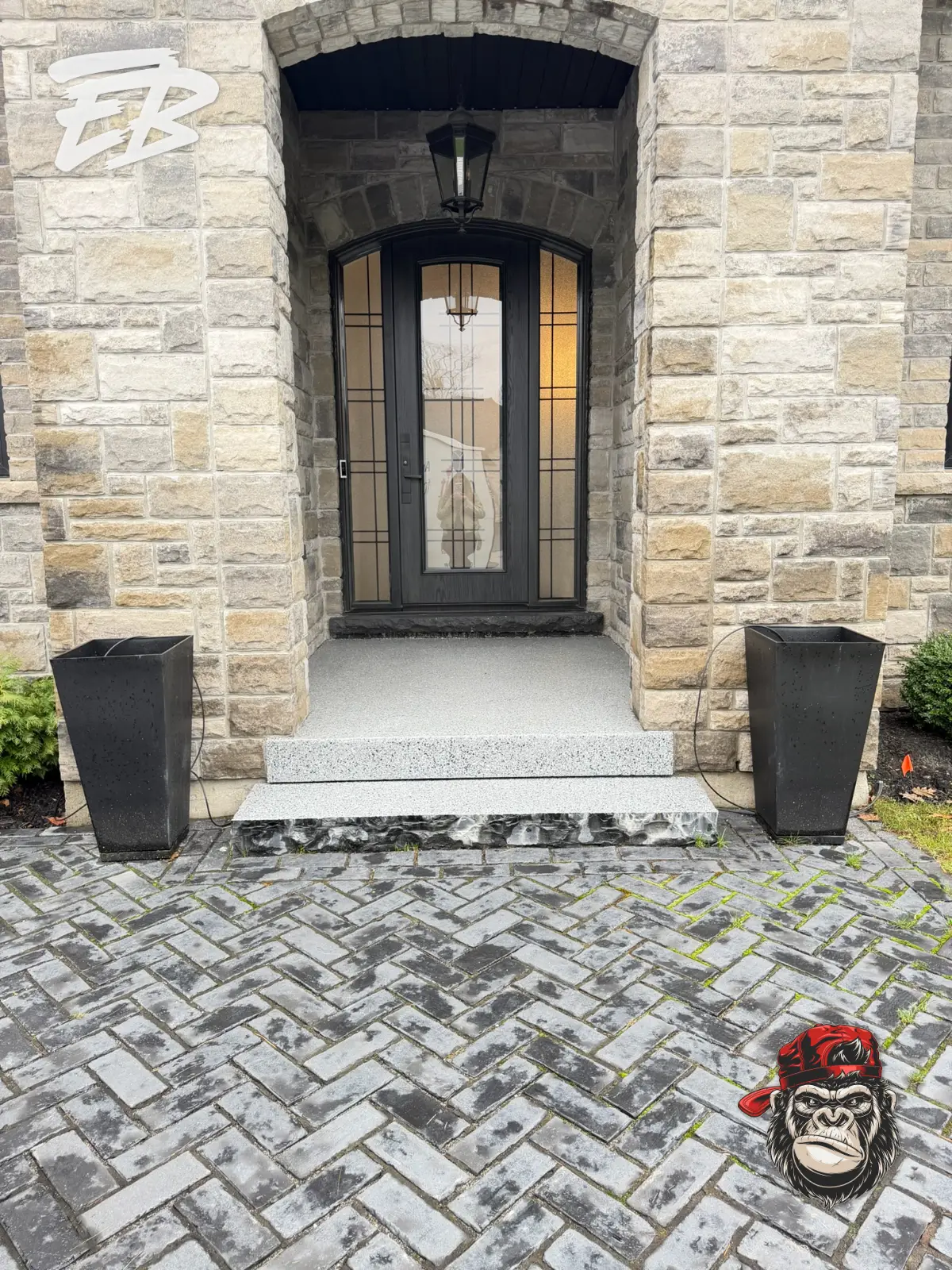
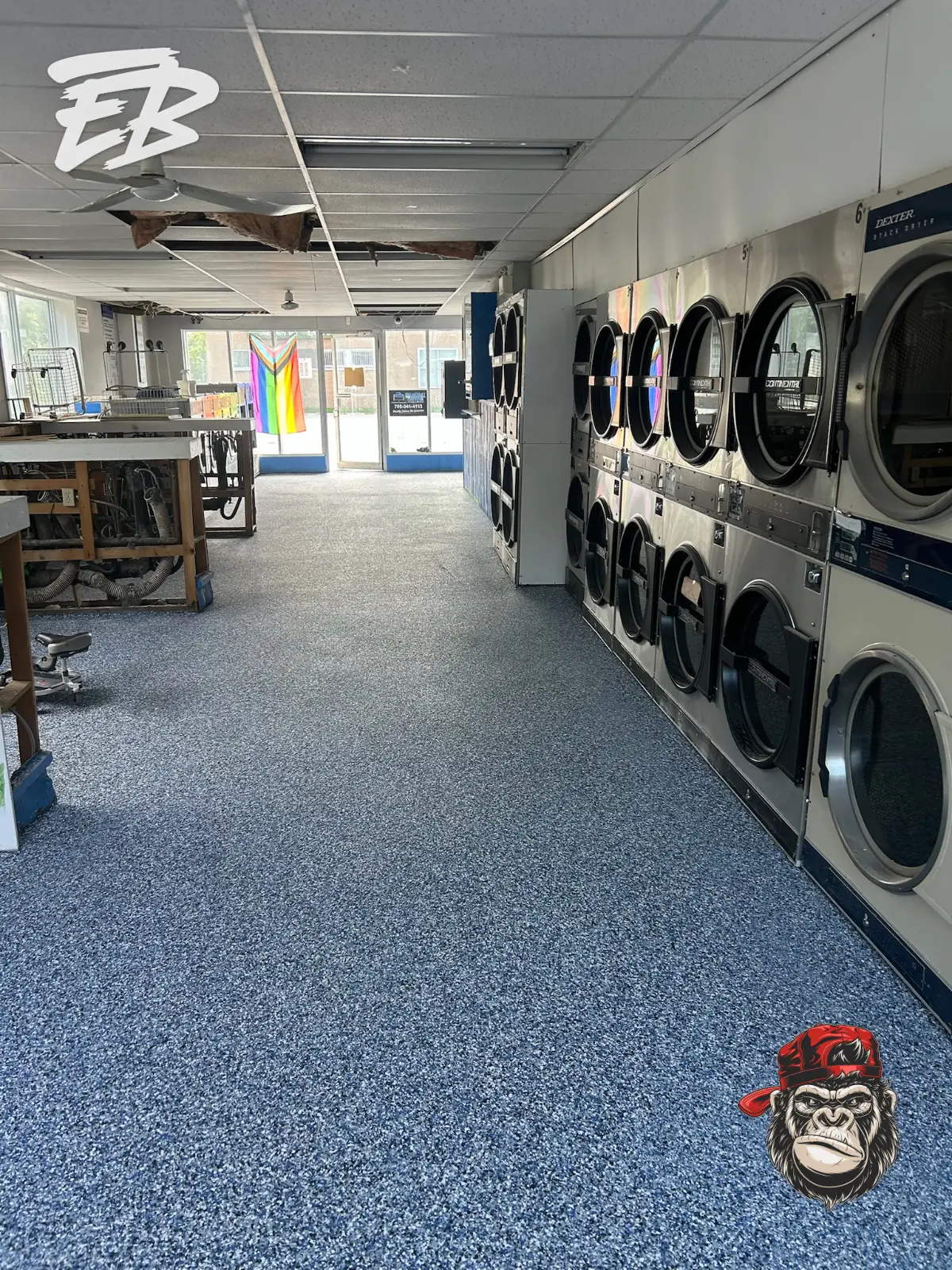
Polyaspartic topcoats are common on garage floors, porches, patios and other exterior concrete, storefront areas with sun exposure and projects where downtime must be short. For thick industrial builds or heavy chemical exposure, other systems may be specified instead.
Common questions
Is polyaspartic better than epoxy?
Not universally. Polyaspartic is UV-stable and cures fast; epoxy builds thickness and bonds strongly at lower cost. Many floors use an epoxy or polyurea base with a polyaspartic topcoat.
How soon can I use the floor?
Light foot traffic is often possible within hours and vehicle traffic within a day or two, depending on the product, thickness and temperature. Cure times are confirmed for each project.
Tell us about sunlight, cleaning, traffic and the work window. We will explain the proposed layers and cure conditions so you can compare the assembly with other flooring options.
This is part of our concrete coating service. Related work: epoxy flooring systems, fast-cure flooring systems and UV-stable floor coatings.
Further reading: Epoxy vs Polyaspartic for a Vaughan Garage: What Each One Actually Does and Cure Times vs. Temperature & Humidity: Why Your Floor Depends on More Than Just the Mix.