(905) 775-5901Talk to an estimator
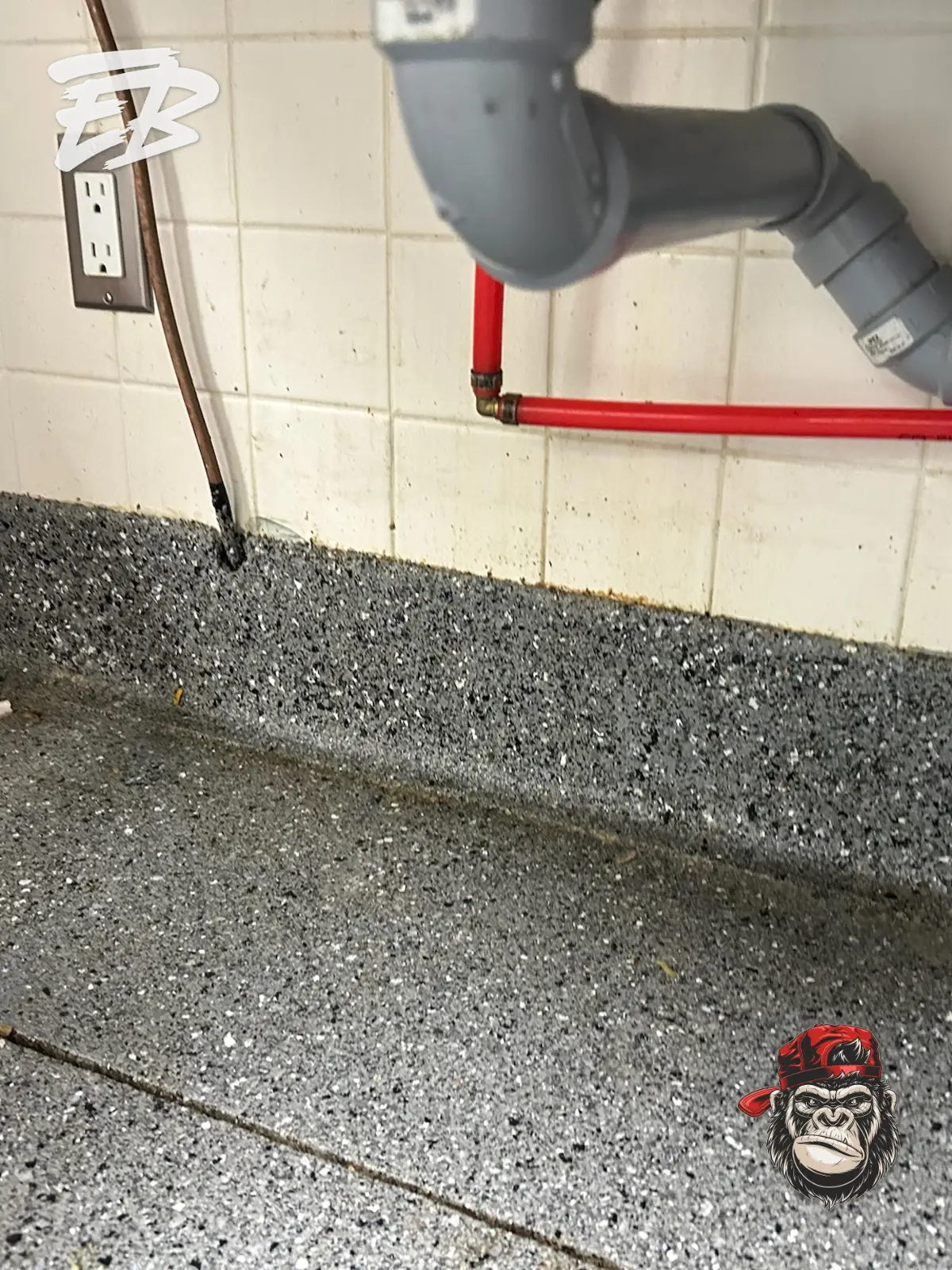
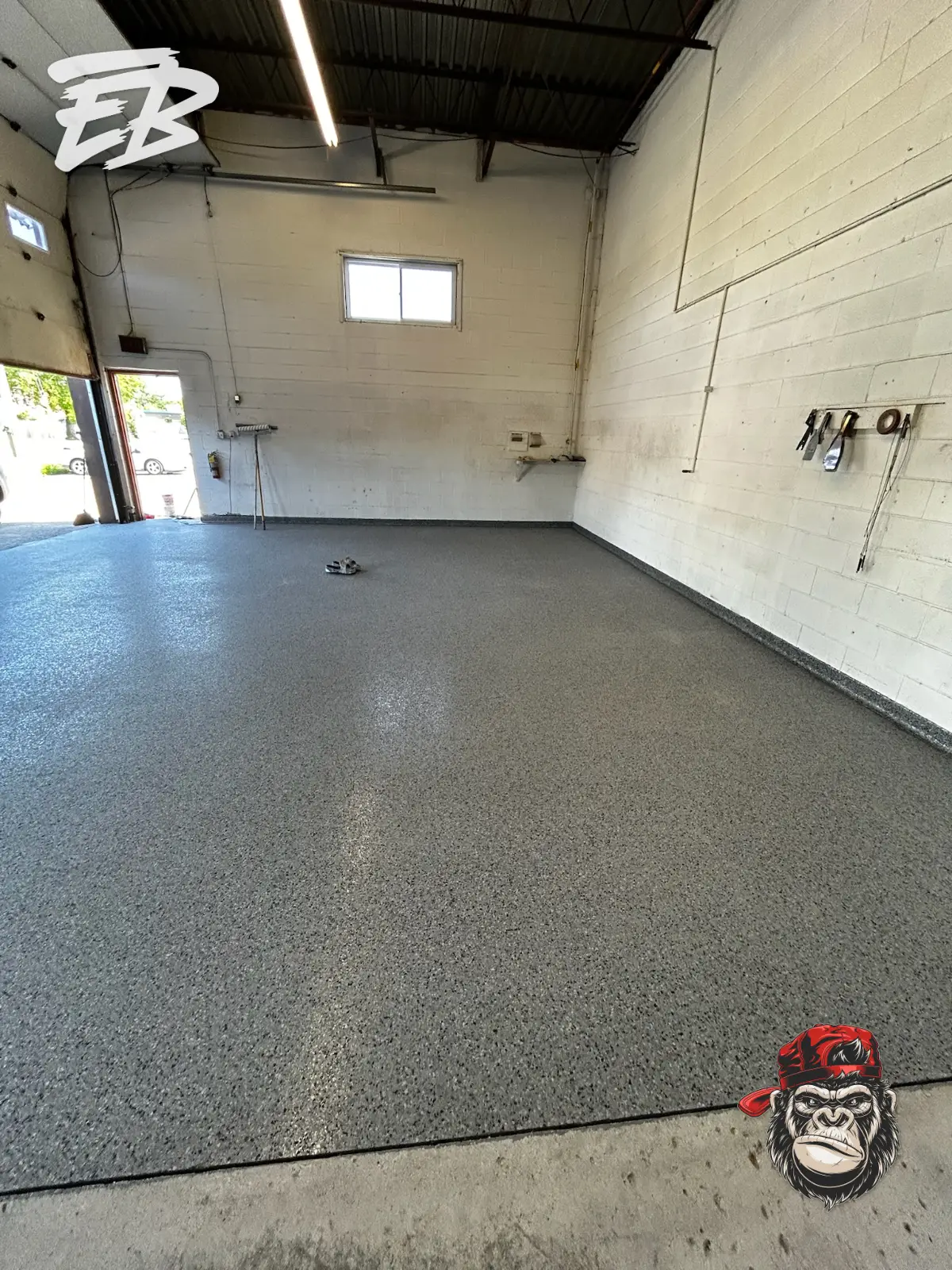
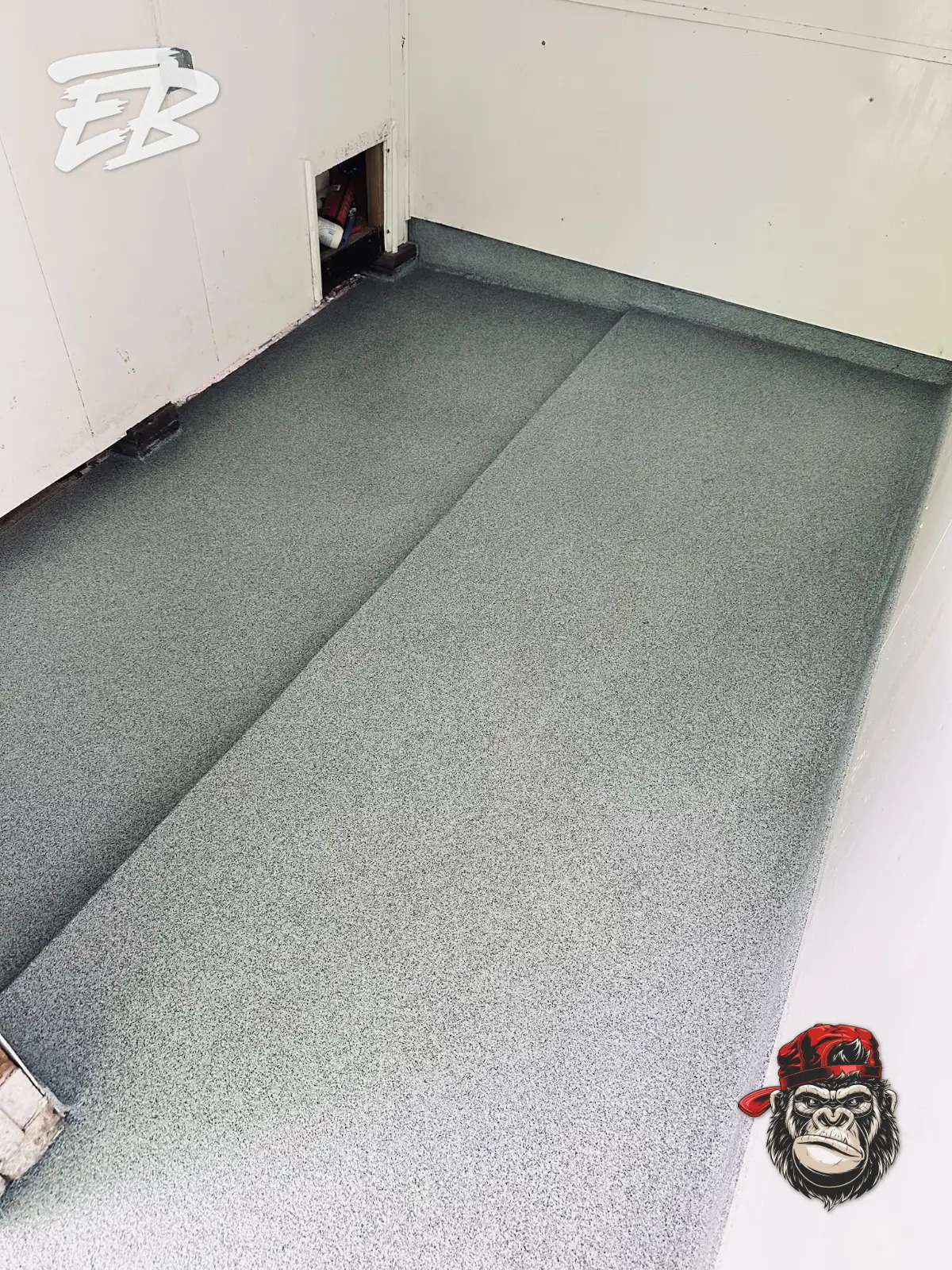
Epoxy floor coating installation with decorative flakes

Epoxy Floor Coating Systems in Simcoe County & the GTA

Free Assessment
Epoxy flooring systems in Simcoe County and the GTA, selected around slab condition, traffic, appearance and the intended cleaning routine.

Get a Free Floor Assessment

Tell us what you need, leave your phone number, and add a photo of your floor if you want to. We'll get back to you within one business day.

What do you need?

Max file size 10MB.
Uploading...
fileuploaded.jpg
Upload failed. Max size for files is 10 MB.
Thank you! Your submission has been received!
Oops! Something went wrong while submitting the form.
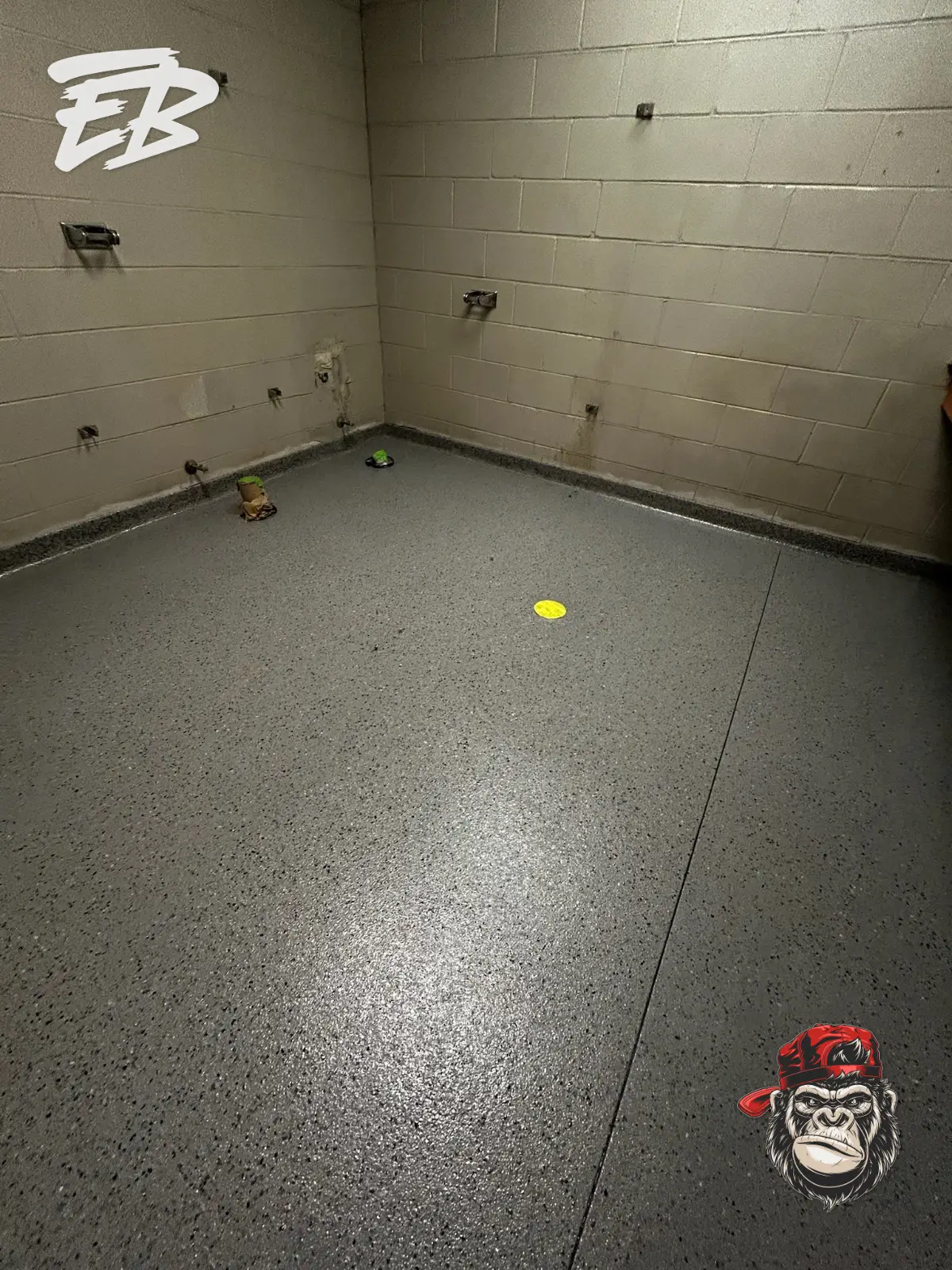
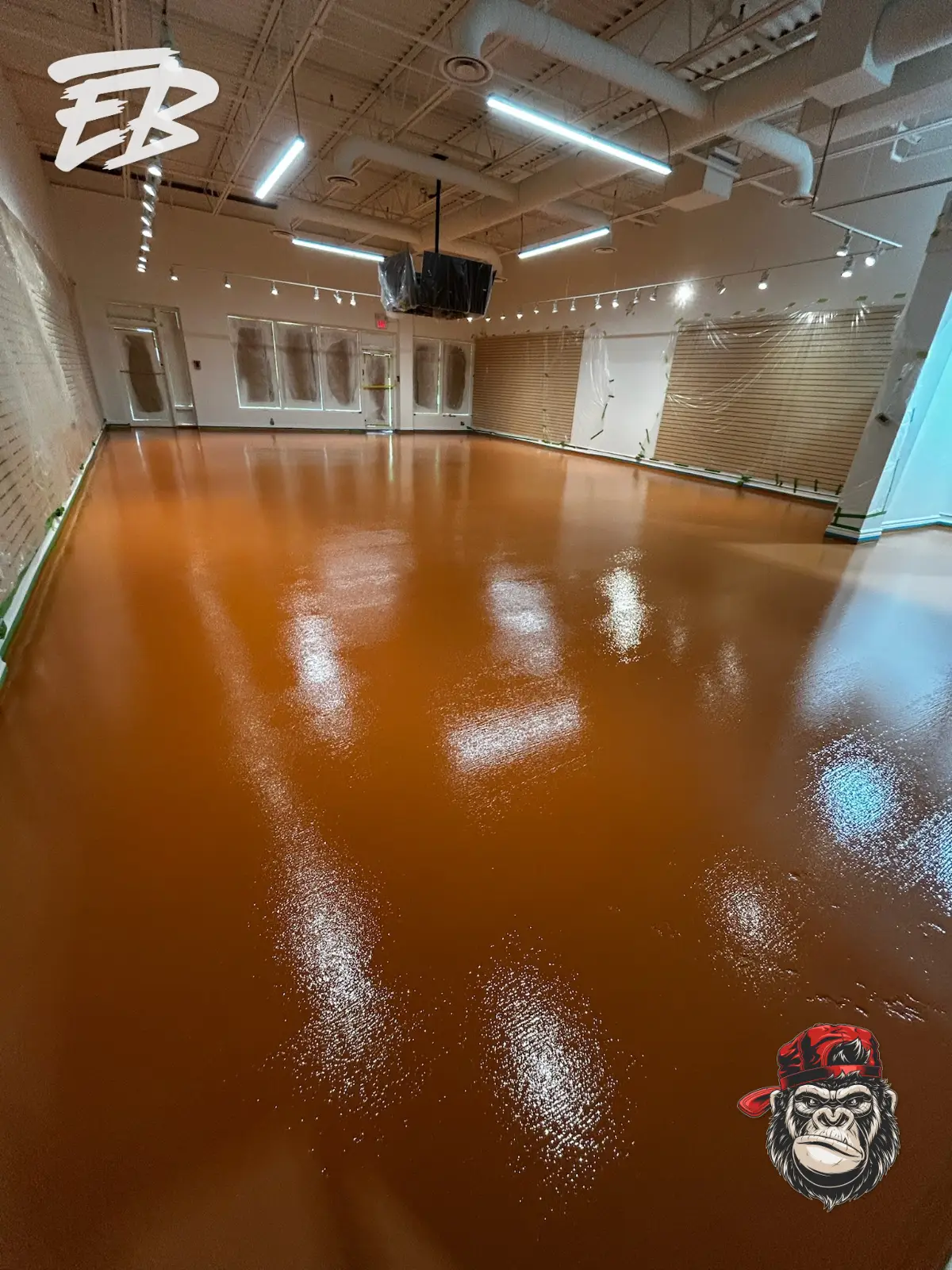
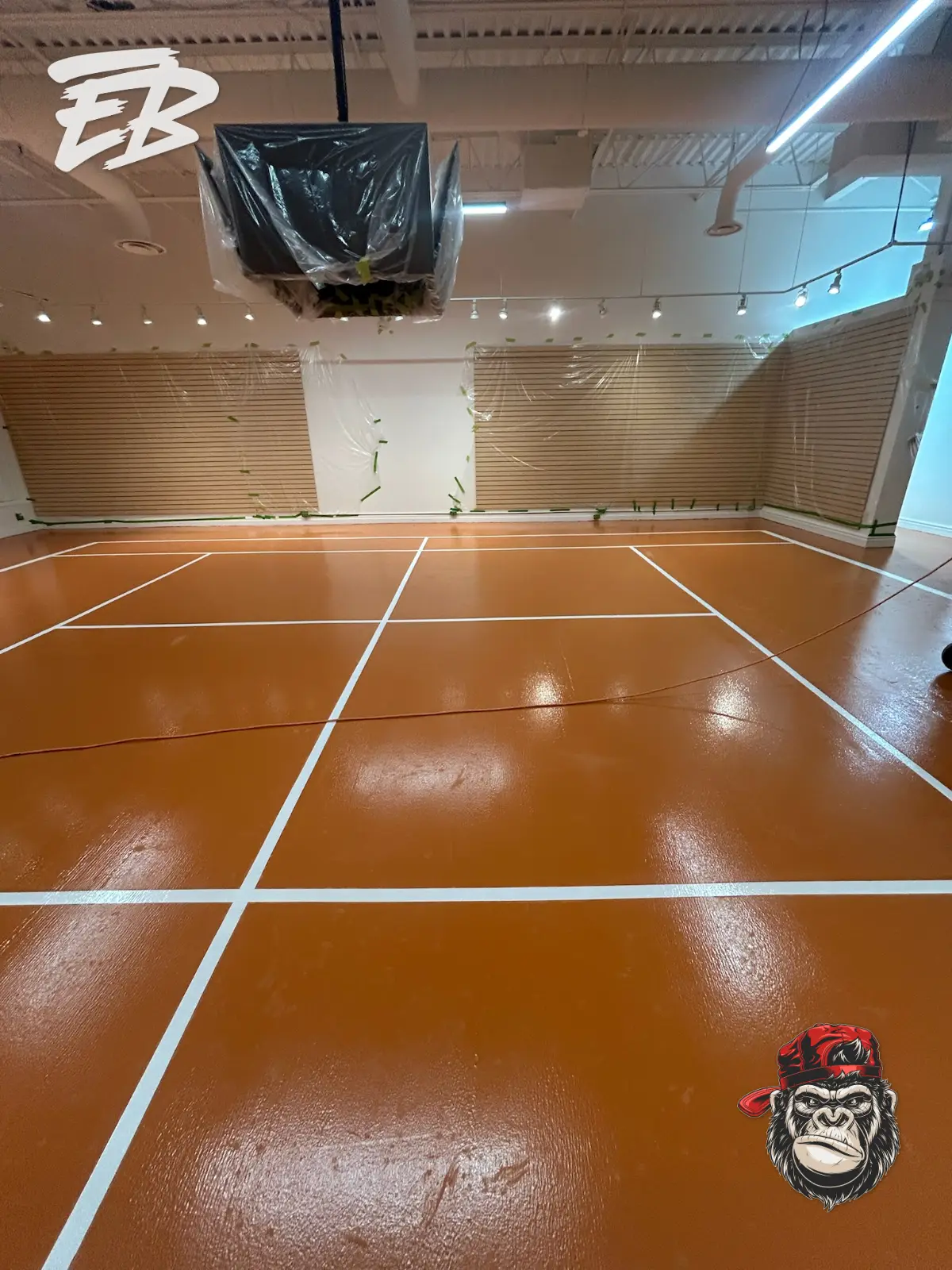
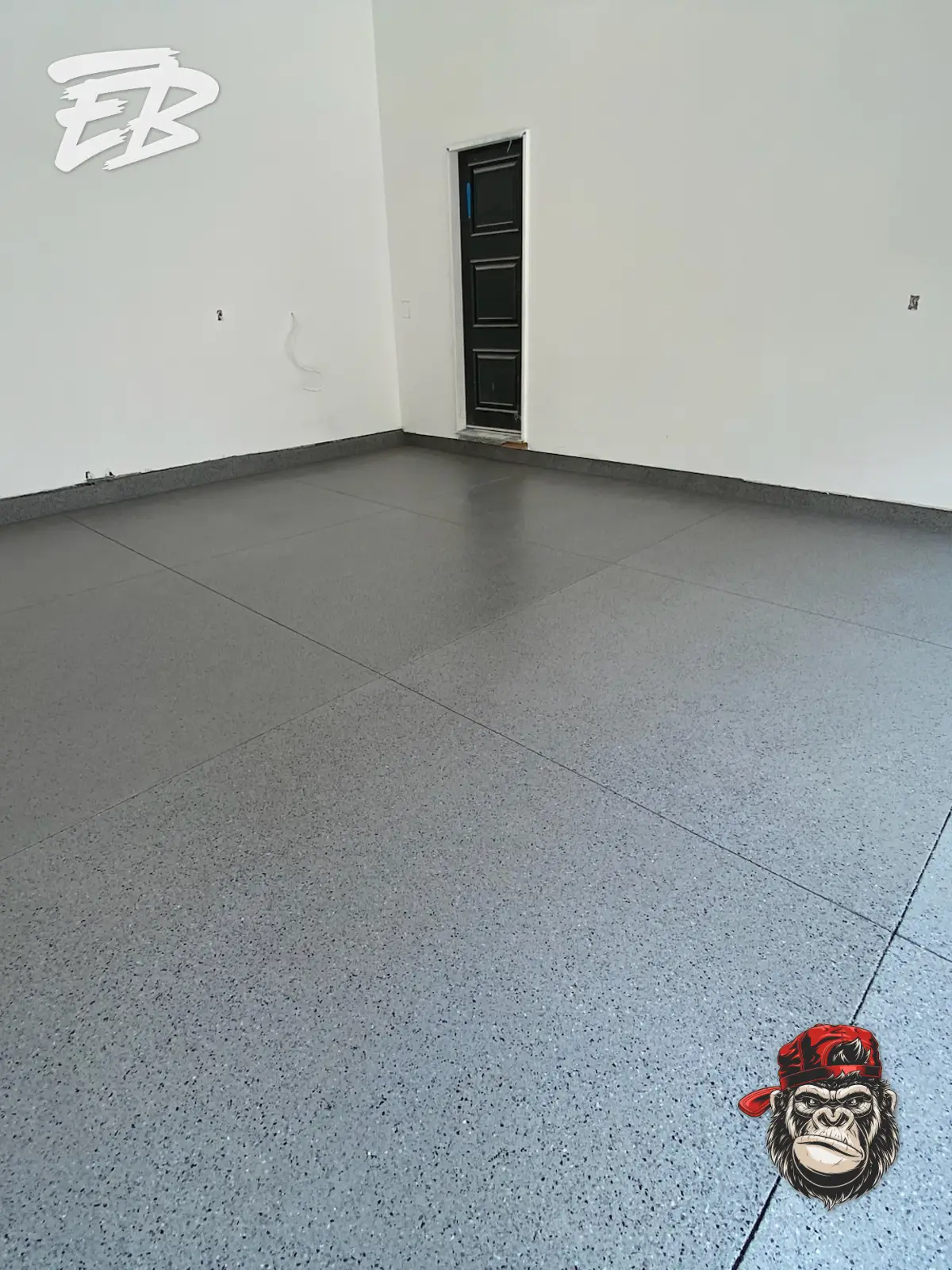
Heavy-duty epoxy flooring system installed by Epoxy Boss

Epoxy Flooring Systems

Epoxy is a family of resinous flooring materials rather than a single universal finish. Solid-colour, flake, quartz and decorative assemblies differ in build-up, appearance and application requirements.

The main epoxy floor types

  • Solid-colour epoxy: a clean, uniform finish for workshops, storage, back-of-house and utility rooms.
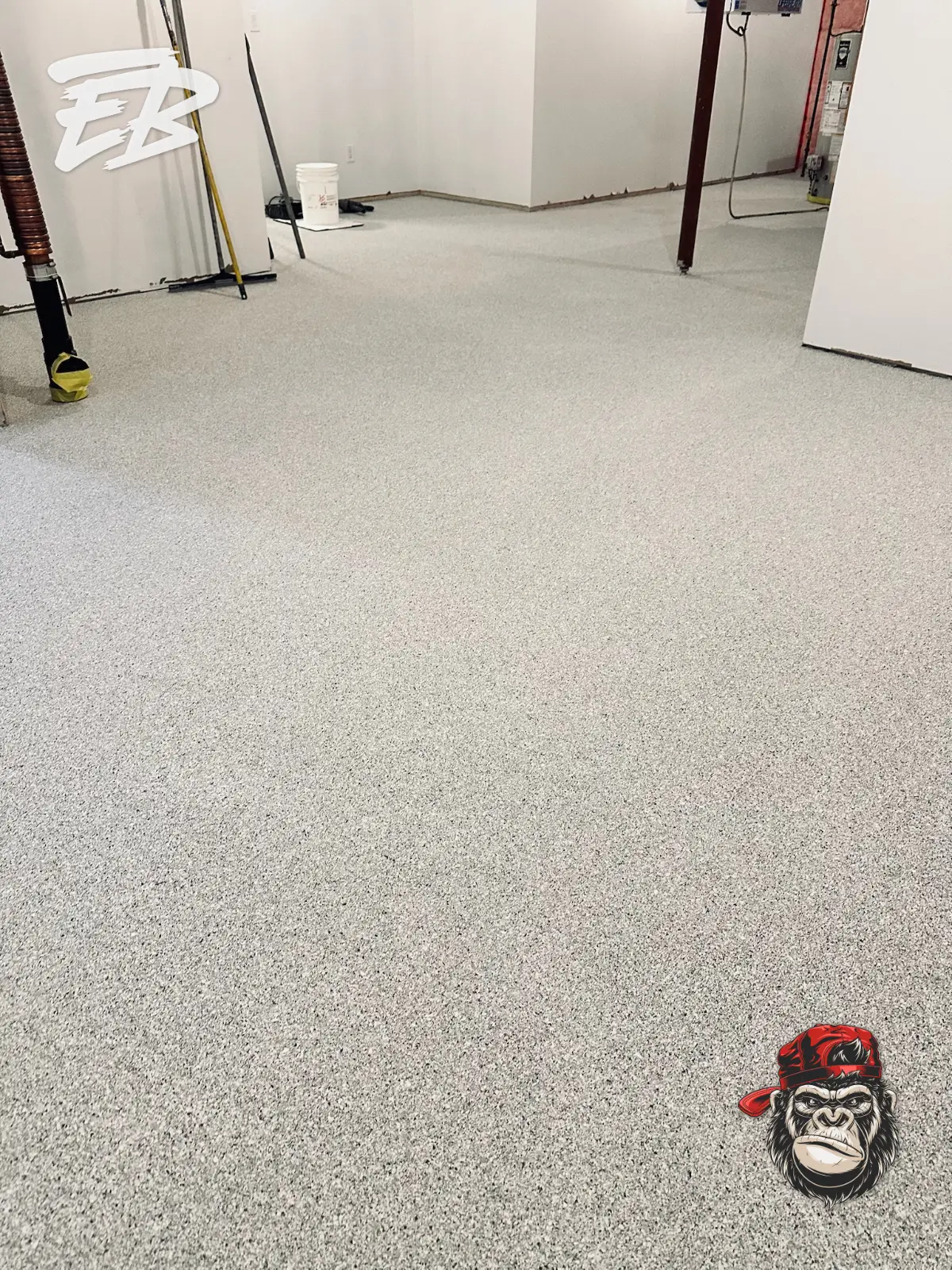
  • Flake epoxy: decorative vinyl chips broadcast into the base coat for texture, colour variation and hiding everyday dirt; common in garages and basements.
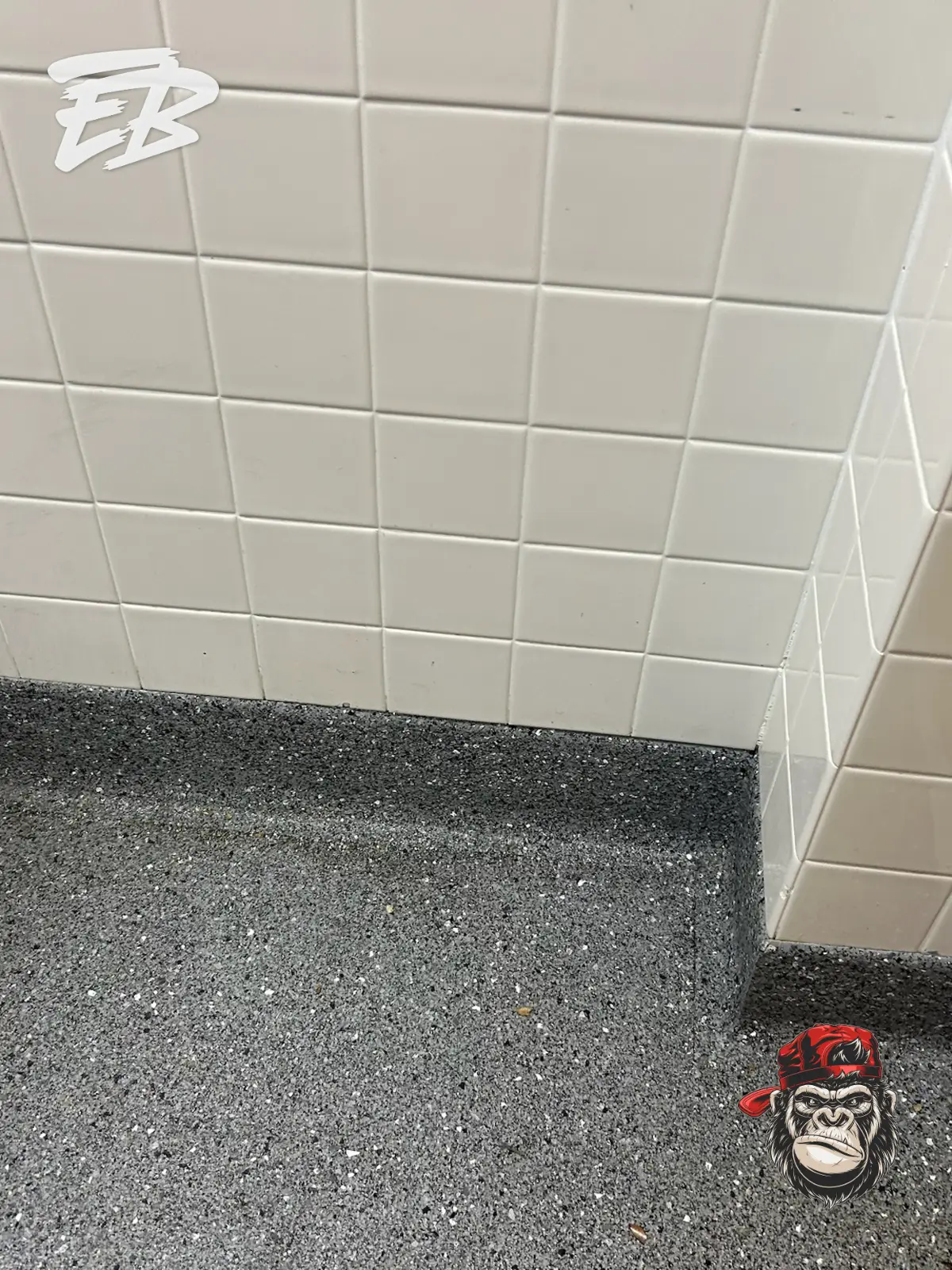
  • Quartz broadcast: coloured quartz sand built into the system for a harder-wearing, textured surface in commercial kitchens, washrooms and busy corridors.
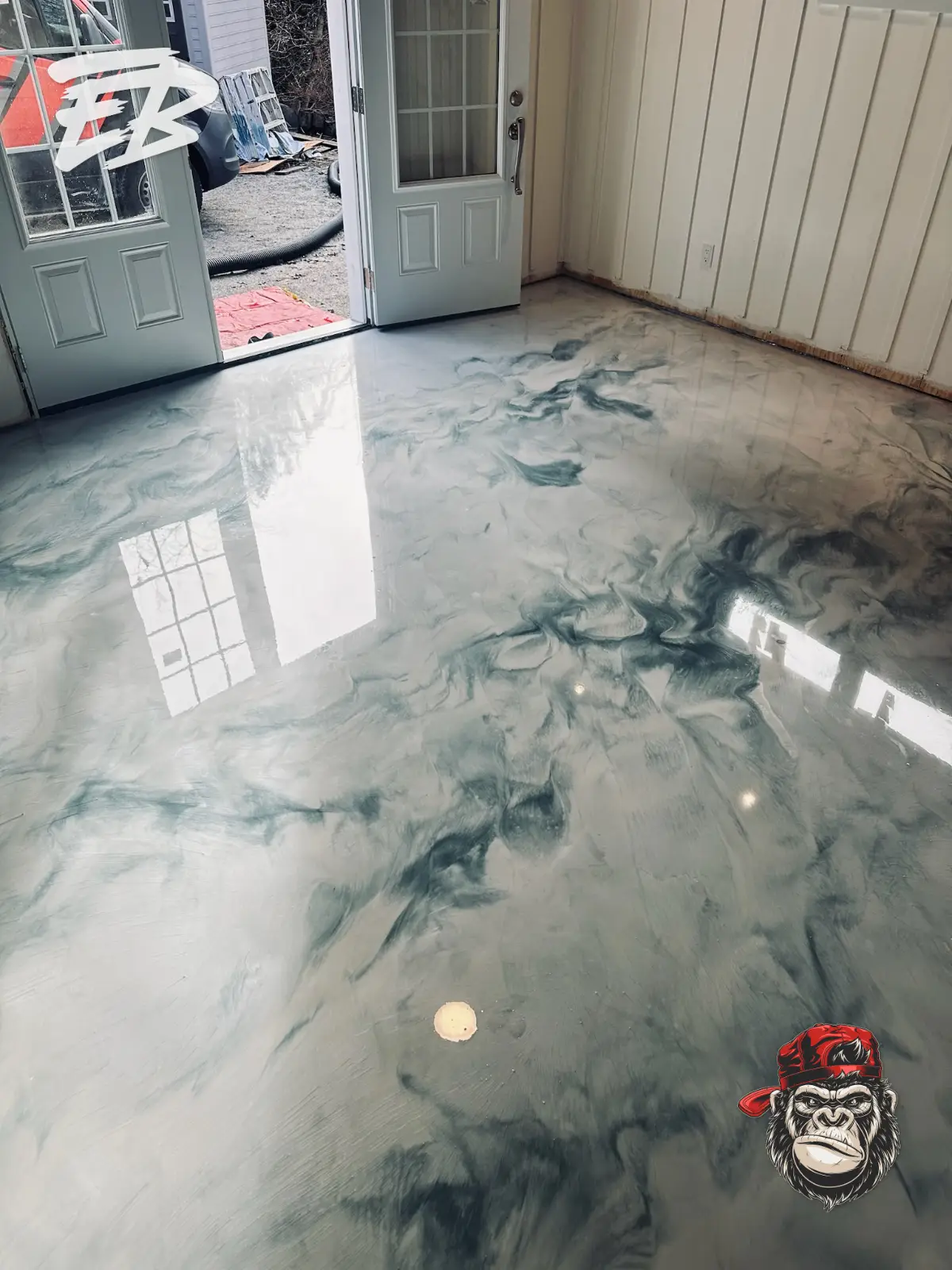
  • Metallic epoxy: a decorative, marbled finish for showrooms, retail and feature rooms.
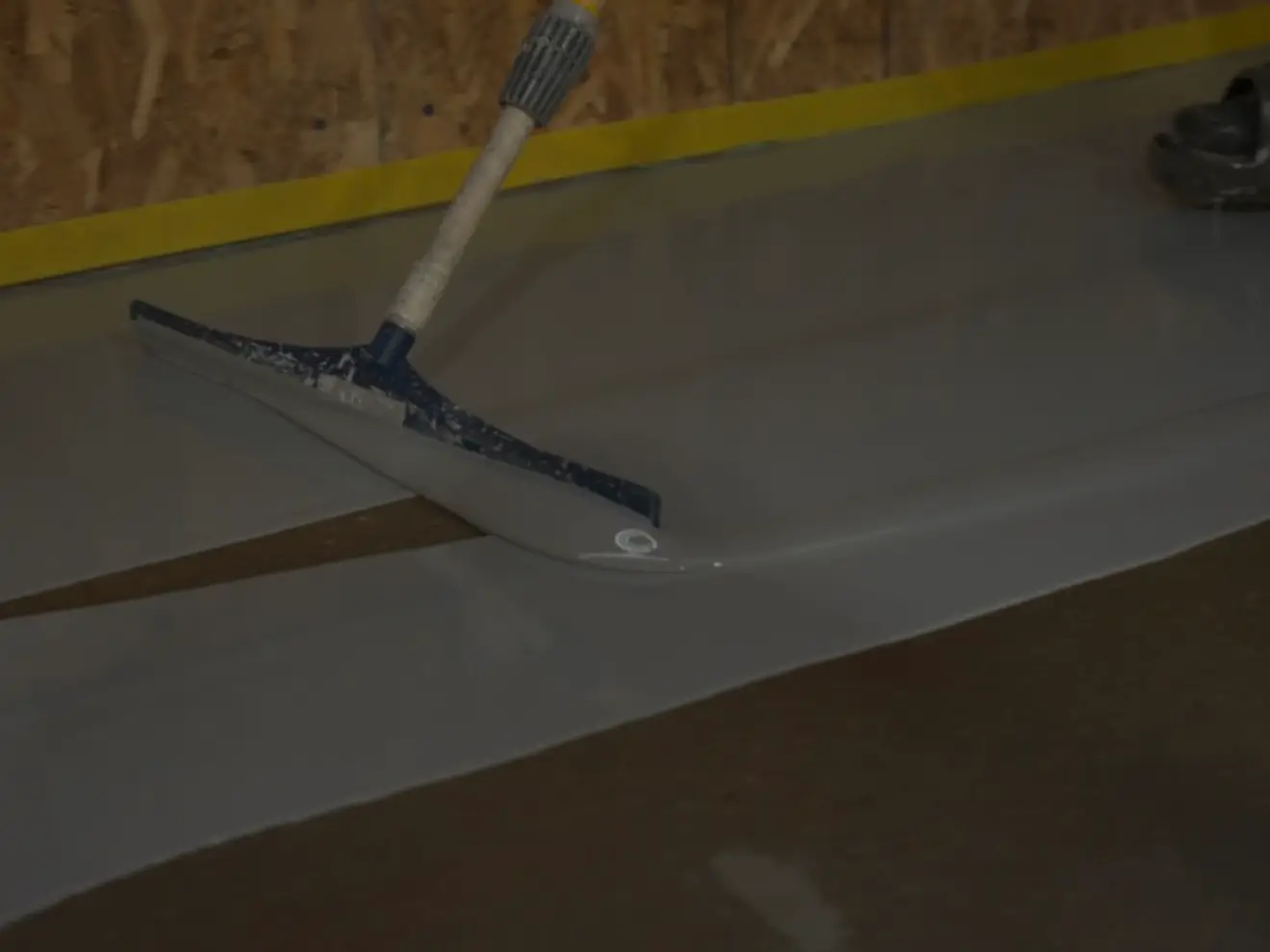
  • Self-levelling epoxy: a thicker, flowable build for smoother, seamless industrial and commercial floors.

Where epoxy works, and where it does not

Epoxy bonds strongly to properly prepared concrete and builds thickness well, which is why it is often used as the base coat even in hybrid systems. Standard epoxies are not UV-stable and can yellow in sunlight, so areas with direct sun usually get a polyaspartic or polyurethane topcoat. For hot washdowns, thermal shock or heavy chemical exposure, urethane cement is often the better choice.

Common questions

How long does an epoxy floor take to install?

Most interior projects take one to several days depending on size, repairs and the number of coats. Cure time before foot and vehicle traffic depends on the product and the slab and air temperature.

Is epoxy slippery?

A smooth glossy finish can be slippery when wet. Flake, quartz or an added anti-slip aggregate in the topcoat gives more texture where water or oil is expected.

Tell us how the room is used and what matters most: appearance, traffic, cleaning or exposure. We will compare suitable assemblies and explain the preparation needed beneath the selected system.

This is part of our concrete coating service. Related work: commercial epoxy flooring, industrial epoxy flooring and polyaspartic flooring systems.

Further reading: Epoxy Flooring for Homes: Where It Works Best Beyond the Garage and Epoxy vs. Resin Floor Coating: What Is the Difference for a Garage Floor?.

Service Inclusive

Every project may include:

Slab Assessment

For epoxy flooring systems, the floor is checked before the coating is chosen.

  • Moisture and contamination checks
  • Crack and joint survey
  • Traffic and use review

Mechanical Preparation

Grinding opens the concrete so the coating can bond.

  • Diamond grinding to profile
  • Old coatings and sealers removed
  • Dust and debris vacuumed off

Repairs Before Finish

Damage is corrected so it does not telegraph through.

  • Crack and joint repair
  • Spall and pit filling
  • Substrate correction

Epoxy Installation

The steps carried out on site for this system.

  • Primer matched to the prepared slab
  • Epoxy body coat at the specified thickness
  • Topcoat chosen for wear and cleaning

Edges & Transitions

Where floors usually fail first.

  • Door lines and thresholds
  • Wall edges and columns
  • Joints honoured or filled

Epoxy Handover & Care

Handover with clear timing and cleaning advice.

  • Walk-on and drive-on times
  • Cleaning product guidance
  • Inspection before handover

Surface

Floor Performance Depends On:

Build Thickness

Thin-film or high-build, set by traffic and wear.

Finish Choice

Solid, flake, metallic or quartz on the same base.

Moisture Vapour

Moisture rising through the slab.

Substrate Condition

Age and soundness of the concrete.

Traffic Conditions

Foot, vehicle and equipment load.

Chemical Contact

Oils, salts and cleaning products.

Temperature at Install

Slab and air within product range.

Long-Term Durability

Expected service life and upkeep.

Why Epoxy Boss

Epoxy Boss operates as a concrete surface preparation and protection company specializing in technical flooring systems across Ontario.
Our operational structure includes:
  • specialized installation crews
  • industrial-grade preparation equipment
  • project management systems
  • field supervision
  • structured quality-control procedures
  • commercial-scale operational capability
Projects are approached through:
  • substrate analysis
  • preparation-first installation
  • environment-specific system selection
  • moisture management
  • operational workflow planning
  • long-term durability objectives
The company maintains:

Epoxy Boss has completed projects ranging from residential garage systems to large-volume industrial operations for manufacturing and commercial facilities across multiple sectors.

  • WSIB coverage
  • structured operational workflows
  • safety compliance standards
  • commercial project coordination systems
  • large-scale production capability

Because high-performance flooring is not defined byappearance alone. It is defined by how the surface performs under years ofreal operational use.

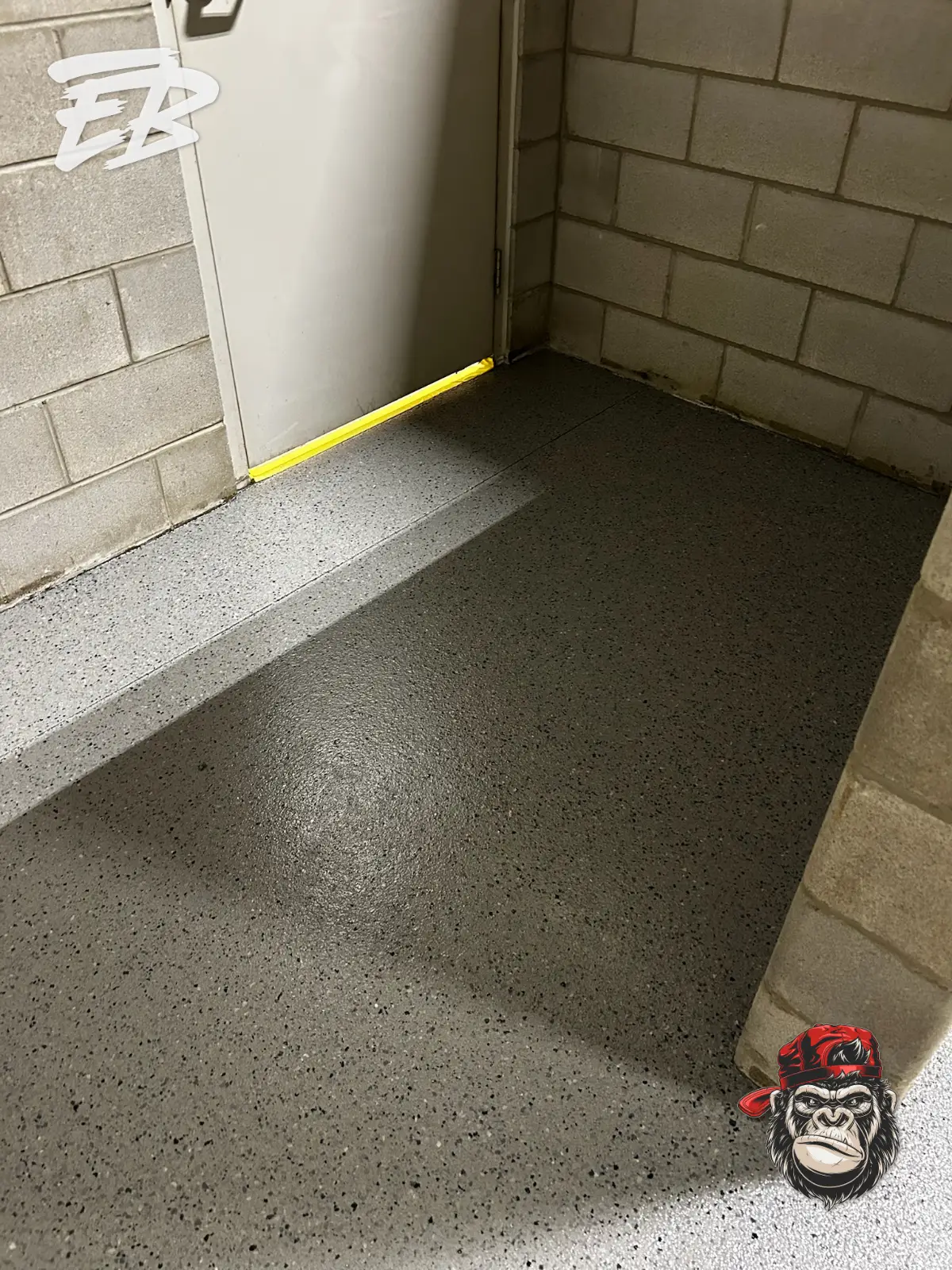
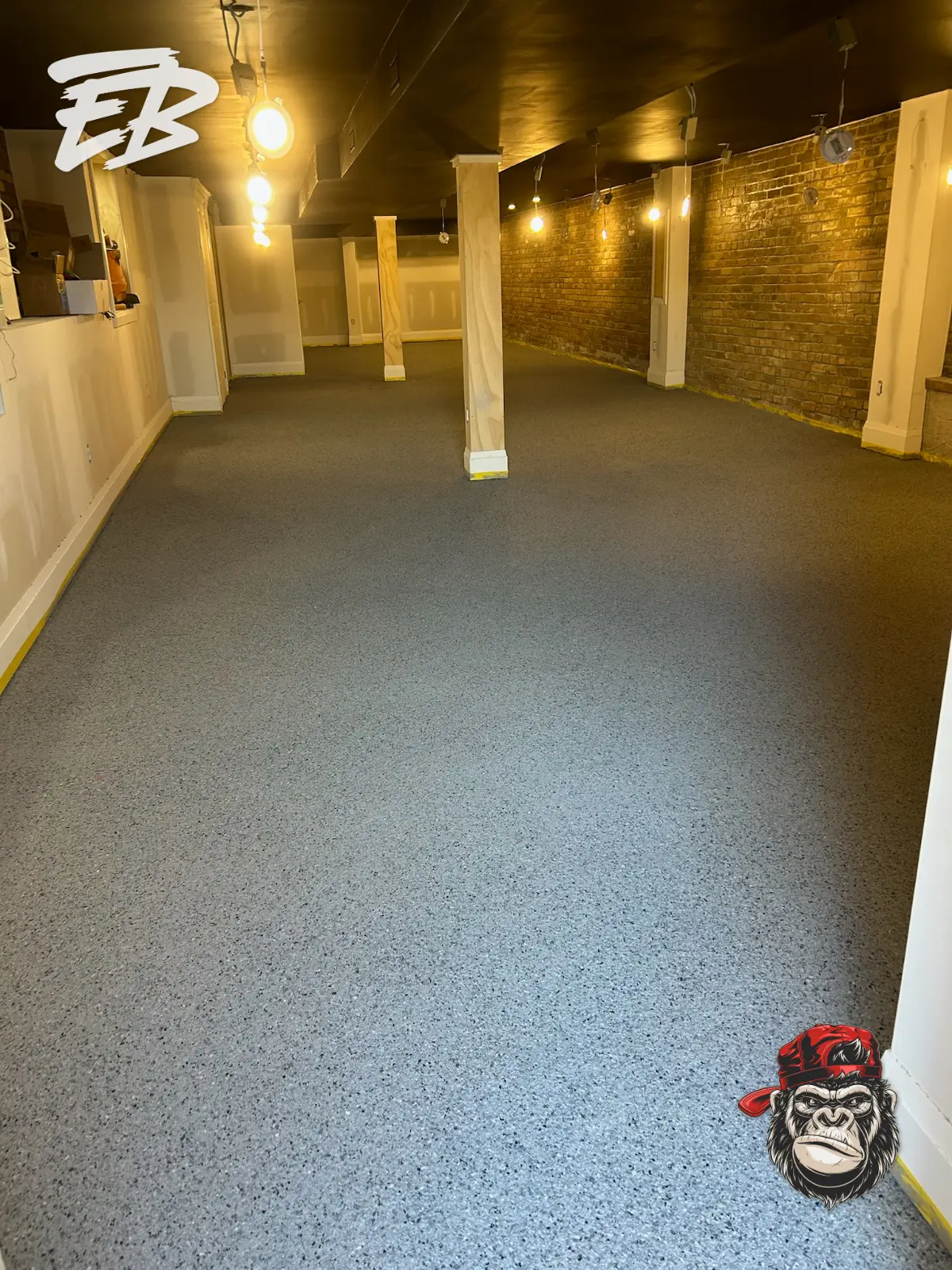
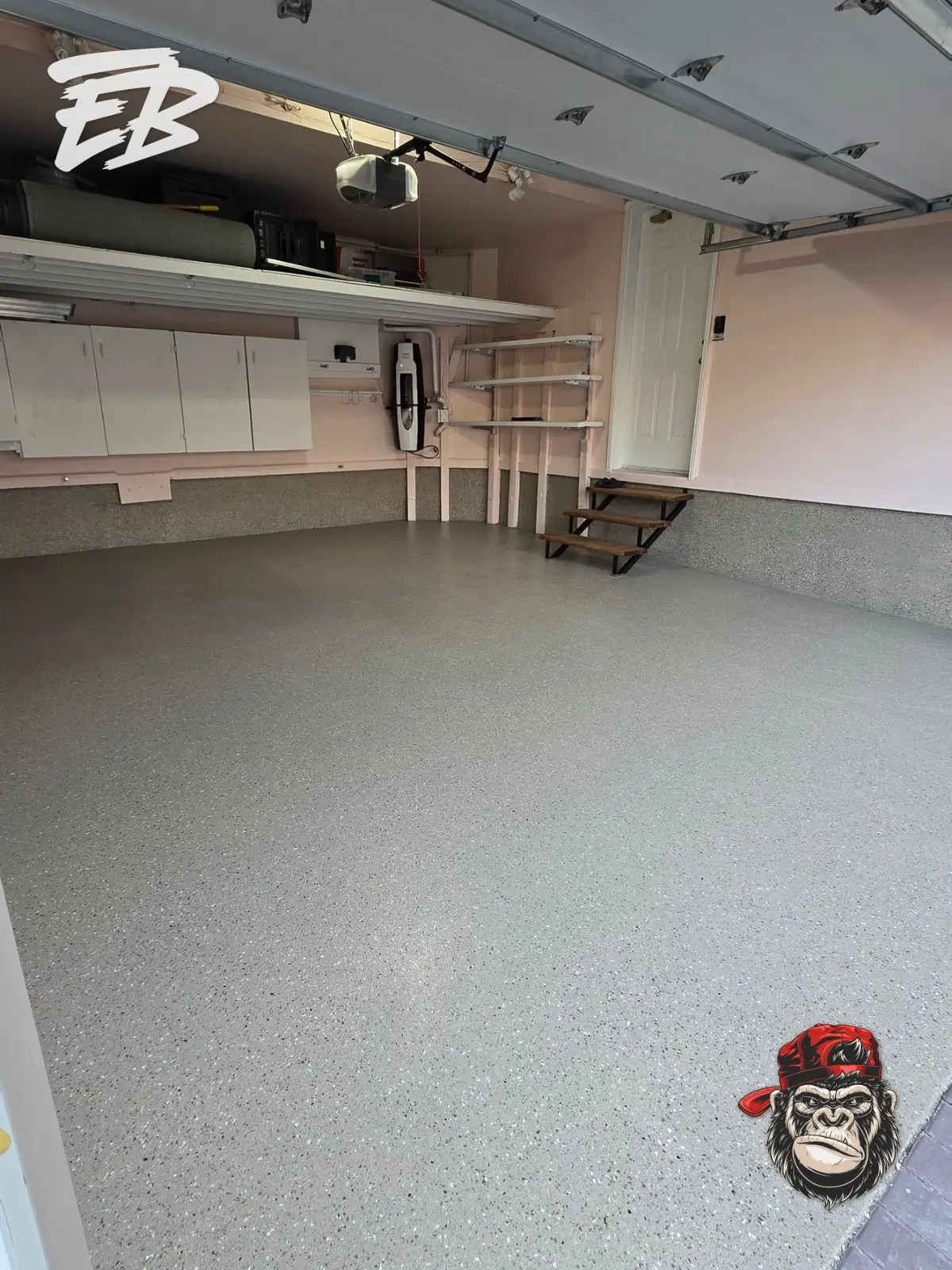
Coated concrete floor by Epoxy Boss in Ontario

FAQ

What is a metallic epoxy floor?

Metallic floors use pigments suspended in a resin layer that are worked by hand while wet, creating swirls, depth and a stone-like or liquid appearance. They're usually sealed with a clear topcoat. Because the effect is made during installation, no two floors are identical, and the final look depends on the installer's technique as much as the colour choice.

Related: metallic epoxy flooring and epoxy flooring systems.

Will hot tires lift my garage coating?

Hot tire pickup happens when a warm tire softens and grips a coating, then pulls it away as it cools and the car moves. It's most common on thin coatings over poorly prepared concrete, or on floors driven on before they've fully cured. Mechanical preparation for a proper bond, a coating system with suitable thickness, and waiting for the stated vehicle cure time are the main defences.

Related: polyaspartic garage flooring and epoxy flooring systems.

Epoxy or polyaspartic for an Ontario garage?

Epoxy bonds well and builds thickness, which makes it a good base layer. Many epoxies can yellow with sunlight exposure, which matters at a garage door. Polyaspartic topcoats are commonly chosen for UV stability and faster return to service, and many can be applied across a wider temperature range. A lot of Ontario garage systems use both. The right combination depends on the product data, your slab and how you use the garage.

Will hot tires lift the floor?

Not with a properly bonded system. Hot-tire pickup happens when a coating is thin, poorly bonded or rolled on over unprepared concrete.

We grind rather than acid-etch, so the coating anchors into the slab instead of resting on top of it.

Related: epoxy flooring systems and polyaspartic garage flooring.

What is the difference between epoxy and urethane flooring?

Epoxy systems are generally more rigid and commonly used for structural flooring assemblies, while urethane systems provide greater flexibility, thermal resistance and durability under aggressive industrial conditions.

What is the difference between epoxy and polyaspartic flooring?

Epoxy systems are commonly utilized for substrate bonding and build thickness, while polyaspartic systems are frequently selected for rapid curing, UV stability and accelerated return-to-service performance. Many premium flooring systems combine both technologies.

Is epoxy flooring slippery?

Surface texture may be adjusted depending on operational requirements using anti-slip additives and aggregate systems designed to improve traction and safety.

Related: epoxy flooring systems and concrete coating services.

Can epoxy flooring be installed over damaged concrete?

Damaged concrete often requires crack remediation, surface correction, resurfacing or substrate stabilization before flooring installation. Surface condition directly affects long-term system performance.

Related: epoxy flooring systems and concrete crack repair.

Why is concrete grinding important before epoxy installation?

Grinding creates the concrete surface profile required for proper mechanical adhesion. Without preparation, coatings may fail due to weak bond development or unstable substrate conditions.

Related: epoxy flooring systems.

Can epoxy flooring handle commercial and industrial traffic?

Yes. Properly specified epoxy systems can withstand forklifts, pallet jacks, industrial equipment, vehicle traffic and continuous operational exposure depending on system thickness and design.

Related: commercial epoxy flooring.

Does epoxy flooring resist hot tire pickup?

Yes. Properly installed epoxy flooring systems with industrial-grade topcoats are engineered to resist hot tire transfer and vehicle-related surface wear.

Related: concrete coating services.

What is the difference between epoxy flooring and garage floor paint?

Epoxy flooring chemically bonds into the concrete substrate through mechanical preparation, creating a durable protective system. Standard paints primarily sit on the surface without providing the same adhesion strength or long-term durability.

Related: concrete coating services.

What is epoxy flooring?

Epoxy flooring is a high-performance resin flooring system installed over mechanically prepared concrete to improve durability, abrasion resistance, chemical protection and long-term surface performance.

Related: concrete coating services.

Ready to Upgrade Your Floors?

Custom epoxy systems tailored for garages, basements, showrooms, patios, and industrial environments — combining industrial-grade durability with premium aesthetics.

How we work

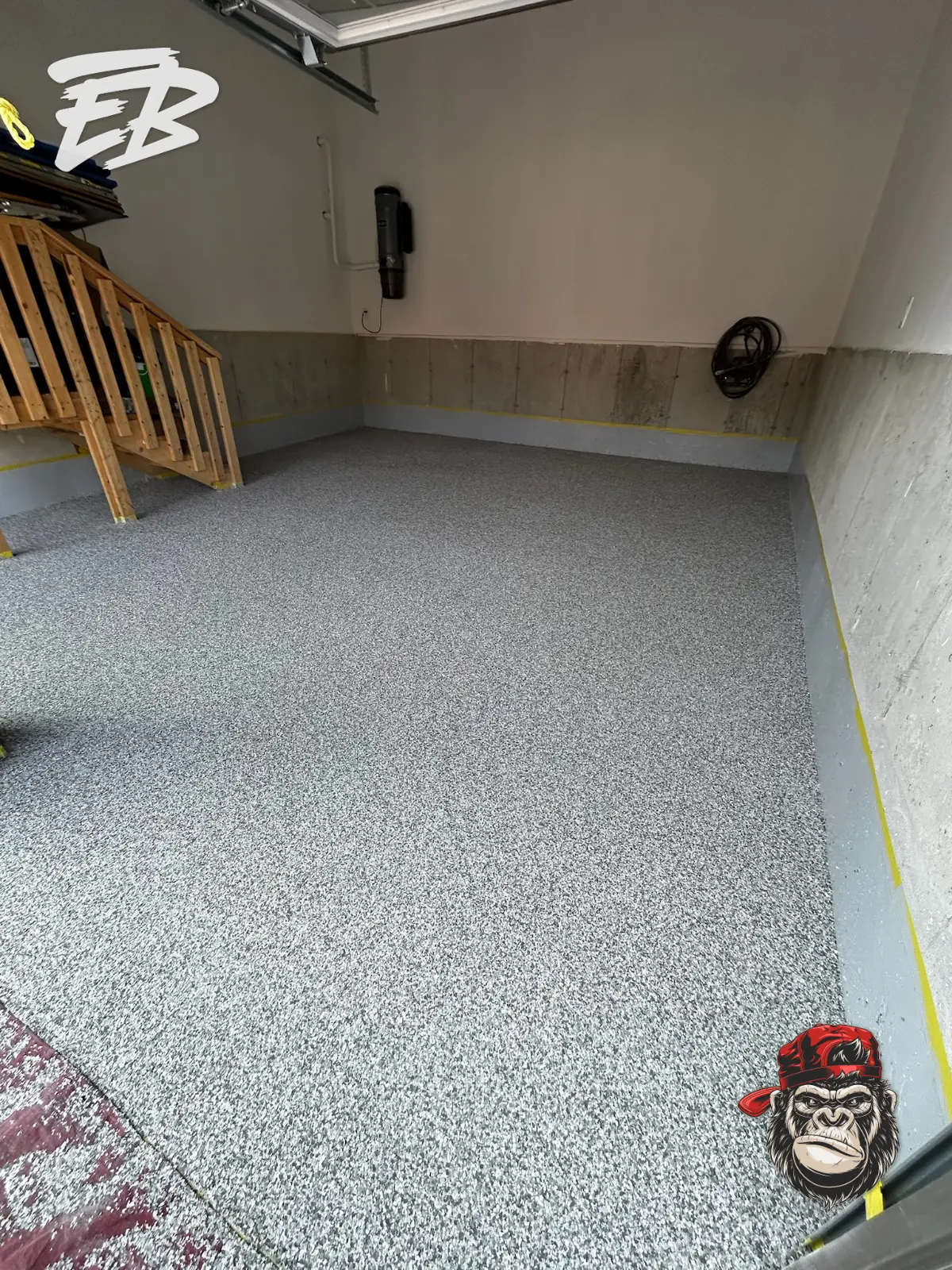
Coated concrete floor by Epoxy Boss in Ontario
01

First Contact

Reach out by phone, email or our online form. We'll ask a few questions about your space, how it's used and the finish you have in mind, and review photos if you have them.
02

Quotation

Get a clear and accurate price using our online calculator for instant estimates, or connect with us directly for a detailed quote. For more complex projects, we can schedule an on-site visit to finalize all details.
03

Decision making

We help you choose the right system, finish, and colours based on your goals. From flake to solid or metallic systems, you will have full clarity and confidence in your selection.
04

Scheduling + 50% Deposit

Once everything is confirmed, we lock in your project date. A 50% deposit secures your spot, allowing us to allocate materials and crew accordingly.
05

Day of the project

Our team completes full surface preparation including grinding and crack repair, followed by precise application of your selected multi-layered system based on manufacturer specifications.
06

Project Review

We walk through the finished space with you to ensure satisfaction. After approval, the remaining 50% balance is collected and the project is officially completed.