Porch Coatings
Thank you! Your submission has been received!
Oops! Something went wrong while submitting the form.

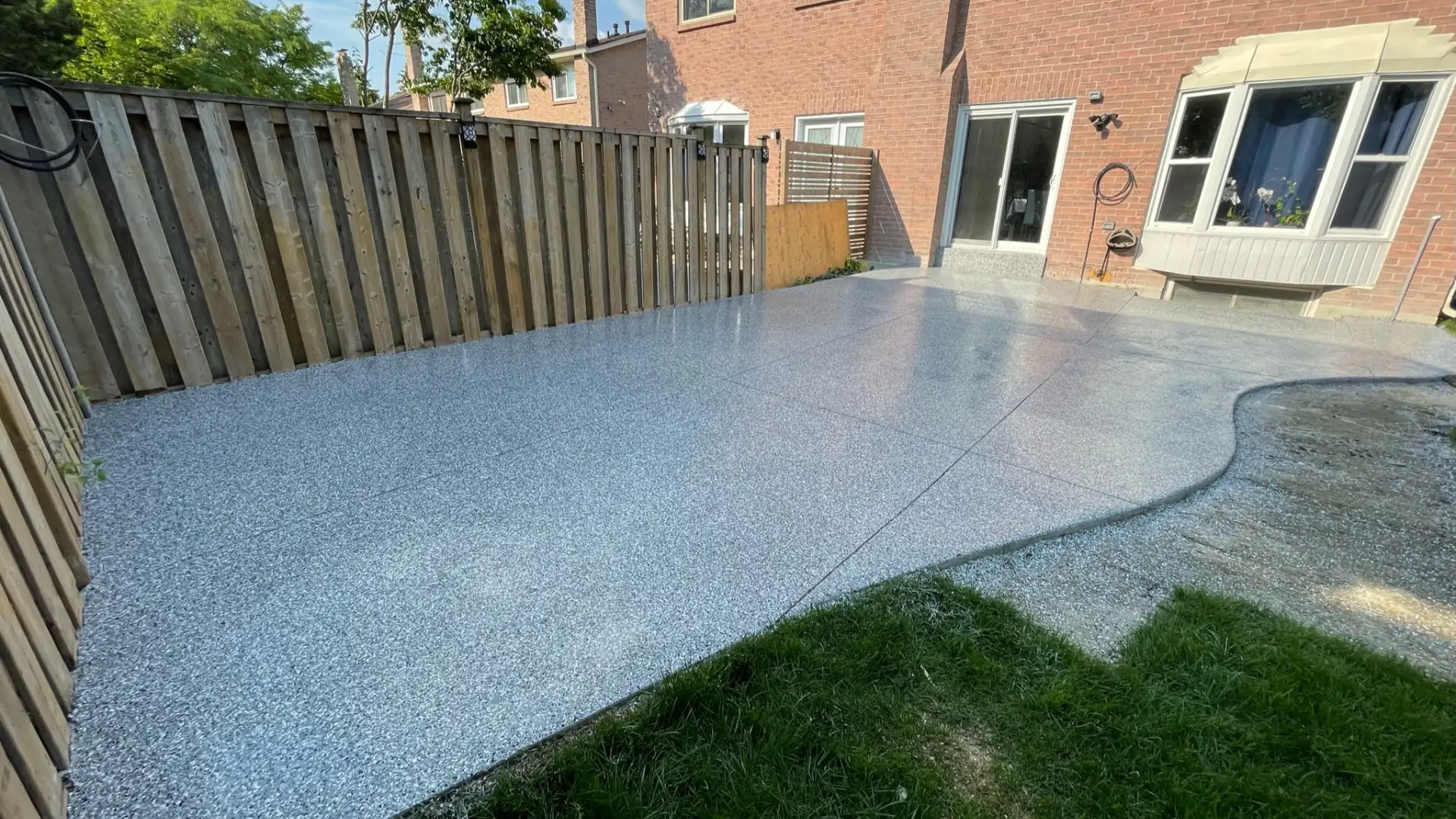
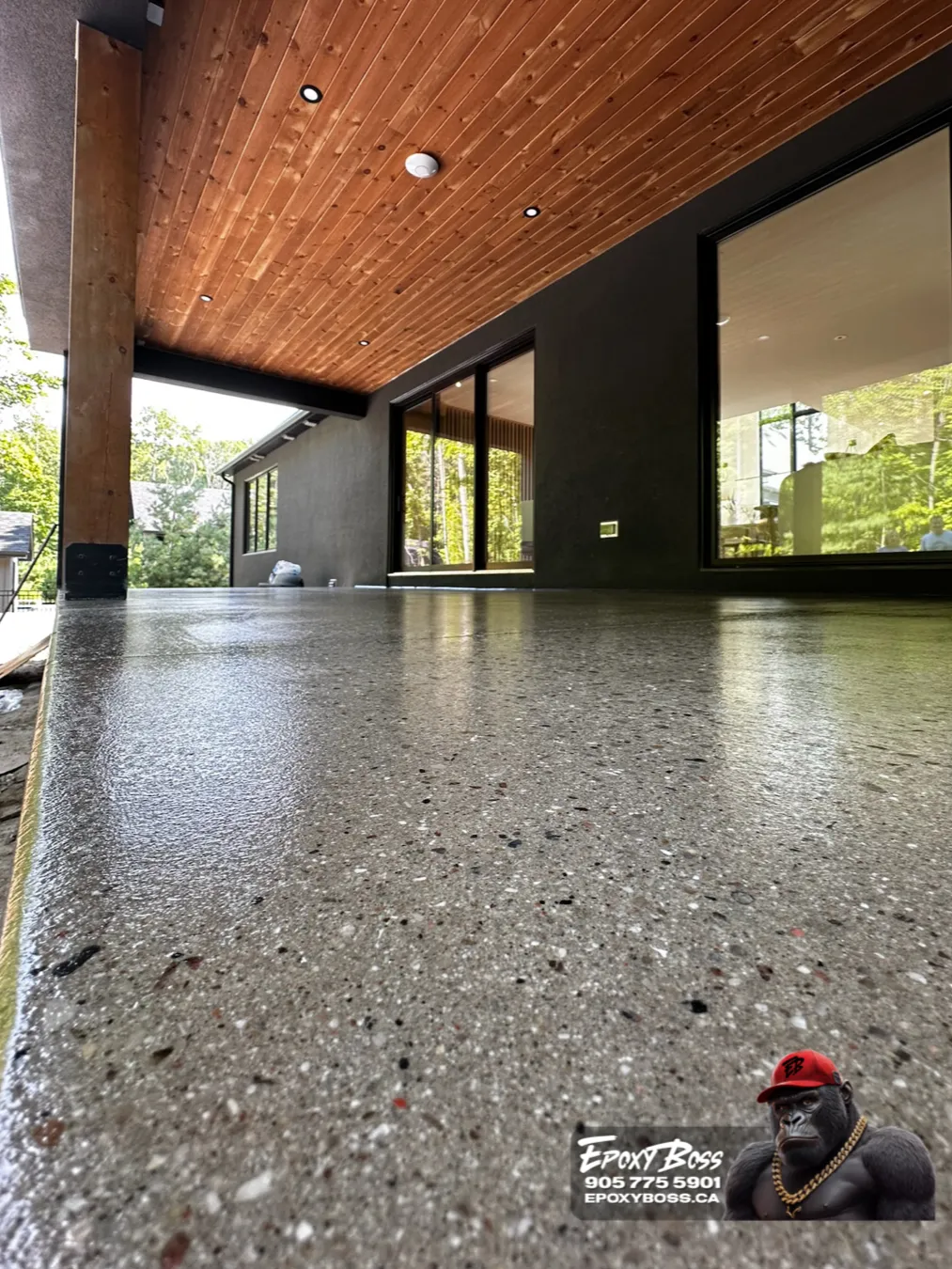
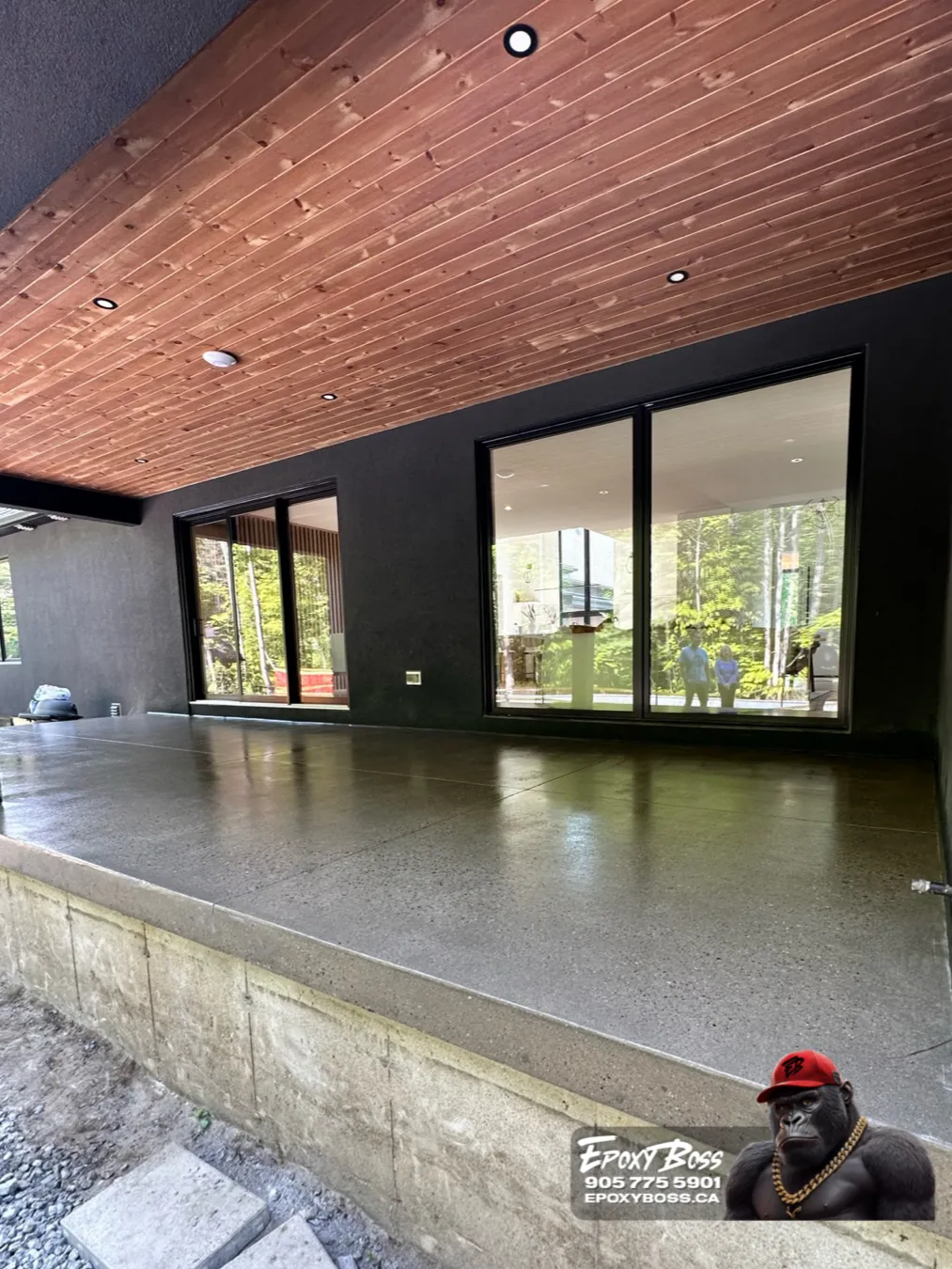
Services commonly specified for porches and entrances. The final system is confirmed after we assess the concrete on site.
See all residential floor coatings options.

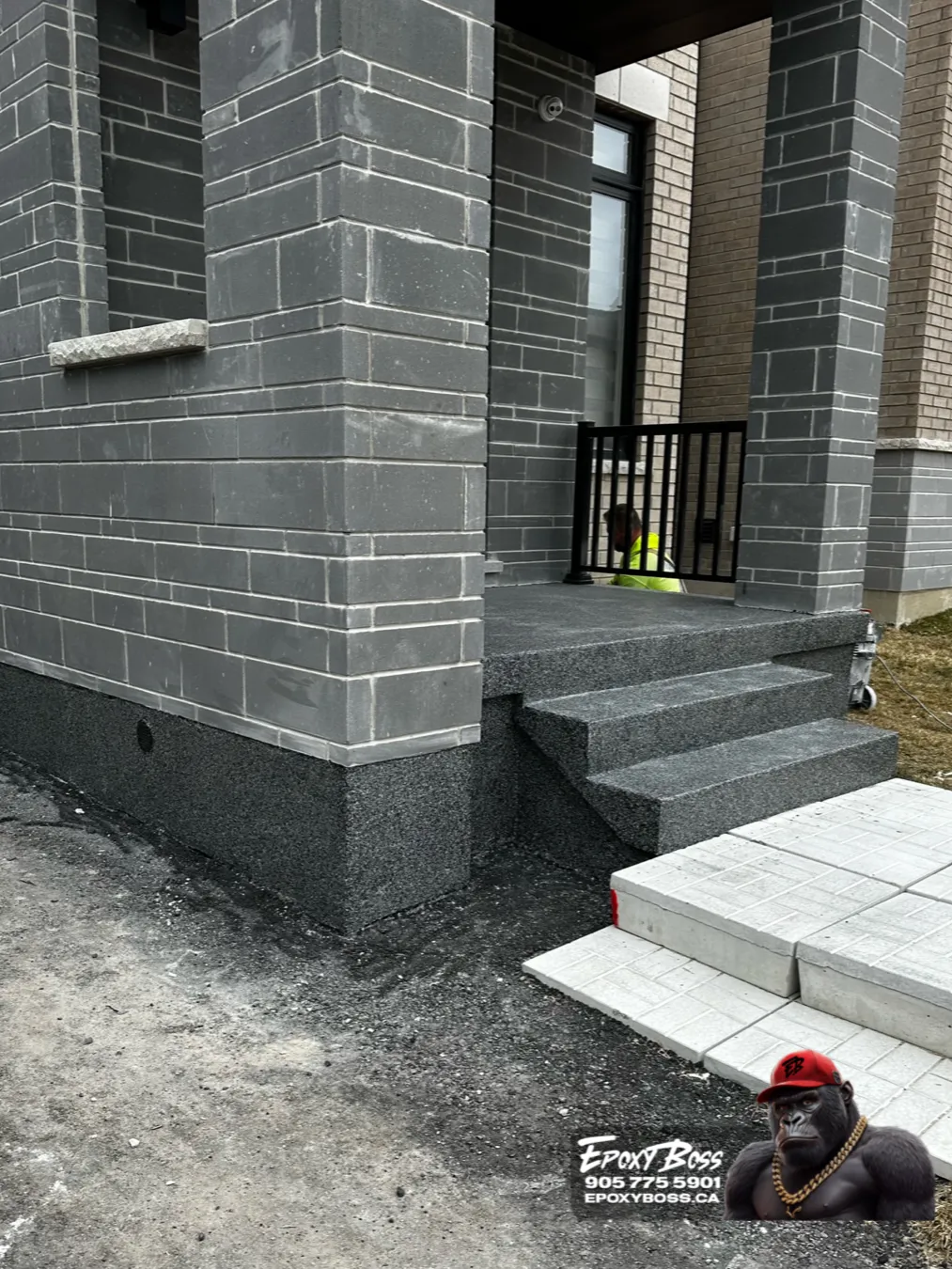


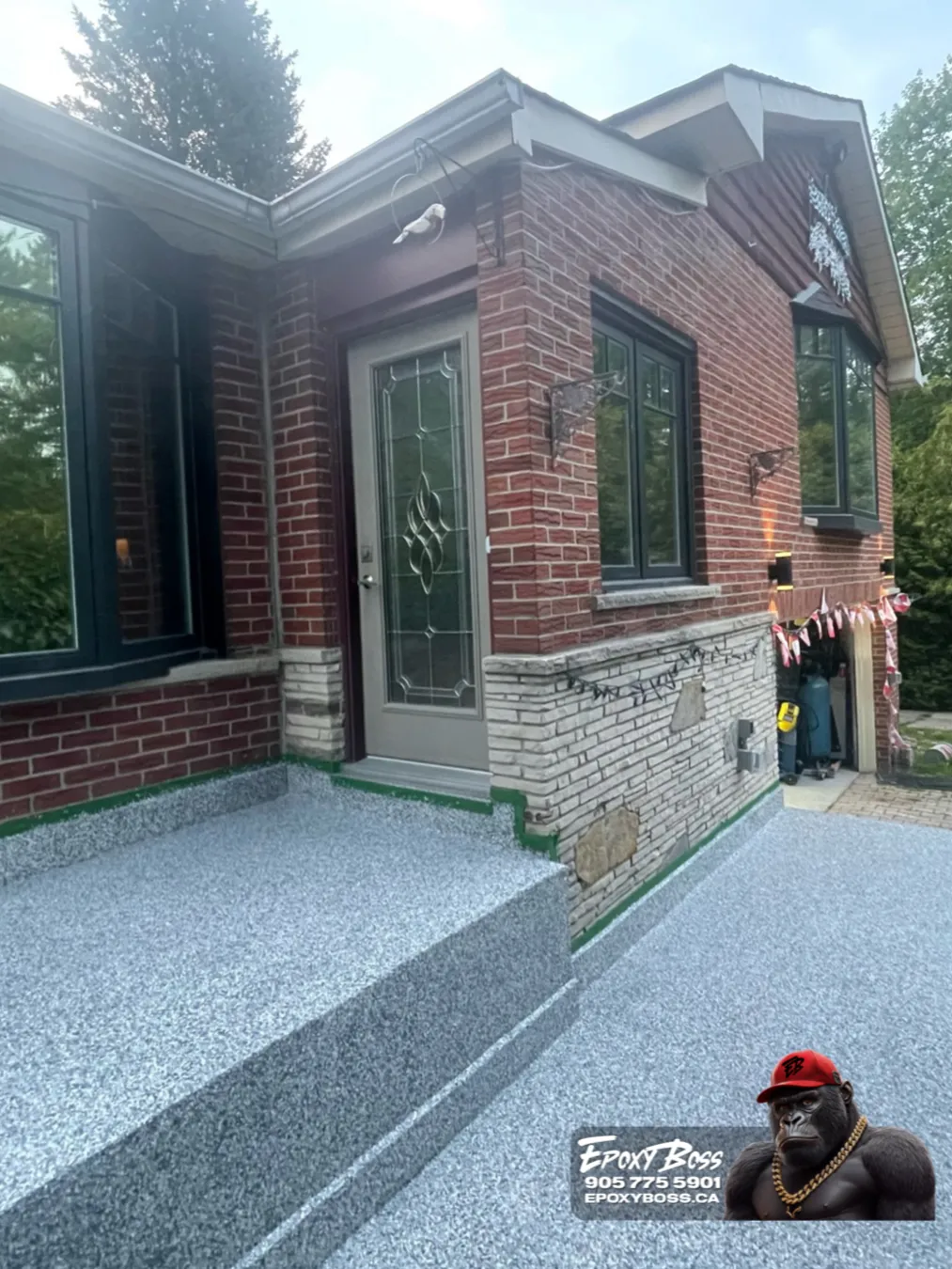


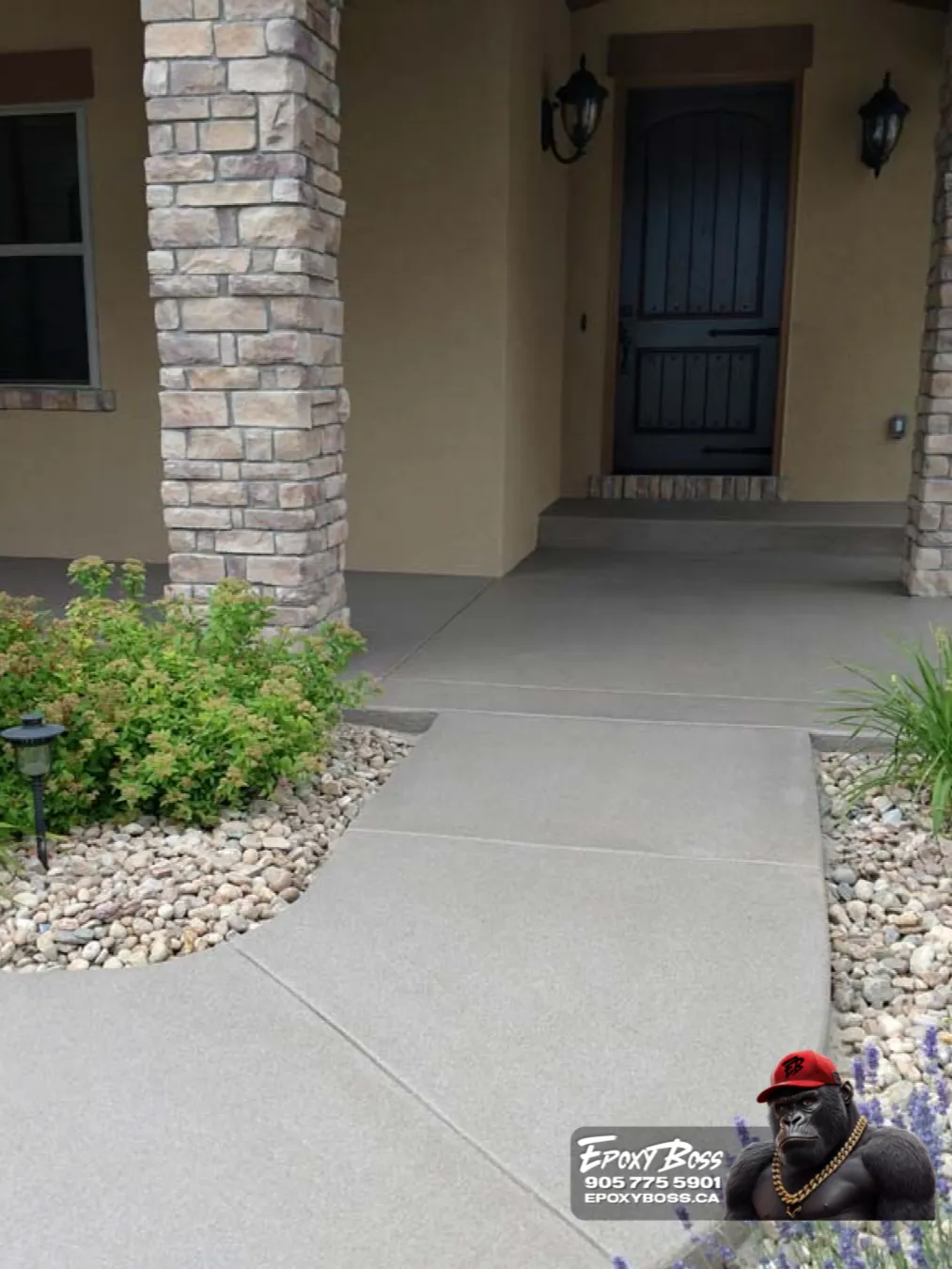

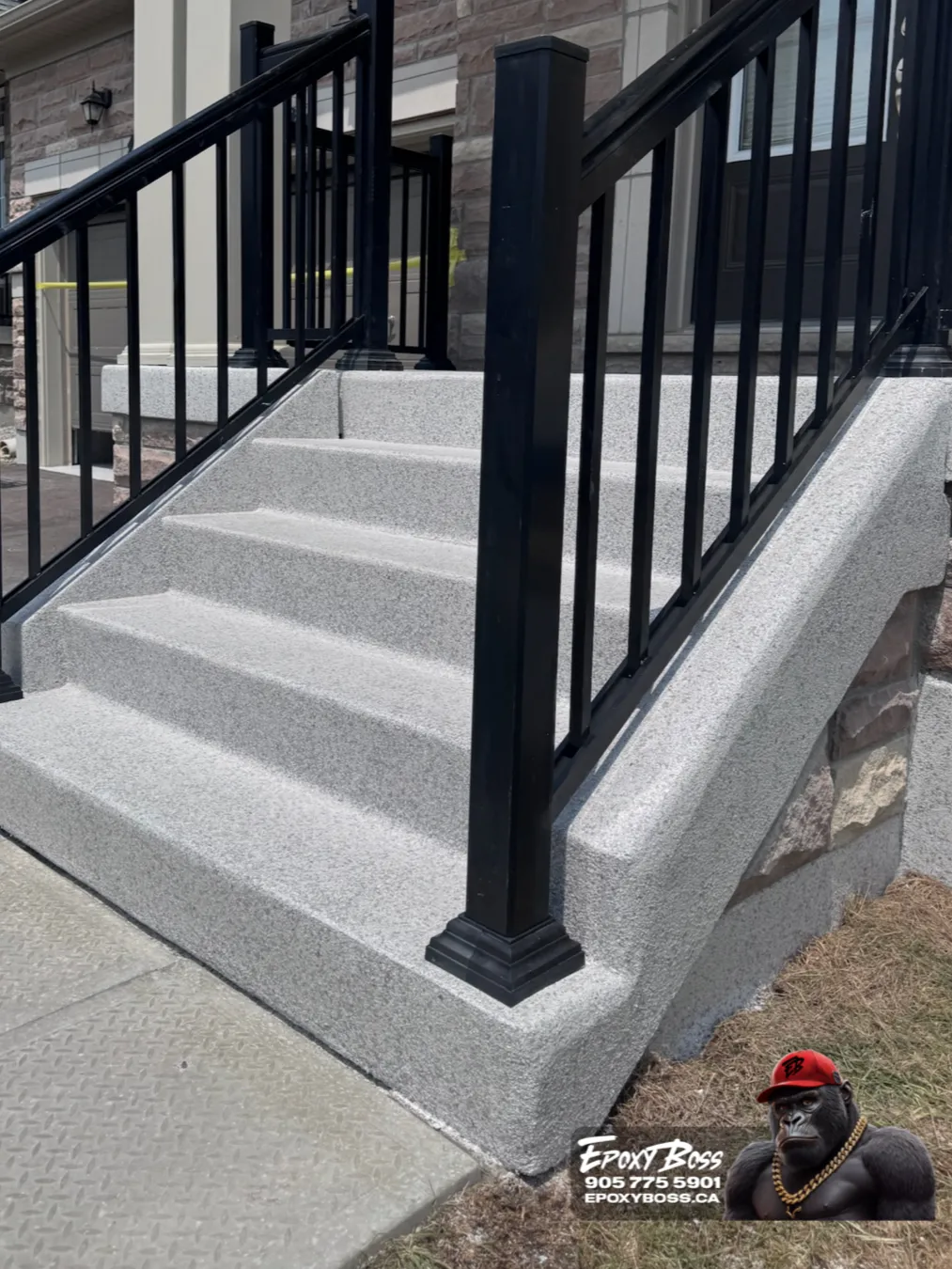


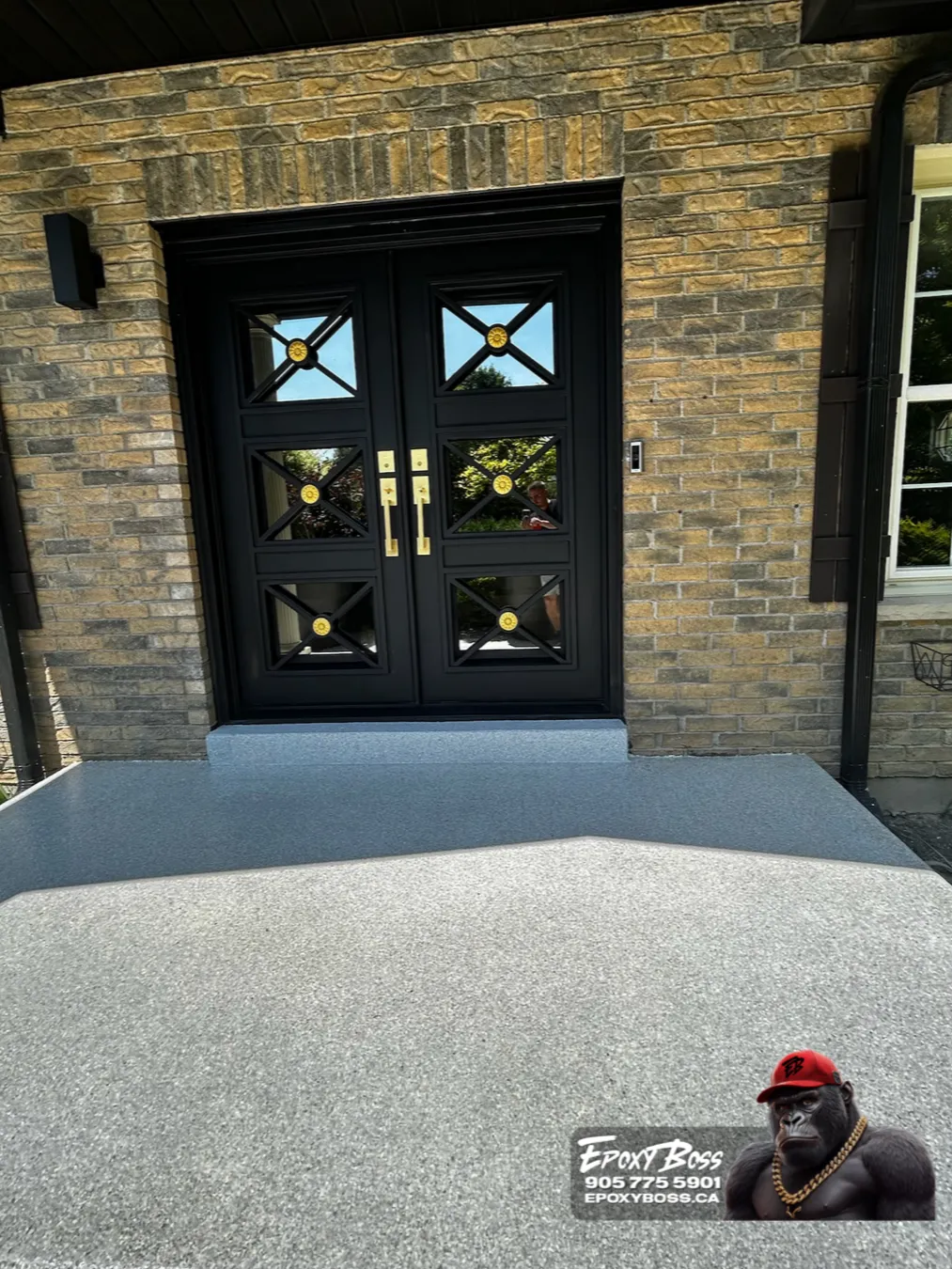
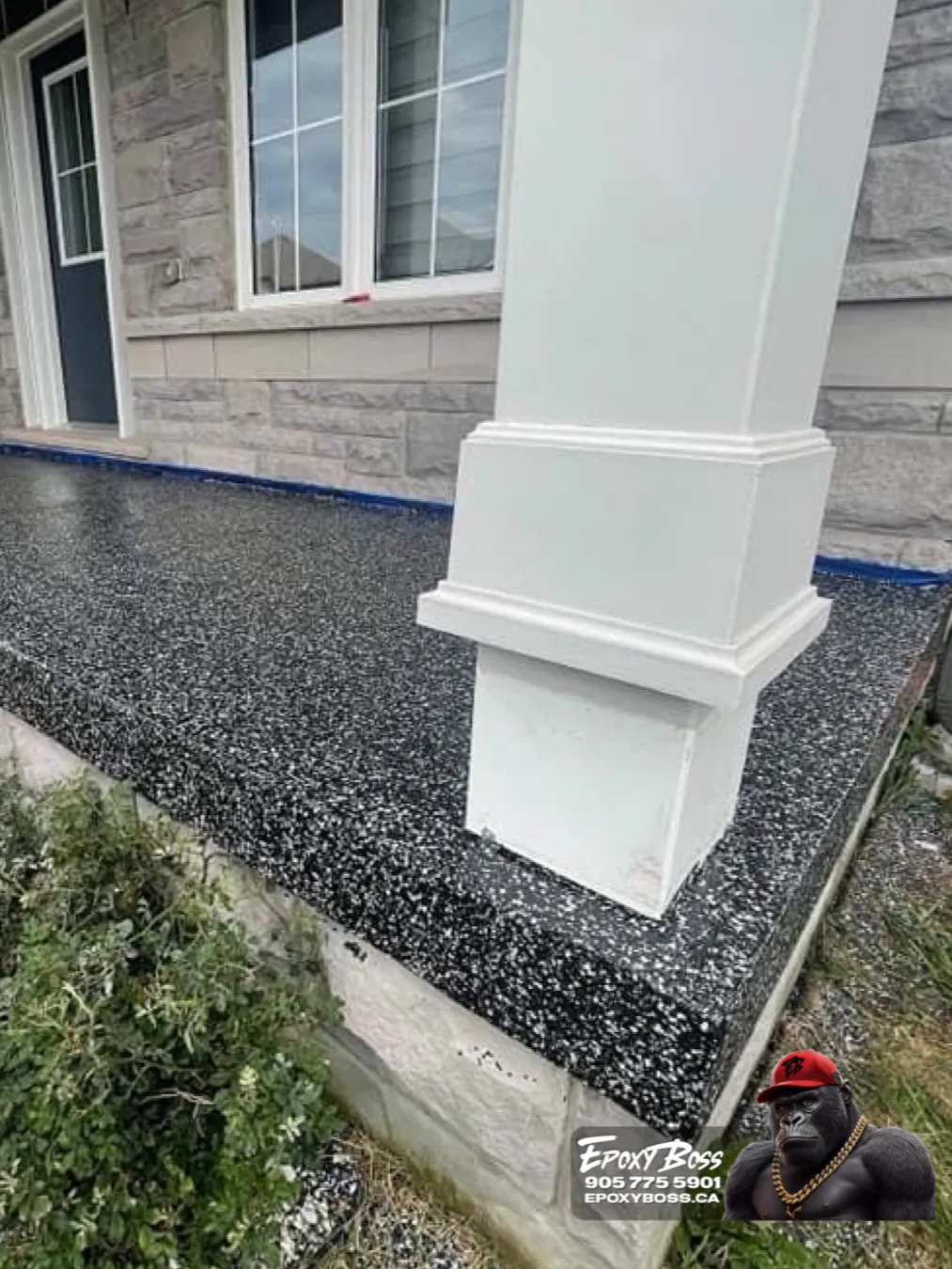
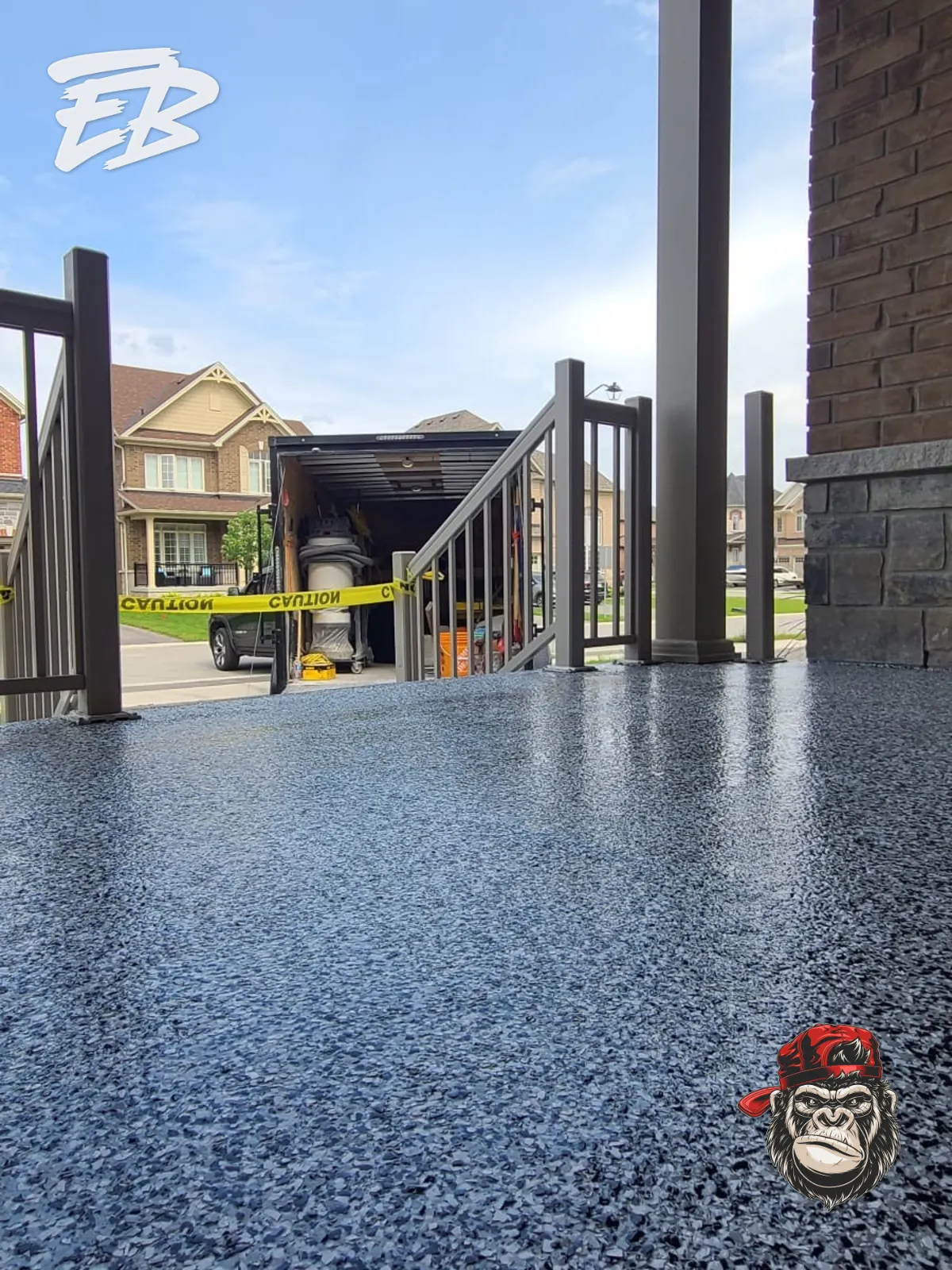
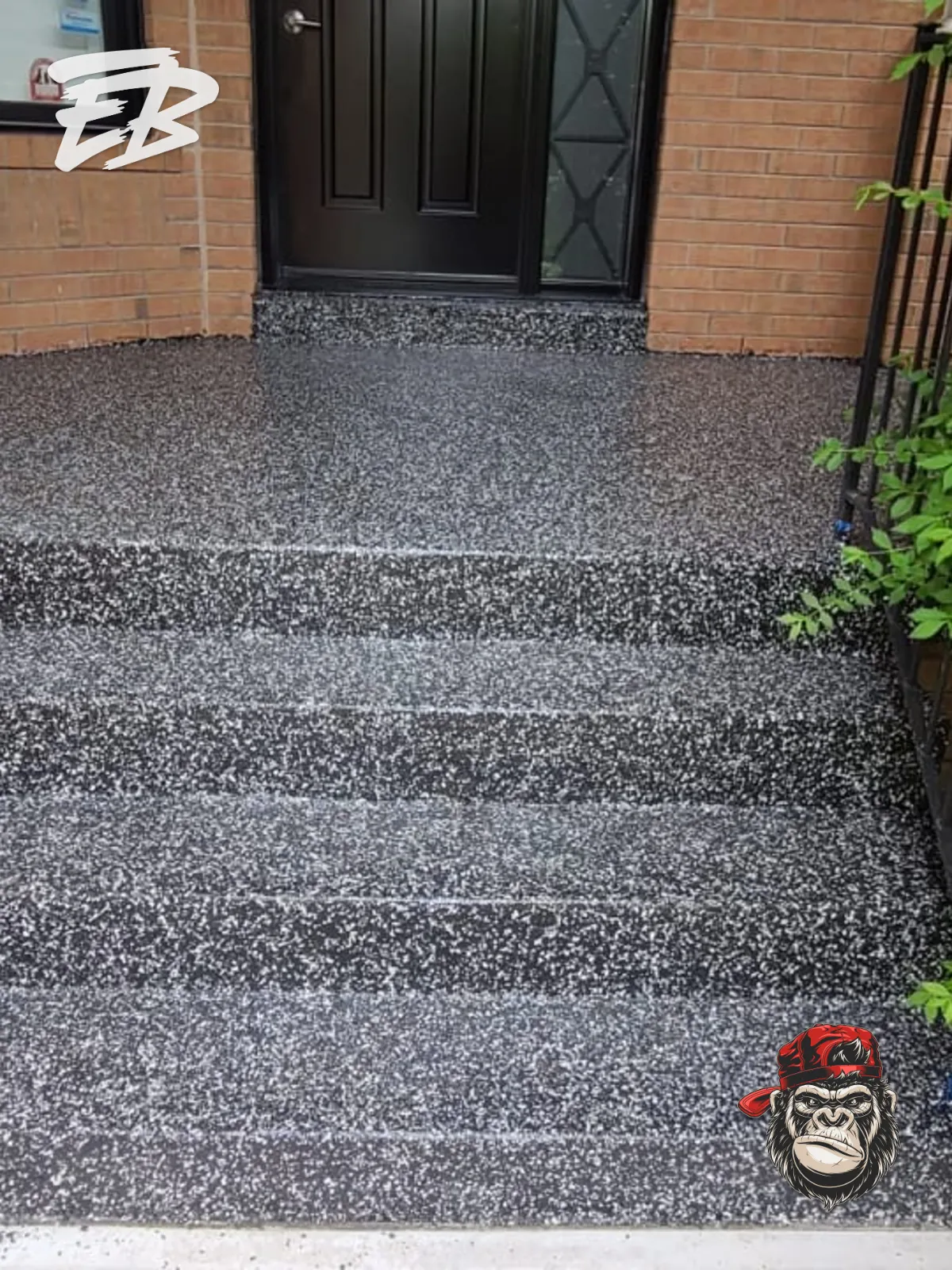
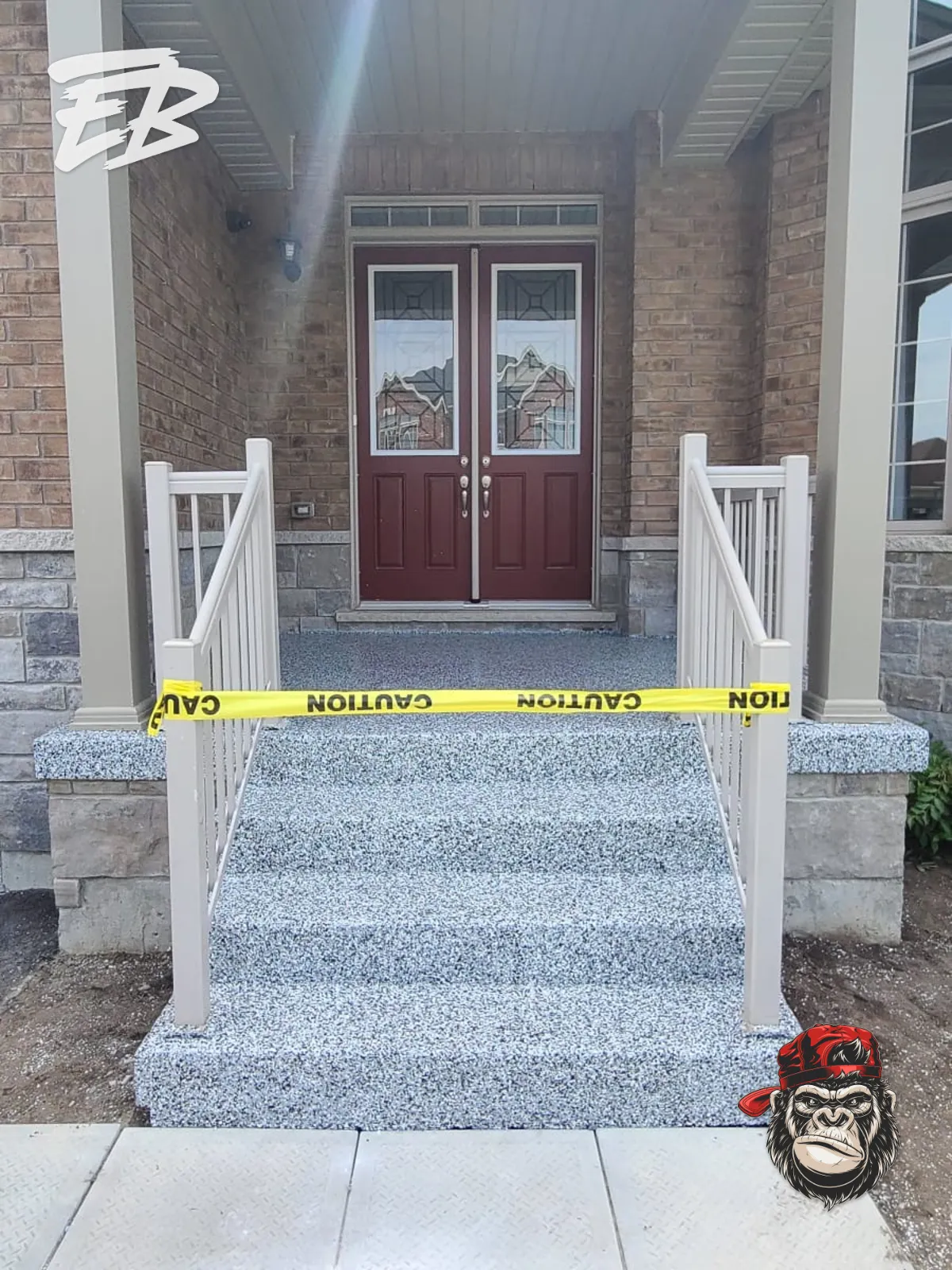
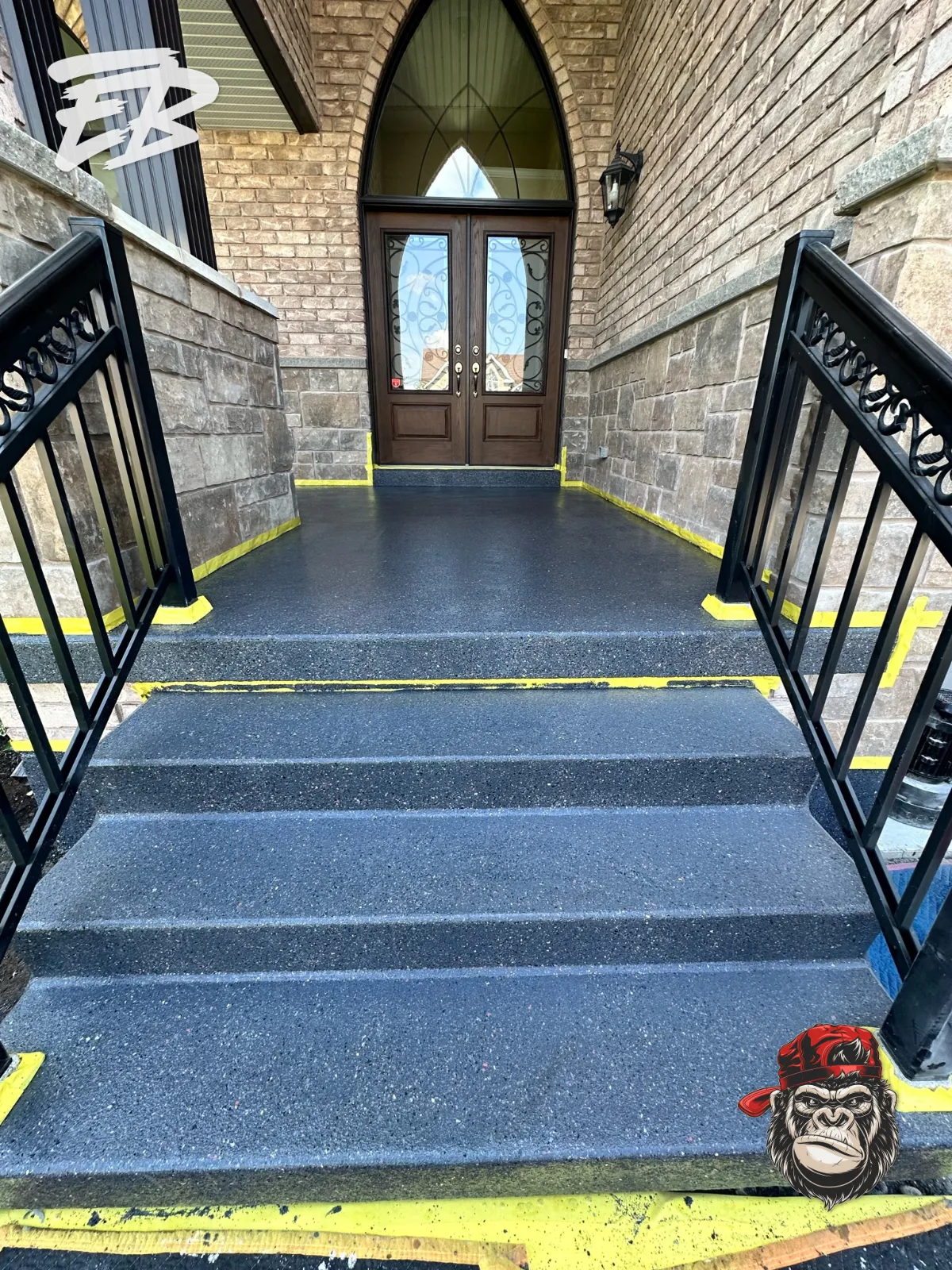
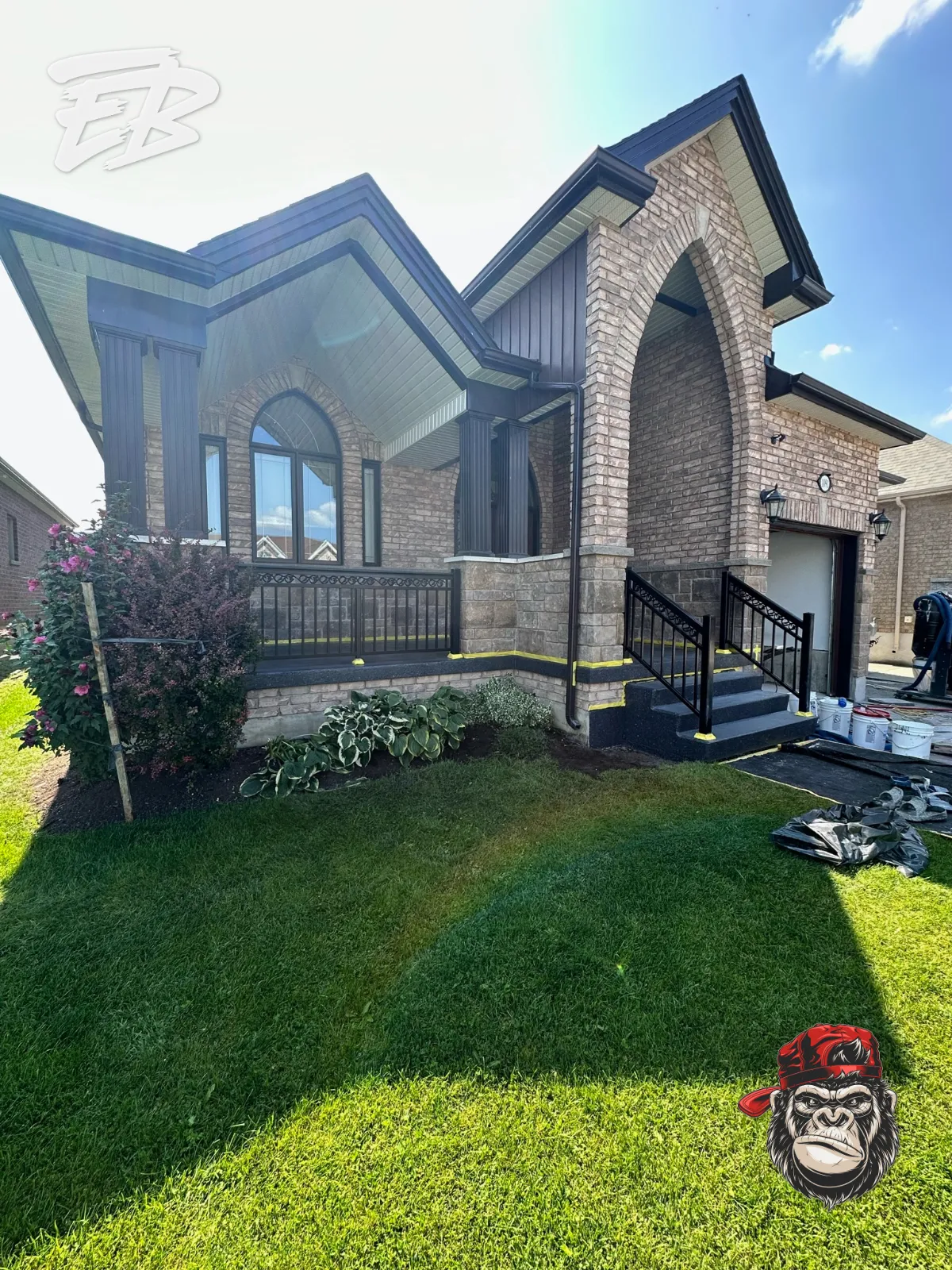
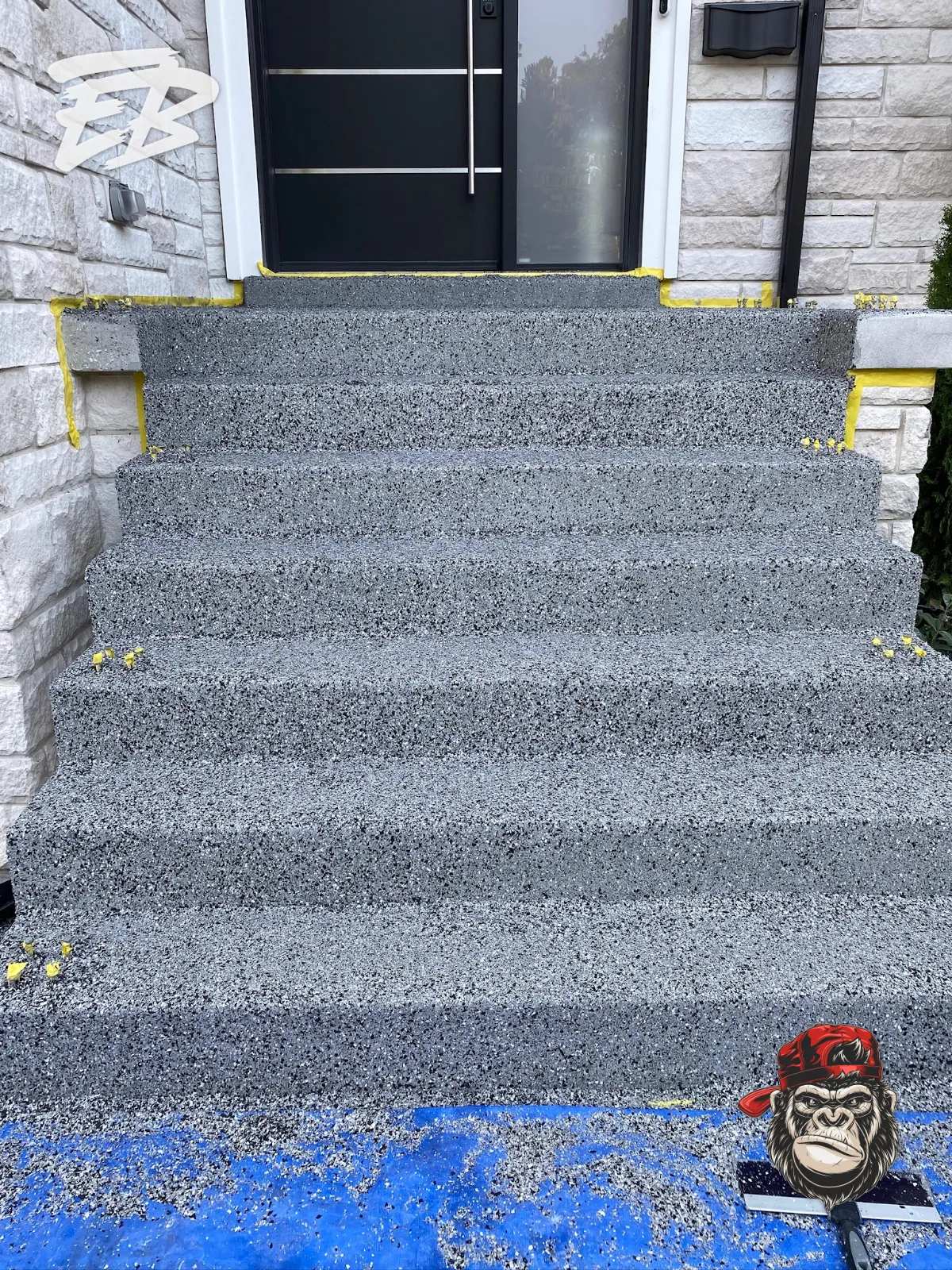
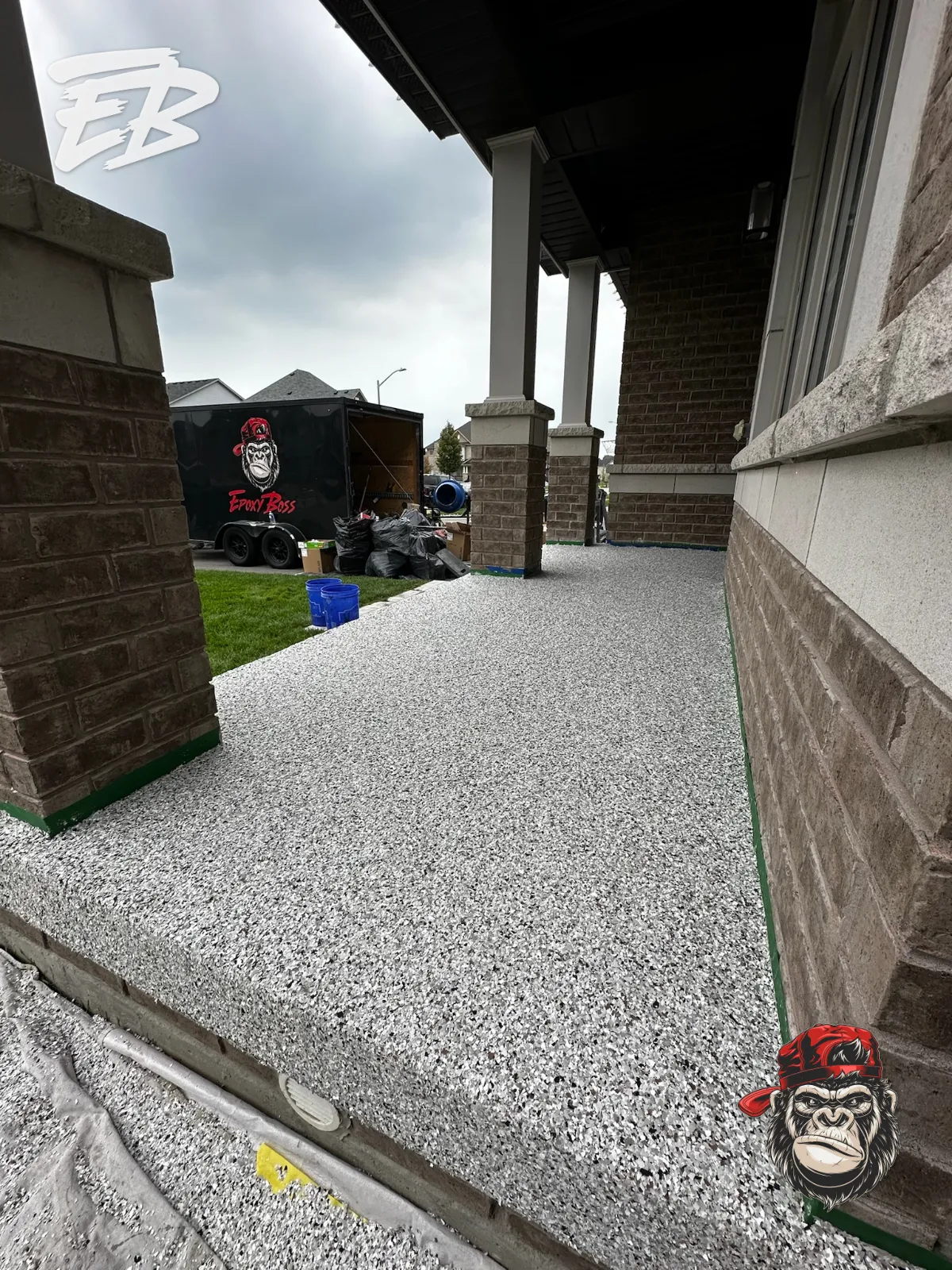
Porches and steps take salt and freeze-thaw directly. Where the damage is at the surface, we remove the weak concrete and rebuild with a repair mortar suited to exterior exposure, then protect it. Where the concrete is deteriorated through its depth or the step has moved, repair may not last, and replacement by a concrete contractor is the honest answer.
Related: concrete crack repair and concrete repair and restoration.
Outdoor surfaces face freeze-thaw, snow clearing, de-icers and UV. Systems designed for exterior use, installed on a properly prepared slab that drains, perform far better than interior coatings applied outside. Snow-clearing methods matter too — metal shovel edges and some de-icers are harder on a surface. We'll tell you what the product is designed to resist, what maintenance it needs, and where the limits are.
Related: exterior polyaspartic coatings and waterproofing systems.
Scaling is loss of the top layer of concrete, usually in patches, and is commonly linked to freeze-thaw exposure with de-icing salts. Cracking is a break through the slab, which can come from shrinkage as the concrete cured, settlement, or movement. Most garage cracks are shrinkage cracks and can be treated before coating. Cracks that are widening, uneven across the break, or accompanied by settlement are a different matter, and a structural engineer should look at those before any coating decision is made.
Related: concrete repair and restoration.
Polyaspartic coatings provide substantially greater UV stability than many traditional epoxy coatings. Properly specified systems are designed to resist yellowing and maintain color consistency under direct sunlight exposure.
Related: UV-stable floor coatings.