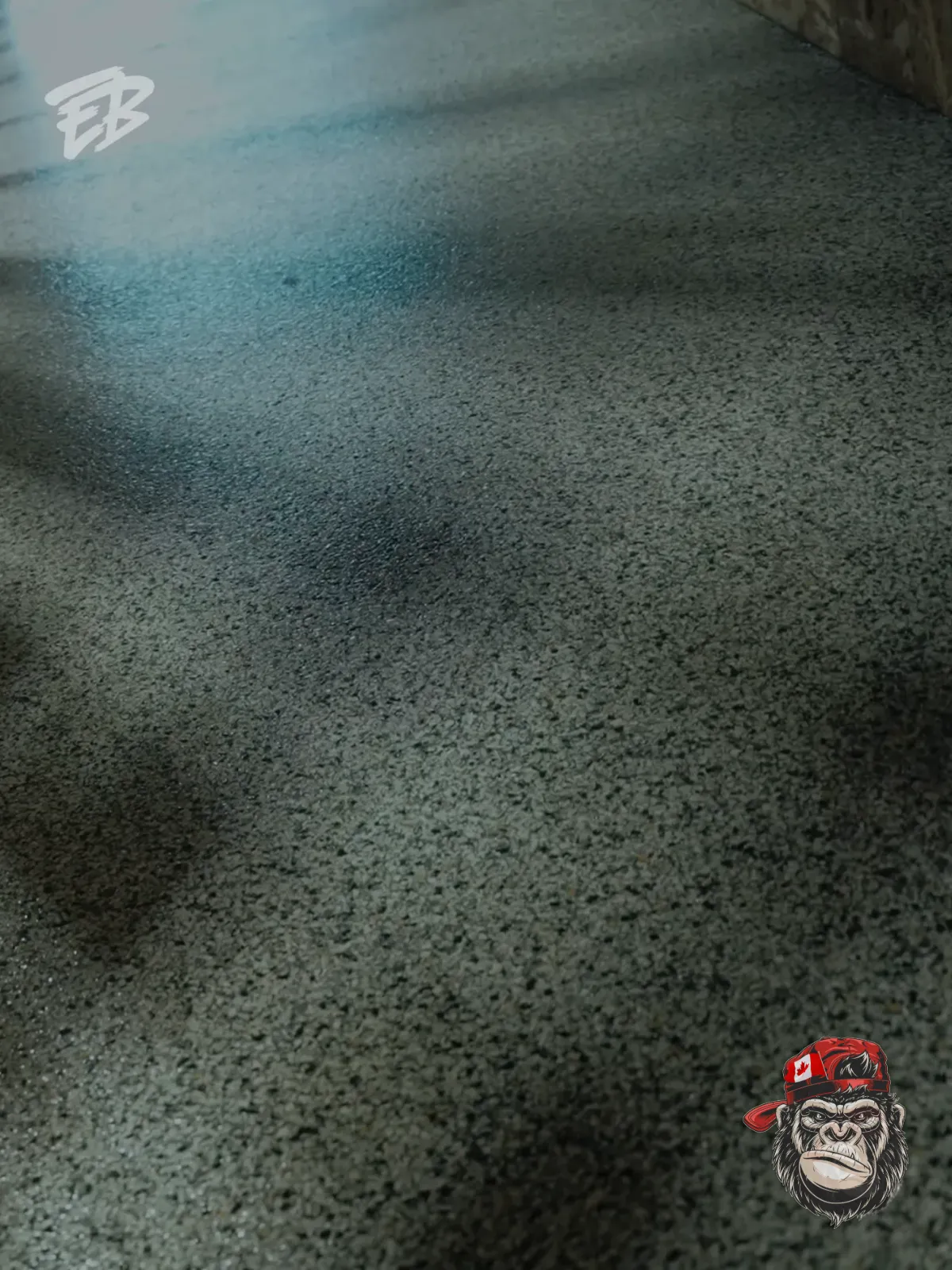
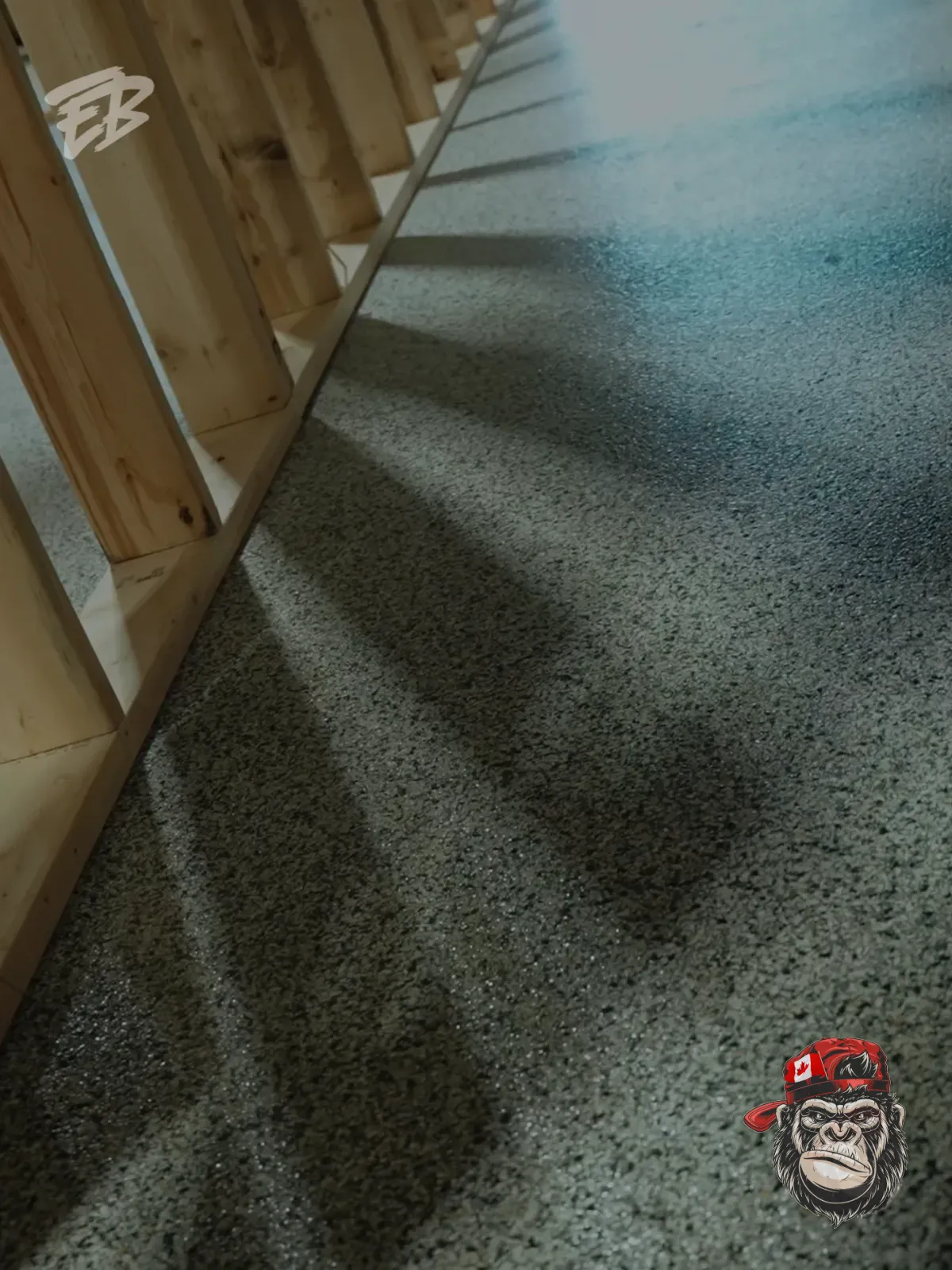
Concrete Coating
Epoxy, polyaspartic and urethane cement coating systems that seal and protect concrete against road salt, freeze-thaw cycles, chemicals and heavy traffic.
Learn More
Garage, Commercial & Food-Facility Floors
Vaughan
Epoxy Boss serves Vaughan with concrete coating, floor repair, grinding, polished concrete, and protective flooring systems for residential and commercial properties.
Free estimate
Garage, basement, commercial & industrial floors
Epoxy, polyaspartic & polished concrete

Epoxy Boss installs epoxy, flake and polyaspartic garage floors, basement and commercial floors and polished concrete in Vaughan (York Region), including Woodbridge, Maple, Concord and Kleinburg. Every job starts with a free floor assessment: we check the slab, plan the preparation and send a written quote in Canadian dollars.
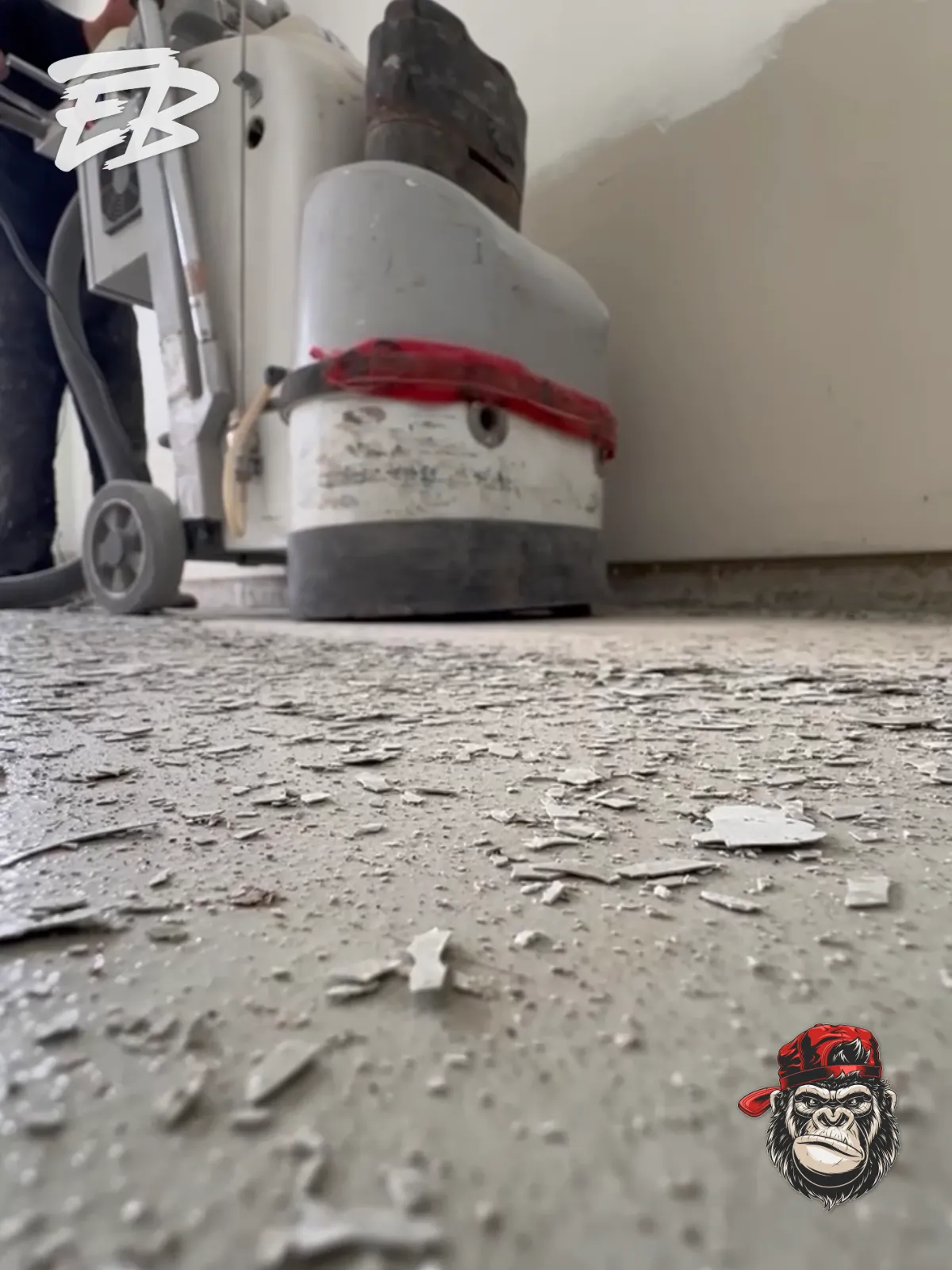
Epoxy Boss installs garage floor coatings, repairs failed floors and builds commercial resinous floors in Vaughan and across York Region.
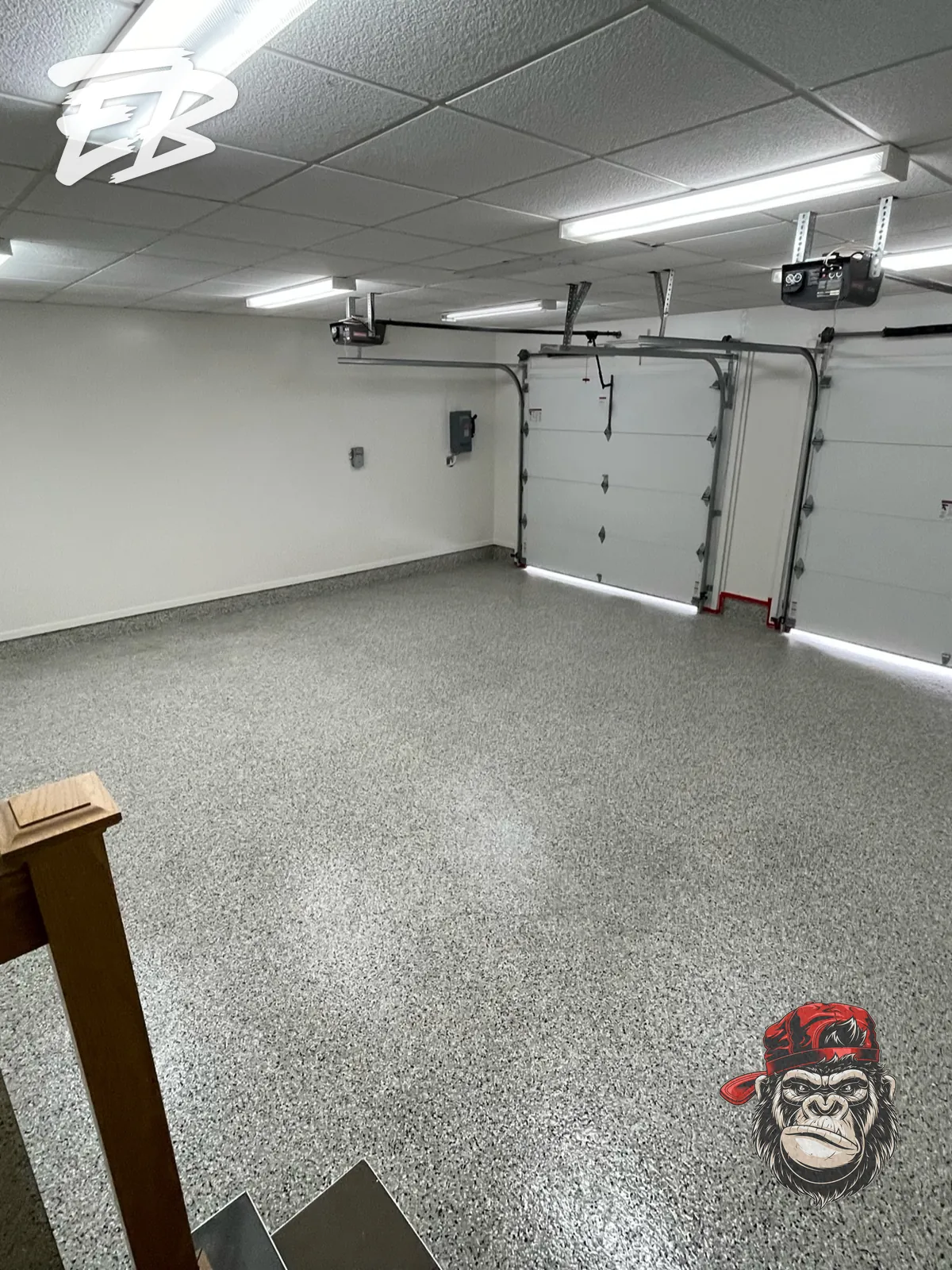
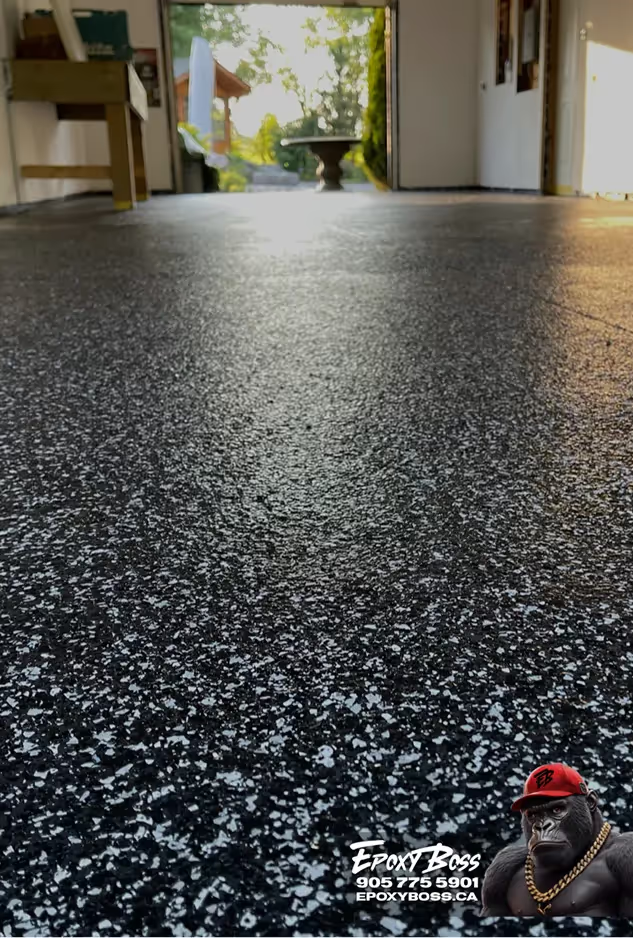
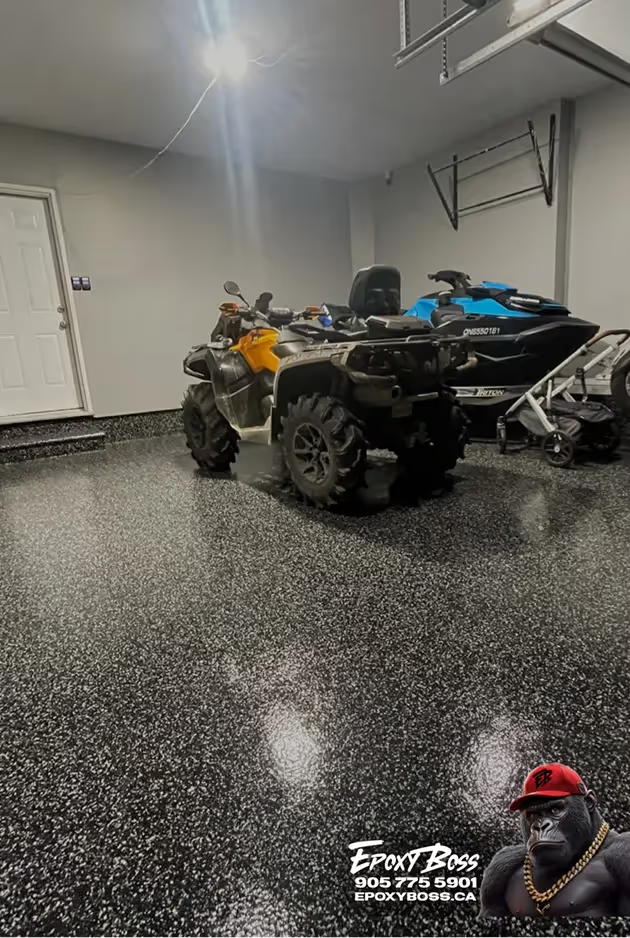
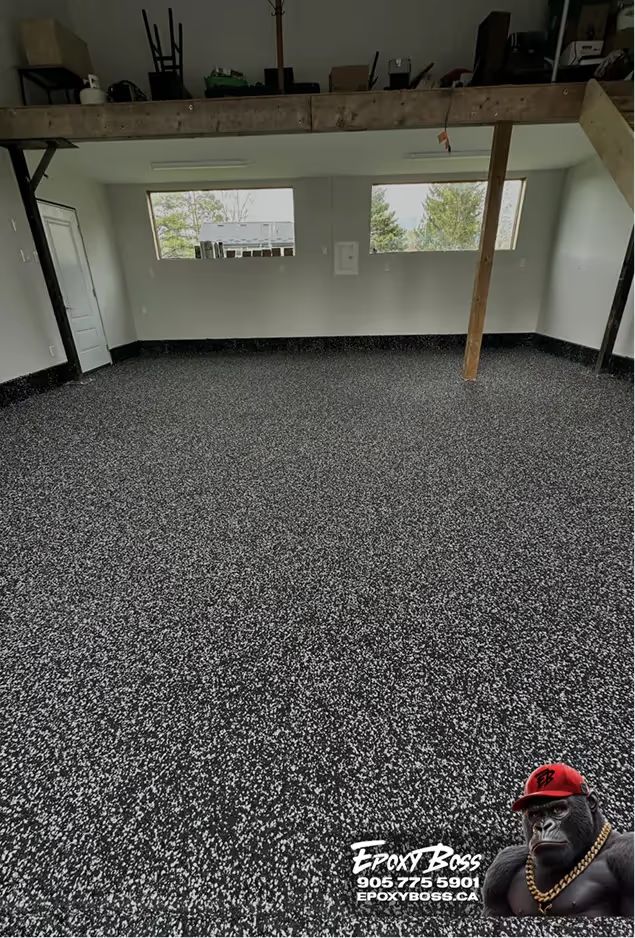
Many Vaughan garages we see have either bare concrete that dusts and stains, or an earlier coating that has started to peel. A failed coating cannot be fixed by adding another layer on top. On a 420 sq ft Vaughan garage we removed the old system, prepared and repaired the concrete, and rebuilt the floor with a full-broadcast flake finish. On a larger 1,300 sq ft garage we installed a flake system with a vertical coating along the walls. See our floor coating removal and polyaspartic garage flooring pages for how these systems are built.
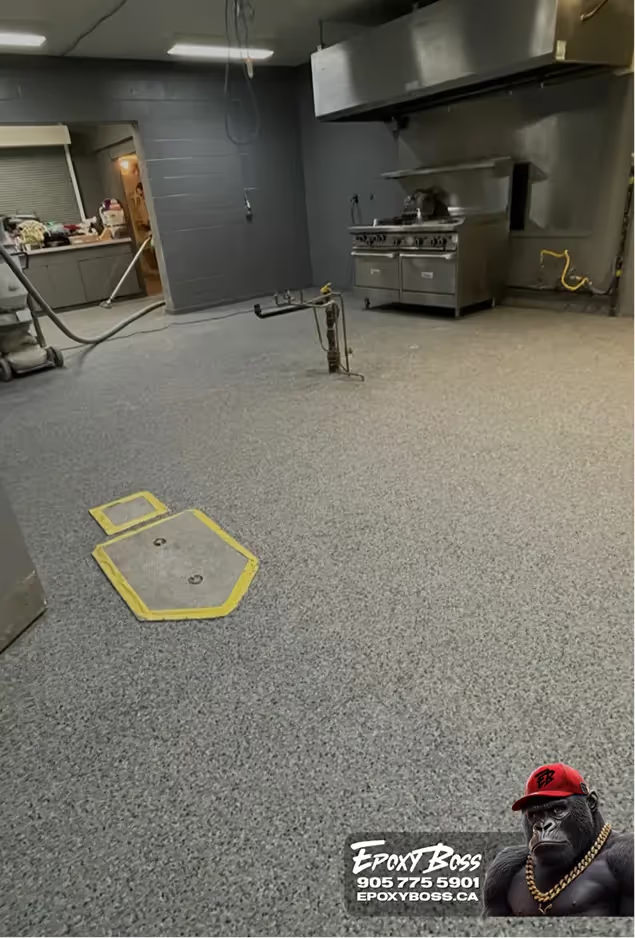
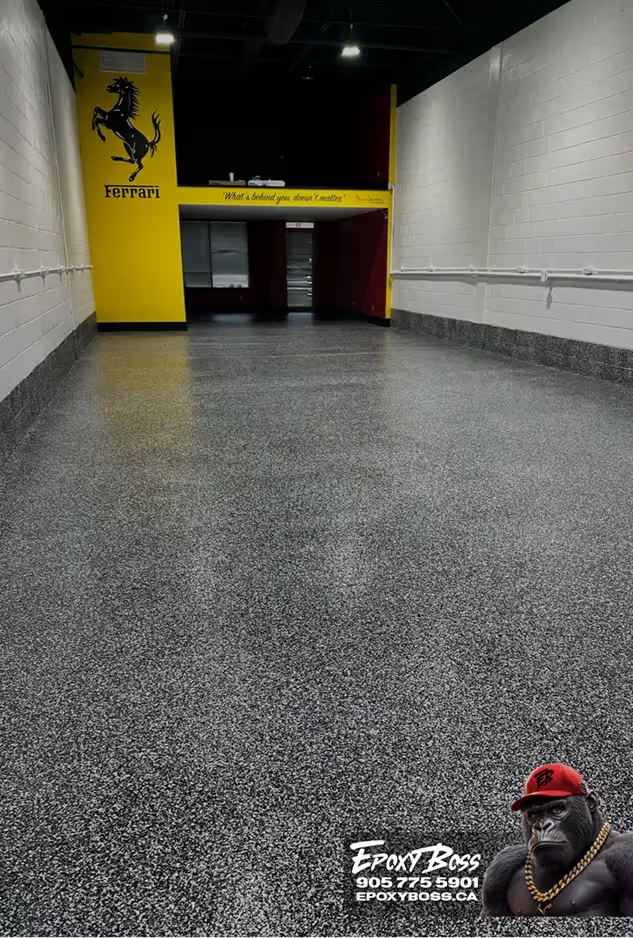
Vaughan also has a large base of food, warehouse and light-industrial businesses. For a 1,800 sq ft Vaughan bakery the scope included concrete grinding, a decorative flake floor and cove base at the walls. For warehouses and production space, see commercial epoxy flooring and industrial epoxy flooring.
Every Vaughan project starts with the slab: old coatings, cracks, contamination and moisture are checked before a system is recommended, and the concrete is mechanically prepared by diamond grinding. Read more in our guide to warehouse floor options in Ontario.
A strong floor coating starts with the condition of the concrete—not the colour of the flakes. Vaughan garages and commercial floors may have failed paint, peeling coatings, cracks, pitting, oil contamination, weak surface material, or moisture-related concerns that need attention before a new system is installed.
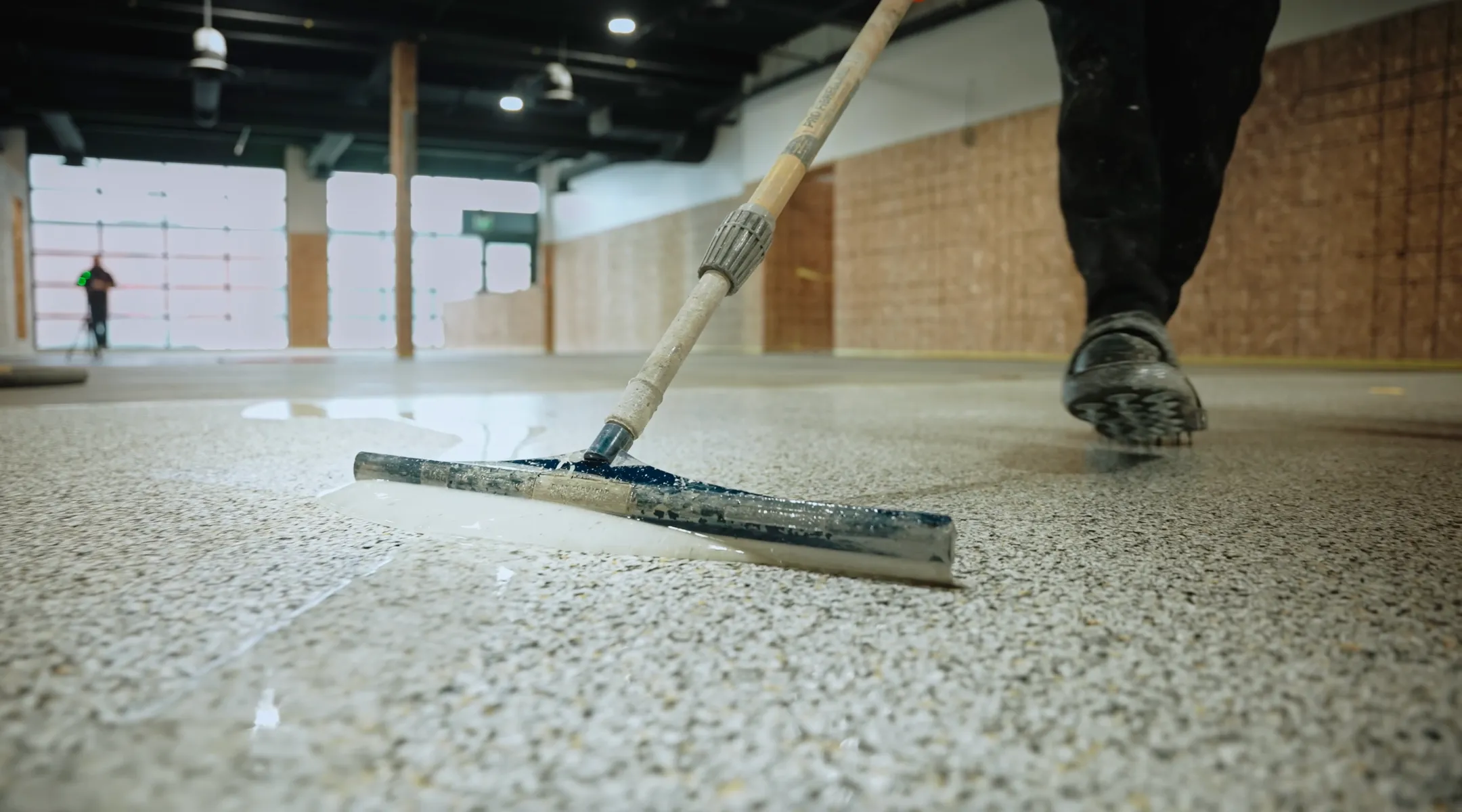
Epoxy Boss evaluates the existing floor and builds the scope around what the concrete actually needs. Depending on the condition, this may include coating removal, diamond grinding, crack repair, patching, surface profiling, primer work, full flake broadcast, protective topcoats, polished concrete, or grind-and-seal preparation.
Epoxy Boss provides concrete flooring, surface preparation, repair, restoration, and protective coating services for complex Toronto and GTA environments. Our experience includes healthcare settings, casino environments, transportation-related facilities, police facilities, schools, restaurants, hospitality spaces, automotive properties, warehouses, showrooms, and commercial buildings.
These projects require careful planning around access, safety, maintenance, scheduling, operations, and the actual condition of the concrete.
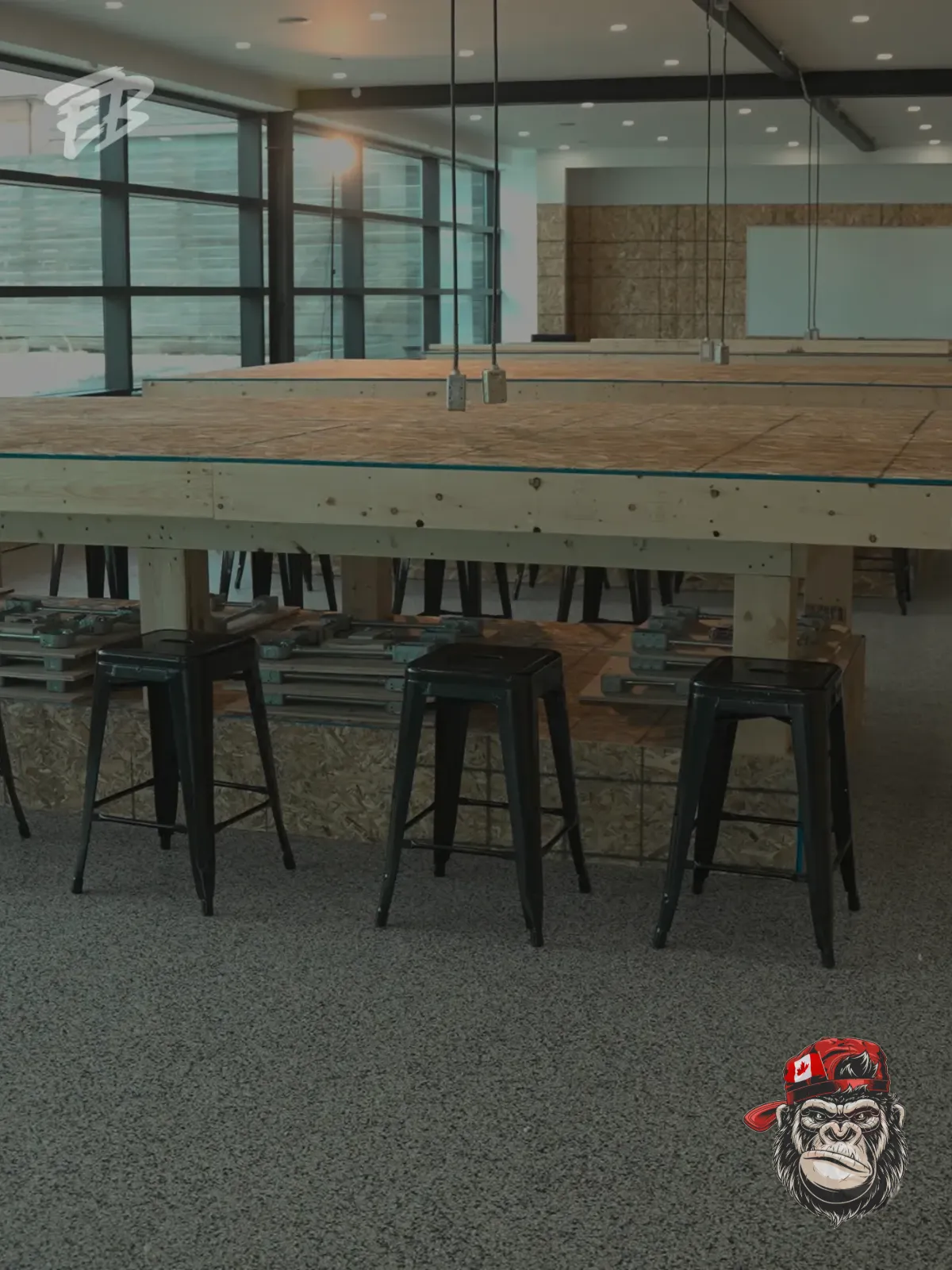
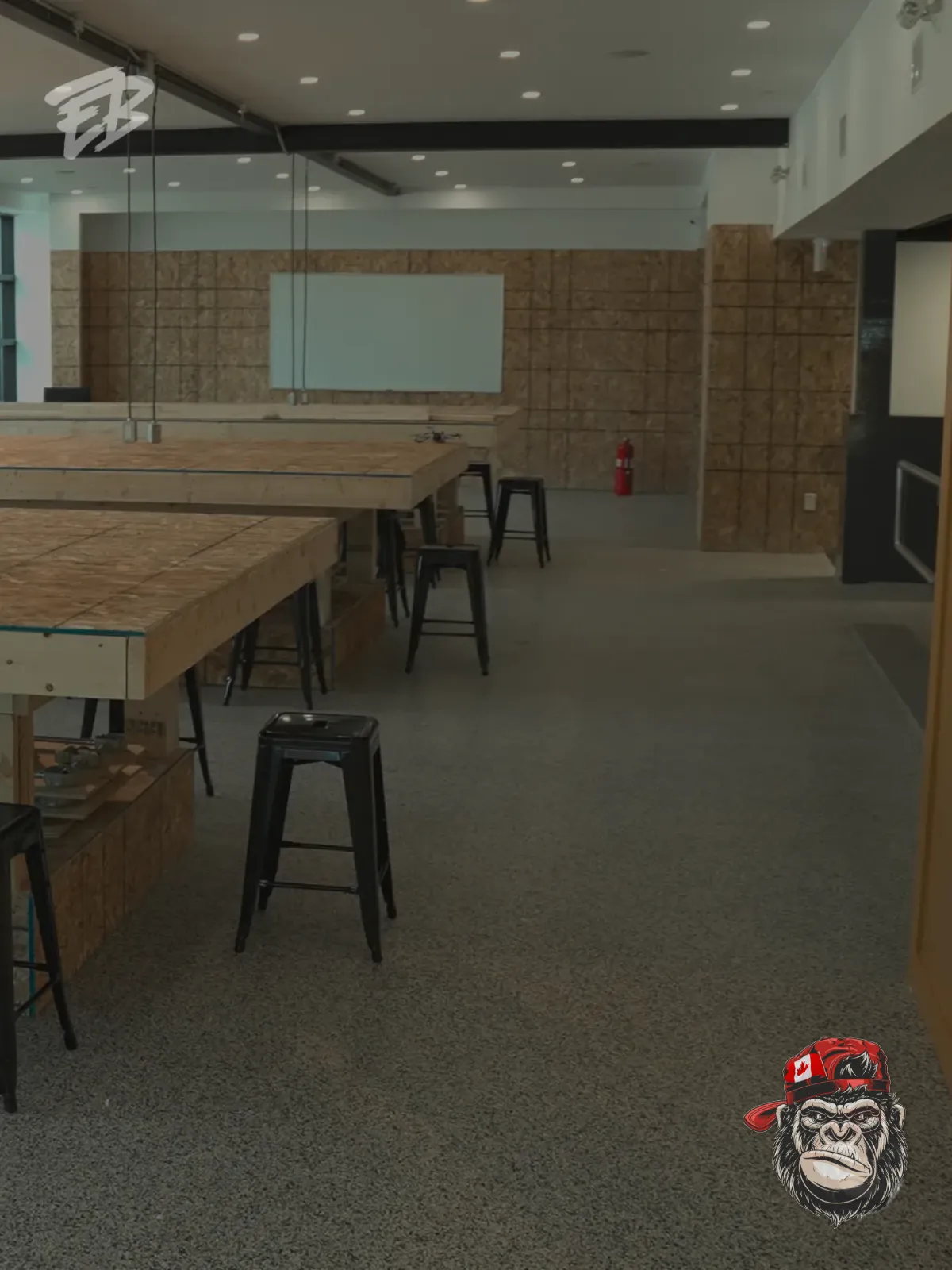
Restaurants, hotels, showrooms, automotive spaces, retail properties, warehouses, and commercial facilities need flooring that suits the way the space is used. We plan each system around traffic, cleaning requirements, appearance, preparation needs, and downtime considerations.
From decorative customer-facing floors to protective working surfaces, Epoxy Boss helps property owners and facility teams select a concrete flooring solution that fits the building.
A coating system depends on the surface beneath it. We provide diamond grinding, shot blasting, coating removal, crack and joint repair, patching, profiling, and other preparation work needed to create a sound base for a new floor system.
Whether the project requires polished concrete, a flake system, a protective resinous coating, or a grind-and-seal finish, proper preparation comes before the visible finish.
Besides Vaughan, Epoxy Boss installs garage floor coatings, commercial floors and polished concrete across York Region. Choose a nearby community:
See all York Region service areas or the full list of Ontario service areas.
Multi-unit and commercial properties need more than a good floor: they need notice to residents, phased access, documentation and a single point of contact. We work to the engineer's or manager's specification, provide certificates of insurance and product data, and plan the work so the building keeps functioning.
Related: concrete coating services.
Parking structure repairs and membranes are typically done in warmer weather, so planning needs to start months earlier. Condominium corporations work from reserve fund studies and engineering condition assessments that identify what the structure needs. Repairs to the concrete come first, then protection. We work to the engineer's specification and can price and schedule once the scope is defined.
Related: parking garage traffic coatings and waterproofing and traffic systems.
A traffic membrane is a layered system: a waterproof membrane bonded to the prepared deck, followed by wear layers with embedded aggregate for traction, and a topcoat. It's designed to flex with the structure and resist vehicle wear. Its job is to keep salt-laden water out of the concrete, which is why detailing at cracks, joints and drains matters as much as the main coating.
Every car entering a parking structure in winter brings in snow and slush loaded with de-icing salt. That water sits on the deck and soaks in. Over years, chlorides move through the concrete and can reach the reinforcing steel, where they contribute to corrosion. Corroding steel expands and can crack and spall the concrete around it. Protecting the deck surface limits how much reaches the steel.
Related: parking garage traffic coatings and waterproofing and traffic systems.
A metallic system typically involves preparation, a primer or base coat, the metallic layer and a topcoat, each with its own cure time. Preparation and repair needs vary from slab to slab. We give you a written schedule with the quote, including when the space can be used and when furniture or vehicles can return.
The metallic effect is created by hand during installation, so the pattern, depth and distribution can't be reproduced exactly from a photo. Lighting in your space also changes how it reads. We show physical samples and photos of our own past floors, agree the colour and general movement you're after, and explain where variation will come from.
Metallic finishes are high-gloss and smooth, which makes scratches, grit and salt residue more visible than on a textured flake floor. In a garage that sees daily winter traffic, that can mean more maintenance. For show garages and less-used spaces, they're a strong choice. A UV-stable topcoat matters where sunlight reaches the floor.
Metallic floors use pigments suspended in a resin layer that are worked by hand while wet, creating swirls, depth and a stone-like or liquid appearance. They're usually sealed with a clear topcoat. Because the effect is made during installation, no two floors are identical, and the final look depends on the installer's technique as much as the colour choice.
Related: metallic epoxy flooring and epoxy flooring systems.
Salt tracked through the door dries into a white film and works into porous concrete over the winter. A dense, sealed or coated surface limits absorption and makes residue easier to remove. Entrance matting catches most of it before it spreads into the store. Cleaning products suited to salt residue — used regularly through winter — keep the finish from dulling.
Related: concrete polishing and polished and decorative concrete.
Most commercial floors are done in a space that can't close. We plan which areas come out of use and when, keep preparation dust-controlled, and move the noisiest stages outside trading hours. Where a landlord or property manager has to approve the work, we provide the documents and insurance certificates they ask for.
Related: concrete polishing and polished and decorative concrete.
Polished concrete works with the slab you have, so its condition drives the cost. Hard or soft concrete grinds differently, existing coatings or adhesives must come off first, cracks and joints need treatment, and higher gloss levels take more polishing steps. We assess the slab and quote in writing, in Canadian dollars with HST shown.
Related: polished and decorative concrete.
Coating over an existing failed or unknown coating is one of the most common causes of repeat failure. We remove it mechanically by grinding or shot blasting until we reach sound concrete across the whole area, including edges and under fixtures where old material is often left behind. What we find underneath often explains why the previous floor failed, and that shapes the new specification.
Related: floor coating and adhesive removal.
Diamond grinding abrades the surface and is well suited to flattening, removing thin coatings and producing lower profiles. Shot blasting propels steel shot at the surface and can profile large open areas quickly, producing a coarser texture. Some jobs use both — blasting the open floor and grinding edges and tight areas. The choice comes from the profile the product needs, the existing surface, and the building's constraints.
The ICRI concrete surface profile scale gives contractors and manufacturers a common language for roughness. Each coating system specifies the CSP range it needs to bond properly — thin coatings need less profile, thicker systems more. We prepare to the range the product's data sheet calls for, and check it against reference chips rather than by eye.
Coatings bond mechanically to a profiled surface. If the slab still carries laitance, oil, an old sealer or a weak top layer, the new coating bonds to that instead of sound concrete, and it can come away with it. Mechanical preparation — diamond grinding or shot blasting — removes those layers and creates the profile the product requires. It's the least visible part of the job and the one that decides whether the floor lasts.
Related: concrete surface preparation and surface preparation and grinding.
A grind-and-seal densifies and seals the existing concrete — good for dust control on a sound slab where appearance and chemical exposure aren't the priority. A full resinous coating builds a film on top, which gives more resistance to spills and abrasion, colour for zoning and line marking, and a surface that's easier to clean. The right answer depends on the slab condition, what's spilled on it, and the traffic it carries.
An industrial building heated to a stable temperature can meet coating requirements through winter. The practical problem is loading docks and overhead doors, which let cold air sweep across the floor. We plan which doors stay closed, measure slab temperature and dew point during installation and cure, and phase areas near doors for times when they can be kept shut.
Related: industrial epoxy flooring and concrete coating services.
Saw-cut and construction joints take an impact every time a forklift crosses. Once an edge chips, the damage accelerates, and the joint becomes a trip point and a source of shock loading for equipment. We cut back damaged edges, rebuild them, and fill with a semi-rigid filler suited to wheel traffic. Coating over broken joints without repairing them usually means the coating fails along the same lines.
Related: joint filling and concrete repair and restoration.
Most Vaughan warehouses can't close, so the installation is planned around the operation. We section the floor into areas that come out of use in turn, agree forklift and foot traffic routes, and schedule the most disruptive stages — grinding and coating — for nights or weekends where needed. Each section is returned once it has reached the cure stated for the traffic it will carry.
Related: industrial epoxy flooring and fast return-to-service flooring.
Every product's technical data sheet gives a cure time for light foot traffic and a longer one for vehicle traffic, and both lengthen as temperature drops. Polyaspartic topcoats generally return to service faster than conventional epoxy systems, which is one reason they're used in Ontario garages. Hot tires on a floor that hasn't fully cured can mark it, so we give you a specific time for your floor on the day, based on the product and conditions, rather than a general number.
Related: fast-cure flooring systems.
Scaling is loss of the top layer of concrete, usually in patches, and is commonly linked to freeze-thaw exposure with de-icing salts. Cracking is a break through the slab, which can come from shrinkage as the concrete cured, settlement, or movement. Most garage cracks are shrinkage cracks and can be treated before coating. Cracks that are widening, uneven across the break, or accompanied by settlement are a different matter, and a structural engineer should look at those before any coating decision is made.
Related: concrete repair and restoration.
The first few feet inside a garage door take the most punishment in an Ontario winter: snow falls off the car, melts, pools with dissolved salt, and freezes again when the door opens. That zone also has the widest temperature swings. Surface scaling — thin flakes coming away — often starts there, and it can also point to a weaker surface layer from how the slab was originally finished. We assess it before recommending anything, because the fix depends on how deep the damage runs.
Related: concrete crack repair and concrete repair and restoration.
Salt damage typically shows as scaling, pitting and spalled edges, and the first job is to find out how deep it goes. We grind until we reach sound concrete, then rebuild the damaged areas with a compatible repair material and grind them flush before any coating goes down. Coating directly over scaling usually fails, because the coating is only as strong as the layer it's bonded to. If the damage is deep or structural, repair alone may not be the answer, and we'll say so.
Related: concrete crack repair and concrete repair and restoration.