Concrete Polishing
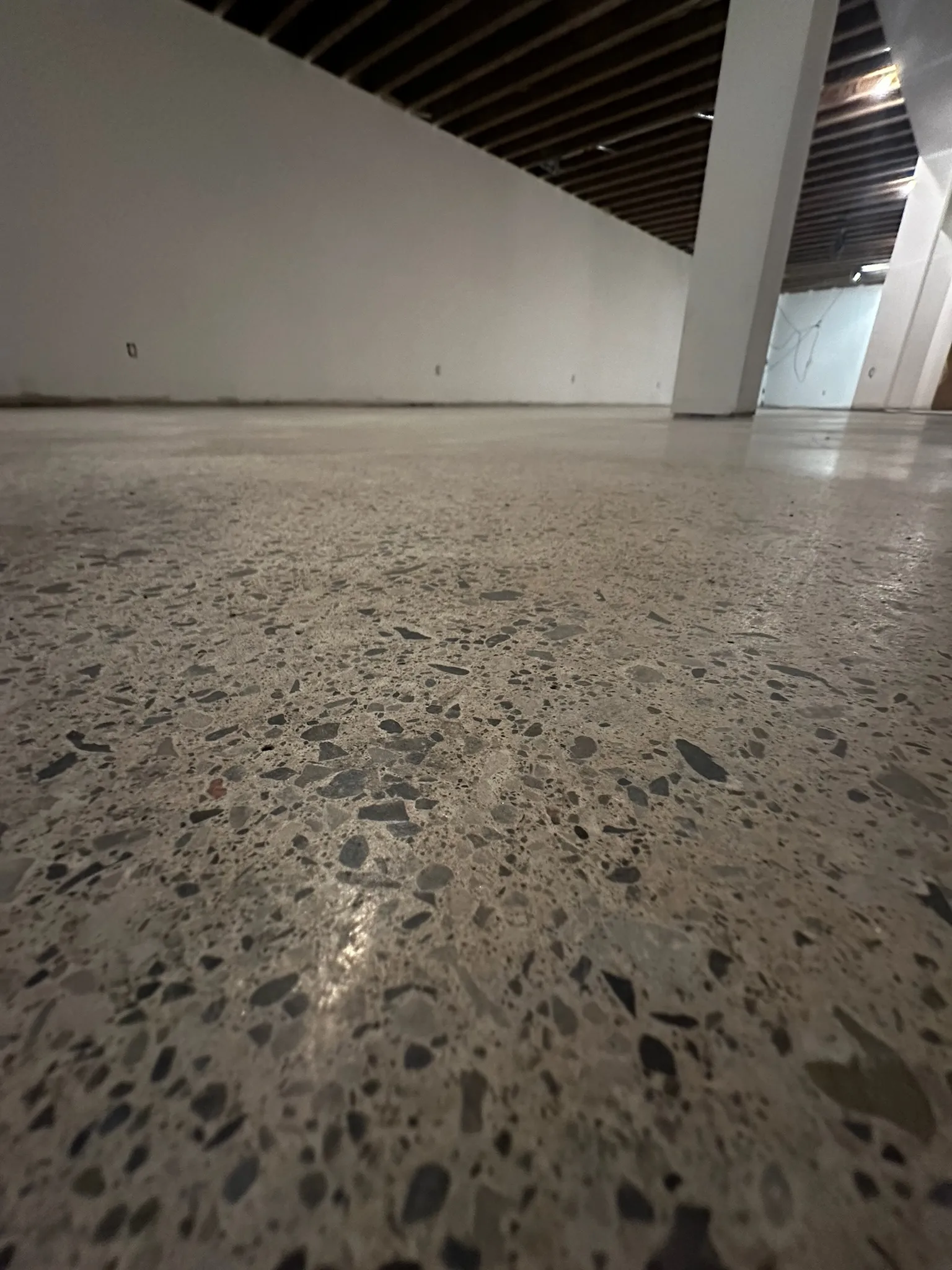
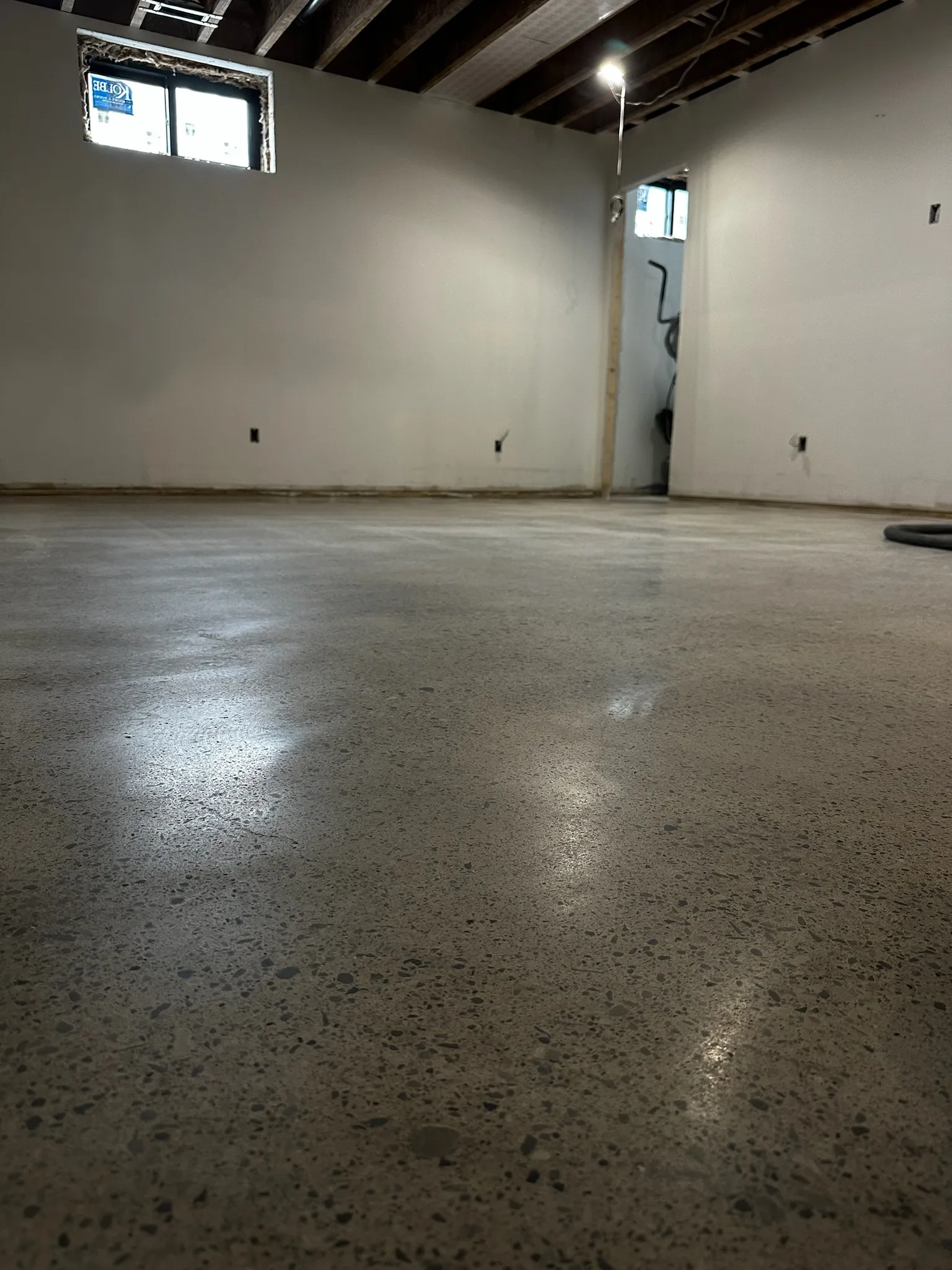
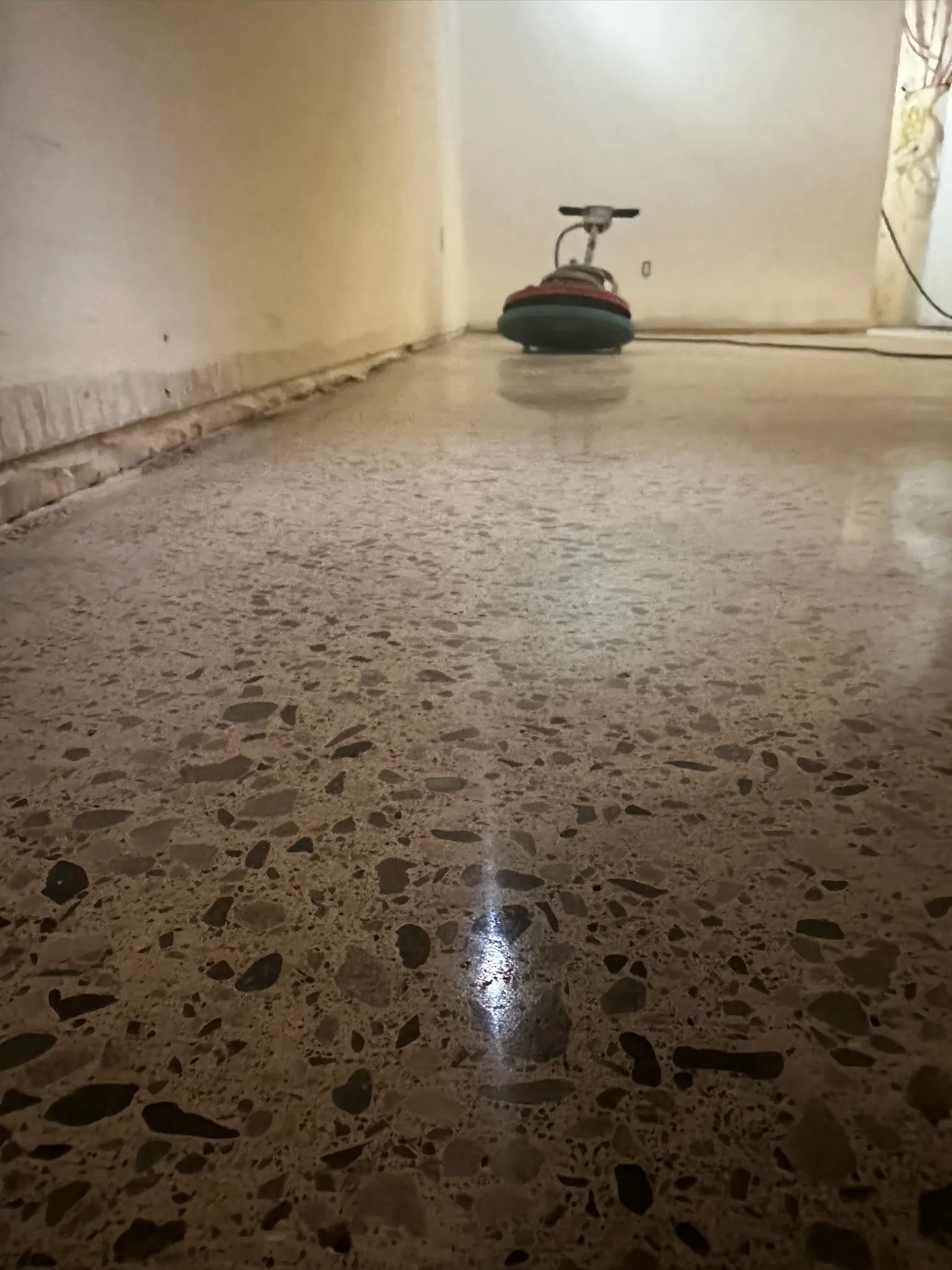
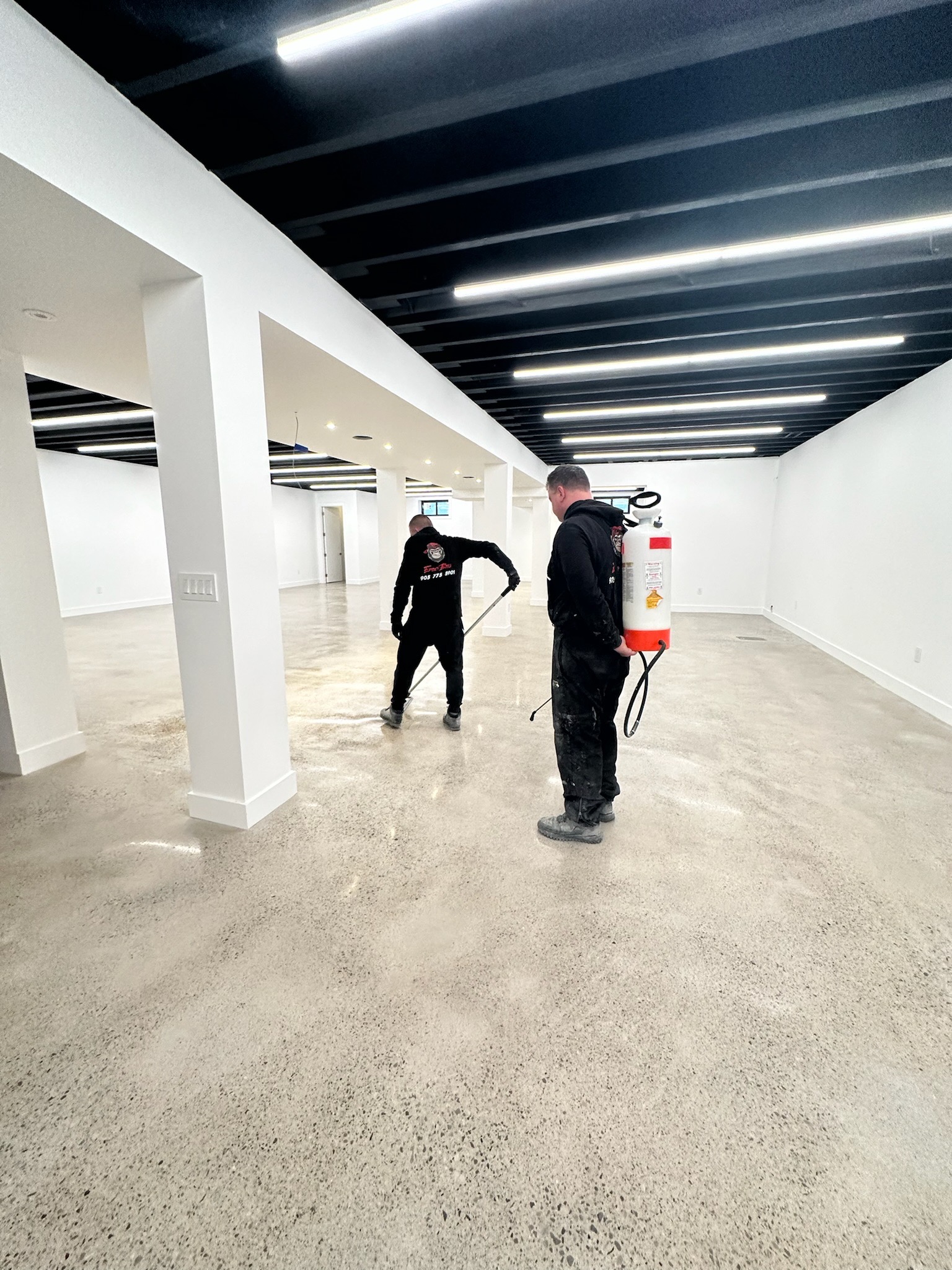
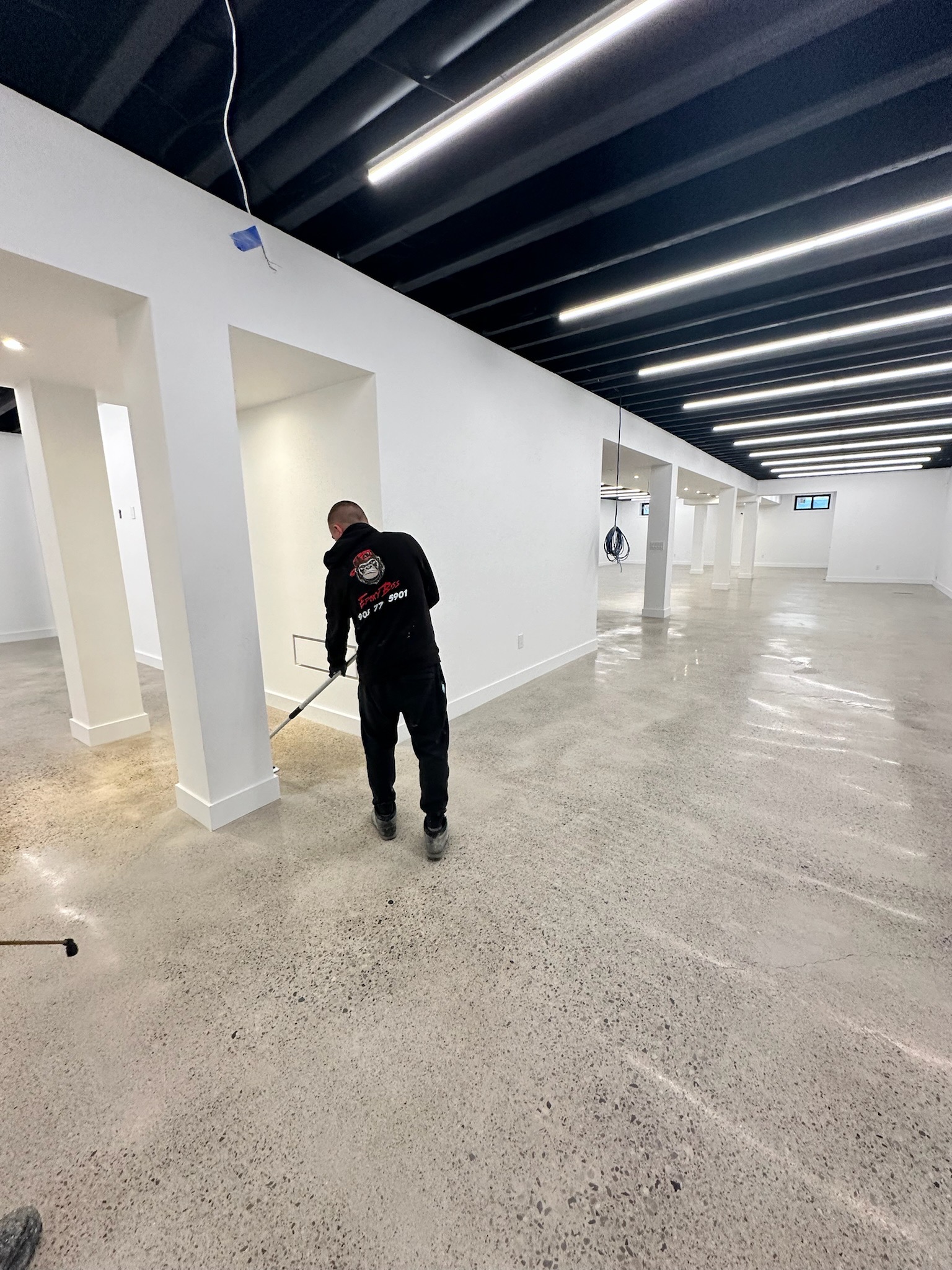
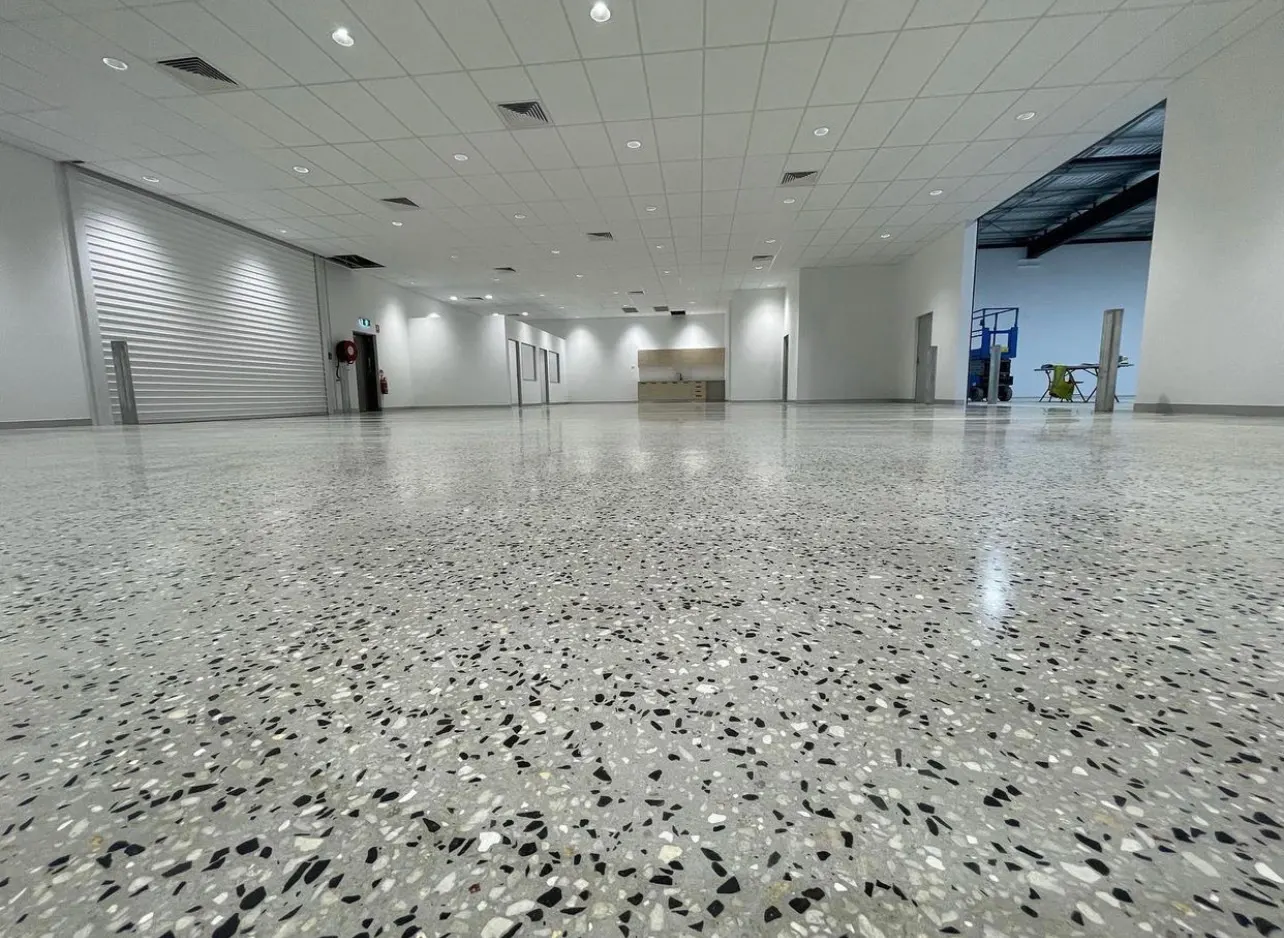
Concrete polishing develops the existing slab through mechanical grinding and progressive refinement. It can suit warehouses, retail stores, showrooms and other spaces where the concrete itself will be the finished floor. The slab's condition determines what appearance is achievable.
Choose the finish around your space
We review aggregate exposure, sheen, edges and the expected traffic and cleaning routine. Existing patches, cracks and colour differences may remain visible after polishing. Discuss these features before choosing the finish; a sample area can help establish realistic expectations.
Grinding, polishing or grind and seal?
Grinding is a preparation step. Mechanical polishing uses further refinement to develop the finished concrete surface. A grind-and-seal system uses a protective sealer and has a different maintenance plan. If your next step is epoxy, tile or another floor covering, start with concrete grinding and preparation rather than a polishing-only scope.
Plan repairs and access before work starts
Coating or glue removal, crack and joint treatment, edge work, slab hardness and the target finish affect the process. Tell us about opening hours, racking, machinery and available work areas so the scope can reflect your operation.
Request a concrete polishing estimate
Provide the location, approximate square footage, photos, desired sheen and any existing coating or adhesive. Let us know whether the space is commercial, industrial or residential. We will review slab condition, repairs and finish options before providing a written estimate.
Request a free slab assessment or call (905) 775-5901. Add “concrete polishing” and your project details to the form so we can review the right service.
This is part of our polished & decorative concrete service. Related work: grind & seal systems, salt and pepper concrete finish and concrete grinding.
Further reading: How to Polish Concrete: The Step-by-Step Process for Ontario Floors.