Commercial Epoxy Flooring
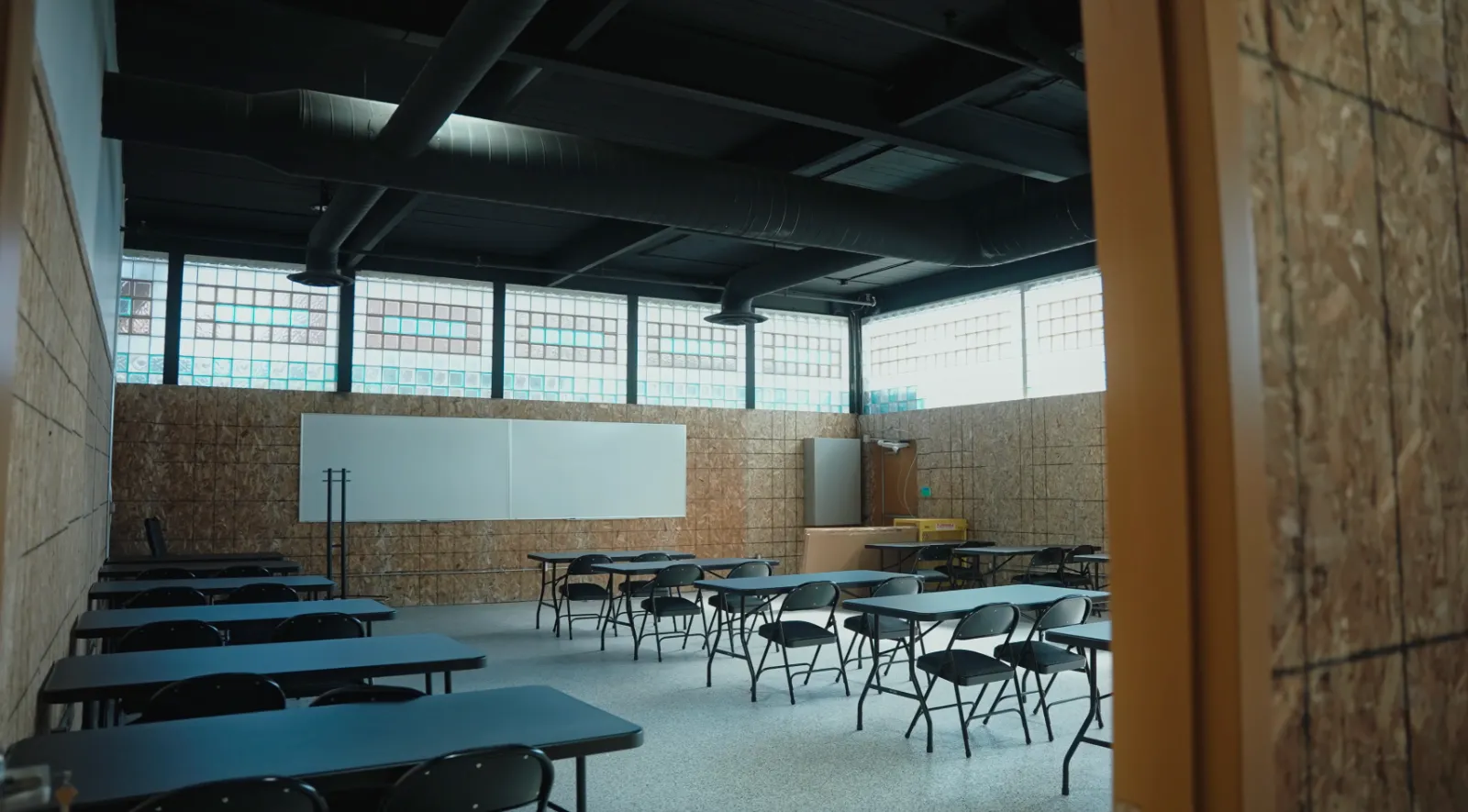
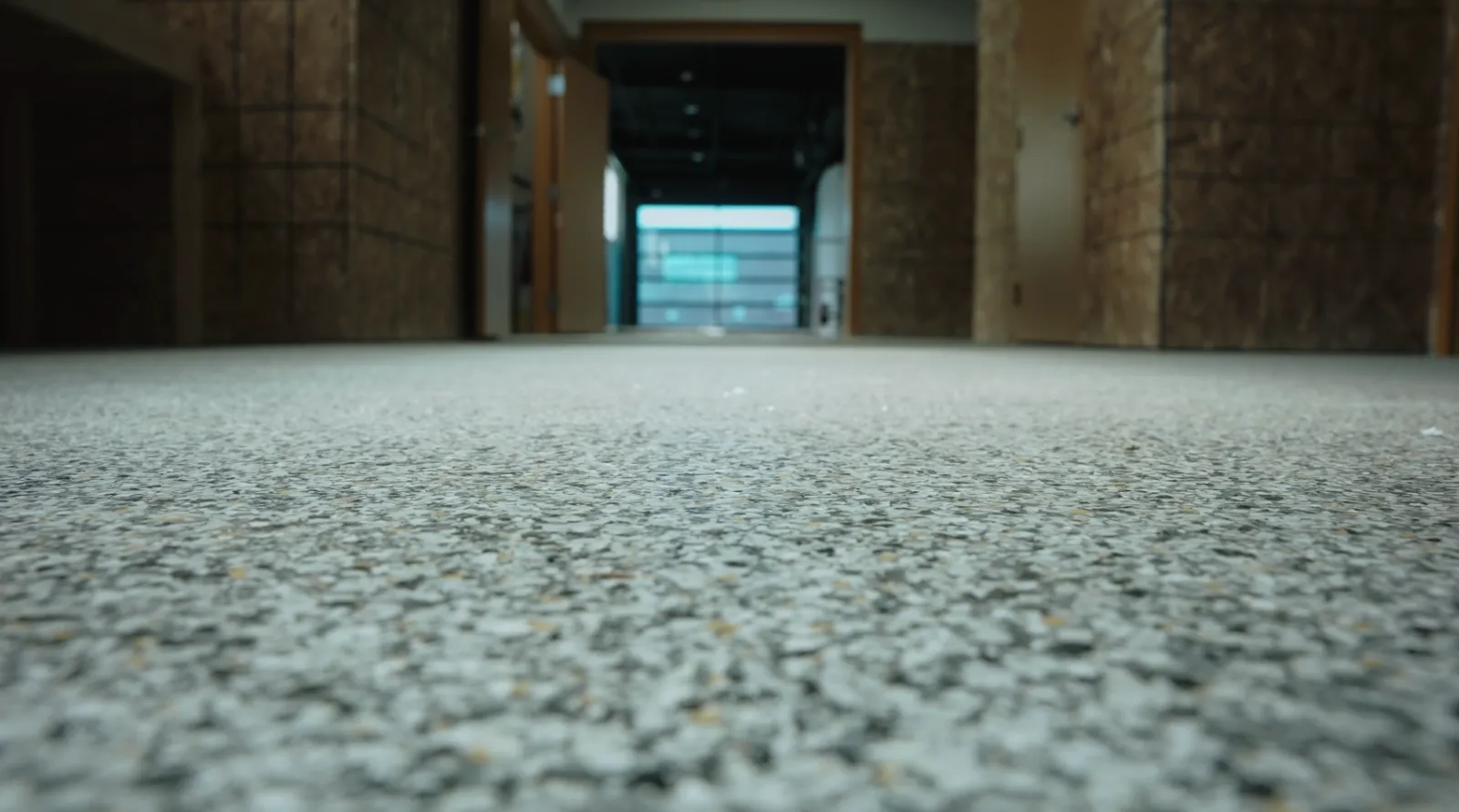
Commercial epoxy floors are planned around how customers and staff use the space. Appearance, cleaning, surface texture and the condition of the slab guide the choice of solid, decorative or broadcast finishes.
Where commercial epoxy flooring is used
- Warehouses and distribution space: pick zones, packing areas, charging bays and walkways that need a sealed, cleanable floor with colour for zoning and line-marking.
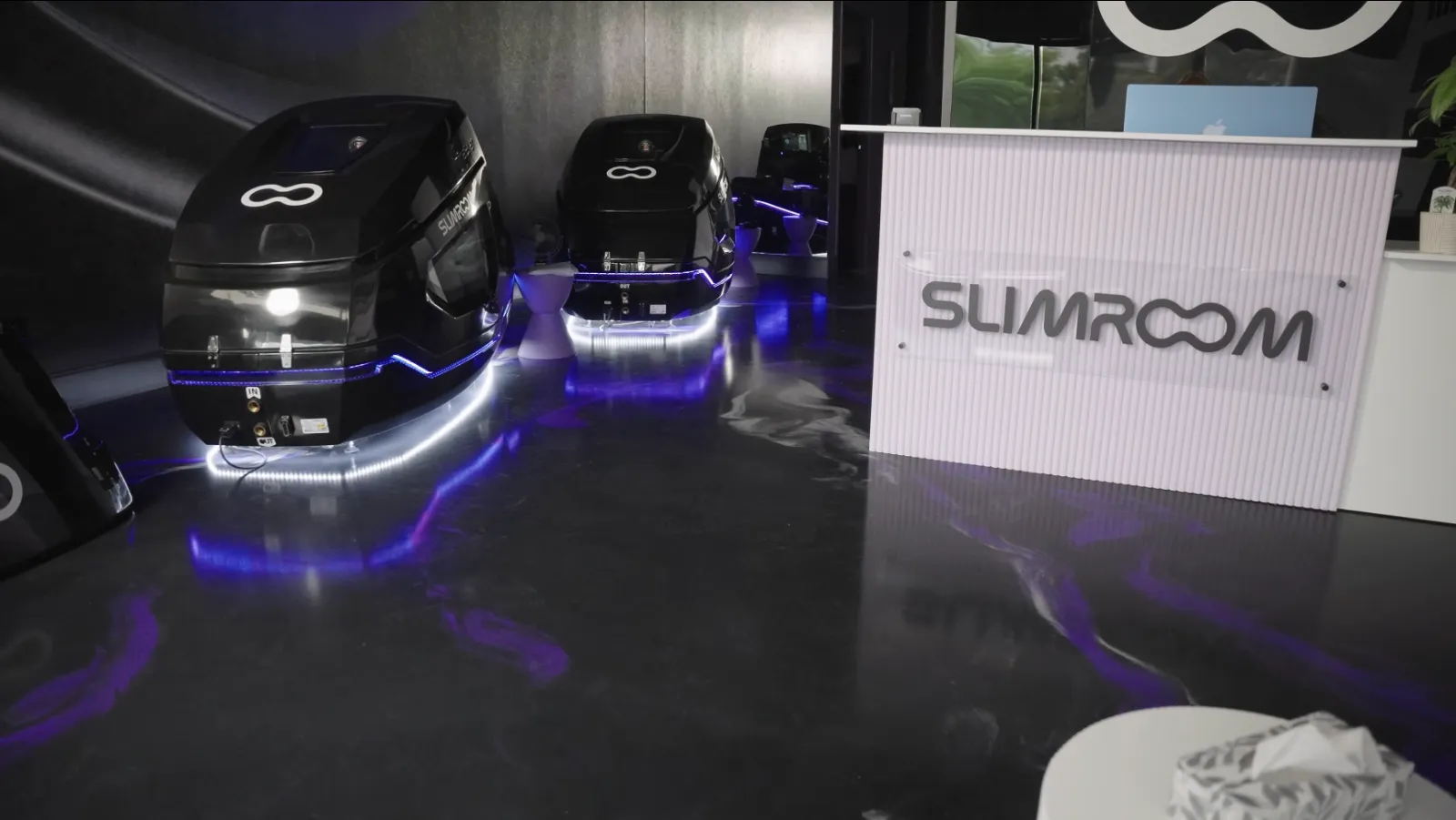
- Retail stores and showrooms: durable floors that carry daily foot traffic and still present well to customers.
- Automotive service bays and dealerships: surfaces that resist oils and fluids and can be cleaned quickly.
- Restaurant back-of-house, offices and institutions: seamless floors that are easier to keep clean than worn concrete or damaged tile.
Choosing the system
The right build-up depends on the use of each area, not on the business type alone. A solid-colour epoxy suits back-of-house and storage areas where cleanability and zoning matter. A decorative flake or quartz broadcast system adds texture and hides wear in busy, wet or customer-facing areas. A polyaspartic or other UV-stable topcoat is considered where sunlight from storefronts or dock doors reaches the floor, and fast return-to-service systems are reviewed where downtime is the main constraint. Areas with heavy wheel traffic, chemicals or hot washdowns may be better served by industrial epoxy or urethane cement.
Preparation comes first
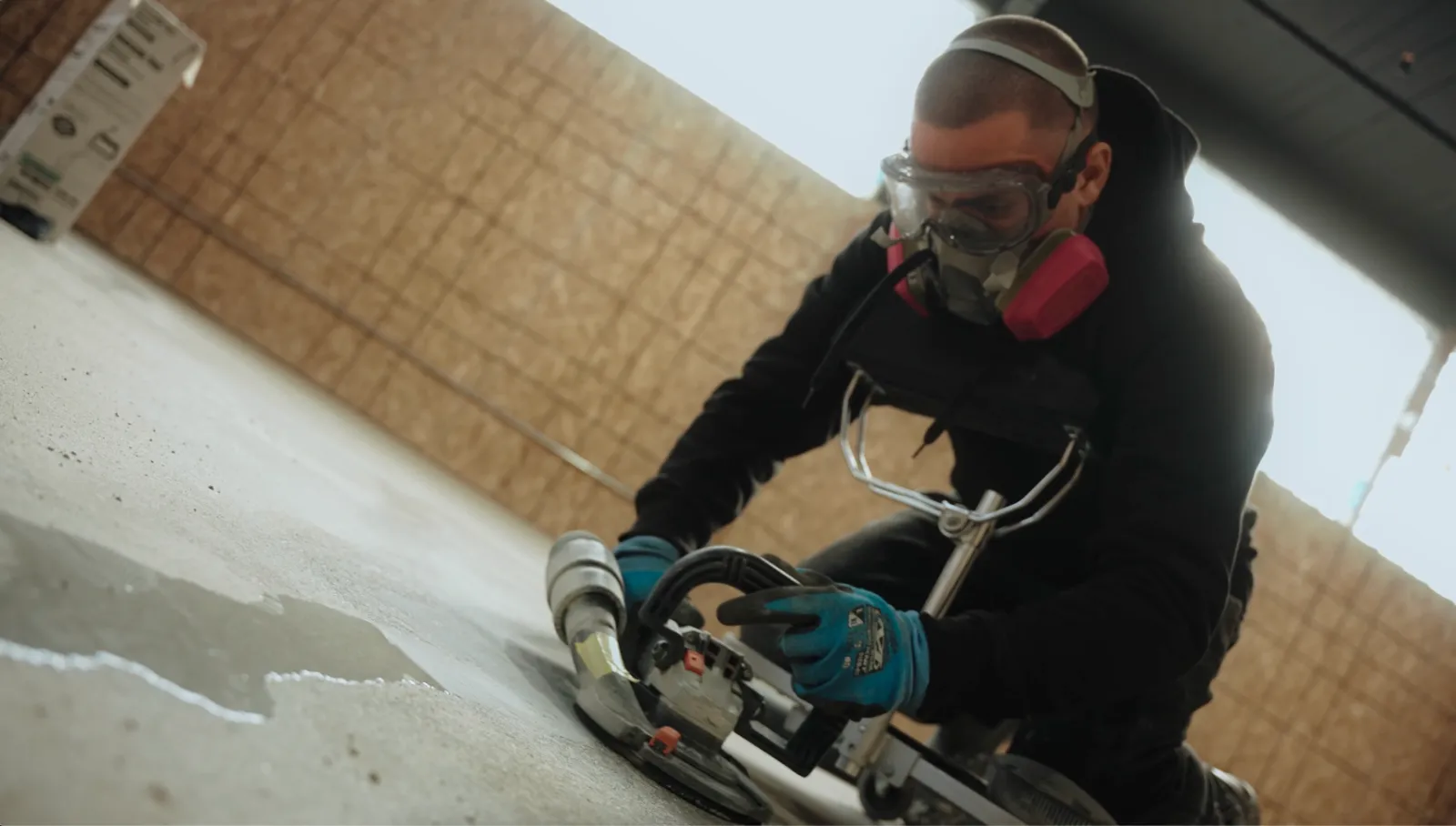
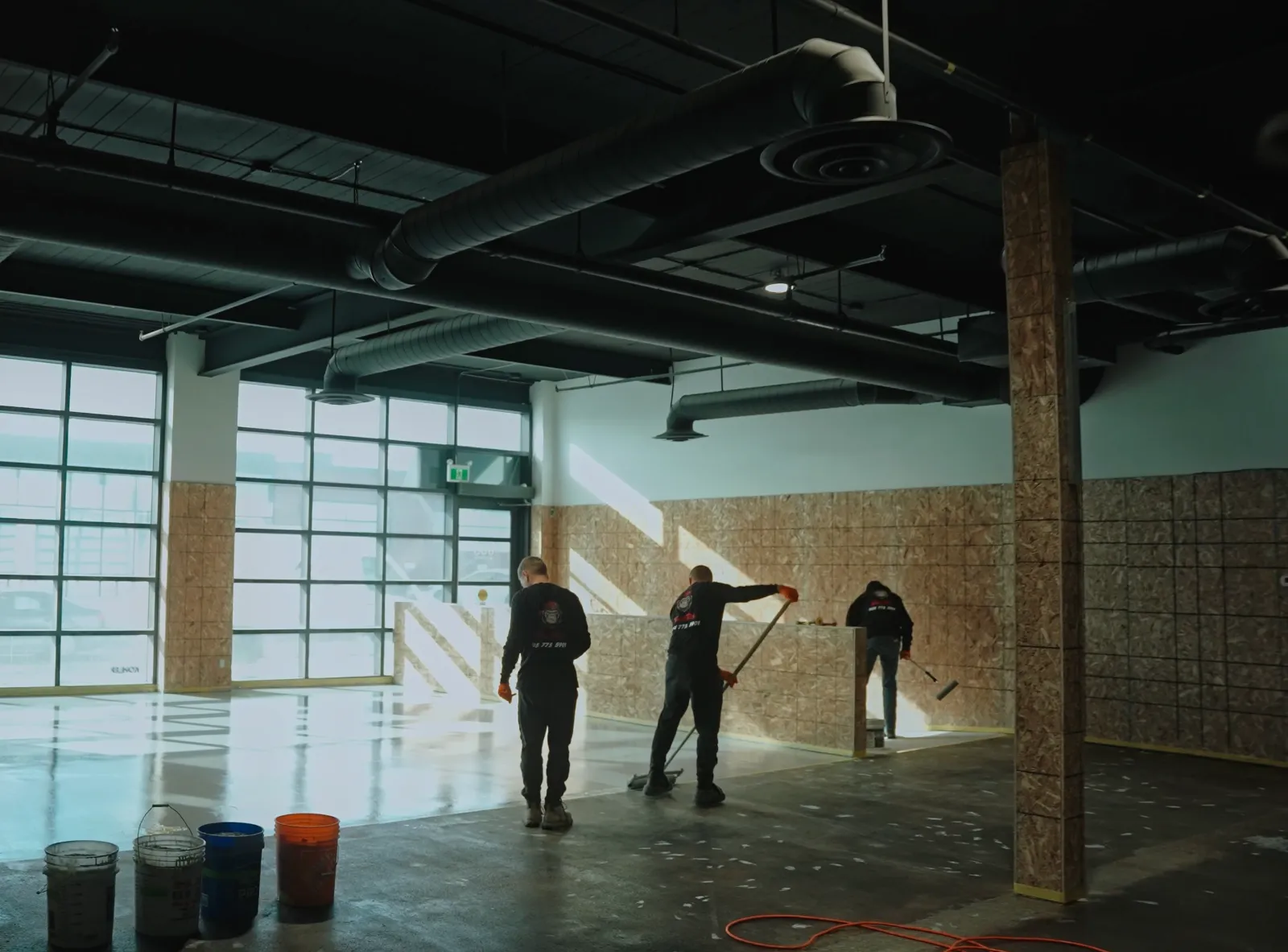
Most commercial coating failures start with the concrete, not the coating. Before a system is installed, the slab is assessed for old coatings, sealers, adhesives, oil contamination, cracks, damaged joints and moisture. Mechanical preparation such as diamond grinding removes weak surface material, cracks and joints are treated, and moisture is reviewed against the product's requirements.
Working around your business
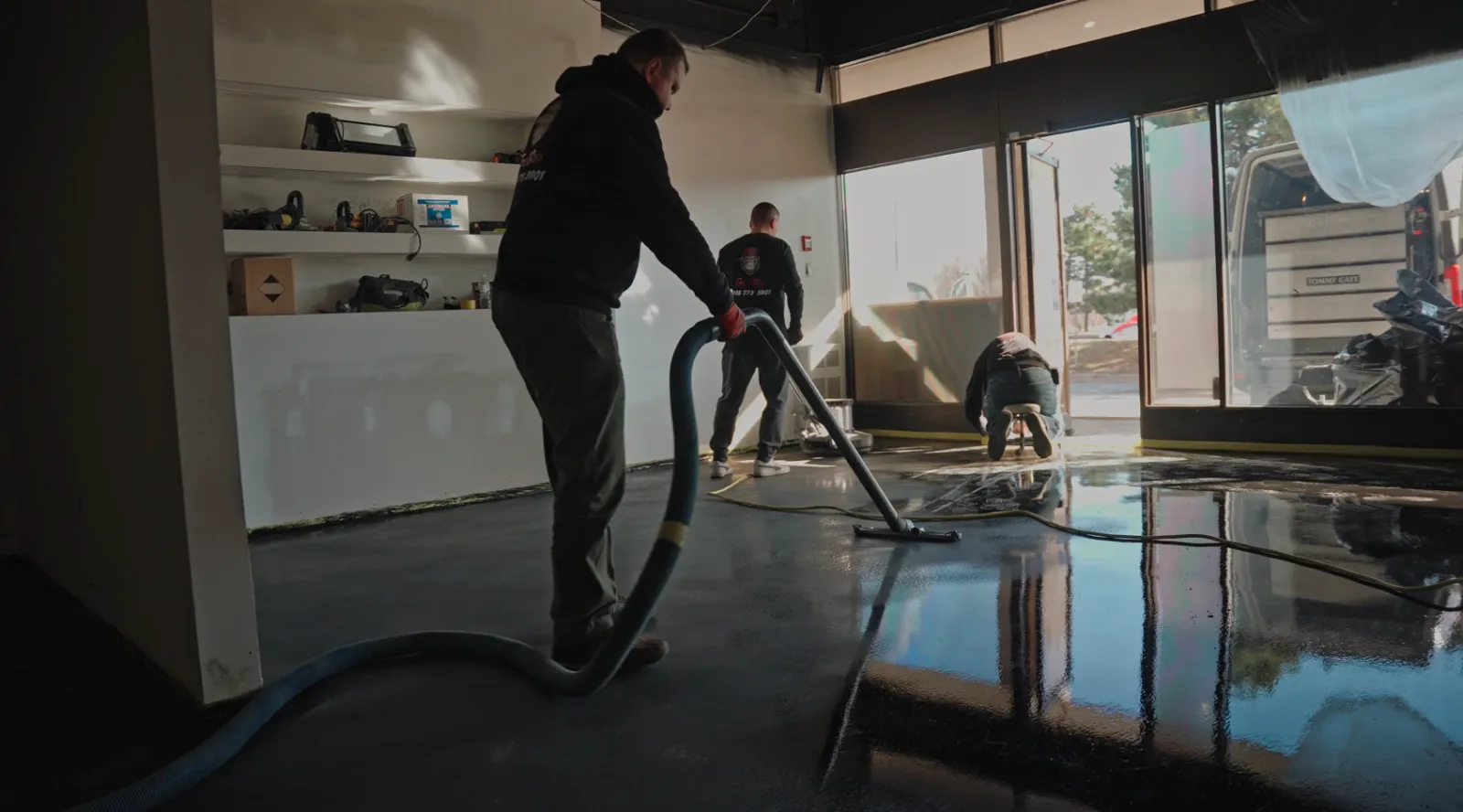
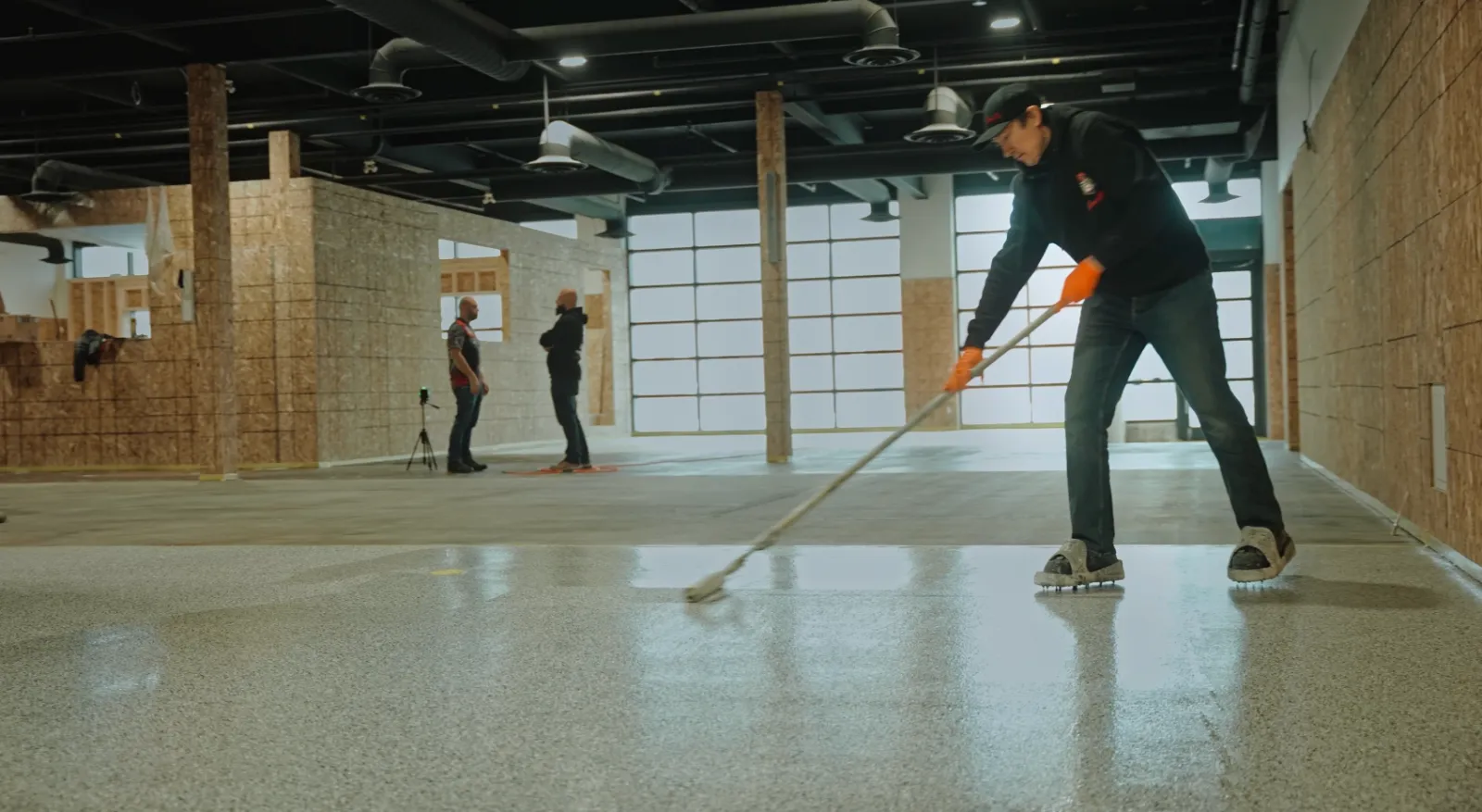
Commercial floors are usually installed in spaces that cannot close for long. Work can be phased by area, with after-hours scheduling discussed where needed, and sequenced so entrances, aisles or service bays stay usable. Each area is returned once it has reached the cure stated for the traffic it will carry.
What affects the cost
Price depends on the condition of the slab, the amount of repair and coating removal, the system and texture selected, access and phasing, and the size of each work area. We assess the floor and provide a written quote in Canadian dollars.
Recent commercial projects in Simcoe County and the GTA
- Orillia retail store, 2,800 sq ft: old tile bonding and glue residue ground off, the surface levelled, then a polyurea/polyaspartic base, full vinyl flake broadcast and polyaspartic topcoat. Completed in five days.
- Stayner commercial interior, 6,070 sq ft: the worn coating was removed down to the concrete and the floor finished in solid commercial grey, in one working day (2025).
- Ford production plant, Mississauga, 6,000 sq ft: diamond grinding, crack and pit repair, a solid epoxy system in key areas and safety line marking, done while the plant stayed in operation.
- Vaughan bakery, 1,800 sq ft: mechanical grinding with dust extraction, a decorative flake system and floor-to-wall cove base (August 2023).
Tell us your opening hours and which areas must remain accessible. We will review repairs, edges and a practical installation schedule before confirming the coating and handover requirements.
This is part of our concrete coating service. Related work: industrial epoxy flooring, quartz broadcast flooring and fast return-to-service flooring.
Further reading: Why Summer Is the Best Time to Install Commercial Epoxy Floors, Warehouse Floor Options in Ontario and Forklift Traffic and Floor Joints.