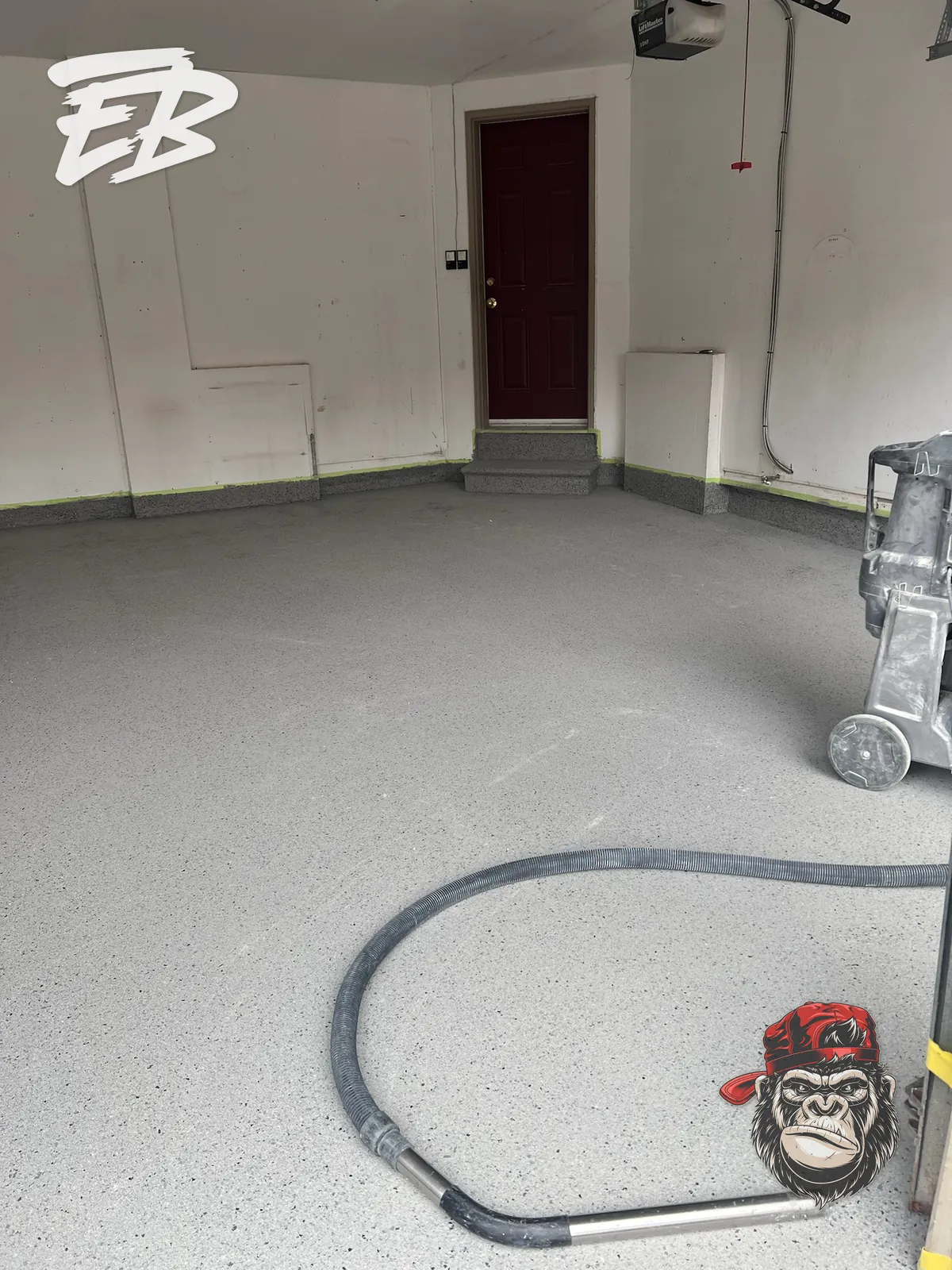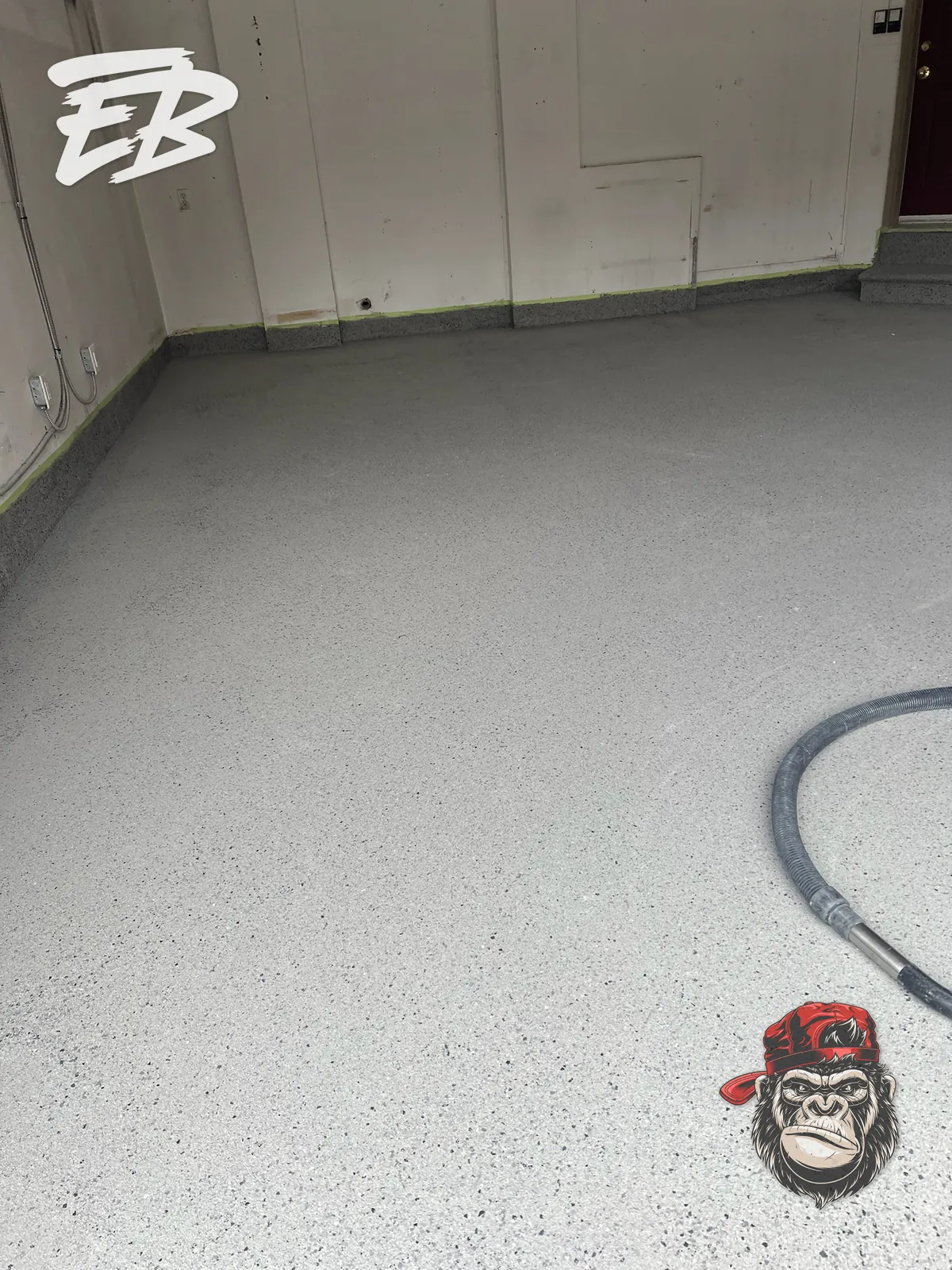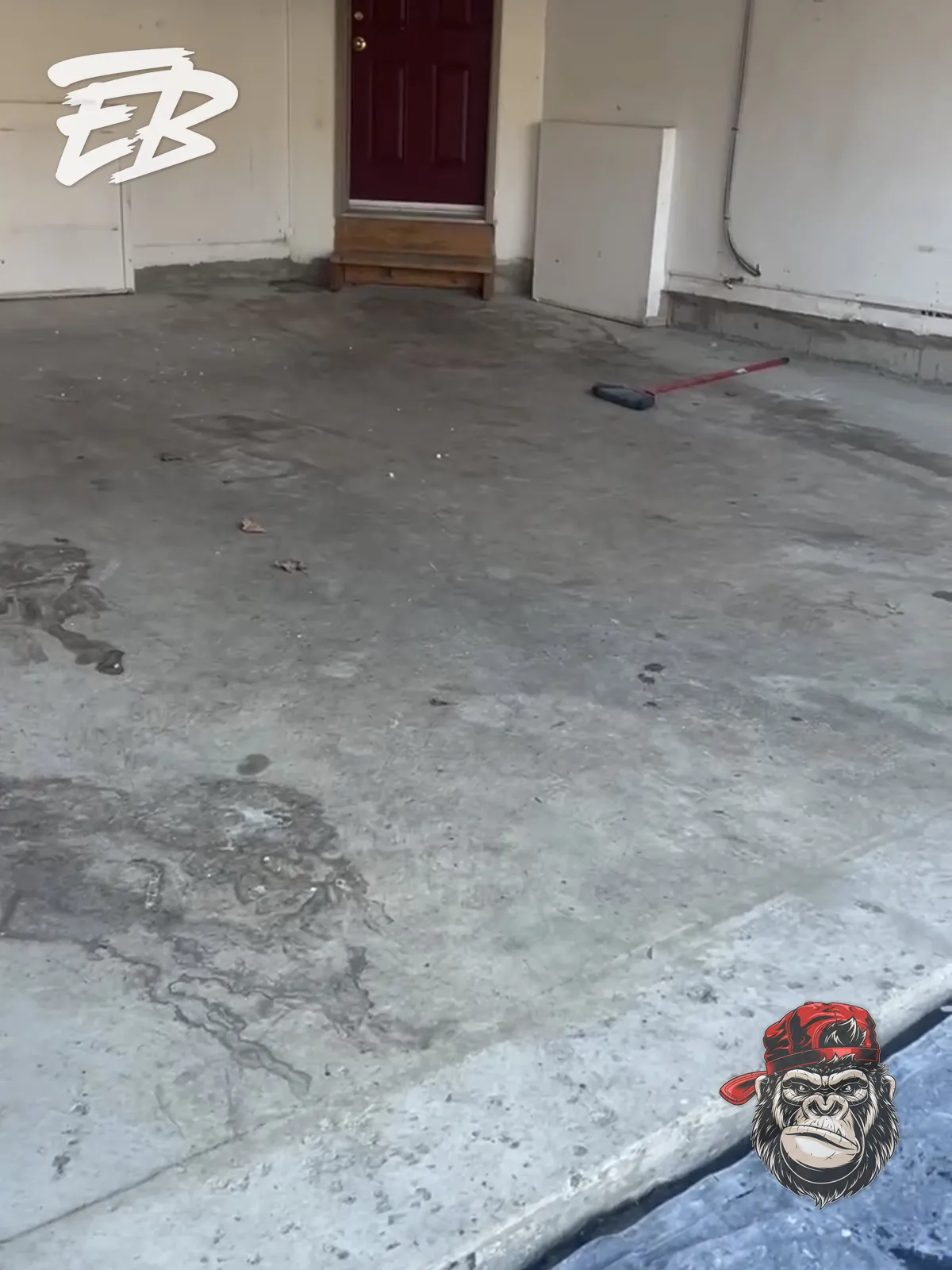
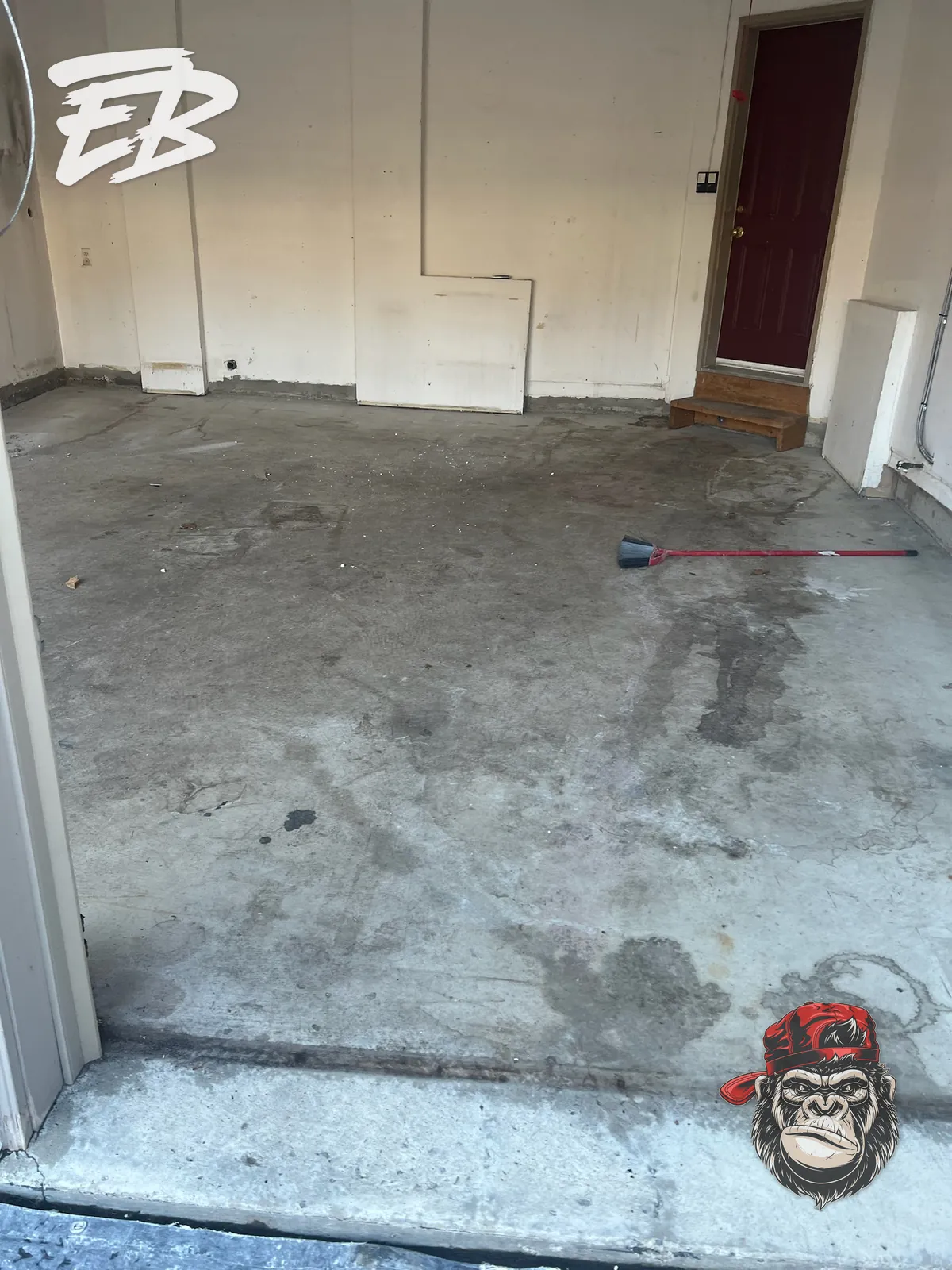
When snow melts and the garage starts to dry out in spring, many Innisfil homeowners notice that their concrete floor looks worse than it did in the fall. The surface may feel rougher. Small holes may appear. Thin layers of concrete may flake away near the garage door. In more severe areas, larger pieces may break loose and expose rough aggregate below.
These conditions are often described generally as “salt damage,” but scaling, pitting, and spalling are not exactly the same problem. Knowing the difference helps you understand whether the damage is primarily cosmetic, whether it needs repair before it expands, and whether a new garage floor coating can be considered.
The first step is not choosing a coating colour. It is reading what the concrete is telling you.
What Is Concrete Scaling?
Scaling is when thin layers of the concrete surface begin to flake, peel, or break away. It often looks like the top skin of the slab is shedding in patches. You may see it near the garage entrance, in tire paths, or in areas where wet vehicles sit regularly during winter.
Scaling can occur when the surface paste of the concrete is weak, porous, or repeatedly exposed to water and de-icing salts. Freeze-thaw cycles can make the condition worse. Water enters small pores and defects in the surface; when it freezes and expands, it adds stress to the upper layer of the concrete.
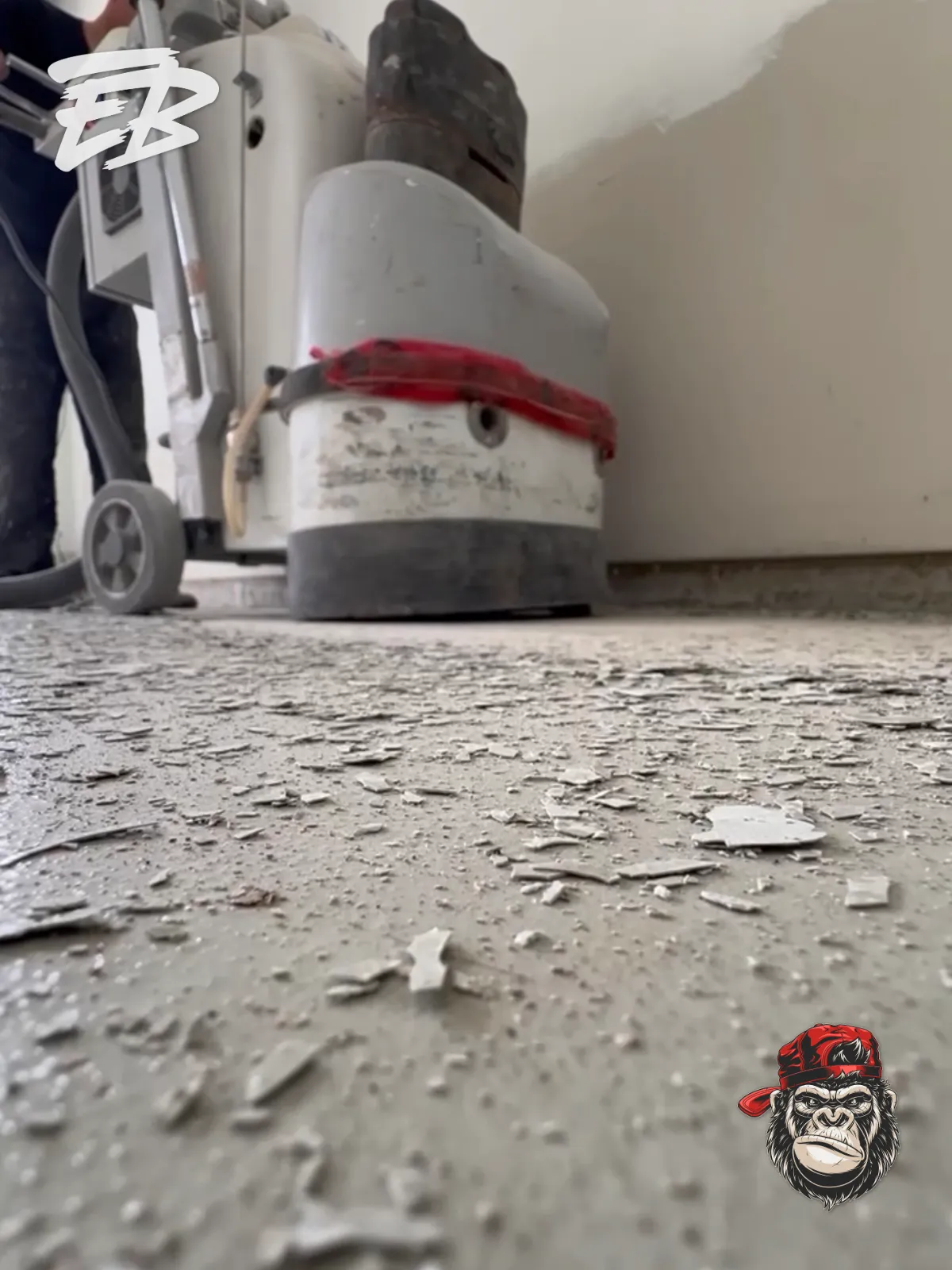
Light scaling may look mostly cosmetic, but it should not be ignored if it is growing each season. Before a garage floor can receive a protective coating, weak and loose material must be removed. A coating should be bonded to sound, prepared concrete—not to a surface that is already separating.
What Is Pitting?
Pitting describes small holes, shallow craters, pinholes, or voids in the concrete surface. Some pits are isolated. Others spread across large areas, creating a rough and uneven texture that traps dirt, salt residue, and moisture.
Pitting can be caused by porous concrete, wear, water exposure, weak surface paste, impact, incomplete previous repairs, or deterioration after scaling. In a garage, it is common to see more pitting where winter slush and saltwater collect beneath vehicles.
A pitted floor does not always need to be replaced. The key question is whether the damage is shallow and localized or whether it extends into unsound concrete. A proper repair process may include mechanical preparation, removal of weak areas, a compatible repair or grout coat, and re-profiling before the final protective system is installed.
Simply rolling a coating over pits does not create a smooth or durable garage floor. The voids need to be addressed before the decorative finish is applied.
What Is Spalling?
Spalling is usually more severe than light scaling or pitting. It involves larger pieces of concrete breaking away, often leaving rough, irregular areas with exposed aggregate or visibly deteriorated edges.
In an Innisfil garage, spalling may appear at the entrance, near cracks, at the base of walls, around previous repairs, or where salt-laden water repeatedly reaches the concrete. It can also result from impact damage, poor original concrete finishing, corrosion-related stress in certain conditions, or long-term water exposure.
Spalling should be assessed before coating. If loose concrete remains underneath a repair, the new surface can fail with it. The damaged zone needs to be opened up to sound material, cleaned, repaired with the correct compatible product, and prepared so the repair integrates with the surrounding floor.
The visible spall is not always the full extent of the issue. Concrete may be weak beyond the edge of the damaged spot, which is why a repair should extend until sound substrate is reached.
Why Innisfil Garages See Winter Surface Damage
Ontario winter conditions can be hard on a garage slab. Vehicles bring in snow, slush, water, road salt, and de-icing chemicals. Those materials can remain on the surface for long periods, especially when a garage has limited drainage or the floor is used for daily parking.
The garage entrance is often the first place to inspect. It experiences wet tires, freeze-thaw exposure, outdoor air, and more frequent contact with saltwater. Tire paths and parking areas are also important because repeated wetting can reveal weak surface concrete and existing coating problems.
Road salt is not the only cause of deterioration. A garage floor may already have a weak top layer from original placement, finishing, curing, prior repairs, paint, contamination, or years of normal wear. Winter exposure can accelerate a condition that was already developing.
For preventive guidance before the next season, read our Garage Floors Before the Salt: An Innisfil Fall Checklist.
Can You Coat a Floor That Is Scaling, Pitting, or Spalling?
Sometimes, but not immediately.
A protective epoxy, polyaspartic, or flake floor system needs sound concrete beneath it. If the slab has scaling, pitting, or spalling, the damaged material must first be assessed and repaired. Coating over loose concrete may hide the problem briefly, but it does not create a dependable bond.
The appropriate scope depends on the condition. Light scaling may require mechanical grinding to remove weak surface paste and expose sound concrete. Pitting may need a grout coat or repair material to close voids and create a more uniform surface. Spalls and damaged edges may need deeper rebuilding before the floor is coated.
The repair is part of the system—not an optional cosmetic add-on. A finished garage floor is only as reliable as the preparation and concrete restoration beneath it.
How a Damaged Garage Floor Is Repaired
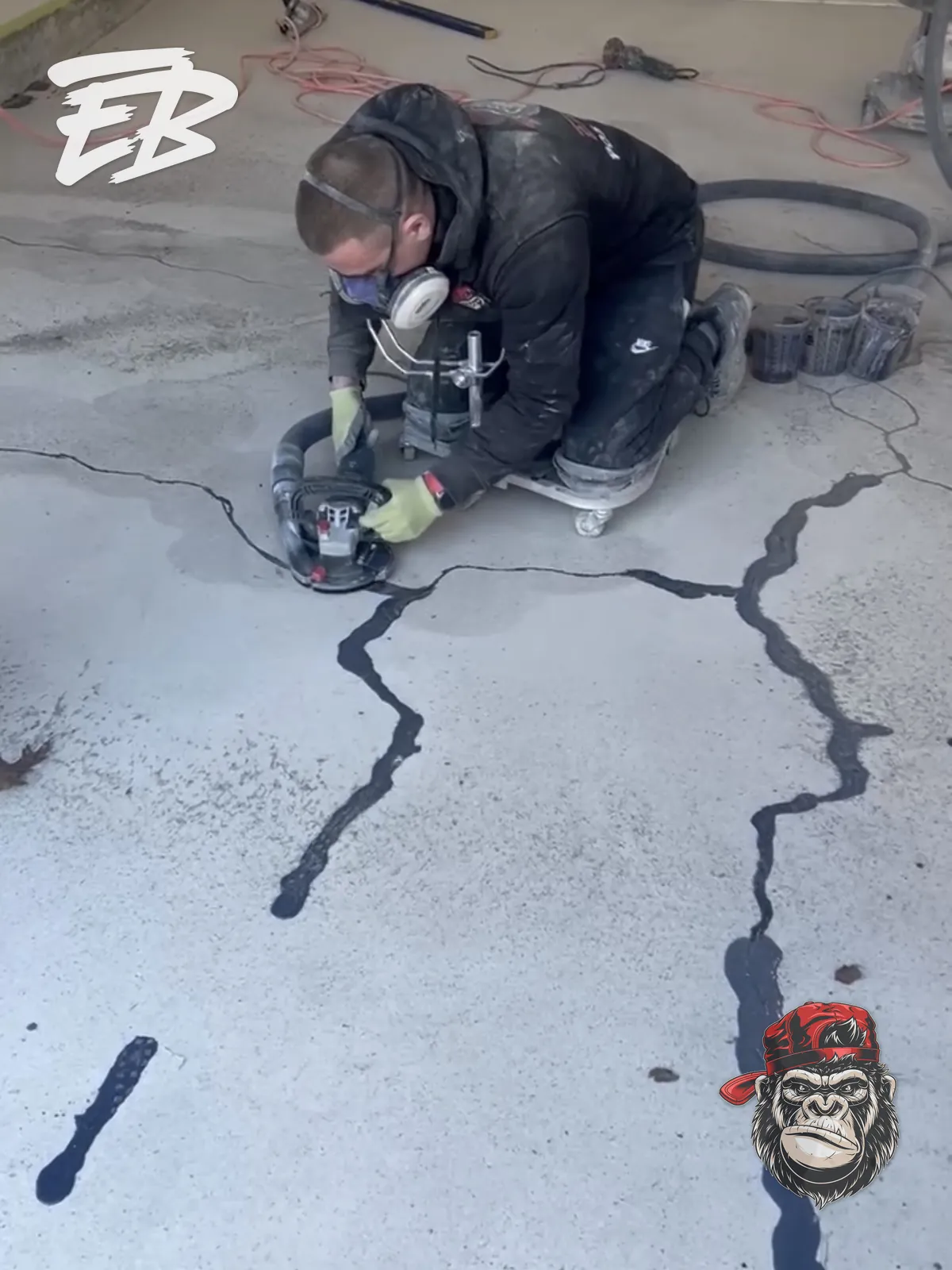
The process starts with a site review to identify the type and extent of damage. The team checks whether the areas are localized or widespread, whether the concrete is sound around the defects, whether cracks or joints are involved, and whether there are signs of moisture or contamination.
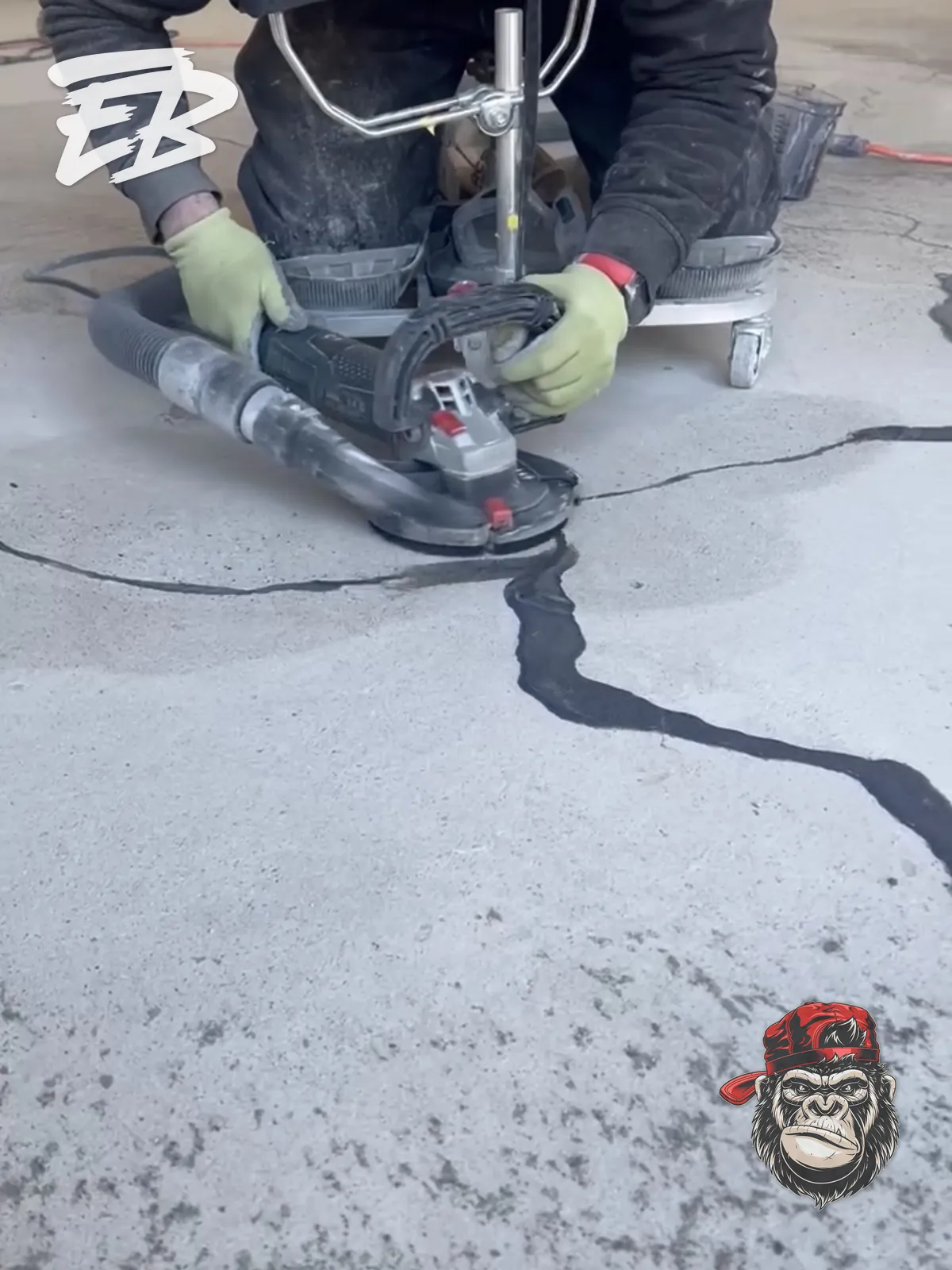
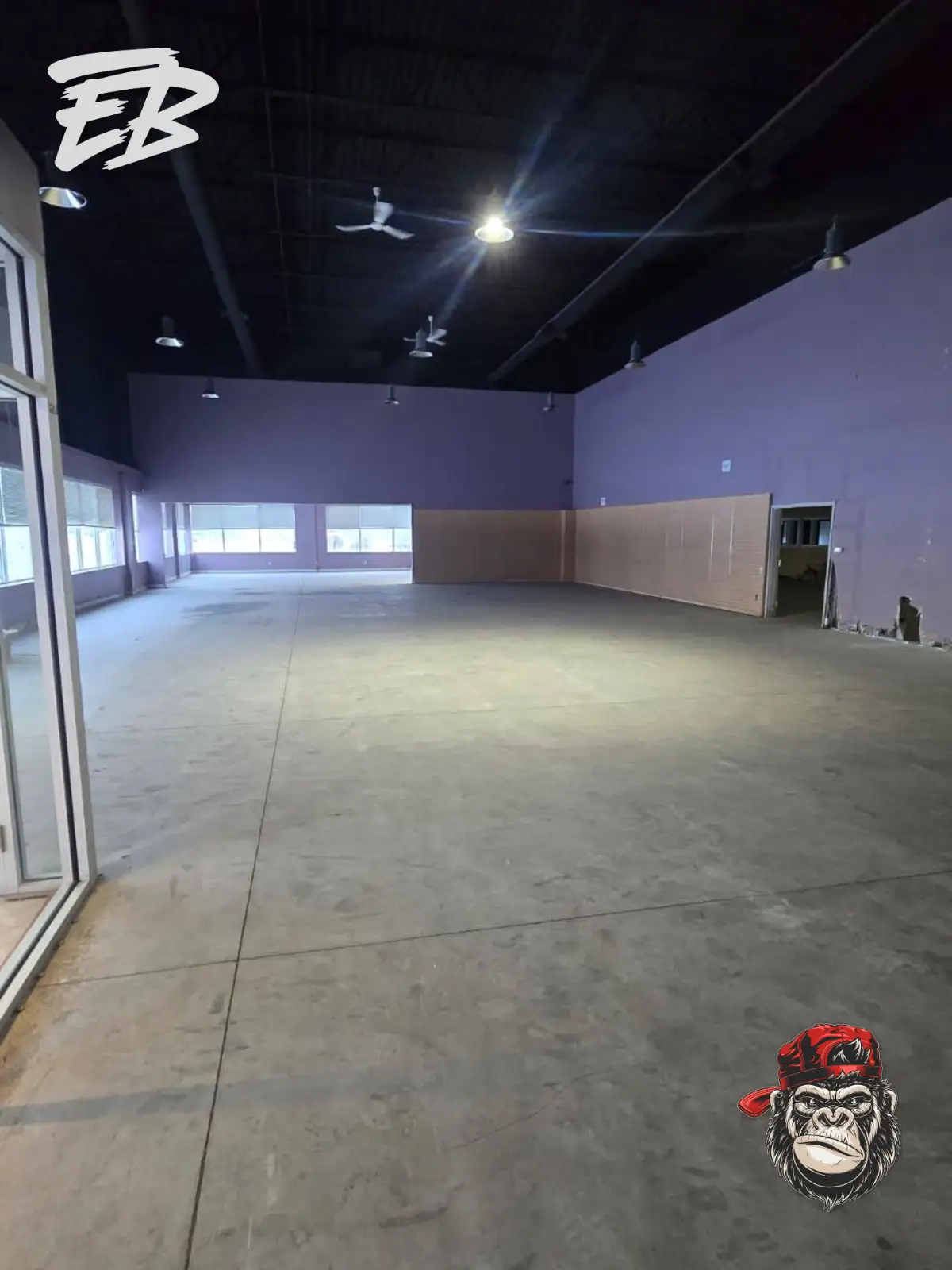
Next, weak concrete, old coatings, and unsound patches are mechanically removed. Diamond grinding is often used to prepare the surrounding surface and create the profile needed for repair materials and coatings to bond.
Pits, chips, and spalls are then rebuilt with a compatible repair approach. The exact material depends on the depth of the damage, the concrete condition, and the selected final system. Once repairs have cured and are prepared, the garage can receive its protective floor system.
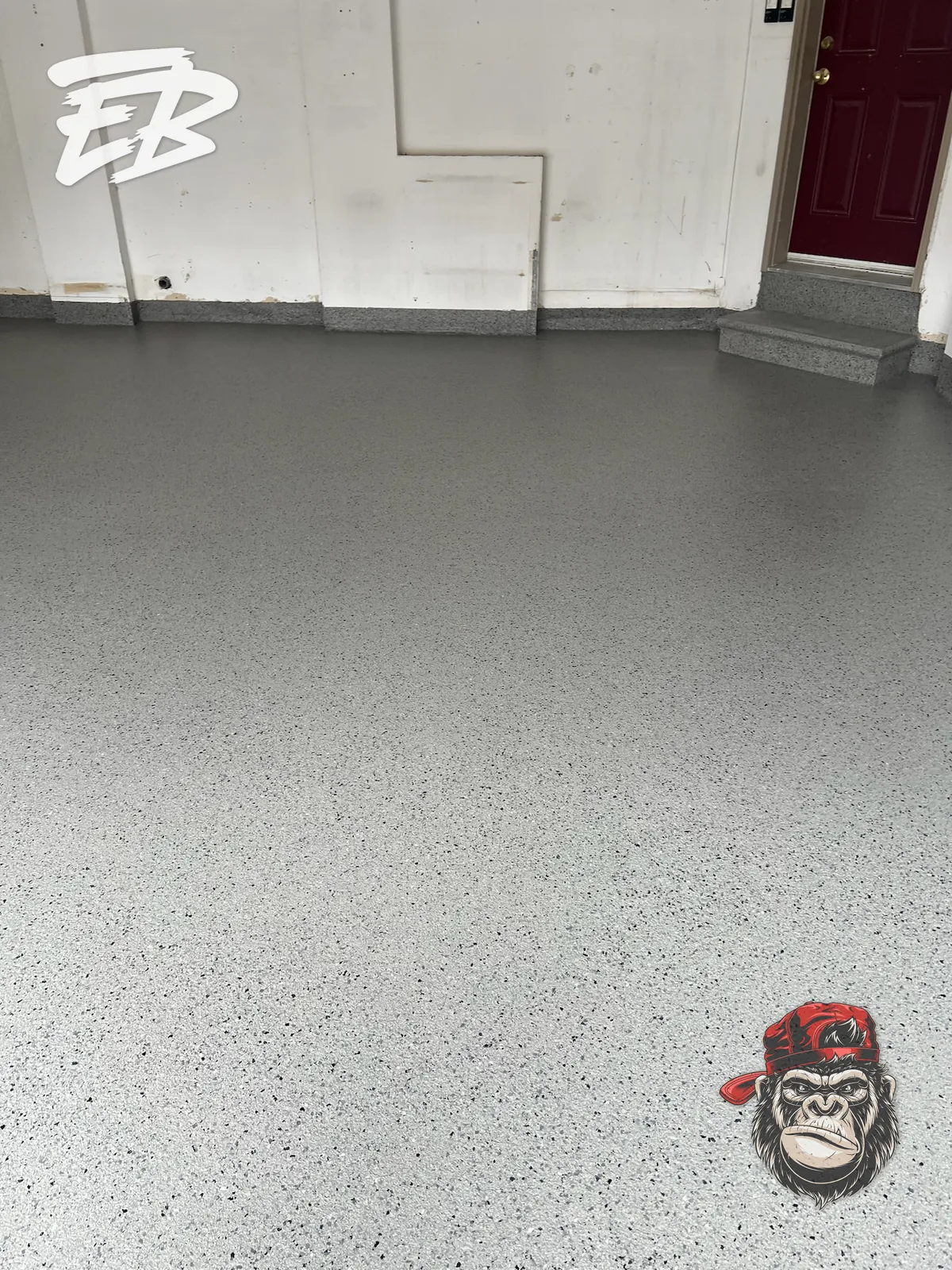
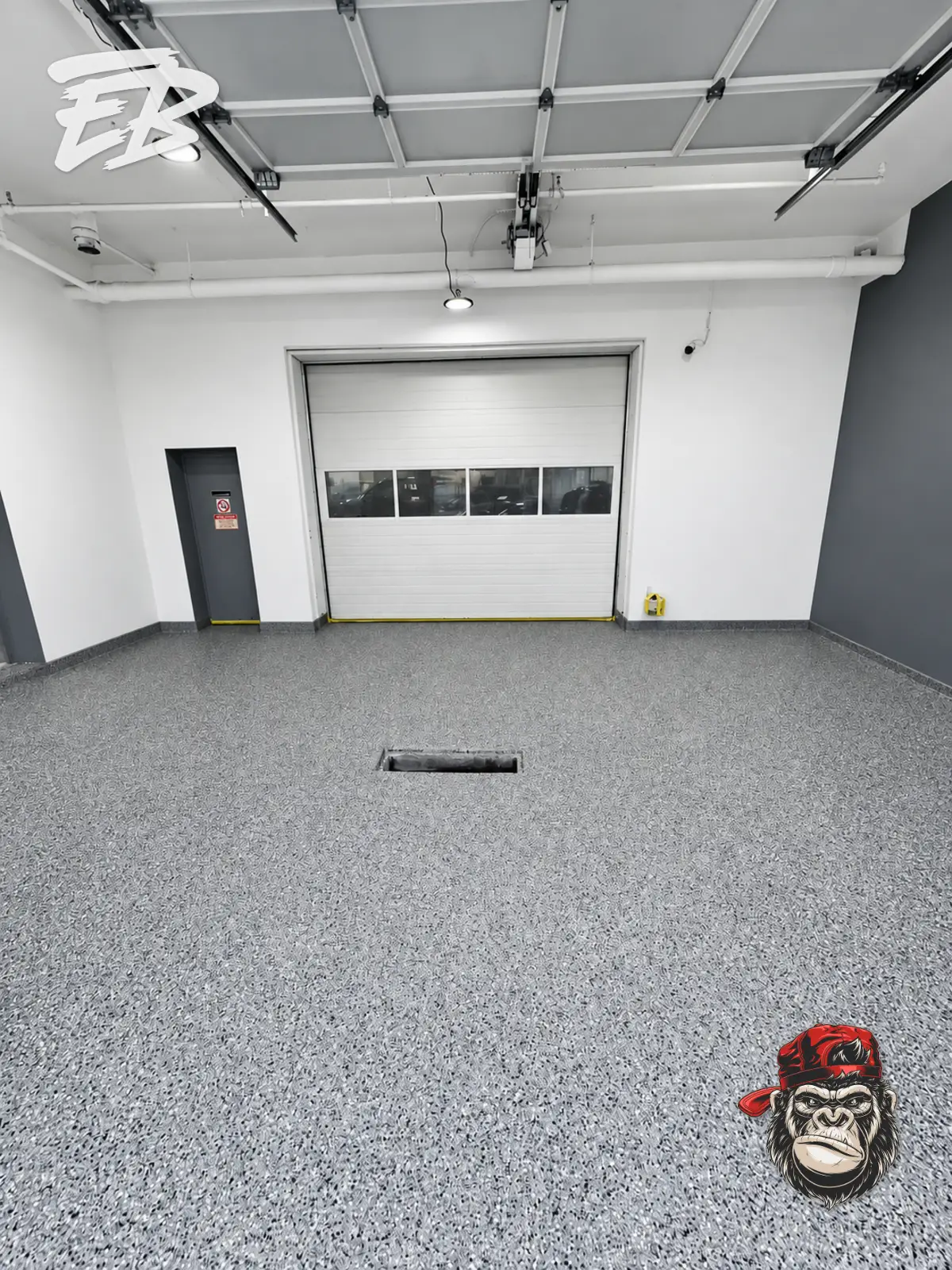
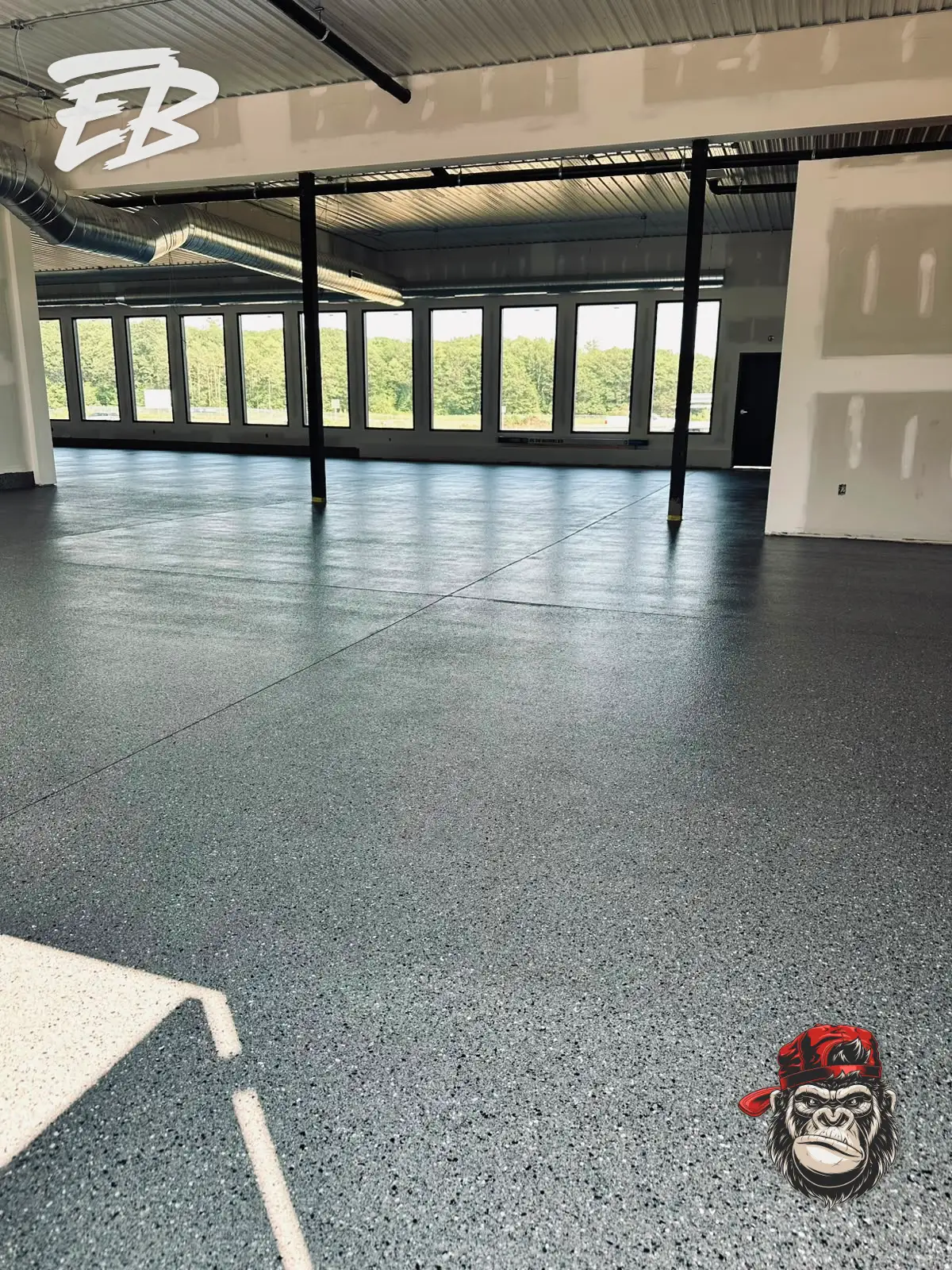
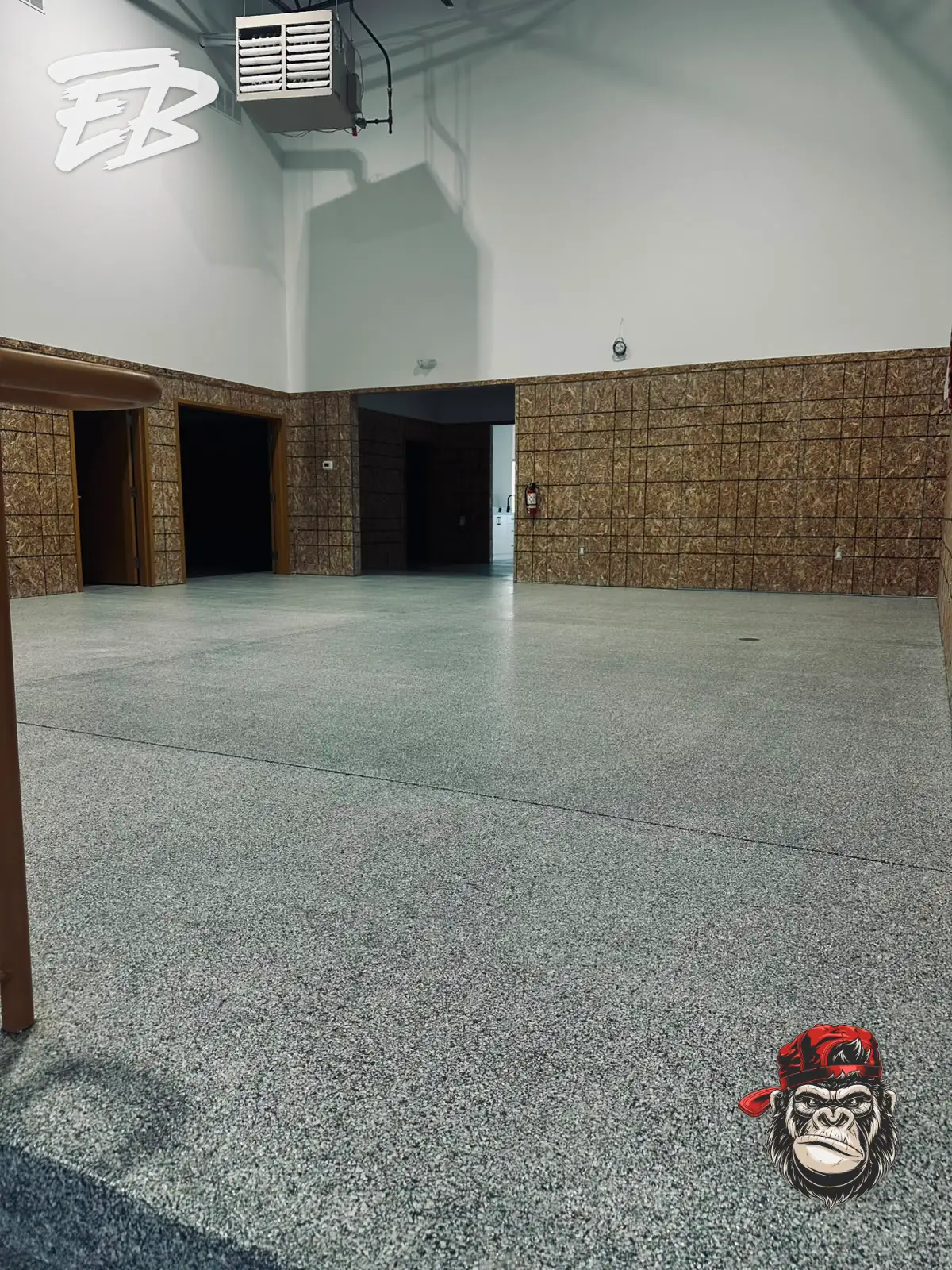
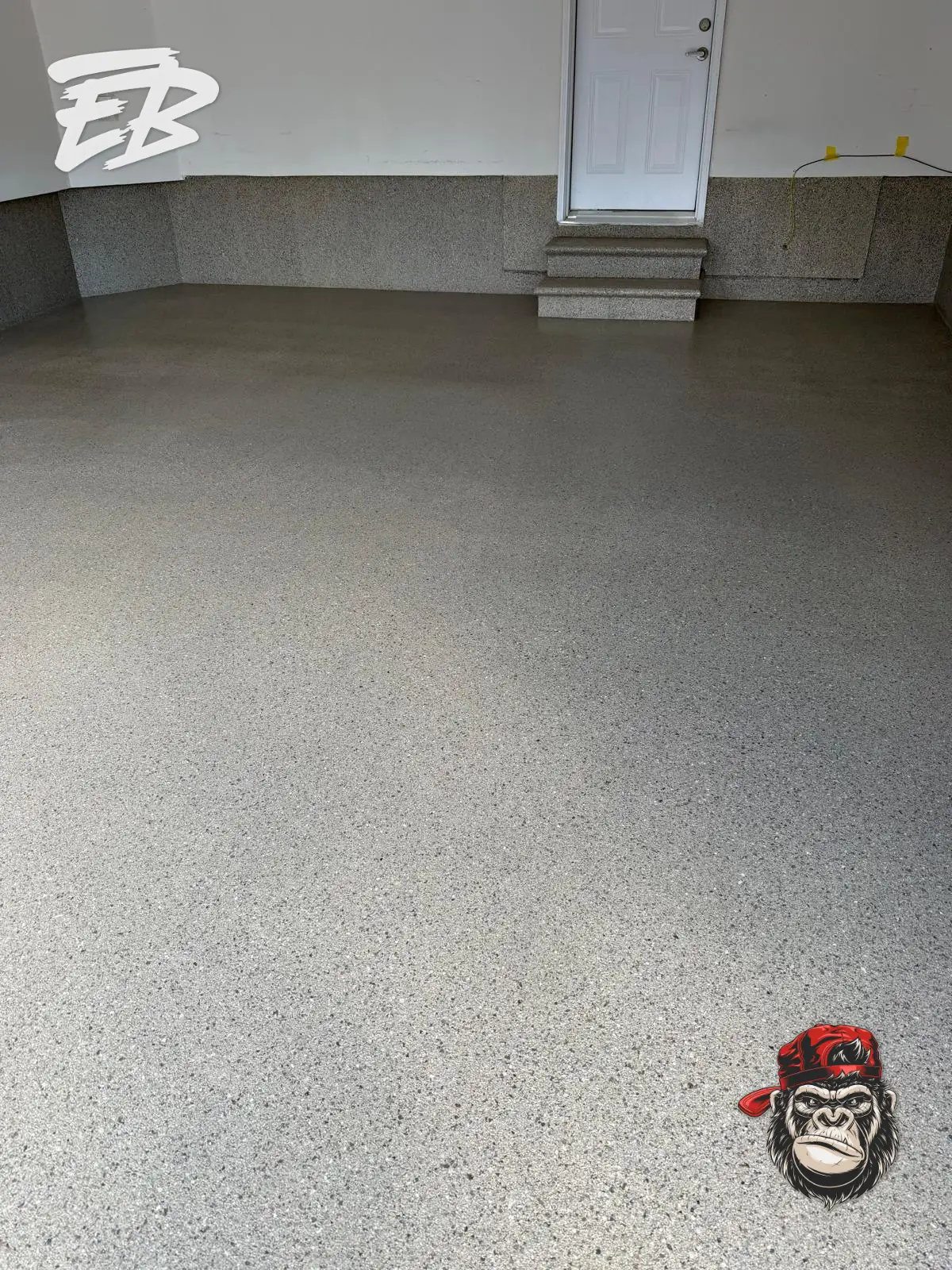
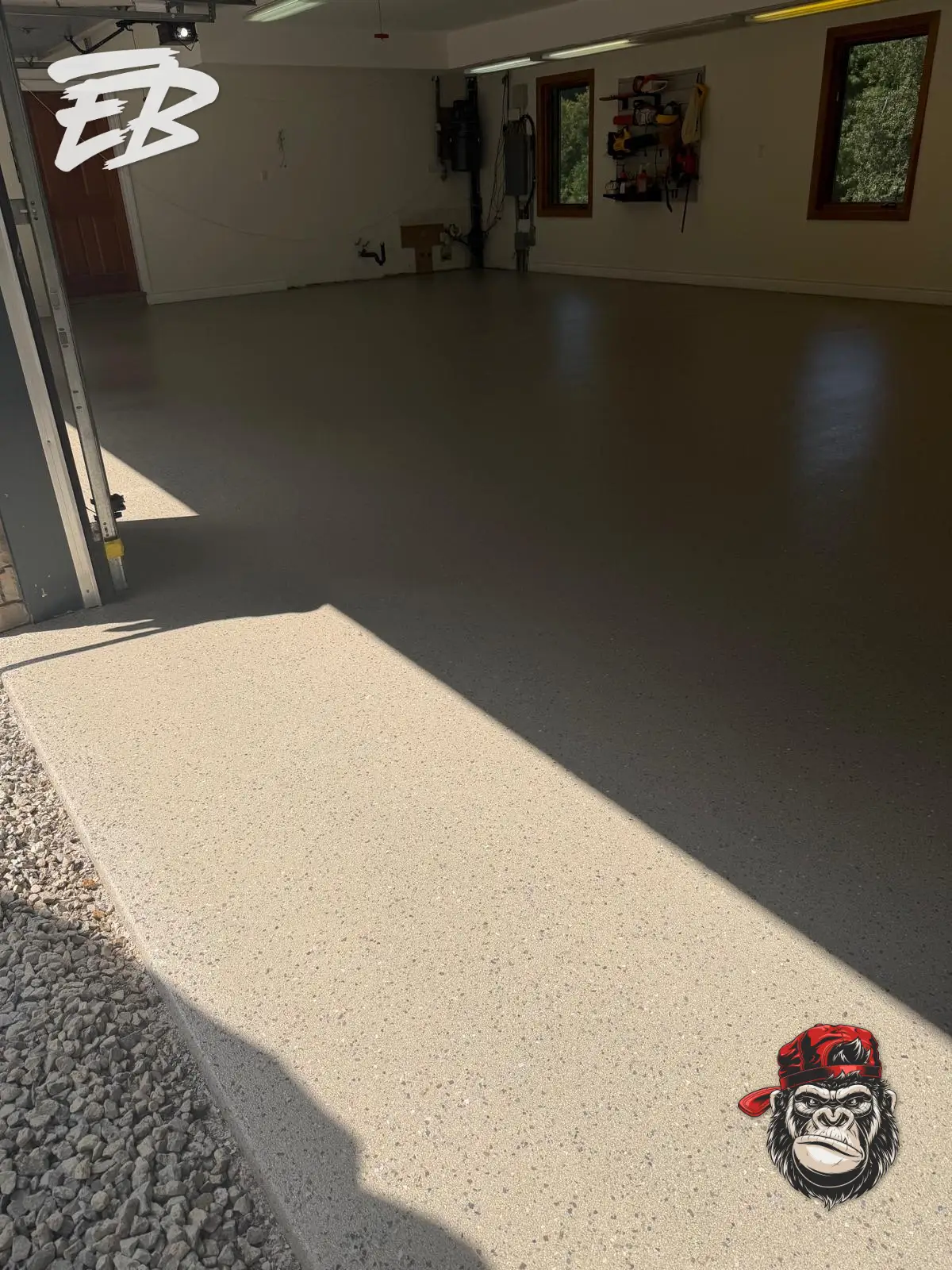
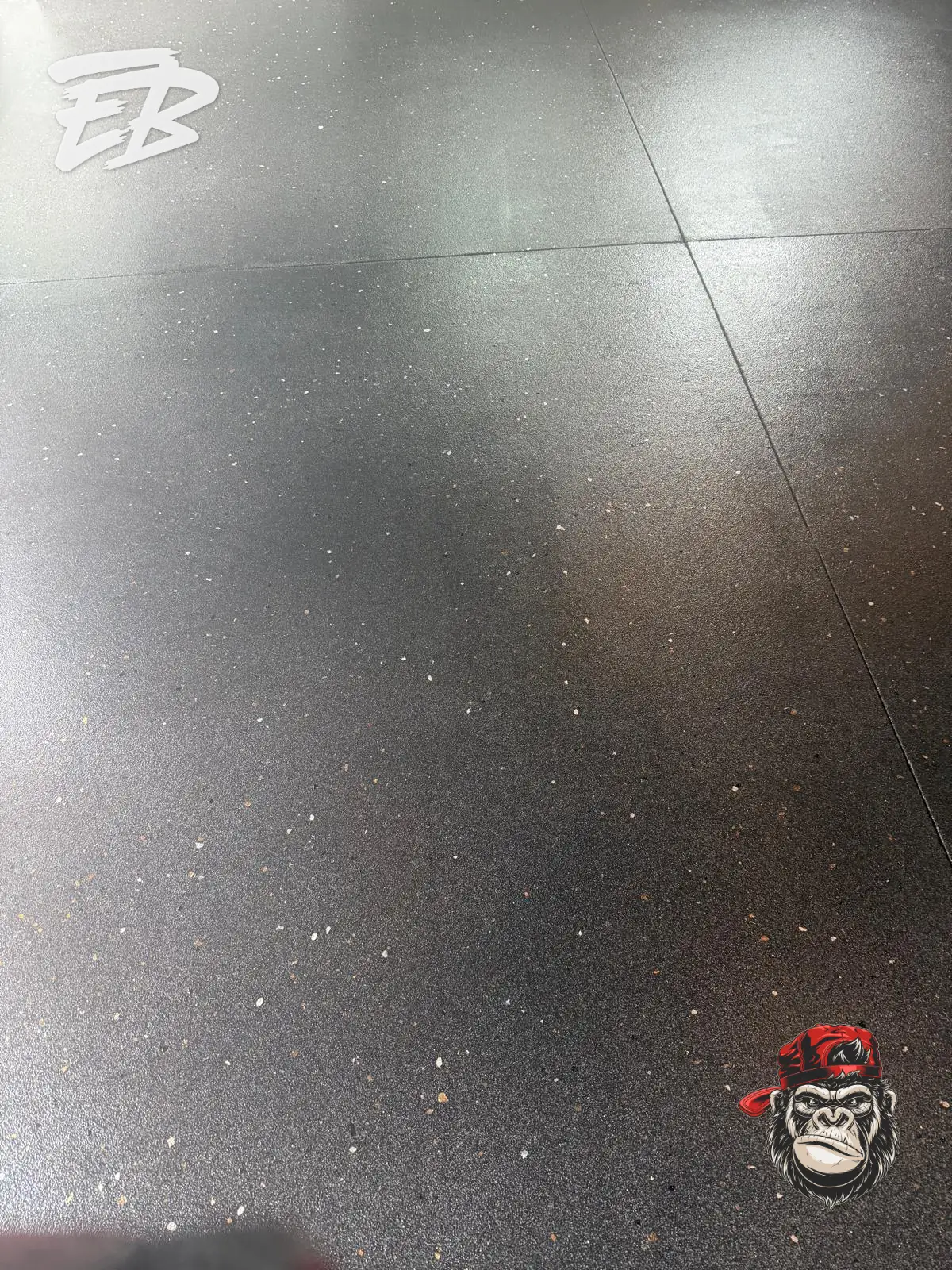
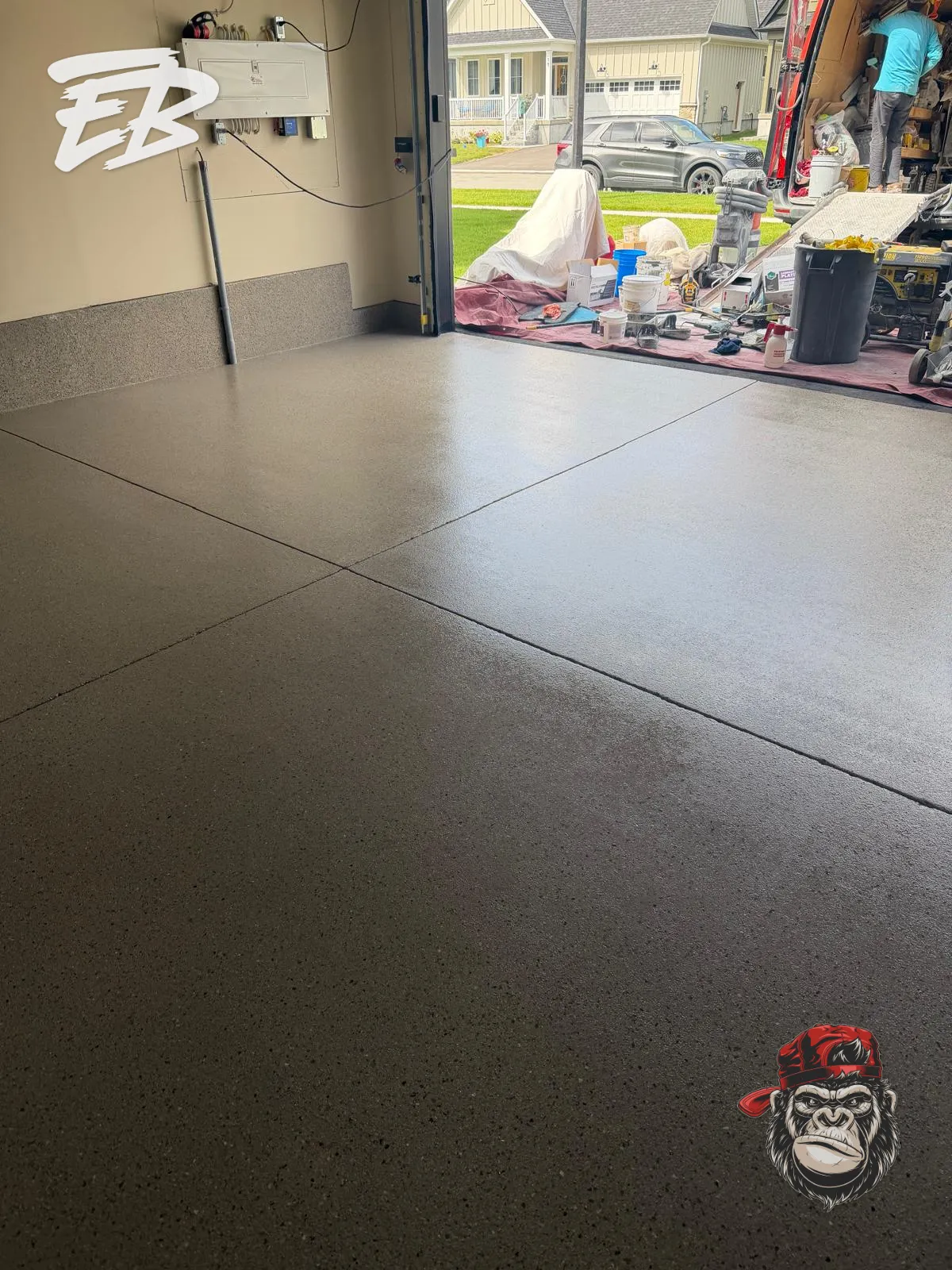
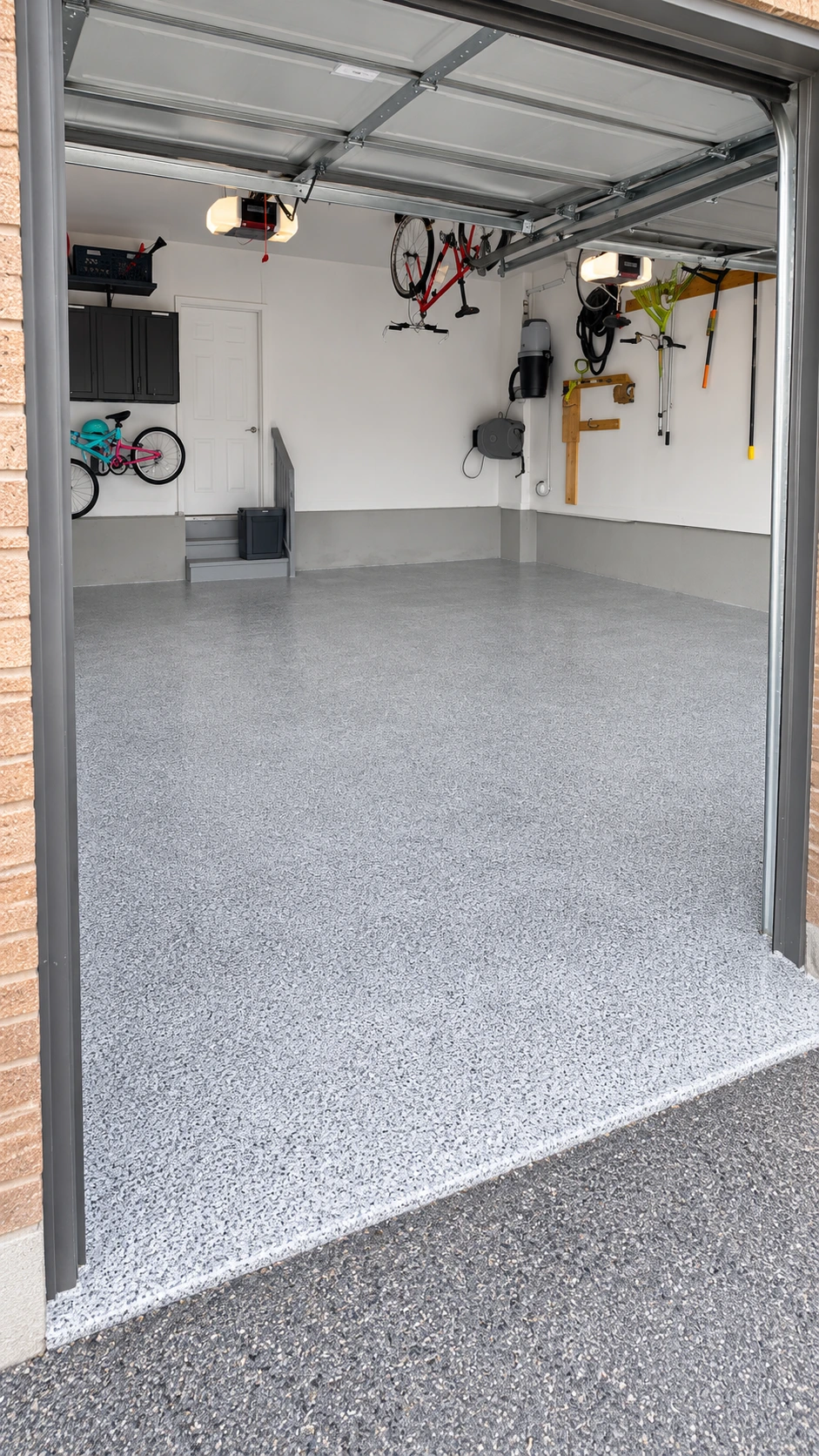
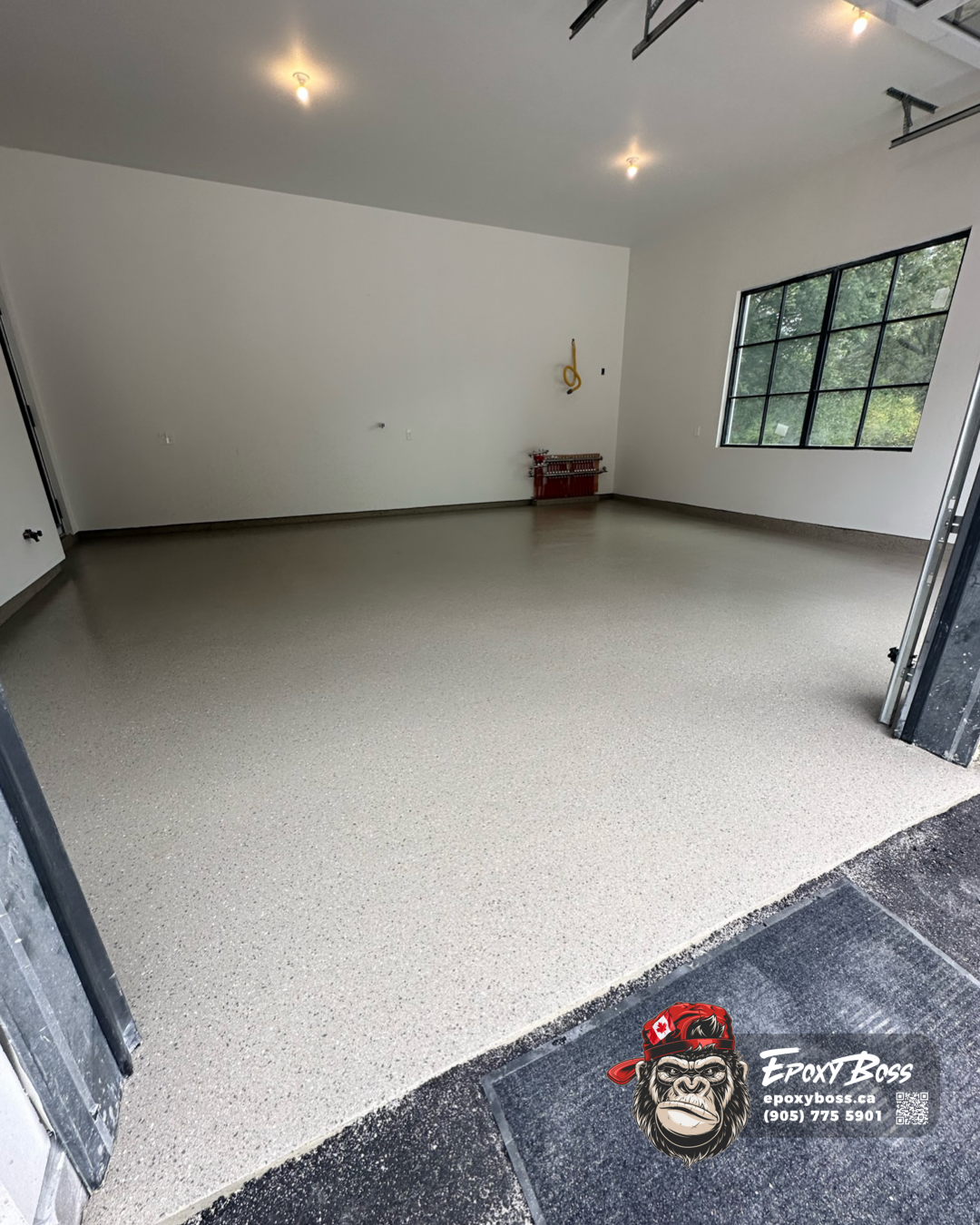
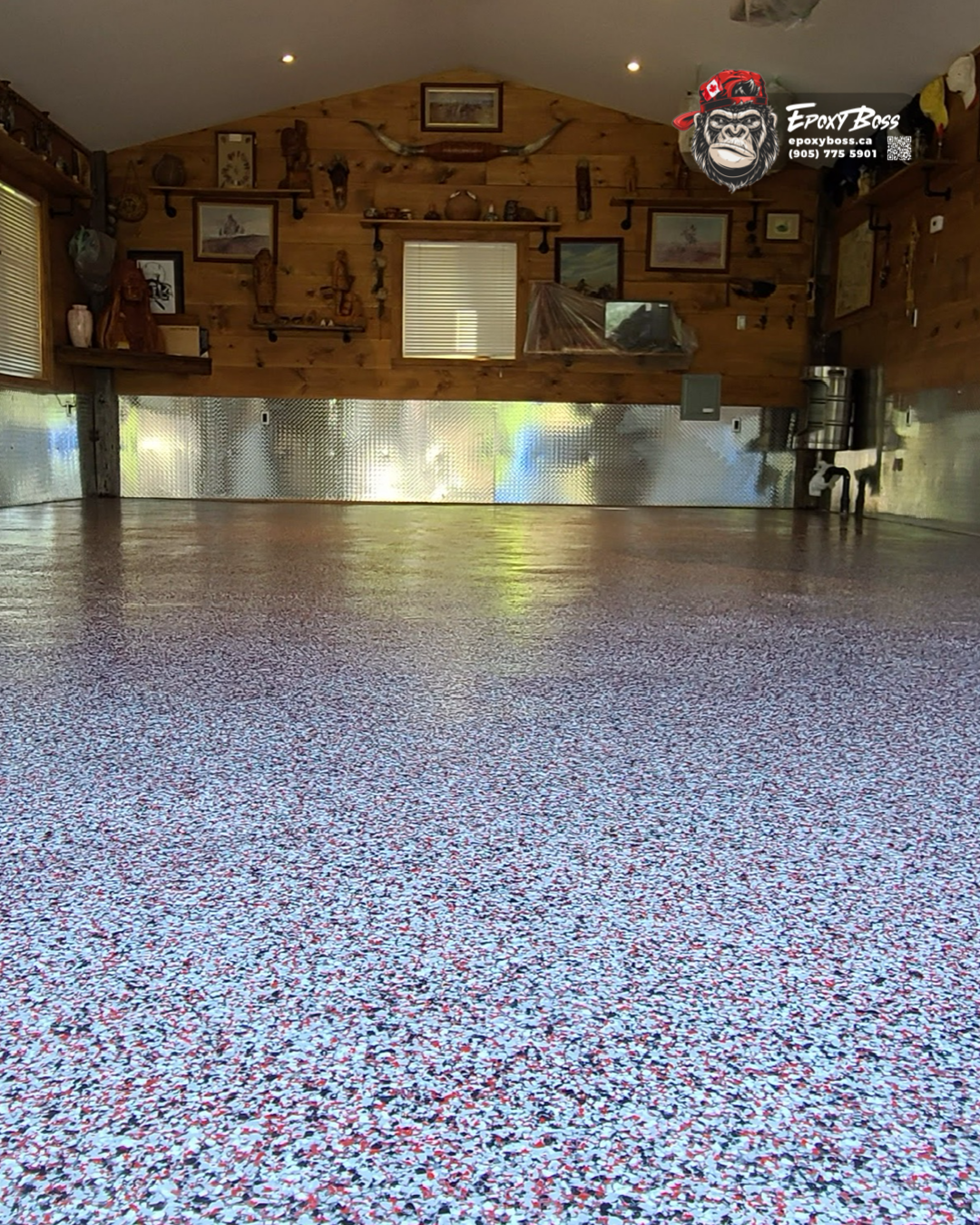
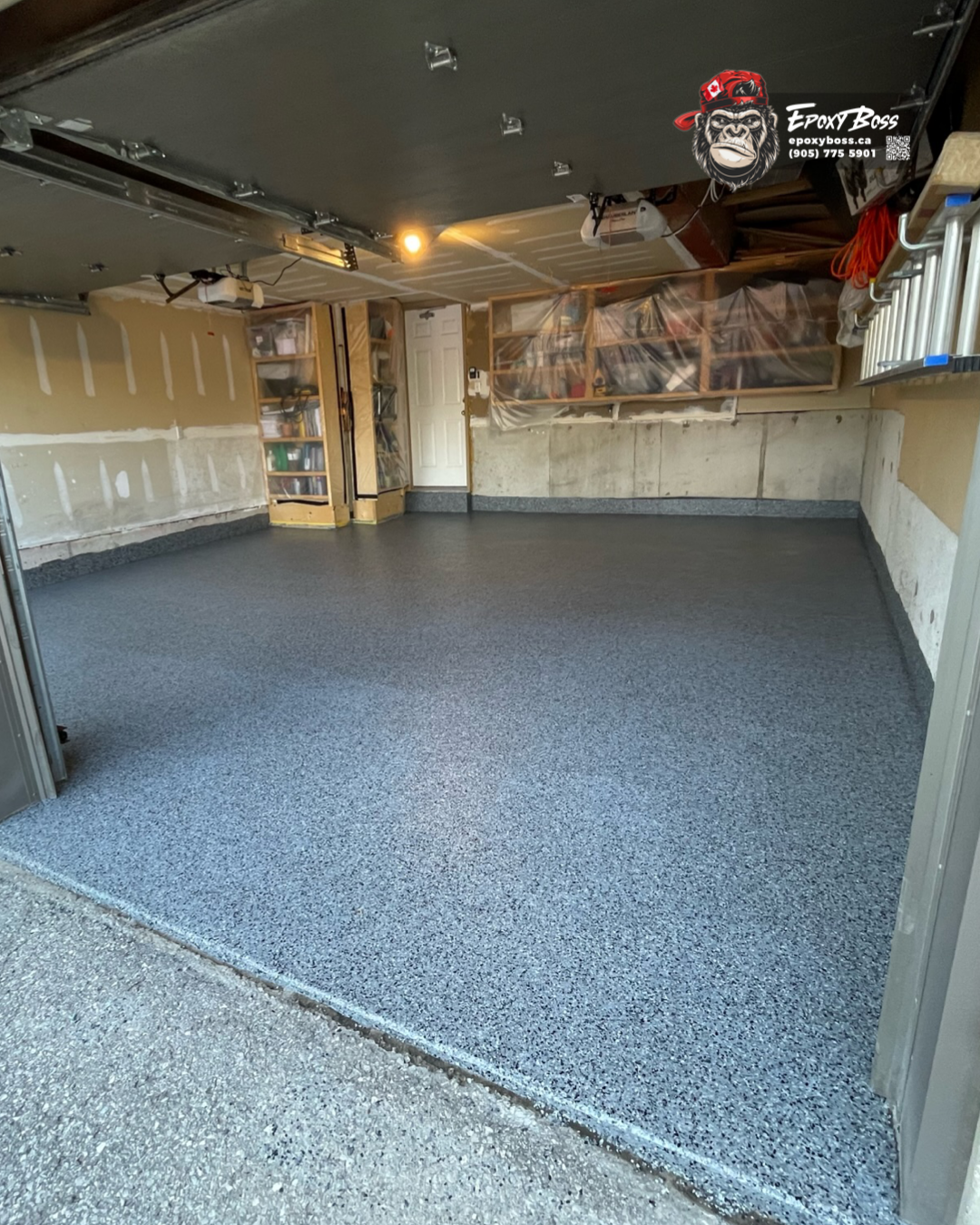
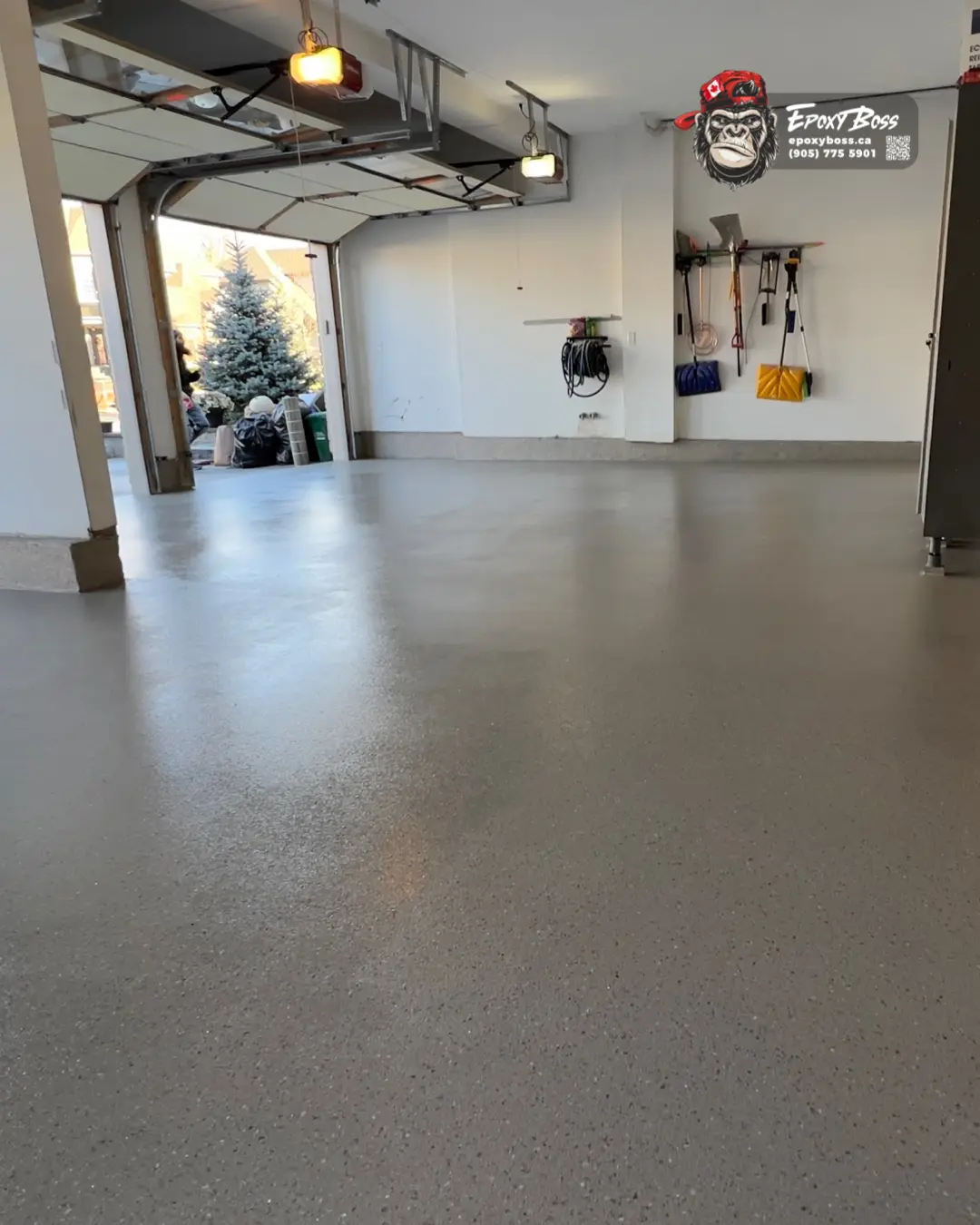
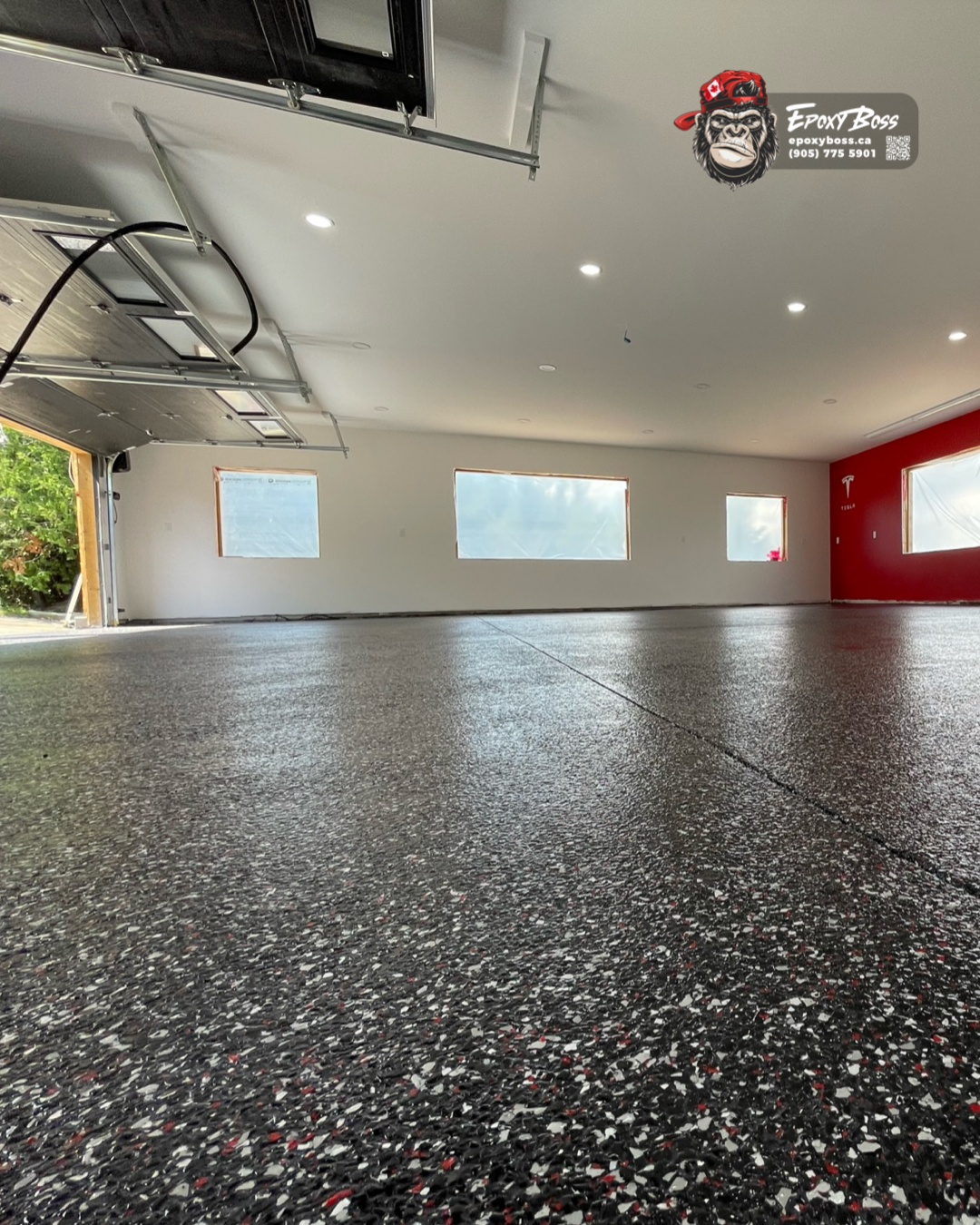
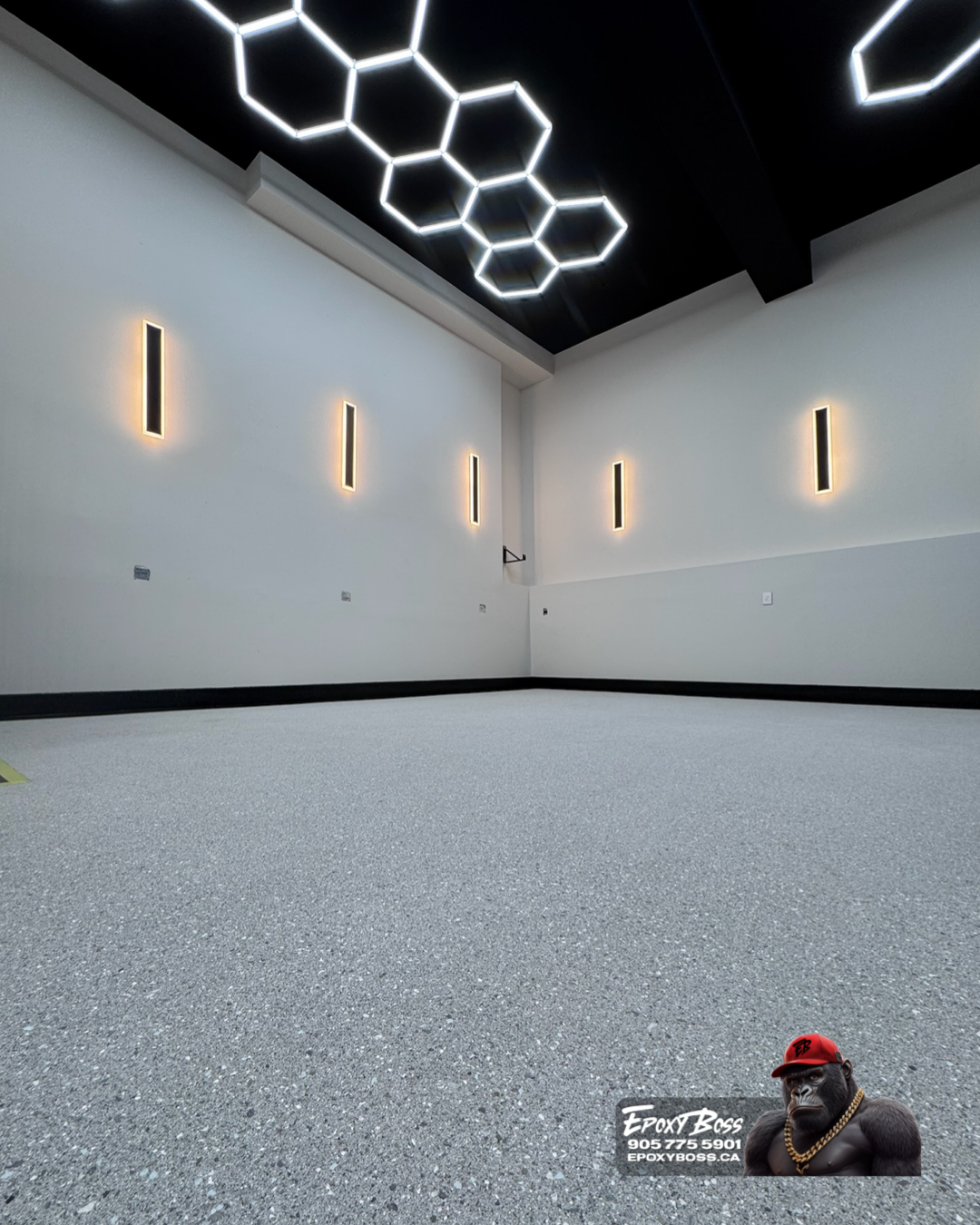
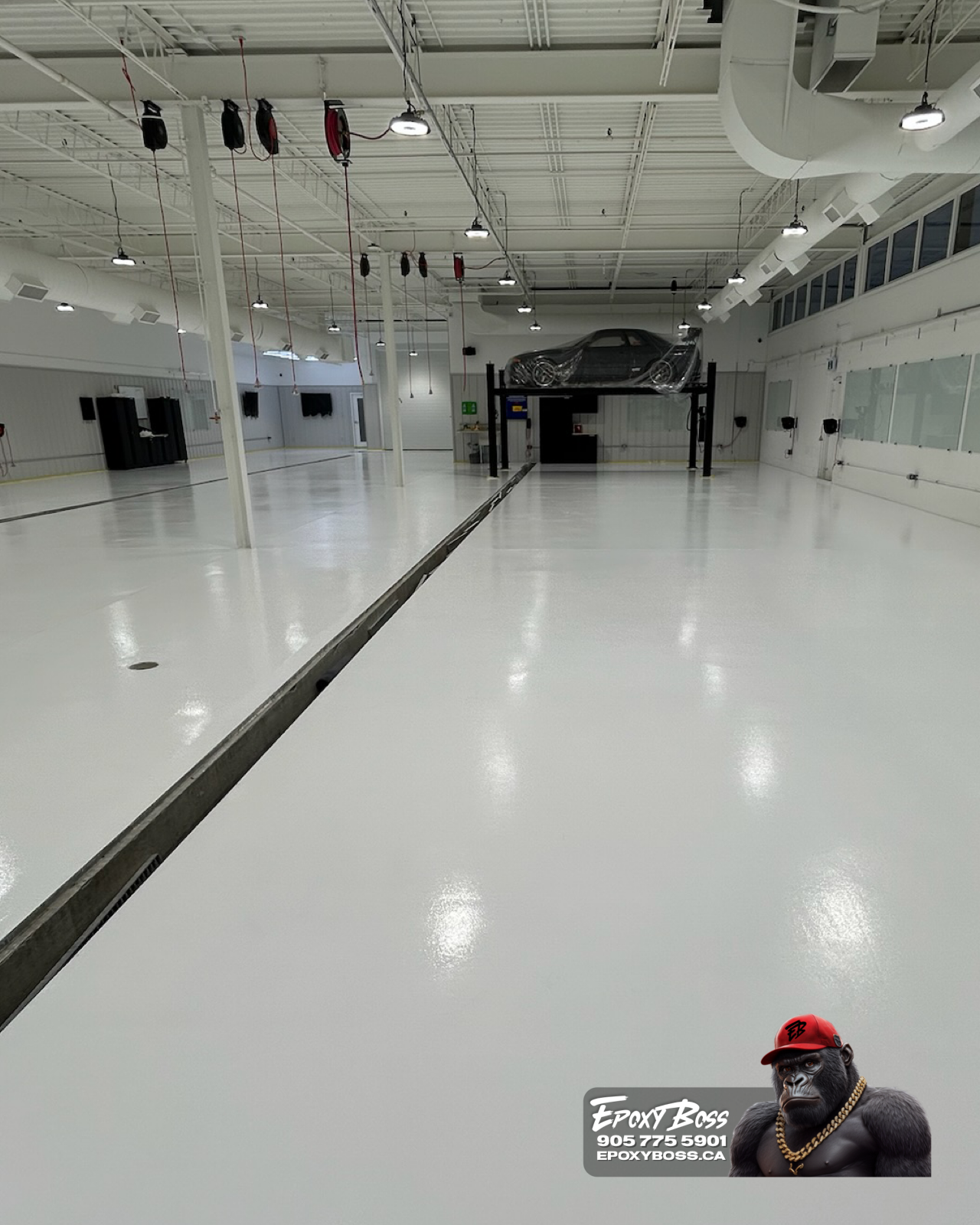
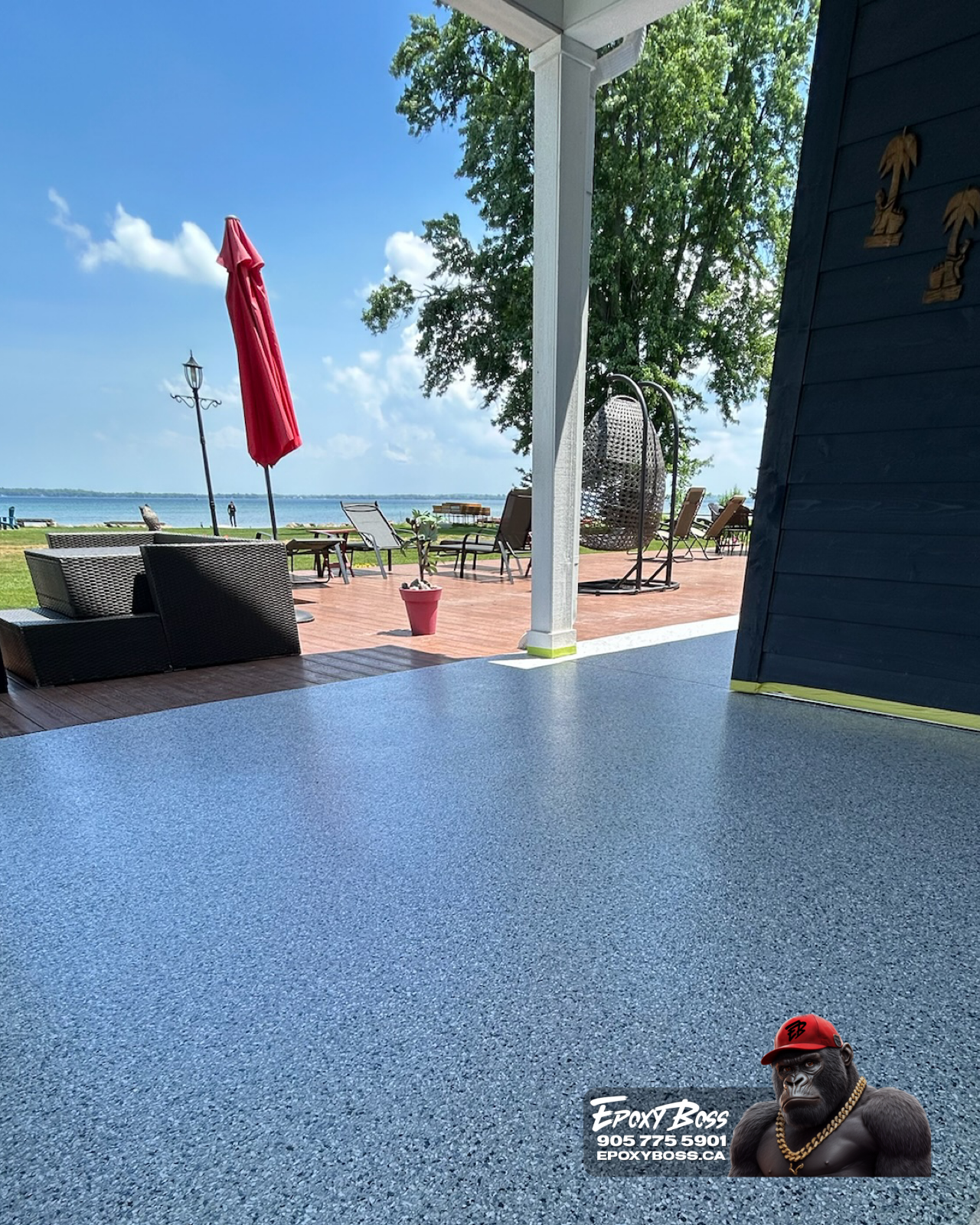
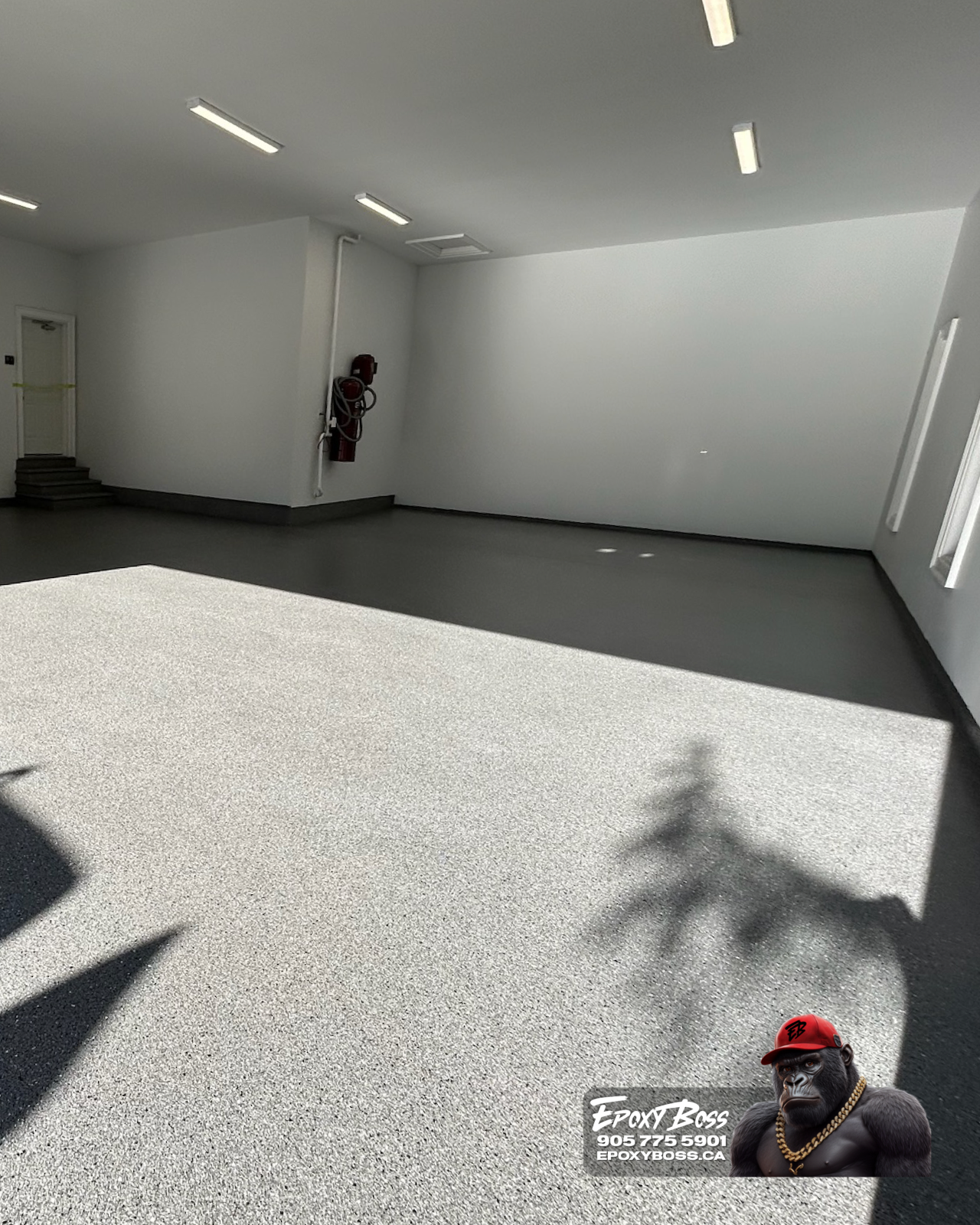
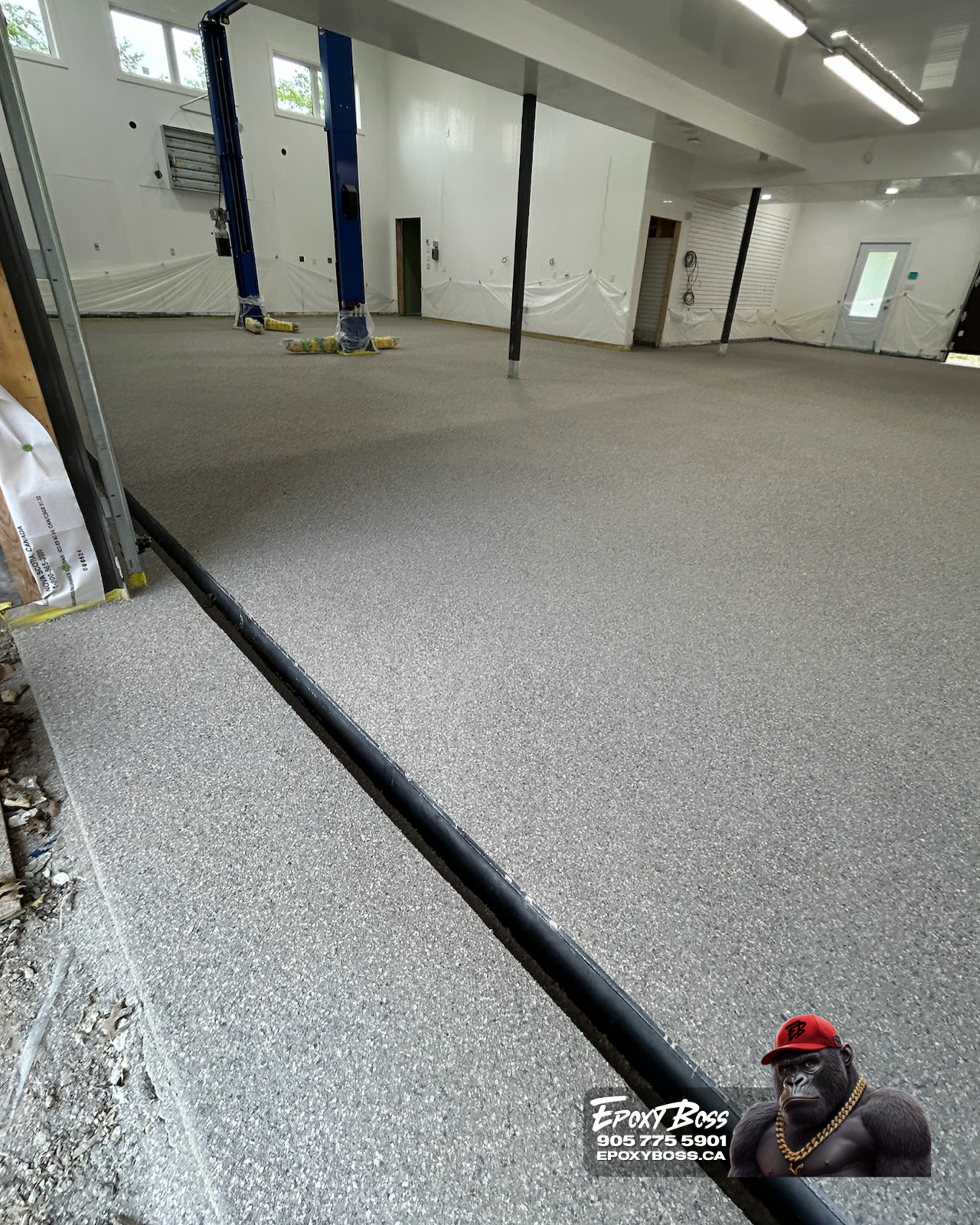
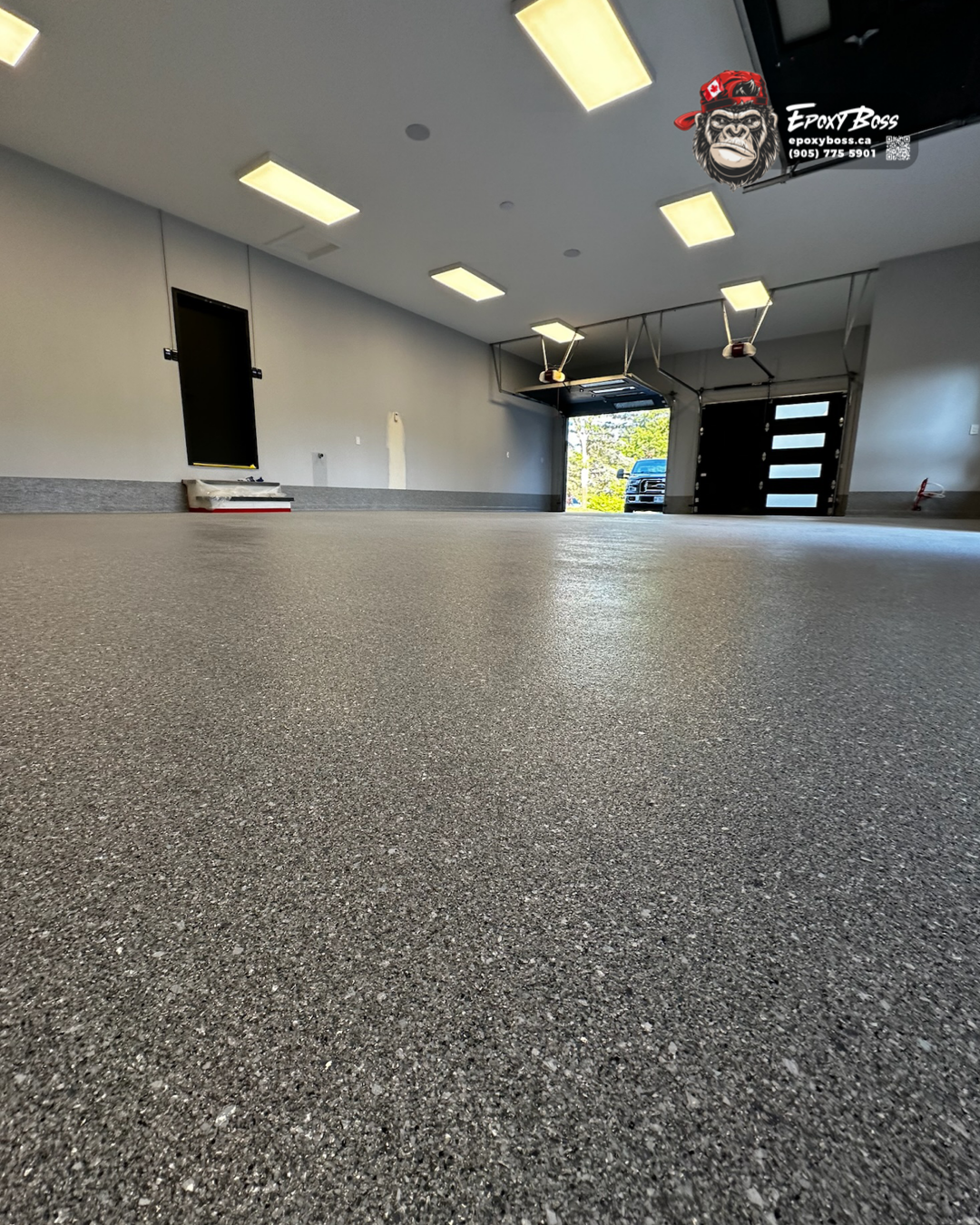
For homeowners choosing a decorative garage finish, a full-broadcast flake floor can be installed after the concrete is properly restored. The system may include a compatible base coat, decorative flake broadcast, and protective clear topcoat. The finished result can make the garage easier to clean and more resilient to normal residential use, but it should never be expected to solve structural movement or untreated moisture issues below the slab.
When a Local Repair May Not Be Enough
Localized repair can be practical when damage is isolated and surrounding concrete remains sound. But a garage floor with widespread scaling, large areas of loose surface paste, repeated spalling, extensive cracking, or moisture-related deterioration may require broader preparation.
If the damage covers much of the floor, patching only the most visible spots may create an uneven result and leave weak areas beside the repairs. In those cases, the safest recommendation may be complete mechanical preparation, more extensive restoration, or a different repair plan before a finished coating is considered.
A professional assessment should distinguish between a surface condition that can be repaired and a slab concern that needs further evaluation. The goal is not to promise a coating solution for every floor. It is to recommend a scope that addresses the actual concrete condition.
What to Do After Winter
After winter, take a close look at the garage entrance, tire paths, cracks, corners, and areas beneath parked vehicles. Watch for new flakes, shallow holes, exposed aggregate, powdery concrete, lifting paint, or repairs that appear to be breaking away.
Avoid applying paint or a quick patch over loose material. Take clear photos while the surface is dry, note where the damage is concentrated, and monitor whether it is growing from year to year.
If your Innisfil garage floor is showing scaling, pitting, or spalling, a repair assessment can clarify whether the concrete can be restored and protected. Visit our Innisfil Garage Floor Coating page or contact Epoxy Boss Canada with photos of the floor for a practical recommendation on preparation, concrete repair, and the right next step.