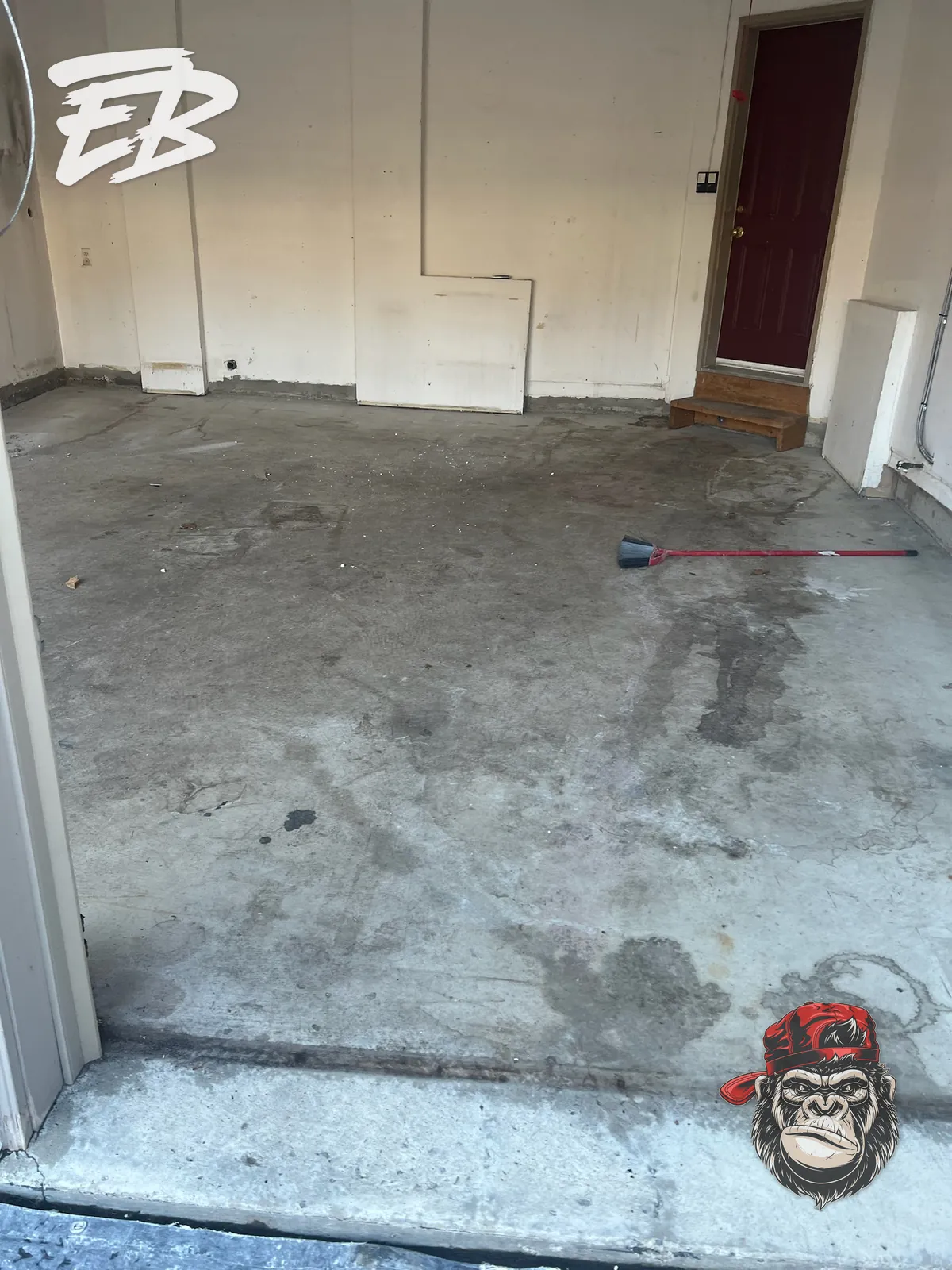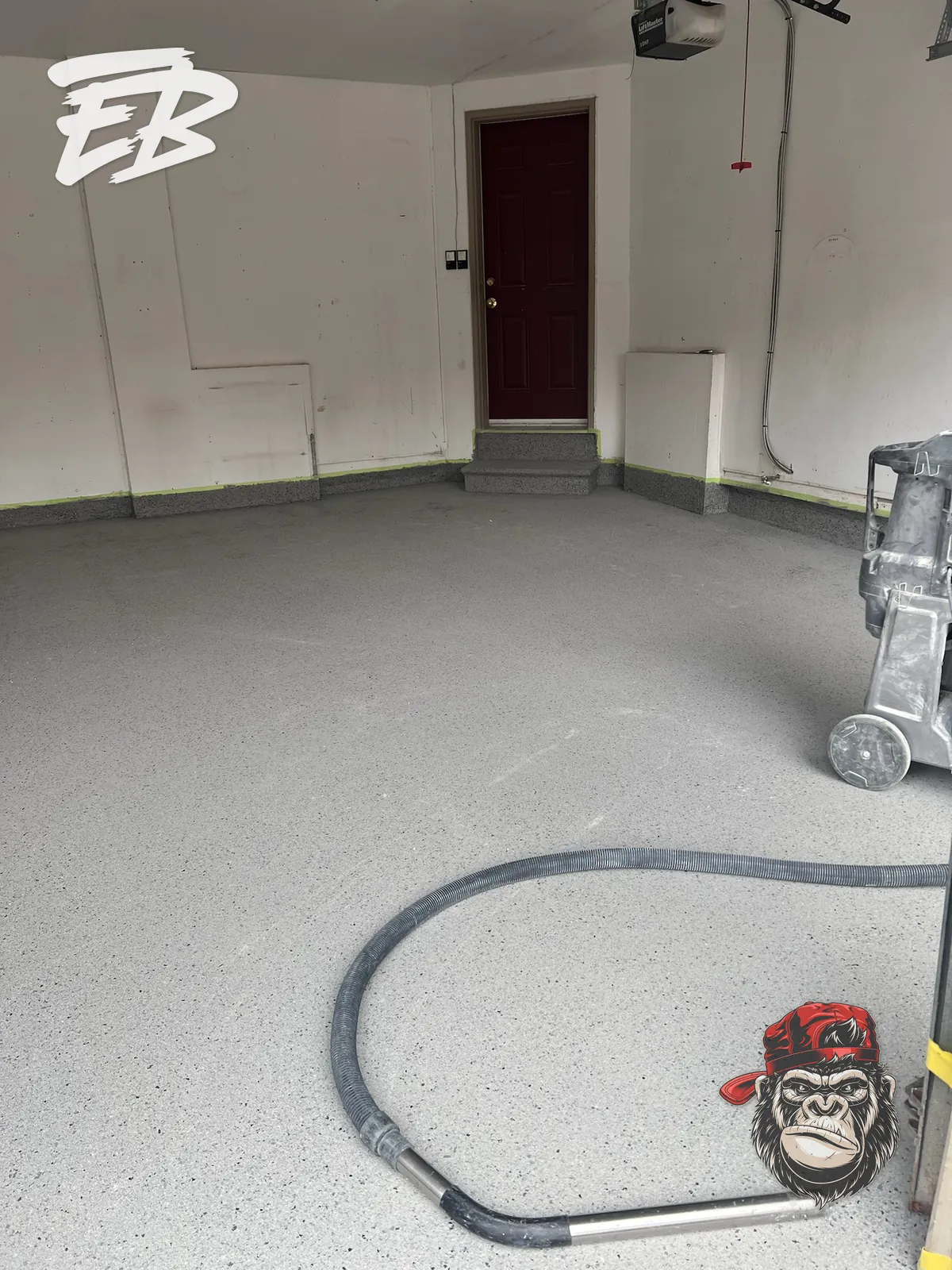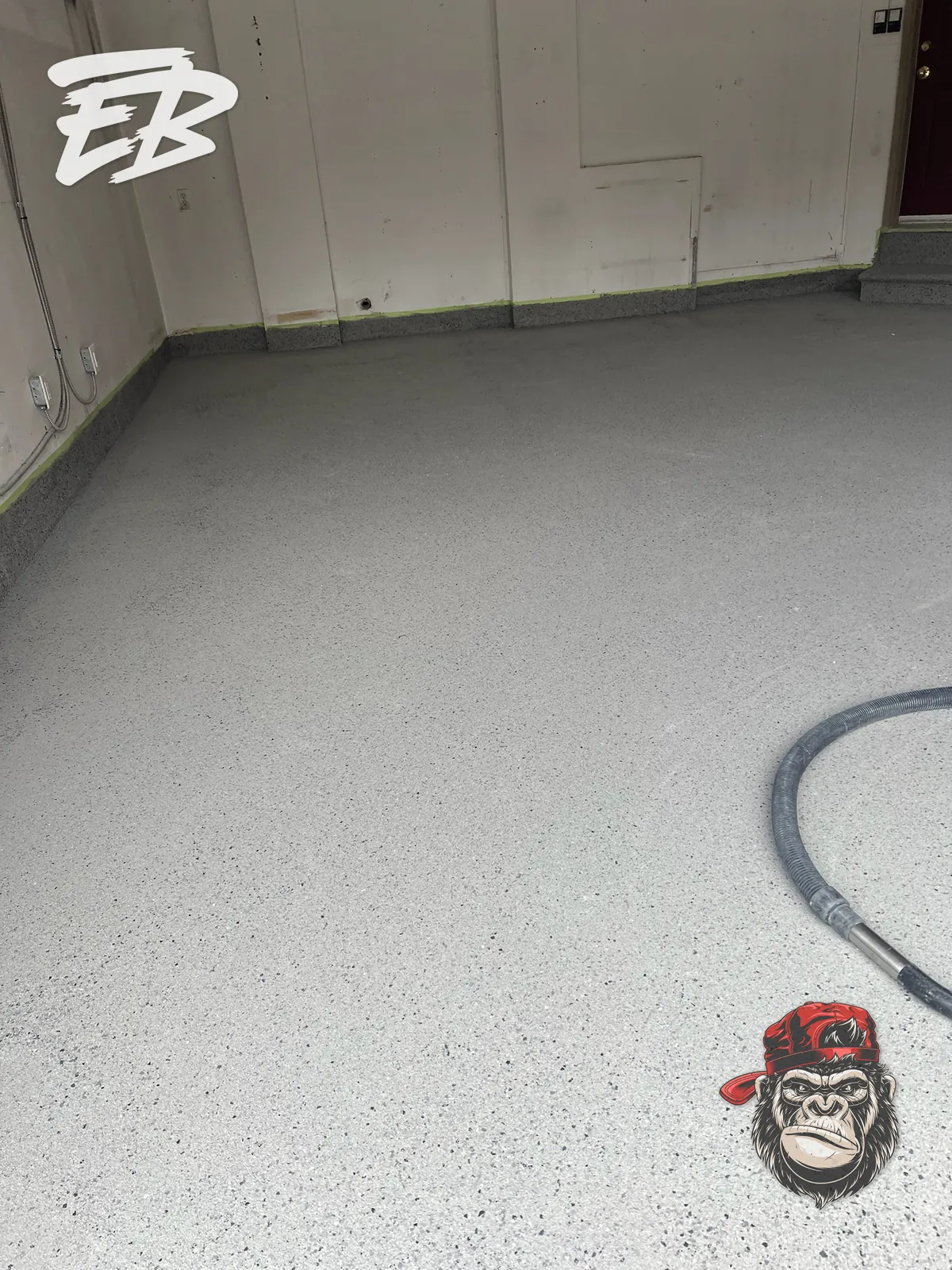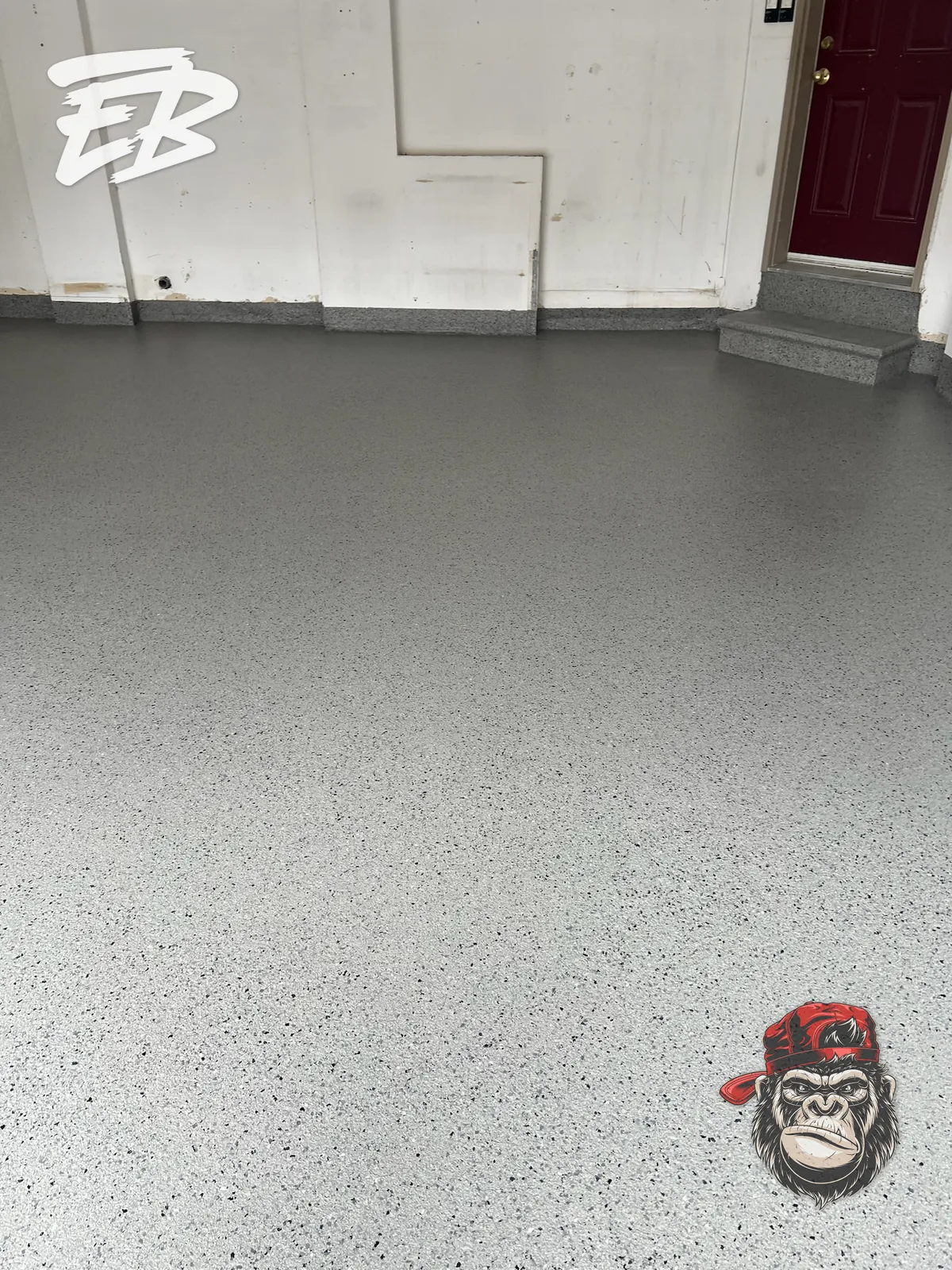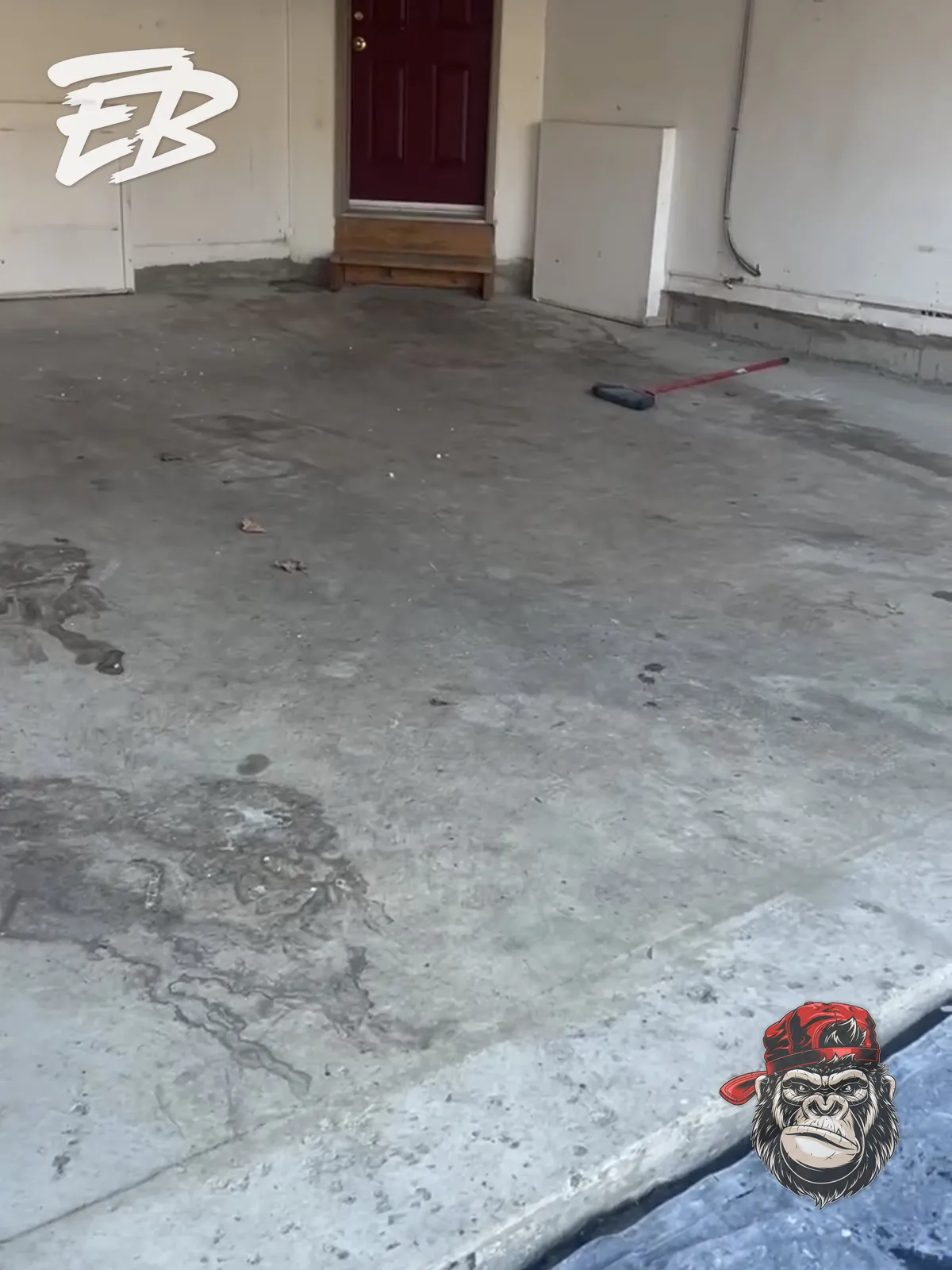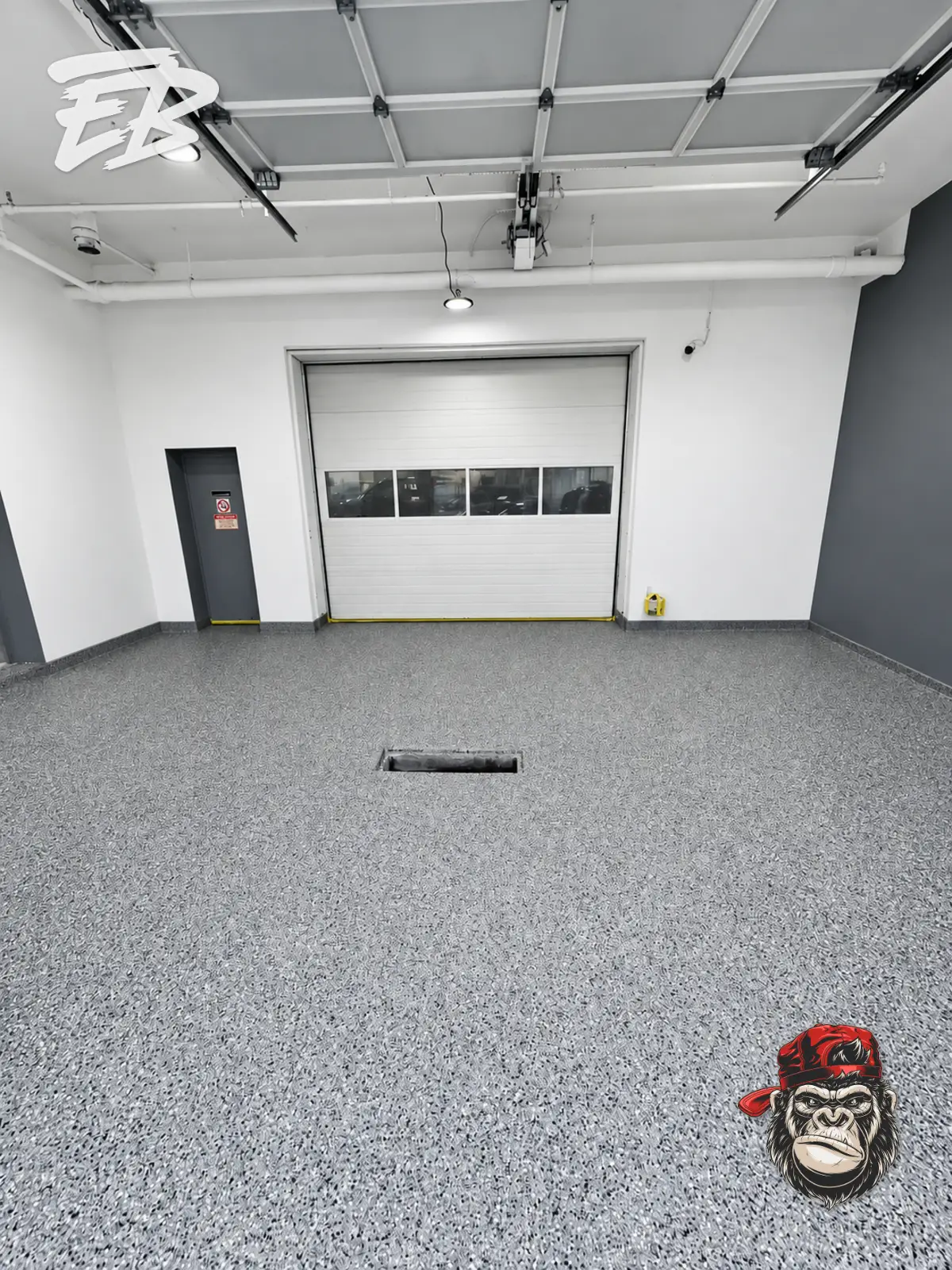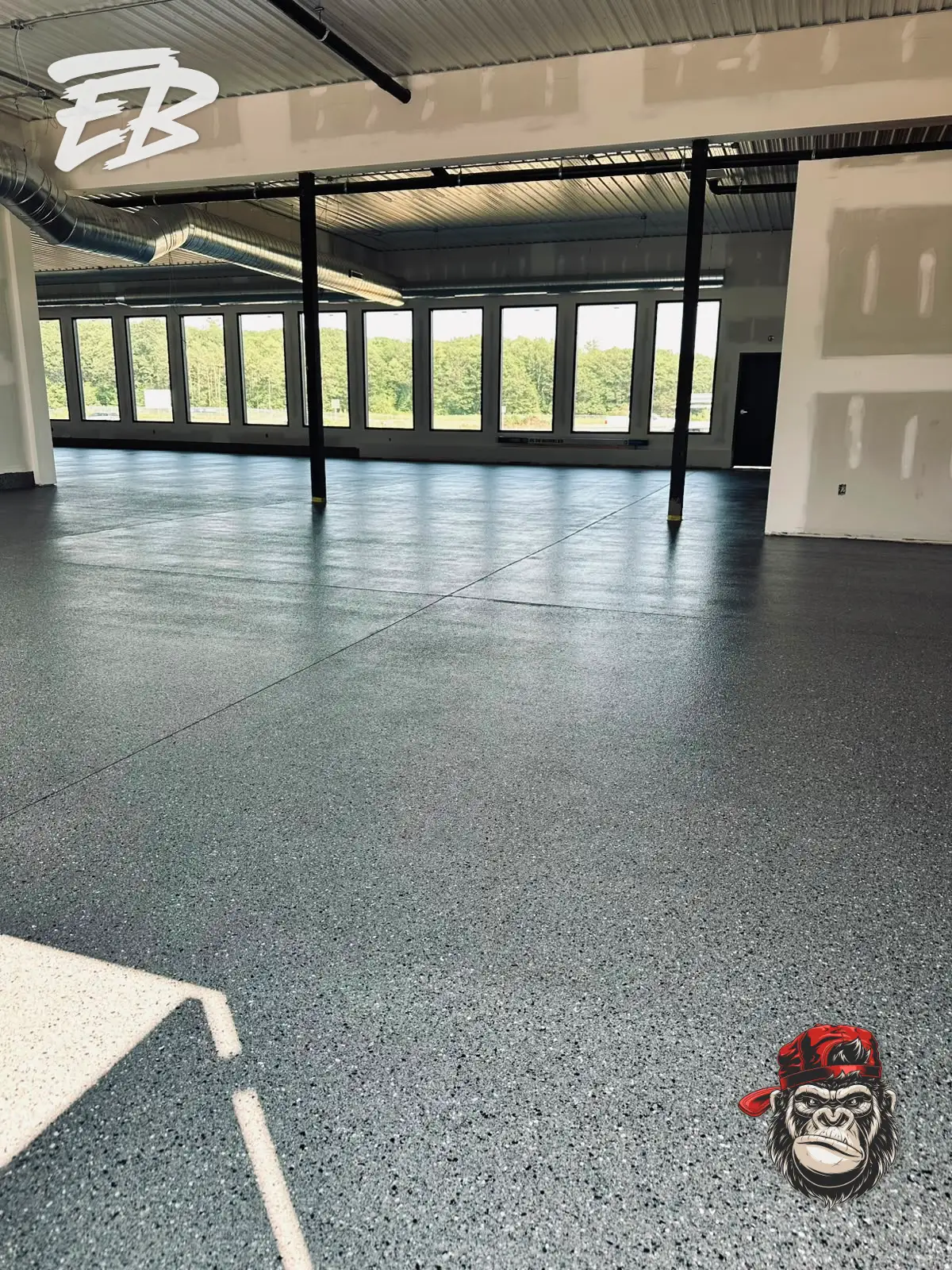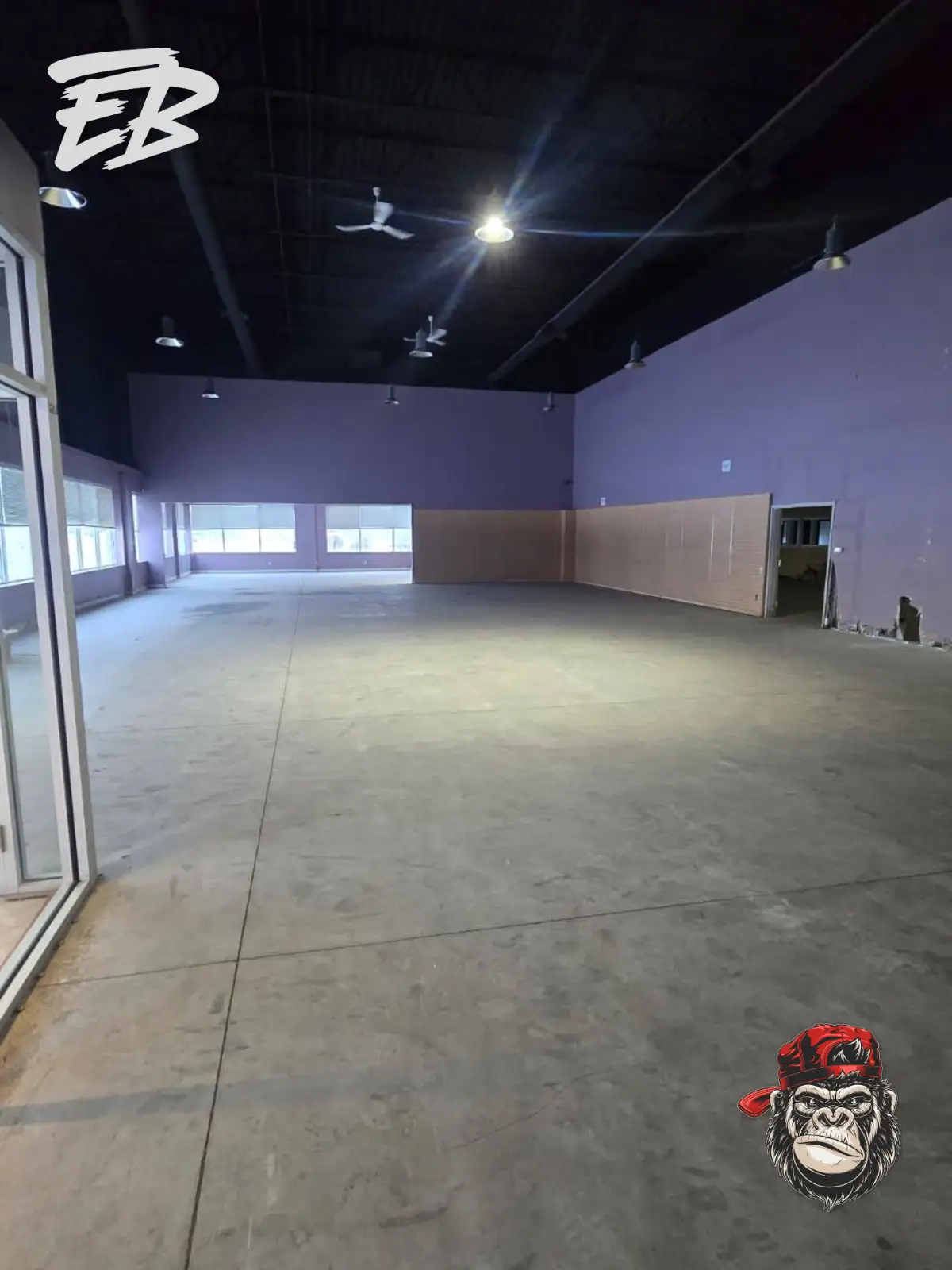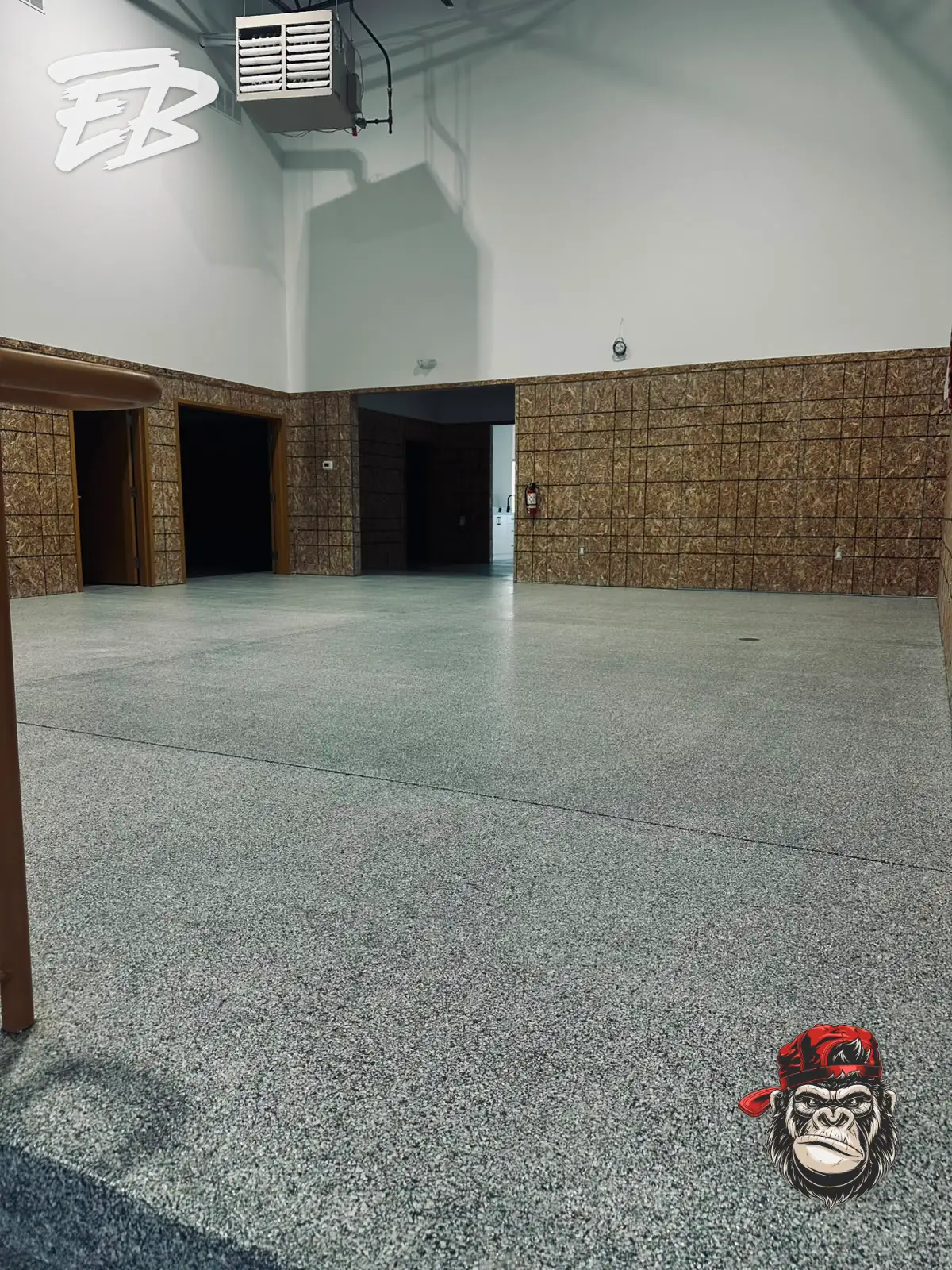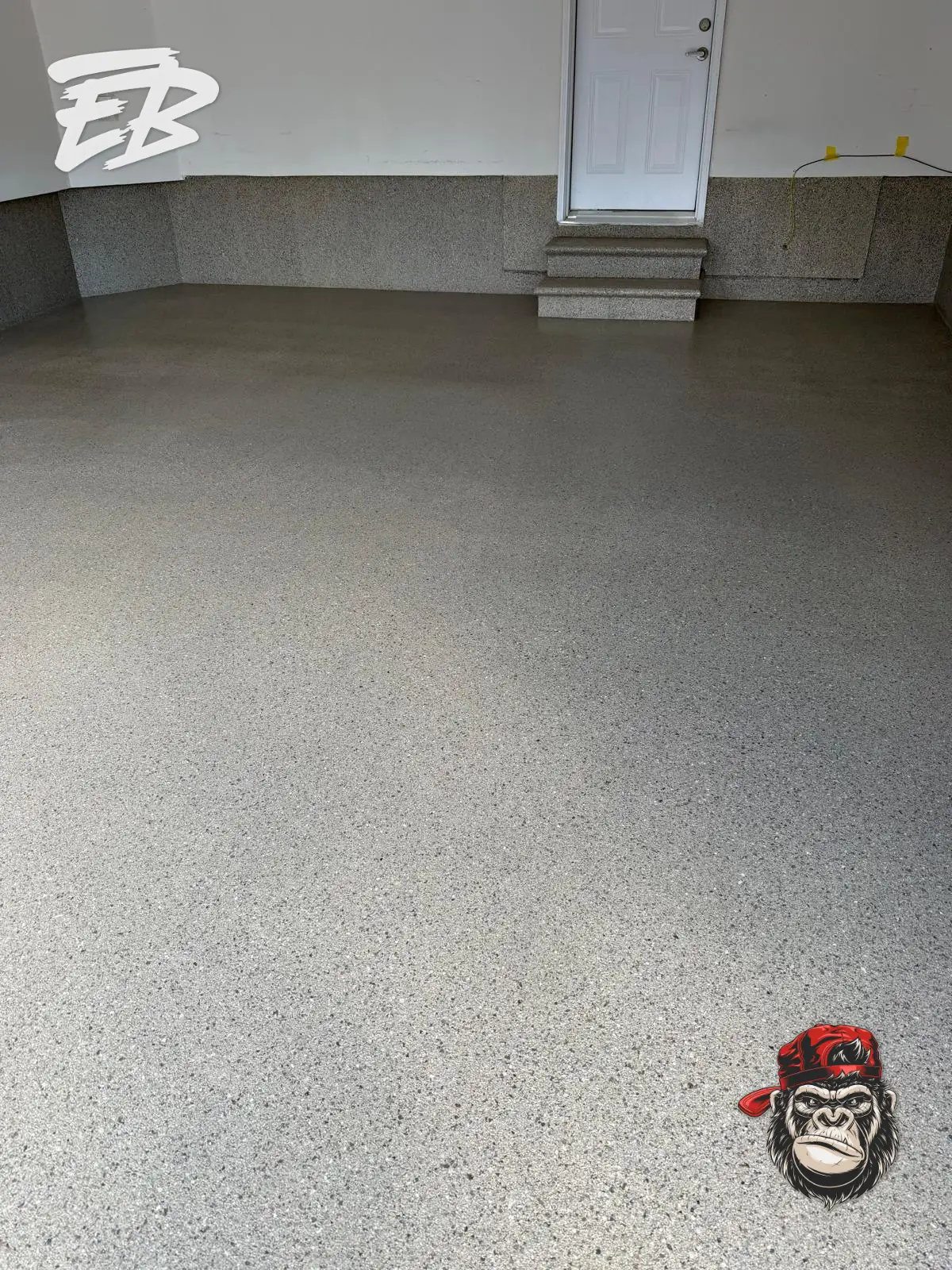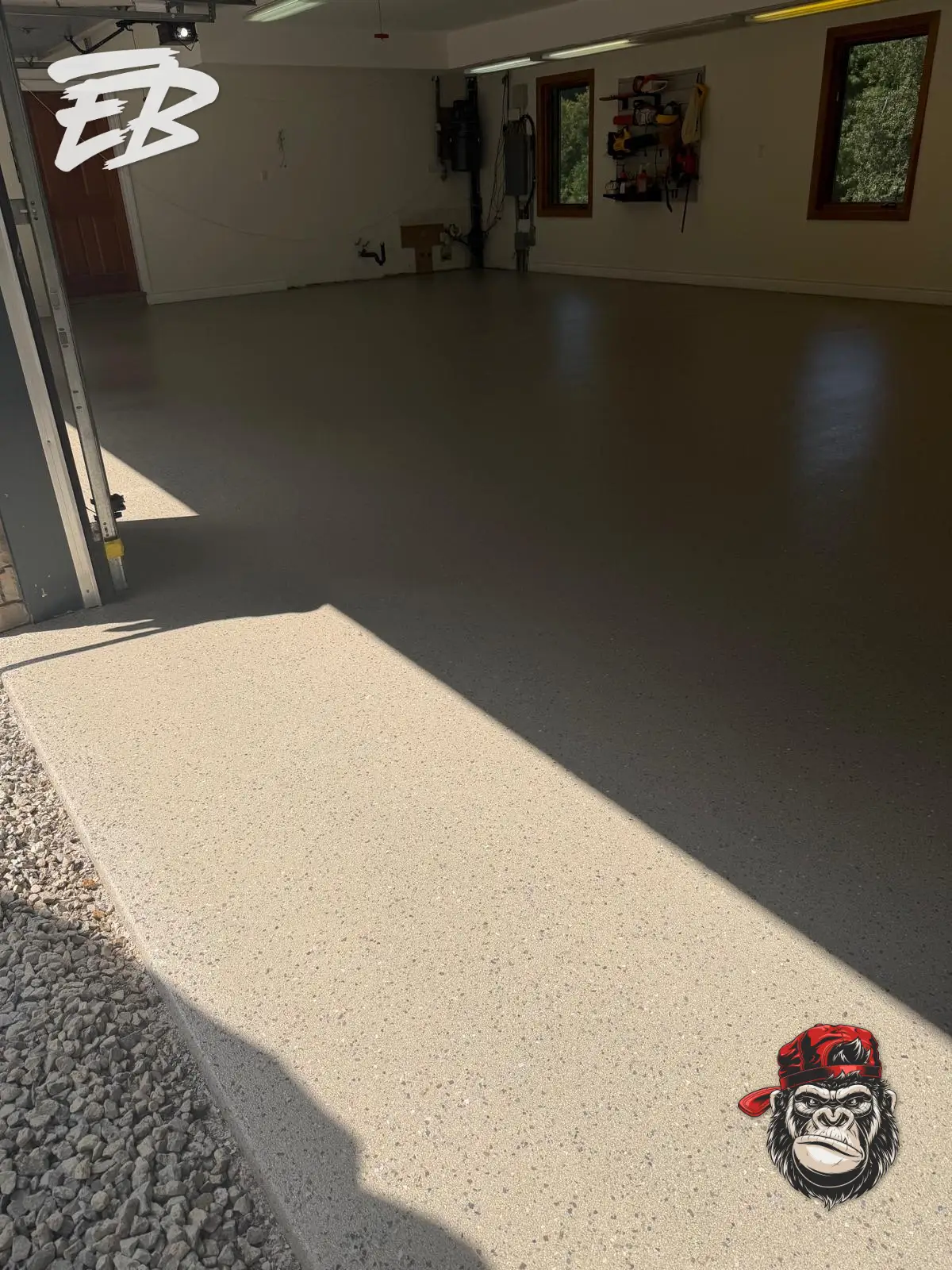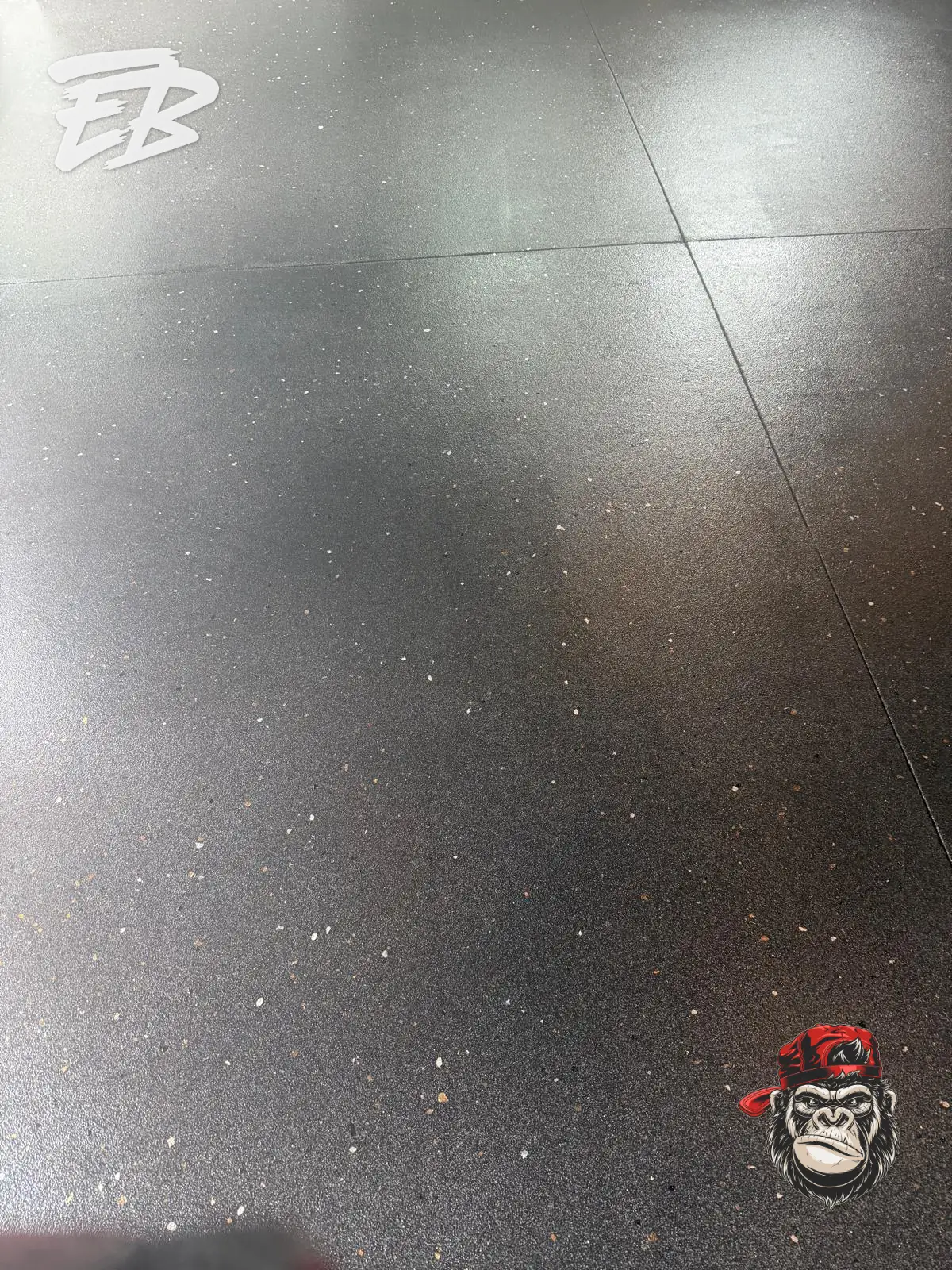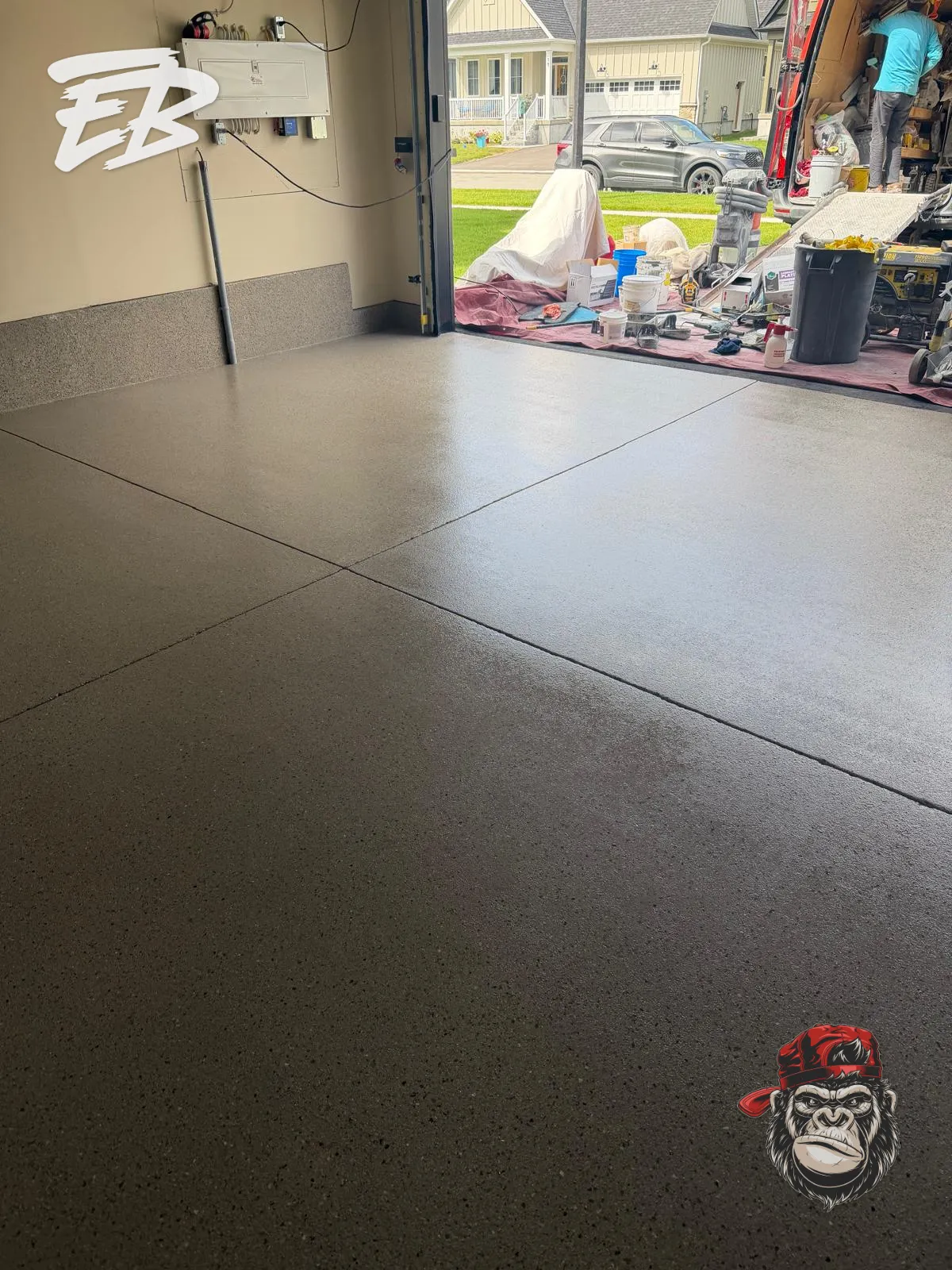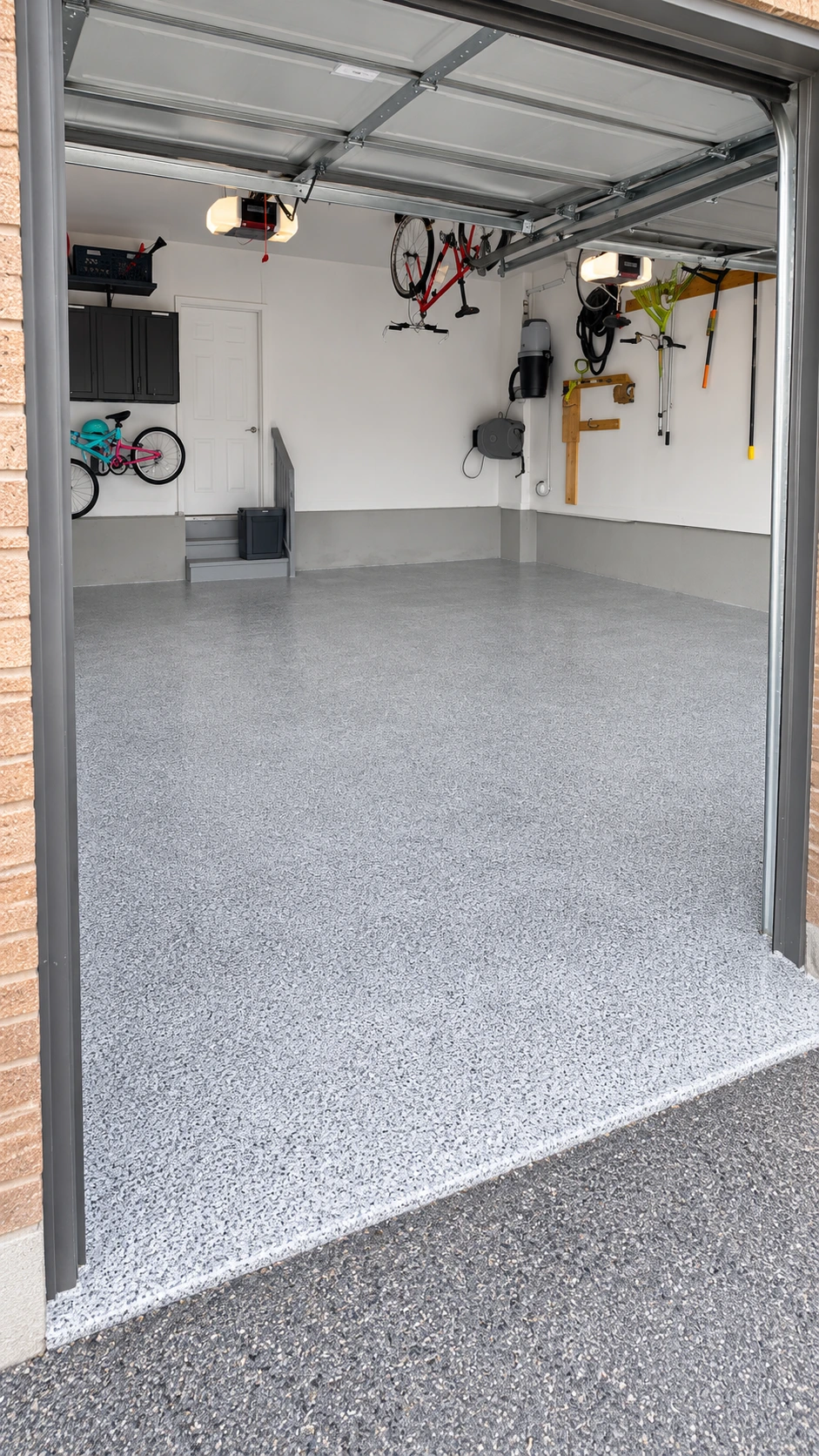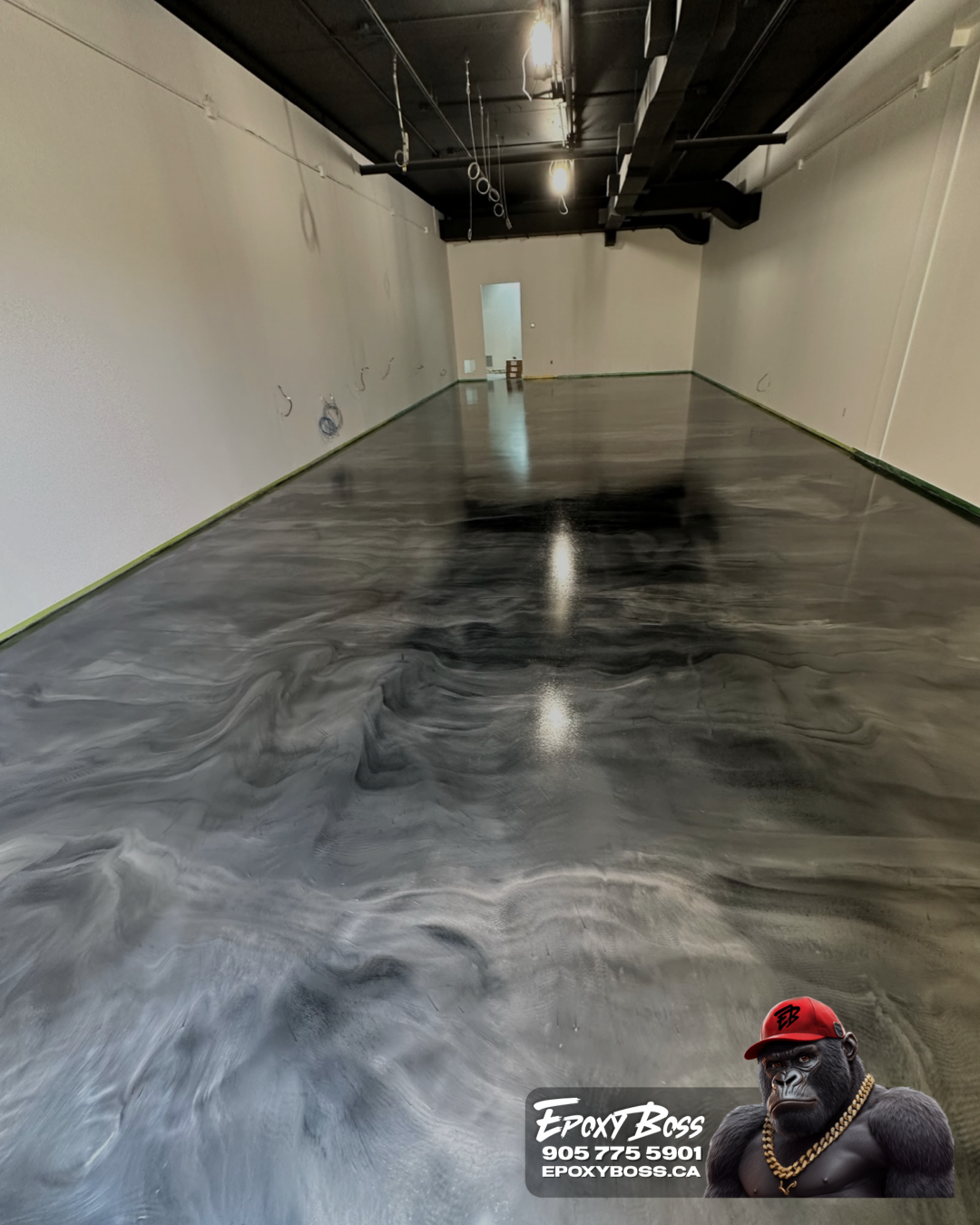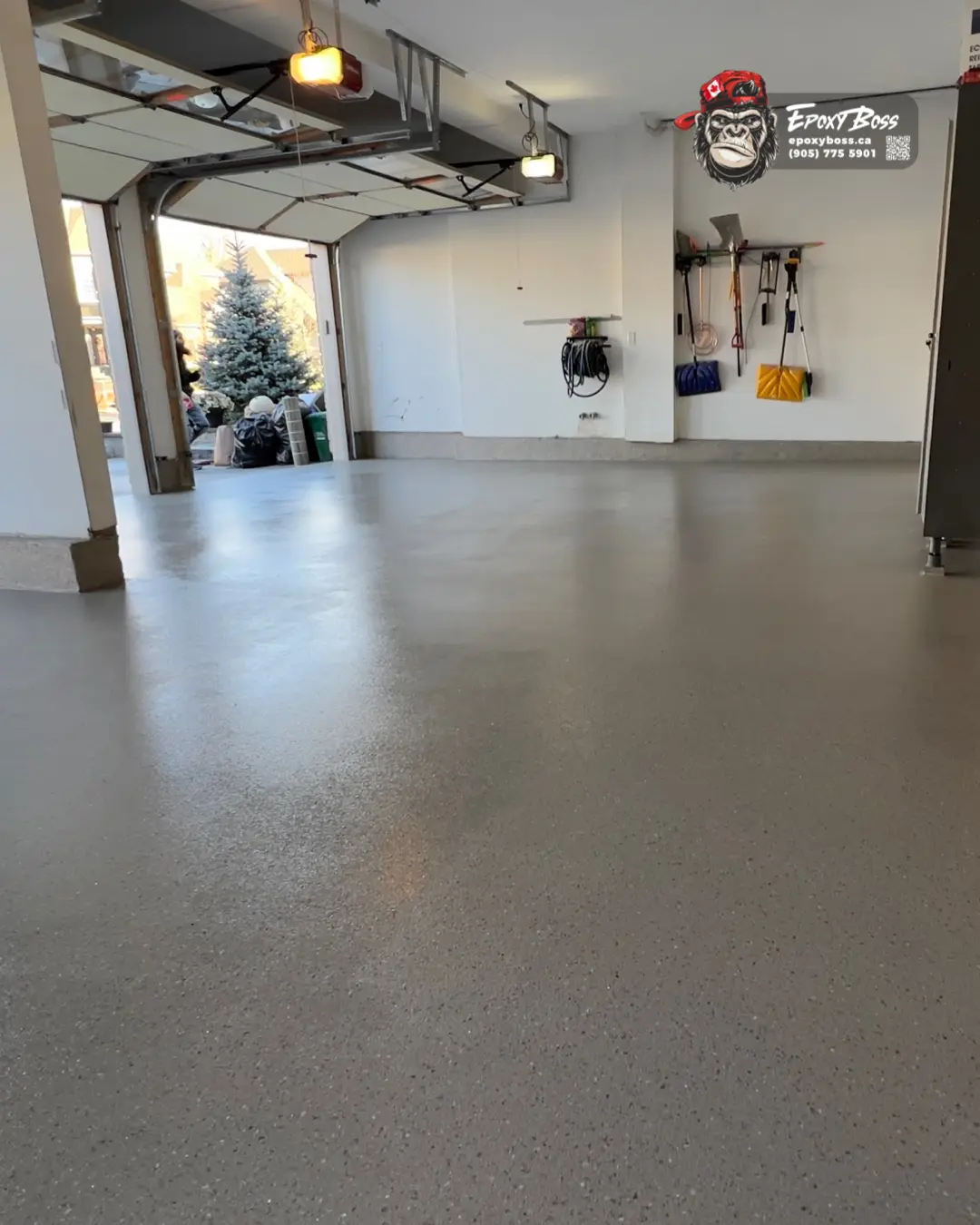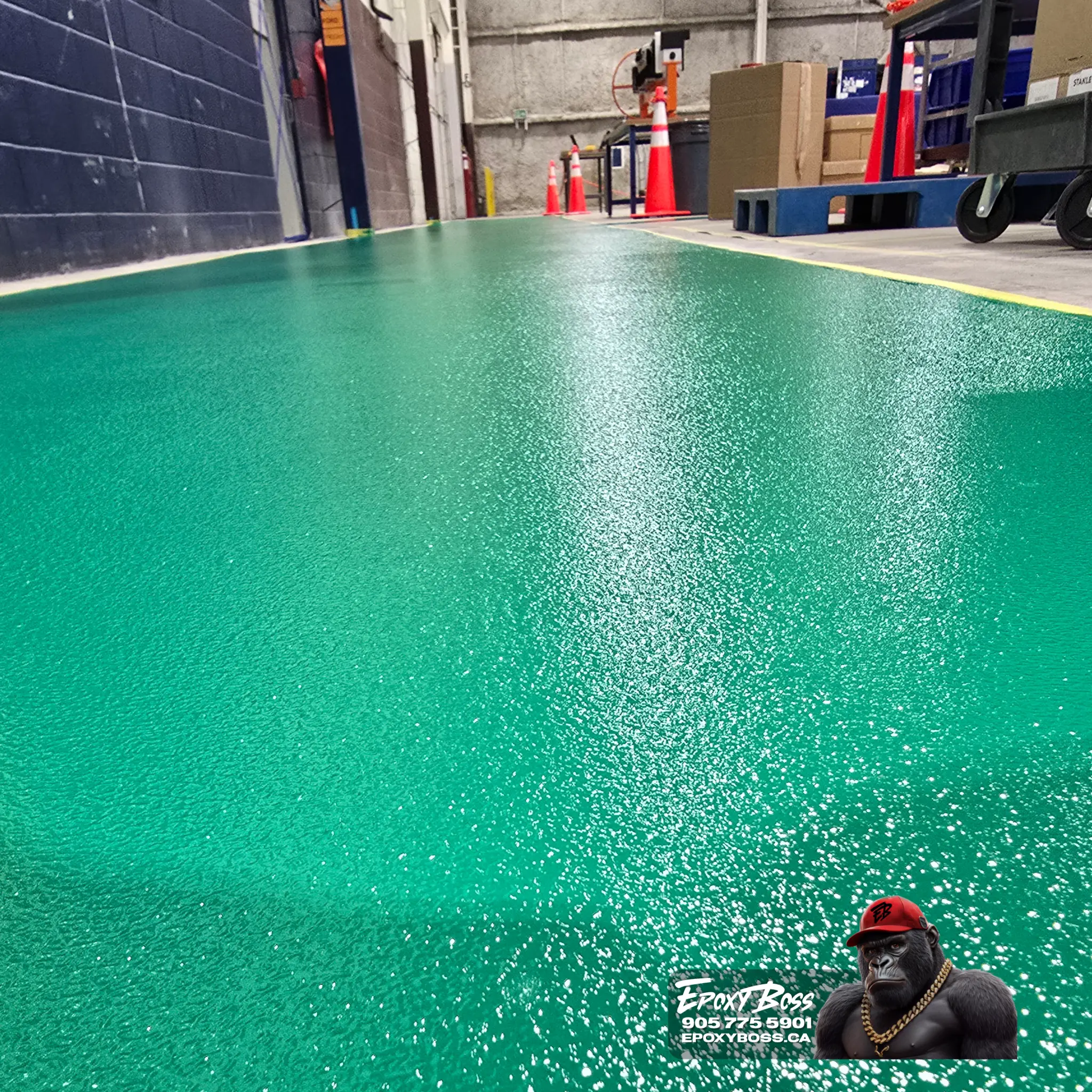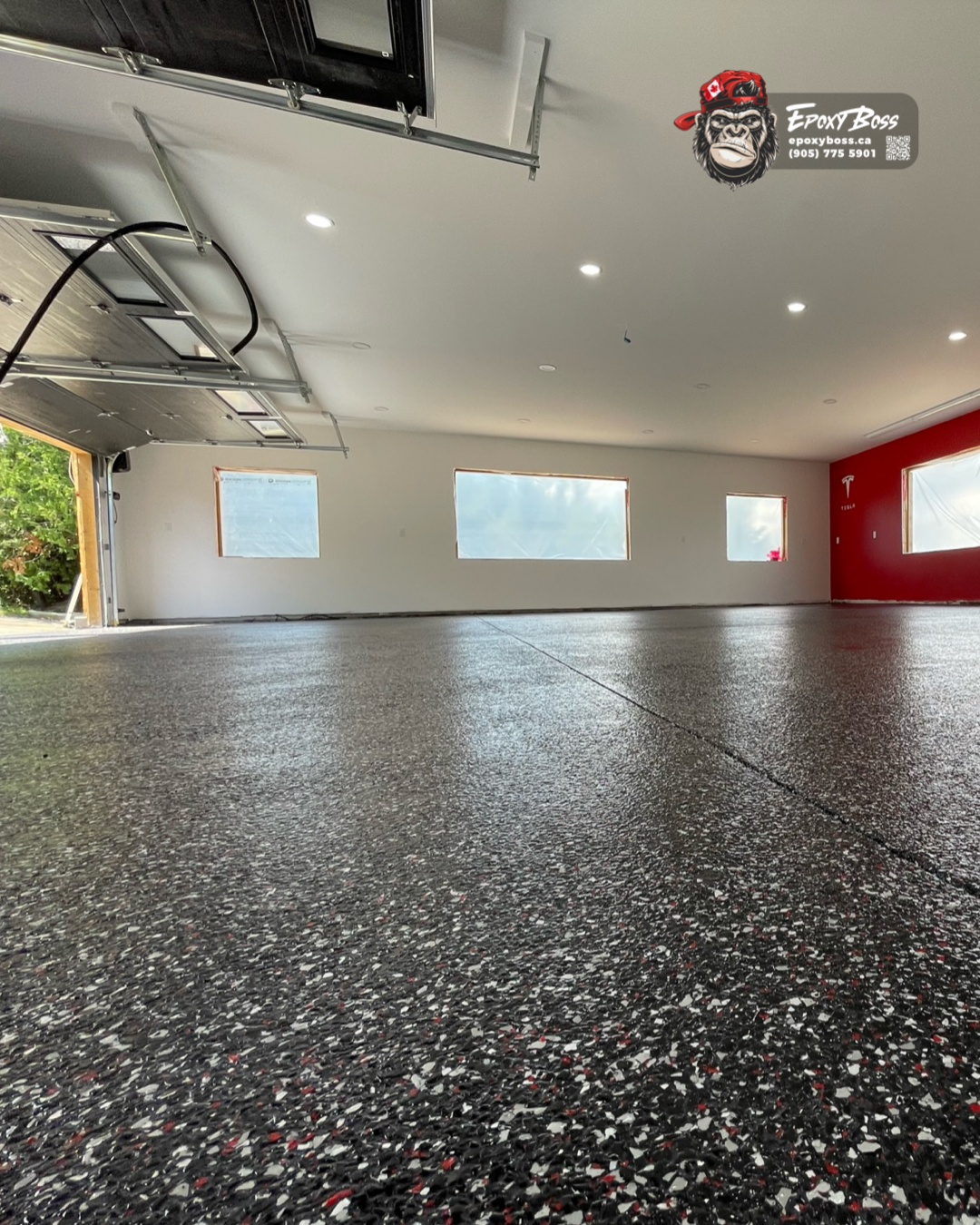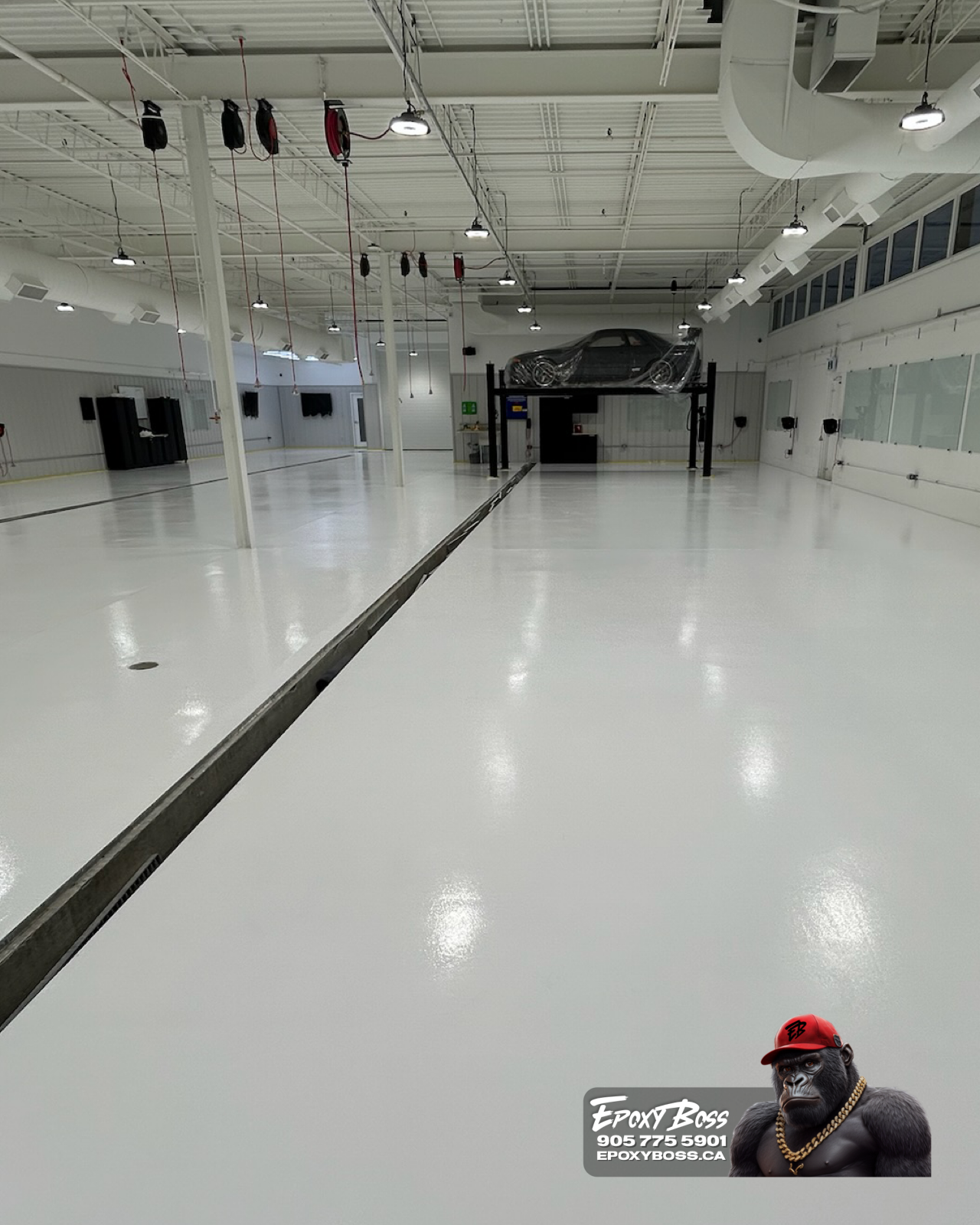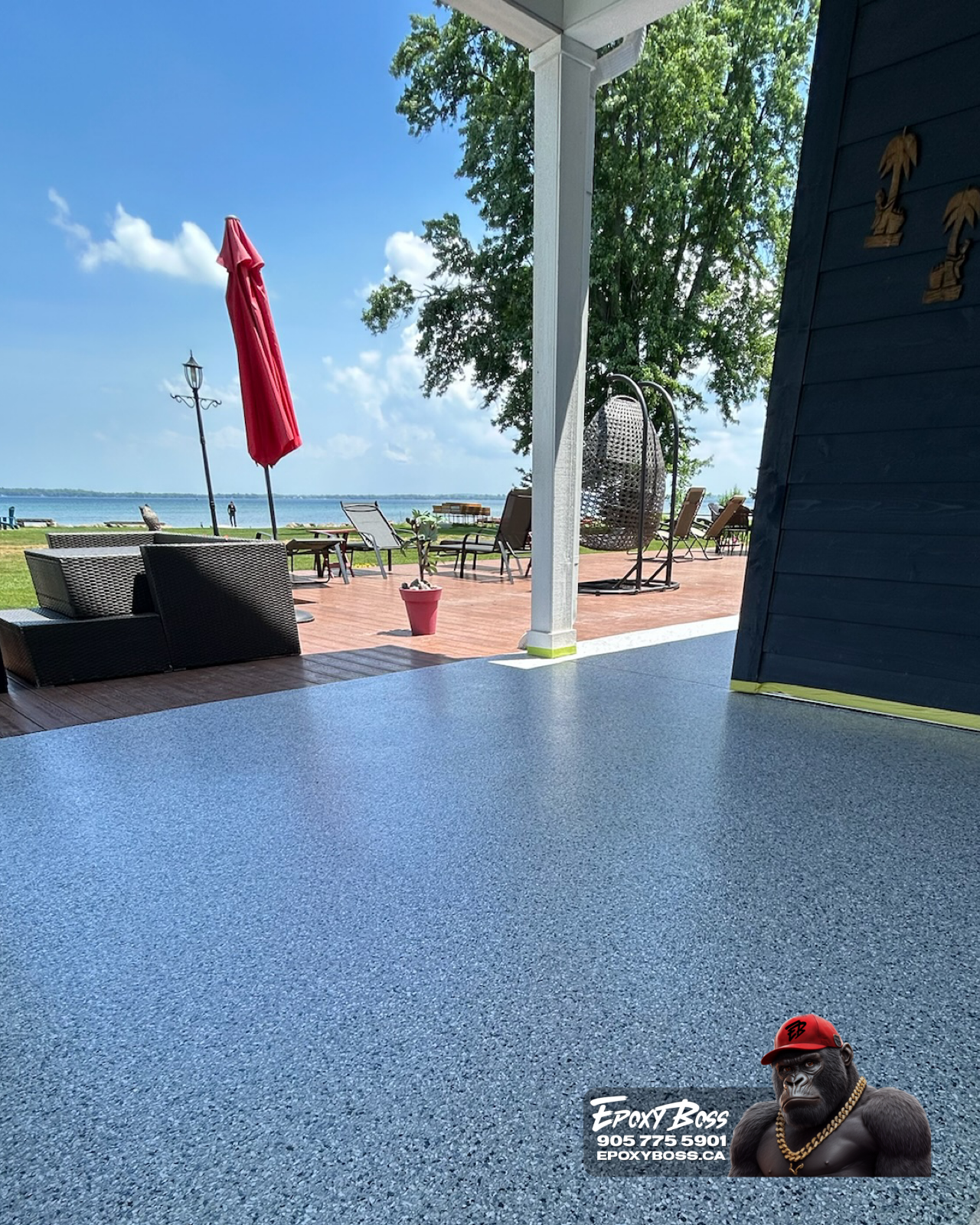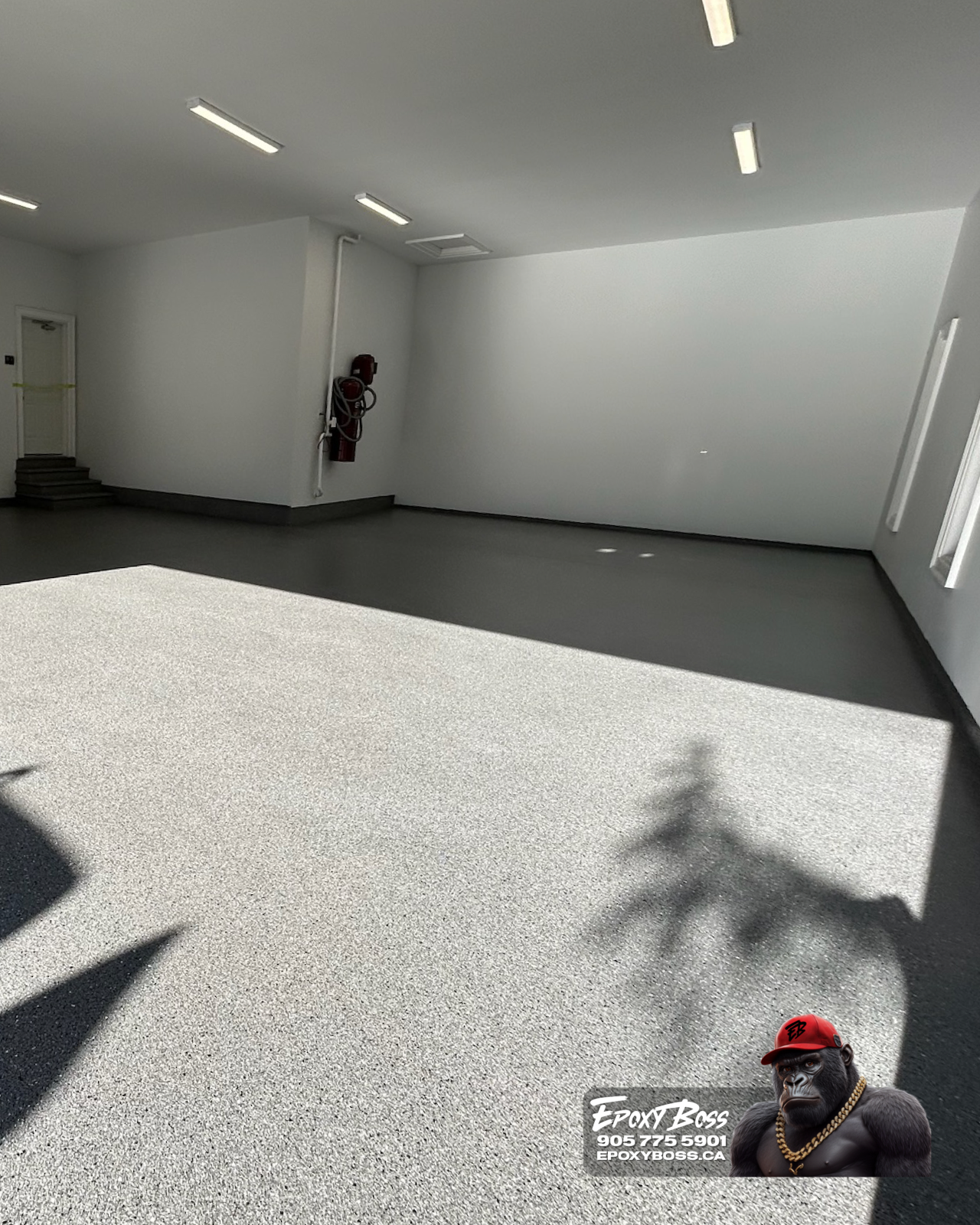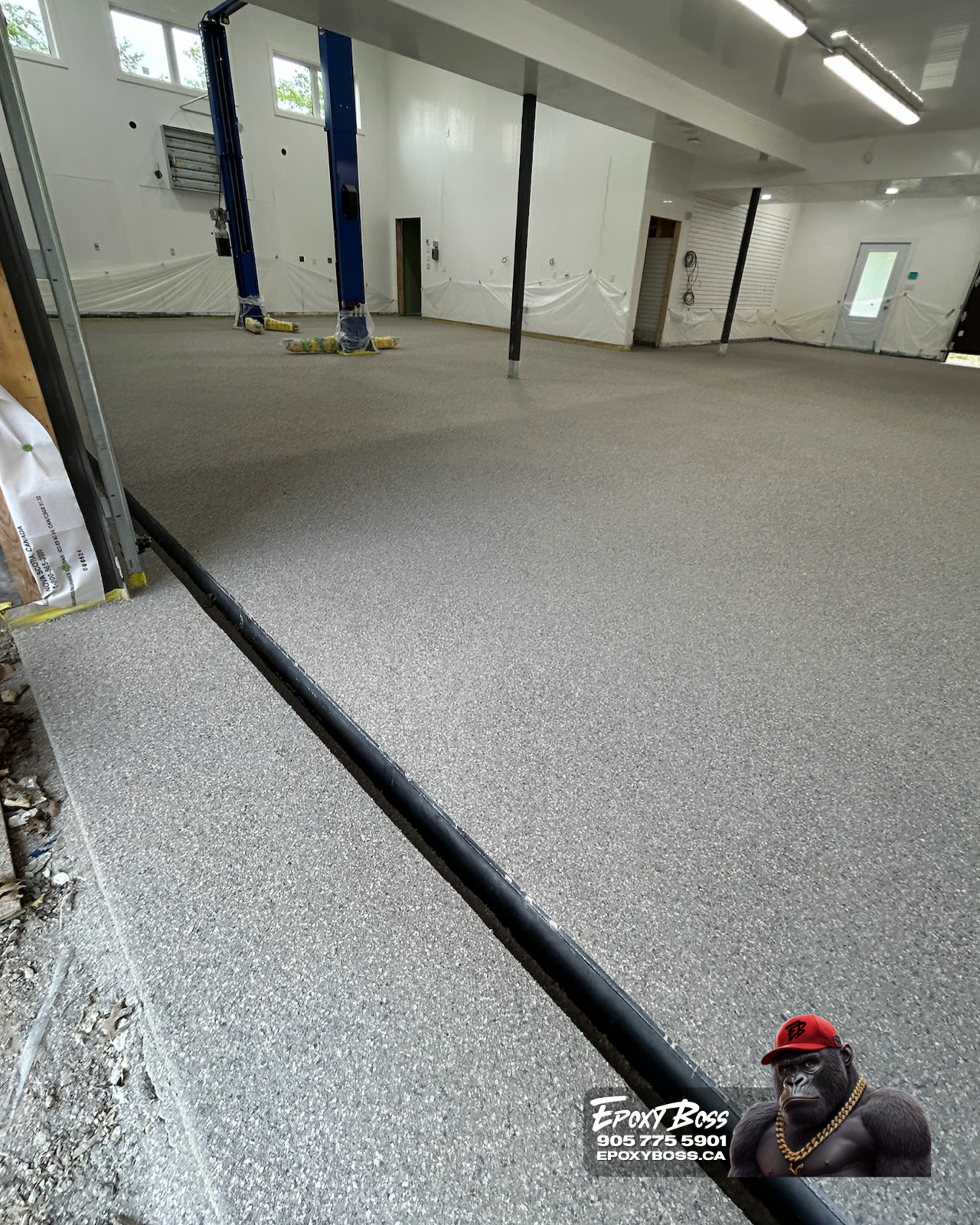
A garage floor with cracks, tire marks, oil stains, peeling paint, or an old failed coating may look beyond repair. In many cases, it is not.
Concrete garage floors in Vaughan often show the effects of vehicle traffic, winter salt, moisture, freeze-thaw exposure near the garage door, dropped tools, old paint, and years of storage. The question is not simply whether a new coating can be installed. The real question is whether the concrete can be prepared and repaired well enough to support a new system.
A successful garage-floor resurfacing project does not begin by painting over the existing surface. It begins by identifying what is on the slab, why it is failing, and what must happen before a new finish is installed.
What garage floor resurfacing actually means
Resurfacing can mean different things. For some homeowners, it means covering an unattractive floor with a decorative flake system. For others, it means removing old paint, repairing cracks and pitting, restoring damaged concrete, and then installing a protective coating system.
These are not the same scope of work.
If the slab is generally sound but looks worn, a contractor may be able to mechanically prepare the surface, complete localized repairs, and install a compatible resinous floor system. If the concrete is weak, deeply contaminated, actively moving, or extensively damaged, more substantial repair—or, in rare situations, replacement—may be required.
The condition beneath the visible surface determines the right approach.
Can cracks be repaired before a garage floor is coated?
Yes, many cracks can be repaired before a new coating is installed. But not every line in a garage slab should be treated the same way.
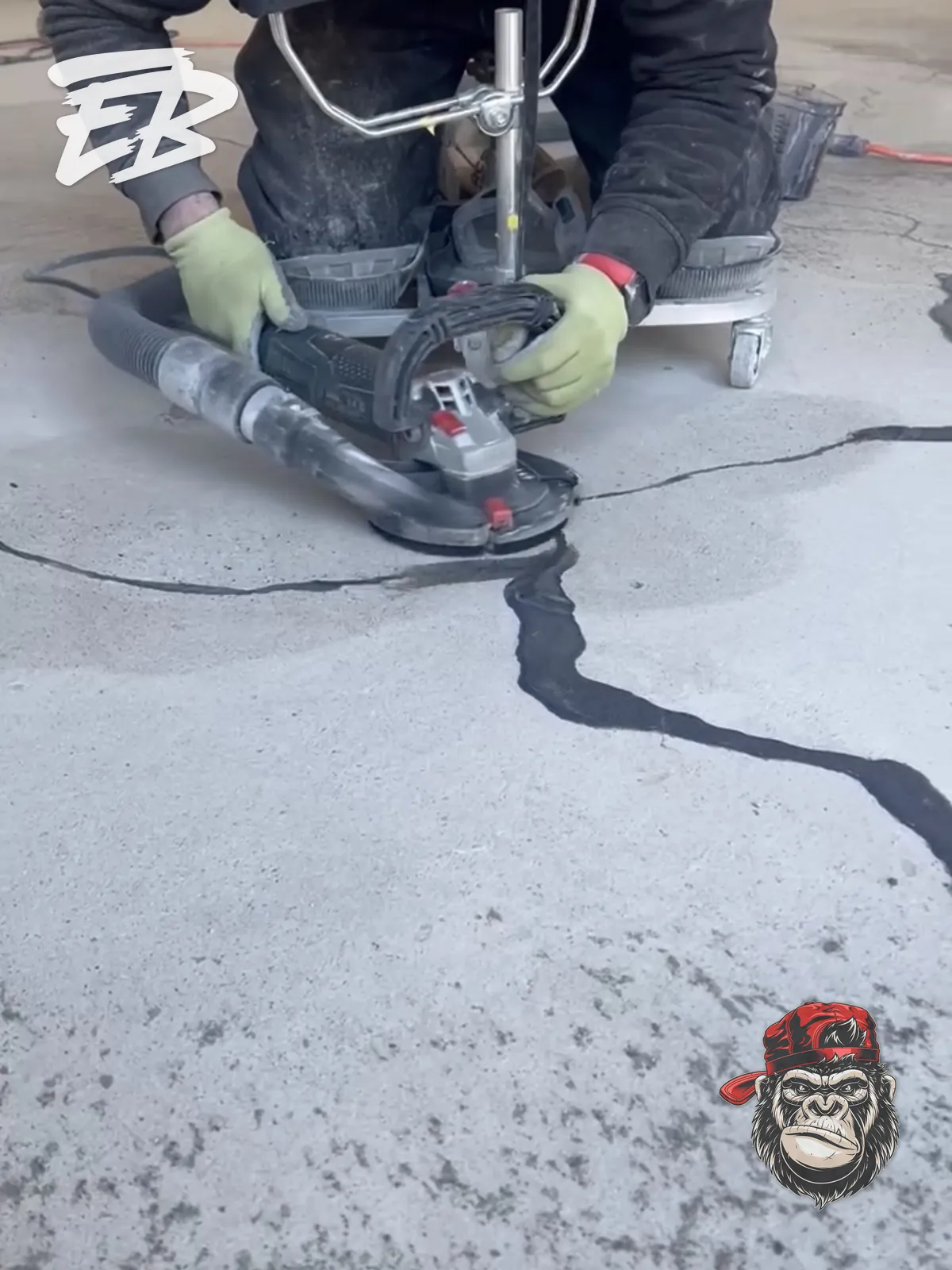
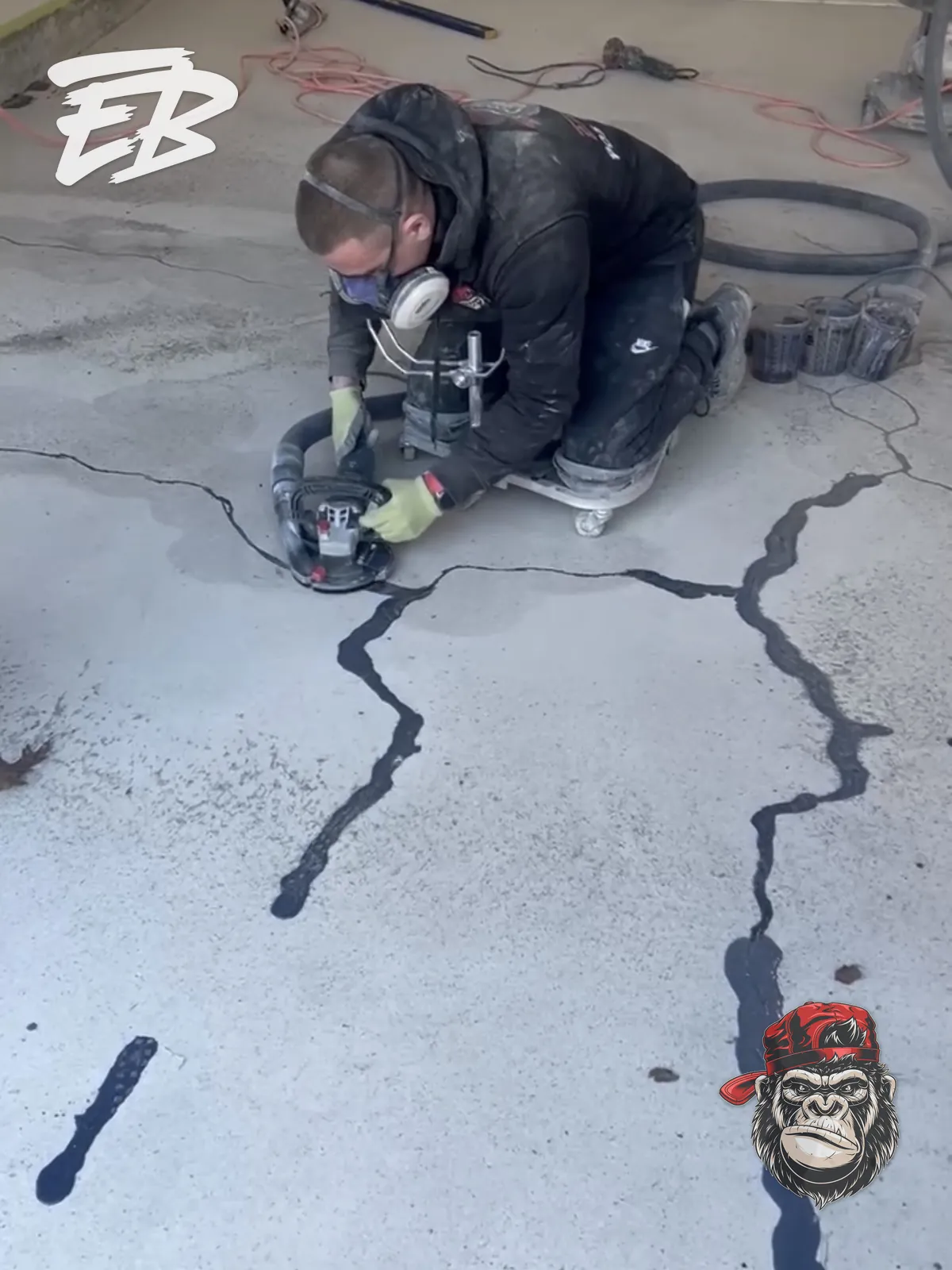
A stable crack can often be opened, cleaned, filled with the appropriate repair material, and prepared as part of the resurfacing process. Small chips, pitted areas, and worn garage-entry edges can also be repaired before the decorative floor is built.
Control joints and expansion joints are different. These are intentional movement points in the concrete. A rigid coating installed continuously over a moving joint can eventually reflect a line or crack because the concrete sections move independently.
A professional assessment should identify whether the visible issue is a static crack, a moving joint, a previous repair seam, or broader slab deterioration. The repair detail should match the condition rather than applying one filler method everywhere.
Learn more about concrete crack repair →
What if the garage floor has oil stains or tire marks?
Surface staining does not always prevent resurfacing, but the source and depth of contamination matter.
Tire marks, light surface dirt, and ordinary garage staining may be addressed through cleaning and mechanical preparation. However, oil, grease, automotive fluids, silicone products, or other contaminants can penetrate porous concrete. If contamination remains below the surface, it can interfere with coating adhesion.
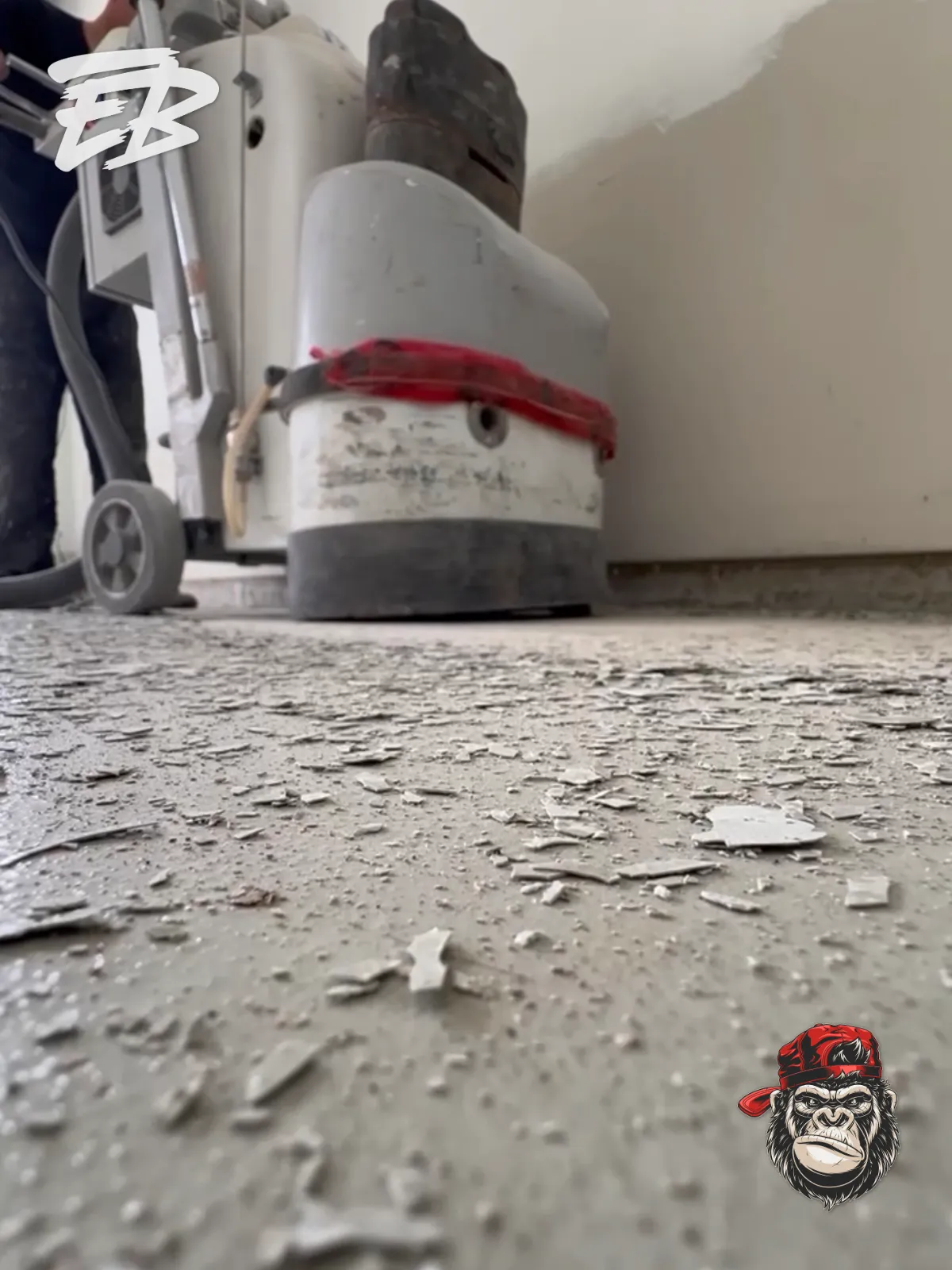
That is why simply pressure washing a garage floor is not a complete preparation method for a resinous coating system. The surface needs to be assessed after cleaning and during mechanical preparation. Diamond grinding can remove weak paste, old paint, light contamination, and the smooth upper layer of concrete while creating the surface profile needed for the coating to bond.
Where contamination is extensive, the contractor may need to remove more material, use a compatible treatment approach, or adjust the recommended system. The answer should come from the actual slab condition—not from an assumption based only on a photograph.
Can you coat over old garage-floor paint?
Sometimes, but old paint should never be treated as automatically suitable for a new floor coating.
Paint may be peeling, softening, bubbling, worn through in tire paths, or separating from the concrete beneath it. A new coating placed over a weak paint layer can release with the old material, even if the new product itself is high quality.
The existing finish needs to be checked for adhesion. If it is poorly bonded or failing in multiple areas, removal to sound concrete is usually the more dependable route. If a previous coating remains firmly bonded and is compatible with the proposed system, the surface may be mechanically prepared for recoating—but that decision should follow an on-site review.
The goal is not to save an old layer at all costs. The goal is to build the new system on a dependable base.
Why mechanical preparation matters
A floor coating is only as reliable as the concrete surface beneath it.
Diamond grinding is commonly used to open the concrete, remove loose or weak surface material, and create a consistent profile for the coating system. This is different from acid etching, pressure washing, or hand sanding. Those methods may clean a floor, but they do not reliably create the same mechanical bond profile across a garage slab.
Preparation also reveals the real condition of the concrete. Once old paint or a failed coating is removed, the team can see whether there are weak patches, prior repairs, spalls, pitting, hairline cracks, contaminated areas, or damaged edges near the garage door.
That information informs the repair scope before the decorative finish is installed.
Read why surface preparation comes first →
When resurfacing is a good option
Garage floor resurfacing is often a practical option when the concrete is structurally sound and the surface issues can be addressed through preparation and repair.
This may include floors with minor cracking, old paint, pitting, small spalls, cosmetic staining, worn entry edges, or a previous coating that has failed locally. Once the damaged or poorly bonded material is removed, the slab can be repaired and prepared for a new protective system.
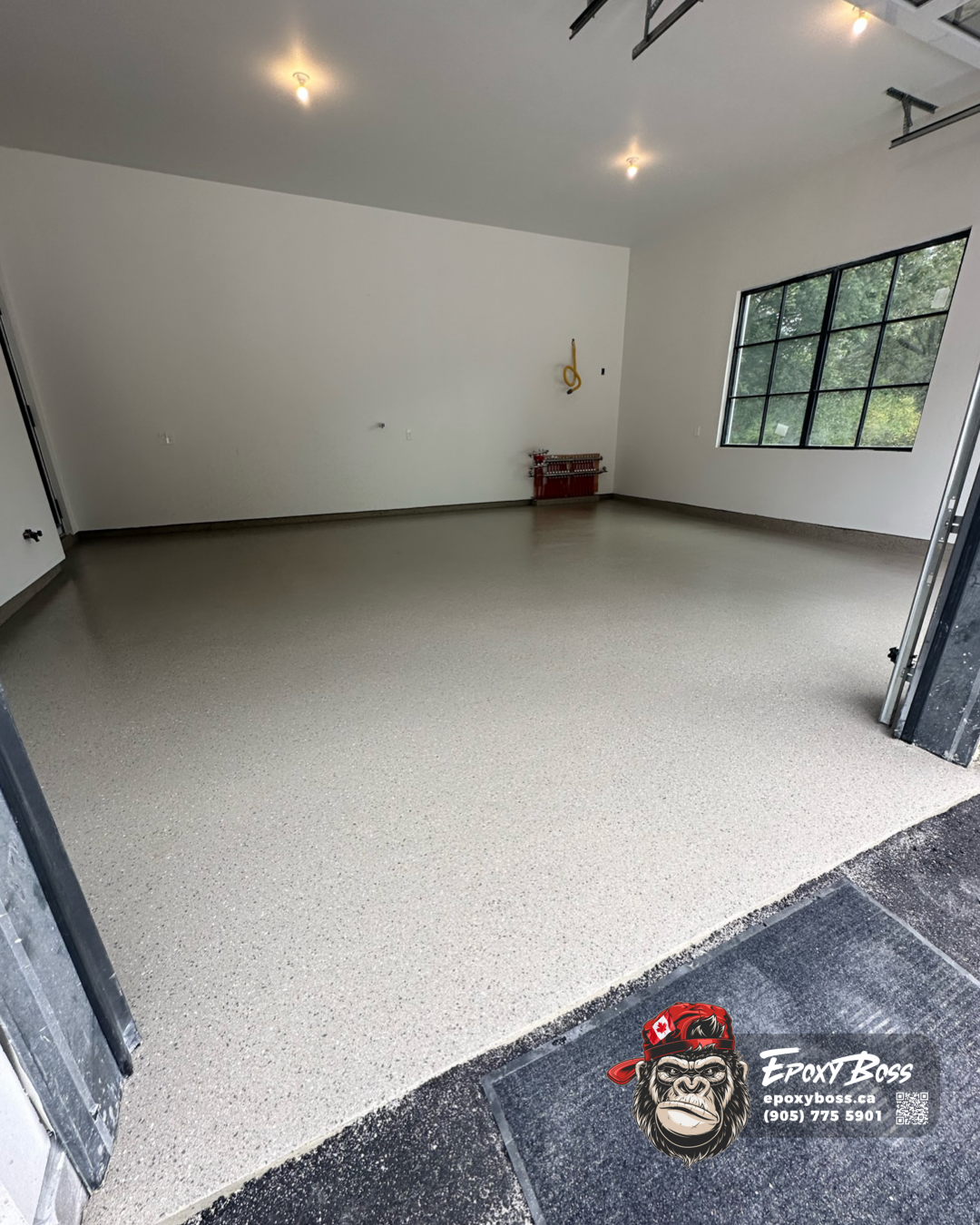
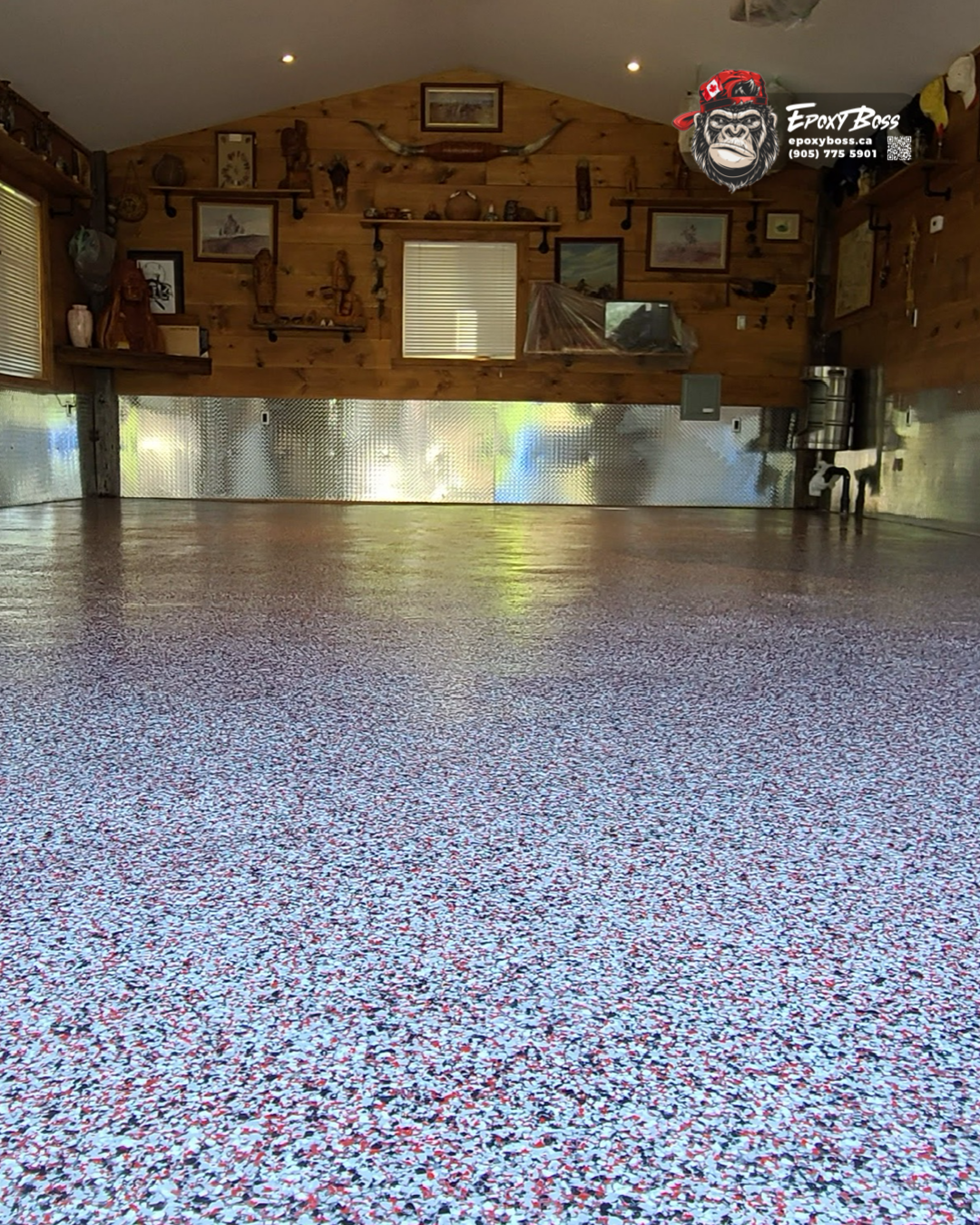
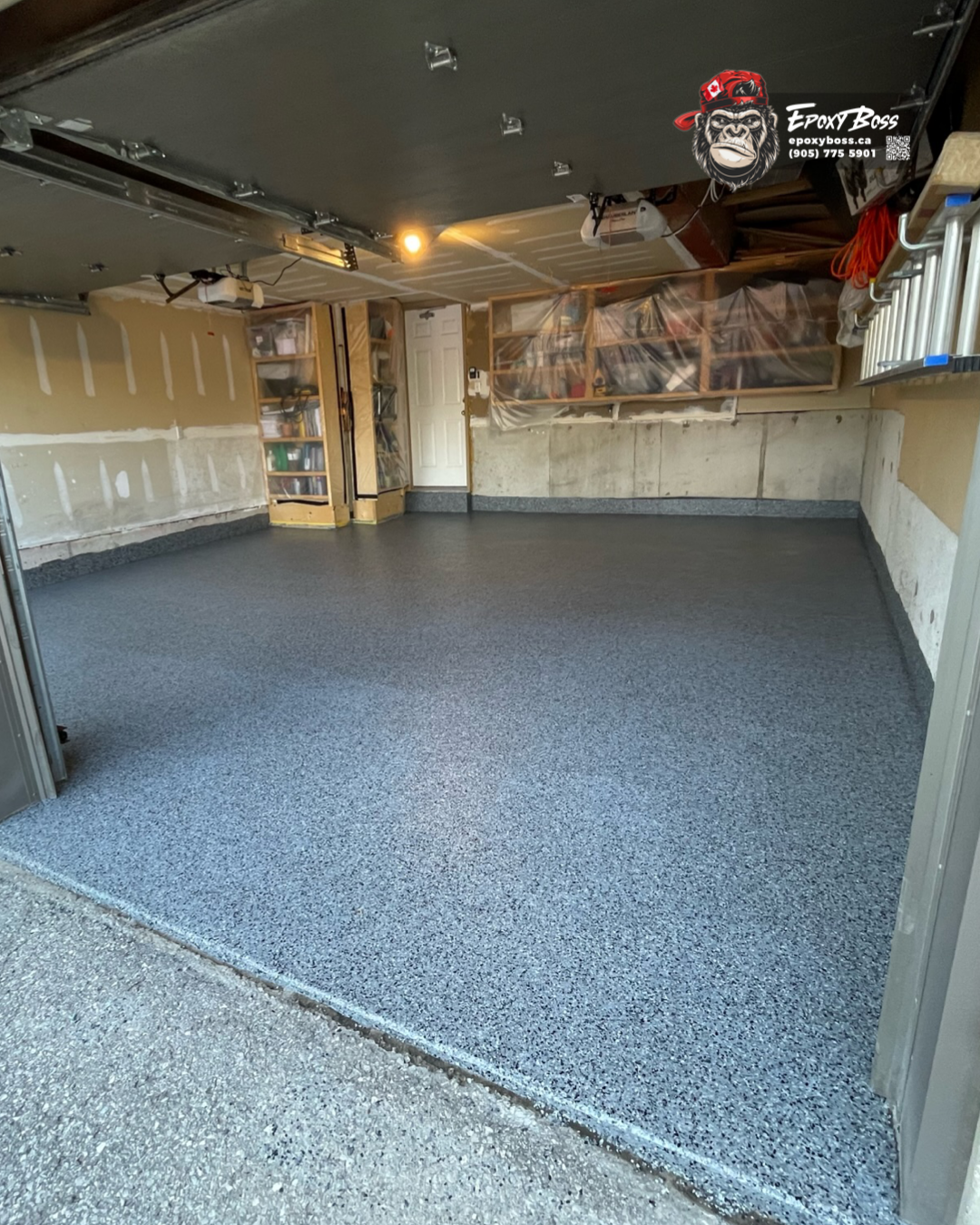
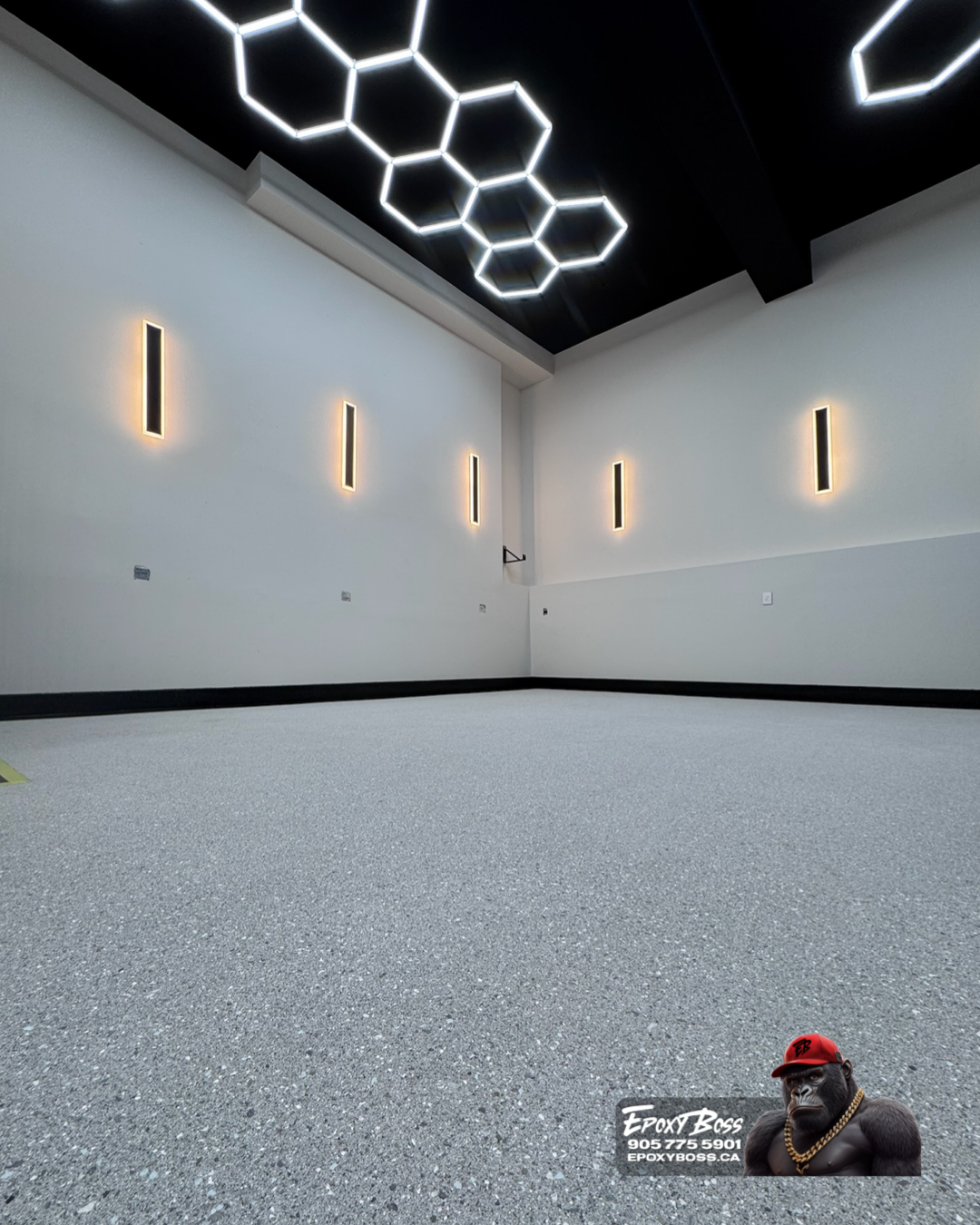
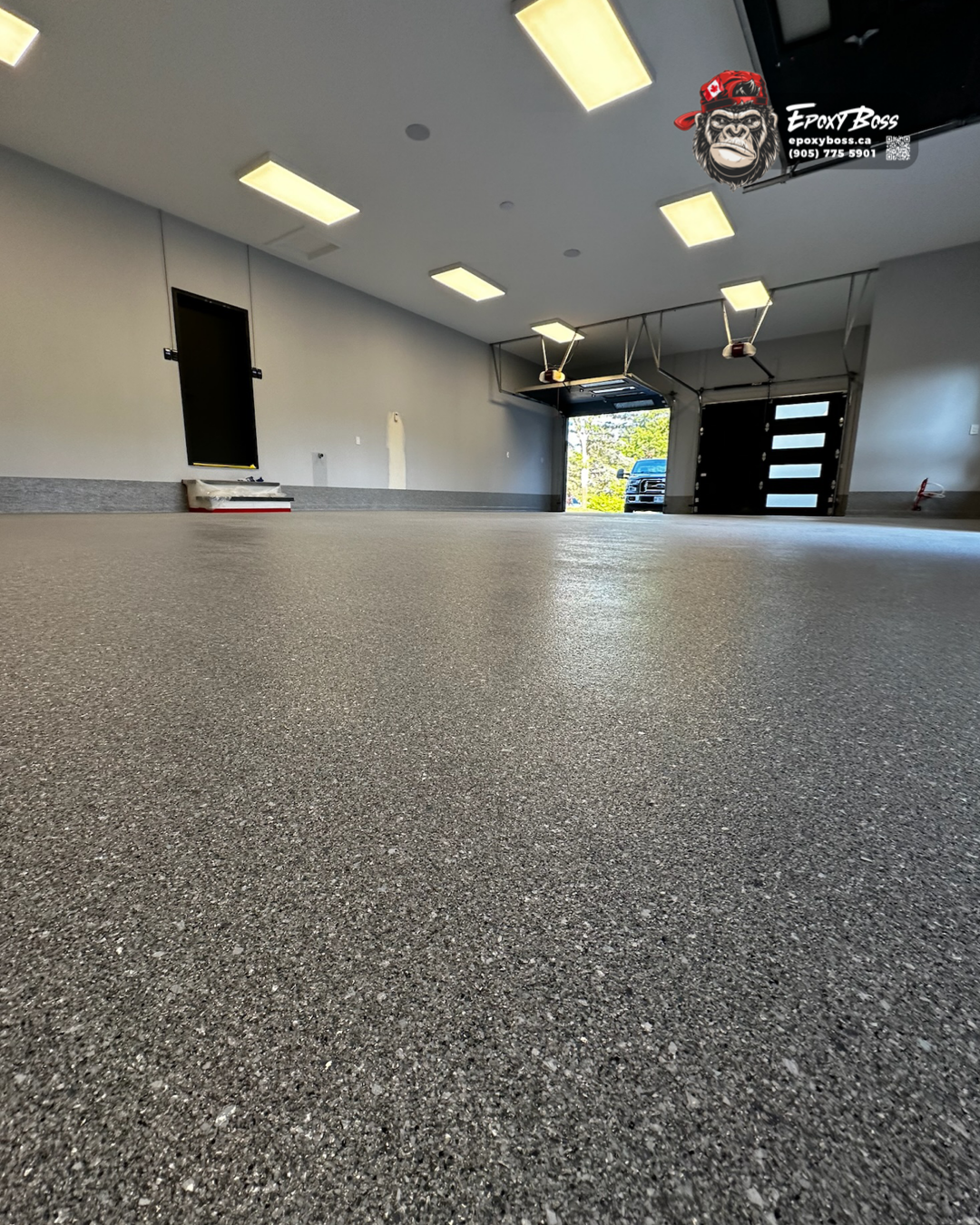
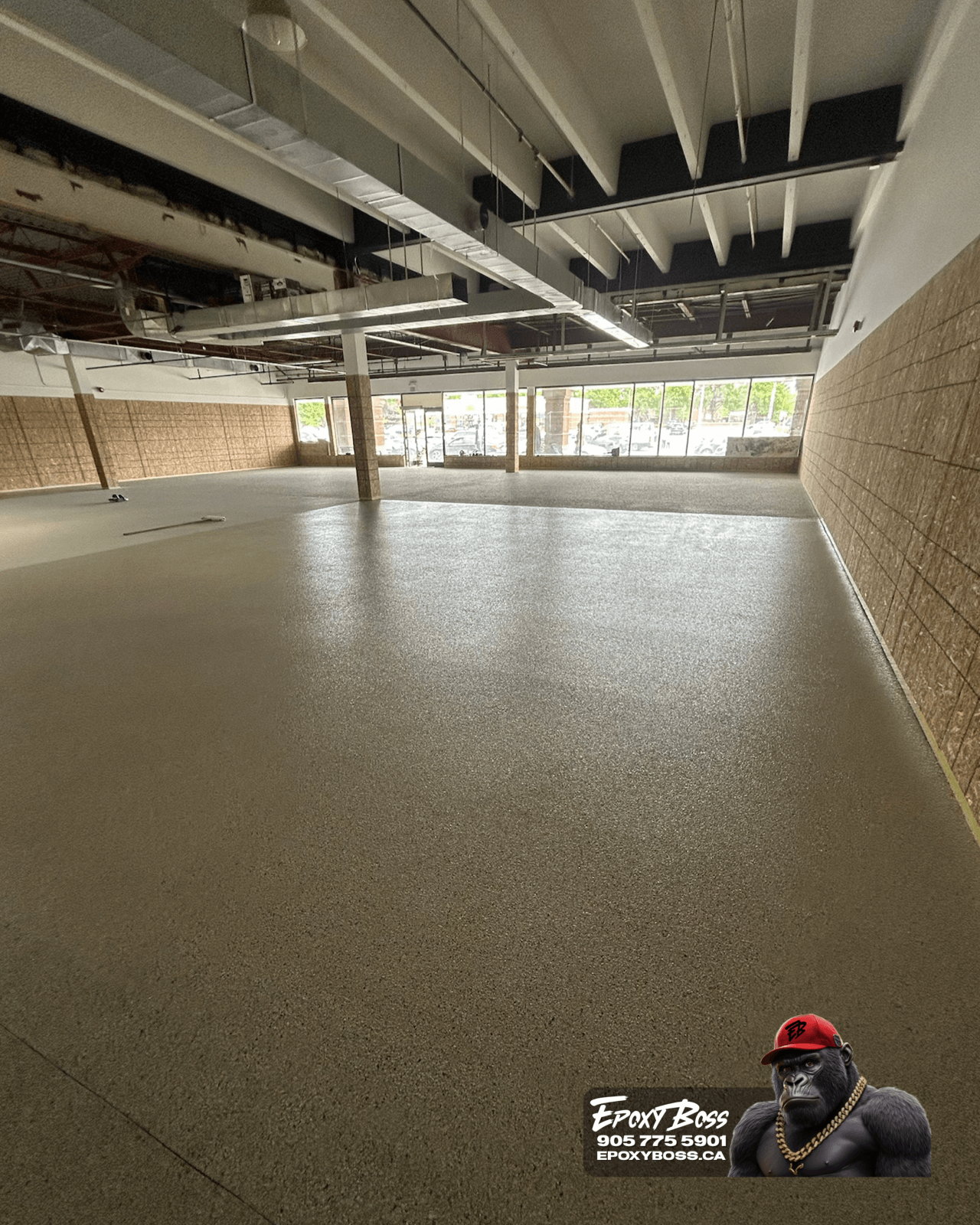
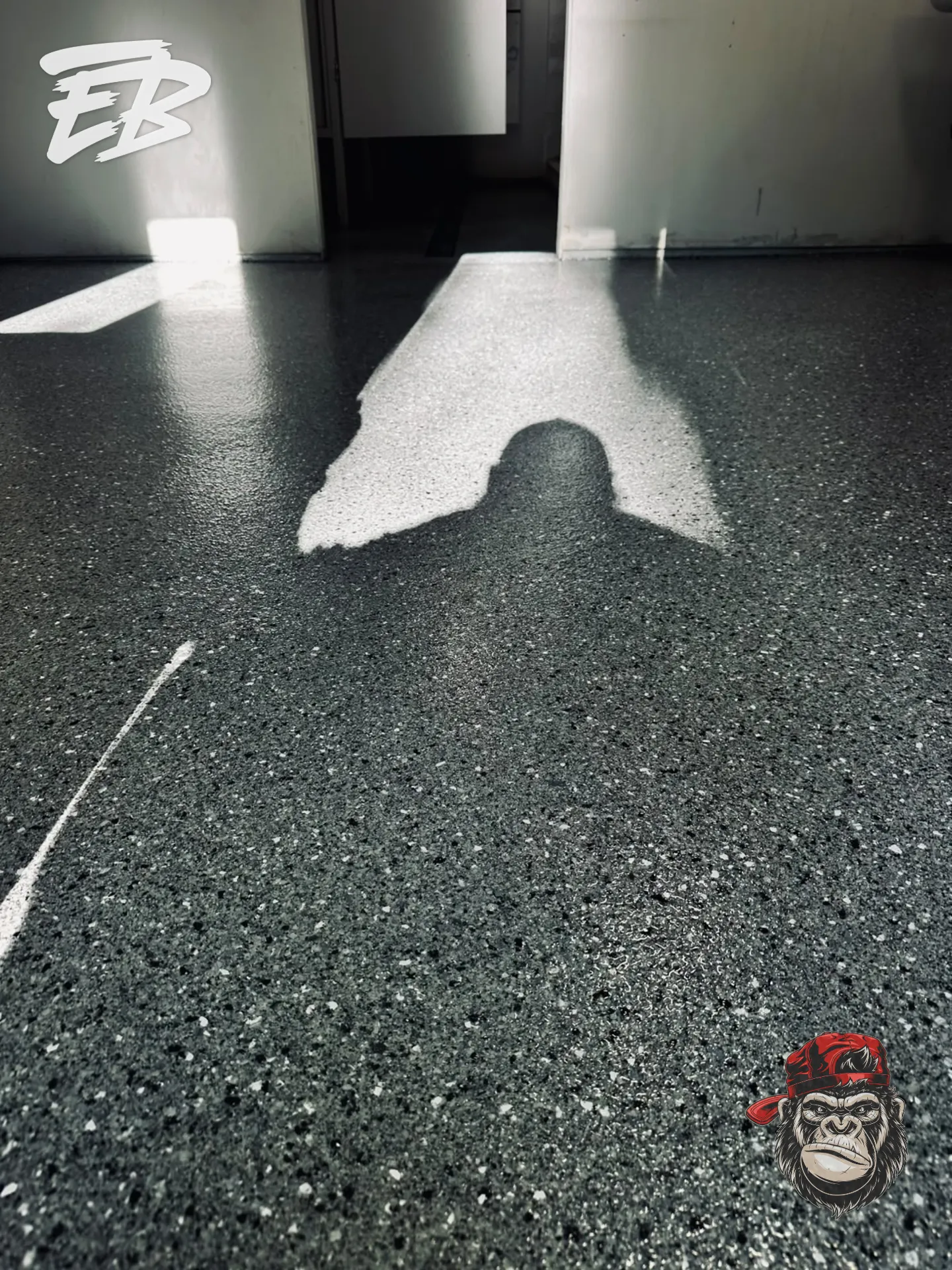
A full-broadcast flake floor is a popular option because it provides full decorative coverage and visual variation. It can help create a clean, finished garage appearance while offering a more forgiving look than a single solid-colour surface.
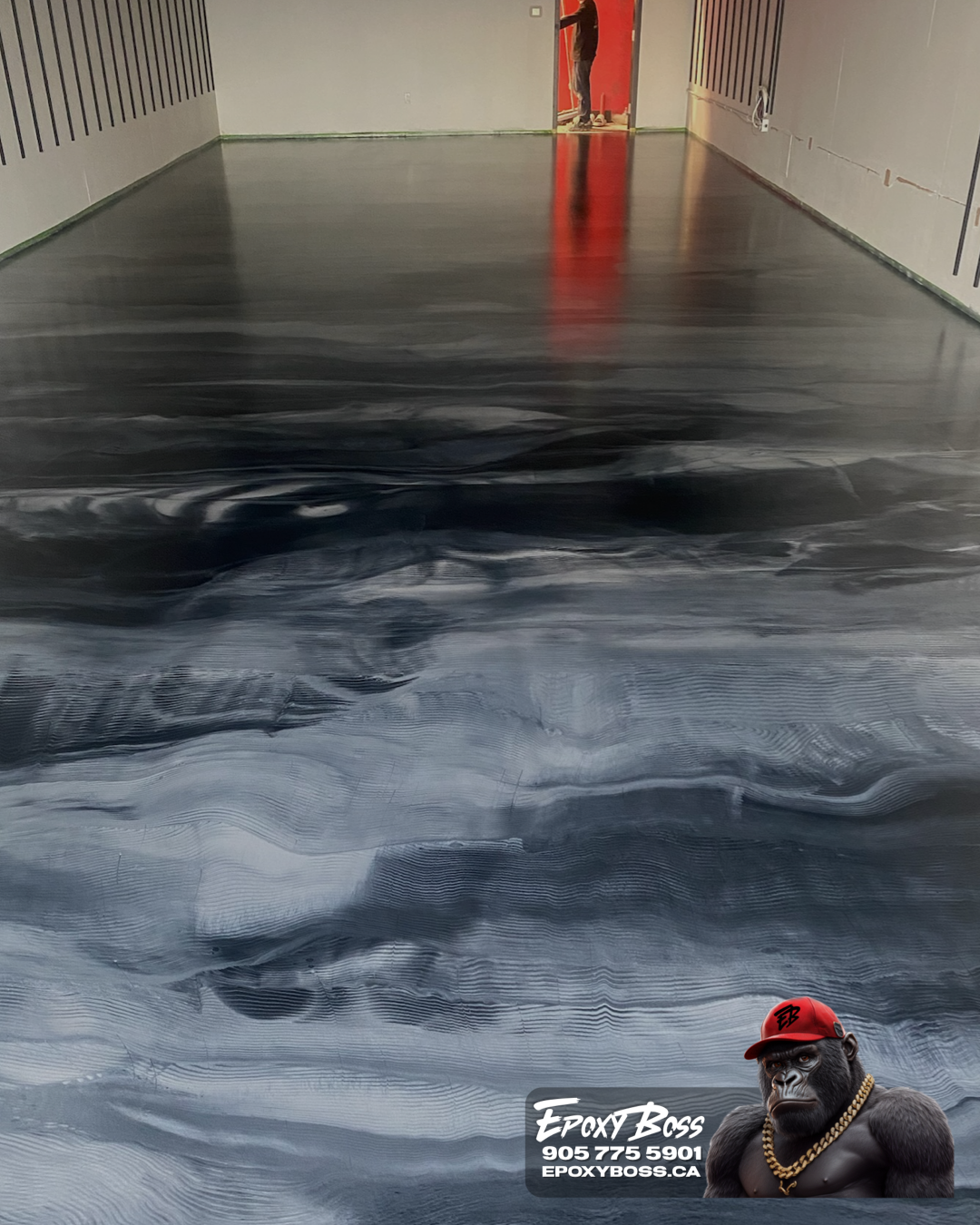
A solid-colour epoxy system may also be appropriate for homeowners who prefer a more minimal, uniform finish. The best option depends on the garage’s use, lighting, storage layout, desired appearance, and the condition of the slab.
When resurfacing may not be enough
Some garage floors need more than a standard coating scope.
If the concrete has widespread delamination, major movement, severe spalling, deep oil saturation, persistent moisture-related failure, or substantial structural cracking, the repair approach needs to be expanded. A coating should not be used as a shortcut over a substrate that is still failing.
This does not always mean the entire slab must be replaced. It means the scope should be based on diagnosis. Localized concrete repair, broader removal, moisture evaluation, joint detailing, or a different protective system may be needed before the final finish is selected.
An honest recommendation should explain which conditions are cosmetic, which are repairable, and which could affect the long-term performance of the new floor.
A practical process for a Vaughan garage floor
For a resurfacing project in Vaughan, the process should begin with photos and an on-site assessment of the garage.
The team should review the current floor condition, previous coatings or paint, visible cracks, garage-door entry, stains, drainage, vehicle use, storage, and desired finish. After preparation begins, any concealed issues found beneath old paint or failed coating should be documented before additional repair work is completed.
A typical coating system may include mechanically prepared concrete, crack and surface repairs where required, a compatible primer or pigmented base layer, decorative flakes if selected, and a durable protective topcoat.
The exact materials can vary. The important part is that each layer is compatible with the prepared concrete and the intended use of the garage.
Start with the concrete, then choose the finish
A cracked, stained, or painted garage floor does not automatically need replacement. In many Vaughan homes, it can be resurfaced successfully once the old material is removed, the concrete is repaired, and the slab is mechanically prepared.
The flake blend or final colour should come after those decisions—not before them.
If you are considering garage floor resurfacing in Vaughan, send Epoxy Boss Canada wide photos of the full garage, close-ups of cracks or peeling paint, and images of the garage entry, drains, and damaged areas. That creates a clearer starting point for determining whether the floor needs preparation, repair, full removal, or a new coating system.