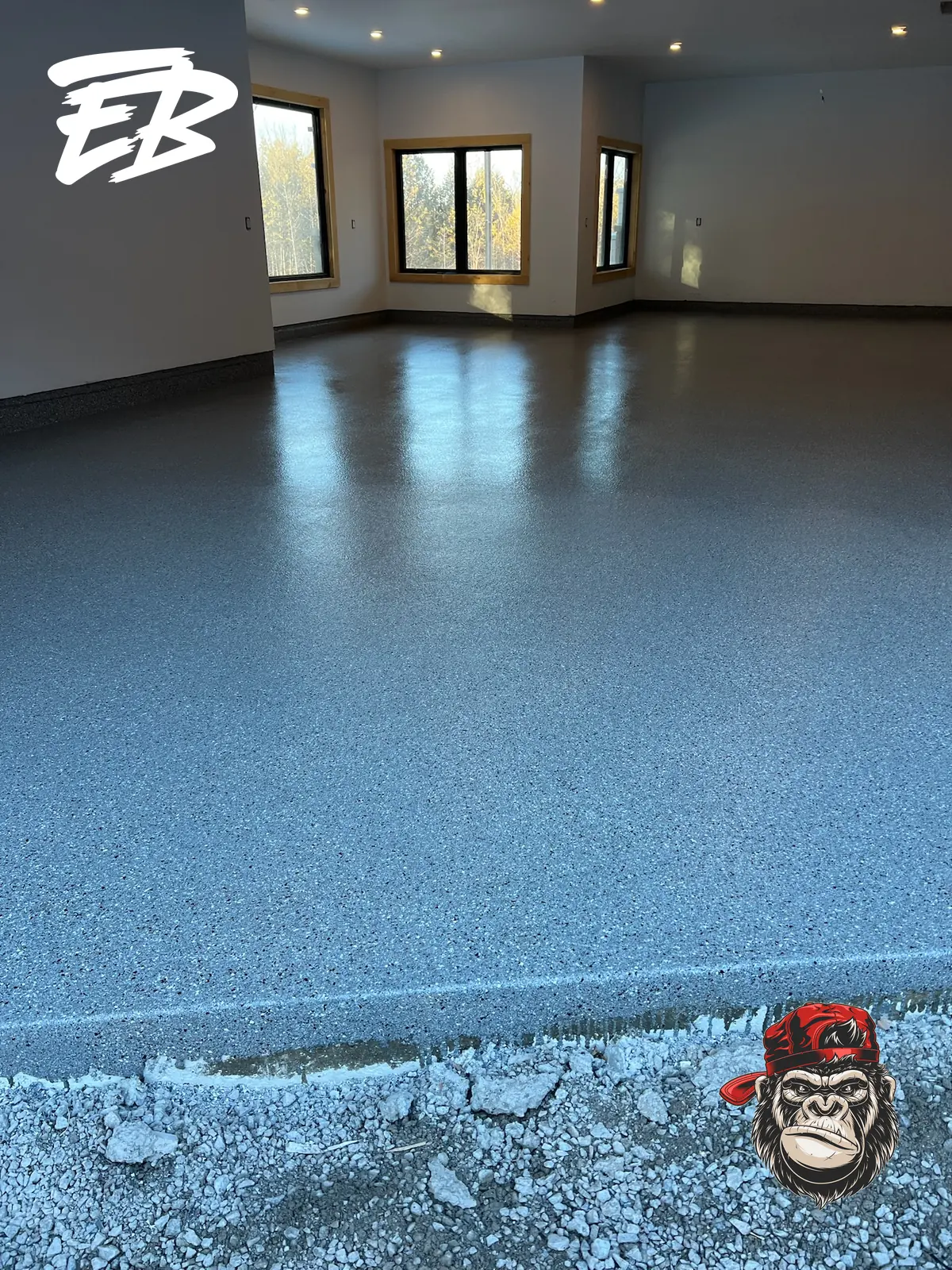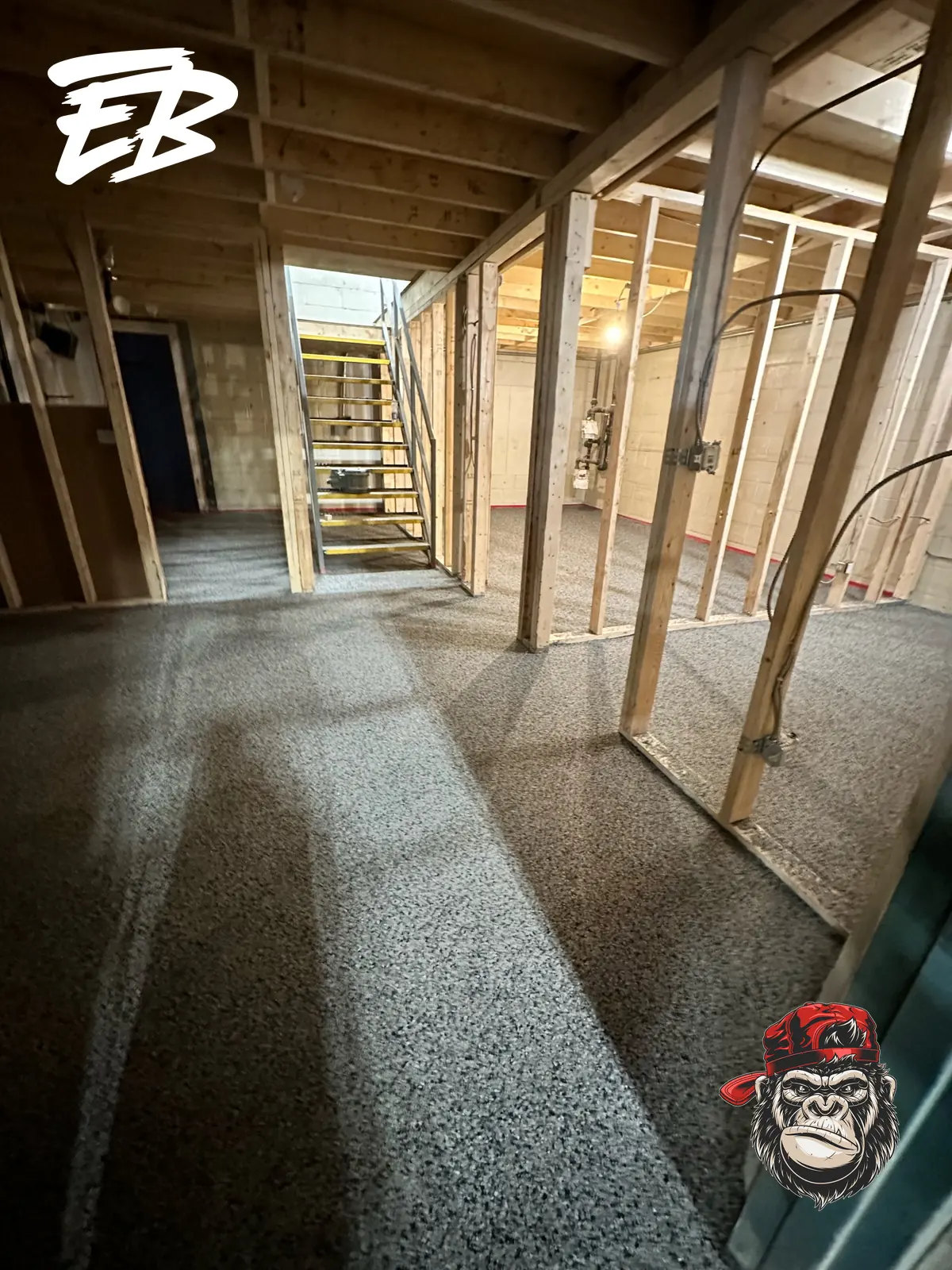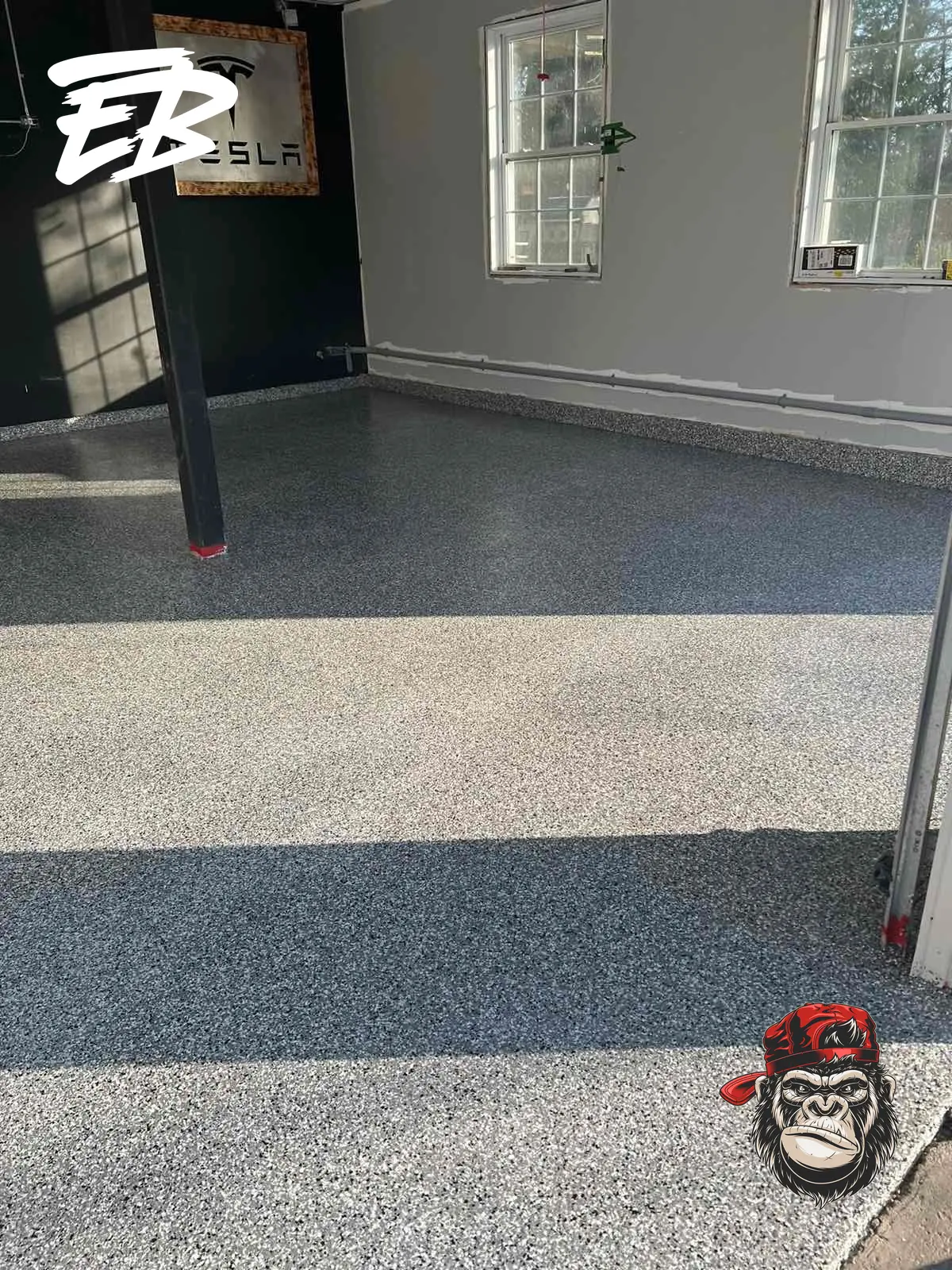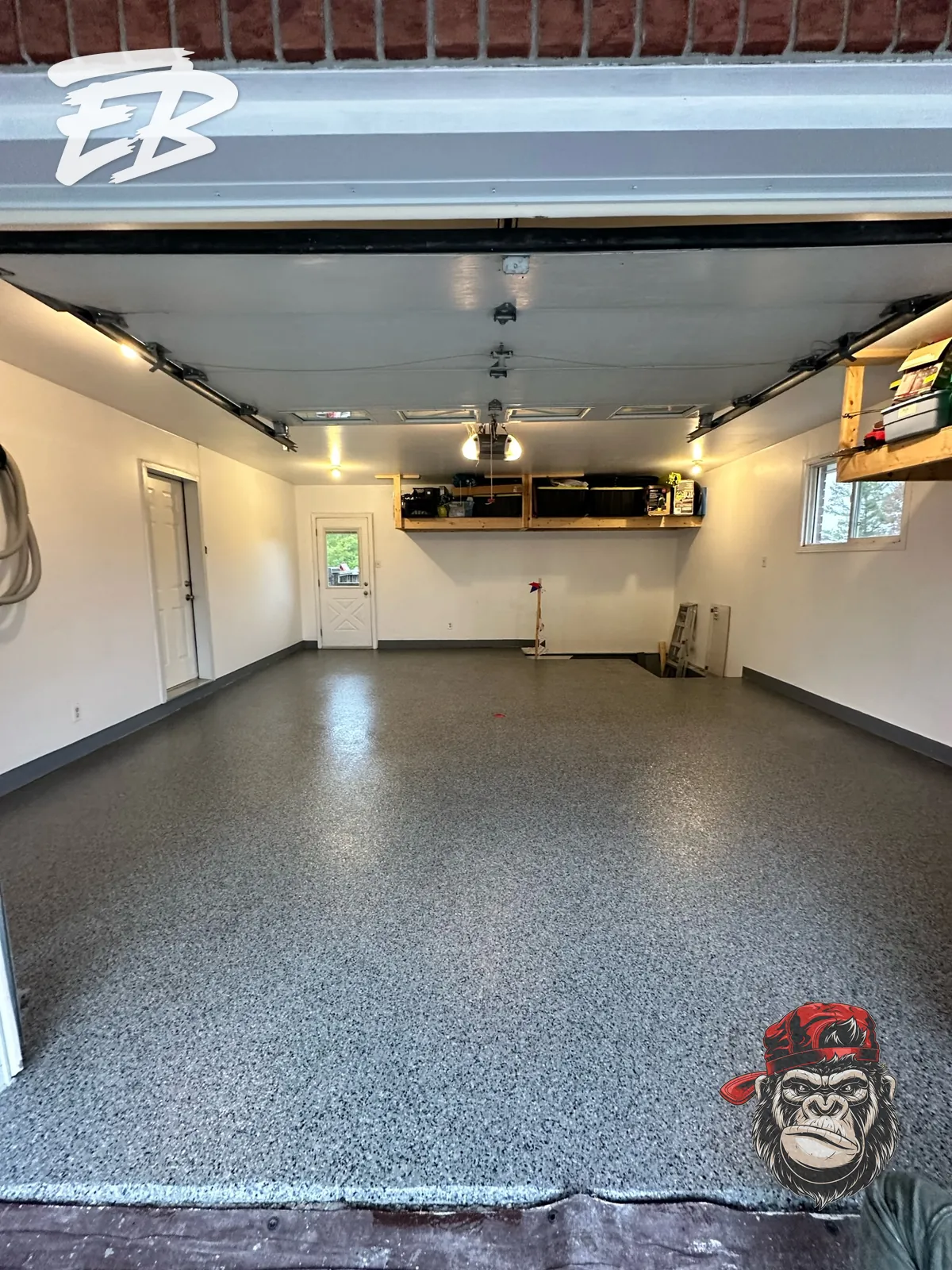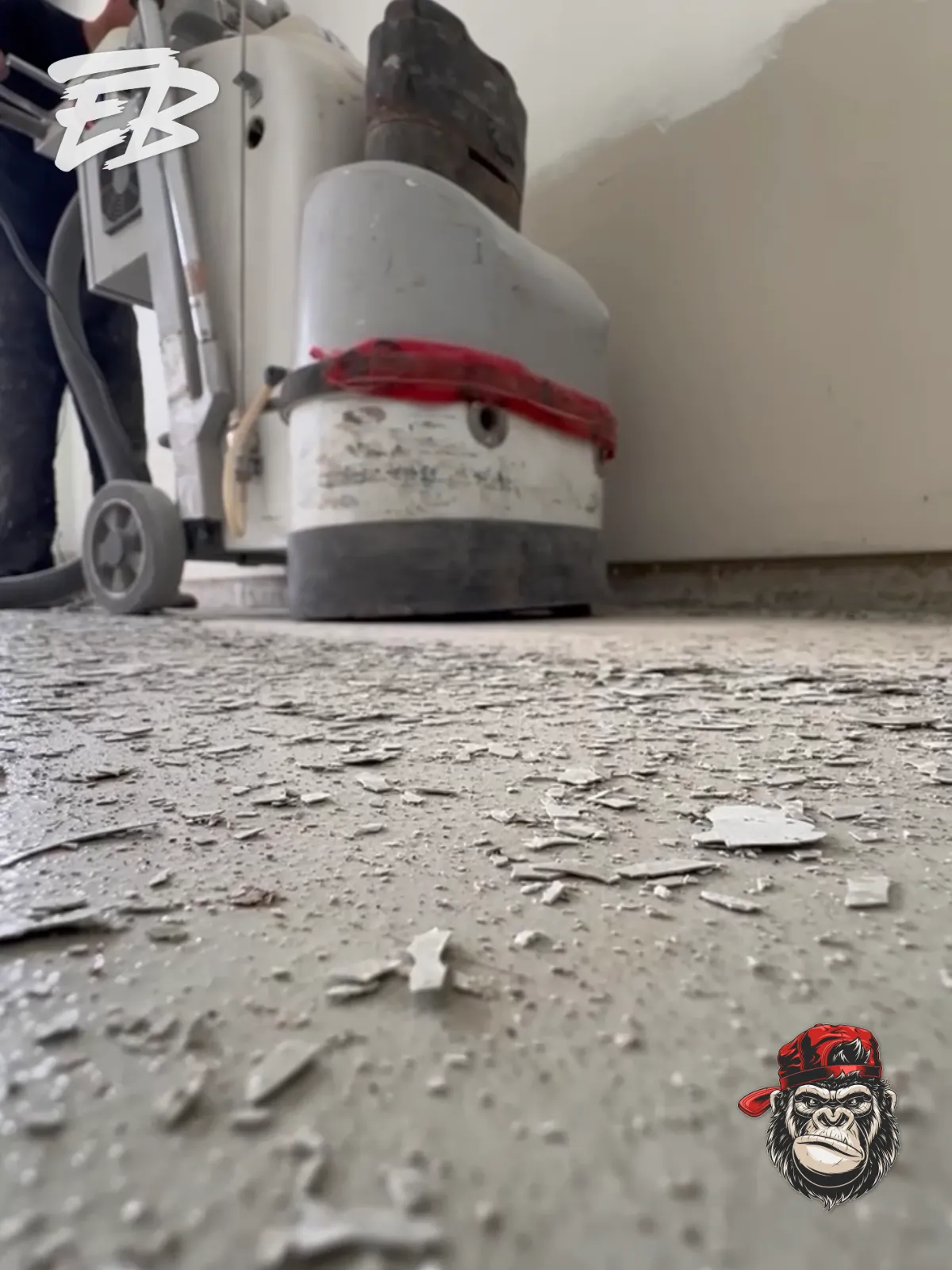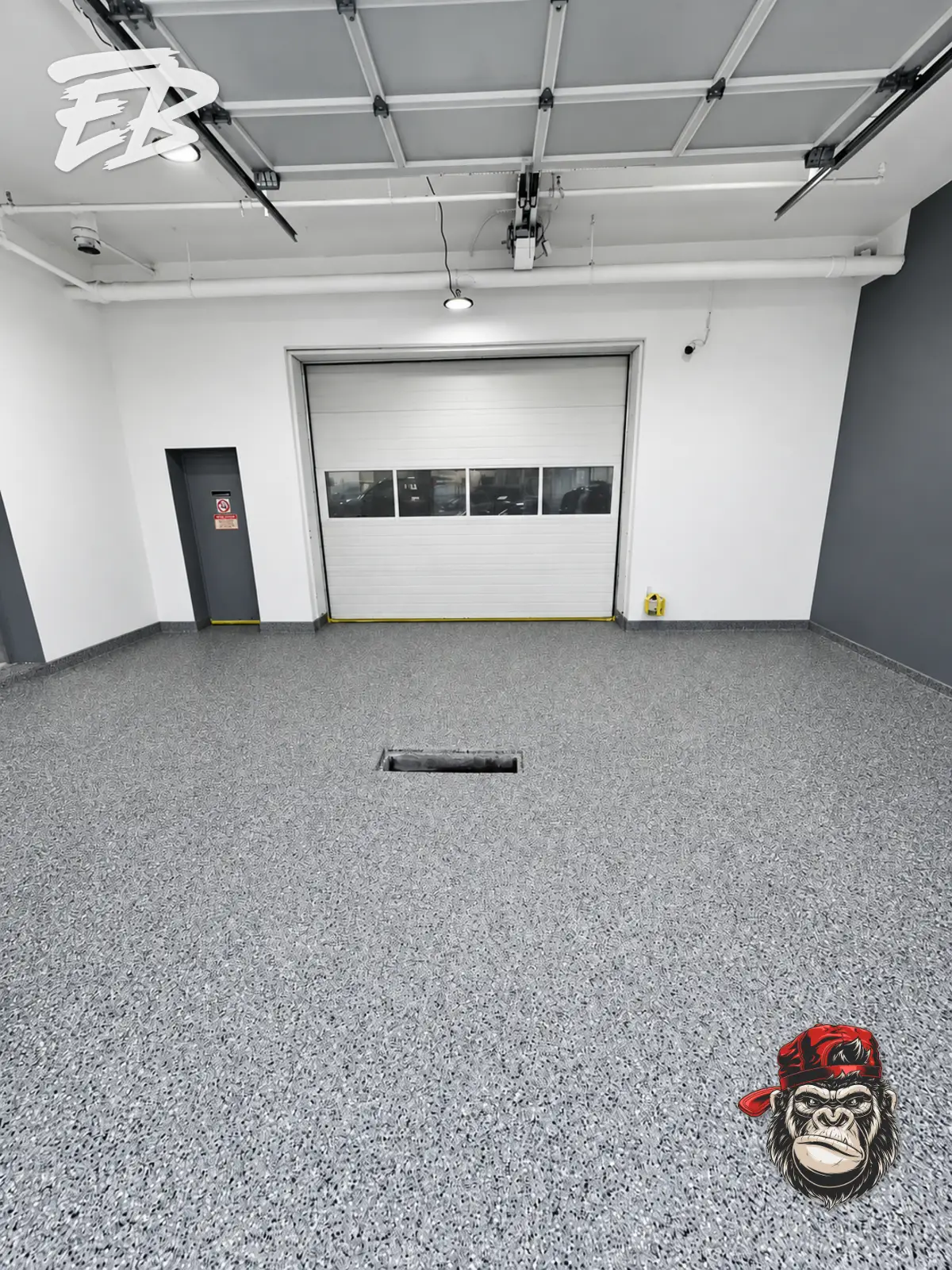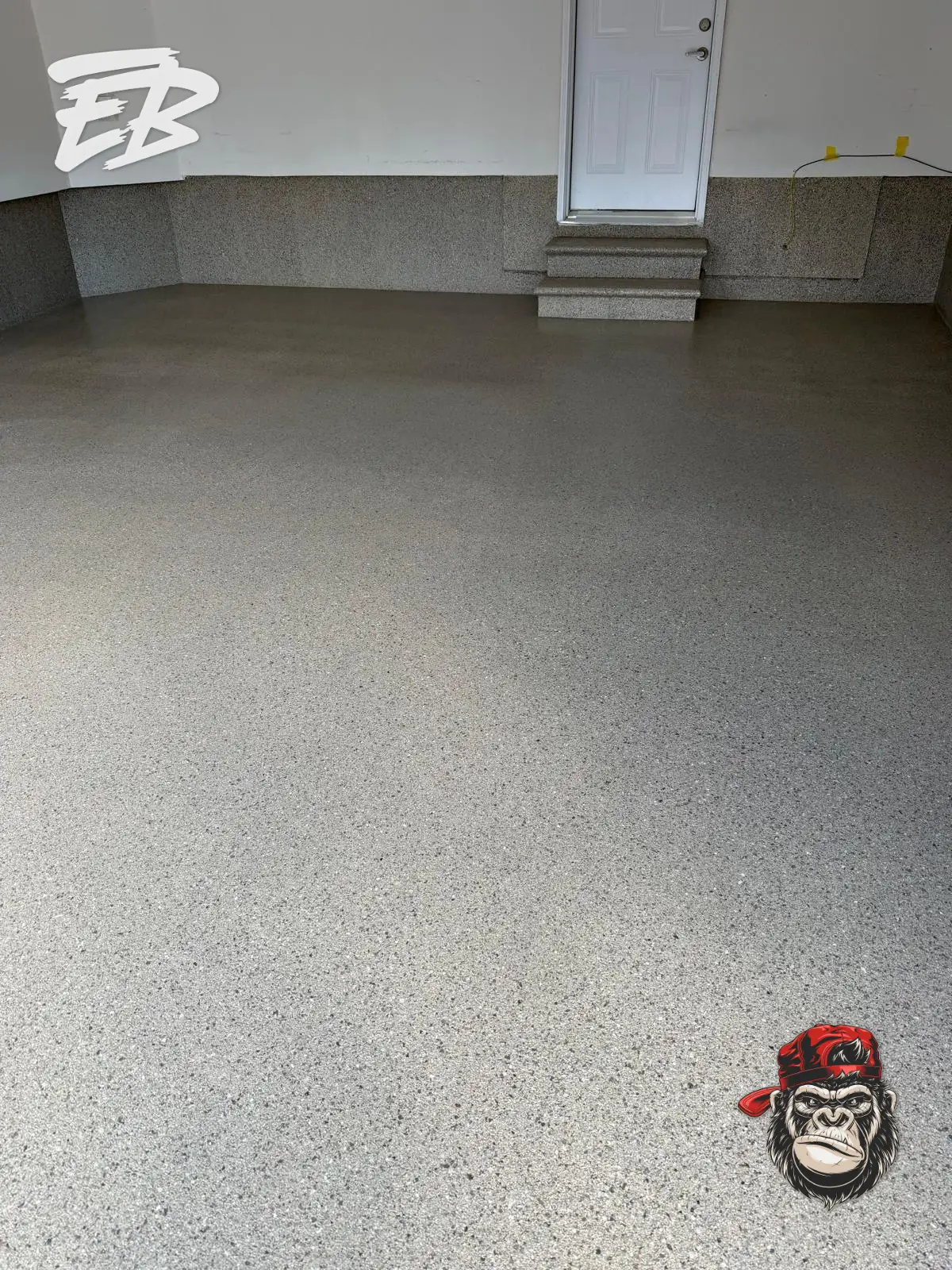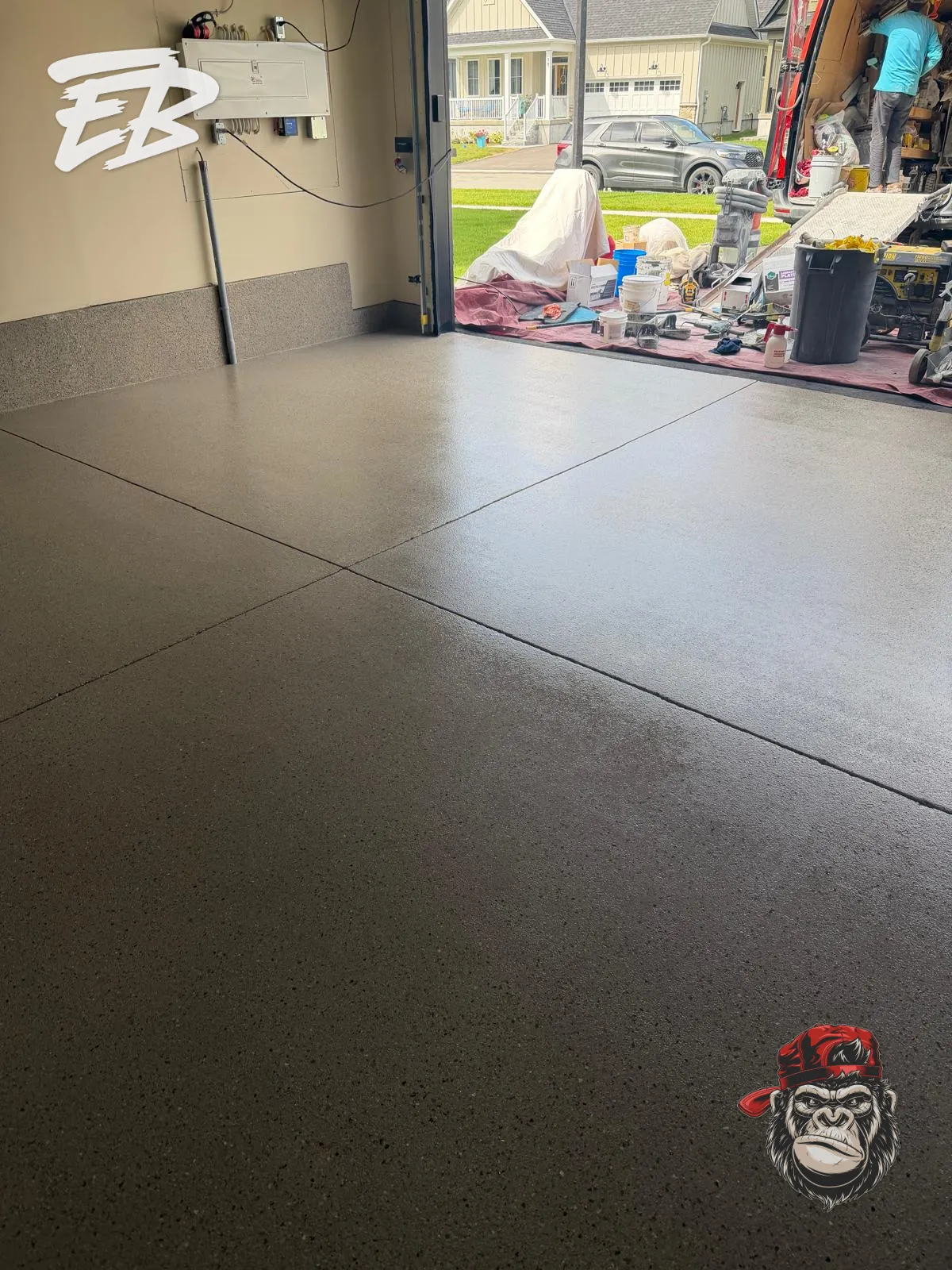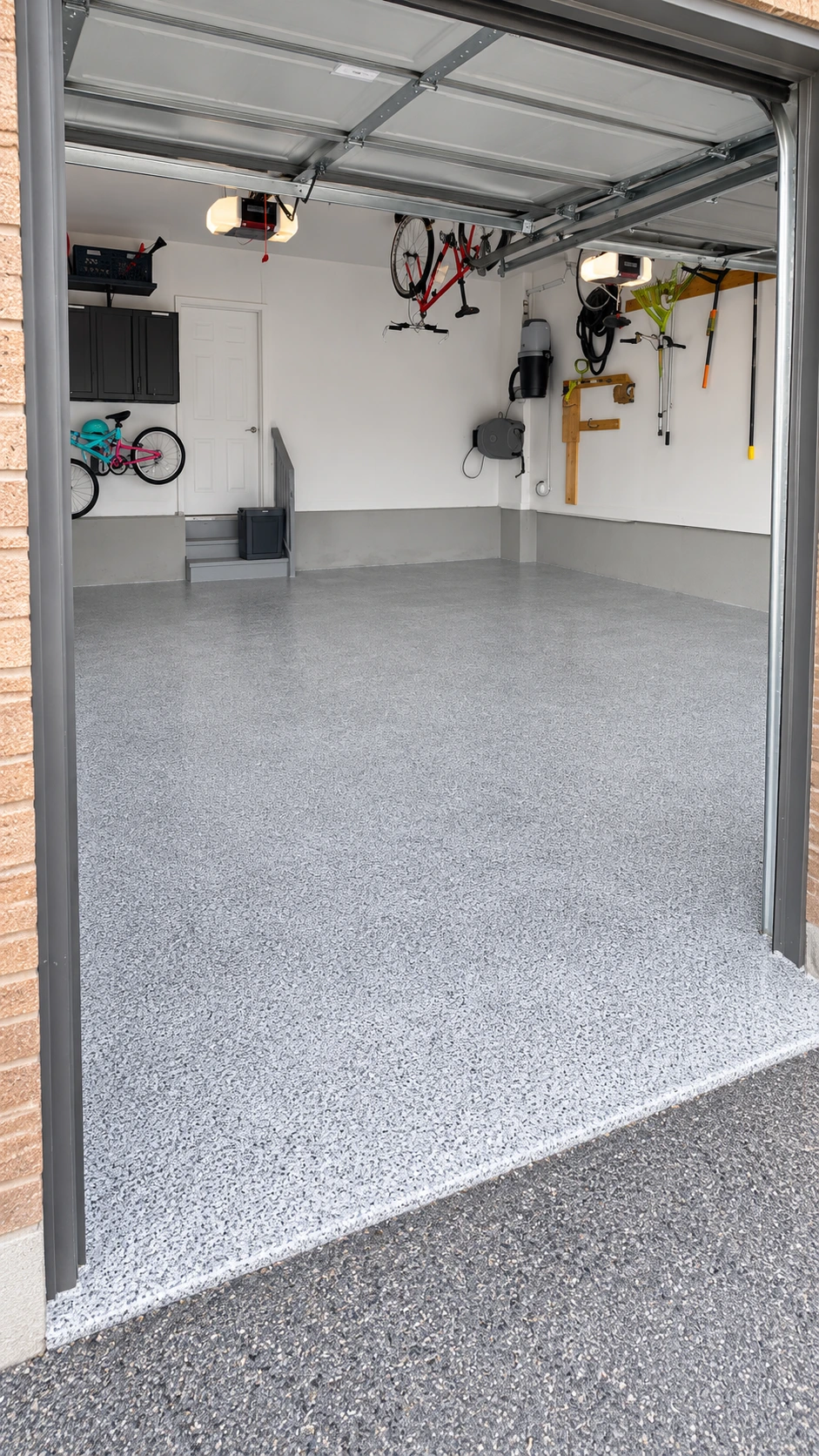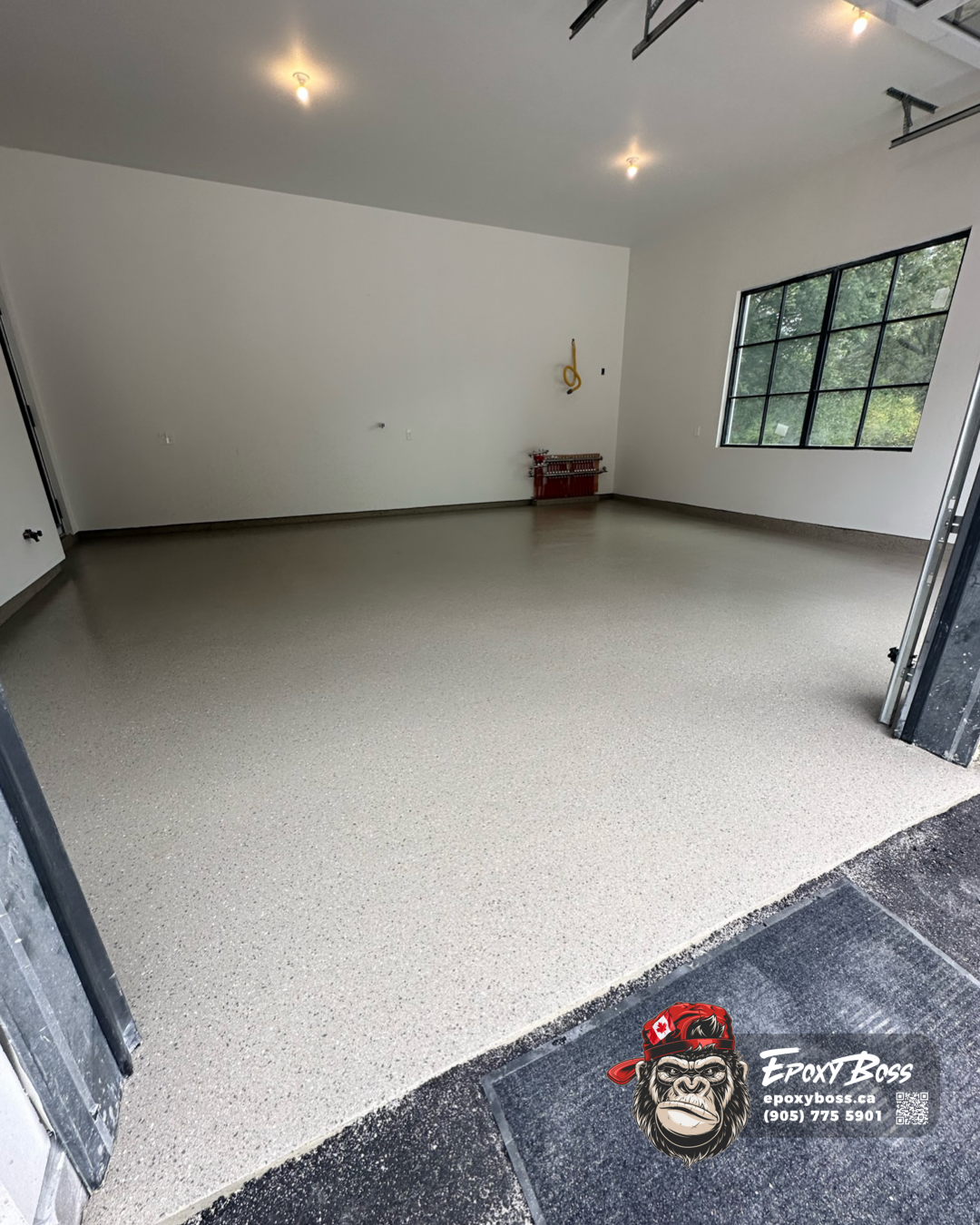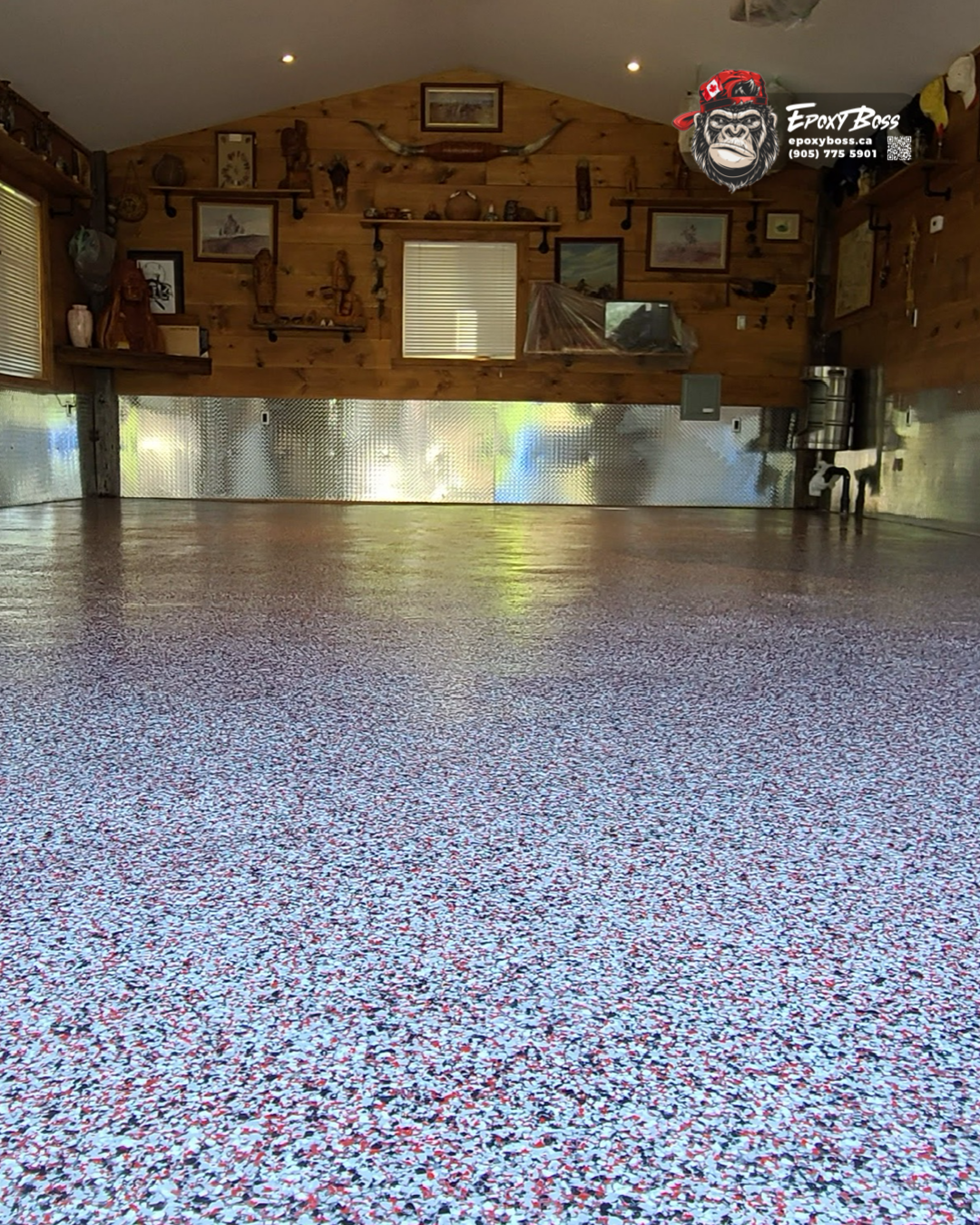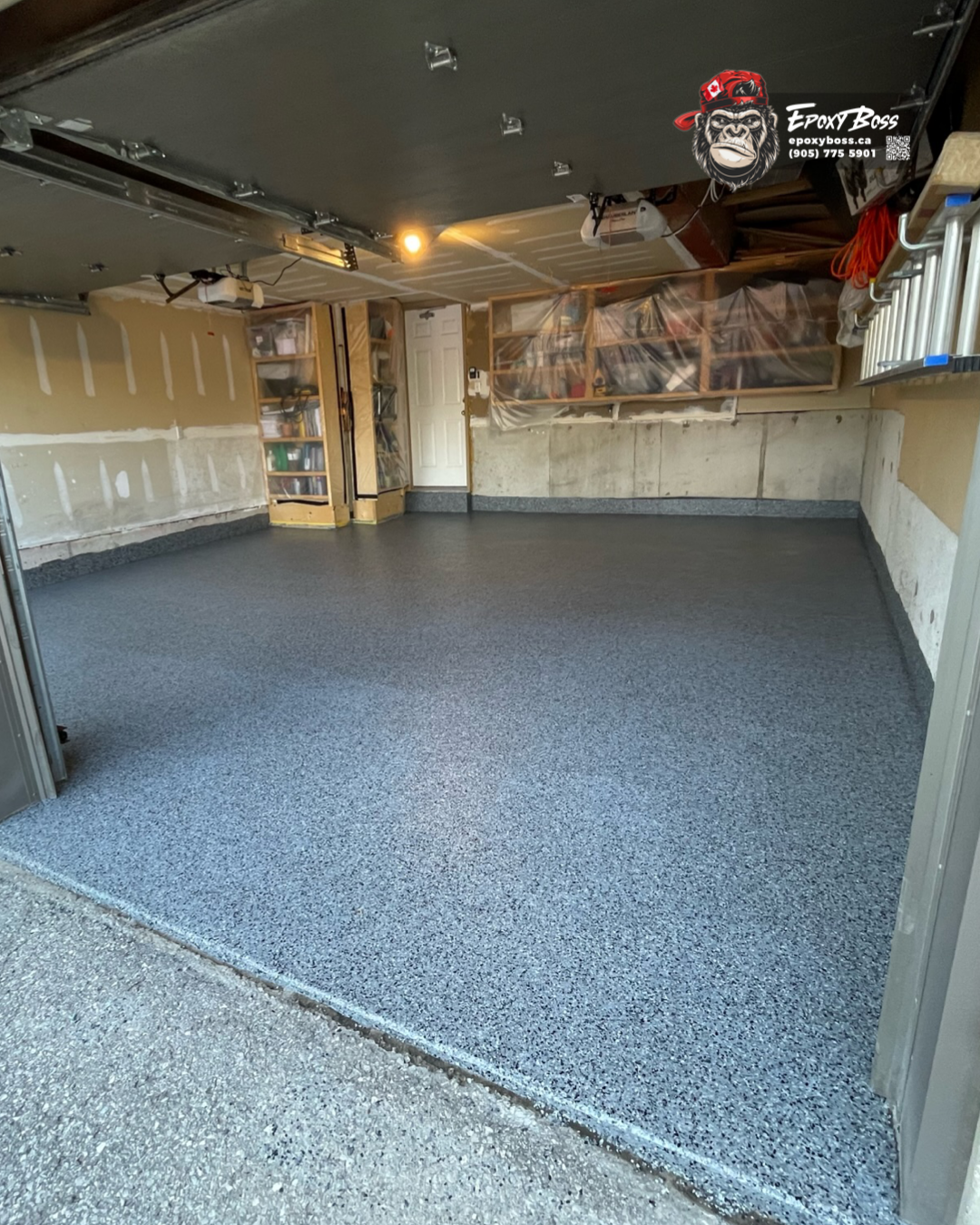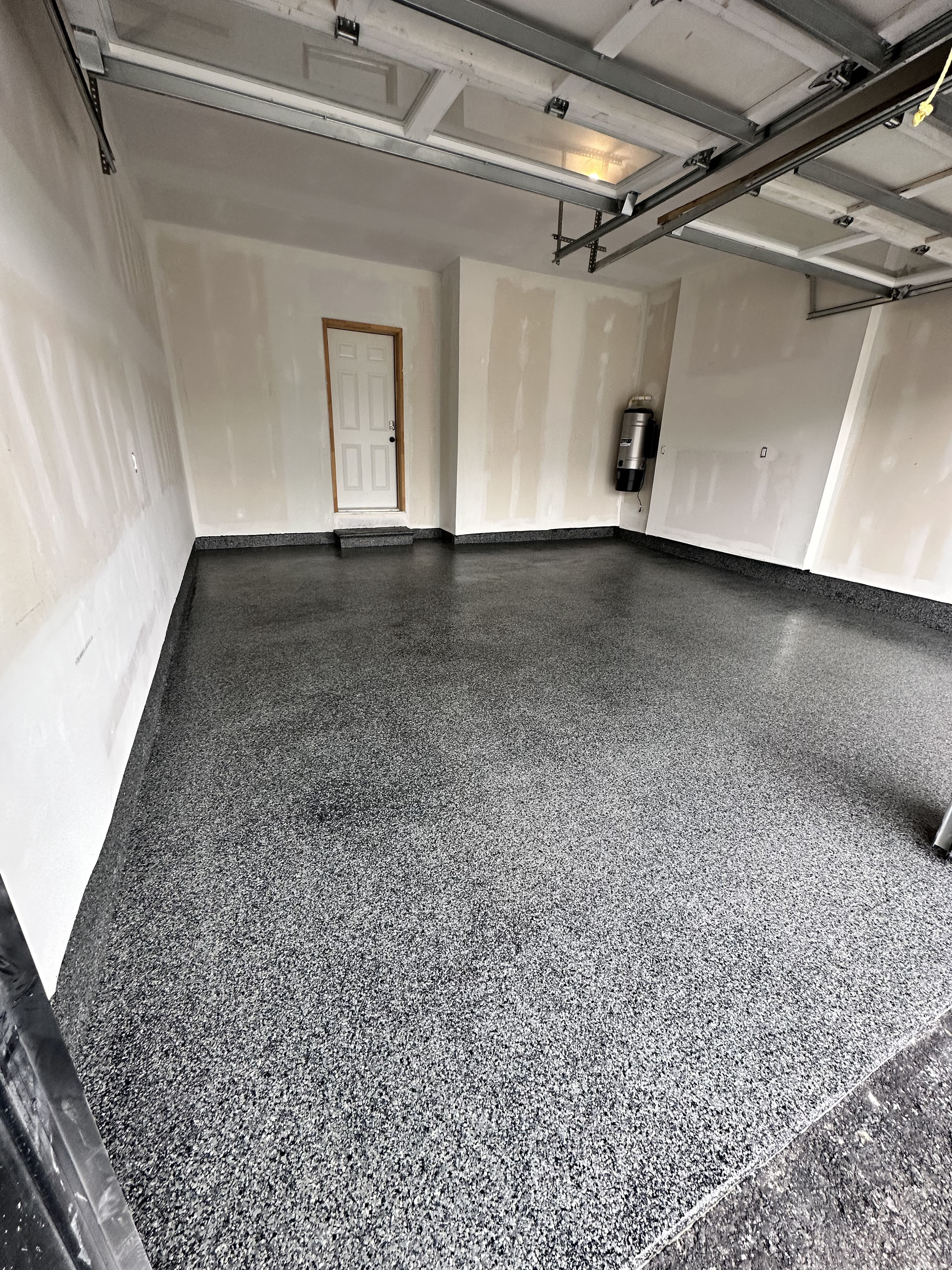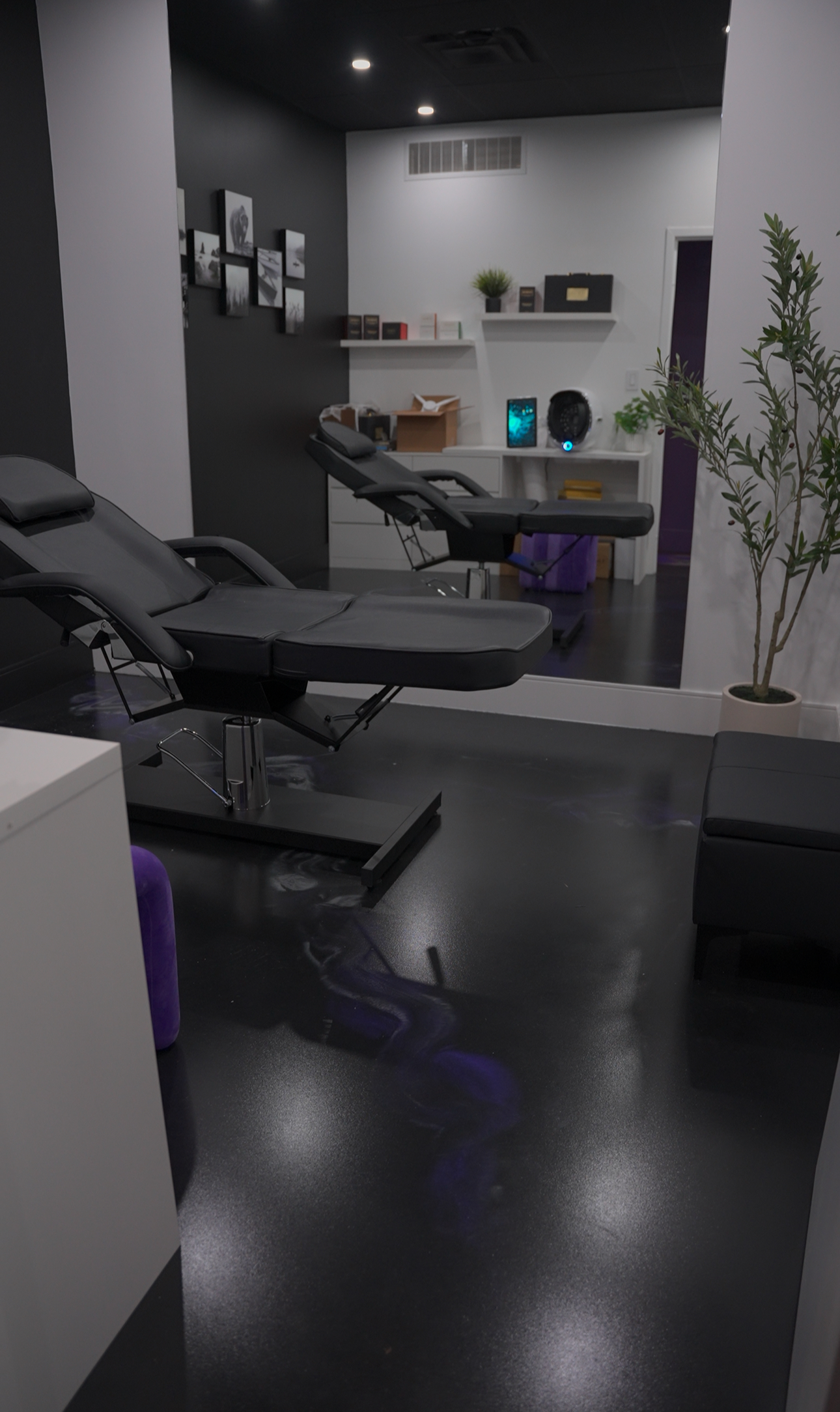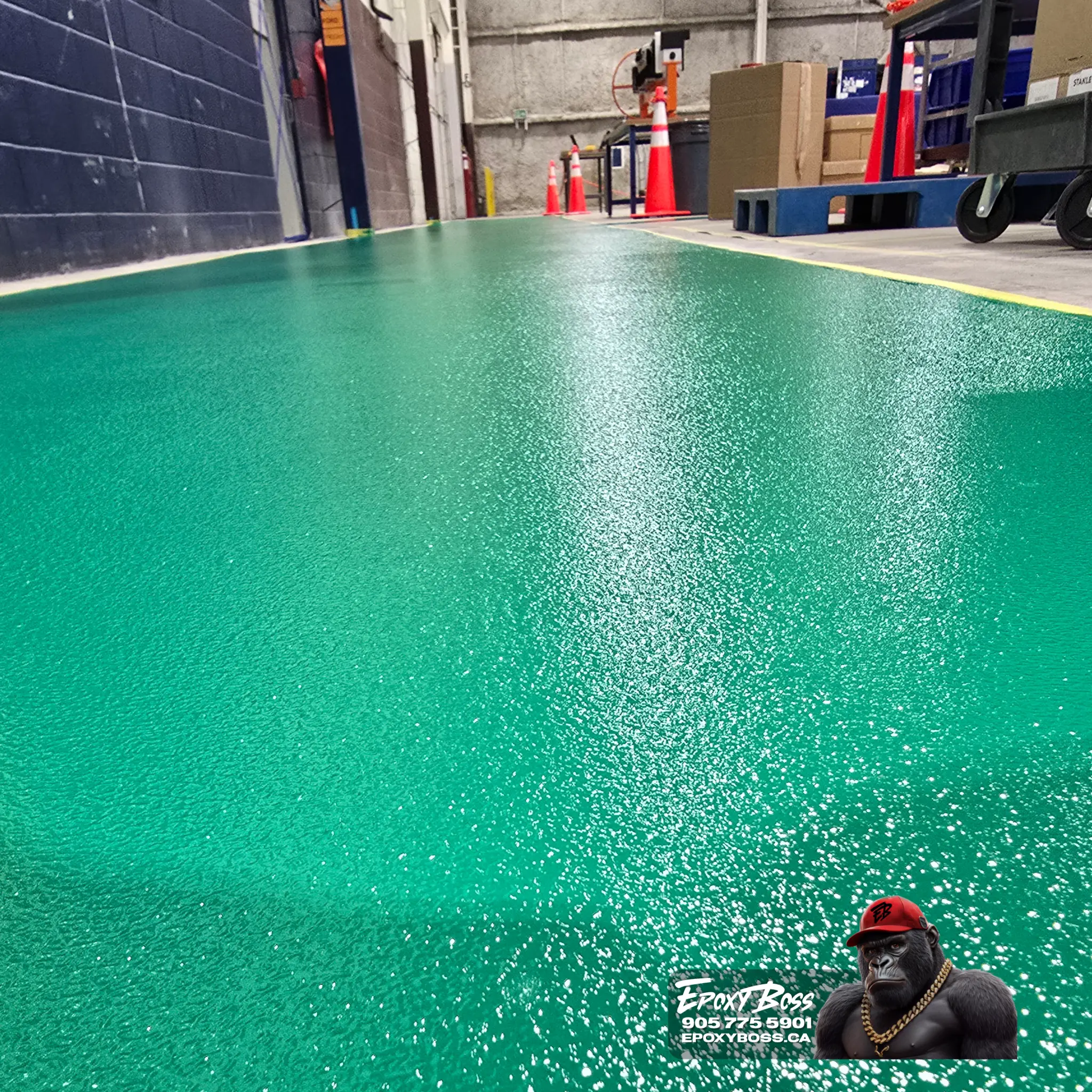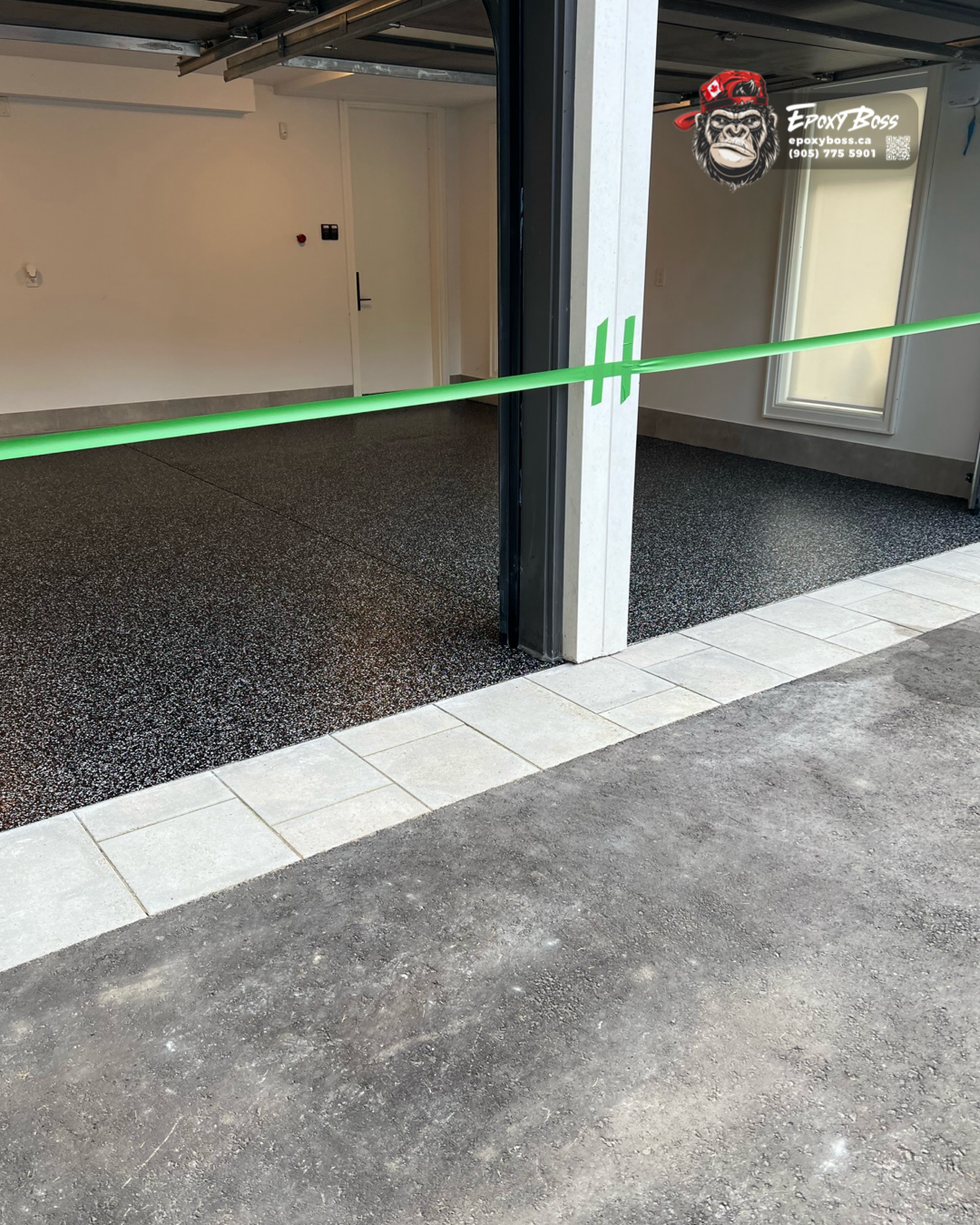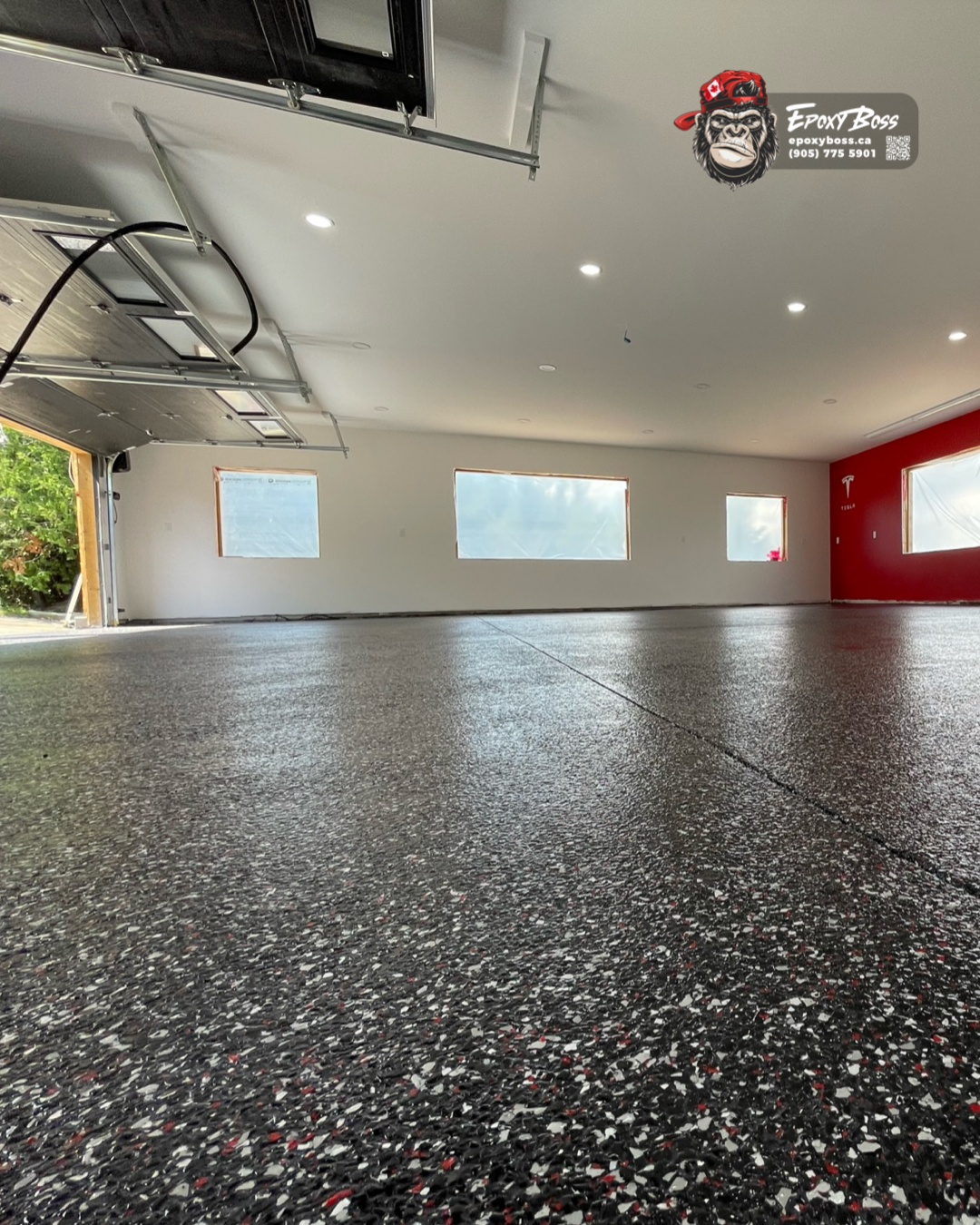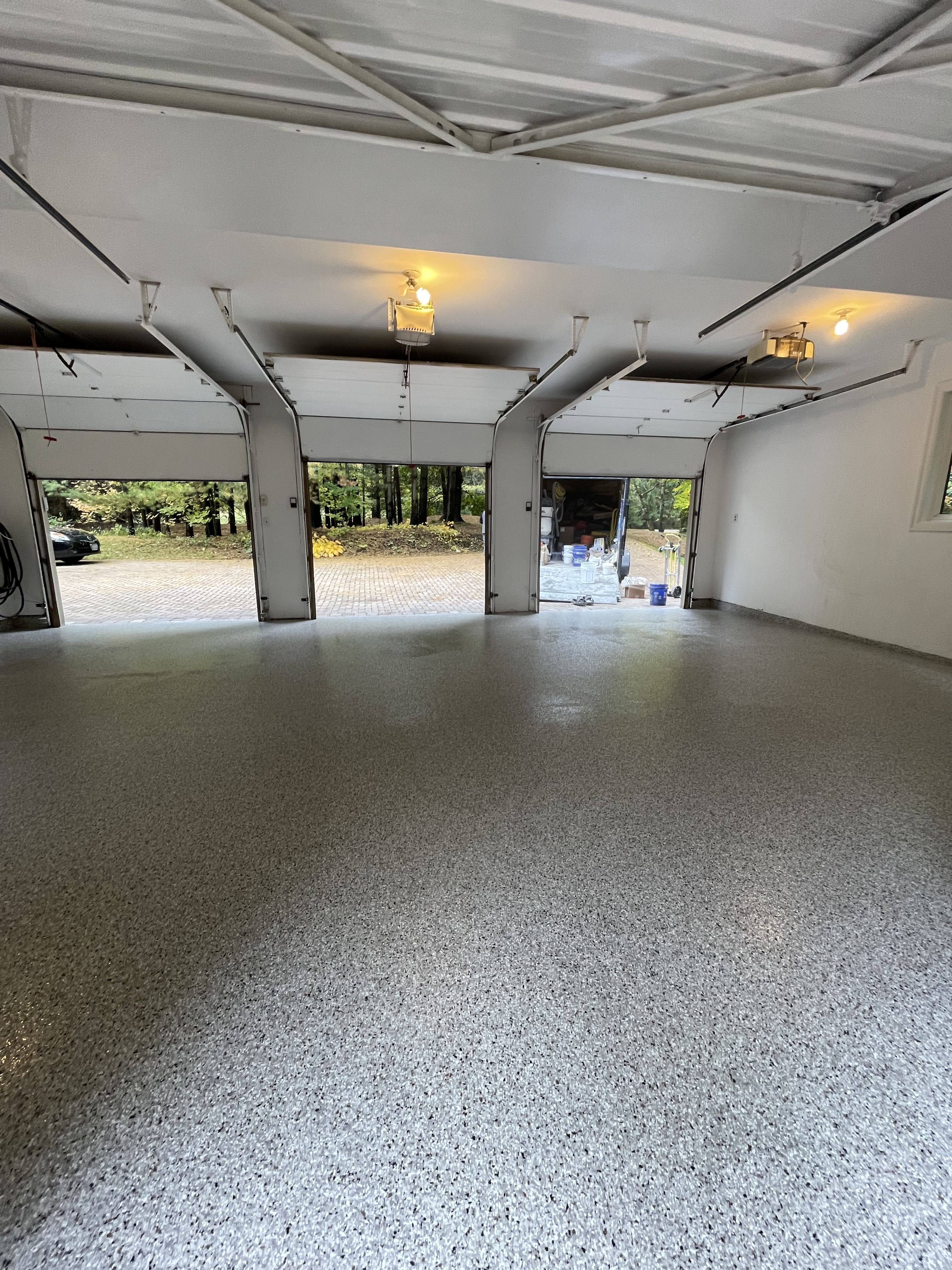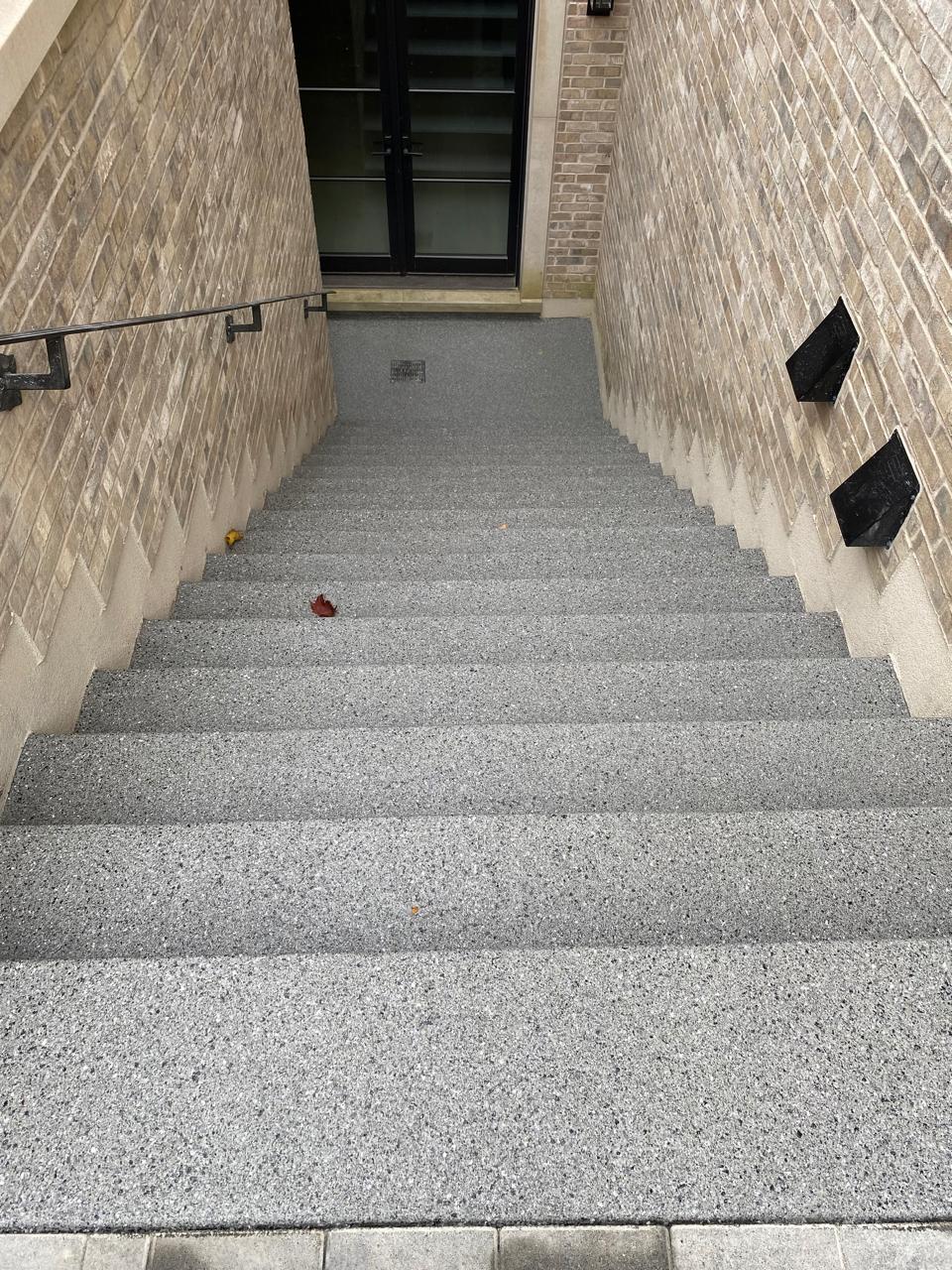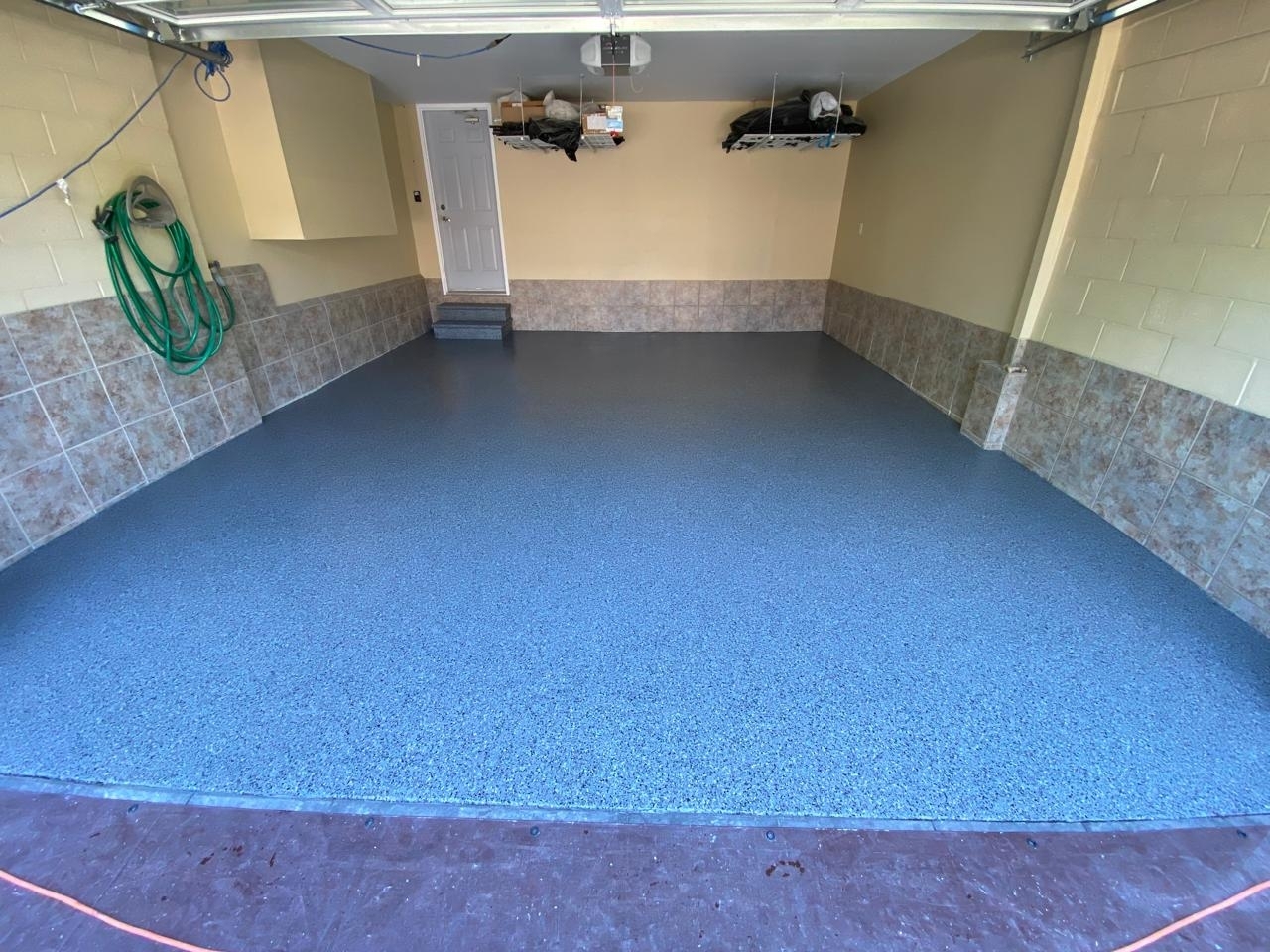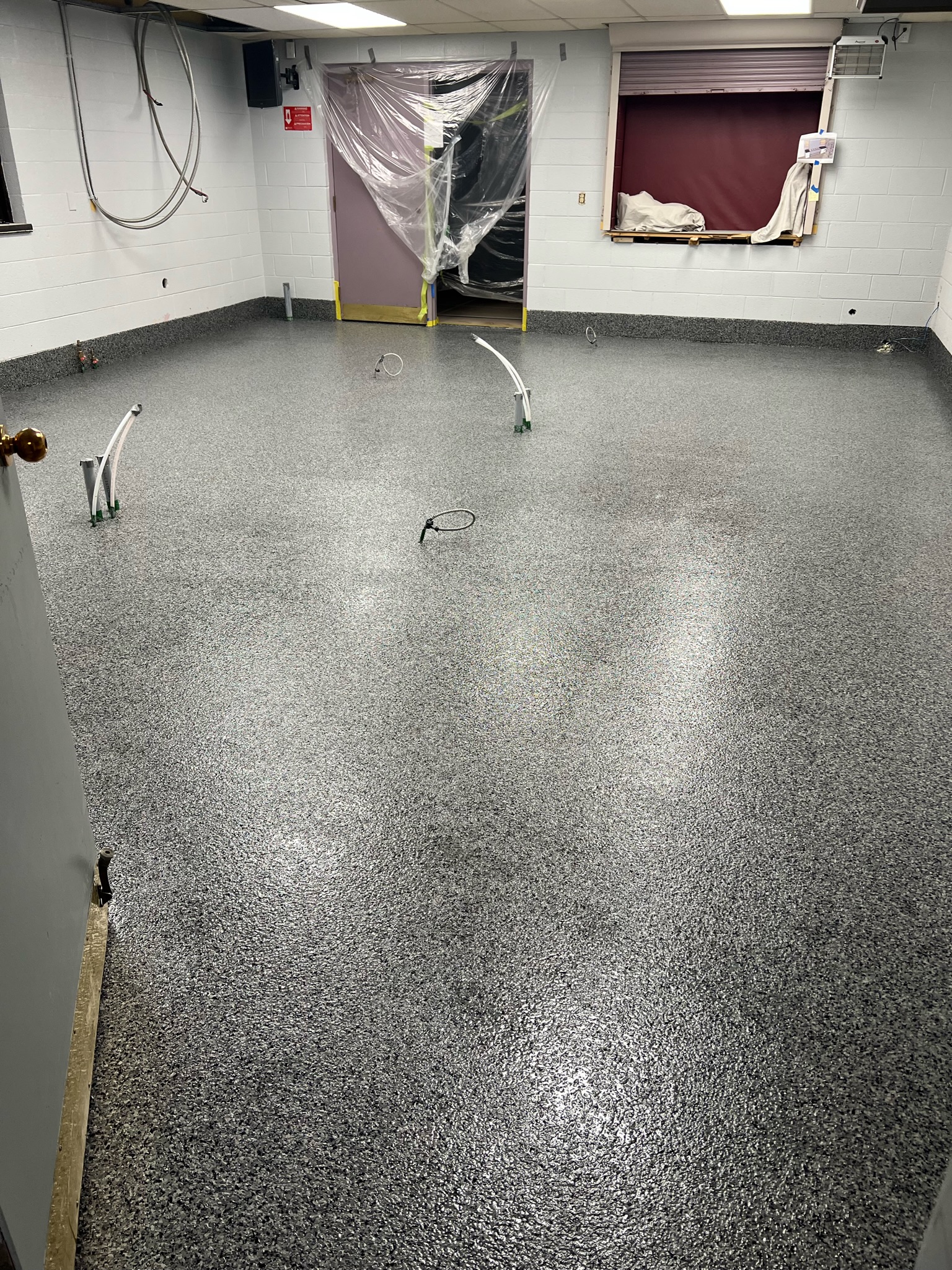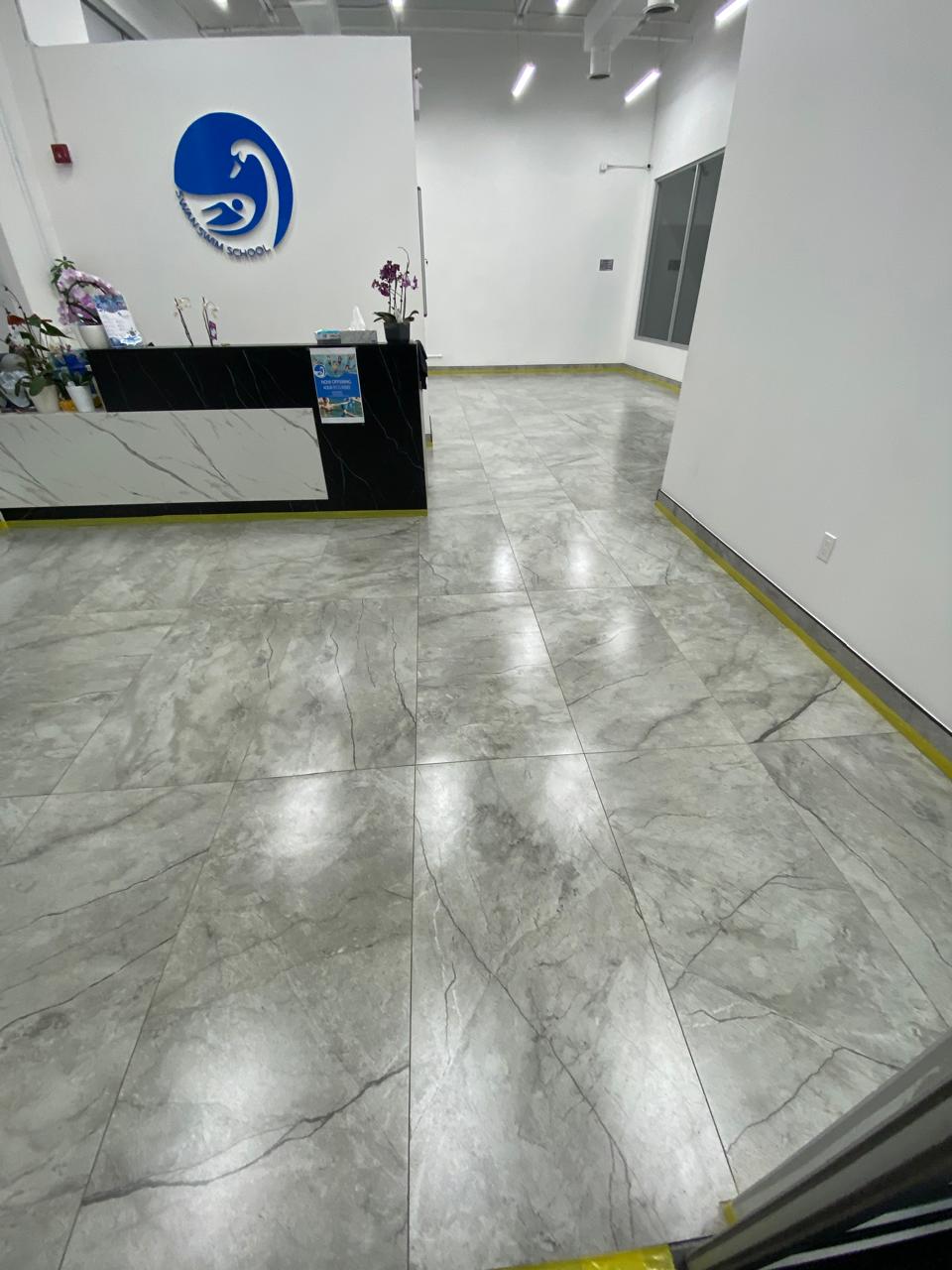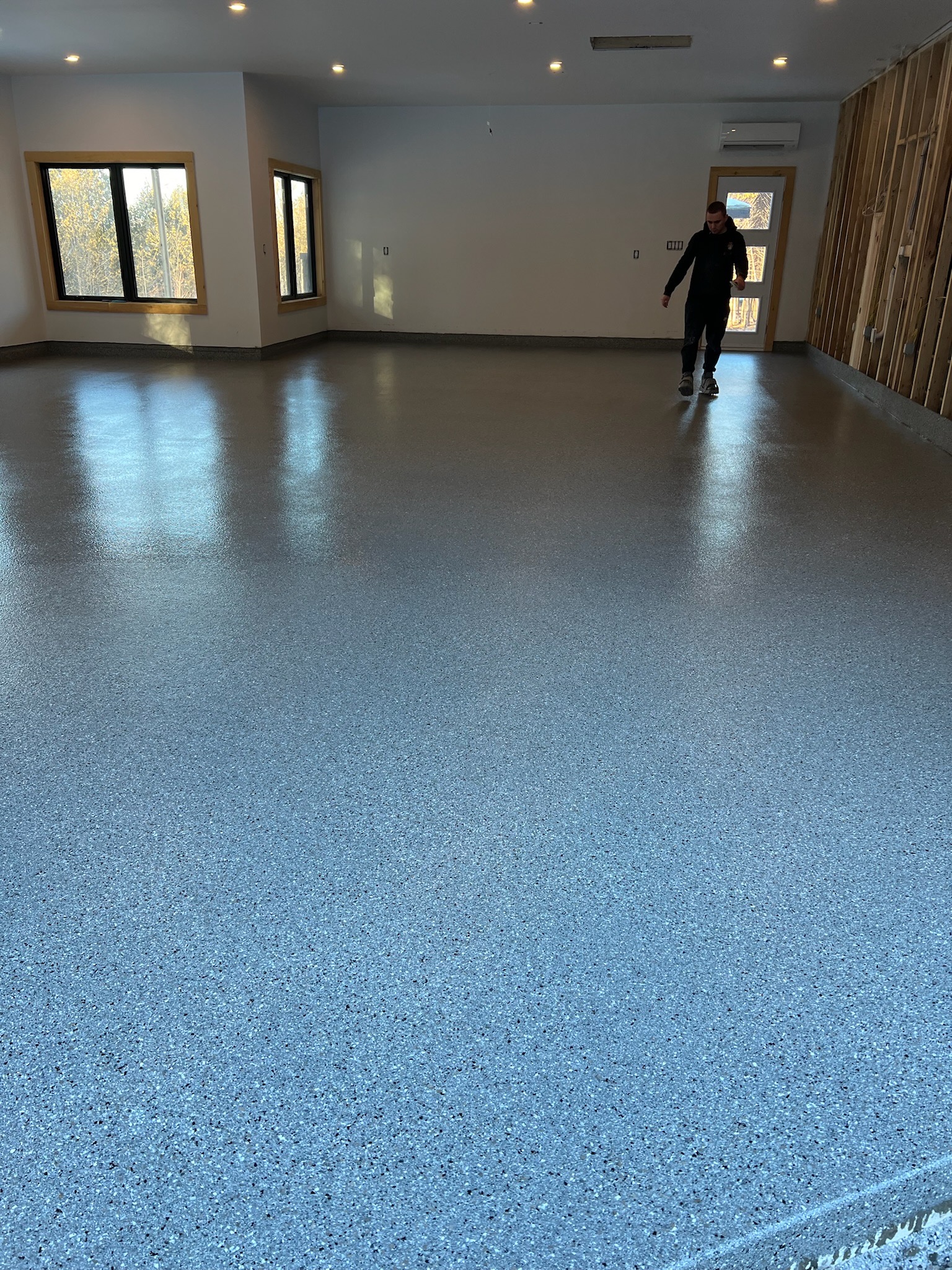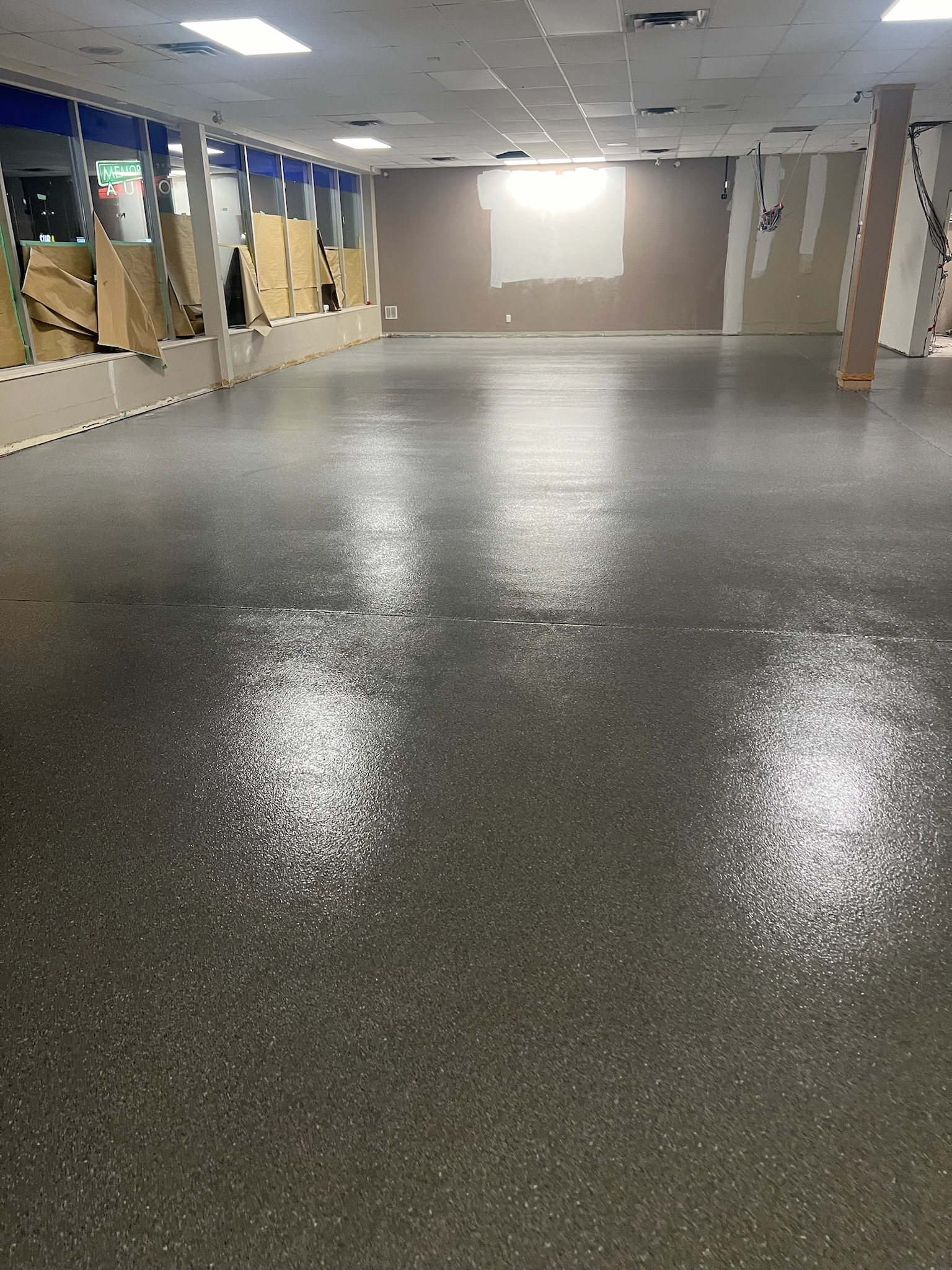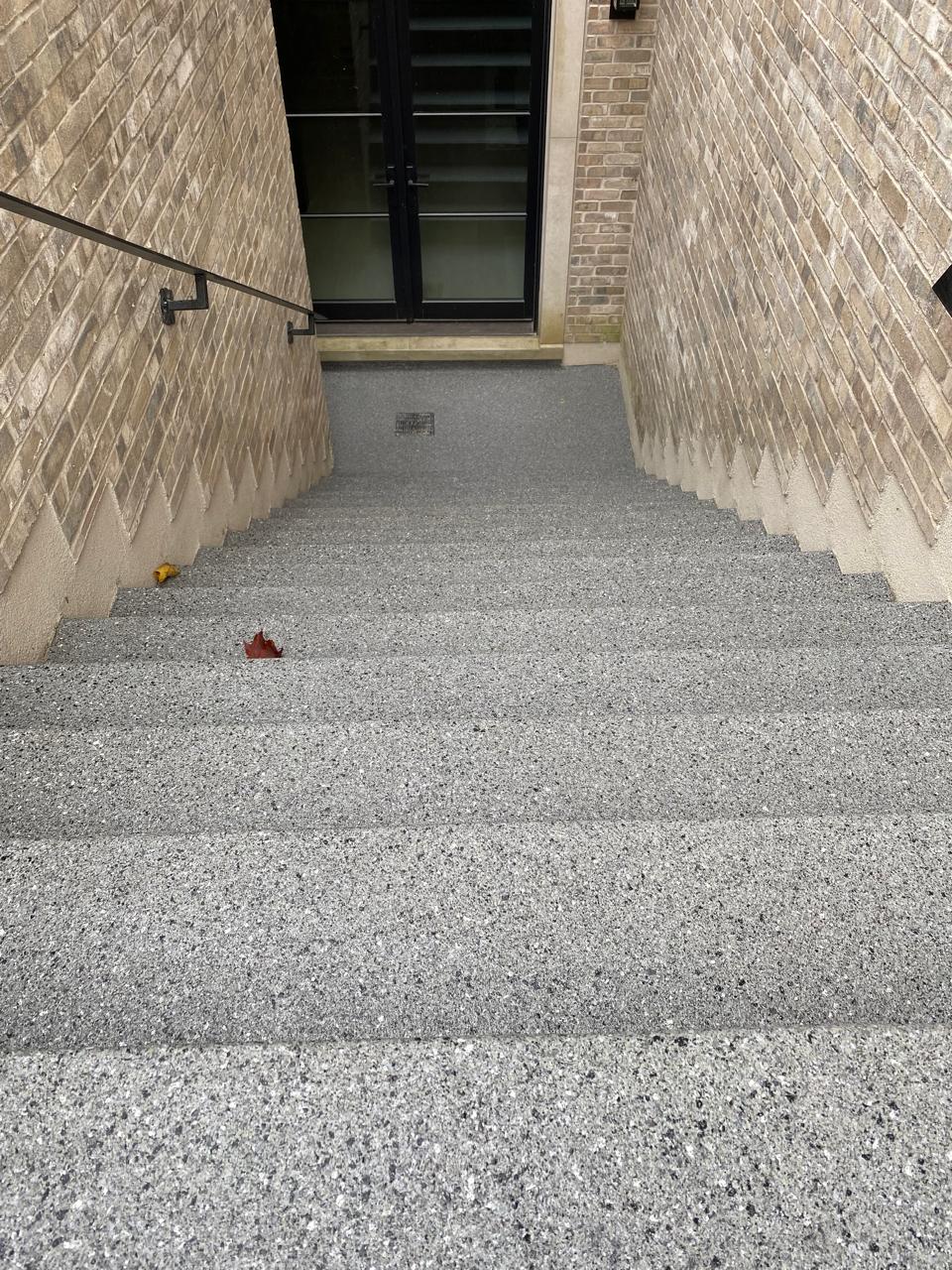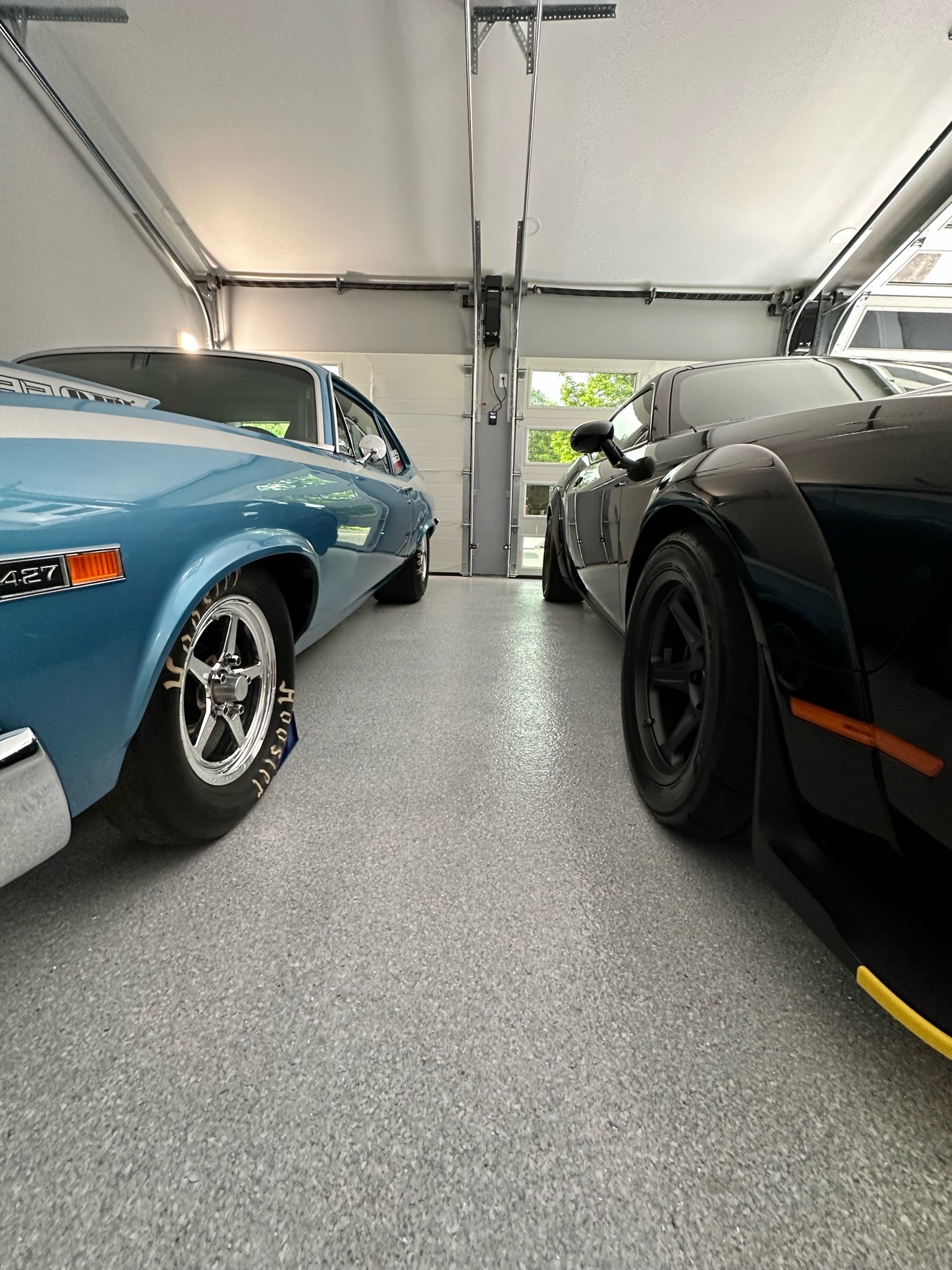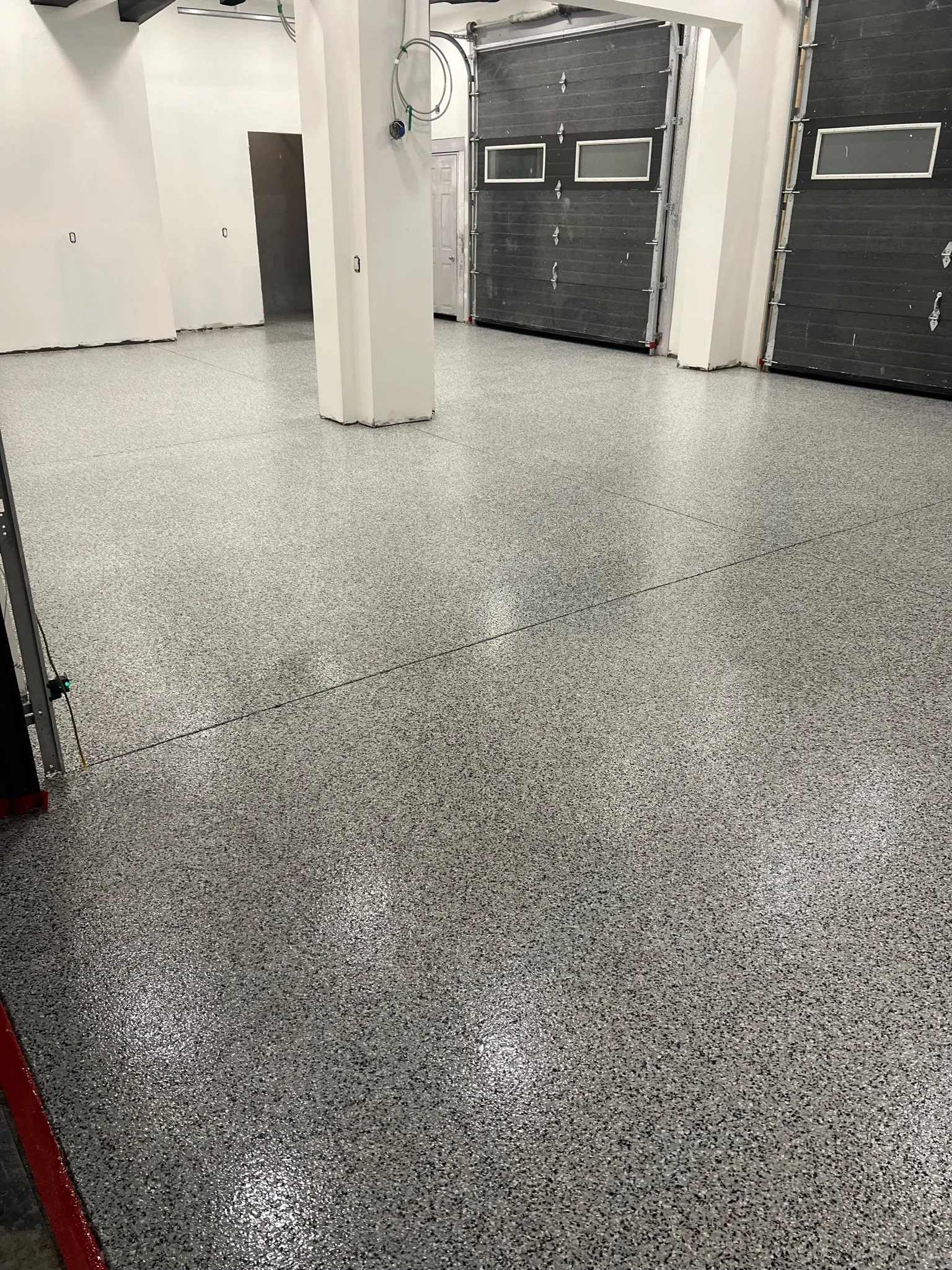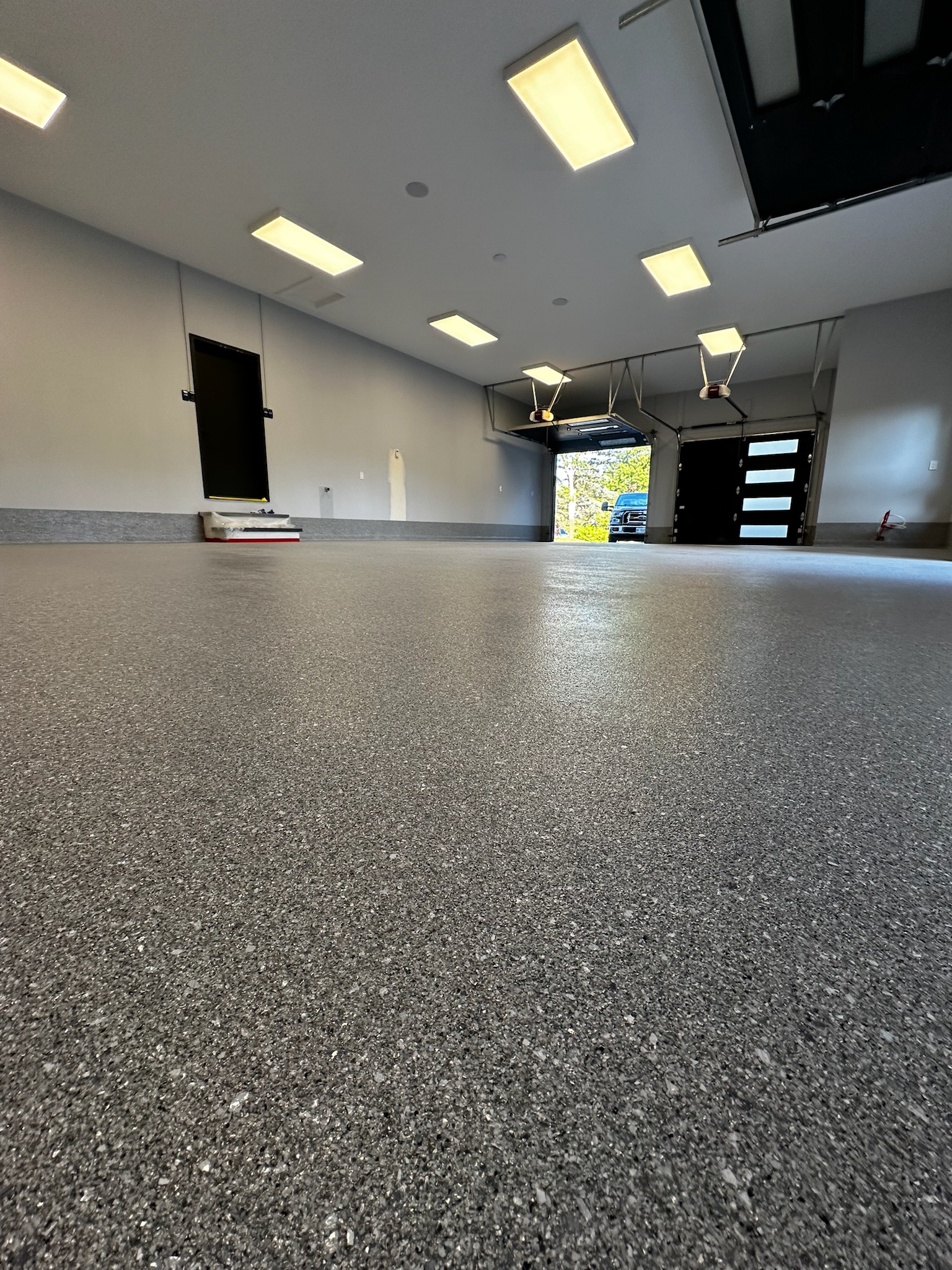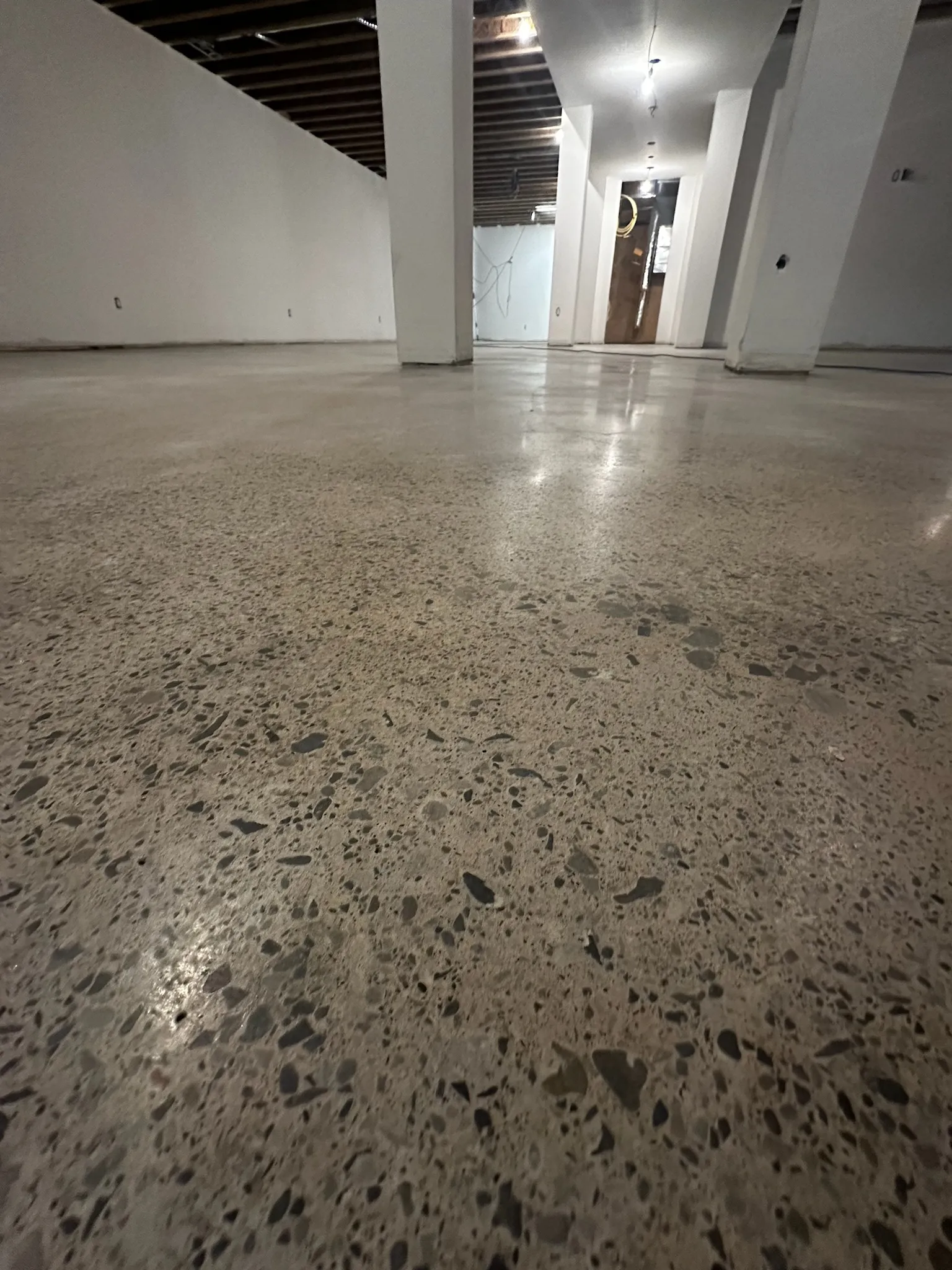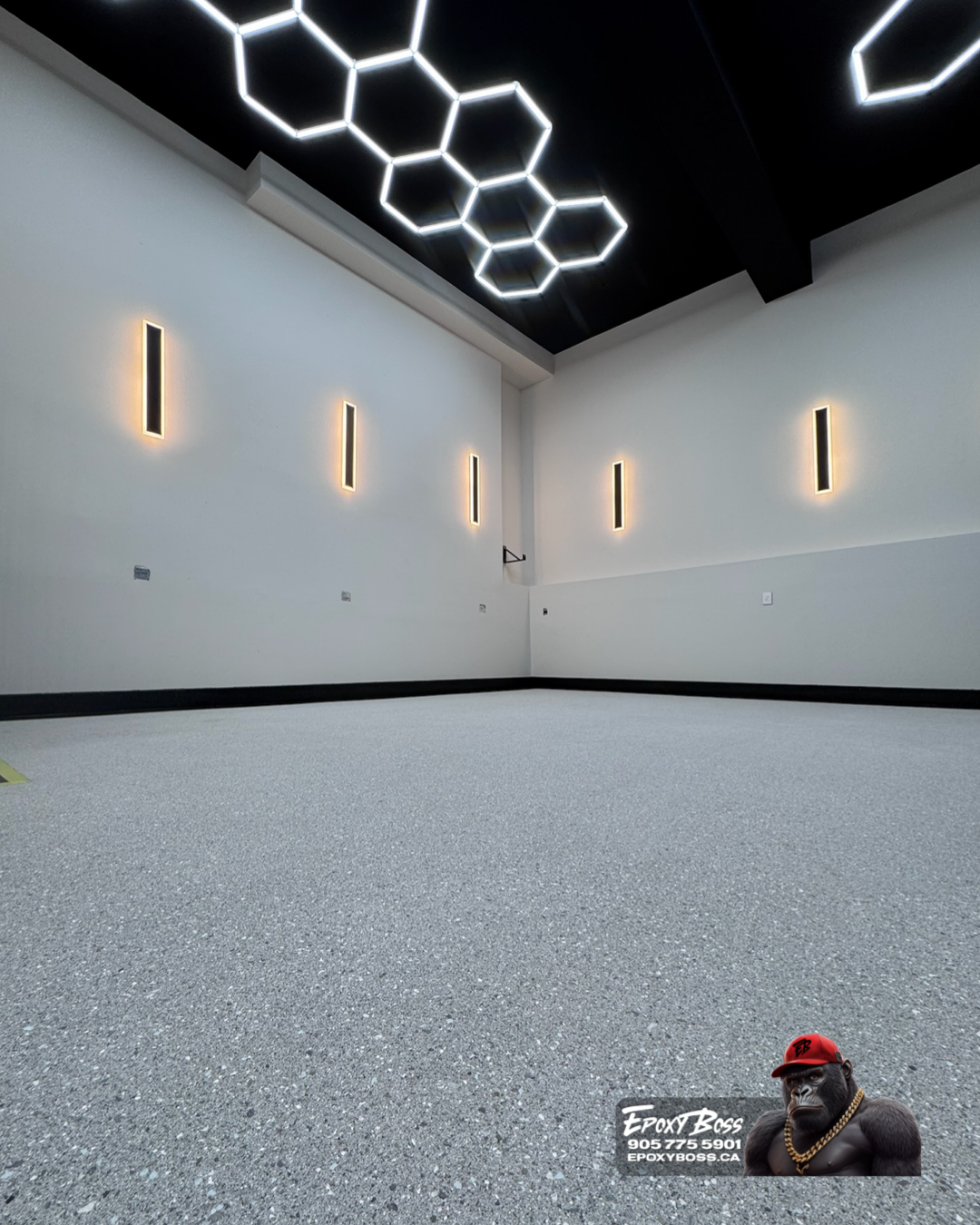

An aliphatic urethane (aliphatic polyurethane) topcoat is a clear or pigmented finish coat applied over an epoxy or other resin floor to give it UV stability, abrasion resistance and chemical resistance. "Aliphatic" refers to the chemistry of the isocyanate used: aliphatic urethanes resist yellowing in sunlight much better than aromatic urethanes and most epoxies. Because the topcoat is the layer that takes traffic, cleaning and spills, it has a large effect on how the floor looks and wears over time.
This guide explains what aliphatic urethane and polyurethane coatings are, how they compare with polyaspartic topcoats and when each makes sense.
What is a polyurethane floor coating?
Polyurethanes are formed by reacting a polyol with an isocyanate. In flooring they come in several forms:
- Two-component aliphatic urethane topcoats: the most common high-performance clear or tinted finish over epoxy systems.
- Water-based urethanes: lower odour options often used where solvent odour is a concern, with different performance characteristics.
- Urethane cement (urethane concrete): a thick, cementitious urethane system for food plants and harsh industrial areas, not a thin topcoat. See urethane cement.
Our materials pages on aliphatic urethane and polyurethane summarise the products we work with.
Aliphatic vs aromatic: why the word matters
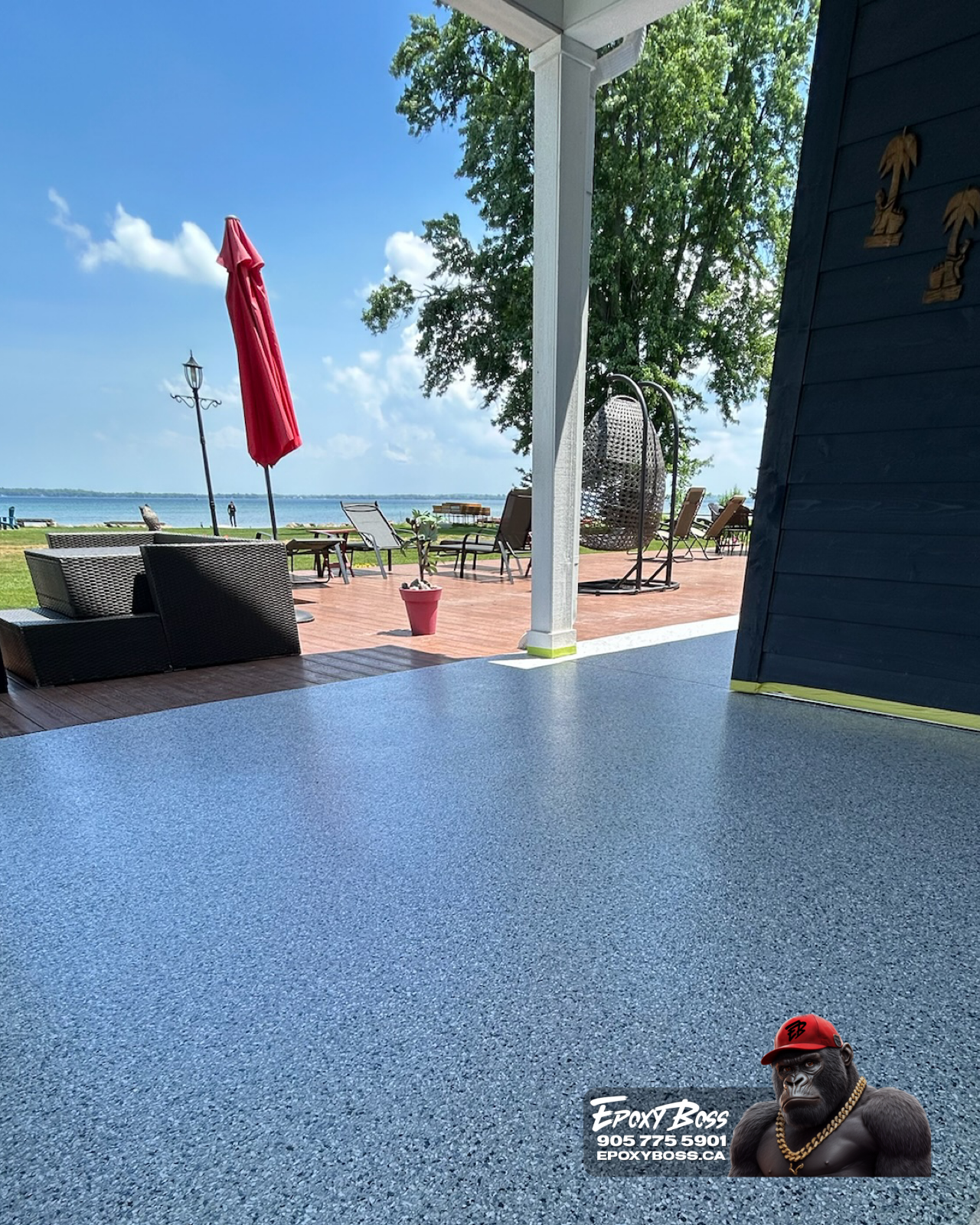
Isocyanates come in two broad families. Aromatic types are tough and economical but tend to yellow and chalk when exposed to UV light. Aliphatic types are more expensive but hold their colour and gloss much better under sunlight. For a floor that sees daylight through windows, glass doors or an open garage door, an aliphatic topcoat is the usual choice.
Manufacturers compare colour and gloss retention with accelerated weathering tests such as ASTM G154, which exposes coatings to fluorescent UV lamps and moisture cycles. When comparing products, look for this kind of data on the technical data sheet rather than marketing terms alone.
Why topcoats matter on an epoxy floor
Epoxy is excellent as a primer and body coat, but it has limits as the final surface:
- UV: many epoxies amber over time in sunlight.
- Scratch and scuff visibility: epoxy is hard and can show fine scratches.
- Chemical staining: some fluids can stain or etch epoxy surfaces.
A urethane or polyaspartic topcoat addresses these. It adds a layer designed for abrasion and chemical resistance, protects decorative layers such as flake, quartz or metallic, and can be adjusted for gloss level and slip resistance with additives. Abrasion performance is often reported using the Taber method in ASTM D4060.
For more on how layers combine, see epoxy vs resin flooring.
Aliphatic urethane vs polyaspartic topcoats
Both are aliphatic and both are used as UV-stable topcoats. The differences are mostly practical:
- Cure speed: polyaspartic cures faster, allowing quicker return to service; urethane generally gives more working time.
- Application: urethanes are usually applied as thin films and are forgiving to roll out evenly; polyaspartics need fast, organised application.
- Film build: polyaspartic topcoats are often applied somewhat thicker per coat than thin urethane finishes, depending on product.
- Use: polyaspartic is very common on residential garage floors; aliphatic urethanes are widely used on commercial, decorative and industrial floors and as the final coat over metallic and quartz systems.
Both can be excellent. The product data sheet, the conditions on site and the schedule decide. Read our polyaspartic floor coating guide and polyurea vs polyaspartic vs epoxy for the wider picture.
Where aliphatic urethane topcoats are used
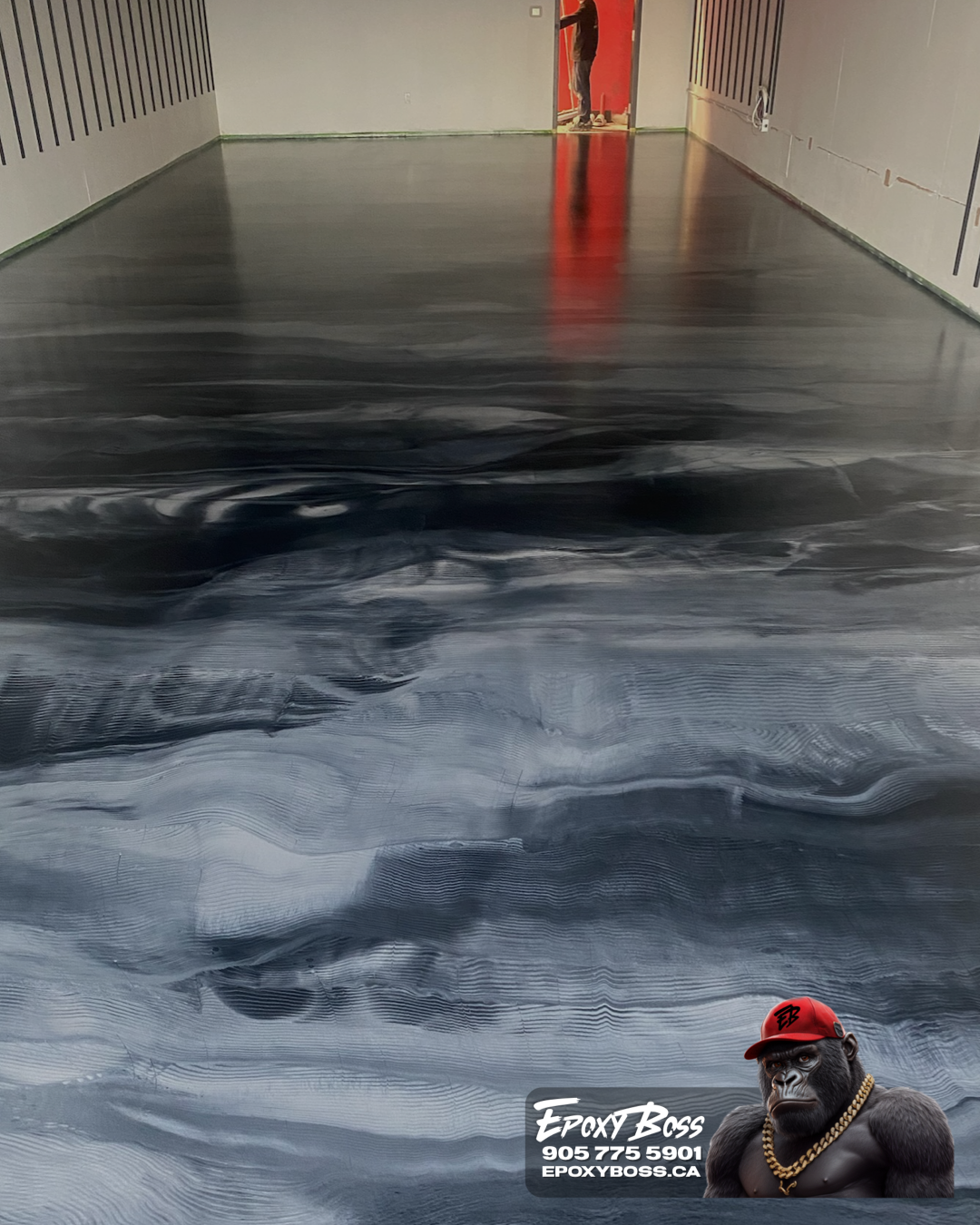
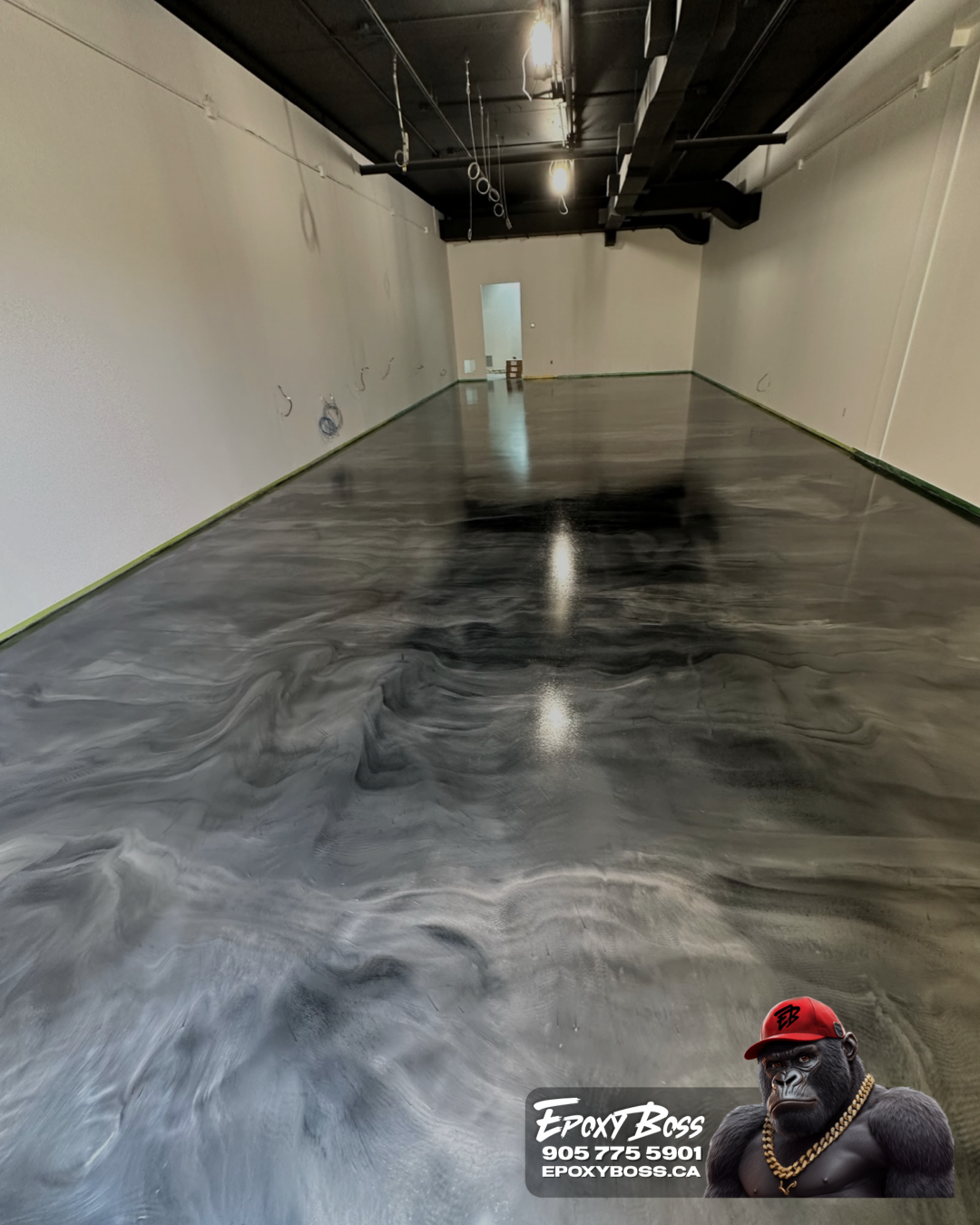
- Metallic and decorative floors, where gloss and scratch resistance protect the look. See metallic epoxy floors.
- Quartz and flake systems in commercial washrooms, kitchens and corridors. See the quartz system.
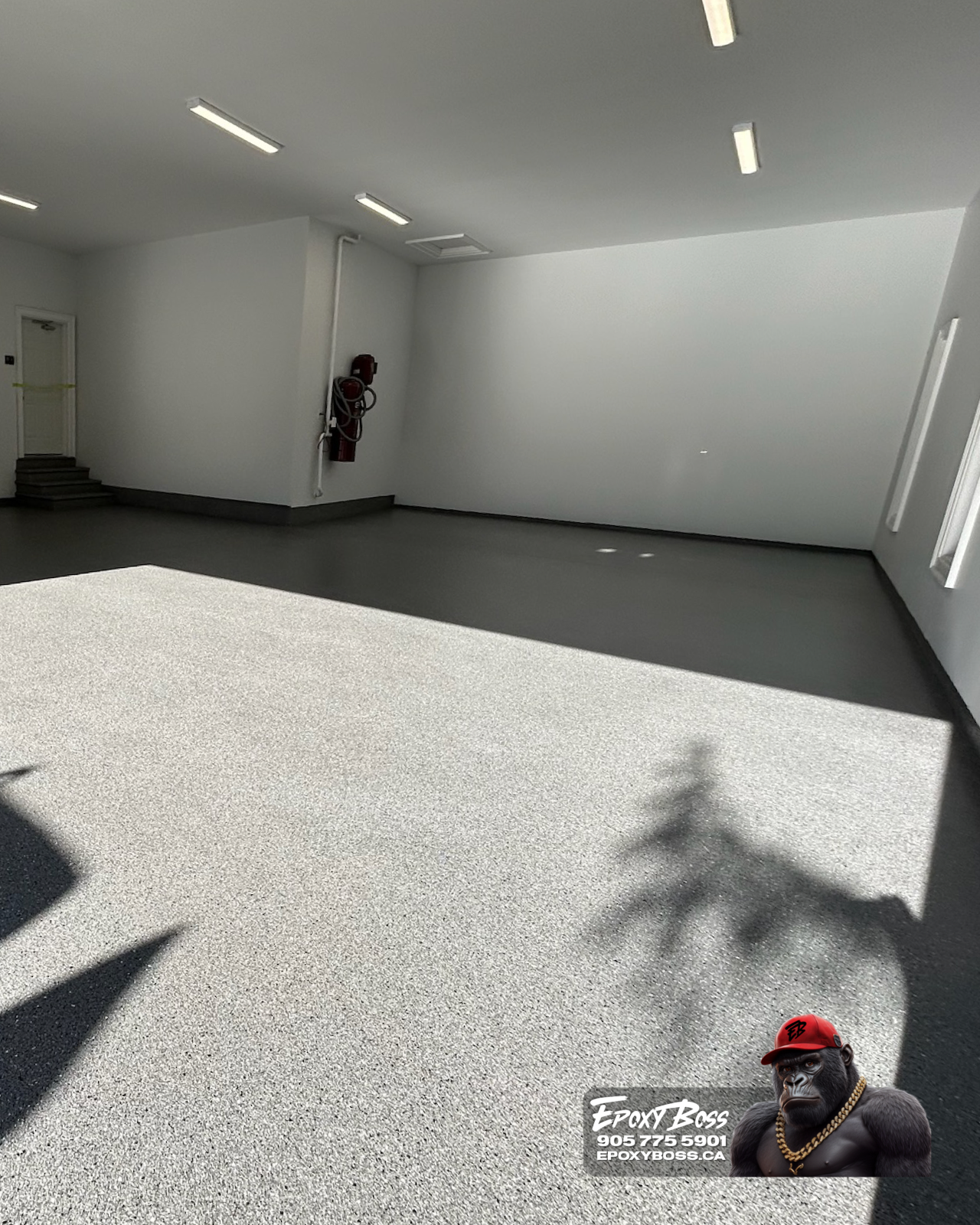
- Garages, as an alternative to polyaspartic over a flake base. See full-broadcast flake garage floors.
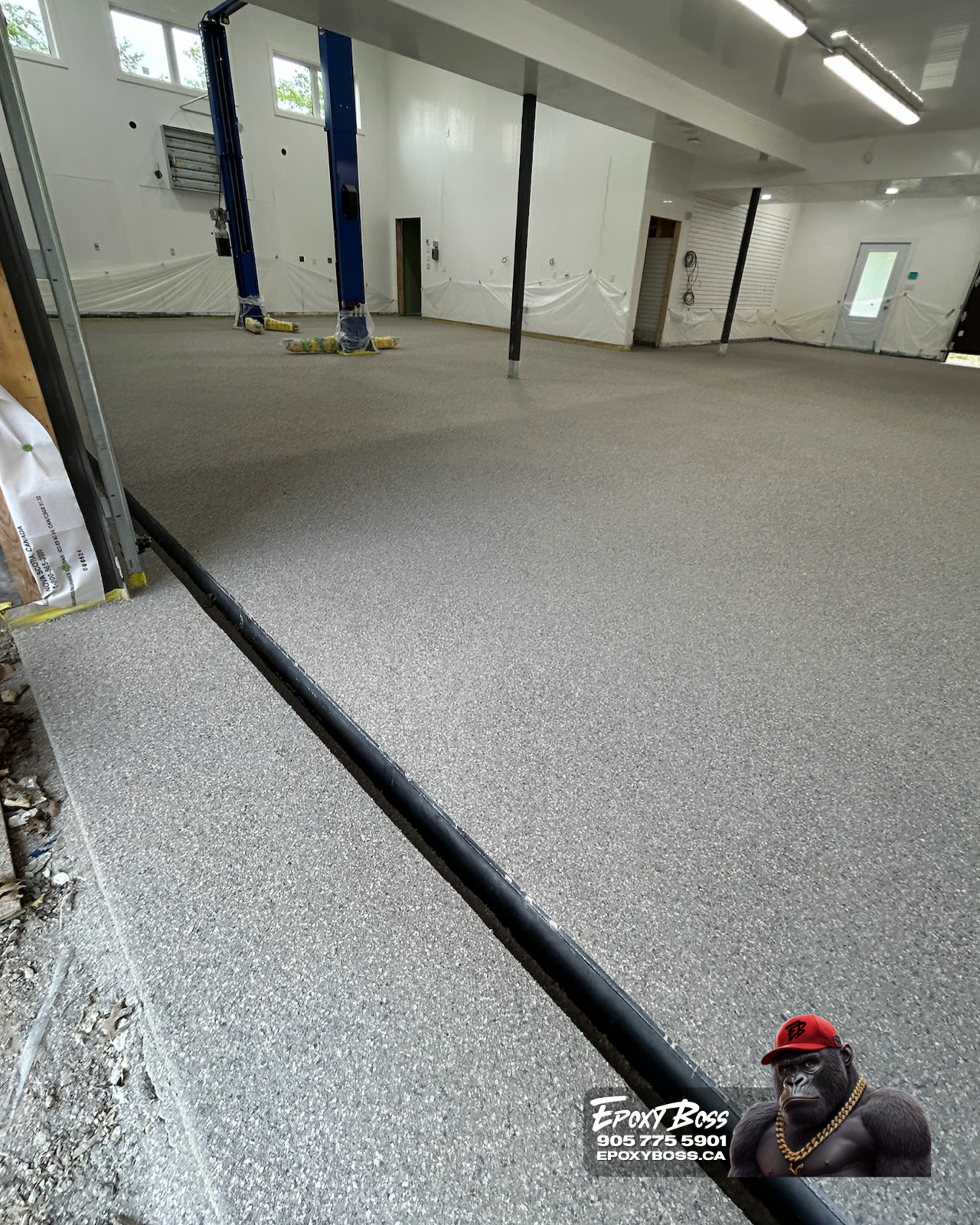
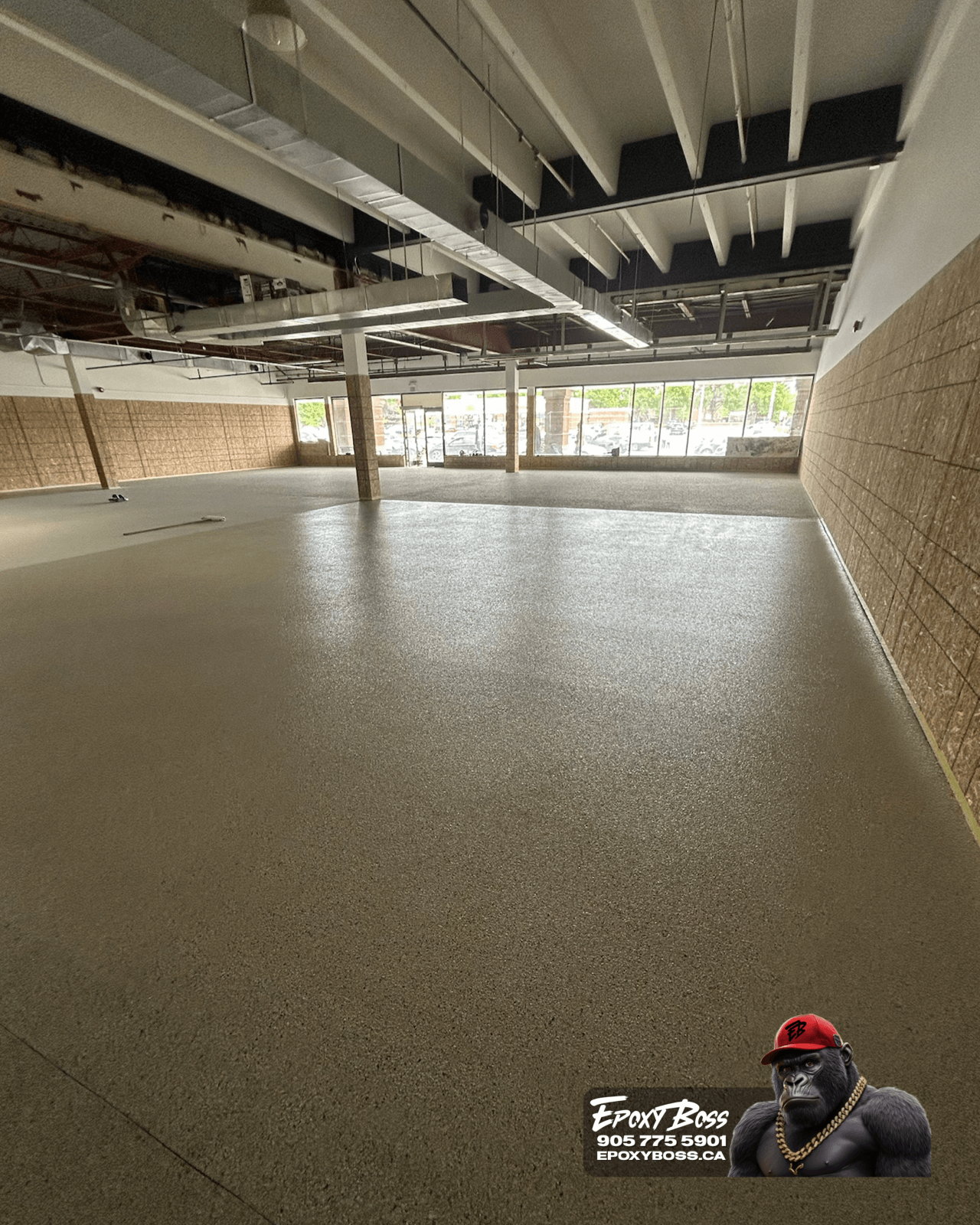
- Light industrial and warehouse floors where a chemical- and abrasion-resistant finish is needed over epoxy.
Our polyurethane topcoats and UV-stable floor coatings pages explain how we specify them.
Topcoats on Ontario garage floors
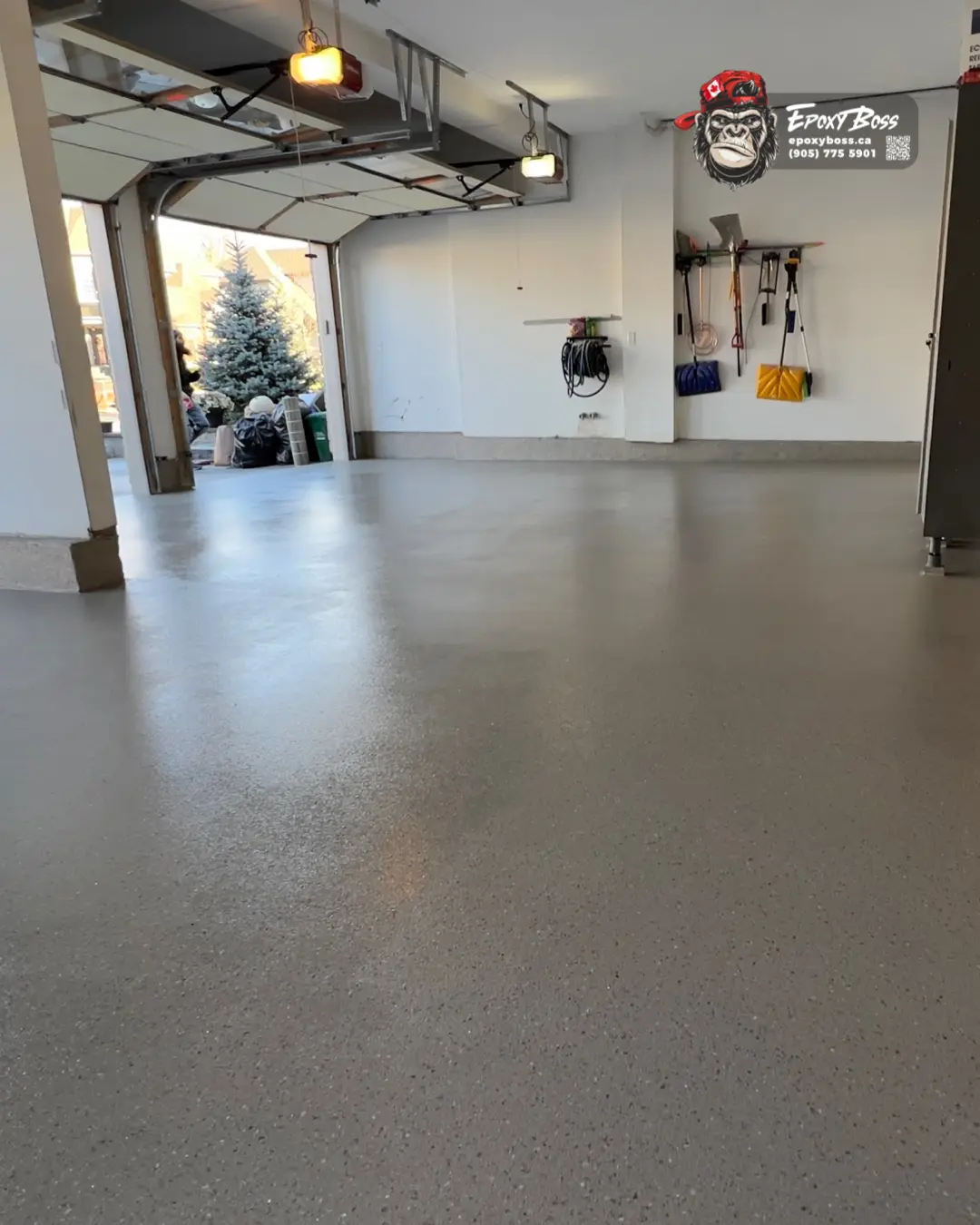
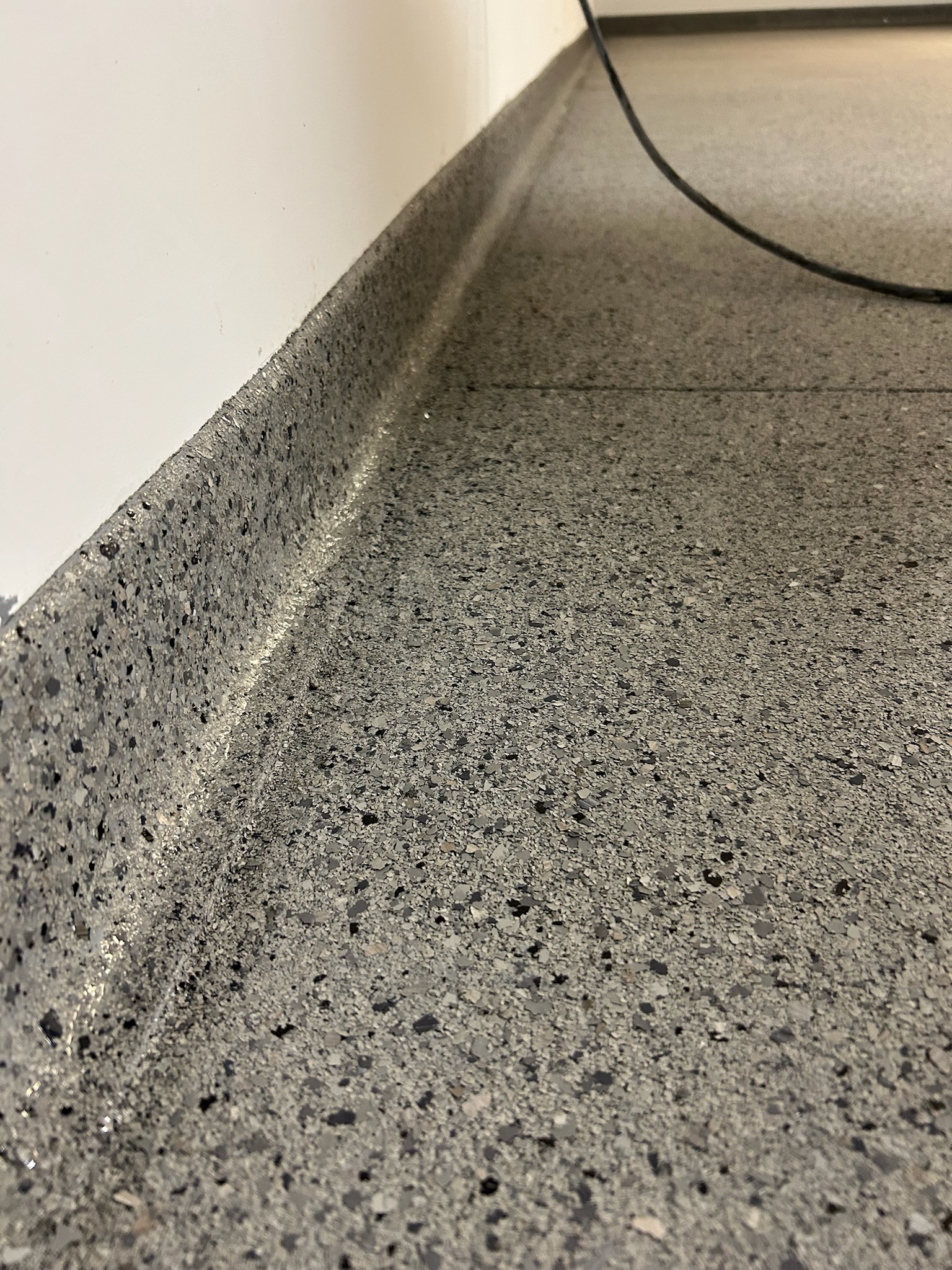
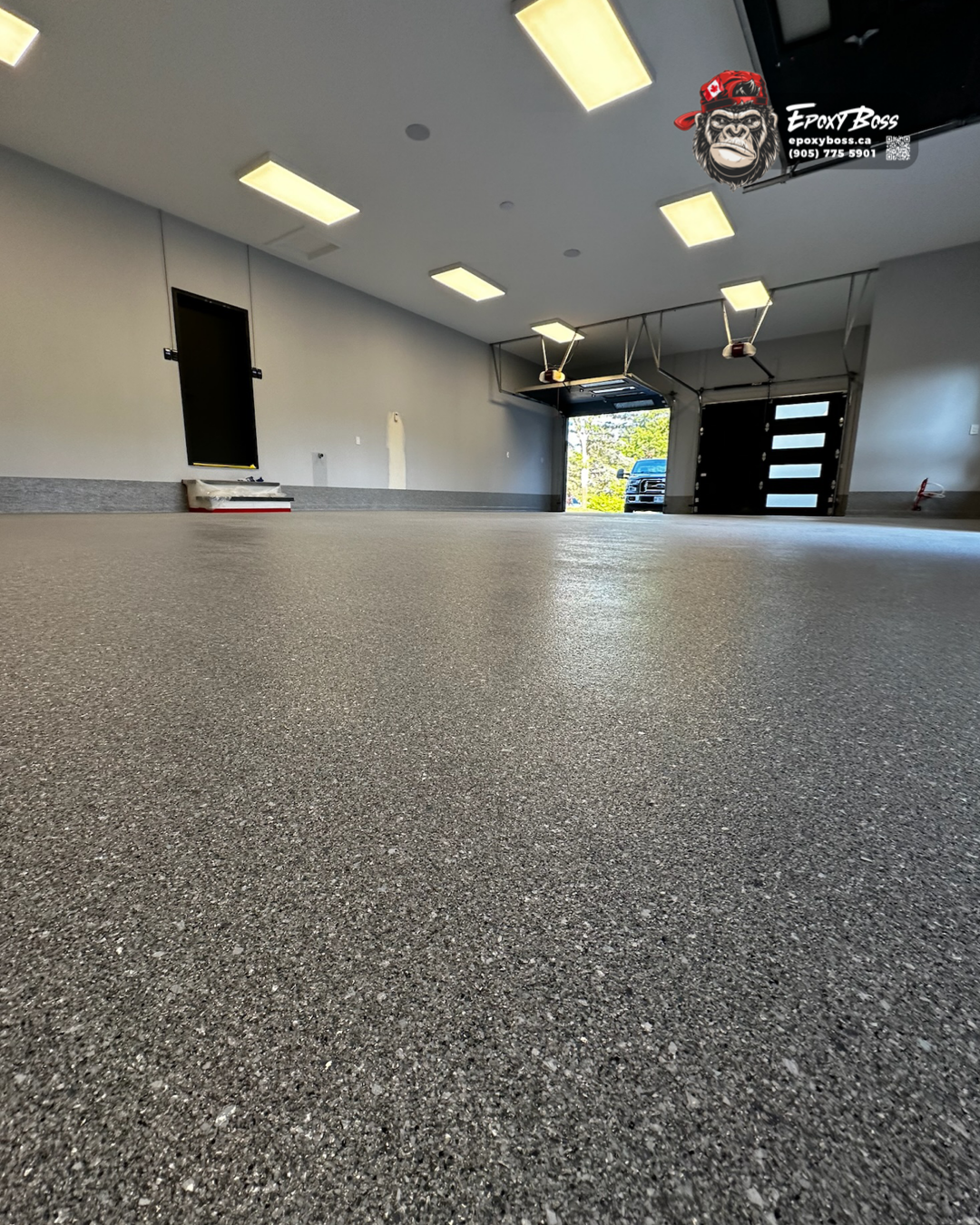
An Ontario garage puts a topcoat through more than most interior floors: salt brine sitting on the surface for weeks, grit carried in on tires, hot tires parked after highway driving, and low winter sun reaching across the floor when the door is open. That is why garage systems almost always finish with an aliphatic layer rather than plain epoxy, and why the number of topcoats matters. A second topcoat adds film thickness over the flake, which helps the floor tolerate grit and cleaning. Texture is also tuned at this stage: the scrape before topcoating and any anti-slip additive decide how smooth or grippy the finished surface feels.
Reading a topcoat data sheet
When you compare topcoats, the technical data sheet tells you more than the brochure. Useful items to look for include:
- Chemistry: aliphatic or aromatic, solvent-based or water-based.
- Solids content and recommended film thickness: how much protective film each coat leaves.
- Abrasion data: often a Taber result with the wheel type and cycles stated.
- Chemical resistance chart: which fluids the coating tolerates and for how long.
- Application limits: temperature, humidity and recoat windows.
- Return to service: foot traffic, light traffic and full cure times.
Choosing a sheen and texture
Topcoats come in high gloss, satin and matte. Gloss looks rich but shows scratches and dust more; satin and matte hide wear better. Fine anti-slip aggregates can be added to the topcoat for wet or sloped areas. No coating is slip-proof, so texture is chosen for the use of the space.
Maintenance and recoating
One advantage of a urethane topcoat is that, on many systems, it can be cleaned, abraded and recoated when it wears, refreshing the floor without disturbing the layers beneath. Recoat timing and preparation depend on the product. Regular care helps:
- Sweep or dust-mop to remove grit.
- Clean with a neutral cleaner; avoid harsh solvents unless the data sheet allows them.
- Use walk-off mats at entries.
Our article on topcoats with Torginol flake shows another example of topcoat selection over a flake floor.
Frequently asked questions
What is the difference between urethane and polyurethane?
In flooring, the terms are often used interchangeably for polyurethane coatings. "Urethane cement" is different: a heavy cementitious system rather than a thin topcoat.
Does an aliphatic urethane topcoat turn yellow?
Aliphatic urethanes are designed to resist yellowing under UV much better than aromatic urethanes and most epoxies. Performance still varies by product.
Can a urethane topcoat go directly on concrete?
Usually it is applied over an epoxy or other primer and base coat, not directly to bare concrete. Follow the system's data sheet.
Is aliphatic urethane better than polyaspartic?
Neither is better in every case. Polyaspartic is faster; urethane often offers more working time and is common on decorative and commercial floors.
Book a free floor assessment
Epoxy Boss is based in Innisfil, has worked since 2019 and designs coating systems for homes and businesses across the GTA, York Region, Simcoe County, Halton, Durham and Muskoka. Call (905) 775-5901 or request a free floor assessment, and we'll recommend a topcoat for your floor with a written quote in Canadian dollars.