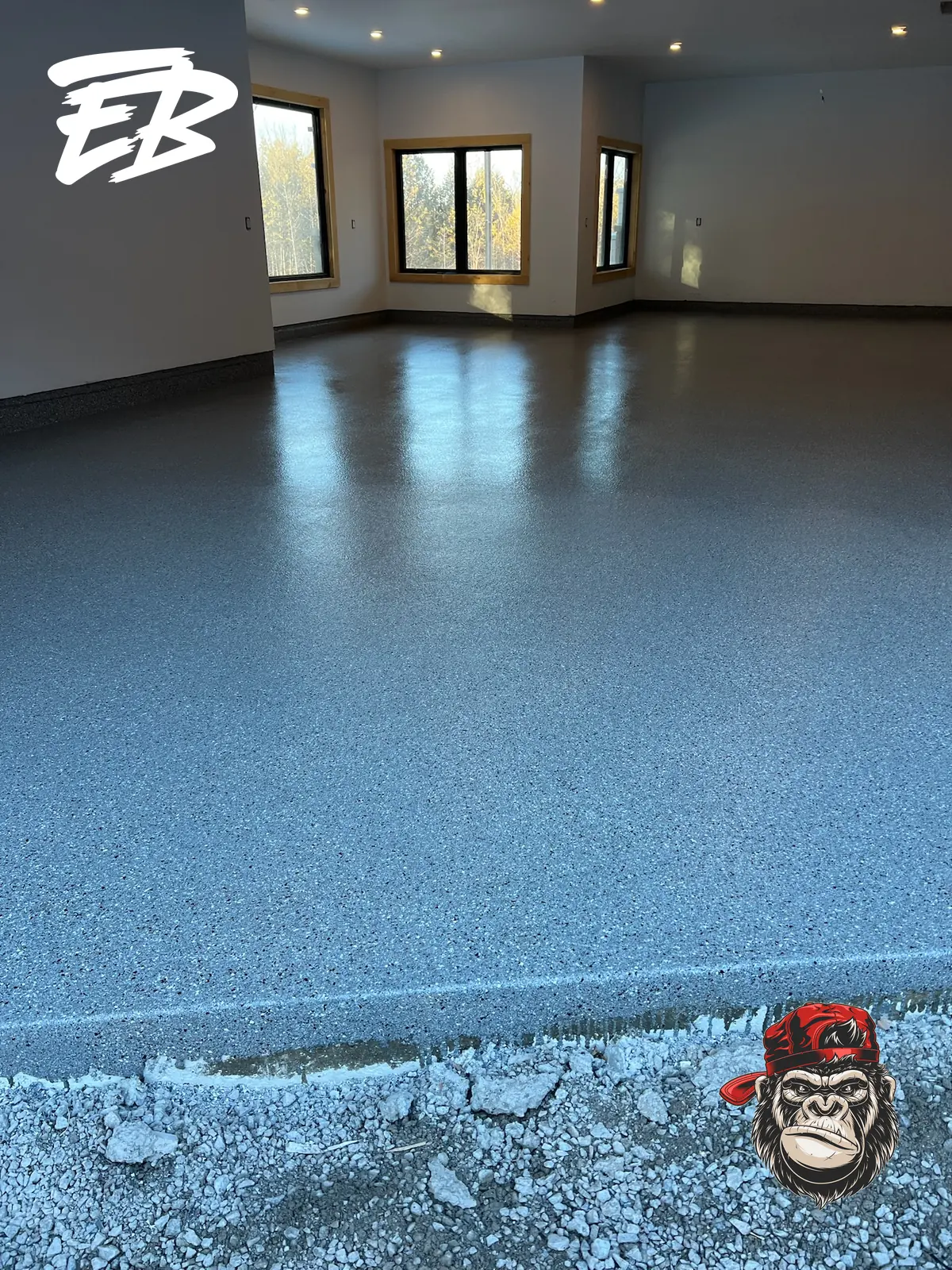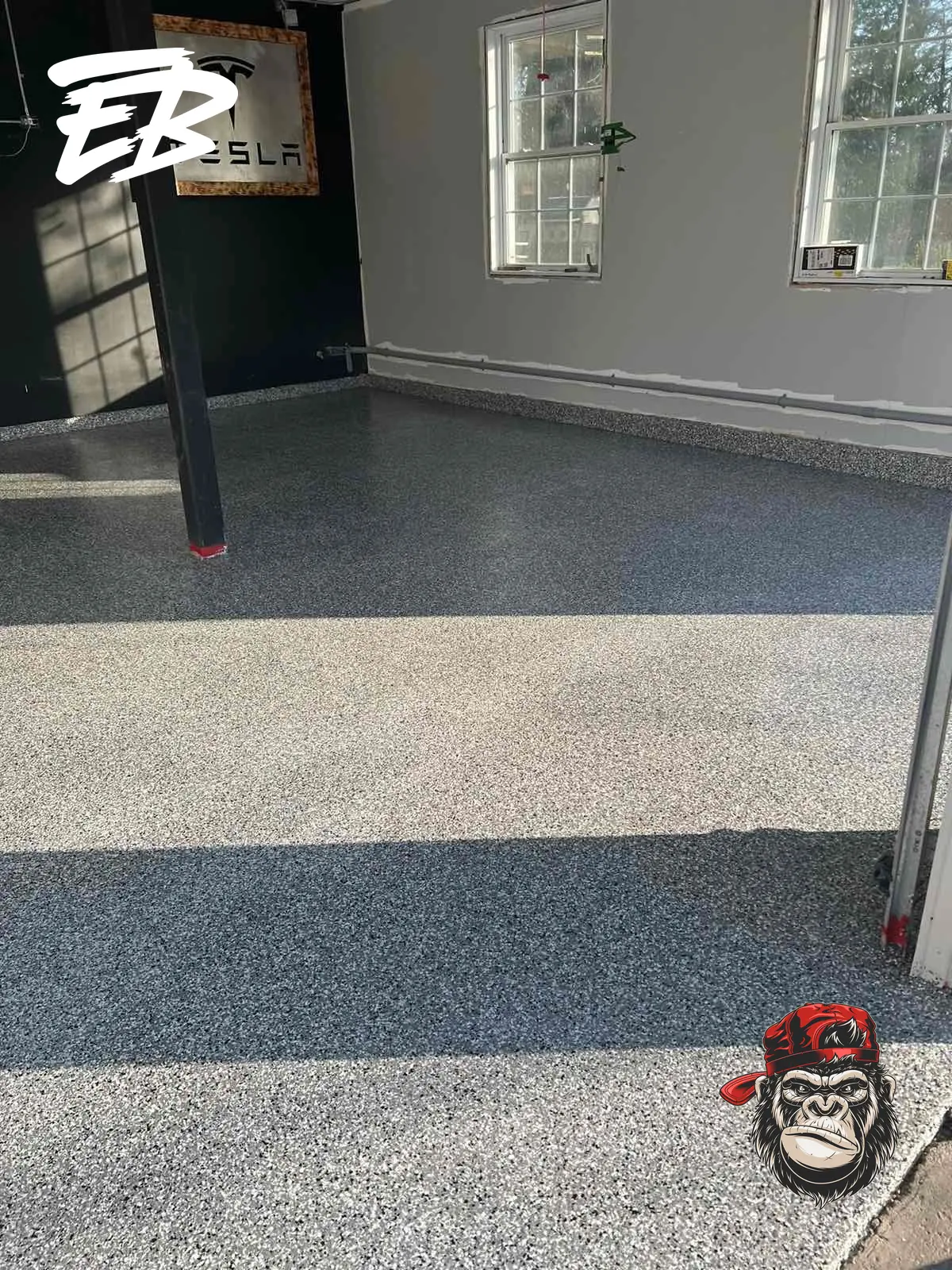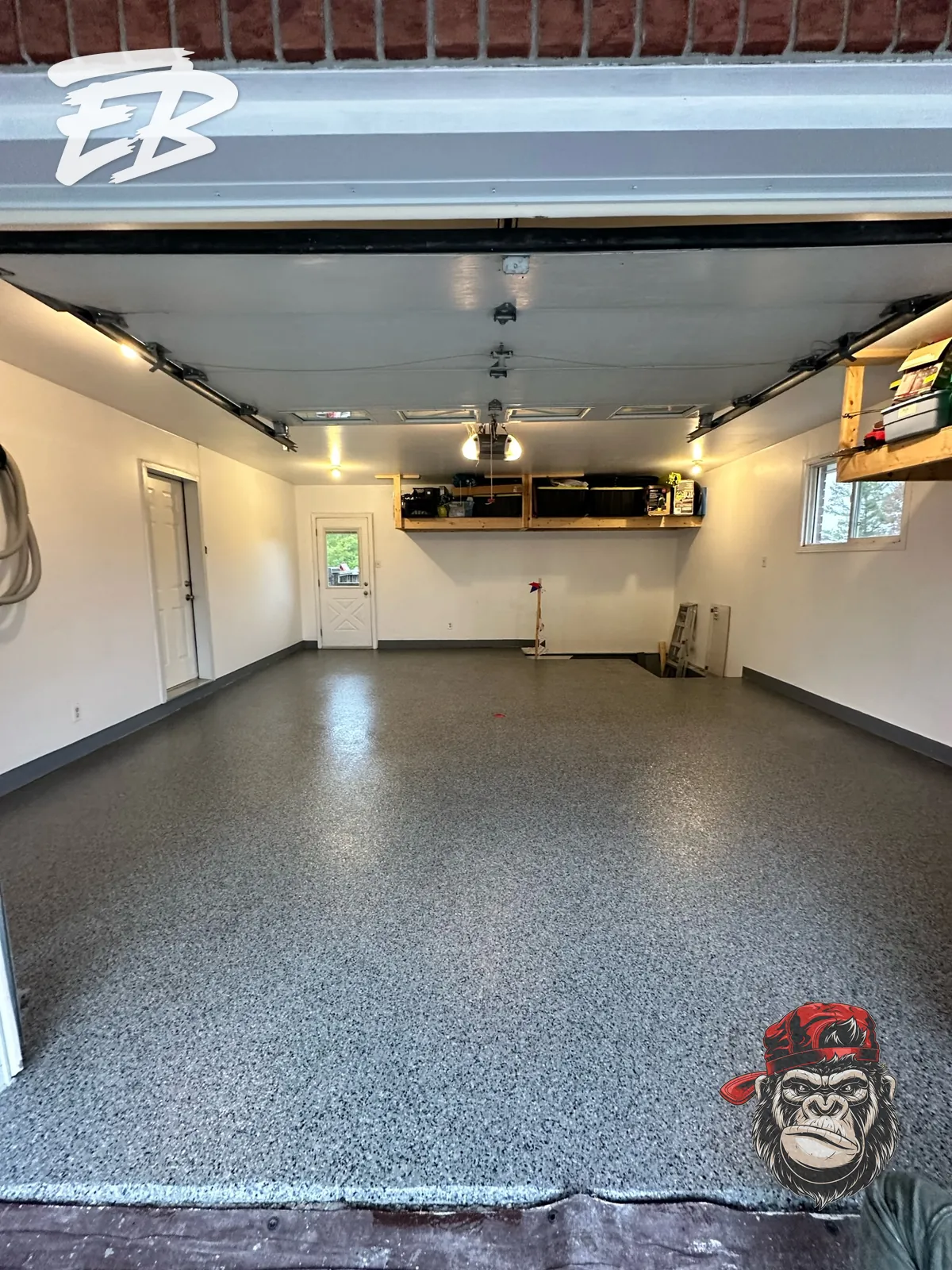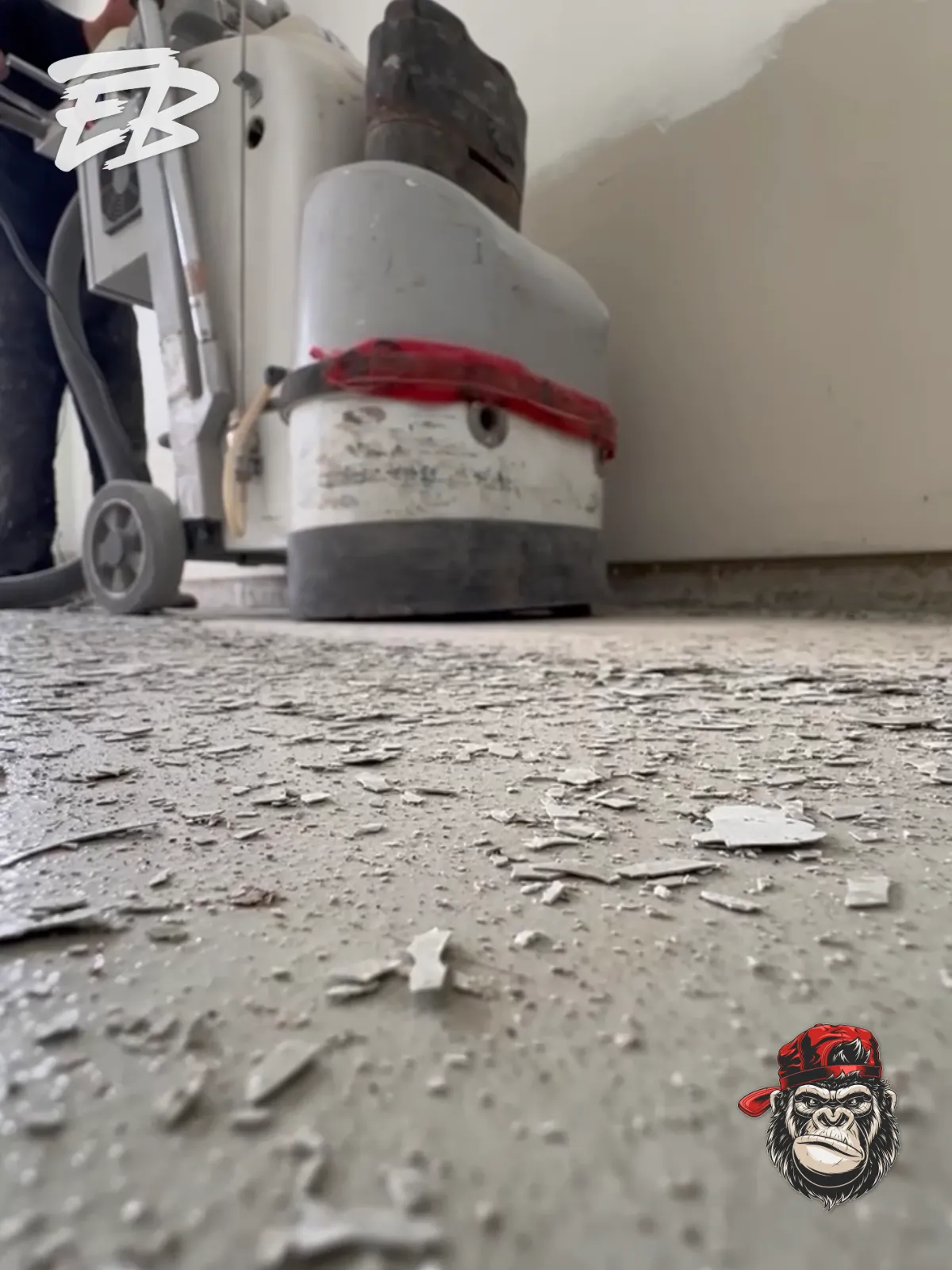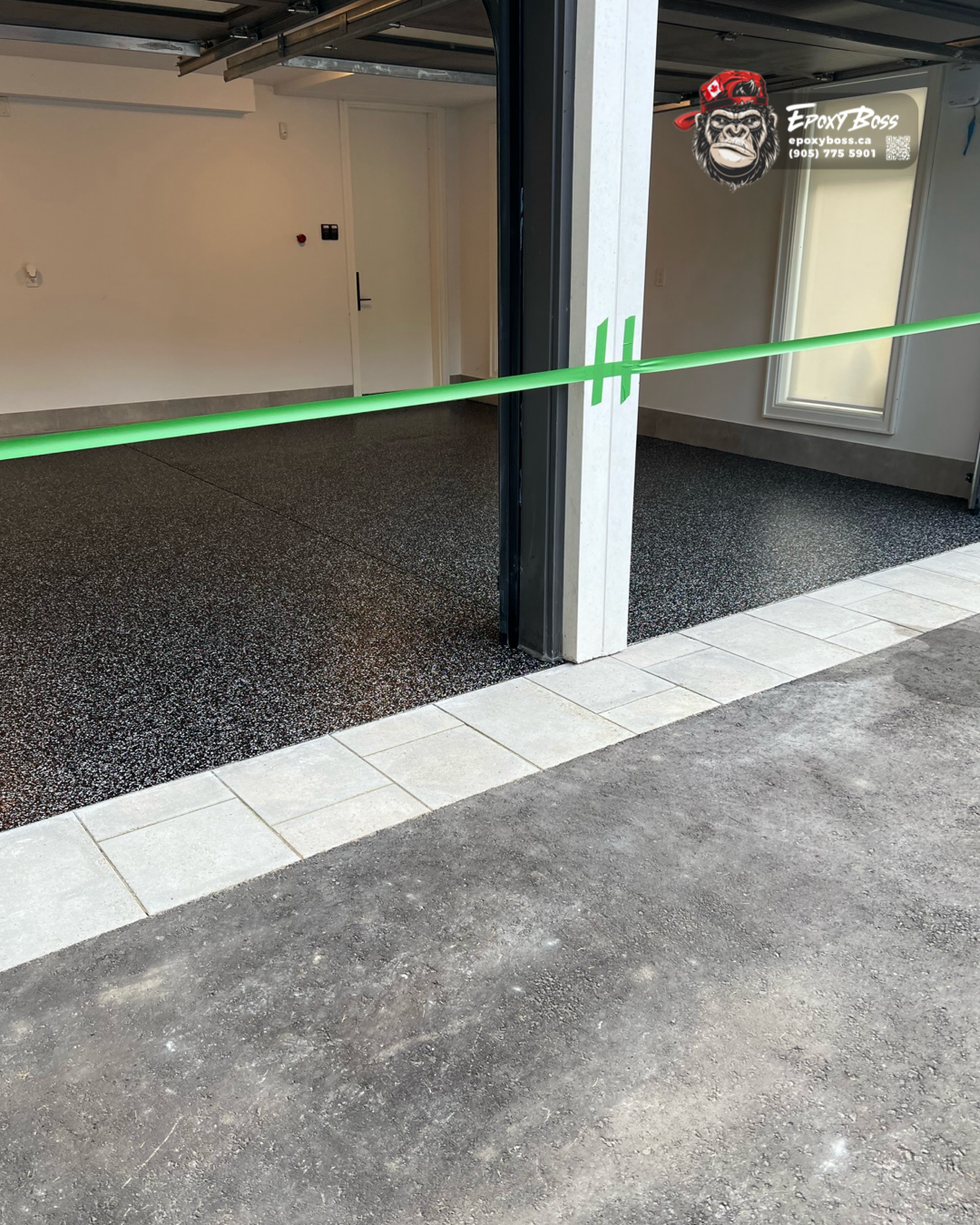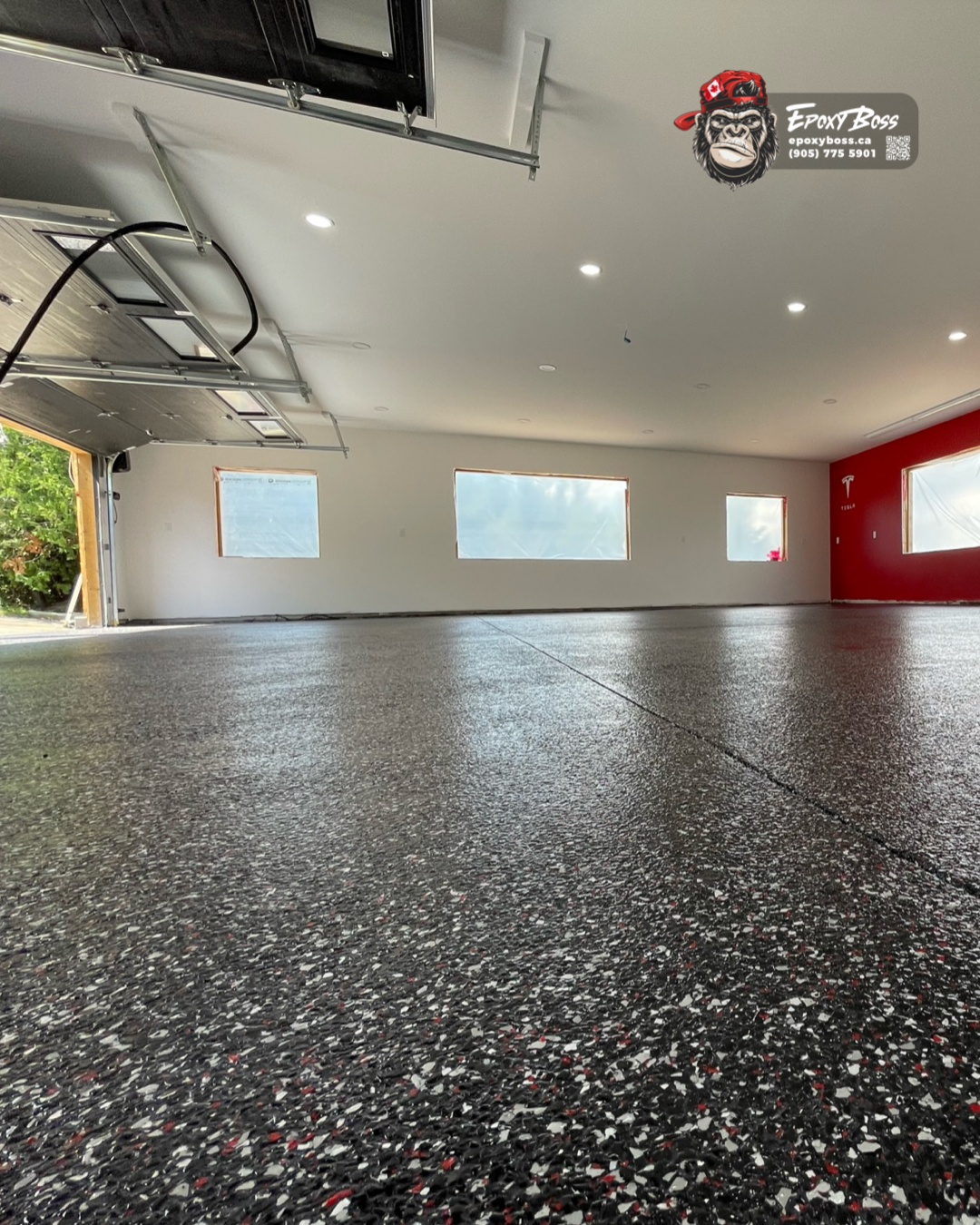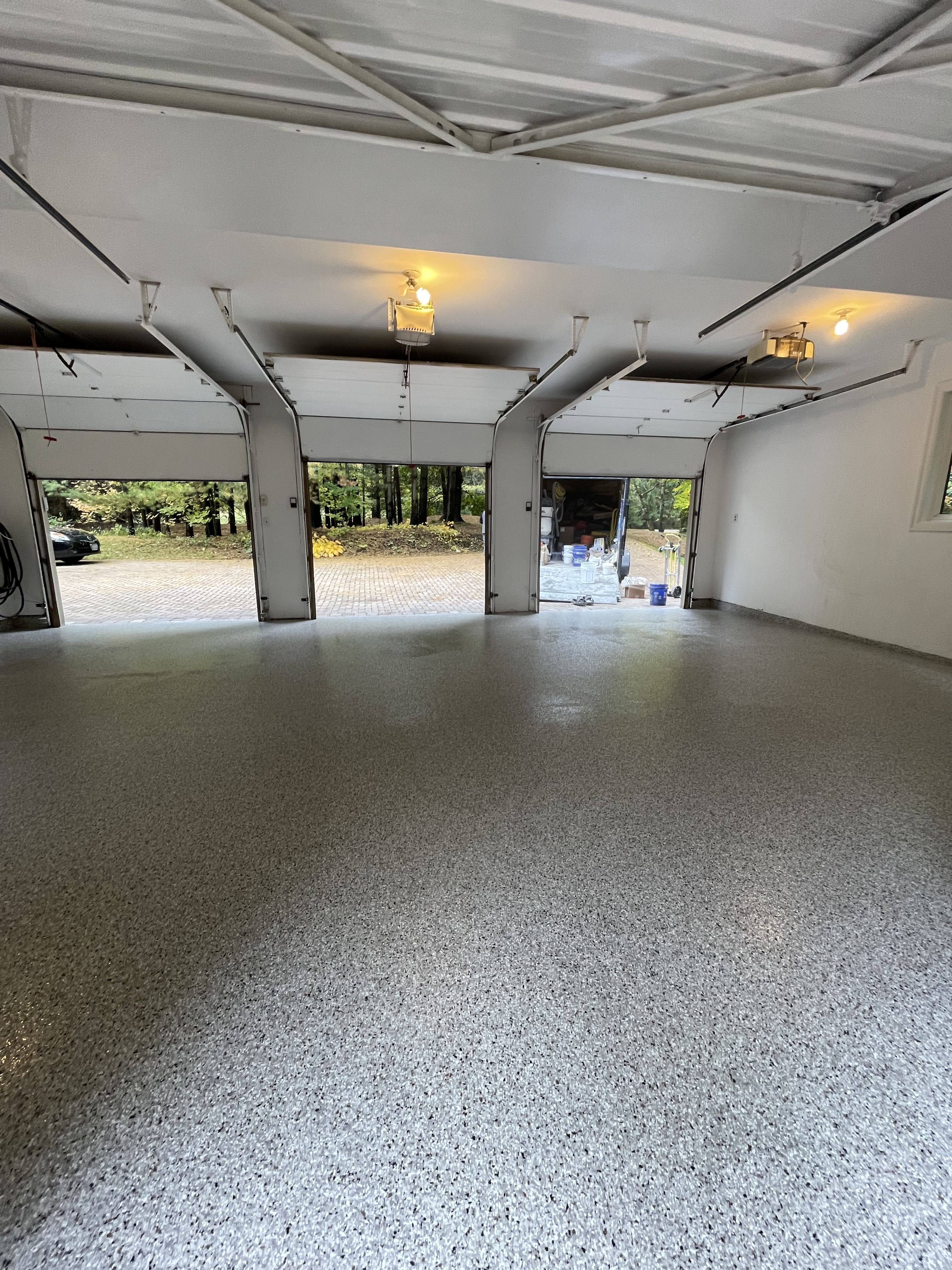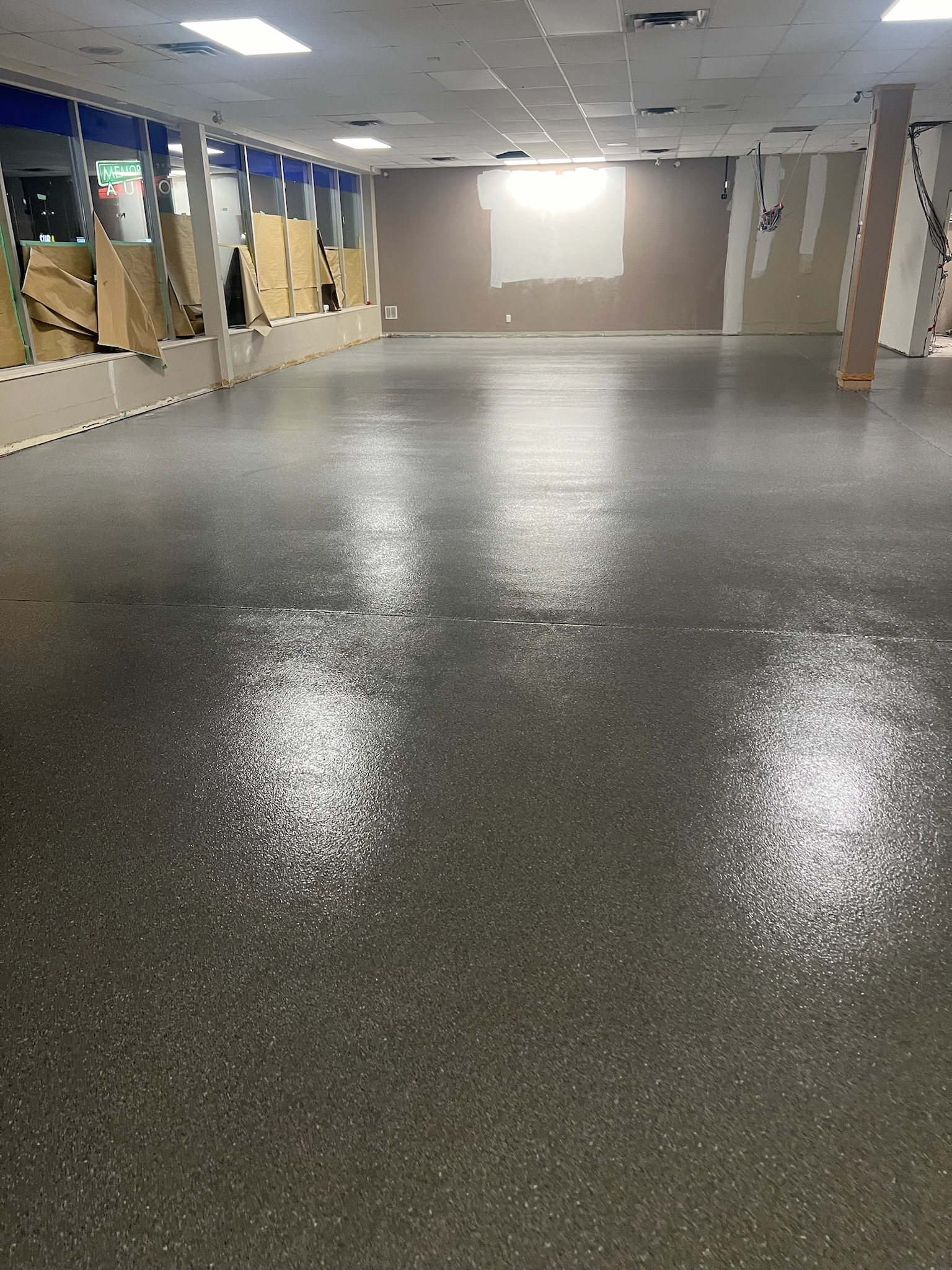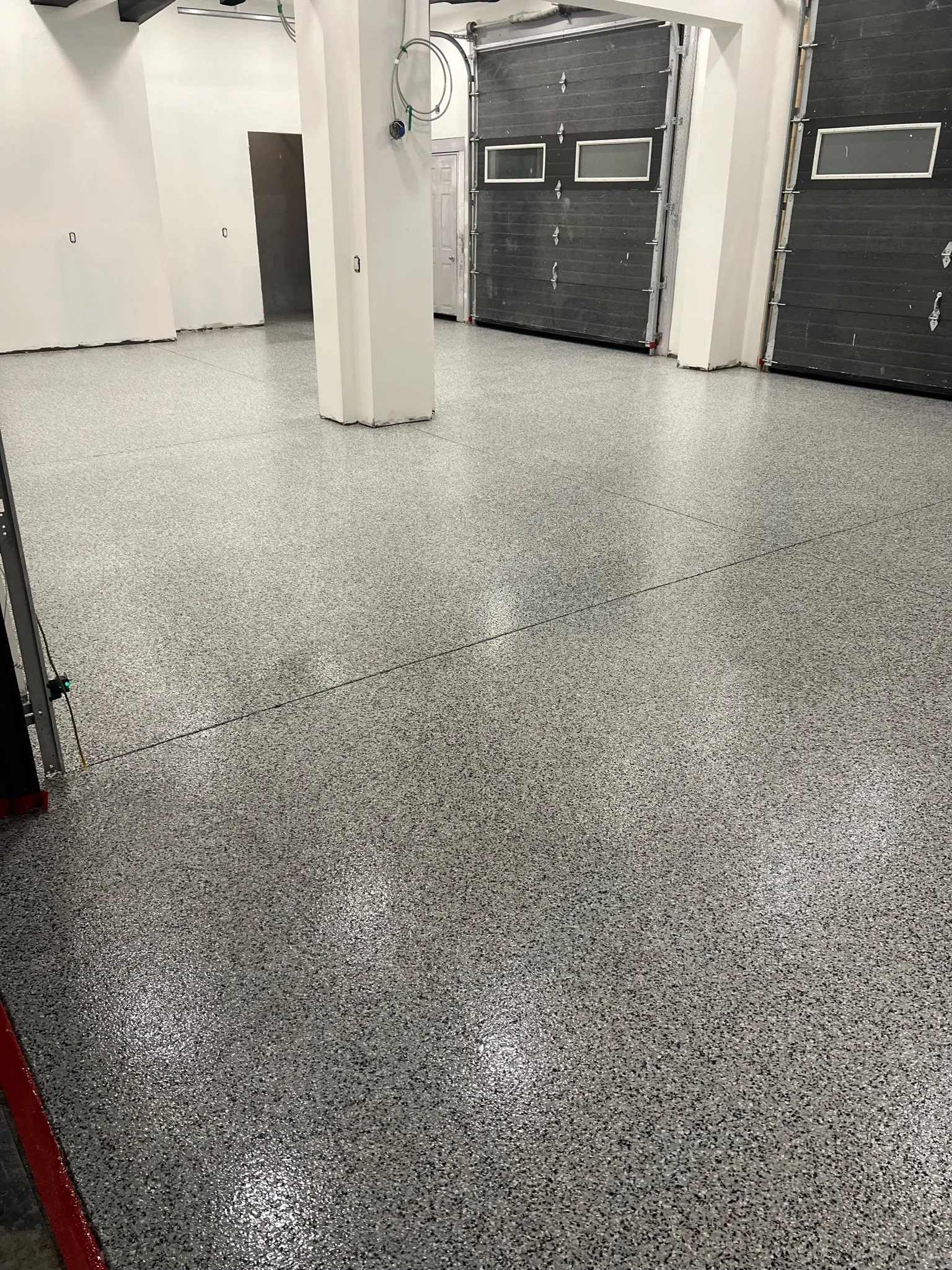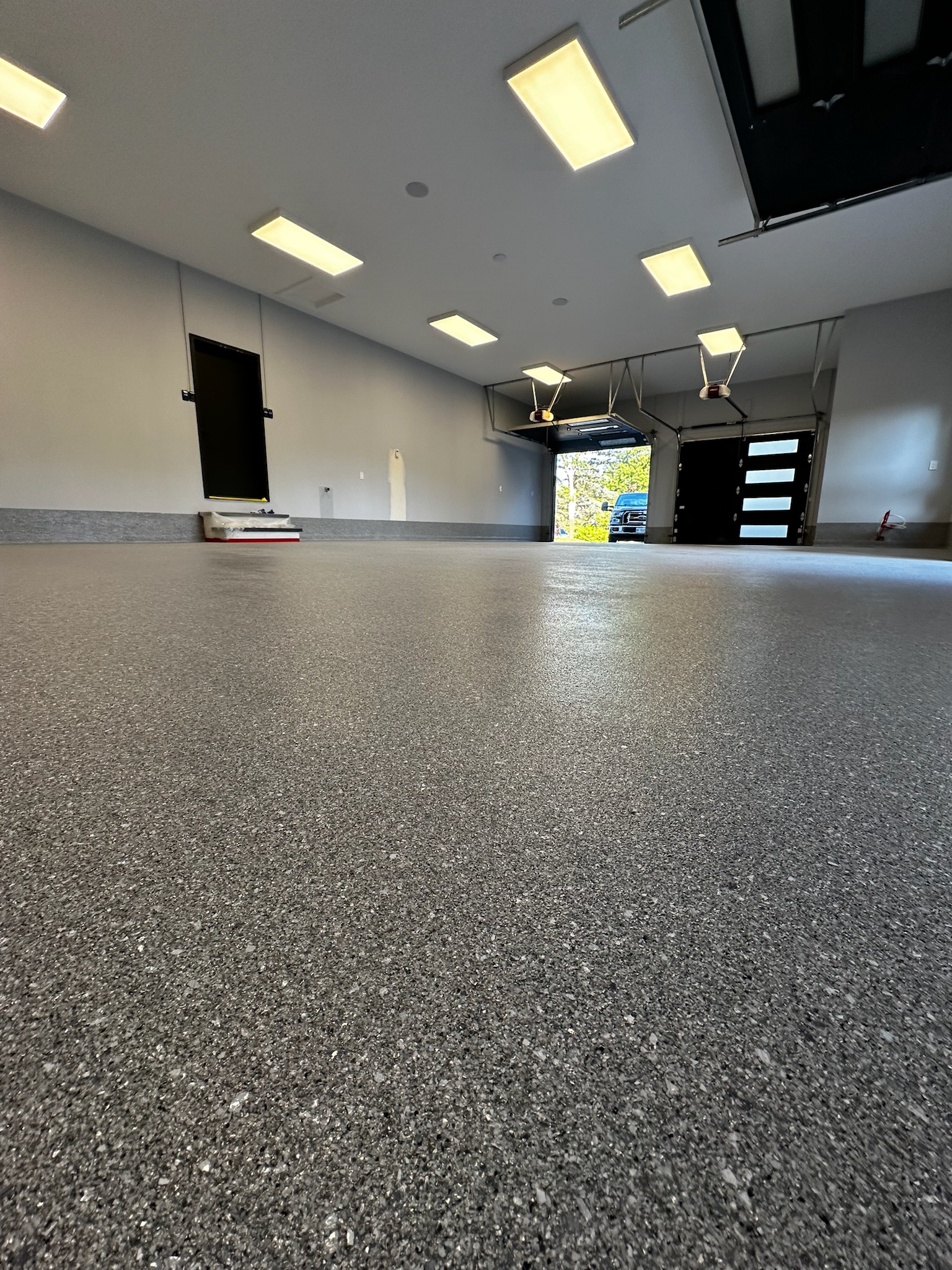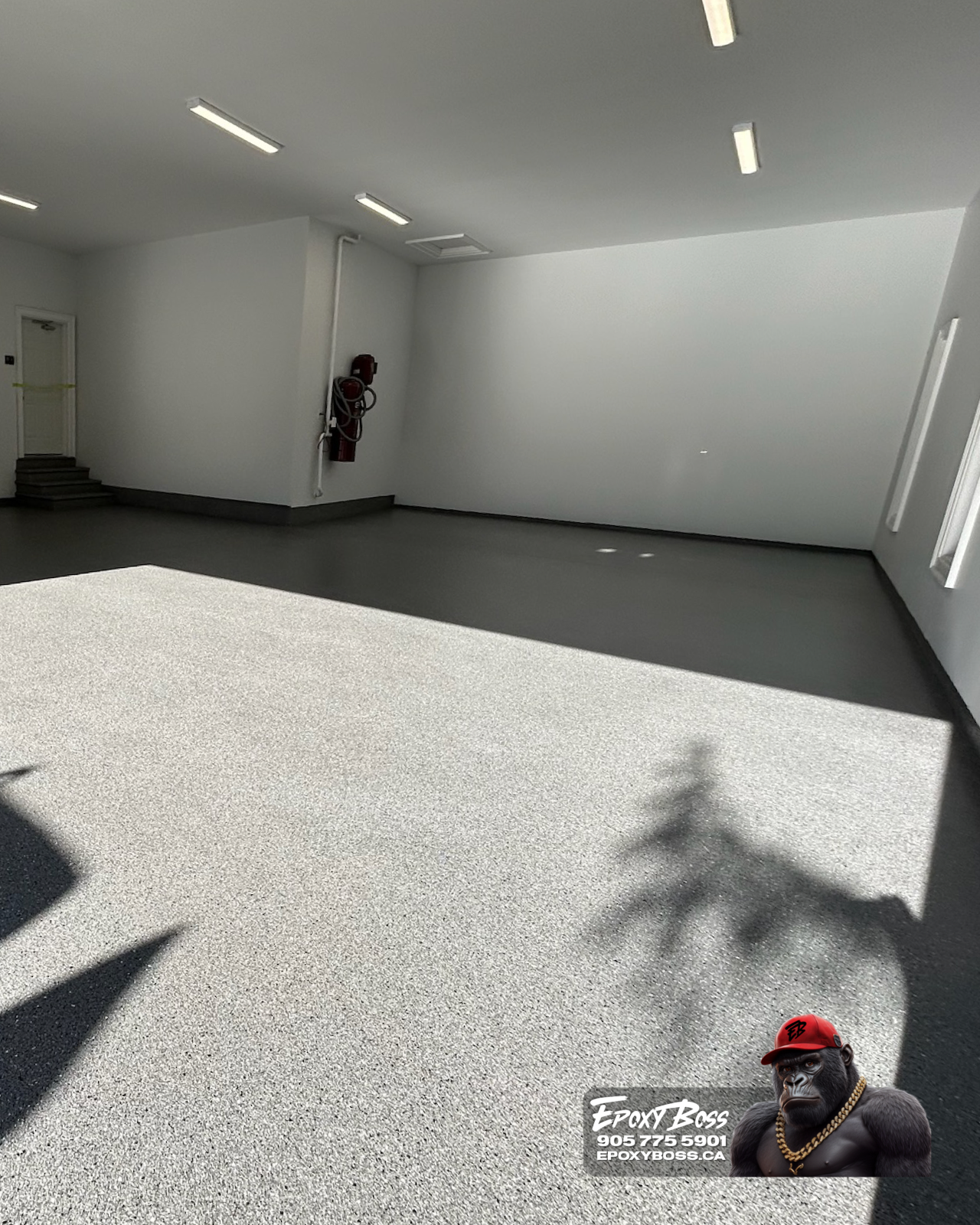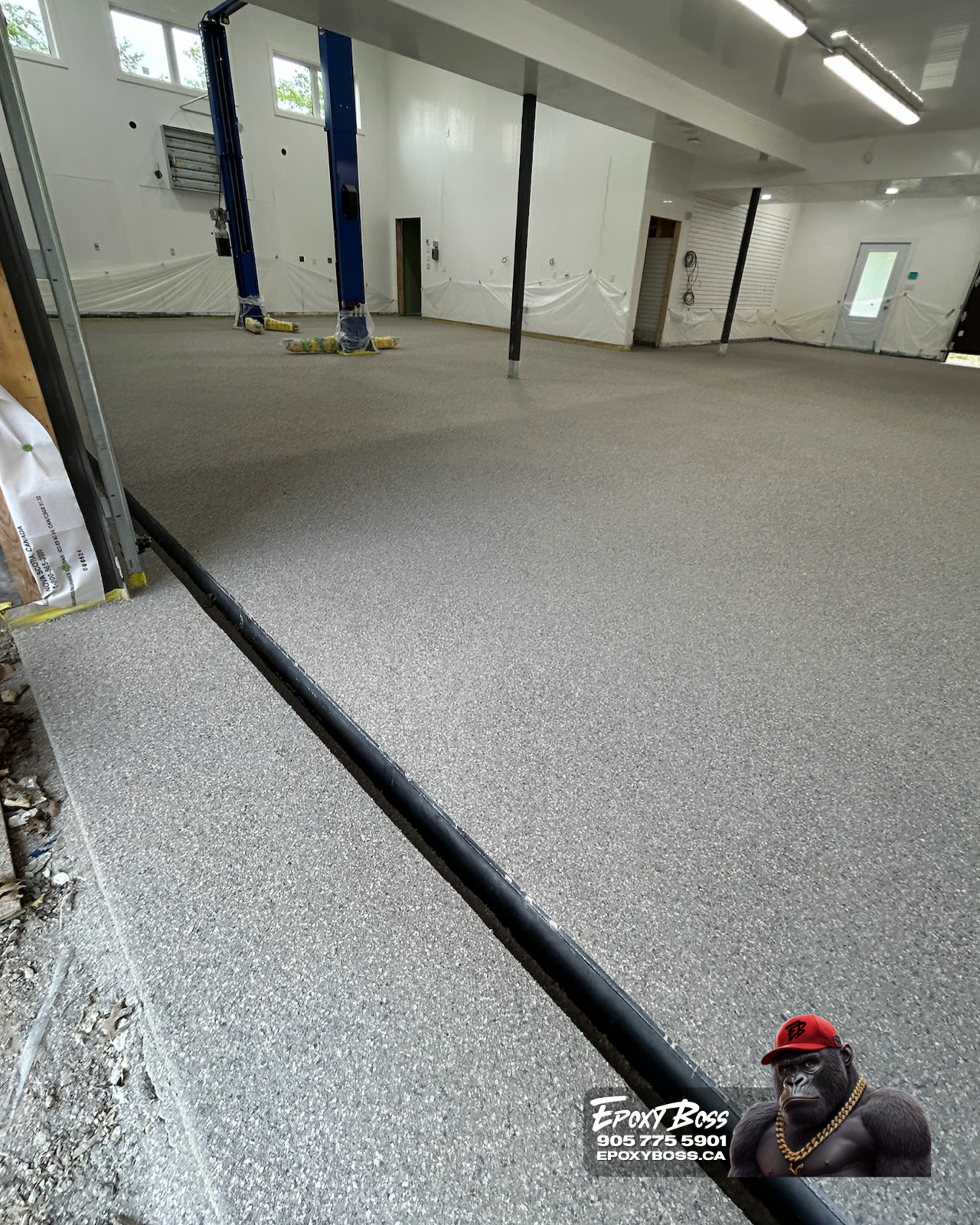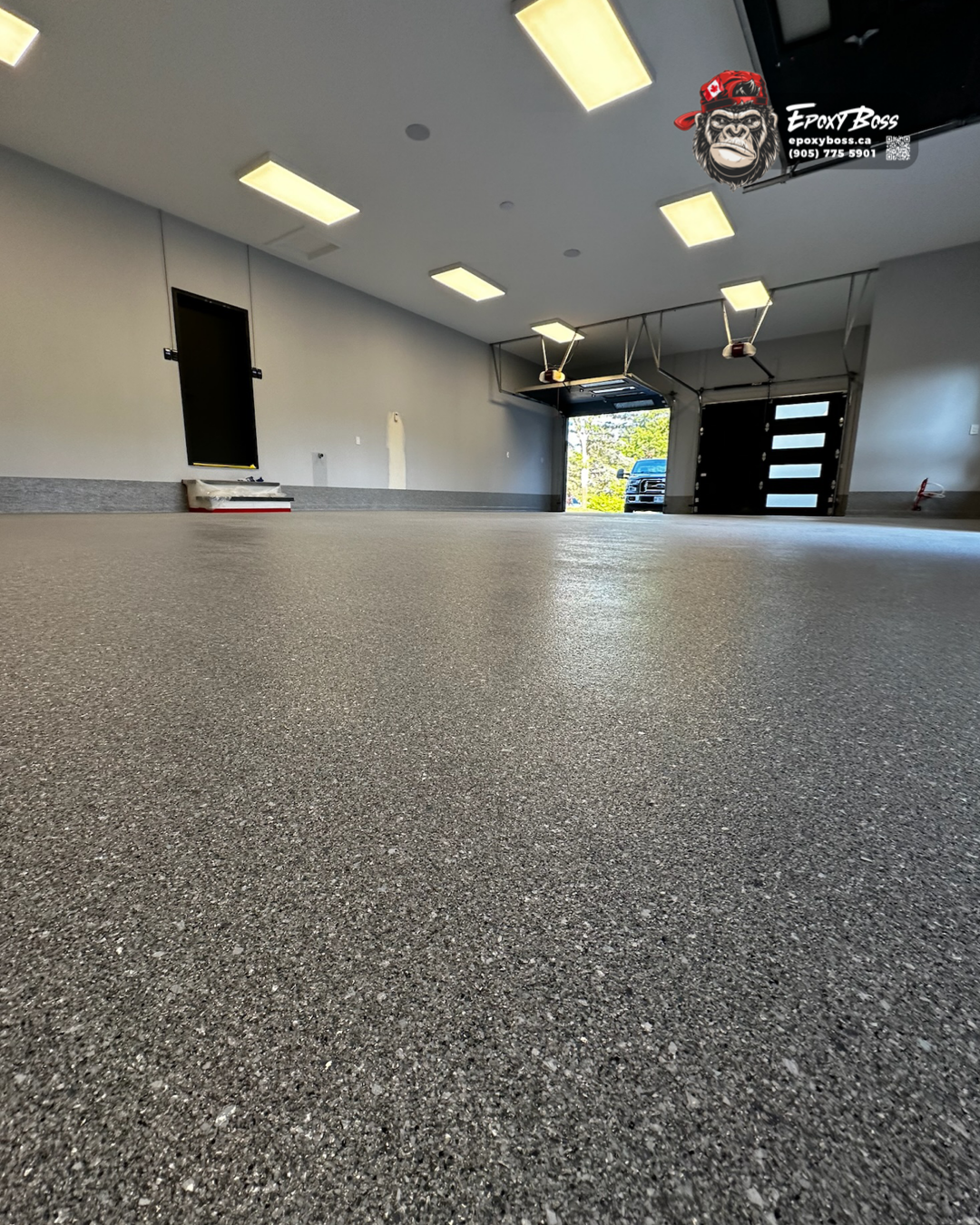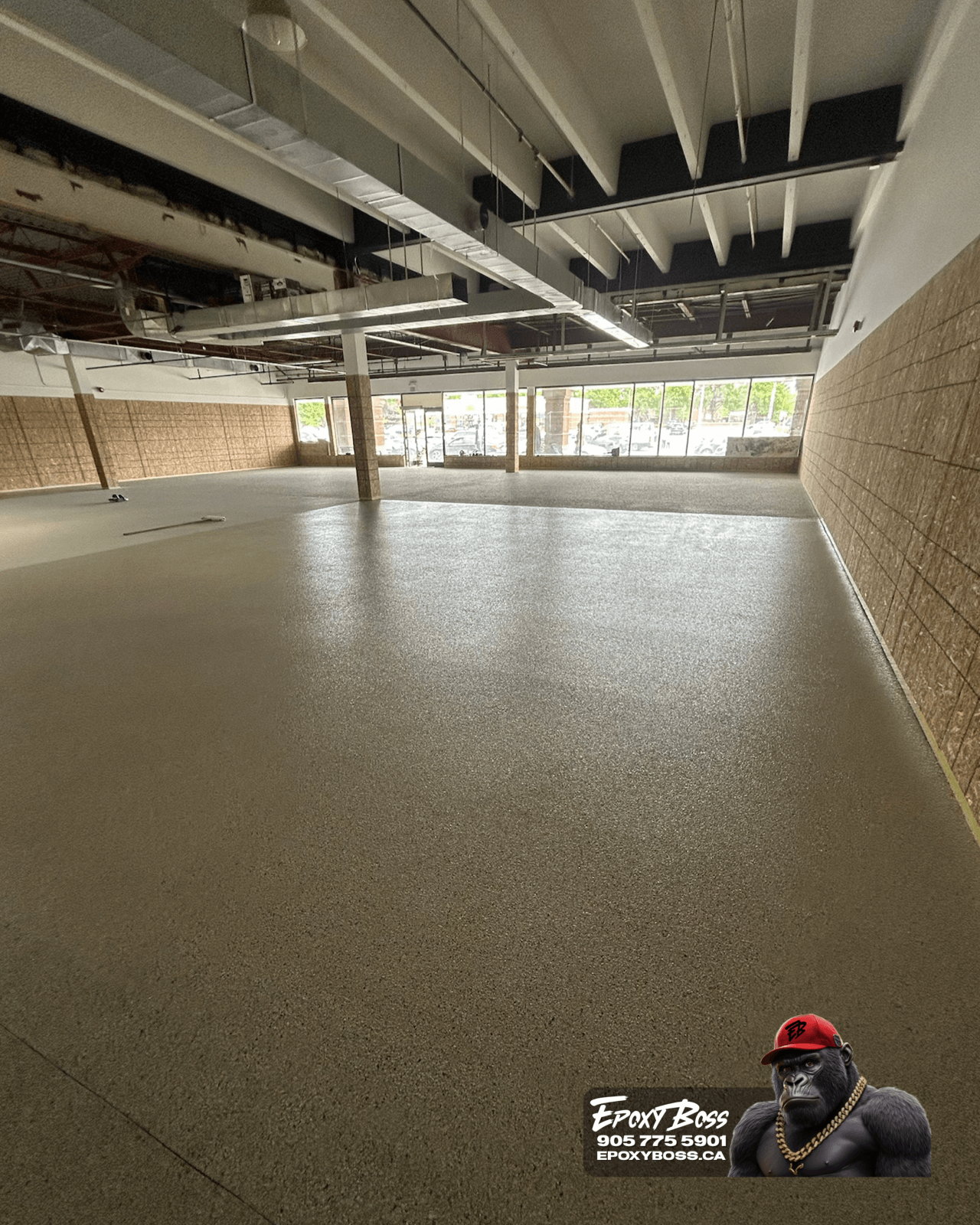
In most warehouses and plants, the floor does not fail in the middle of the aisle. It fails at the joints. A forklift crossing a saw-cut joint hundreds of times a day delivers a small impact to each edge every time a hard wheel drops into the gap and climbs out again. Over months, those impacts chip the edges, the gap widens, the impacts get harder, and the damage spreads.
This guide explains why joints break down under forklift and pallet-jack traffic, how to tell which joints need attention, and how joint repair fits with the coating or finish on the rest of the floor.
Why concrete floors have joints in the first place
Concrete shrinks as it cures and moves with temperature. Saw-cut control joints are placed so that the slab cracks in a straight line inside the joint, instead of randomly across the floor. Construction joints mark where one pour ended and the next began. Some joints are designed to keep moving for the life of the building; others become largely dormant after the slab has finished shrinking.
That difference matters, because a joint that is still moving needs a different treatment from one that has stabilised.
How forklift traffic damages joints
Hard polyurethane and steel wheels on forklifts, pallet jacks and order pickers do not absorb much of the shock when they cross an open joint. The joint edge — the arris — takes the hit. Once a small chip appears:
- the wheel drops further into the gap on the next pass;
- the impact on both edges increases;
- spalling spreads along the joint and into the surrounding slab;
- the joint becomes a trip point for staff and a source of shock loading for equipment, loads and operators.
Unfilled joints also collect debris, which is ground into the edges by traffic and can make the damage worse.
Signs a joint needs attention
- chipped or rounded edges along the joint line;
- loose pieces of concrete in or beside the joint;
- noticeable bump or noise as equipment crosses;
- old filler that has cracked, sunk, pulled away from the sides or disappeared;
- one side of the joint sitting higher than the other.
A joint where the slabs on either side have moved vertically relative to each other may point to a structural or subgrade issue. That is a question for an engineer before any cosmetic repair is planned.
How damaged joints are repaired
A typical repair sequence for a trafficked joint is:
- Assess the joint. Determine whether it is still moving, whether the damage is limited to the edges, and whether the slab sections are level with each other.
- Cut back damaged edges. Loose and weakened concrete is removed back to sound material so the repair has something solid to bond to.
- Rebuild the edges. A repair material suited to wheel traffic is used to reform the arris.
- Fill the joint. For dormant joints under wheel traffic, a semi-rigid filler supports the edges so wheels roll across rather than dropping in. Joints that must keep moving need a filler or detail designed to accommodate that movement, and may need periodic maintenance.
- Finish flush. The filled joint is ground or shaved flush with the floor so traffic crosses smoothly.
Our joint filling and crack repair pages explain how this is scoped on a project.
Joints and coatings: why order matters
A coating applied over broken or open joints usually fails along the same lines. The coating cracks where the joint moves or where the edges continue to break up, and wheel traffic then attacks the edges of the coating itself.
That is why joint repair is done before industrial epoxy flooring, heavy-duty industrial flooring or a grind and seal finish. How the coating is detailed at each joint — carried over a dormant joint, or stopped and re-cut at a moving joint — is decided during the assessment, not on the day of installation.
Cracks between joints
Random cracks across a slab behave in a similar way to joints under traffic. Fine, stable cracks can often be repaired and coated over. Cracks that are widening, uneven across the break or associated with settlement need a different conversation. As a flooring contractor, we will tell you when a crack looks like more than a surface issue and an engineer's opinion is the right next step.
Planning joint work in an operating facility
Joint repair can usually be phased so aisles and docks stay in use. Each section is closed, cut back, rebuilt and filled, then returned once the materials have reached the cure stated for forklift traffic. For larger repairs combined with a new floor finish, the work is sequenced with the coating so each area is only closed once. Where downtime is the main constraint, ask about fast return-to-service systems.
Maintenance after repair
- walk the main forklift routes regularly and note any new chipping or filler separation;
- keep joints clear of debris;
- address small failures early, before the edges start breaking again;
- review wheel types and condition — damaged wheels accelerate joint wear.
Next step
If your joints are breaking up, the floor finish is not the first decision — the joints are. See how we approach warehouse and logistics floors and manufacturing floors, compare floor systems in our warehouse floor options guide, or request an on-site assessment so the joints, cracks and traffic routes can be reviewed before a repair and coating plan is recommended.