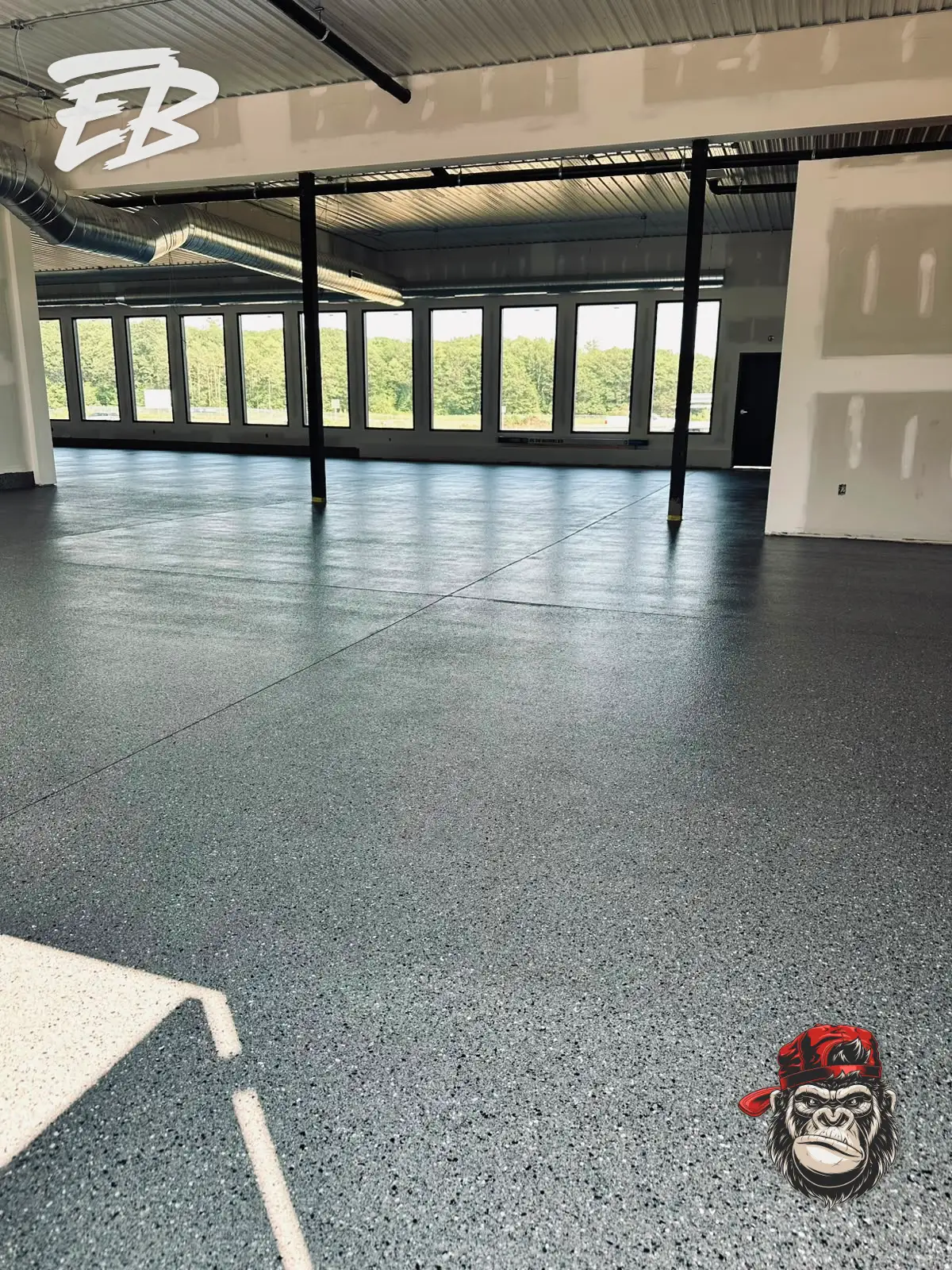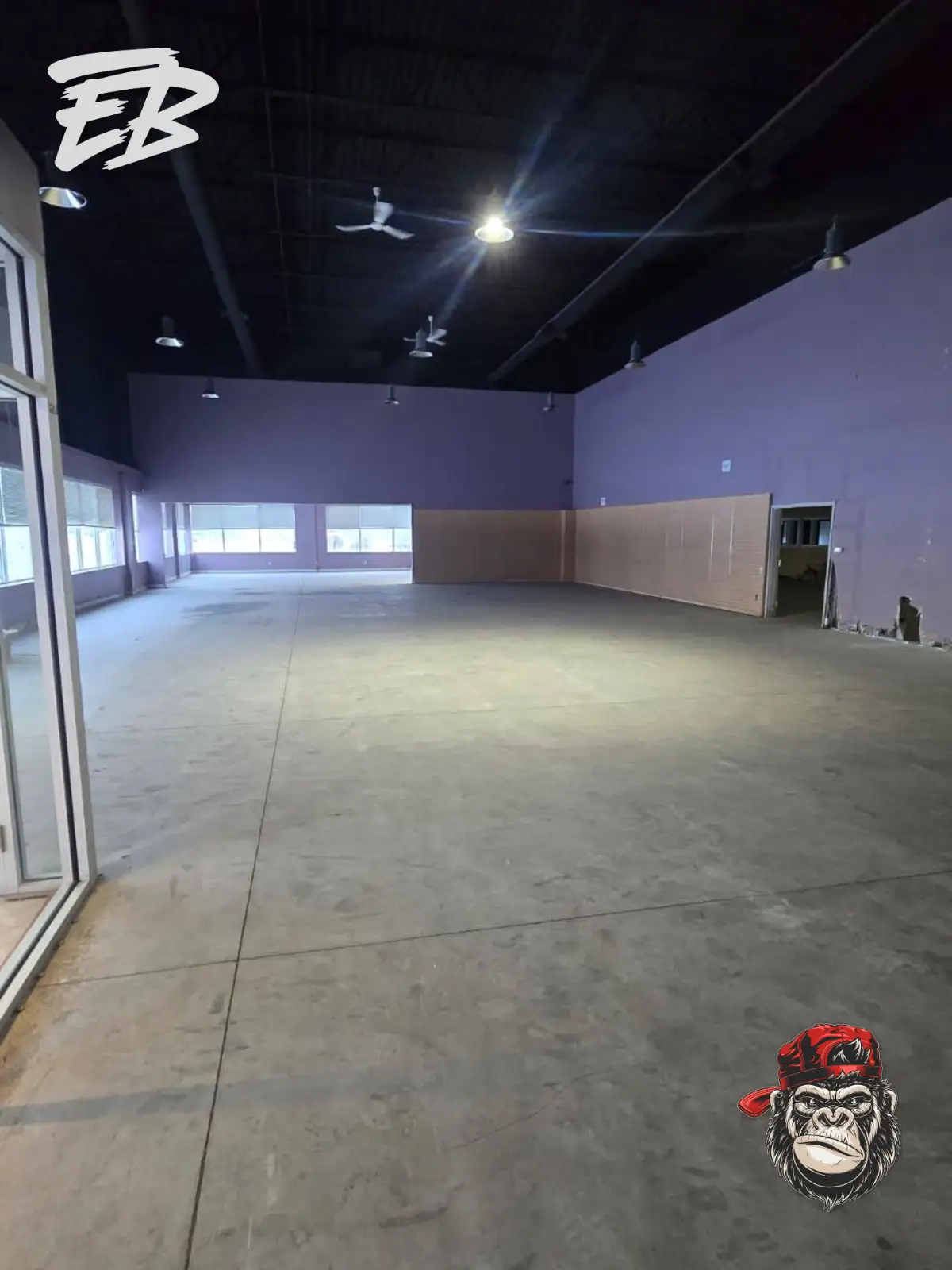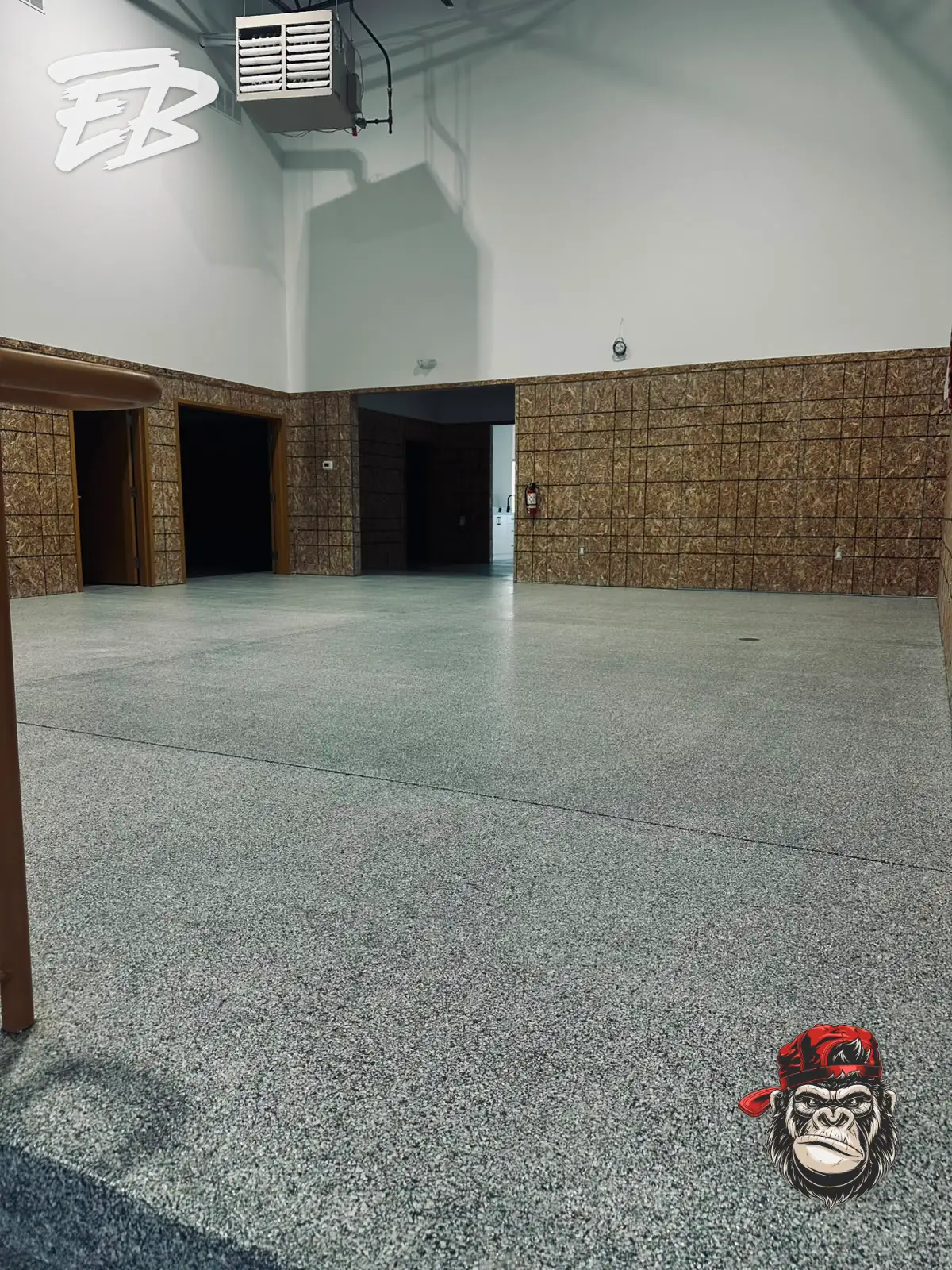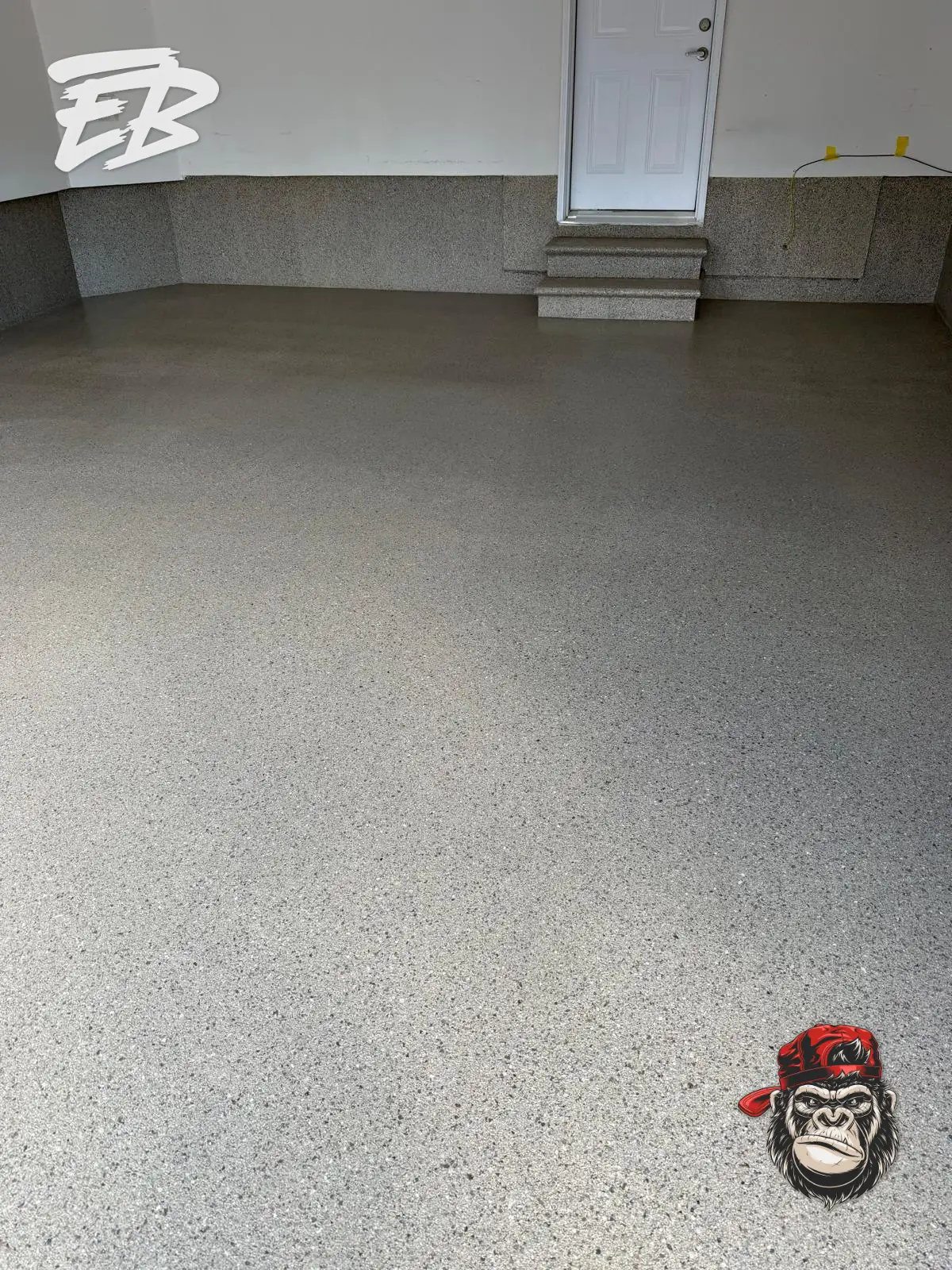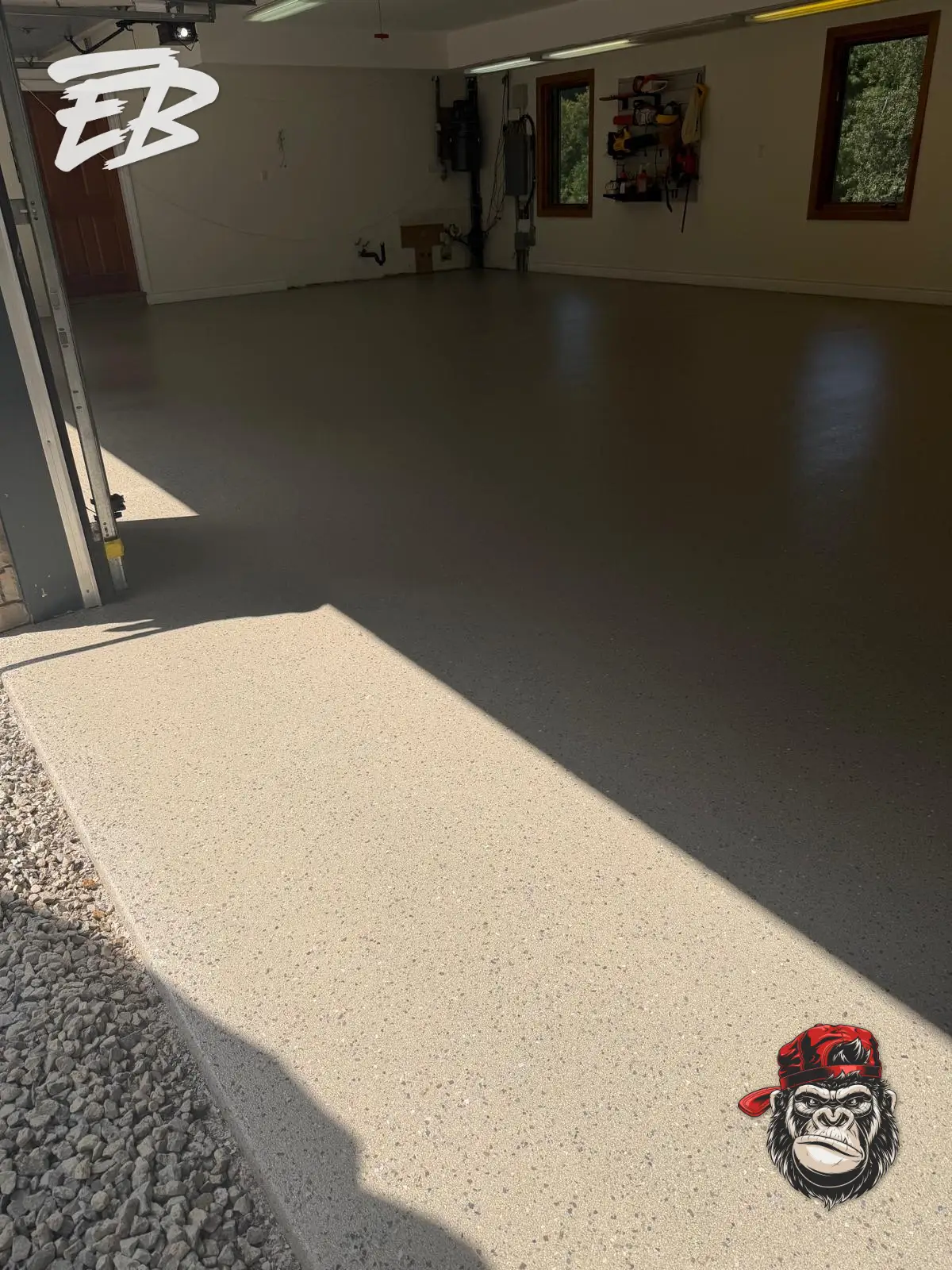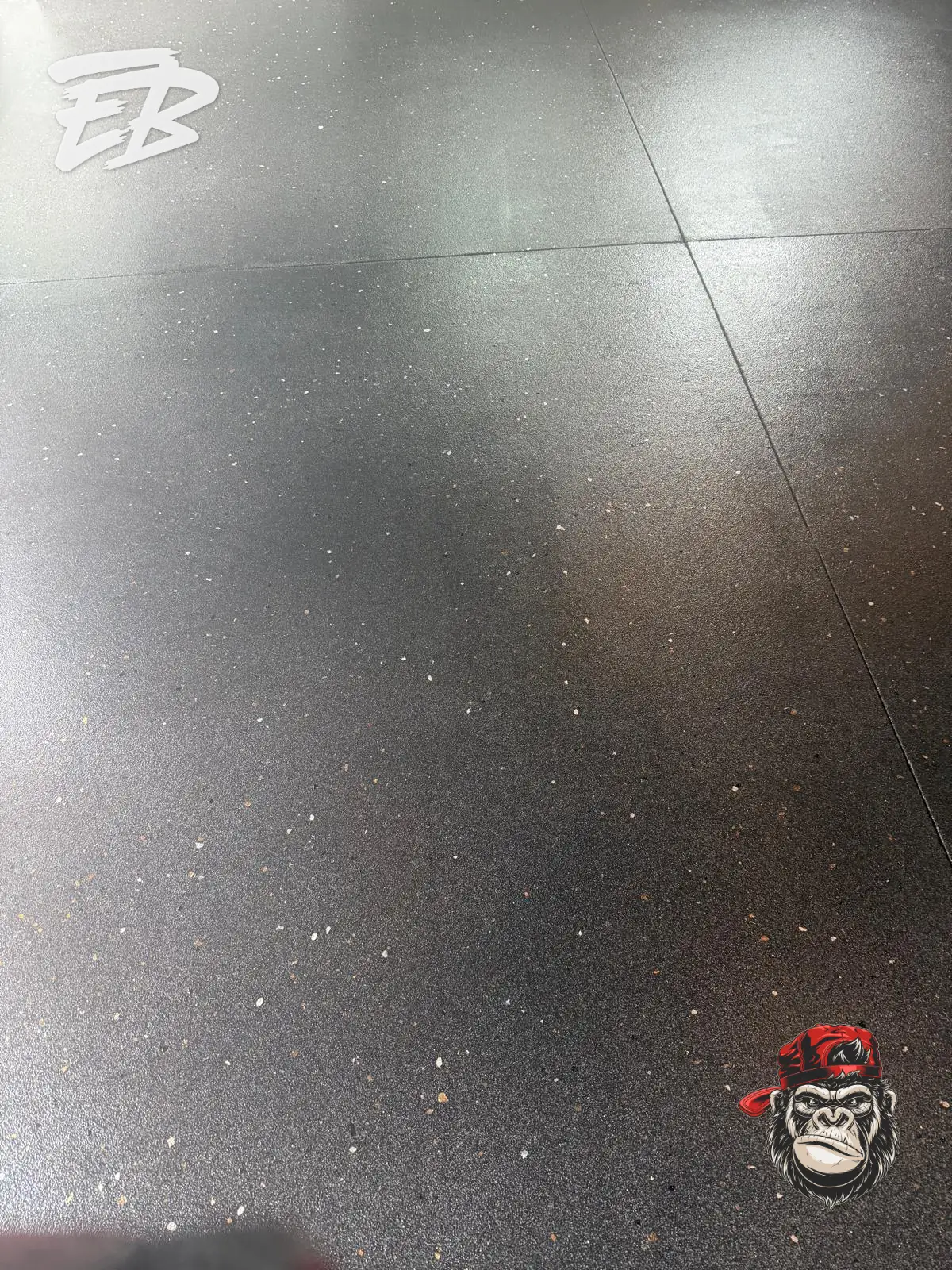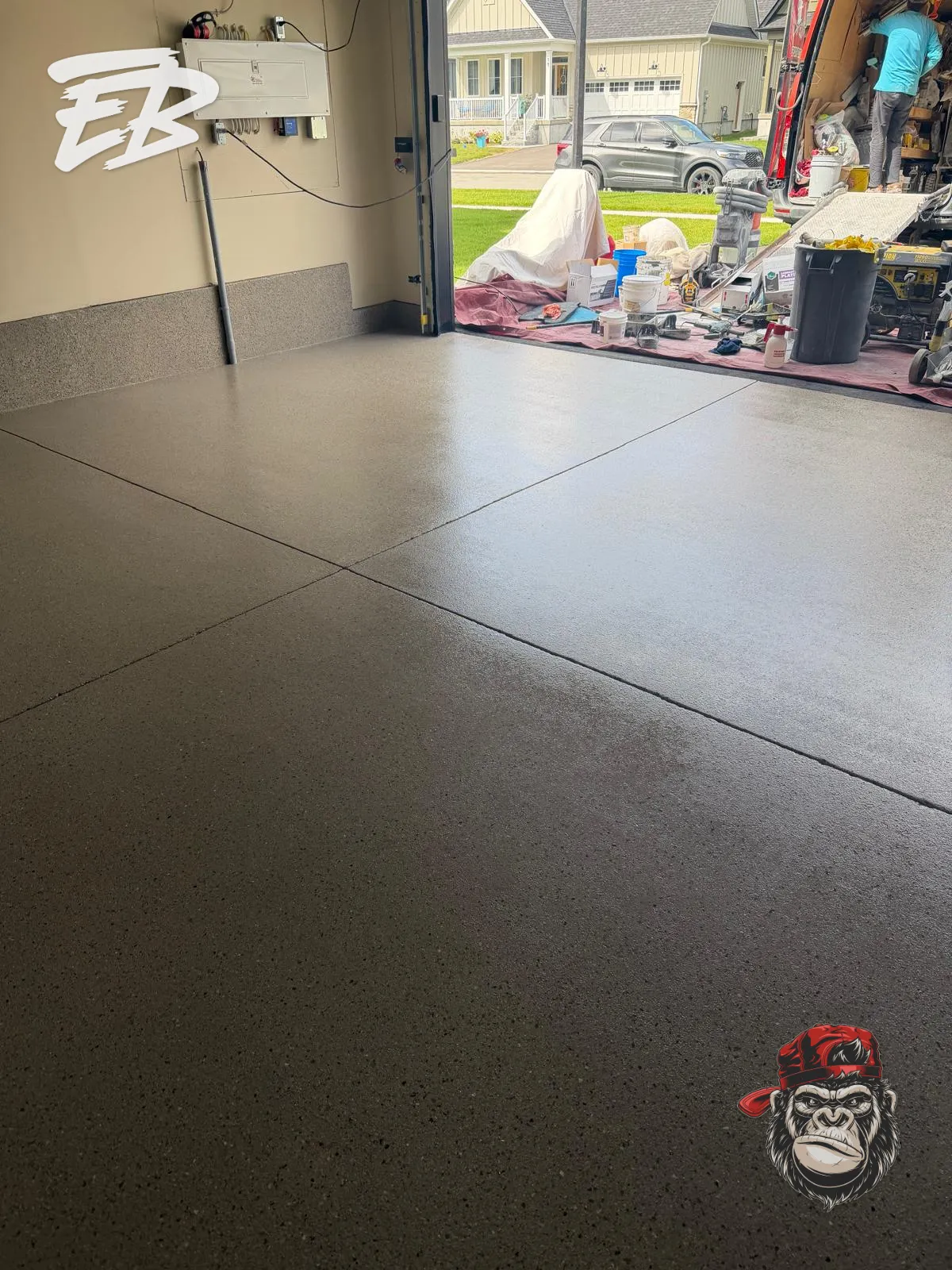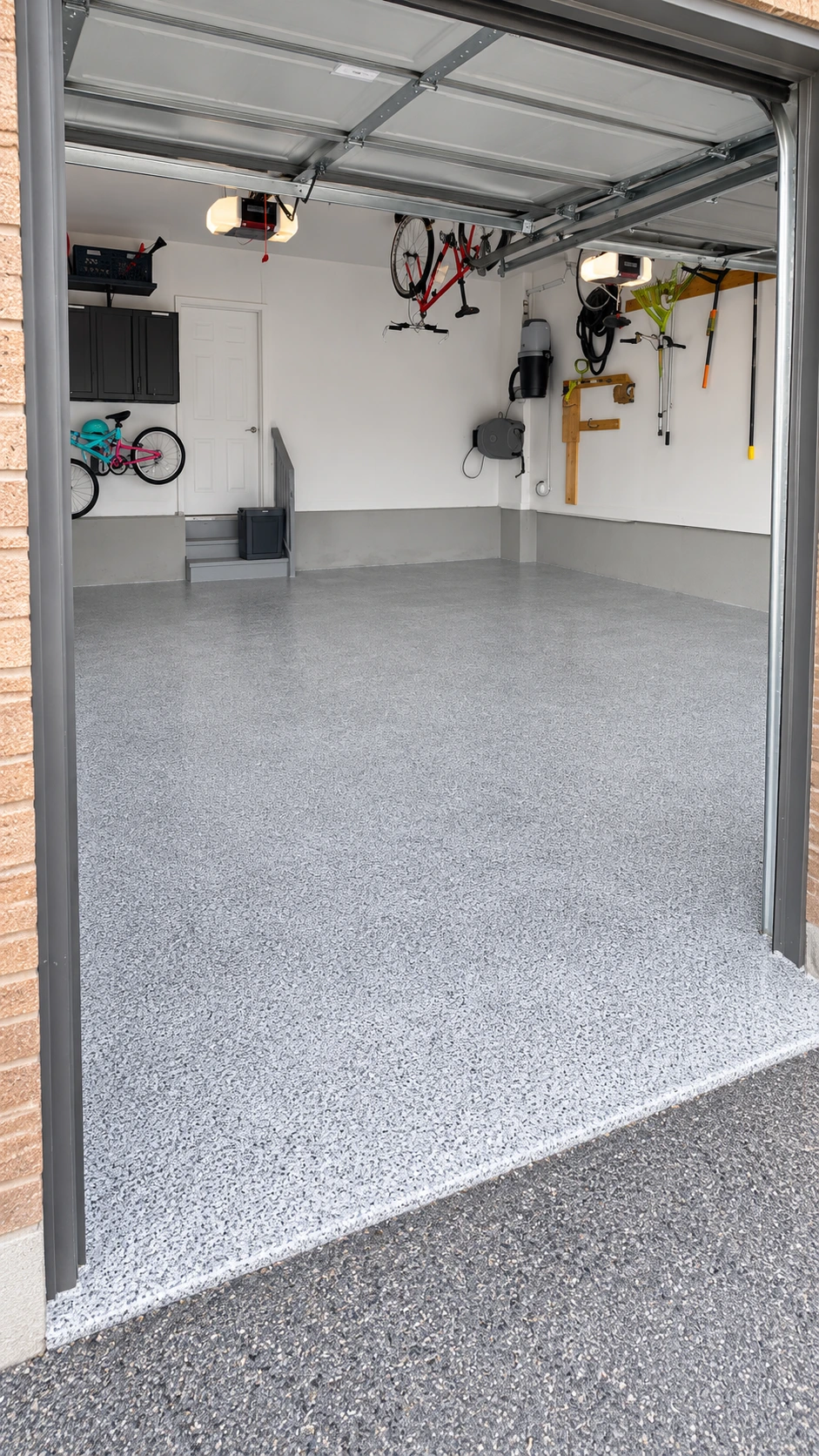
A new epoxy garage floor can make a home feel more finished, organized, and easier to maintain. But the quality of the final floor is decided long before the colour flakes or clear topcoat are applied.
For Vaughan homeowners, choosing a residential epoxy flooring contractor should involve more than comparing photos, colours, or the lowest quoted price. The important questions are about the concrete: how it will be prepared, how cracks and damaged areas will be treated, what materials are being used, and whether the system is suitable for a garage exposed to vehicles, wet tires, road salt, and Ontario weather.
A strong contractor should be able to explain the work clearly. You should know what is being removed, what is being repaired, how the floor will be prepared, what coating layers are included, and what happens if the existing concrete has a condition that was not visible at the first visit.
Start with the Concrete, Not the Colour
A residential epoxy floor is only as dependable as the concrete beneath it. Even a garage that looks clean can have weak surface paste, old paint, hidden contamination, minor moisture concerns, poorly repaired cracks, or a previous coating that is starting to lose bond.
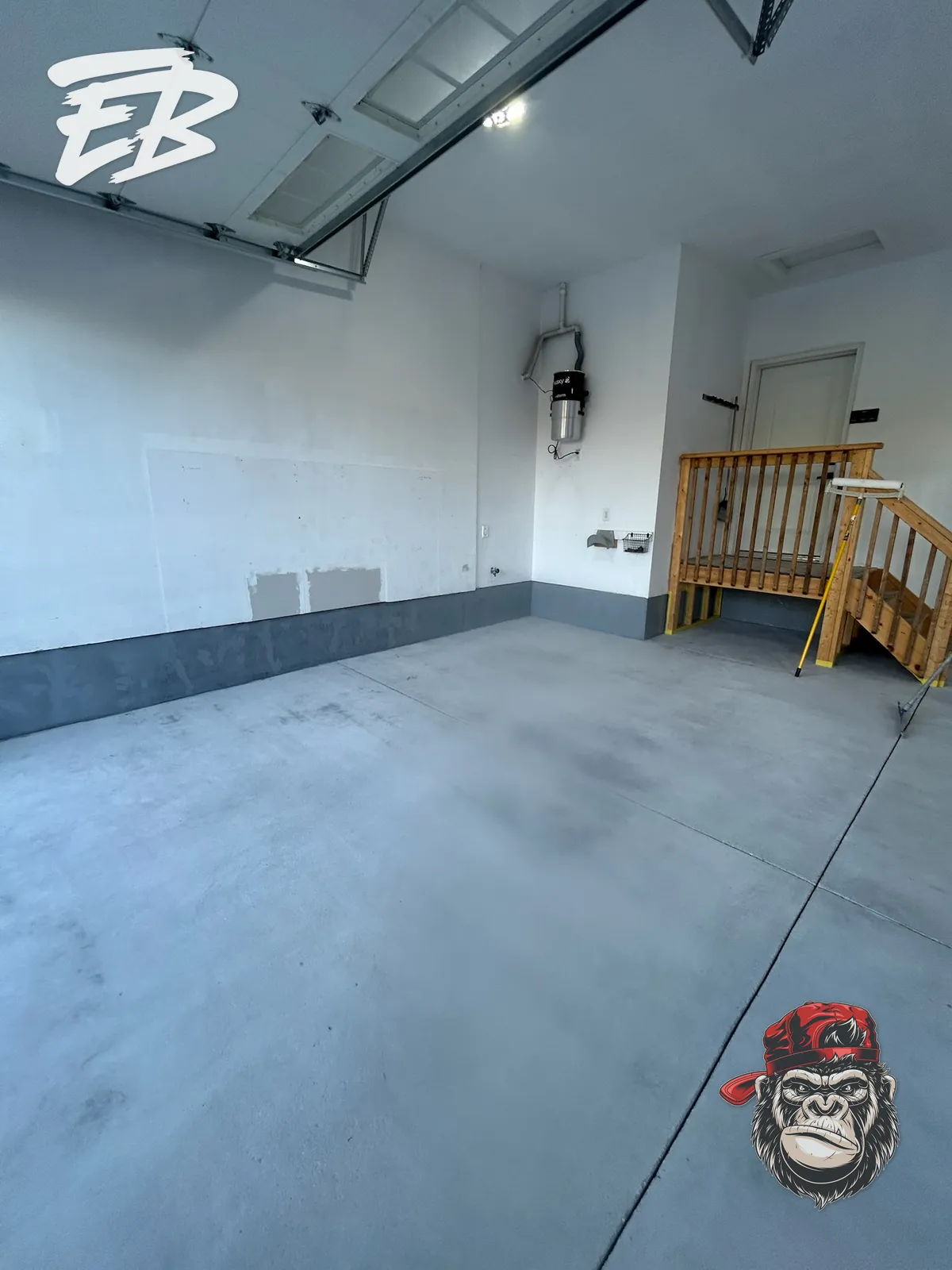
Before choosing a contractor, ask how they assess the existing slab. A proper review should include visible cracks, chipped edges, pitting, tire paths, prior paint or epoxy, garage-entry wear, stains, and any areas where the concrete feels soft or dusty.
The answer should not be a generic promise that “epoxy sticks to anything.” Concrete needs the right profile, cleanliness, and soundness before a resinous coating system can bond properly.
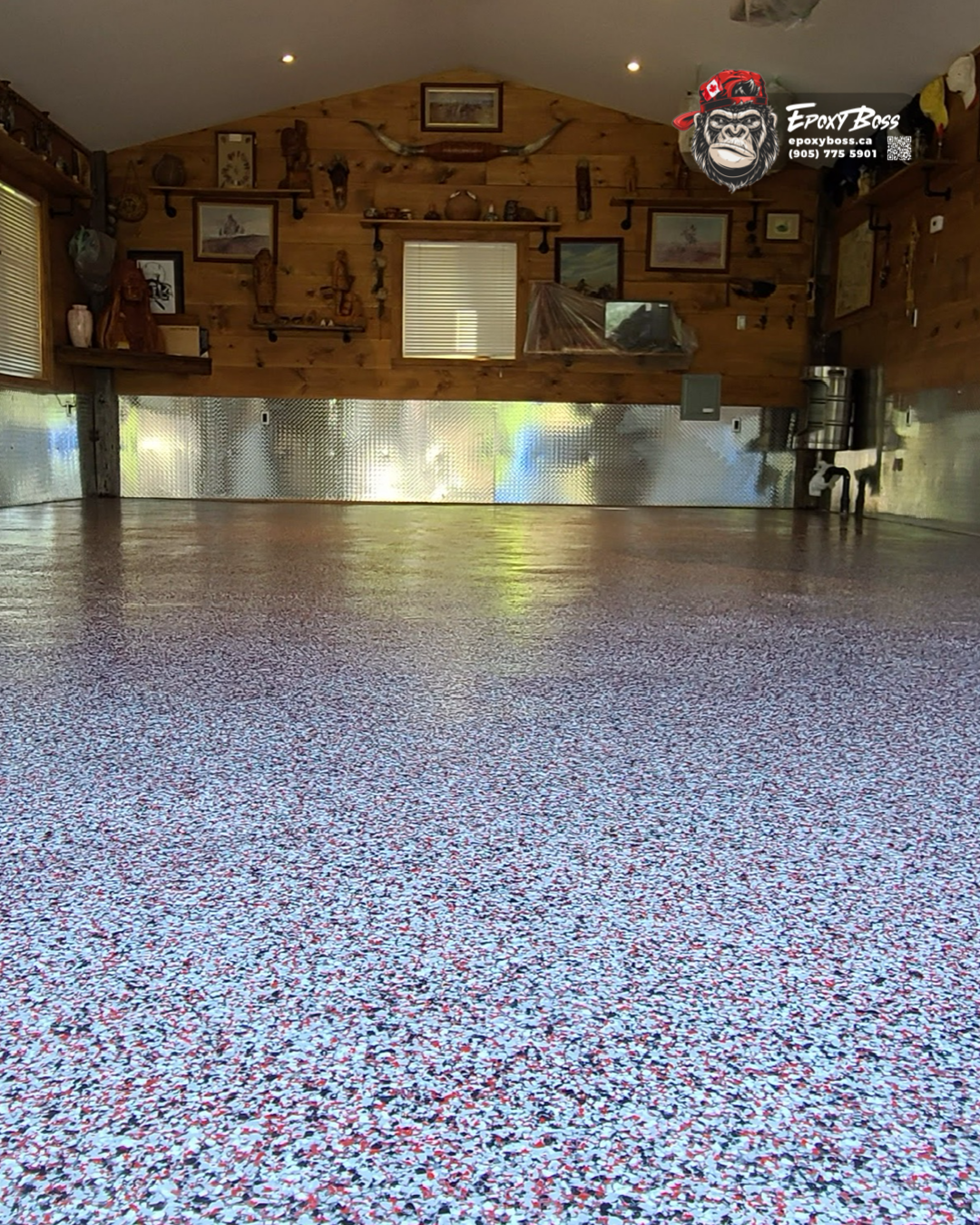
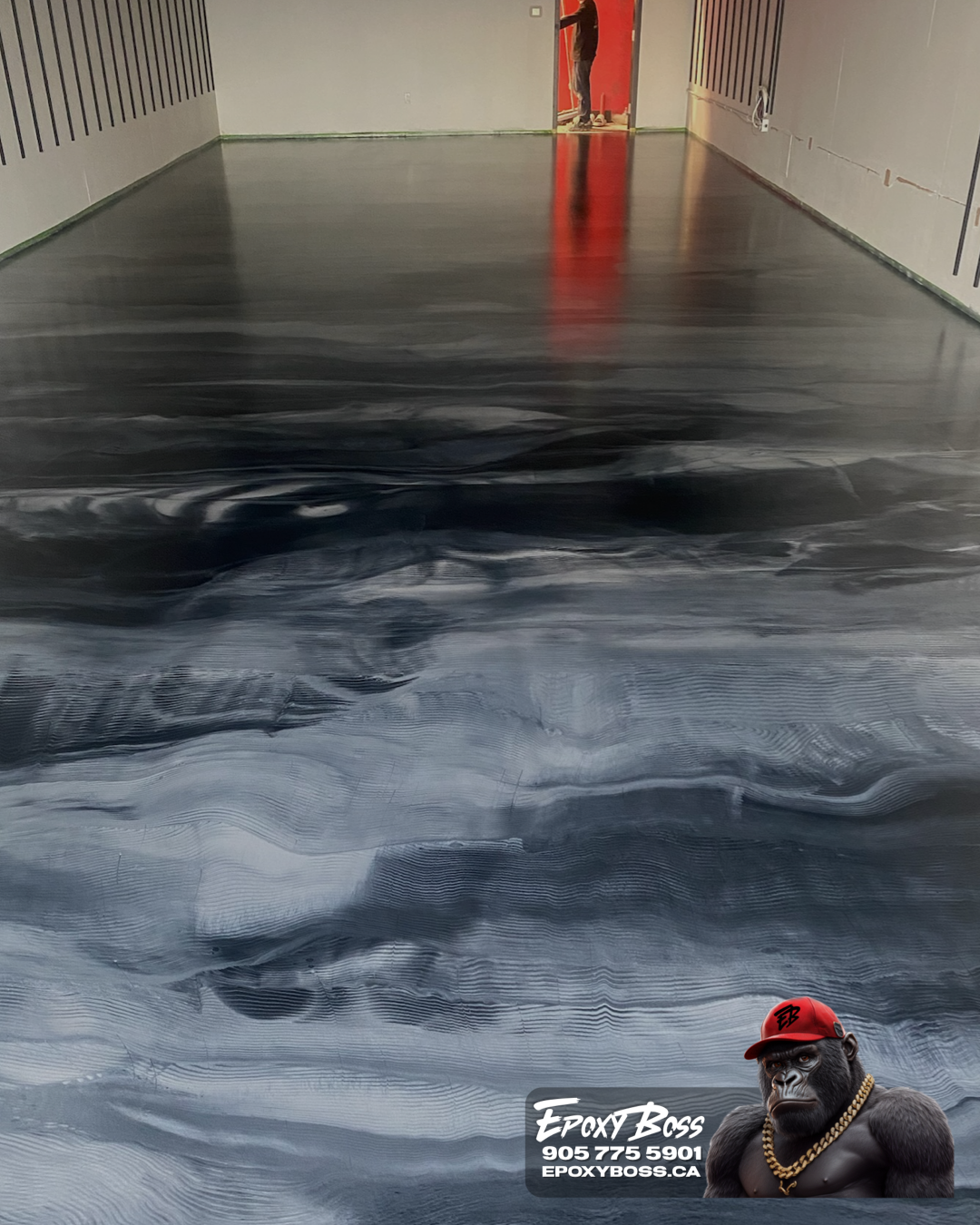
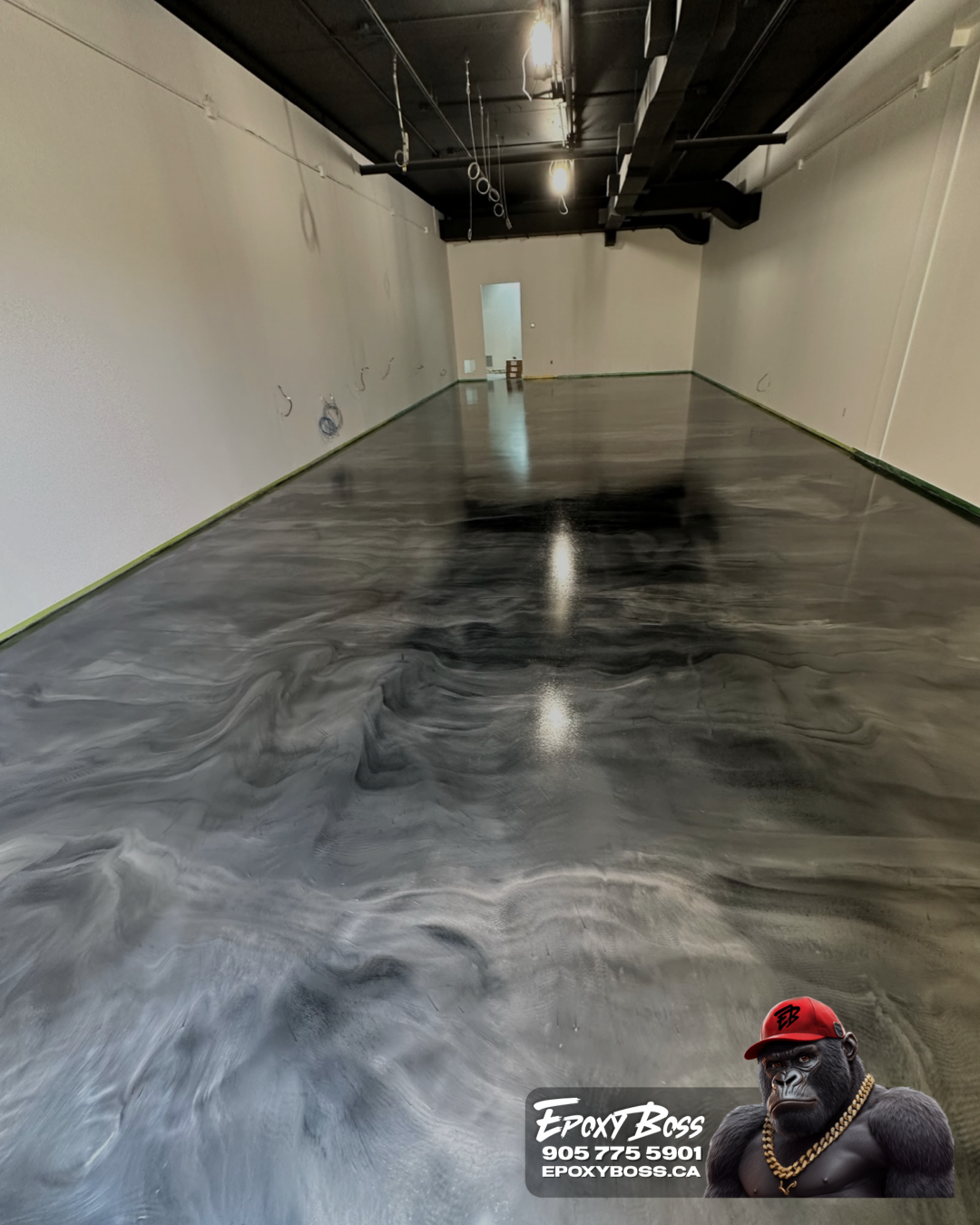
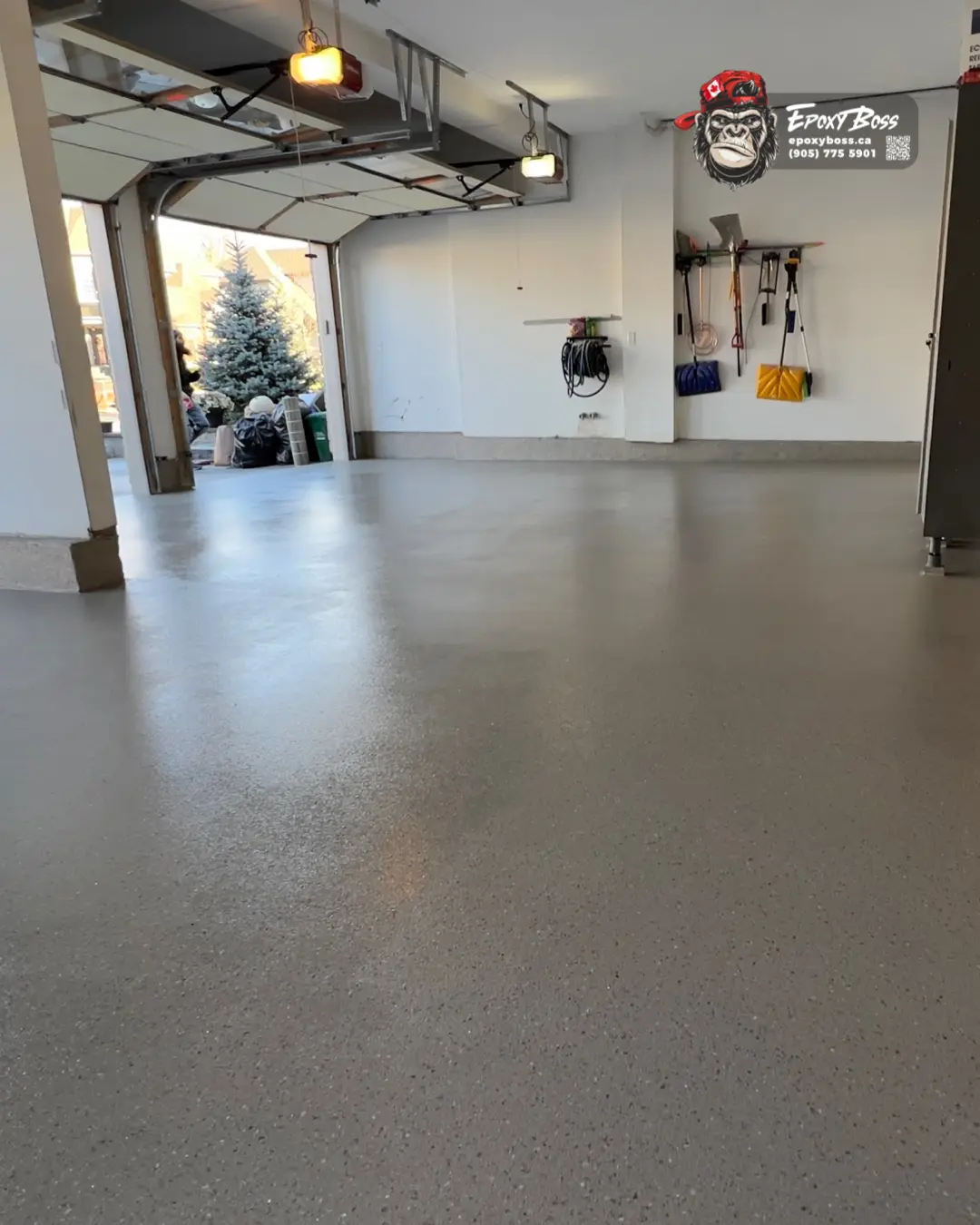
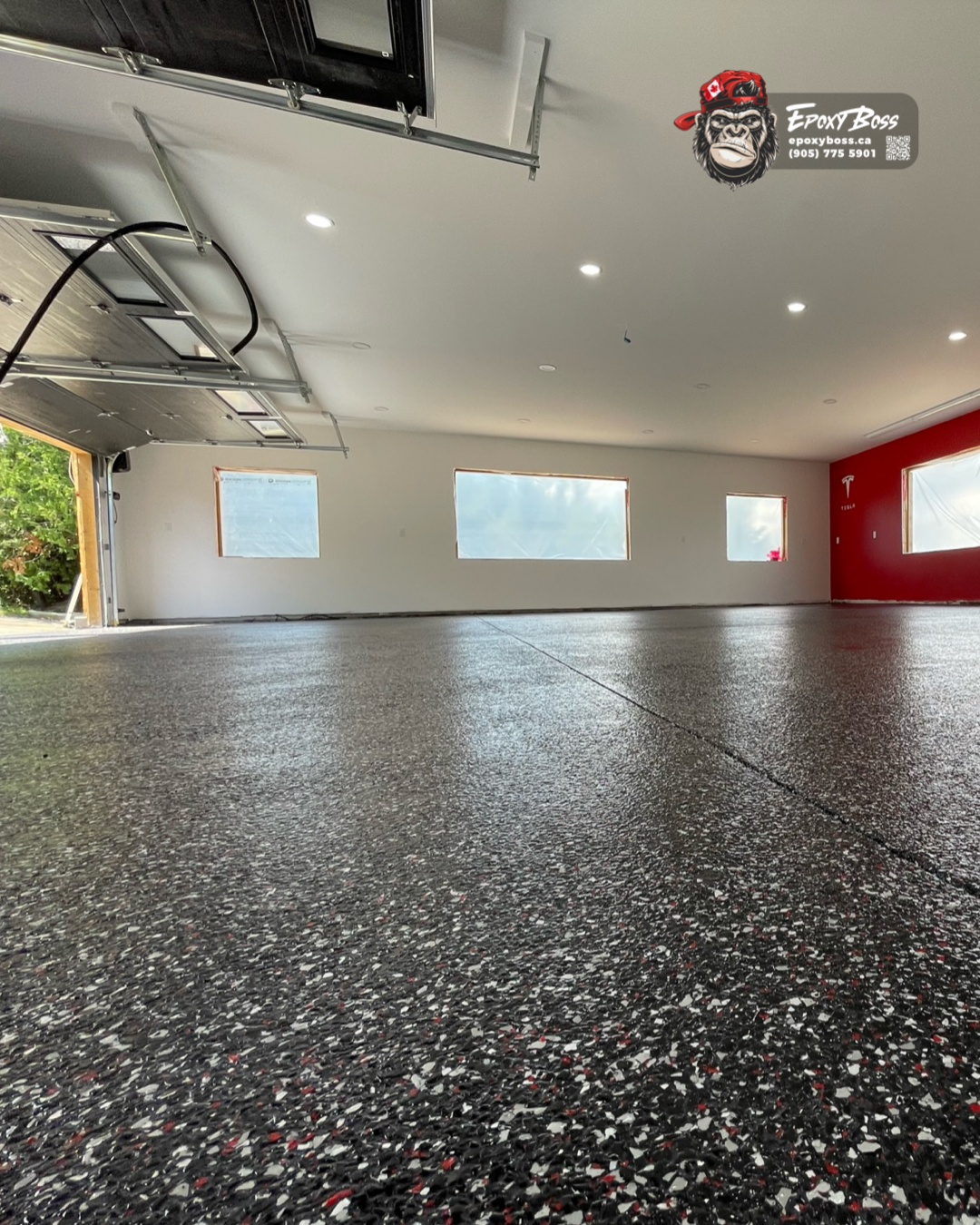
For a residential project, the recommended finish may be a full-broadcast flake floor, solid-colour epoxy, metallic epoxy, or another protective system. But the final appearance should come after the contractor understands the concrete condition.
Ask How the Floor Will Be Prepared
Surface preparation is one of the most important details in an epoxy flooring project. If it is skipped, rushed, or handled only with light cleaning, the coating may peel or delaminate later—even if the finish looked excellent on installation day.
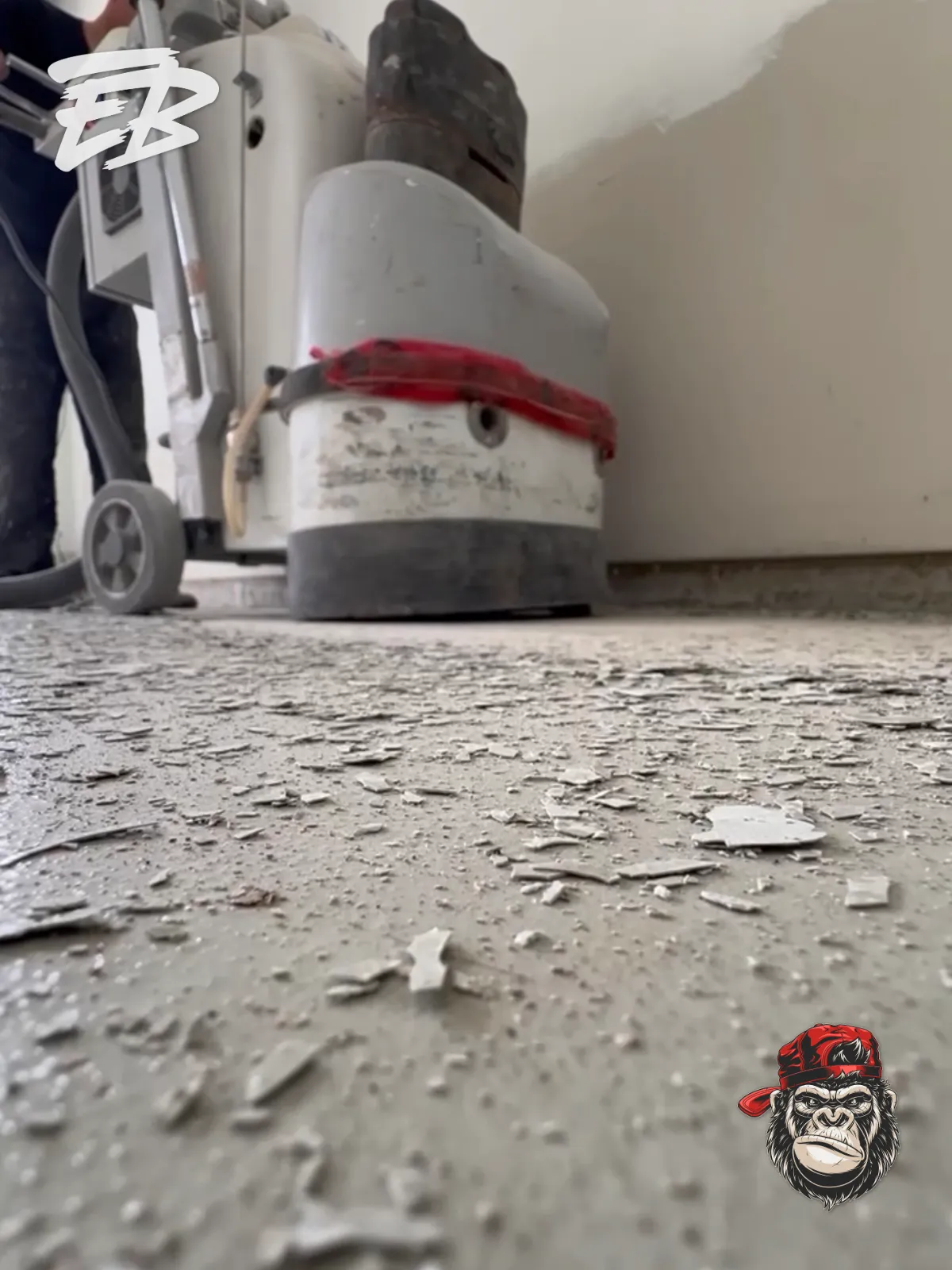
For most garage floor coating projects, professional diamond grinding is used to mechanically prepare the concrete. Grinding removes weak surface material, opens the concrete profile, removes many surface contaminants, and gives the base coat something to bond to.
Ask the contractor what preparation method is included in the quote. If the answer is only pressure washing, acid etching, or “cleaning the floor,” ask for more detail. Those methods may have a place in limited situations, but they are not the same as mechanical surface preparation for a professional resinous flooring system.
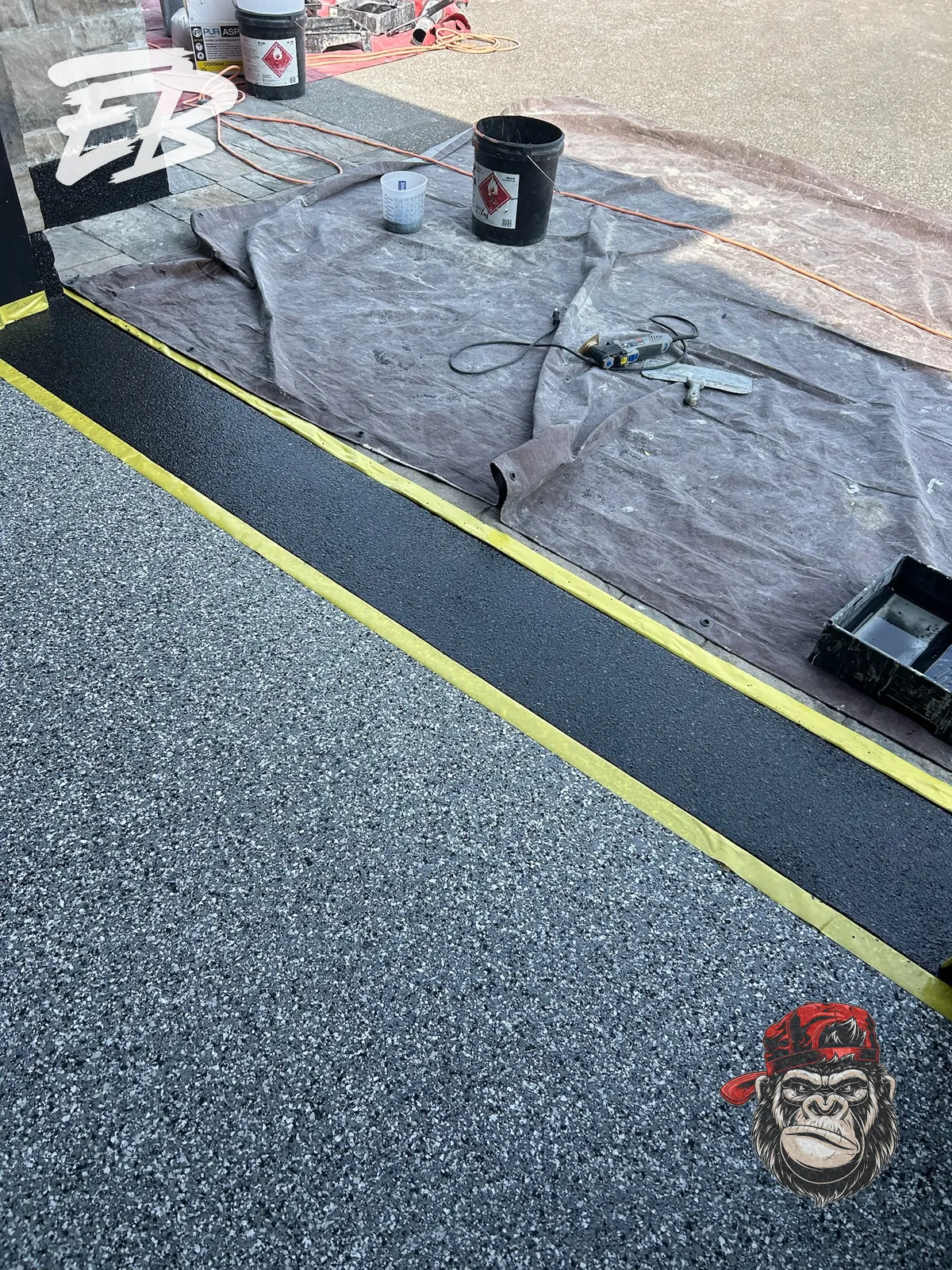
Preparation should also extend beyond the main open floor area. Garage-entry edges, perimeter sections, corners, cracks, and repaired spots need the same attention. These are often the places where poor preparation becomes visible first.
Understand How Cracks, Joints, and Damage Will Be Handled
Most residential garage floors have at least a few cracks, saw cuts, joints, chips, or small areas of surface deterioration. A contractor should not treat every one of these conditions the same way.
A stable concrete crack can often be prepared, filled, and incorporated into the new floor system. Chipped areas and pitting may require repair materials before coating. A worn garage-entry edge may need rebuilding so that the new finish does not end on loose or fragile concrete.
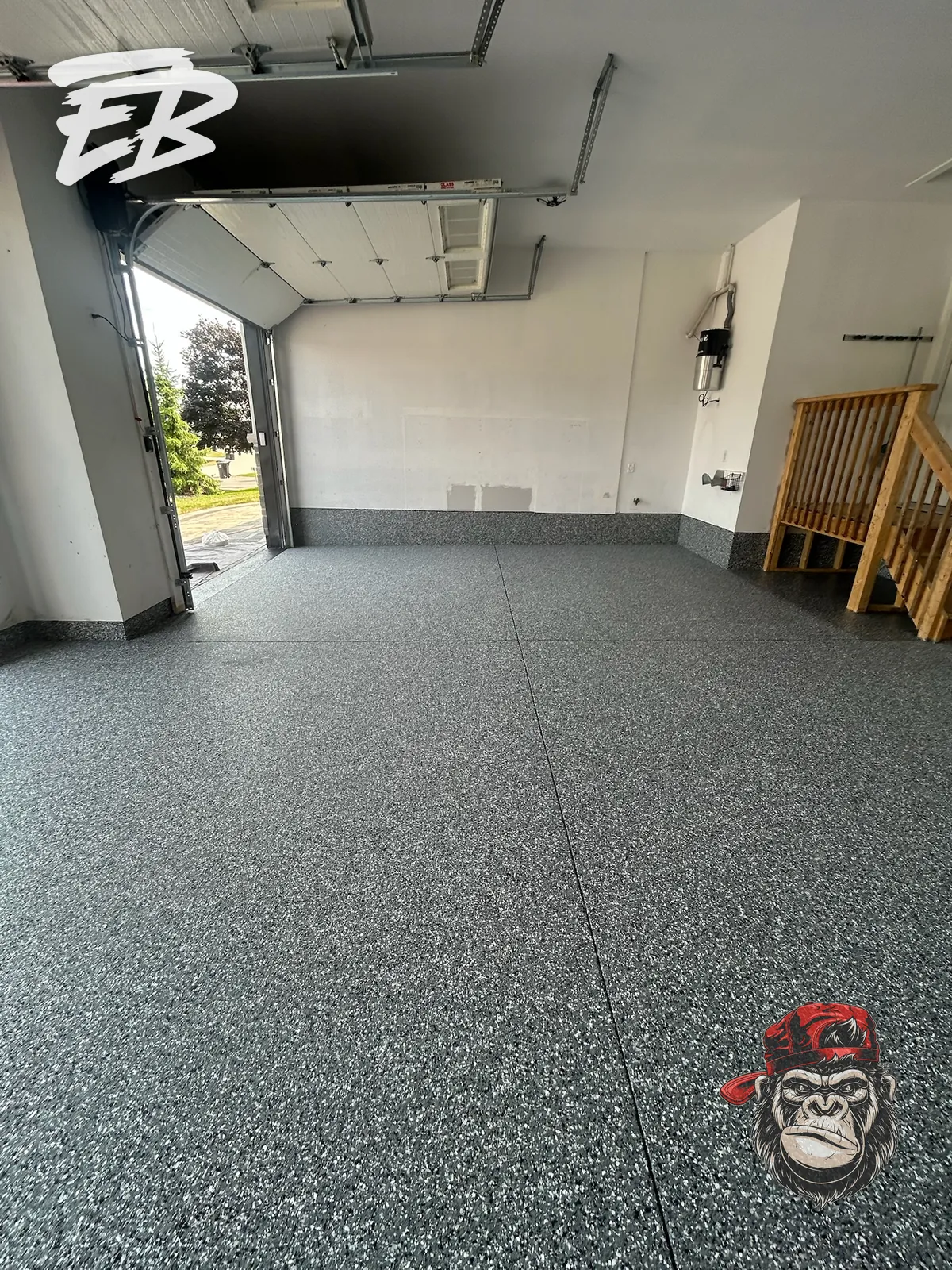
Joints and moving cracks require more care. A control joint or expansion joint can move as the slab changes with temperature, settlement, loading, and seasonal conditions. A rigid epoxy floor cannot prevent that movement. If a joint is coated continuously without the correct detail, the coating may split along the same line.
Before choosing a contractor, ask how cracks and joints will be identified and treated. The right answer should depend on the condition—not be the same repair method for every visible line in the floor.
Confirm What System You Are Actually Buying
“Epoxy floor” is often used as a general phrase, but it does not describe the full system. A residential garage floor can include a primer, moisture-tolerant layer, epoxy base coat, pigmented receiving coat, decorative broadcast, grout coat, polyaspartic layer, urethane topcoat, or other compatible components.
The contractor should be able to explain the layer sequence in plain language. You do not need a chemistry lesson, but you should understand what is going on the concrete, what creates the decorative finish, and what protects the floor after installation.
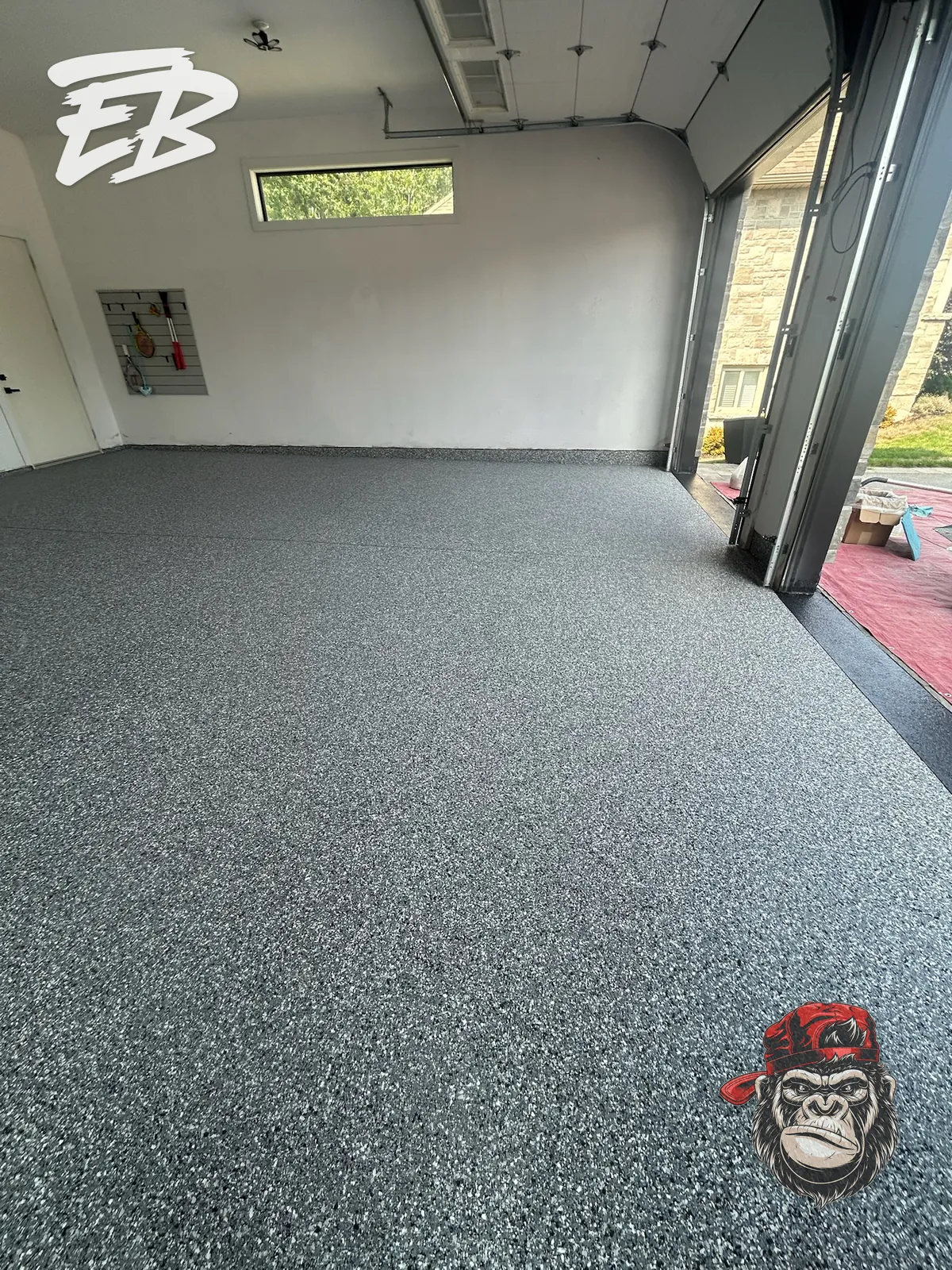
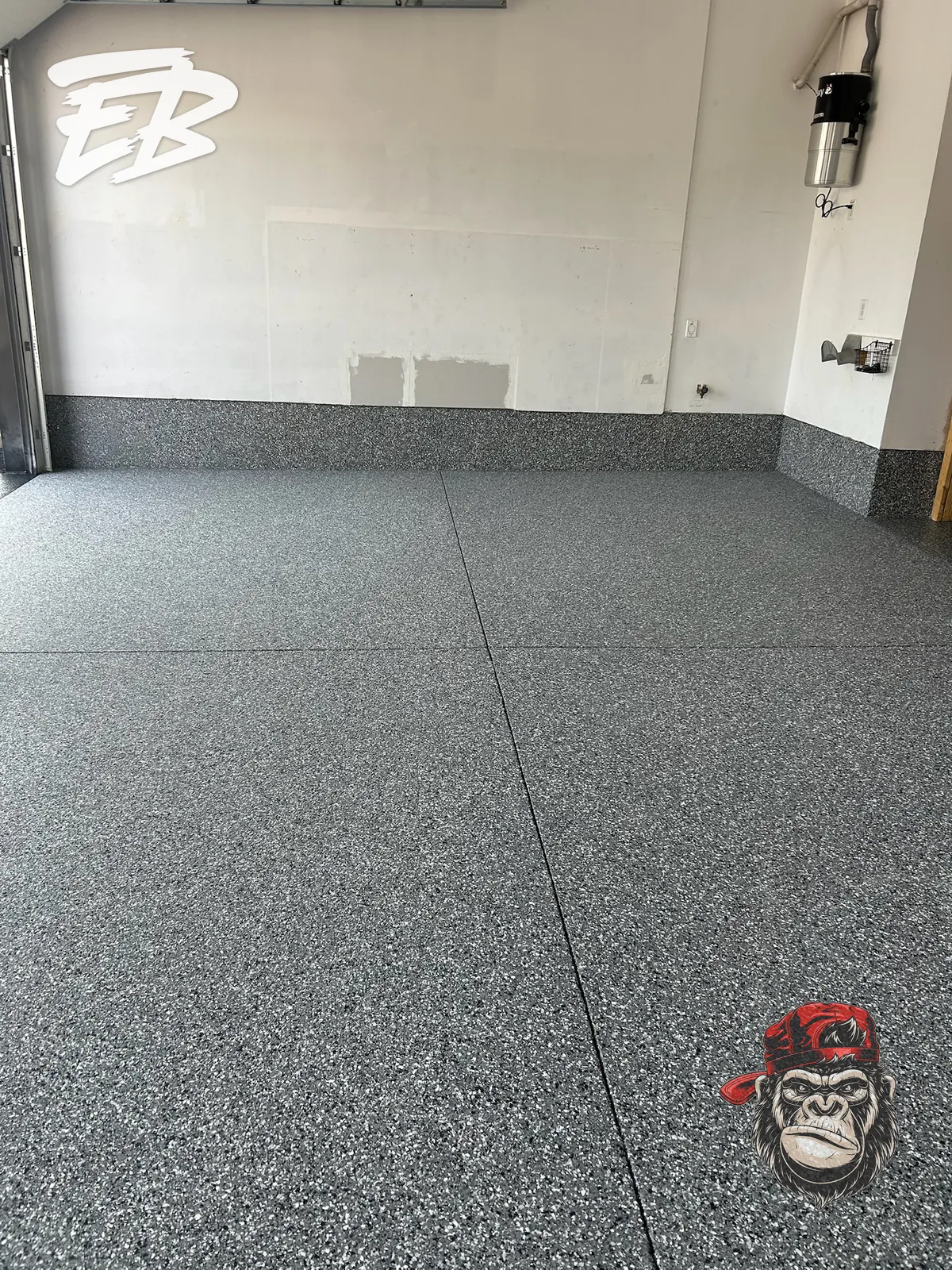
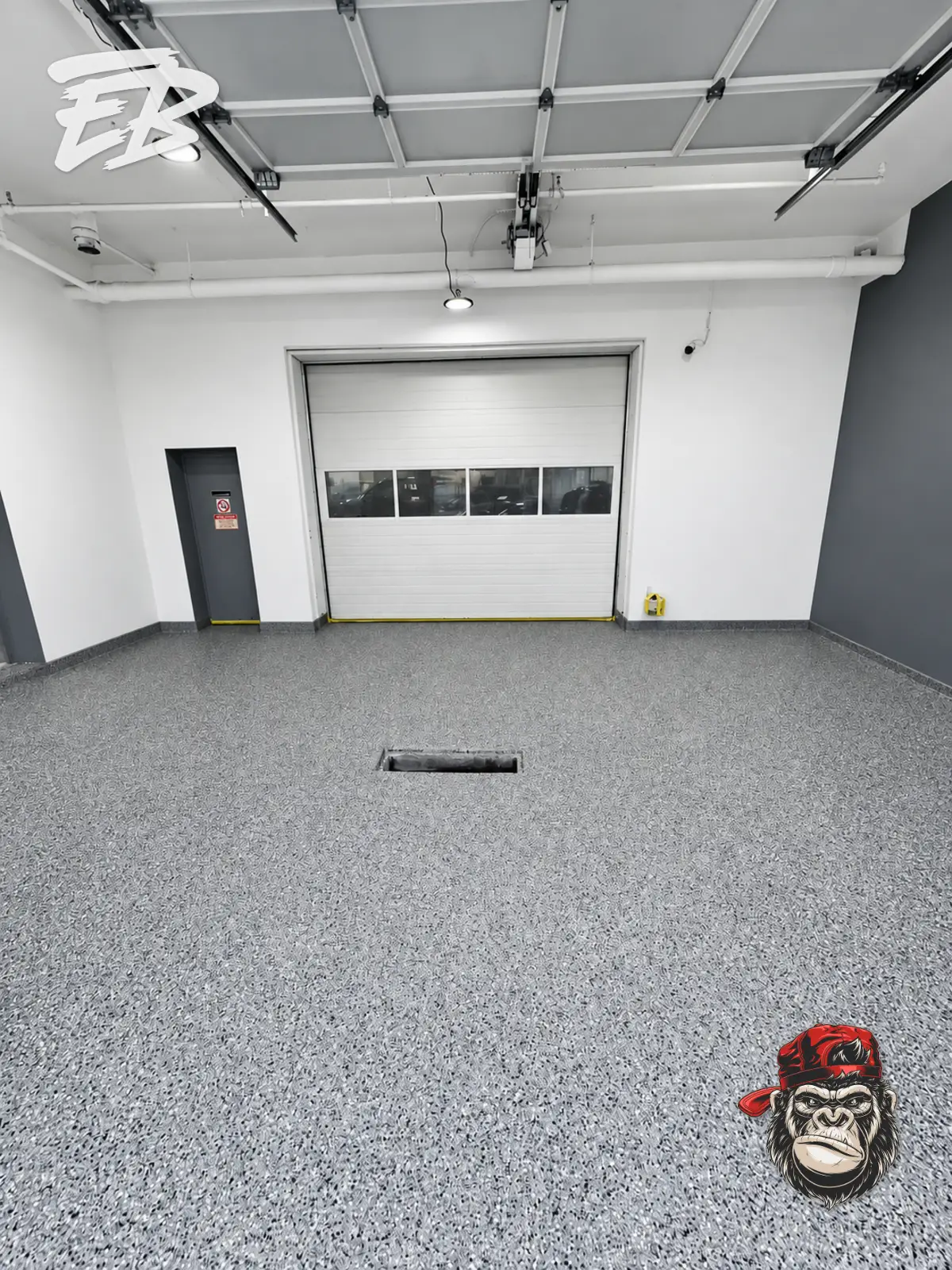
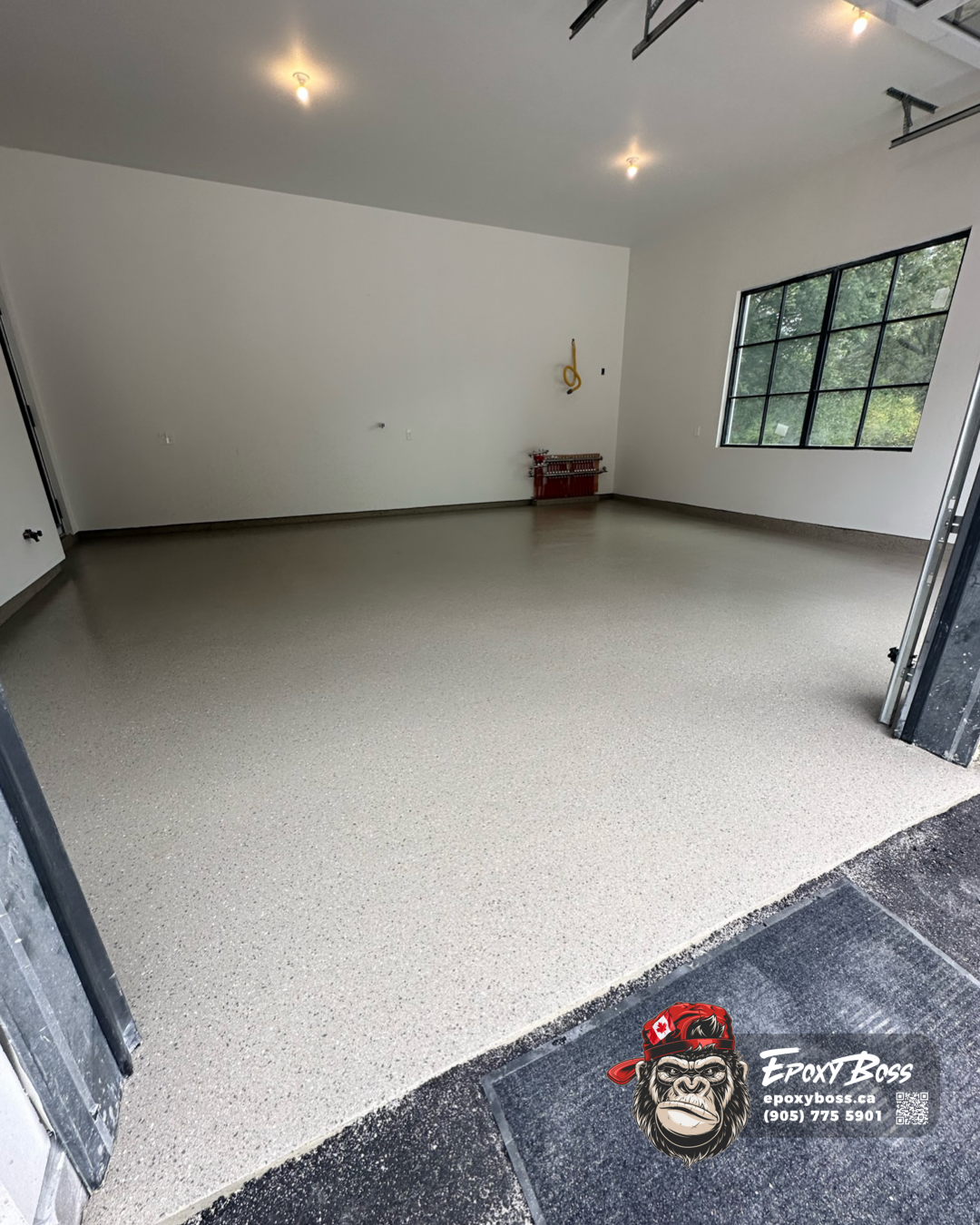
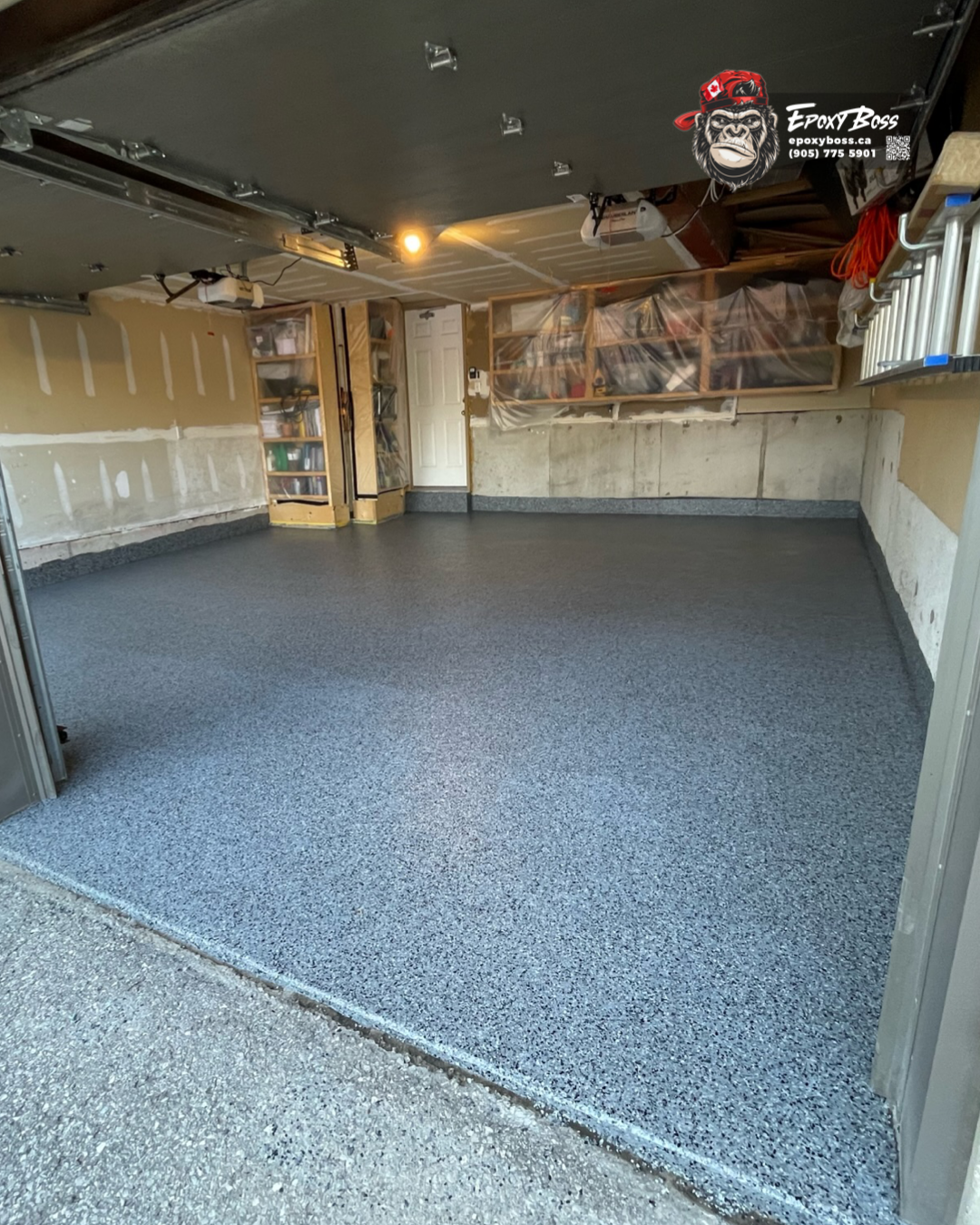
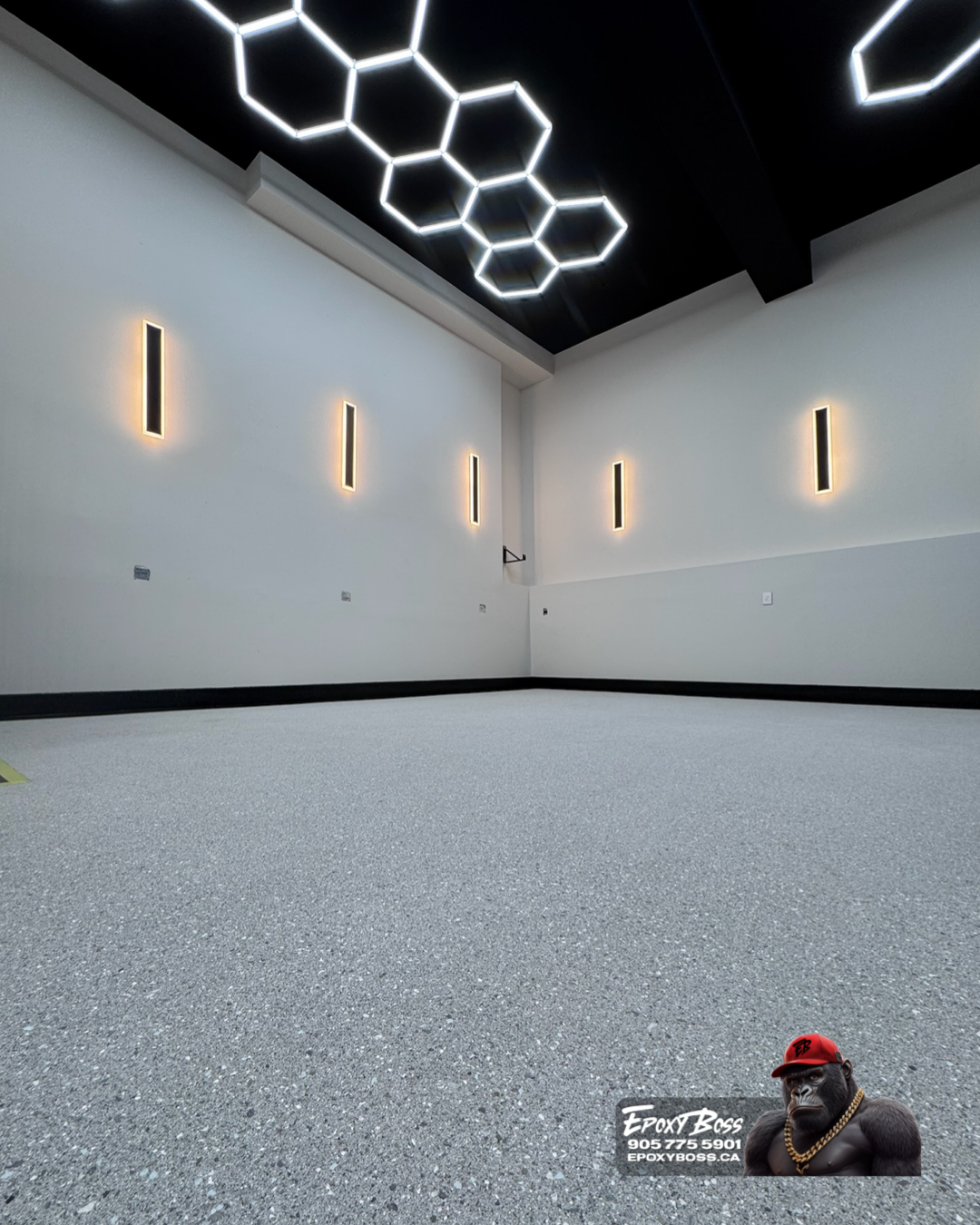
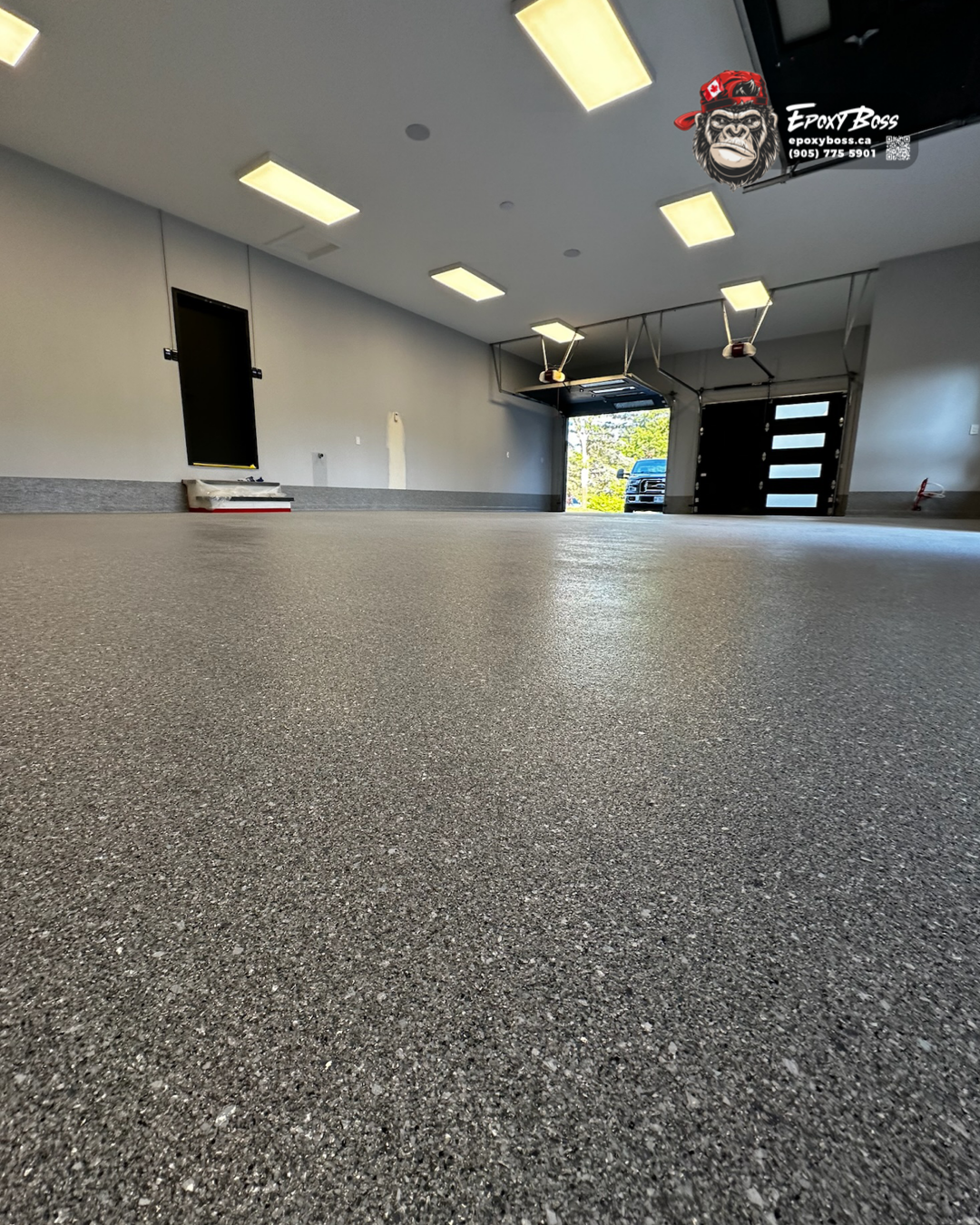
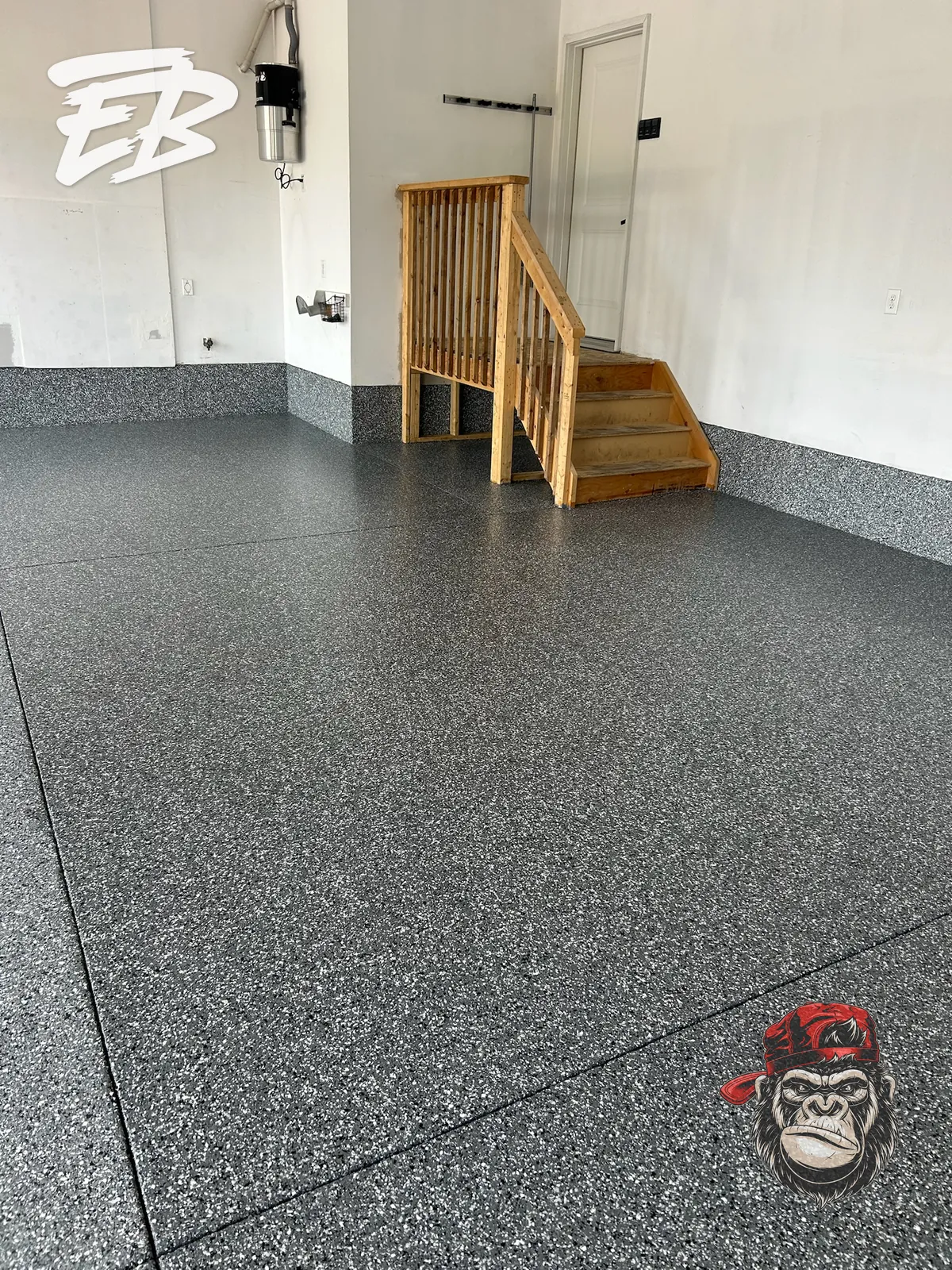
For example, a full-broadcast flake system may include prepared concrete, a compatible base layer, flakes broadcast to full refusal, scraping and vacuuming, then a clear protective topcoat. The exact materials may change based on the floor condition, installation schedule, sunlight exposure, and desired performance.
Ask what finish is proposed for your garage and why. If two quotes are very different in price, they may also be different in preparation, coating thickness, repair allowance, topcoat quality, or system design.
Make Sure Old Paint and Failed Coatings Are Included in the Scope
If your garage has old paint, a previous DIY coating, peeling epoxy, adhesive, or a failed decorative floor, do not assume it can simply be coated over.
A new coating is only as strong as the existing layer beneath it. If old paint releases later, the new system can release with it. If a previous epoxy floor is bubbling or peeling because of poor preparation, moisture, or contamination, adding another layer does not correct the original problem.
Ask whether removal of old coatings is included in the quote. If the contractor cannot confirm the condition until preparation begins, ask how additional work is documented and approved. Clear communication matters because old-floor removal can reveal conditions that were hidden before grinding starts.
A professional contractor should explain when a localized repair is reasonable and when full removal to sound concrete is the safer long-term choice.
Compare Scope, Not Just Price
A low quote can be appealing, but it may not include the same work as a complete epoxy flooring proposal. Compare the scope line by line.
Check whether the estimate identifies concrete preparation, crack repair, coating or paint removal, edge work, materials, decorative broadcast, topcoat, cleanup, and any exclusions. Ask whether the quoted price includes all visible repairs or only the coating application itself.
It is also helpful to ask how the contractor handles hidden conditions. Concrete is not always predictable. The floor may have a previous coating below paint, weak concrete beneath a chip, or contamination that becomes visible only after mechanical preparation. A clear process for documenting and approving additional work protects both the homeowner and the contractor.
The goal is not necessarily to choose the most expensive quote. It is to choose the quote that clearly explains what is included and gives you confidence that the floor will be prepared correctly.
Ask About Road Salt, Wet Vehicles, and Garage Use
Vaughan garages see wet vehicles, snow, slush, and road salt throughout the winter. These conditions make the system design and maintenance guidance important.
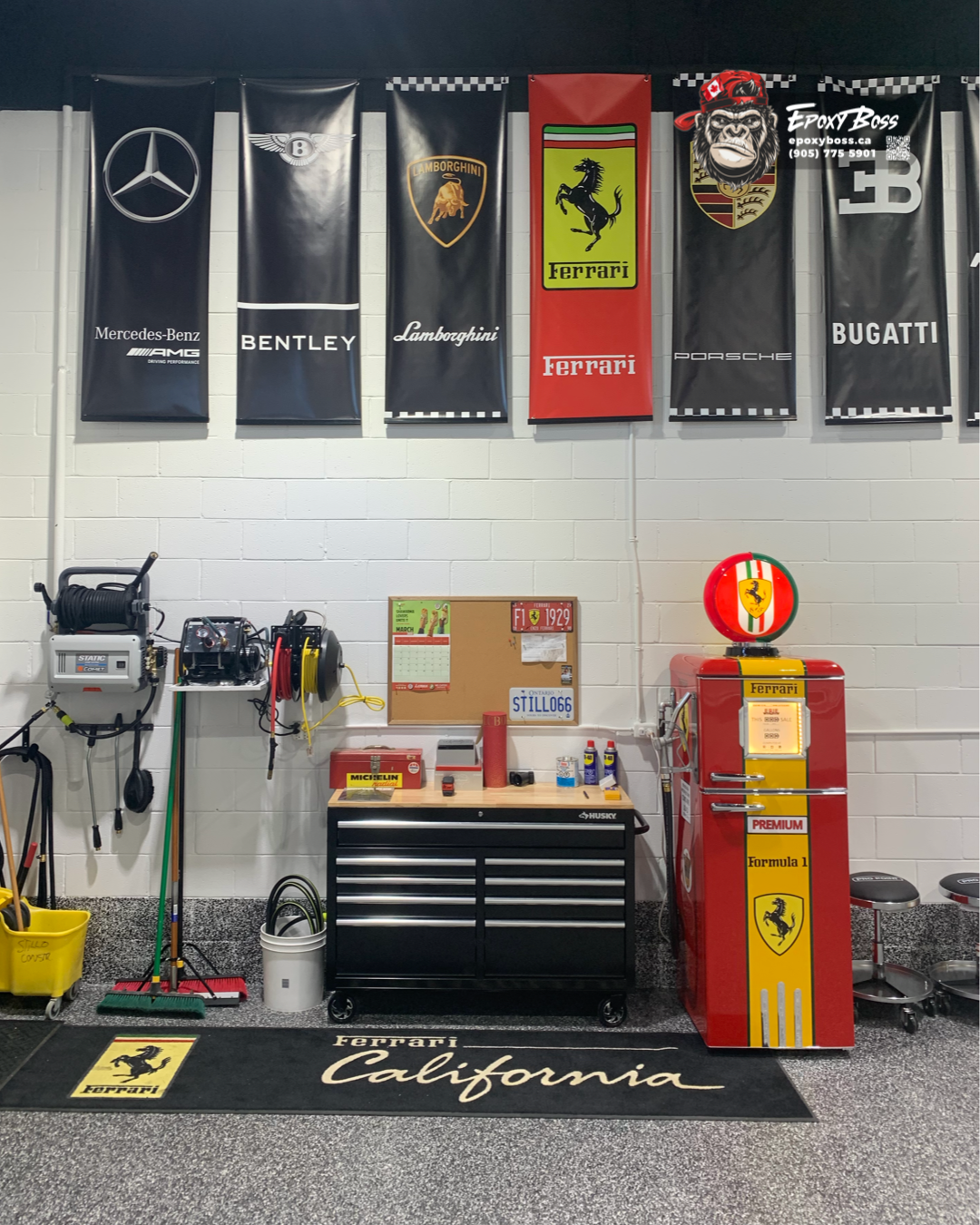
Tell the contractor how you use the space. Is the garage only for parking? Does it include heavy storage, a workshop, gym equipment, bicycles, sports equipment, or a collector vehicle? Are vehicles parked inside immediately after driving through snow and salt? Is the garage door regularly open to direct weather?
These details influence the recommended coating system, finish texture, repair approach, and maintenance plan. A floor should be specified for the real conditions of the space—not only for how it will look in photos.
Review Warranty and Aftercare in Writing
A warranty is useful only when you understand what it covers, what it excludes, and what maintenance is expected after installation.
Ask for the warranty terms in writing. Confirm whether it applies to peeling, delamination, material defects, or workmanship issues. Also ask what is excluded, such as structural slab movement, damage from impacts, improper cleaning, active moisture conditions, or previously existing concrete defects.
A contractor should also provide practical aftercare guidance. Homeowners should know when the floor can return to foot traffic, vehicle use, and normal cleaning, along with which cleaning products and methods are appropriate.
The best residential floor systems are not maintenance-free, but they should be straightforward to care for when they are installed and used correctly.
Look for Process, Documentation, and Real Project Evidence
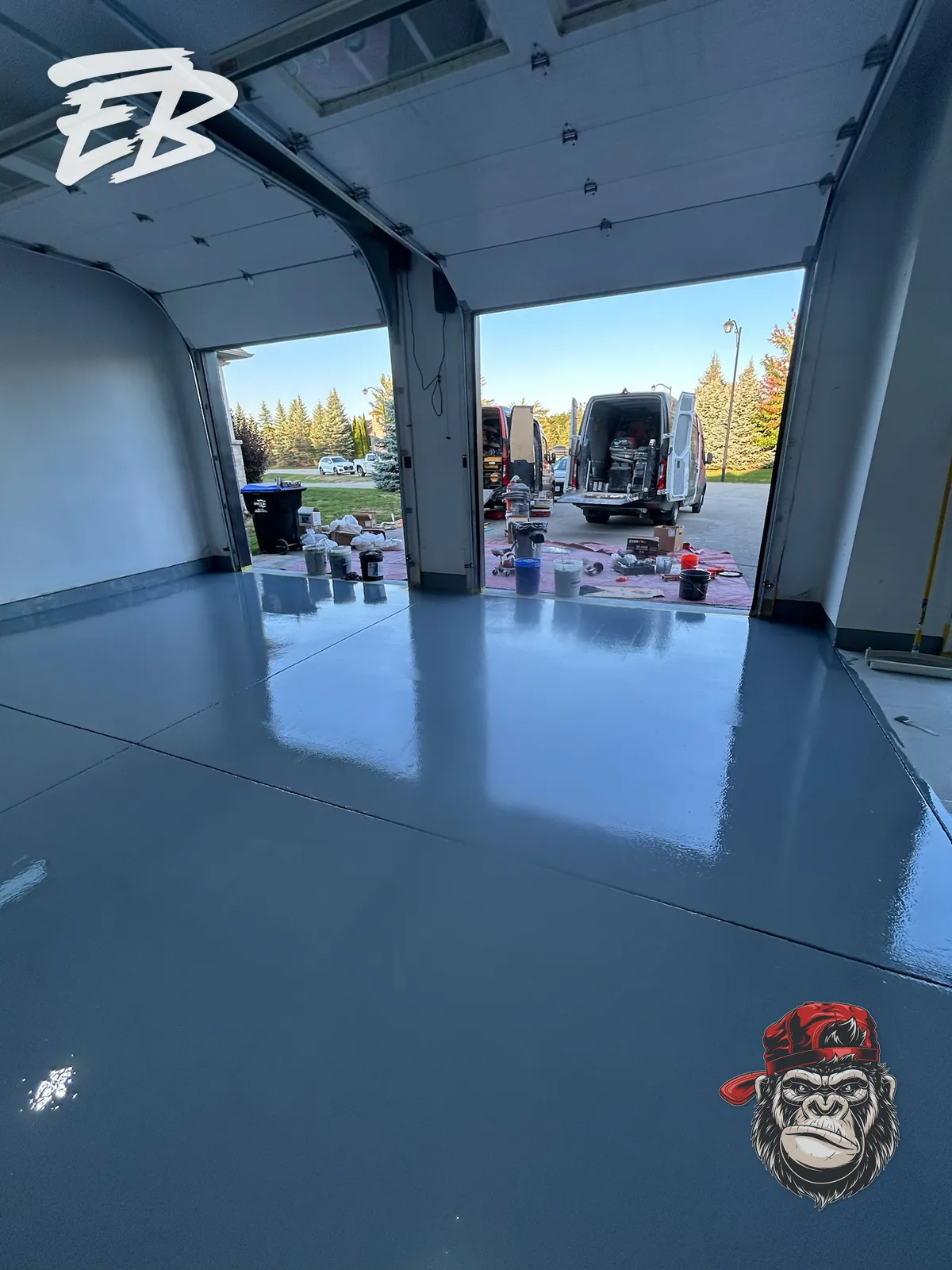
Photos matter, but they should not be the only proof you review. Ask to see real project examples that show preparation as well as finished floors. A contractor who documents grinding, crack repair, coating removal, flake broadcast, and final details gives you a better picture of how the work is performed.
Look for a consistent process. The contractor should be able to explain the job stages, who will be on site, how the garage will be protected, what happens if repairs are needed, and how the final floor will be reviewed before handoff.
For your Vaughan project, a professional proposal should feel specific to your garage—not like a generic package copied onto every quote.
The Right Contractor Helps You Make a Confident Decision
A new residential epoxy floor should improve the garage, not create a future repair problem. The strongest projects begin with an honest assessment of the concrete, a clearly written scope, proper mechanical preparation, and a system selected for the garage’s actual use.
Before choosing a contractor, ask about concrete grinding, crack and joint treatment, old coating removal, layer sequence, materials, finish texture, warranty, and maintenance. Those details are what separate a temporary cosmetic change from a properly built residential garage floor.
If you are planning a project in Vaughan, visit our Vaughan Garage Floor Coating page or contact Epoxy Boss Canada with photos of your existing garage floor for a clear resurfacing and coating recommendation.